I kept seeing the same thing in the chair next to mine: a bob that wasn’t trying to be anything. No curls coaxed into submission, no flat iron fighting a cowlick. Just a cut that worked with what it had. That is the natural hair bob I actually want.
This is 35 versions of the same idea, from a five-minute air-dry to a full blowout. Some need a round brush and patience. Others just need a trim every eight weeks. If your hair goes flat by 4 pm or your fringe separates by noon, there is something here that will not fight you. The Natural Hair Bob is not a single shape. It is permission to stop styling.
Sleek Chin Bob With Subtle Gray

That middle part is doing the heavy lifting here. It parts the dark base cleanly so every gray streak reads as deliberate, not accidental. The cut lands at a sleek chin bob with full bangs, straight and fine by nature. No layers to interrupt the line, which means the silver stays concentrated instead of getting lost in texture. A flat iron and a smoothing serum are non-negotiable for this finish. If your gray is scattered rather than streaked, this cut won’t showcase it the same way.
Tousled Collarbone Bob With Honey Blonde
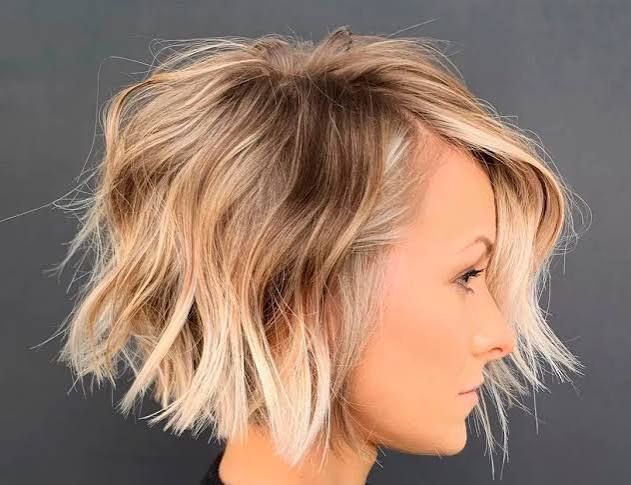
I’d take this over a polished bob nine times out of ten. The collarbone length gives it room to move, and the side-swept bangs keep it from reading as a grown-out lob. Honey blonde with lighter highlights catches light at the textured ends, which is where the whole cut lives. Wavy, medium density hair holds the tousle without product, though fine hair will need a curling wand on a few pieces to keep the shape. A trim every six weeks stops the ends from looking frayed.
Wavy Chin Bob With Dark Brown Highlights

How do you get waves that move instead of just sitting there? It starts with the layers. Ask your stylist for textured layers cut into the body of the bob, not just the ends. That is what gives a chin-length cut room to bend without looking stacked. Dark brown with subtle highlights adds depth, so the wave pattern reads in the colour shift, not just the shape. A side part and side-swept bangs keep the weight off one side. A round brush blowout takes about twenty minutes, and a texturizing spray holds the movement.
Air-Dried Chin Bob With Choppy Ends

I will admit I air-dried this one on purpose and it actually worked. The choppy ends give fine, wavy hair something to grip, so it does not fall flat by noon. Brunette, chin-length, side-swept bangs, no heat. A little scrunching while damp is the only effort. Trim every eight weeks keeps the ends from looking ragged instead of intentionally textured.
Wavy Ear-to-Chin Bob With Wispy Bangs

The ear-to-chin length is the sweet spot for anyone who wants a bob but worries about a blunt line. It grazes the jaw on most face shapes, and the wispy bangs soften the forehead without demanding daily styling. Medium brown, wavy, fine to medium texture. A middle part keeps the weight balanced. Towel dry, add a texturizing spray, scrunch, done in ten minutes. Trim every six to seven weeks keeps the bangs from drifting into your eyes.
Air-Dried Chin Bob With Wispy Bangs

Can a chin length bob with bangs actually look this good without a round brush and twenty minutes of patience? I’ve tried, and the answer is mostly yes, if you start with the right cut. The wispy bangs are the key here, cut so they feather across the forehead instead of sitting as a solid line, which means they dry looking intentional rather than like you gave up halfway. The medium brown base and middle part keep it soft, while the slightly wavy texture from air drying adds just enough movement that the blunt chin length doesn’t feel severe. You can absolutely do this at home, but the bangs are the part I’d leave to a stylist, since they need to be cut with precision to fall right without styling.
Sharp Ash Blonde Ear Bob

Let me be honest: this ash blonde bob cut is not for the lazy. The sharp, clean line that makes it look so deliberate in the salon requires daily flat ironing or blow-drying to maintain, and if you have fine hair like mine, you’ll notice every single flyaway by noon. The ear length is bold, and the middle part keeps it graphic rather than fussy, but the trade-off is that there’s nowhere to hide when your roots start to show or the line softens. You’ll be back in the chair every six weeks, and that’s if you’re disciplined about it. It’s stunning, but it asks a lot in return.
Sleek Black Chin Bob Glossy Finish
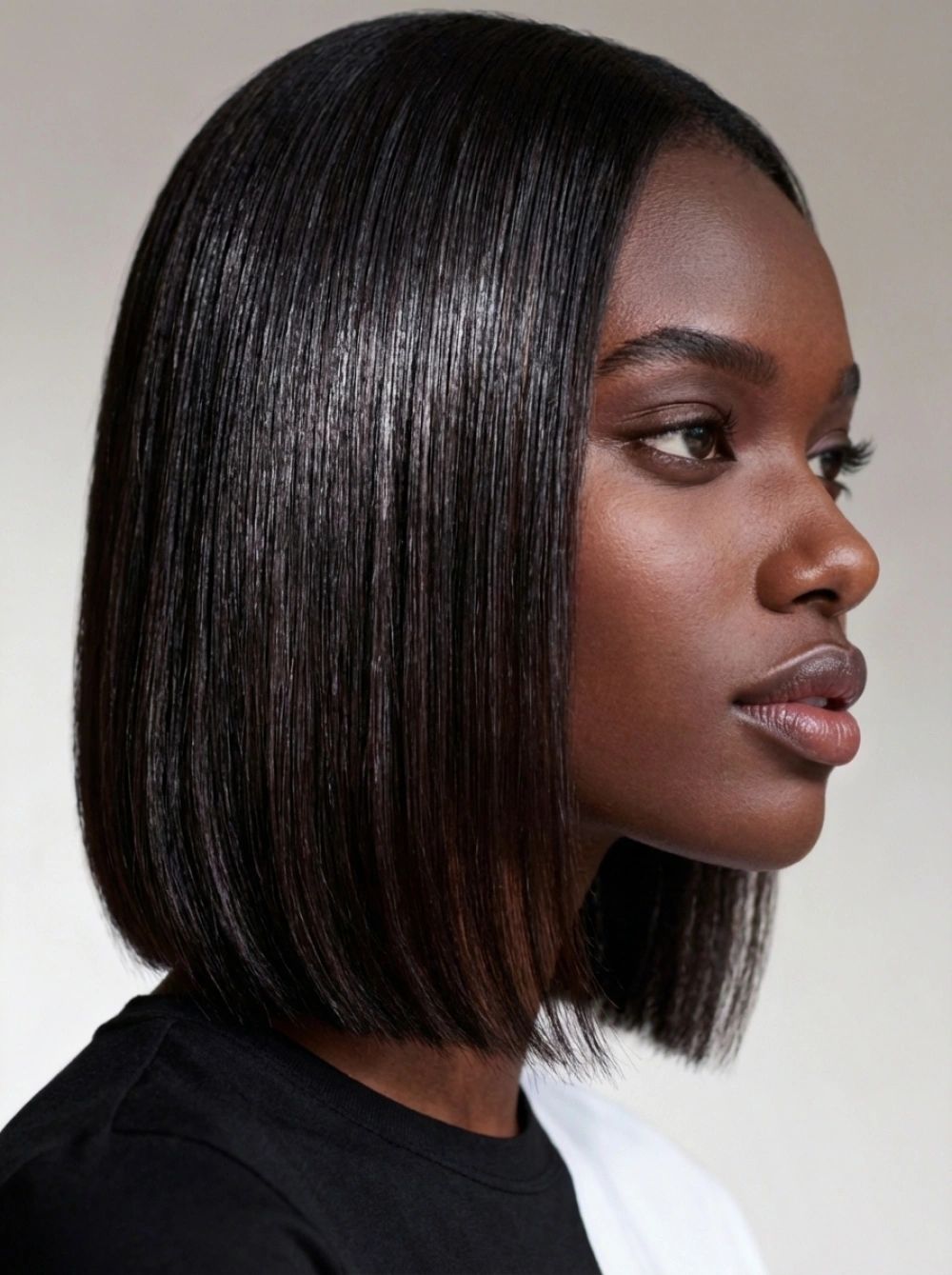
The first thing you notice is the shine, and that’s not an accident. This sleek black bob lives or dies by its glossy finish, which means daily flat ironing and a high-shine serum, about fifteen minutes every morning if you want it to look like this. The chin length and middle part work because the hair is straight and fine, so it falls smoothly without poufing at the ends. But here’s the reality: by day three, the gloss fades and the ends start to separate, so you’re either refreshing with heat or accepting a slightly less polished version of the look. A silk pillowcase helps, and so does a trim every six weeks to keep that sharp line from turning into a soft wedge. It’s a commitment, but the payoff is a silhouette that reads as deliberate even when you’re just going to the grocery store.
Tucked Dark Brown Blunt Bob

I’ll admit it: I’ve tried the tucked look at home and ended up with a lopsided mess that screamed ‘I gave up.’ This dark brown blunt bob works because the cut is precise, chin length with a sharp line that stays put when you tuck it behind your ears. The side part adds a bit of asymmetry, which helps if your hair is fine to medium density like mine, because it gives the illusion of more volume at the root. But the honest downside is that fine hair struggles to hold the tucked shape without product or heat styling, so you’re looking at daily straightening and a bit of pomade to keep it in place. The blunt edge is unforgiving, so any frizz or wave will show, and you’ll need a trim every seven weeks to keep it looking sharp. It’s a look that rewards effort, and punishes neglect.
Thick Black Bob With Blunt Bangs
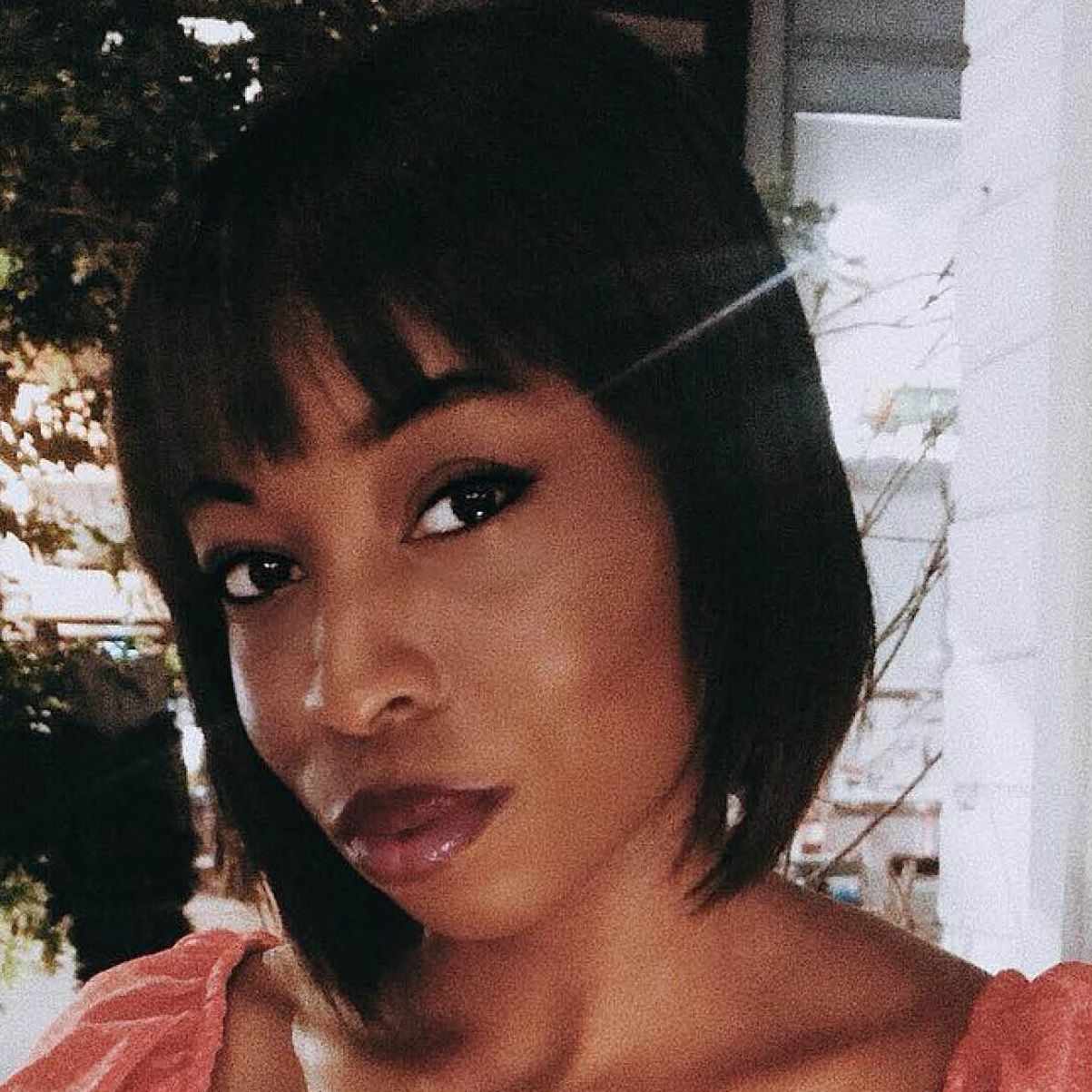
Do you have thick, straight hair that refuses to hold a curl but also won’t lay flat? Then this blunt bob with blunt bangs might be your answer. The chin length and middle part work with the weight of thick hair, so it falls in a clean, graphic line instead of fluffing out. The blunt bangs are the standout, and they need to be cut with precision to sit just above the brow without looking like a helmet. This cut flatters oval and heart-shaped faces because it draws the eye down and across, but if you have a round face, the blunt bangs can make it look shorter, so you might want to ask for them slightly longer. The trade-off is that daily straightening is non-negotiable, and the bangs will need a trim every three weeks if you want to keep them out of your eyes. It’s a bold look, but it rewards the commitment.
Thick Dark Brown Bob Blowout
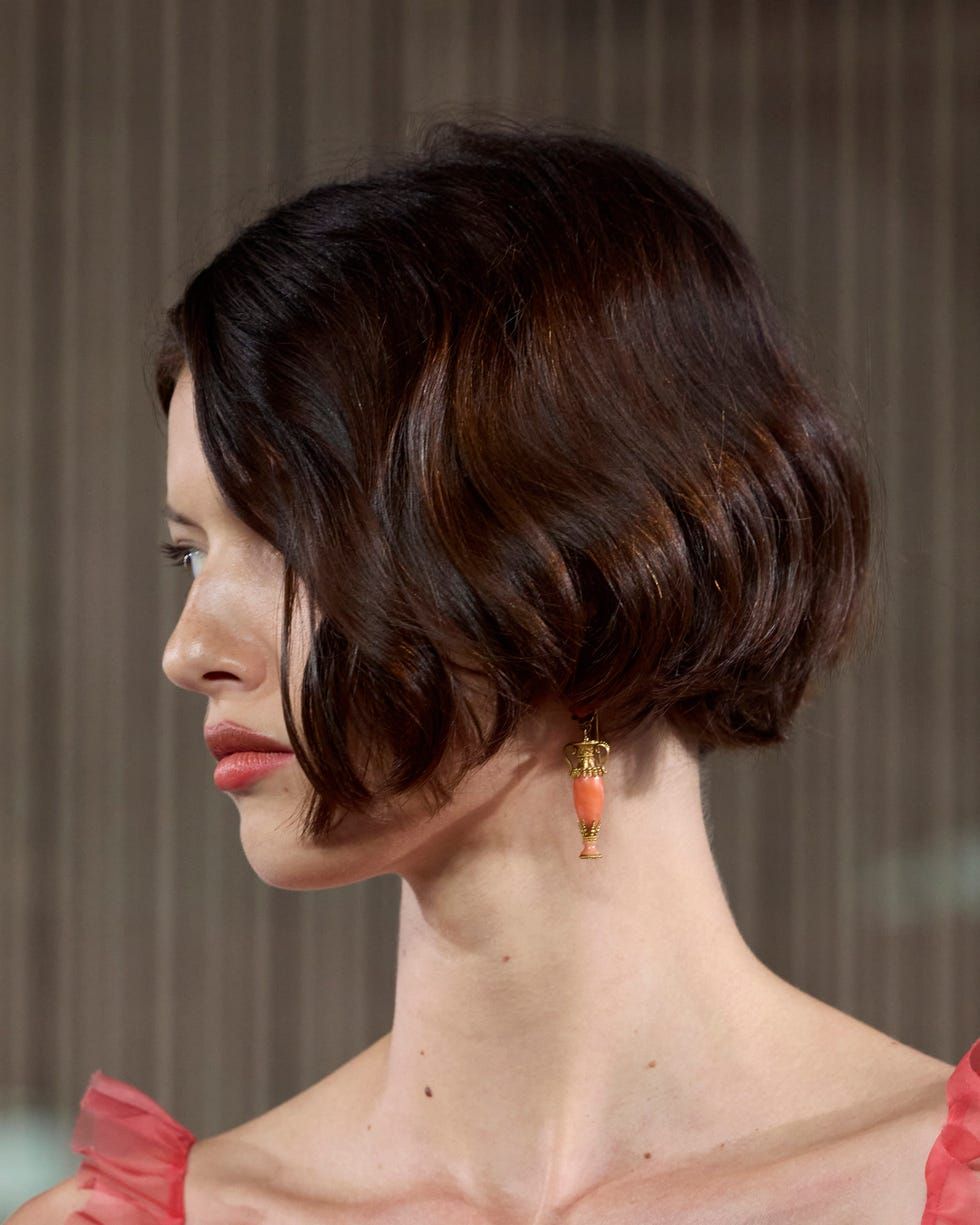
The volume starts at the root, not the ends. That is the trick with this thick hair bob cut: a round brush lifts from the scalp, and the dryer follows two inches behind. Middle part, chin length, no layers to break the line.
The blowout takes twenty minutes. Section the crown first, brush each piece forward and down, then blast the roots with cool air. No bangs means every strand has to lay flat together. A smoothing cream before drying keeps the dark brown glossy instead of puffy. Trim every eight weeks or the weight pulls the shape wide.
Shoulder Length Curly Dark Brown Bob
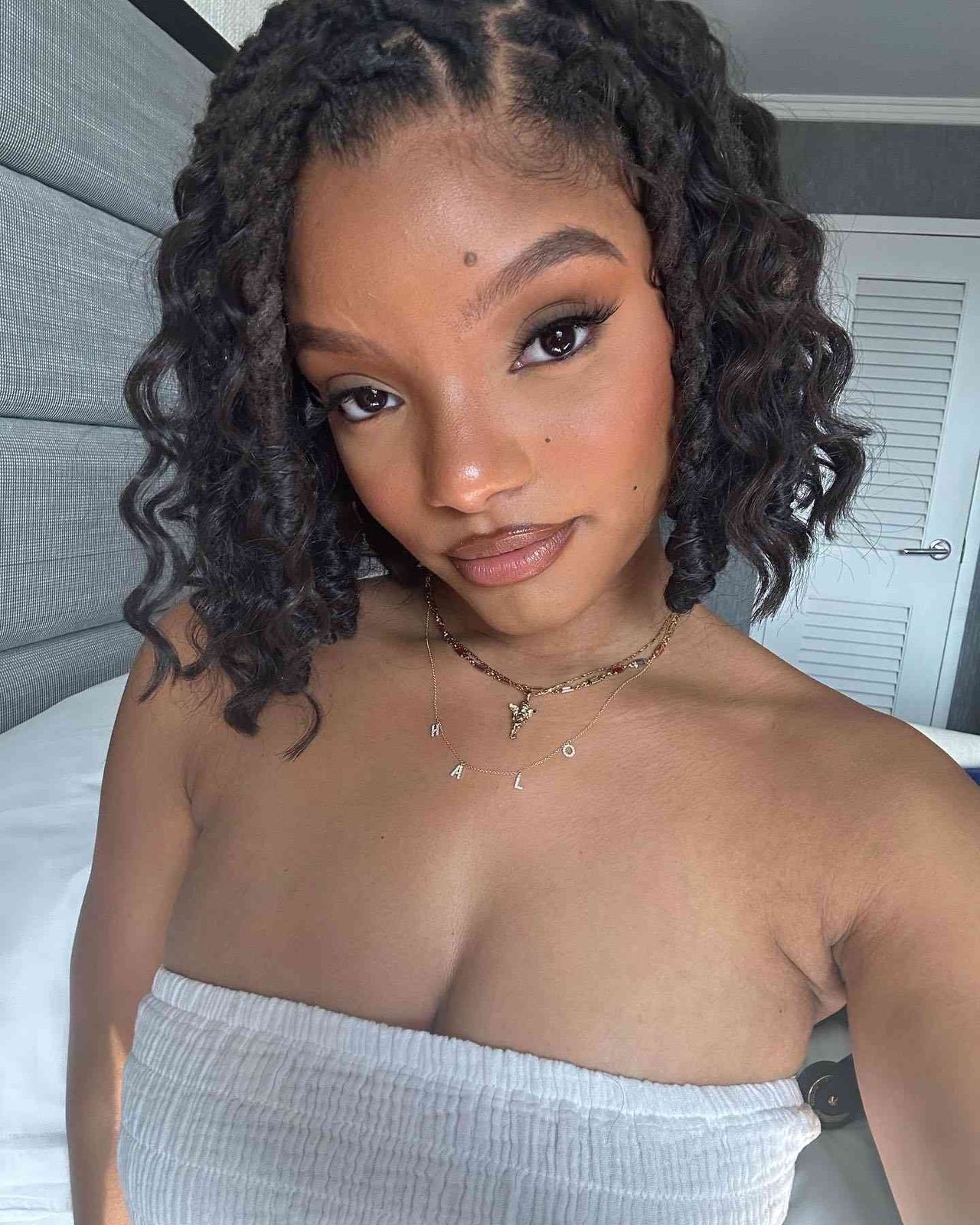
I will admit it: I expected this shoulder length curly bob to collapse by lunch. It did not. The weight of thick curls at shoulder length actually helps them hold their shape.
Middle part, no bangs, just a rounded cut that clears the shoulders. The layers are subtle, mostly hidden by the curl pattern. Air-dry with a curl cream, about five minutes of scrunching, then walk out the door. By day three the back gets a little flat, so I refresh with water and a finger comb. Trim every ten to twelve weeks, or the ends start to thin out.
Chin Length Curly Bob With Side Swept Bang
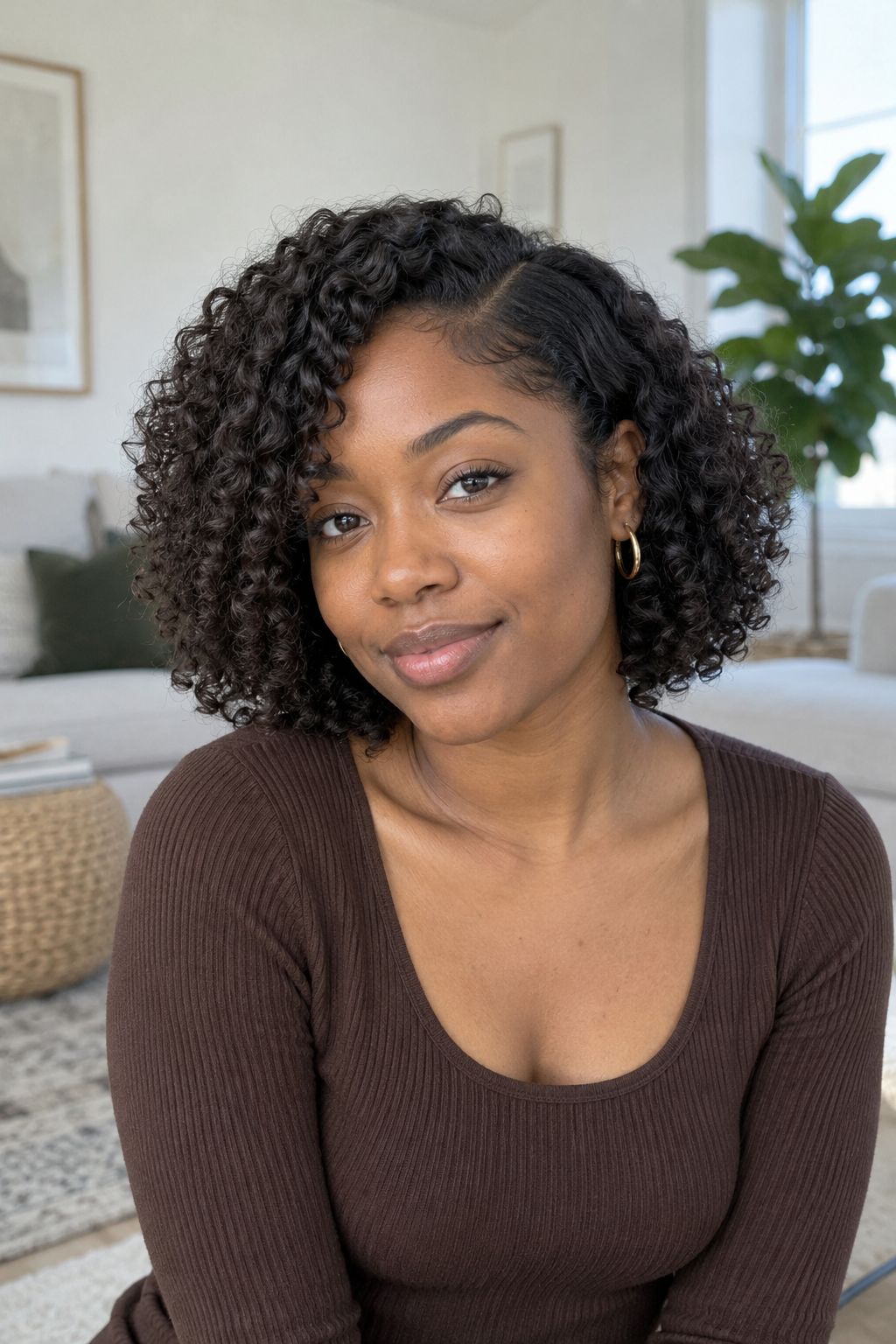
Skip the blowout. This curly bob with side swept bang beats a structured set every time. Side part, chin length, layers cut into the curl rather than against it. The side swept bang crosses the forehead at an angle, which keeps the weight off the face without a full fringe. Air dry with a curl-defining gel, about ten minutes of shaping. The texture stays defined because the cut does not fight the natural bend. Trim the bob every eight weeks and the bangs every four, or the side sweep turns into a curtain you did not ask for.
Short Voluminous Black Curly Bob
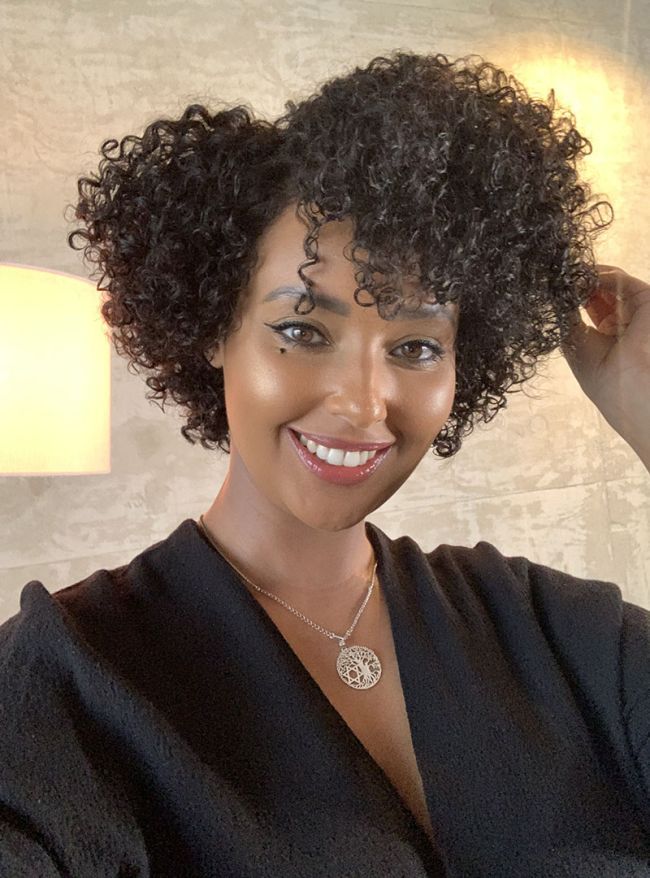
This ear-length cut is for people who already have thick, curly hair and are not afraid of the volume it brings. Black, curly bangs, a side part, no layers — the shape relies on the natural spring of the curl to build height at the crown. If your hair is fine or your curls are loose, the volume can look unbalanced. A trim every six weeks keeps the bangs from overtaking the bob. Air-dry with a curl enhancer, about ten minutes, and let the texture do the heavy lifting.
Defined Twist Out Black Bob
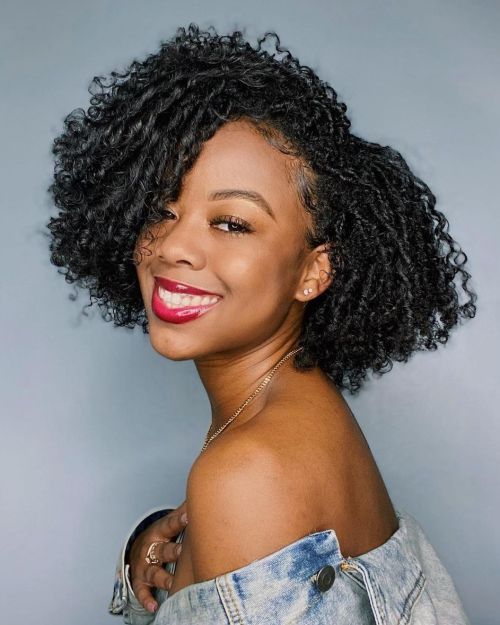
Ever spent an hour on a twist-out only to have it frizz by lunch? This chin-length bob with side swept bangs is built to hold definition. The technique is straightforward: section damp hair into small twists, apply a hold product, let them dry fully — about an hour or two depending on your hair density. Black, thick, curly texture, no layers, so the twist pattern stays uniform from root to end.
Once dry, undo each twist gently and fluff at the roots with your fingers. Day-old twists can be refreshed with a spritz of water and re-twisted overnight. The bob length means less hair to twist, which cuts the drying time compared to longer styles. Trim every eight weeks to keep the ends from splitting and ruining the definition.
Voluminous Coily Black Bob
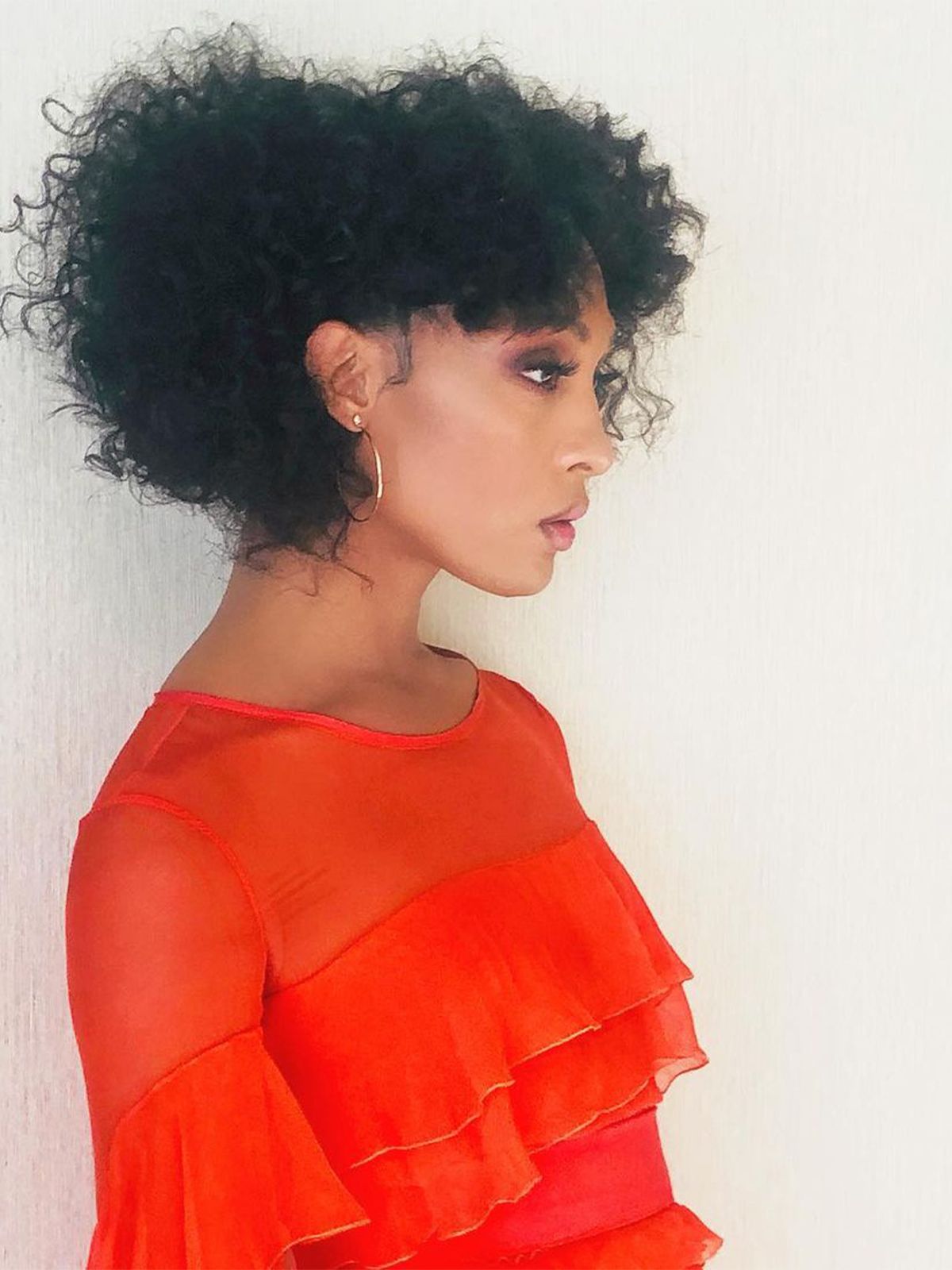
I’ll admit it: I used to think a coily natural hair bob meant sacrificing volume for shape. This one proves me wrong. The cut lands between ear and chin, with no layers to thin the density and no bangs to break the line. The texture does the work — those tight coils stack into a shape that holds its height past 4 pm. Shrinkage is real, so expect the coil to pull up a full inch from where the stylist cut it. A trim every 10 to 12 weeks keeps the round silhouette from turning lopsided.
Daily management is simpler than it looks. Air dry with a leave-in and a styling cream, about 10 minutes of hands-on time. The side part gives the volume somewhere to fall instead of spreading wide. High density is the secret here. If your strands are fine or sparse, this shape reads thin rather than full.
Voluminous Curly Dark Brown Bob Blowout
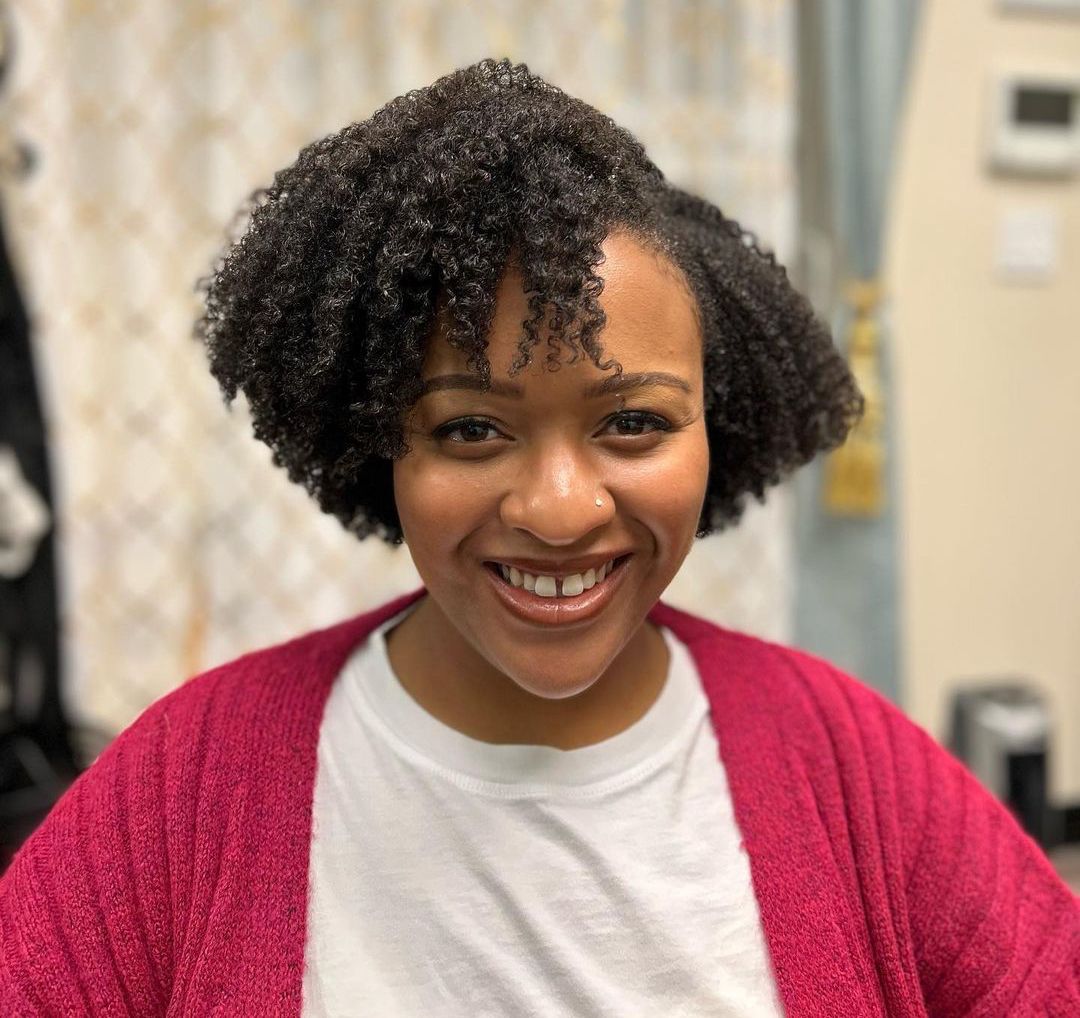
A professional blowout on a curly bob blowout style costs about 25 minutes in the chair and a steady hand with the diffuser. The cut is chin-length with side-swept bangs that sweep across the forehead, and the layers are cut to lift at the crown without losing the bob’s weight. Thick, curly texture takes the blowout well — the heat smooths the curl into a soft wave that holds for two days if you sleep on silk. At home, expect 40 minutes and some trial with the round brush. The diffuser is non-negotiable. A trim every 8 weeks keeps the ends from fraying and the bangs from landing in your eyes. This is not a bathroom-mirror job.
Voluminous Afro Textured Bob
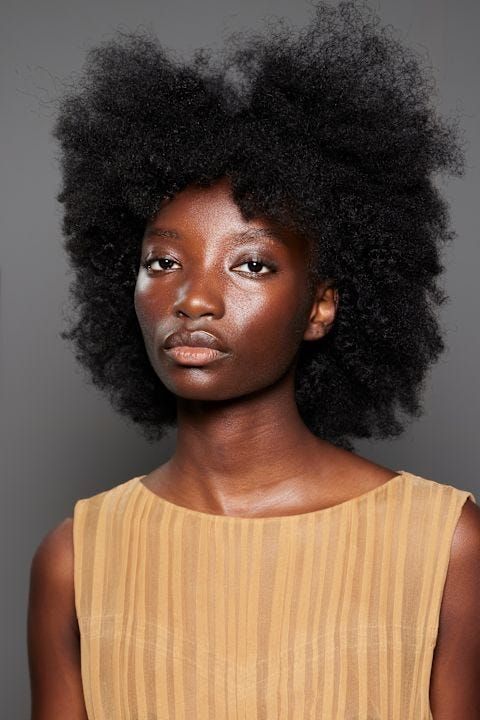
An afro textured bob haircut looks like a statement piece in the photo. The reality is maintenance. The cut is ear to chin with no bangs, and the natural coil wants to grow into a globe rather than a bob. Keeping that precise rounded shape requires a trim every 10 to 12 weeks and a pick to lift the roots. The side part helps the volume sit asymmetrically instead of puffing straight out. Air dry with a leave-in and a light cream, about 10 minutes. The honest downside: skip this if you want a wash-and-wear shape that stays tidy. The afro bob needs attention between trims.
Fine Natural Black Bob With Blunt Bangs
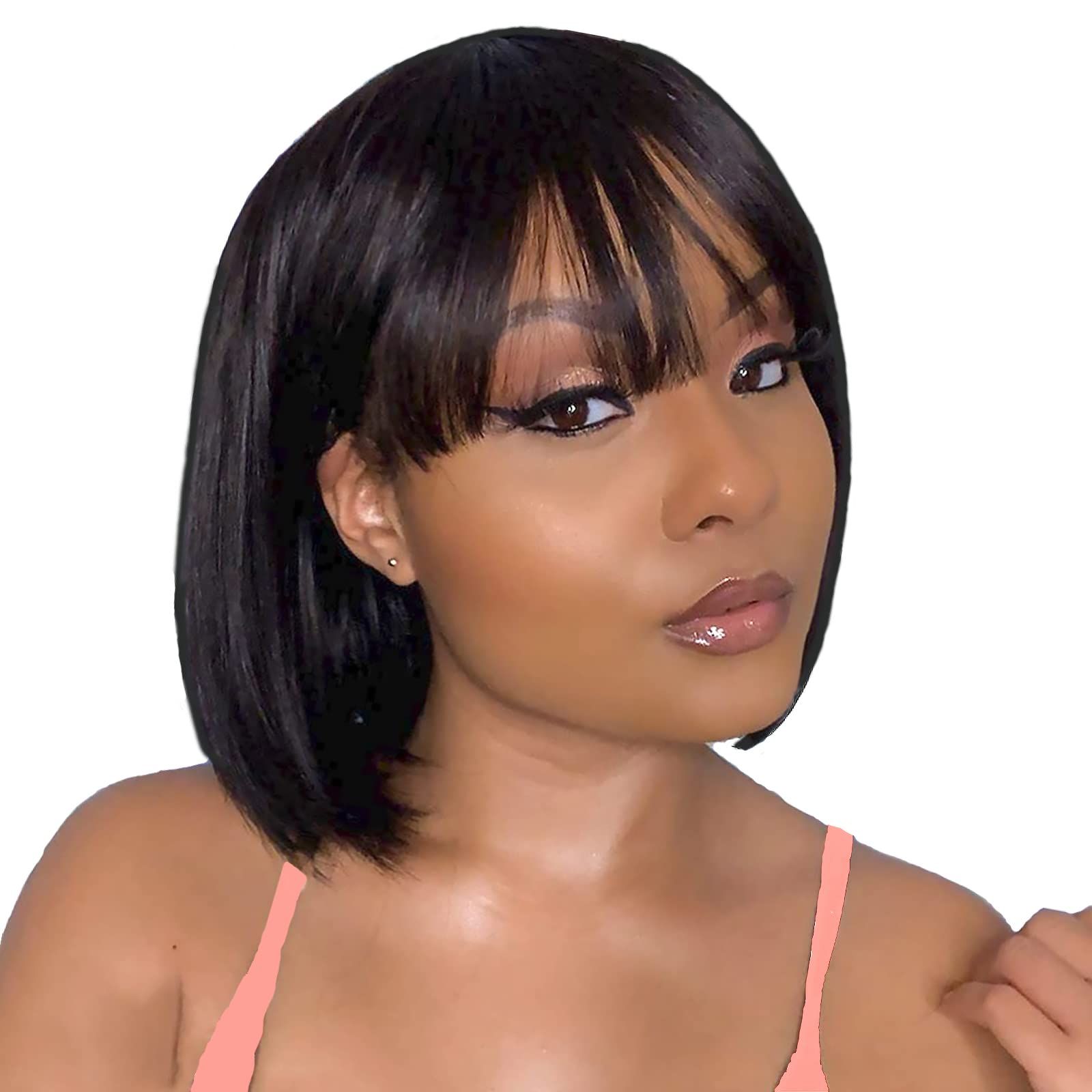
Does your fine hair look flat by noon? A fine hair bob with bangs might fix that. The cut is chin-length with blunt bangs that hit just above the brow, and the middle part lets the weight fall evenly. Straight, fine texture benefits from the blunt line — it adds visual density at the ends and the fringe. No layers here, because layers would thin an already sparse profile. The trade-off is daily straightening, about 15 minutes, and bangs that need trimming every three weeks to stay out of your eyes. The bob itself needs a trim every 6 weeks. This works best if your face shape is oval or heart, where the horizontal line of the bangs balances a narrower chin.
Dark Brown With Subtle Lighter Tones Thick Curly Dark Brown Bob

Set a thick curly bob haircut against a tighter curl pattern and the difference is in the drape. This one lands at shoulder length with no bangs, a middle part, and soft curls that fall rather than spring. The subtle lighter tones — barely there, not highlighted — catch light in the wave, which a uniform dark shade would not. The texture is thick and curly but loose enough to air dry without a diffuser. A curl cream, 10 minutes, done. The trim rhythm is every 10 weeks because the weight of the curl pulls the shape longer faster than a tight coil would. If your curls are dense and you want a bob that moves instead of sitting still, this is the one.
Collarbone Bob With Curtain Bangs

Can a single cut give you both a bob and the face-framing effect of longer hair? That is the promise of a collarbone bob with curtain bangs, and it delivers. The cut lands at the collarbone, no layers in the body, just a blunt baseline that keeps the bob shape intact. The curtain bangs are the real work: they start short at the center, then sweep longer toward the temples, and they need a round brush and a blow-dryer to get that swoop. Diffuse if you have wave, or air-dry with a curl cream and let the texture set the shape. About 15 to 20 minutes, and the bangs need a trim every four weeks while the bob itself can go eight.
Collarbone Black Bob With Soft Waves
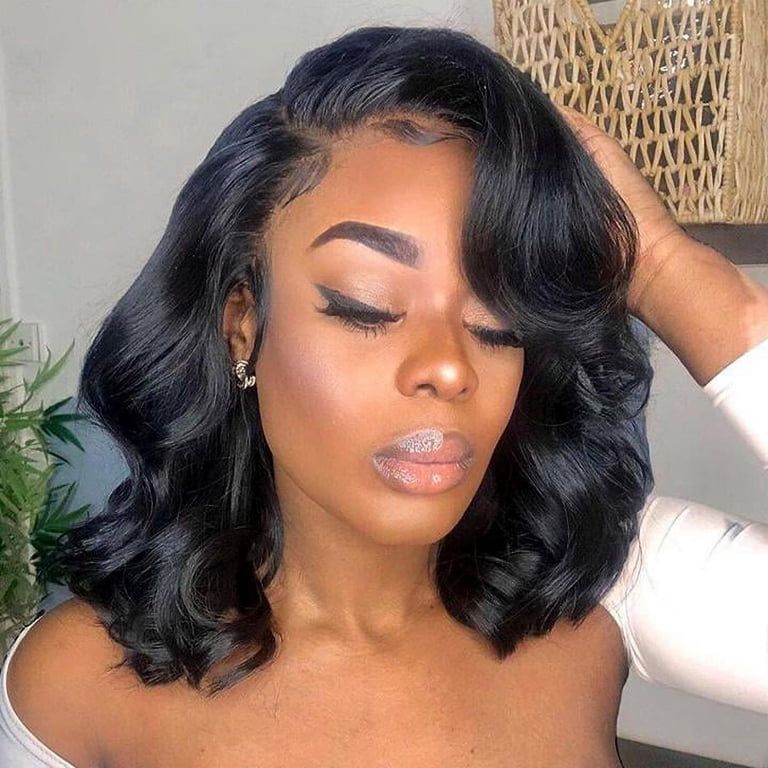
I will admit I was skeptical about soft waves on a thick black bob. They look so effortless in the chair, then fall by noon. But this cut holds better than I expected. The collarbone length gives the wave enough weight to stay put, and the thick texture means the bend does not vanish after an hour. You still need a touch-up by midweek, a quick pass with a large barrel curling iron or a re-damp and scrunch with texturizing spray. About 15 minutes. The side-swept bangs help, they break up the volume and keep the wave from looking too uniform. Trim every eight weeks, and do not skip it, the shape goes soft fast.
Textured Natural Black Bob
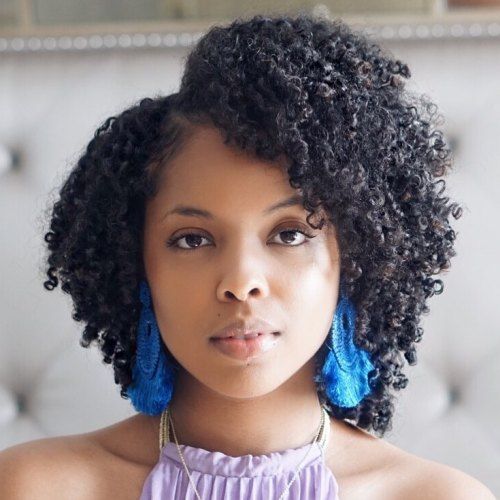
Here is the thing about a textured natural black bob. It works best on curly, thick hair that already has some spring. The cut is a collarbone bob, no bangs, a side part, and the shape relies on the curl to do the work. If your hair is fine or straight, this will look like a blunt bob that forgot to finish drying. The texture is the star, slightly tousled, air-dried with a curl cream or leave-in, about 10 minutes total.
Who should pass? Anyone with very low density or hair that does not hold a curl past lunch. The shape needs volume to read as intentional. But if you have thick, curly hair and want a cut that gets better as the week goes on, this is it. The curls settle into a softer shape by day three, and the collarbone length keeps them from shrinking into a triangle. Trim every ten weeks. That is a long stretch for a bob.
Layered Chin Bob With Ash Blonde

I have a verdict on the layered chin bob with ash blonde. It gives volume, real volume, not the kind that collapses by 4 pm. The layers are cut through the interior, so the chin-length bob does not sit flat against the jaw. But here is the honest downside. Layers at this length mean more frequent trims, about every six weeks, because the shortest pieces split first. Ash blonde on thick, wavy hair reads cool and textured, but it also shows every dry end. A blowout or diffusing is non-negotiable, about 20 minutes, and the layers need shaping, not just a dusting. Worth it for the lift. Not worth it if you hate the salon.
Collarbone Medium Brown Wavy Bob

Do those effortless waves actually last past the first wash? On a medium brown wavy bob at collarbone length, the answer is yes, mostly. The medium density helps, the wave has enough body to hold a bend without product, but it will soften by day two. A texturizing spray or sea salt spray extends the life, about 5 to 10 minutes in the morning to reactivate. The side part and no bangs keep it low maintenance, no fringe to trim, no shape to fight.
The real test is day four. By then the wave is more of a loose S, and the collarbone length starts to look a little flat at the root. A quick refresh with a spray bottle and a scrunch brings it back. Trim every eight weeks, and the medium brown color hides the grow-out well. Not a showstopper. A reliable, get-out-the-door cut that does not demand a round brush.
Collarbone Chocolate Brown Bob Waves
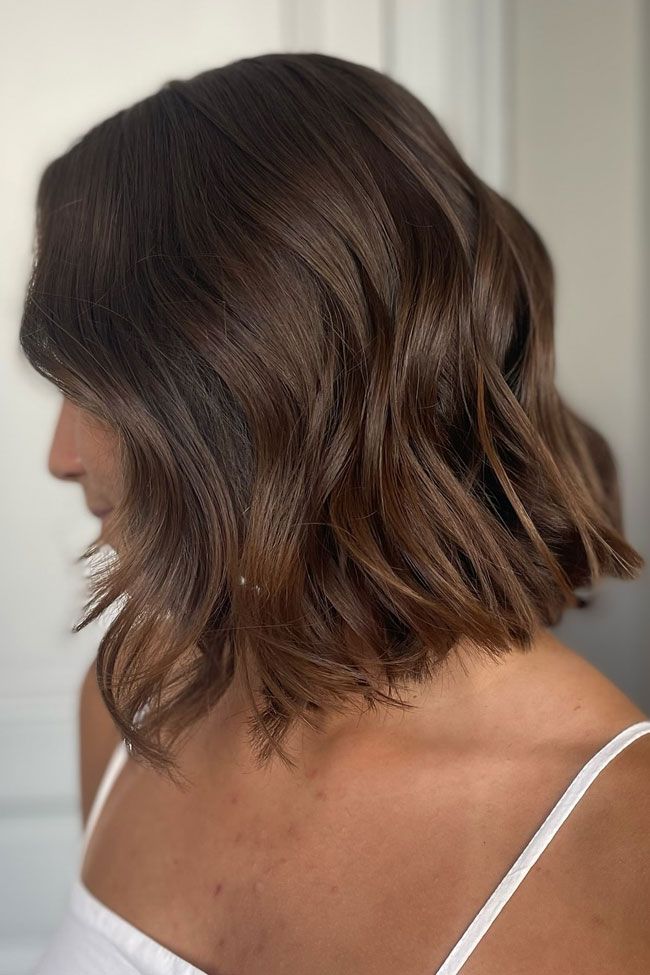
Side parts on a collarbone bob usually read as safe, but this one earns the choice. The chocolate brown bob lands just below the collarbone, no layers, no bangs, just a clean blunt baseline that the loose waves break up. That is the trick: the cut is simple, the texture does the work. A few minutes with a large barrel curling iron or just air drying with a texturizing spray, and the wave sits soft, not set. A trim every eight weeks keeps the shape from turning shaggy. This is a salon cut, not a bathroom-mirror job, the blunt line needs a professional hand to stay clean.
Vibrant Copper Chin Bob Back View
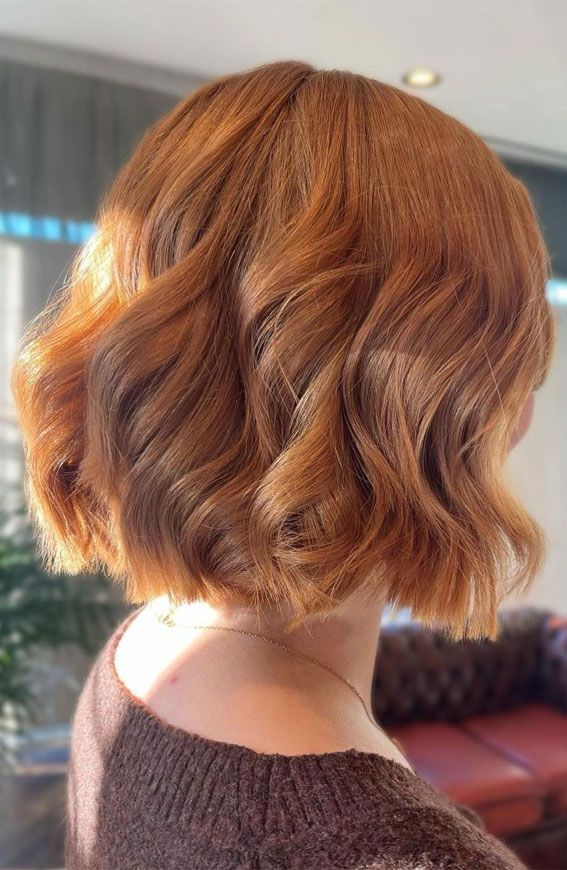
This is the cut you book when you want people to notice your hair before they notice you. The chin-length bob has no bangs and a middle part, but the story is the back view, where the copper color with subtle highlights catches light in a way brown never does. The texture is wavy, medium density, shaped with a curling iron or wand every day, about twenty minutes. It is a seasonal color, autumn mostly, because copper reads warm next to cooler months. Trim every seven weeks or the shape goes soft.
Sharp Black Blunt Chin Bob
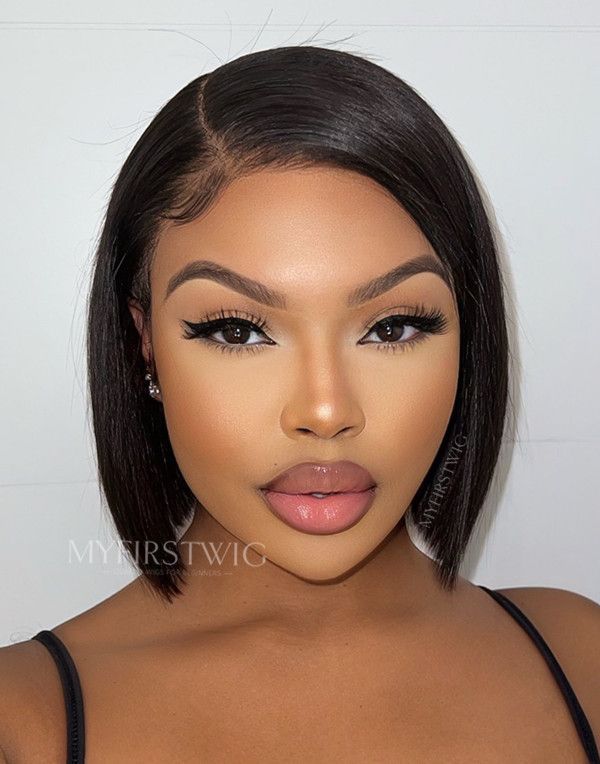
I will admit I was skeptical of the blunt bob. It looks severe in photos, a hard line across the chin, no layers, no bangs, straight black hair that does not bend. But here is the honest downside: that sharp line is the whole point and it is also the problem. Fine, straight texture shows every uneven snip, every split end, every day you skip the straightener and a shine serum. Fifteen minutes of daily styling, and a trim every six weeks. Skip that sixth week and the blunt edge frays. The cut is beautiful for about four weeks out of six.
Stacked Curly Bob With Blonde Highlights
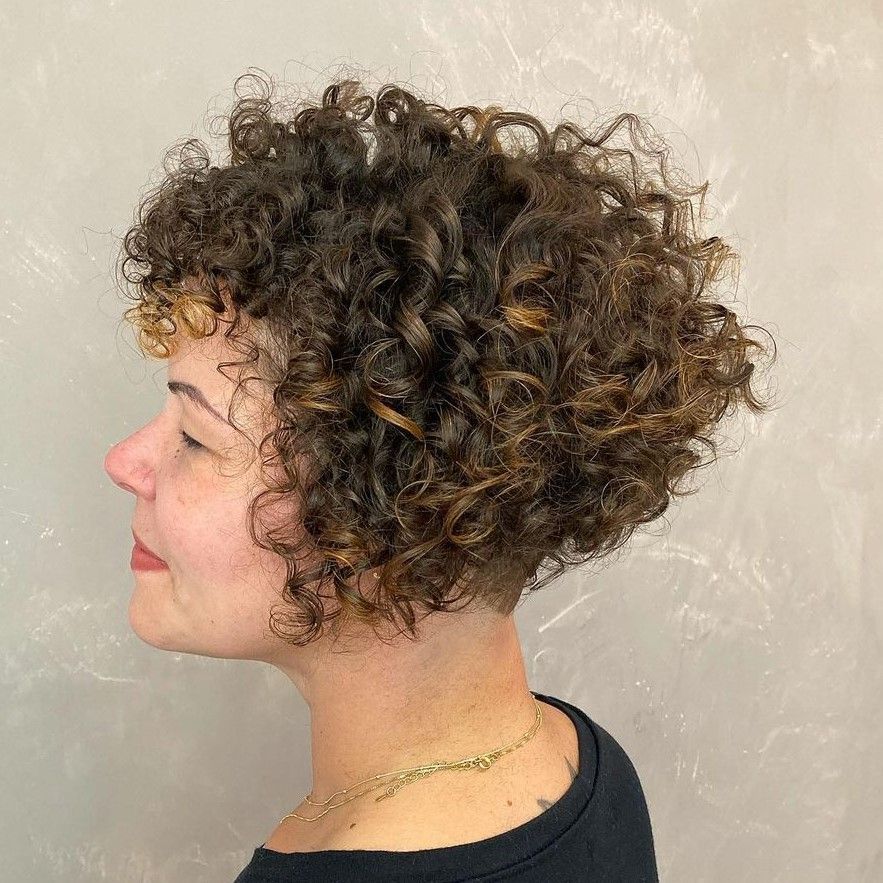
The stacked cut builds volume at the crown and tapers shorter toward the nape, which means curly hair does not sit flat at the back. This ear-length bob has short curly bangs, a middle part, dark brown base with blonde highlights that add dimension without looking streaky. Thick, curly texture is the right match here, the stack supports the weight. Fine or low-density curls may feel sparse in the shorter back section. Air dry with a curl cream, about ten minutes, and the shape holds. Bangs need a trim every three weeks, the bob every seven.
Wavy Collarbone Bob With Blonde Highlights
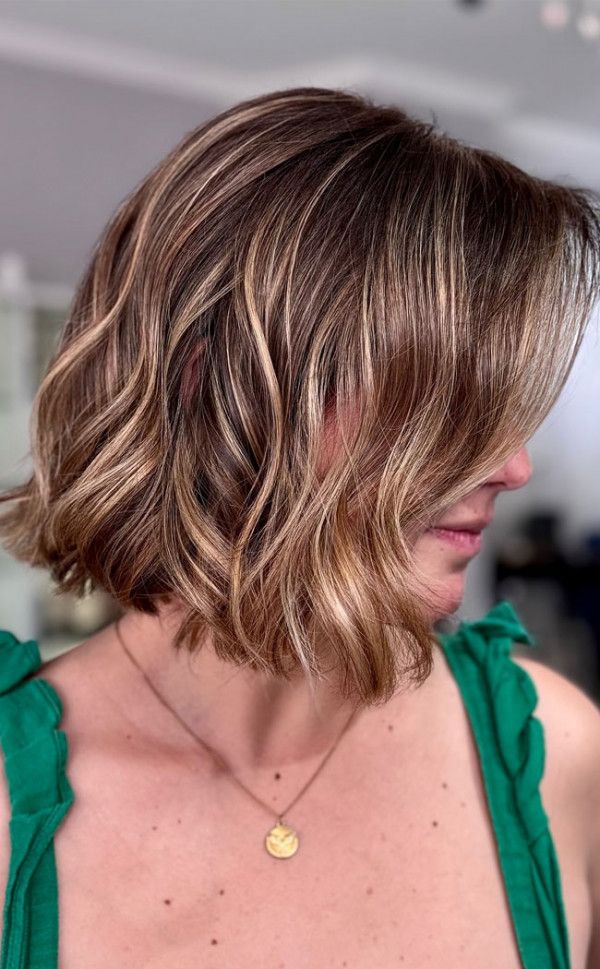
These blonde highlights are not the chunky, painted-on kind that need a root touch-up every four weeks. They are fine, natural-looking ribbons woven through a dark blonde base, so the grow-out is soft, not striped. The collarbone bob has side-swept bangs, no heavy layers, and the wave is loose, done with a texturizing spray and air drying or a quick pass with a curling wand. About fifteen minutes.
Compared to a full balayage, this is lower commitment. The highlights lift the wave without demanding a salon appointment every six weeks. A trim every eight weeks keeps the ends clean. The side-swept bangs need a trim every four, but they blend into the length when they grow, no awkward curtain phase.
Thick Dark Brown Bob Flipped Ends
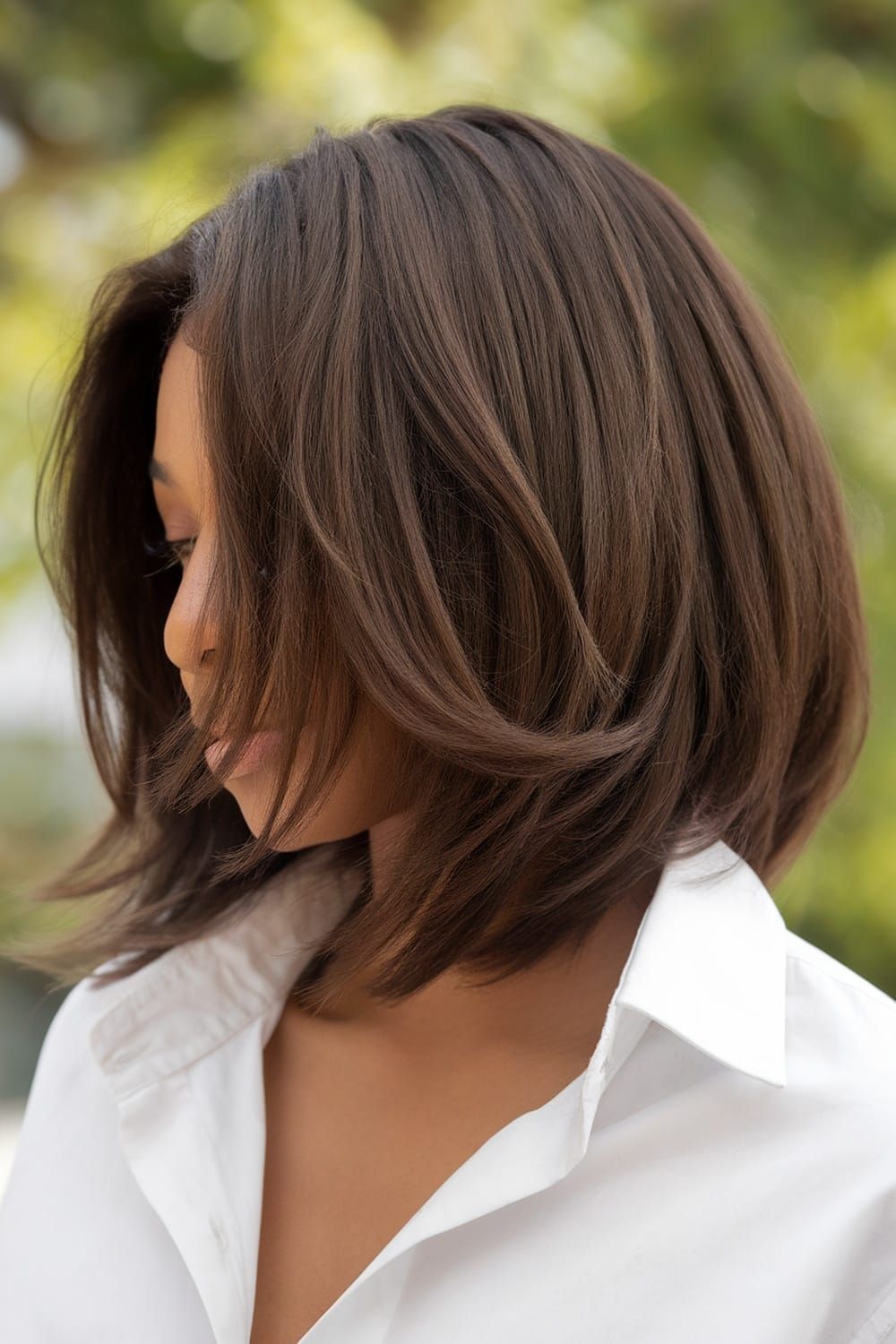
How do you get those flipped ends to stay flipped past noon? The trick is in the layers and the blowout, not the curling iron. For a thick dark brown bob with flipped ends, the cut needs short internal layers that start above the chin, so the ends have nothing heavy to drag them down. I blow-dry with a round brush, rolling the ends outward as I go, and hit each section with cool air before I release. About 20 minutes, start to finish. The texture is straight and thick, which means the flip holds without pinning. No bangs, just that clean collarbone length with the ends pointing up. Trim every six weeks, or the layers lose their spring and the flip turns into a flop.
Ear Short Natural Black Curly Bob
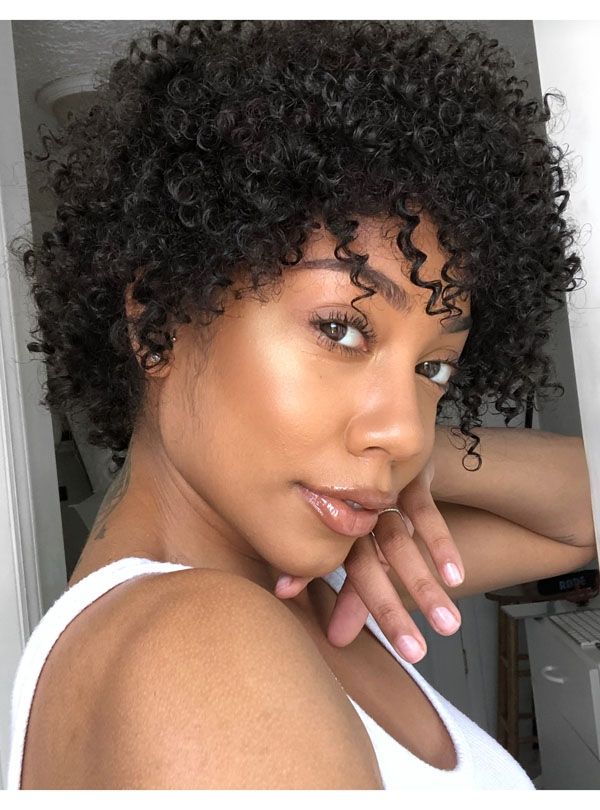
I will admit it: I underestimated how much shrinkage a short curly bob can pack. This ear-length cut on natural black hair looks like a neat little cap when wet, then springs up to expose your whole ear and half your jaw. The tight curls need a curl cream and air drying, about ten minutes of work, but the result is defined and dense. The bangs are short and curly too, which means they shrink faster than the rest. Trim the bob every six weeks, and the bangs every four, or they start veering into your eyes. It is not a low-maintenance cut, but it is an honest one.
Dark Brown With Blonde Highlights Collarbone Bob With Curtain Bangs & Highlights
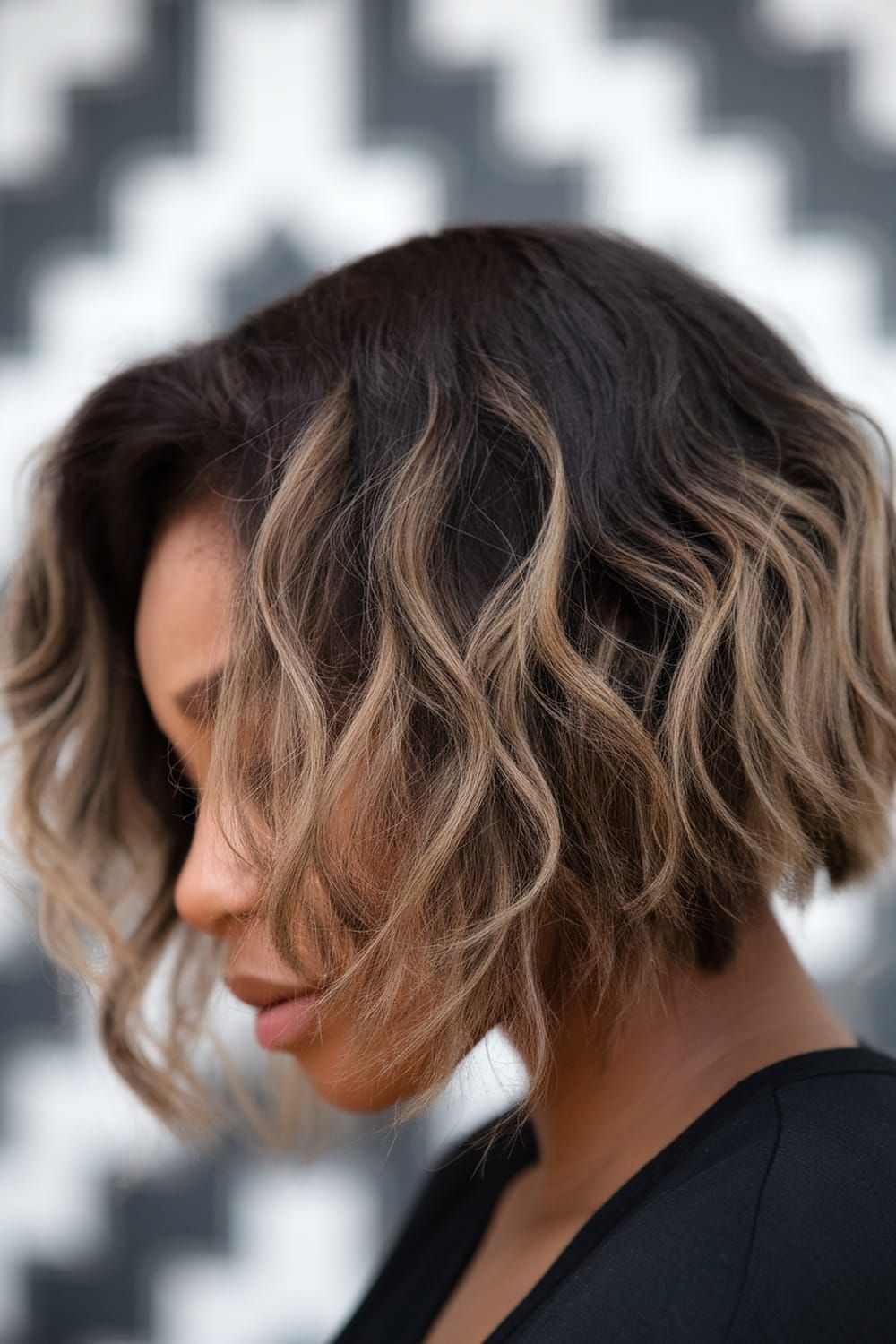
I noticed something the third time I saw this cut on someone: the curtain bangs and highlights are doing two different jobs, and both need their own schedule. The dark brown base with blonde highlights gives dimension, but those highlights lift faster than the base, so by week 35 they look brassy if you skip a purple shampoo. The curtain bangs frame the jaw and soften the collarbone length, but they grow into your cheekbones by week four. The texture is wavy and thick, so a round brush or a diffuser works, about 20 minutes. The honest downside is the calendar: bangs every four weeks, highlights every eight, bob trim every eight. It is a commitment, not a whim.
Visual Idea
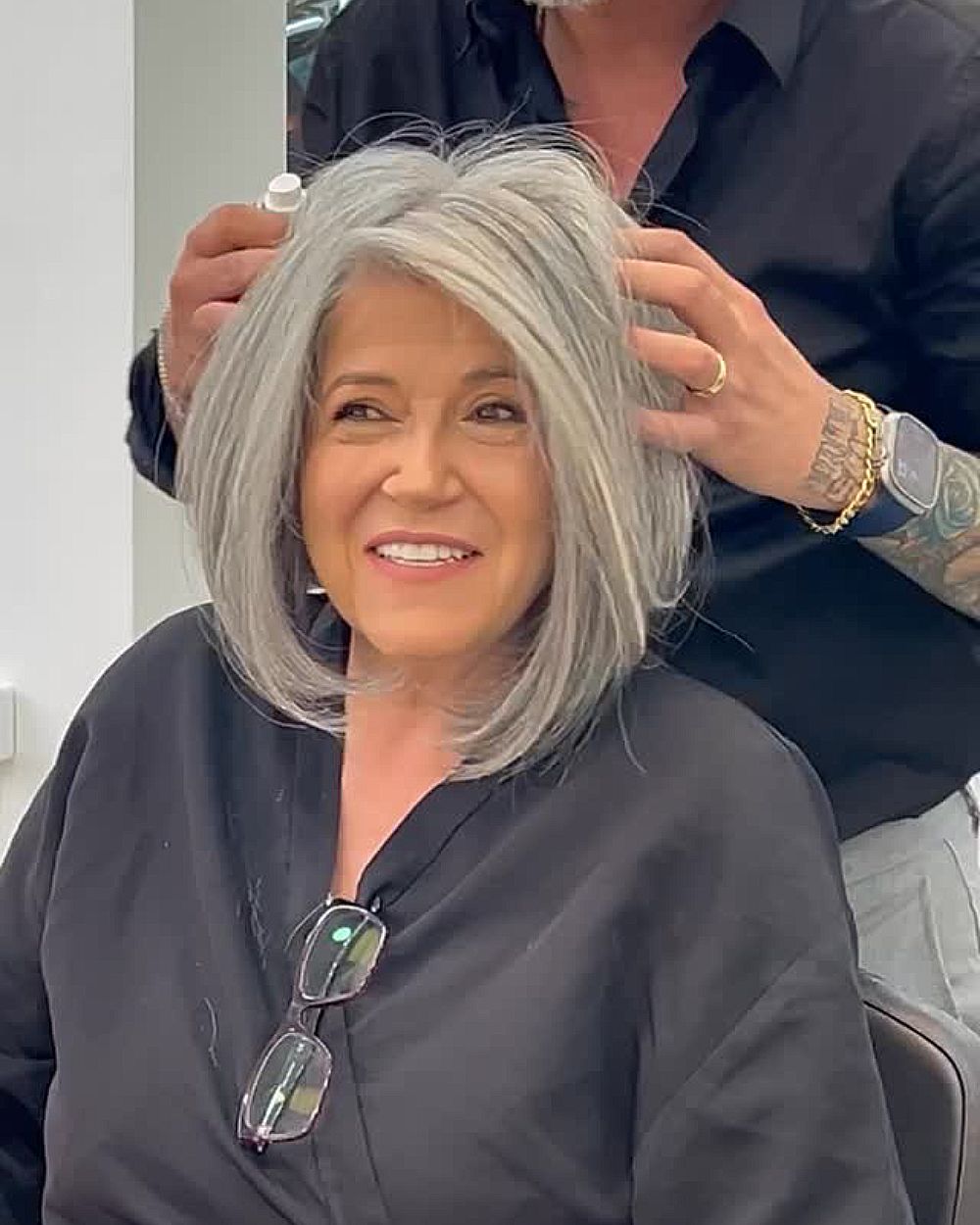
Ever notice how a collarbone bob on fine, straight hair can look like a flat helmet by 3 pm? The fix is crown volume, and this cut builds it into the layers. The grey base with silver highlights is secondary here; what matters is the blowout technique that lifts the roots at the crown while keeping the ends straight. The side part helps, too, because it breaks up the horizontal line. No bangs, so the focus stays on that lifted top section. The texture is fine, which usually means it collapses, but the internal layers give it structure. Book the salon for the cut, then practice the blowout at home. It takes two tries to get the root lift right.
Collarbone Visual Idea
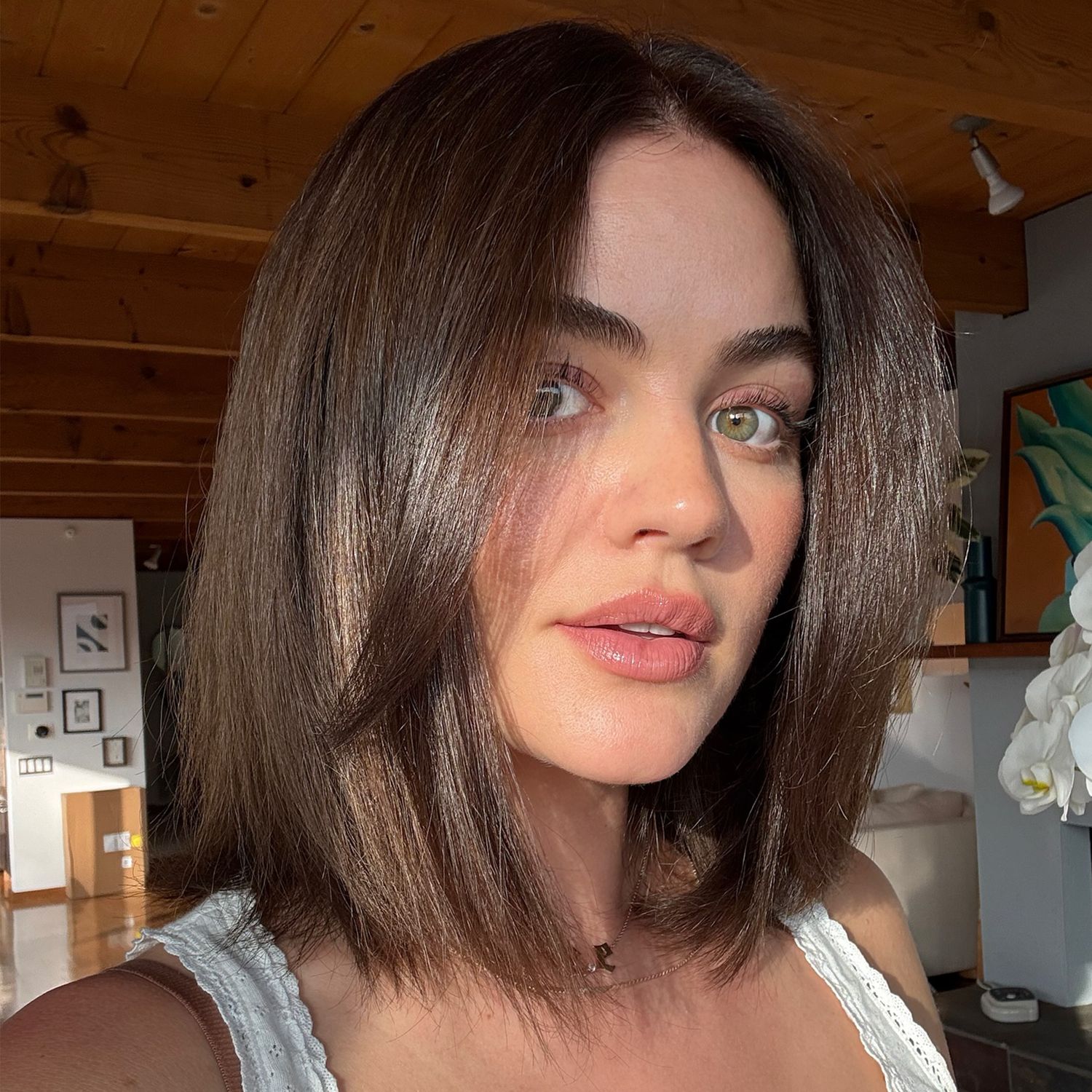
Face-framing layers beat a blunt collarbone bob every time, and I say that as someone who has defended the blunt cut for years. The difference is how the layers catch the light and soften the jaw, especially on medium-density, straight hair. The dark brown base with subtle lighter brown highlights adds depth without screaming for attention. The ends curl inward, which gives the bob a polished finish without looking stiff. The middle part keeps it symmetrical. The upkeep is the catch: those face-framing layers need a trim every six weeks, or they grow past the chin and lose their shape. Worth it, but set the reminder.
Final Thoughts
After writing all 35 of these, I noticed something. The ones I saved to my own board are not the sleekest or the most polished. They are the ones that look like they belong to the person wearing them. That is the whole point of a bob. It should look like your hair, only shorter.
- Trim the baseline every eight weeks
- Tone brassiness at week six, not week ten
- Deep condition once a week if you use heat
- Let the cut do the work, not the products
I am booking the air-dried chin bob with choppy ends next. It is the one I will actually wear on a Tuesday.