I keep seeing the wolf cut on men in my feed and wondering why it works so well. It is the same layered shag shape I see on women, but the shorter sides and heavier texture land differently. Not better, just sharper. I think that is why I clicked on every one.
This roundup has 25 versions of the Wolf Cut Men silhouette, from skin fades to collarbone shags. Some need a round brush and ten minutes. Others air-dry and go. If your hair goes flat by 4 pm like mine, the texture here actually holds. That is the whole point.
Short Wavy Textured Layers
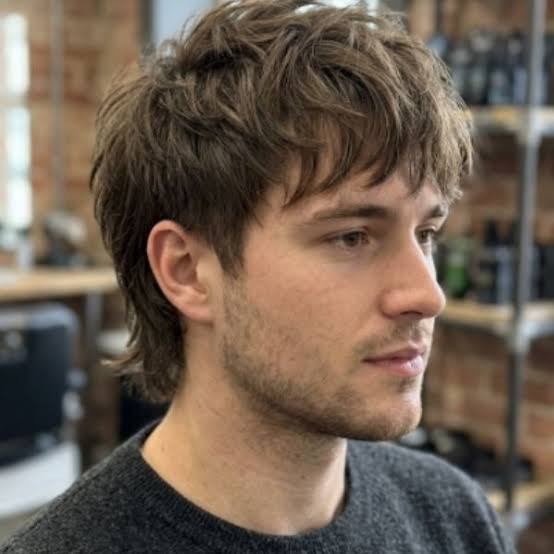
There’s a specific kind of magic in a short wolf cut with bangs when the hair is thick and wavy. The ear-length shape keeps the volume from turning into a triangle, and the layers do the heavy lifting by giving each wave its own landing spot. Textured bangs hit right at the brow, which softens a strong jaw without hiding it. The middle part widens a round face, so consider a slight off-center if that’s you. Wavy, thick hair holds this shape all day. Fine hair will watch it go flat by 4 pm.
Wolf Cut With Skin Fade
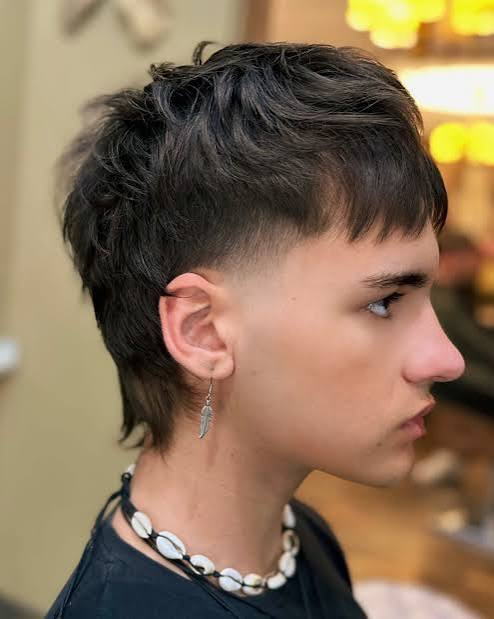
Ever wonder why the sides of a wolf cut with skin fade look so sharp while the top stays wild? The fade is a barber’s precision work, blending from skin to a few millimeters in a gradient that has no room for error. The choppy bangs and textured layers on top are the wolf part, but the fade is pure discipline. This is a salon job, not a bathroom-mirror experiment. One wrong pass and you’re shaving the whole side to match. The top takes seven minutes with a matte paste, the sides need a barber every three to four weeks. Low-maintenance top, high-maintenance sides.
Extreme Shaggy Black Wolf Cut
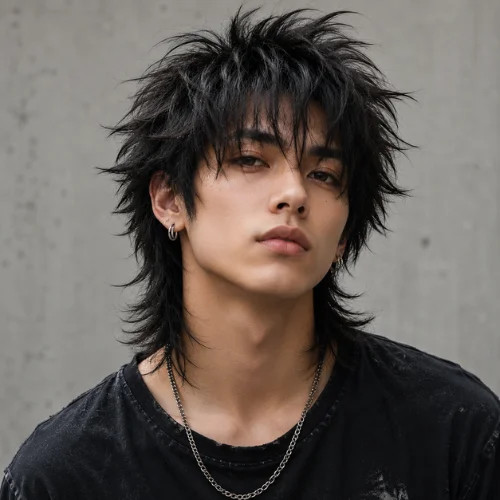
I’ll say it plainly: this shaggy wolf cut black hair is a commitment, and I’m not sure everyone should make it. The collarbone length gives it room to move, but the extreme texture and spiky bangs demand daily attention. Ten to fifteen minutes with a strong pomade, shaping each spike so it looks intentional, not like you forgot to brush. Straight, thick hair holds the spikes best; anything finer will collapse by lunch. Trims every four to six weeks keep the choppy layers from looking like neglect. The cut itself is straightforward, the styling is not.
It’s a look that says something, and it says it loudly. If you’re not ready to commit to the routine, pick a softer version.
Collarbone Length Dark Brown Shag
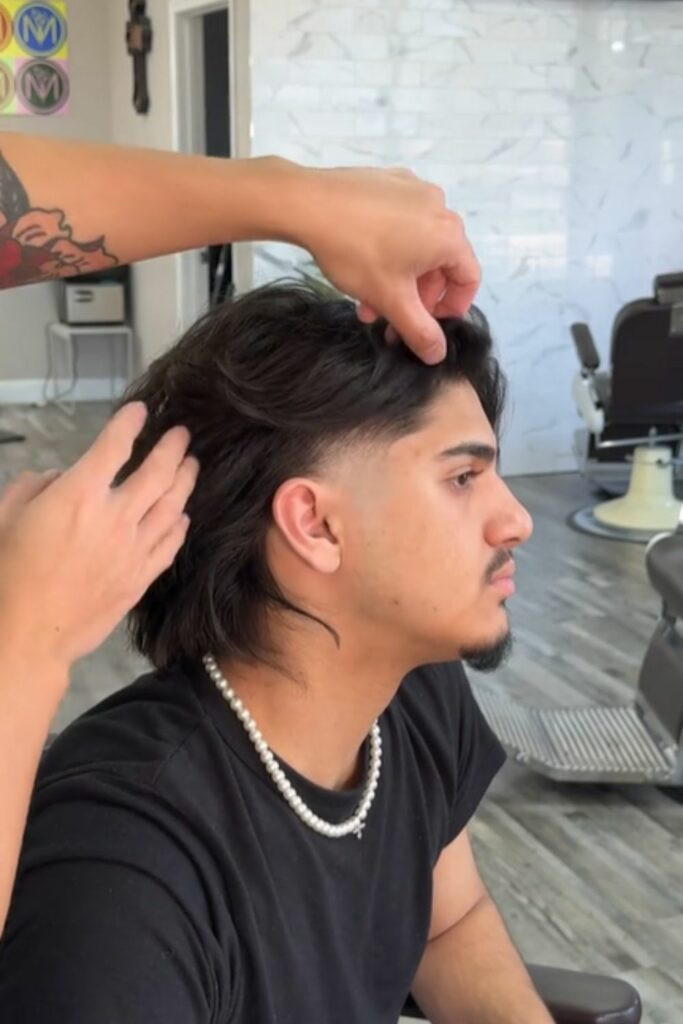
I’ll admit, I was skeptical about collarbone length for a wolf cut, thinking it might just look like a grown-out mess. But the dark brown wolf cut collarbone length is the sweet spot. The choppy layers hit at the collarbone, which frames the face without weighing it down. Straight, thick hair holds the shape well, and the texture means you can skip the hot tools most days. A texturizing spray and a quick tousle, ten minutes, done.
The grow-out is the real win here. As it lengthens, the layers keep giving shape, so you can stretch trims to six or eight weeks. It’s the rare cut that looks better at week five than week one.
Collarbone Black Wispy Bangs
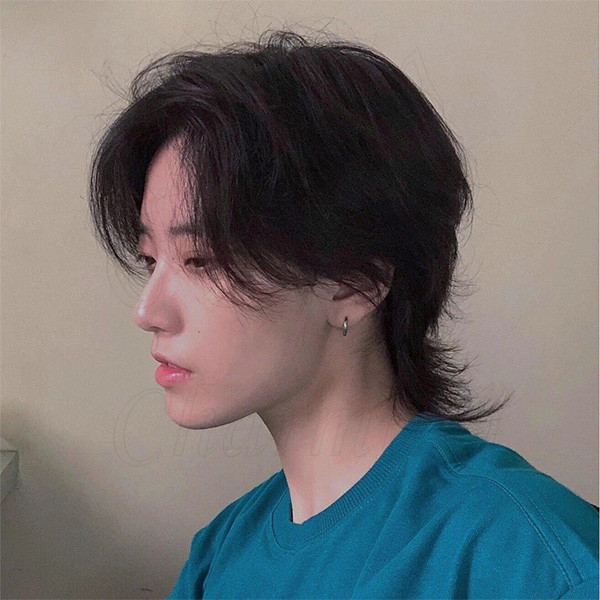
Most wolf cuts come with bangs that look like they were cut with a knife, all blunt and aggressive. The wolf cut collarbone wispy bangs version is the softer cousin, and honestly, it’s the one I’d pick. The wispy bangs are feathered and light, framing the face without that harsh line. They suit medium-density hair best, since they need some weight to drape but not so much that they go flat. The collarbone length keeps the overall shape grounded, while the choppy layers add movement without the punk edge.
The trade-off is upkeep. Wispy bangs need a trim every three to four weeks, or they start to poke you in the eye. The rest of the cut can go six to eight weeks between refreshes. It’s manageable, but it’s a rhythm you have to commit to.
Dark Brown Wavy Collarbone Cut
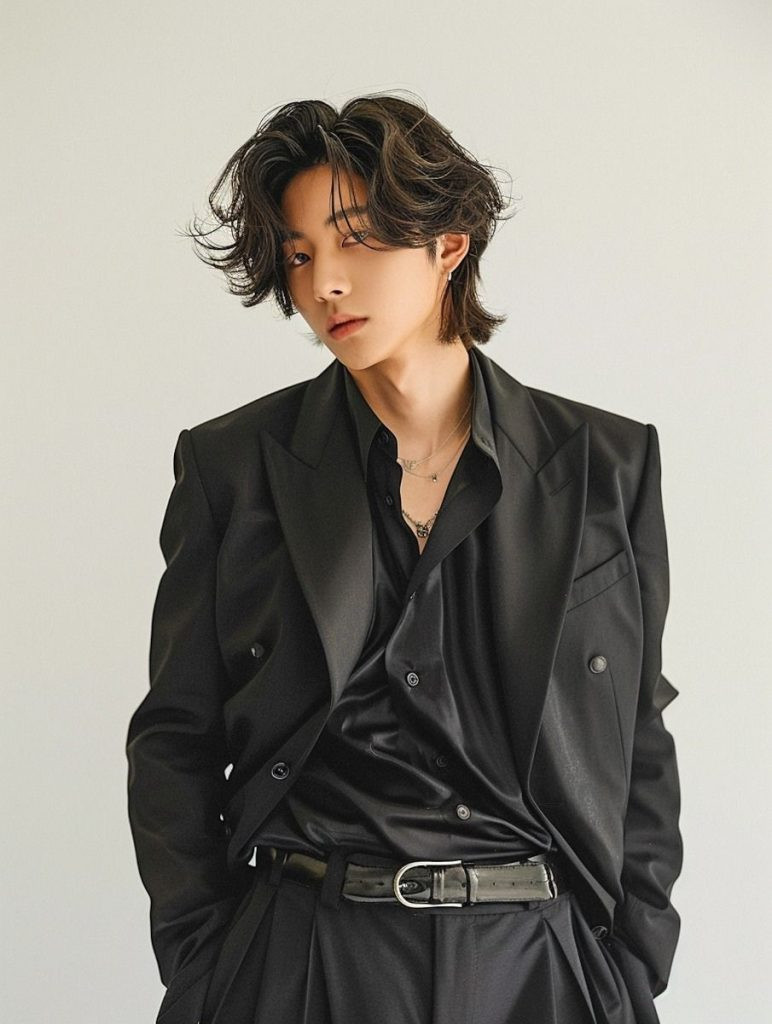
Have naturally thick, wavy hair that does whatever it wants by mid-afternoon? This cut works with it instead of fighting it. The wolf cut is collarbone length, with the layers cut short enough on top to catch the wave crest and longer through the front to keep the shape grounded. The textured bangs hit just below the brow, so they blend into the sides instead of sitting as a separate piece. Middle part, which widens a round face but softens a long one. The dark brown base means no root grow-out panic for a solid eight weeks, and the natural wave is what gives the cut its air, not styling effort. Five minutes of scrunching with a sea salt spray and you are done. A heavy cream or a butter will flatten these waves by noon, so stick to light products.
Textured Collarbone Wavy Cut
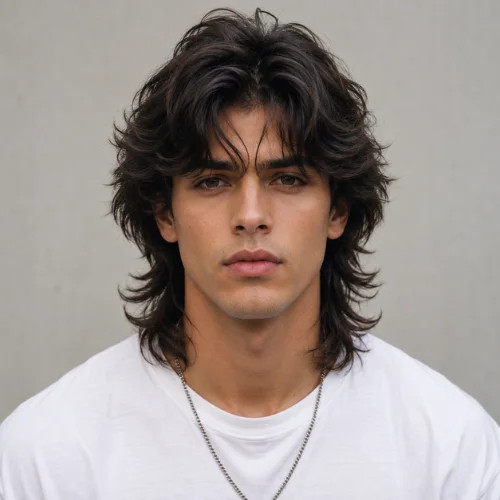
This one made me stop scrolling. The collarbone wolf cut wavy build here relies on curtain bangs that are cut long enough to tuck behind the ear or fan out across the cheekbone. The layers run from the jaw down to the collarbone, each one cut at a steep angle so the wave has room to fold without the ends feeling heavy. It is a salon cut, not a bathroom mirror job, because the curtain bangs need a precise graduation to swing properly. The texture is thick and wavy, which is the only texture this cut rewards. Straight fine hair would collapse it flat by lunch. On the right head, the layers stack into a shape that looks messy with intent, and the curtain bangs pull the whole thing into focus without asking you to spend time on them.
Visual Idea
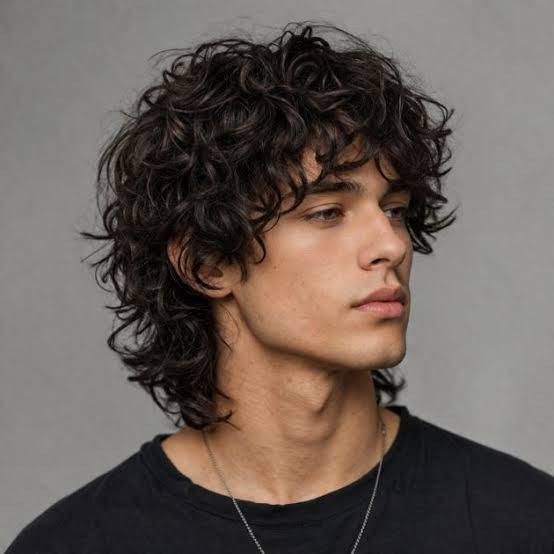
I will admit it, I was wrong about this one. I had the wolf cut pegged as a straight-hair trend that would not hold on curly texture. Then I saw it on a friend with thick, shoulder-length curls, and I had to sit down. The cut sheared the top layers short enough that the curl pattern could spring up, creating volume at the crown while the bottom layers stayed heavy enough to avoid the triangle shape that curls hate. The choppy bangs were cut dry, curl by curl, so they fell across the forehead in pieces rather than one solid chunk. The middle parting let the shape fall forward and frame the hairline without looking like a wig. I spent three hours in that chair myself the next week. It was worth every minute.
Shoulder Visual Idea
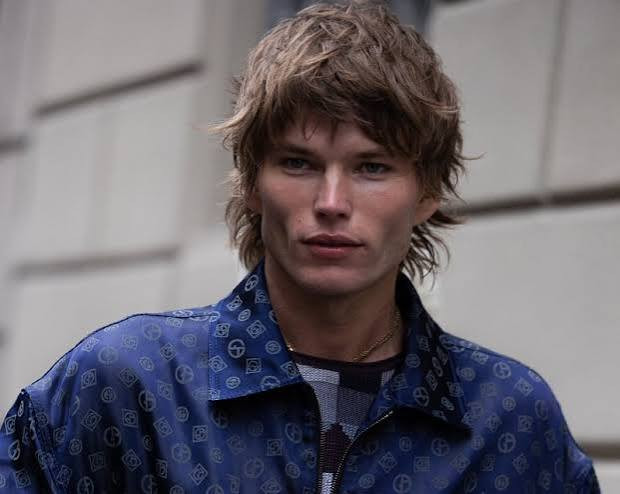
That middle part is doing real work, splitting the choppy bangs so they fall forward without blocking everything. The layers hit at shoulder length, which means the wave has room to bend instead of collapsing into a flat triangle. Medium density is the sweet spot here, enough body to hold the texture, not so much that it poofs. By day three, the wave softens but the shape stays, the bangs still separate, the ends still move. A quick refresh with a mist of water and a scrunch brings it back. That is the whole appeal, a cut that works with your week, not against it.
Upkeep is a trim every eight weeks, no more. The layers grow out gracefully, the bangs need the most attention. A dry shampoo at the roots on day two keeps the lift alive. That is it.
Chin Visual Idea
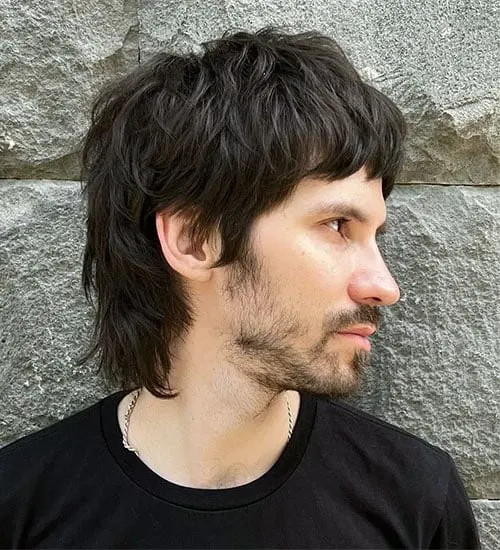
Can fine, straight hair pull off a wolf cut at chin length? Yes, but not from a bathroom mirror. The side view here tells the story, a mullet-like back that needs precise graduation, not guesswork. No bangs means the face is fully exposed, which works best for longer face shapes that can handle the shortness. The black with blue undertones reads cool and sharp, but only if the cut is clean. This is a salon booking, no question. A stylist knows how to carve the layers so fine hair does not disappear into wisps. One wrong snip and you have a choppy mess that refuses to sit.
Collarbone Visual Idea
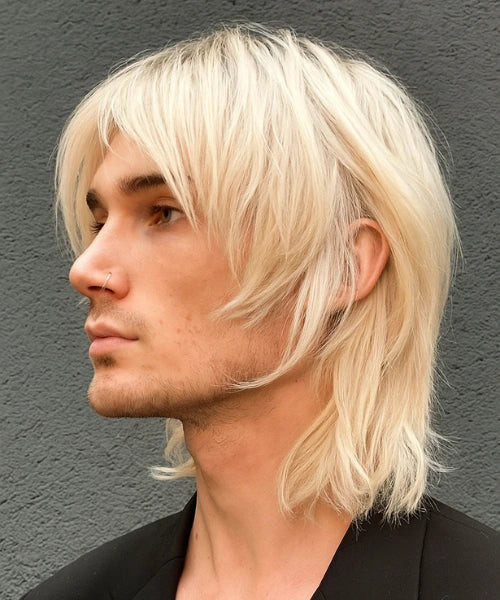
Late spring, early summer, the light shifts and suddenly platinum blonde with subtle highlights makes sense again. This collarbone wolf cut lands right when you want to shed the heavy winter layers, the curtain bangs brushing the cheekbones, the choppy texture catching the sun. The fine, wavy texture keeps it from looking overdone, the bright colour adds movement without weight. It is a cut for outdoor dinners, for events where the hair should look intentional but not stiff. The collarbone length hits that sweet spot, short enough to feel fresh, long enough to pull back if the evening calls for it.
Mid-Back Visual Idea
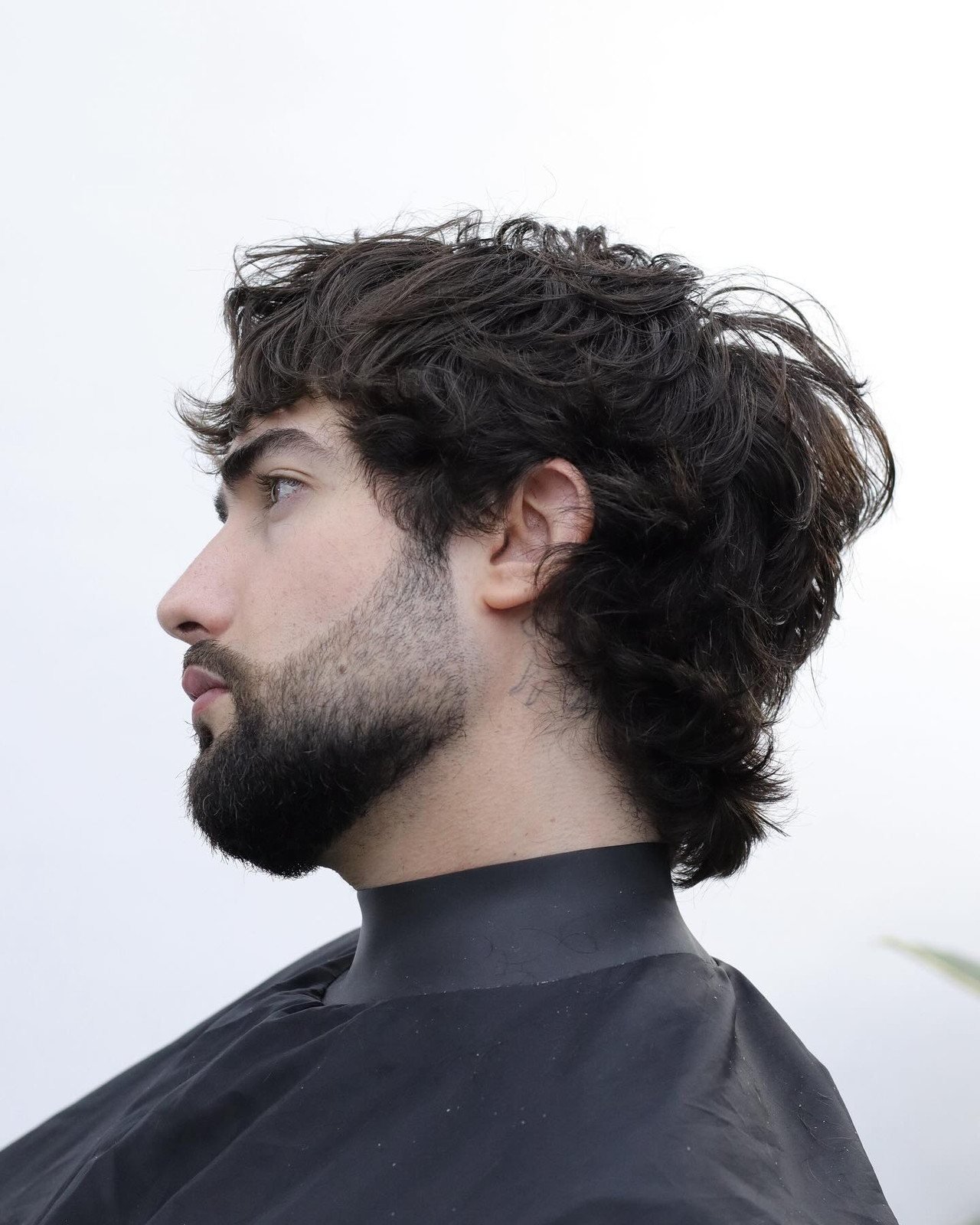
Voluminous curls at mid-back length sound like a fantasy. They are, if you expect them to hold their shape past noon without a refresh. The wolf cut here is all about those big, bouncy curls, and the layers are cut deep enough to give them room to move. No bangs, just a middle part that lets the volume speak for itself. Dark brown, thick, curly texture that looks incredible when it cooperates. The honest downside? Those curls deflate. By mid-afternoon, the bottom half goes flat and the top stays poofy, and you are left wrestling a spray bottle. Not a wash-and-go situation unless your hair has supernatural memory.
This cut demands a re-curl routine if you want the photo version past hour three. I have seen it work best on people who already own a diffuser and do not mind using it. The length is gorgeous, the shape is dramatic. Just know what you are signing up for.
Ear Length At Sides Longer In Back Visual Idea
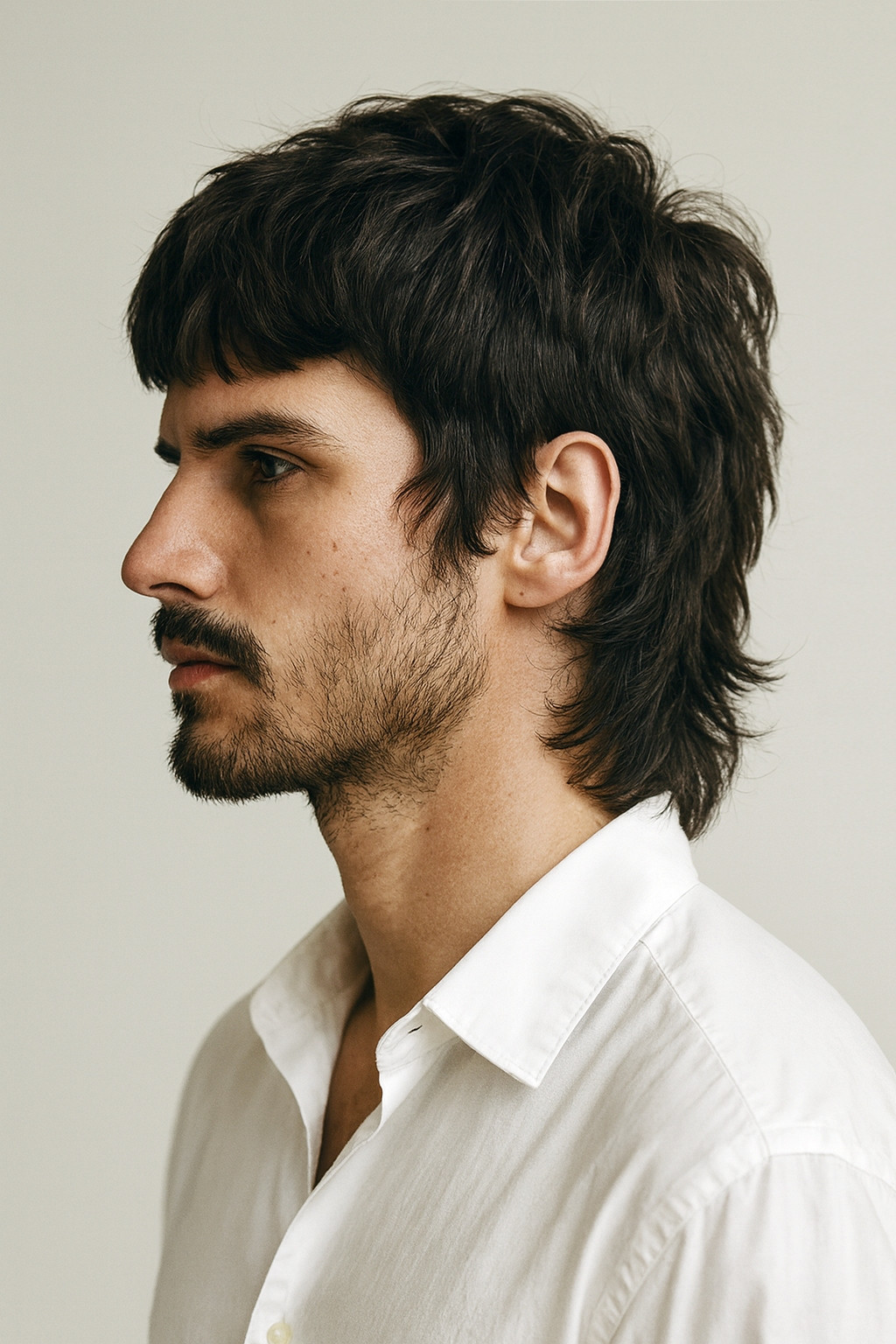
I will admit it: I was wrong about how much I would like this shape. The ear-length sides and longer back read mullet on paper but choppy and intentional on a real head. The wolf cut here is short at the ears, sweeping back into distinct, layered length. Straight, thick texture with short, choppy bangs that land above the brows. Middle part, dark brown, styled to emphasize the contrast between the cropped sides and the fuller back. The back is the event.
Styling it takes a few extra minutes each morning. The short sides need a dab of product to stay piecey, not puffy. The back layers benefit from a quick blast with a round brush to keep the shape from collapsing into a triangle. Trims every four weeks, no negotiation. The chop grows out fast and the silhouette blurs. Worth it if you like a cut that announces itself from every angle.
Dark Brown Visual Idea
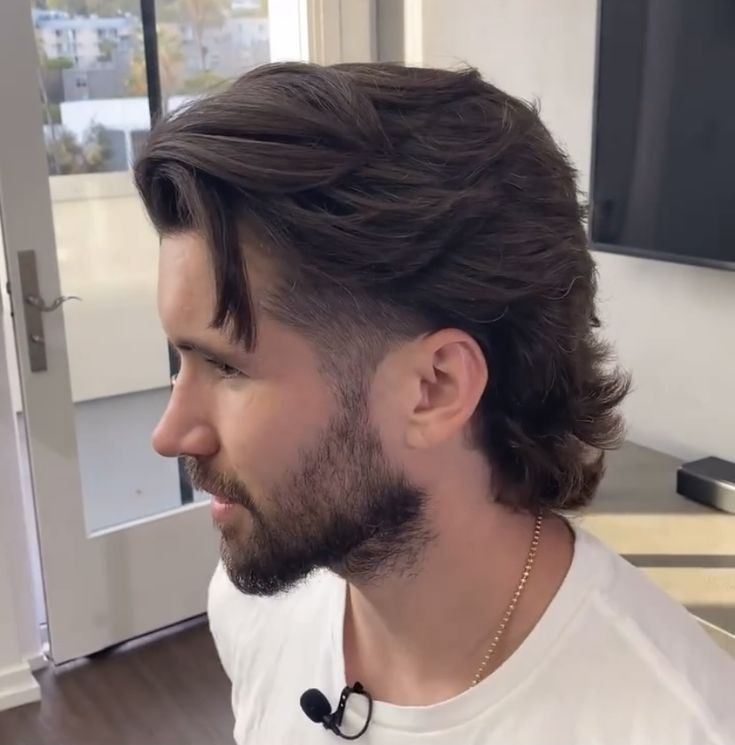
The mistake most people make with a wolf cut is assuming it is a DIY project. It is not. This dark brown, mid-back version with no bangs and a middle part looks simple, but those textured, wavy layers require a stylist who understands how to cut for movement, not just random chunks. Thick, wavy texture needs precise layering or it turns into a shapeless blob. I have seen too many kitchen-scissor attempts that ended in tears and a hat.
Book the consultation first. Tell the stylist you want the wolf cut shape but with the length kept long and the layers blended enough to avoid a shelf. The back view here shows the real test: the layers should stack without a hard line. A good stylist will cut the top layers shorter and leave the underlayers longer, so the wave pattern flows instead of stopping. This is not a bathroom-mirror job. Leave the scissors in the drawer.
Wolf Cut Visual Idea
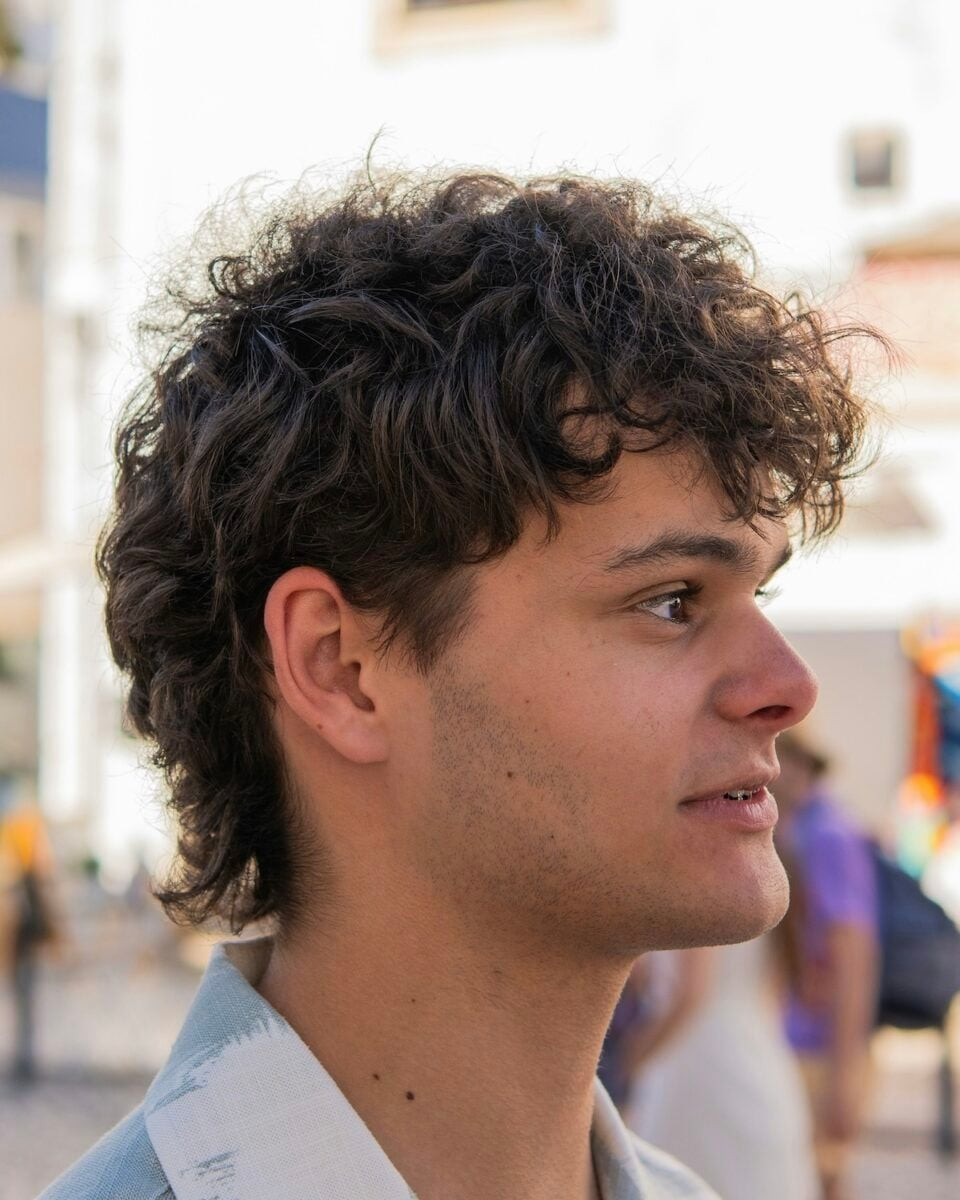
Who actually gets away with a wolf cut, the one that looks like the salon floor exploded? If your hair is naturally curly and thick, you do. The cut here is ear length at the sides, slightly longer in the back, with short, textured bangs that land somewhere between deliberate and feral. Middle part, side view, dark brown. The layers are chopped, not feathered, so each curl keeps its own shape instead of melting into the next one. That is the whole trick: the cut works with the texture, not against it. Fine, straight hair will just look stringy by noon. Curly, thick hair gets volume without a single styling product.
Just Above The Shoulders Visual Idea
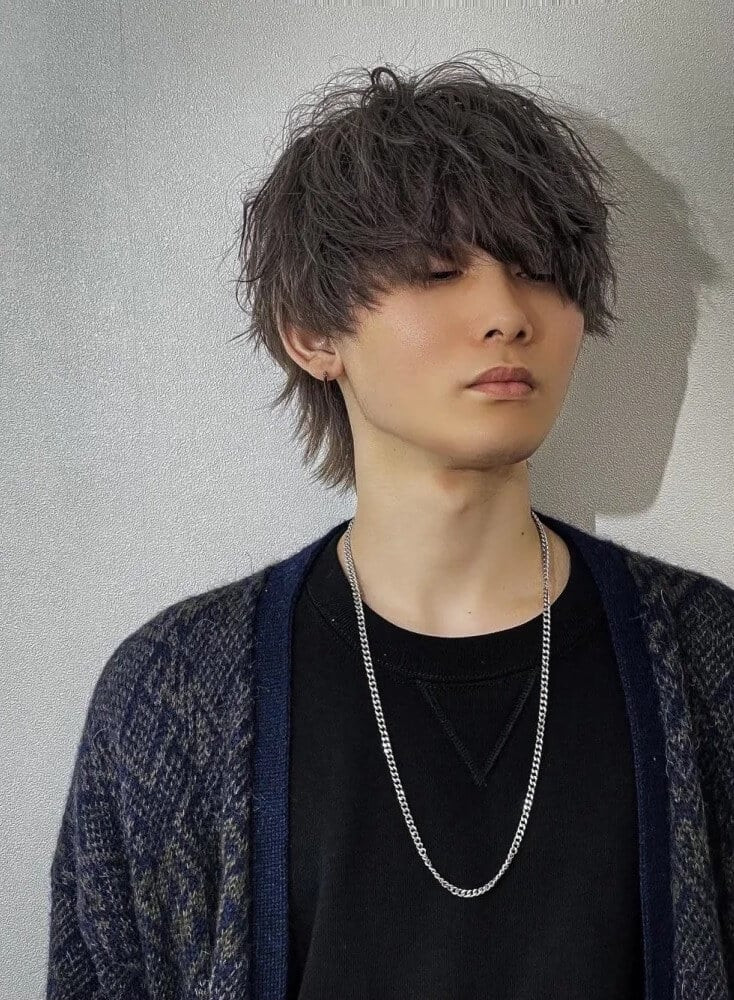
It starts with a middle part and a pair of shears that are not afraid of commitment. The cut stops just above the shoulders, which keeps the whole thing from turning into a shapeless mop. Then the stylist goes in with point cutting, slicing into the ends at an angle so the layers are choppy and textured, not blunt. The wispy bangs are cut dry, strand by strand, so they feather out instead of sitting as a solid curtain. Ash brown, straight, fine hair, and it still holds a messy, lived-in shape. The layers are what give fine hair the illusion of density, because each one catches light separately. It is a salon job, not a bathroom-mirror experiment.
No Bangs Visual Idea
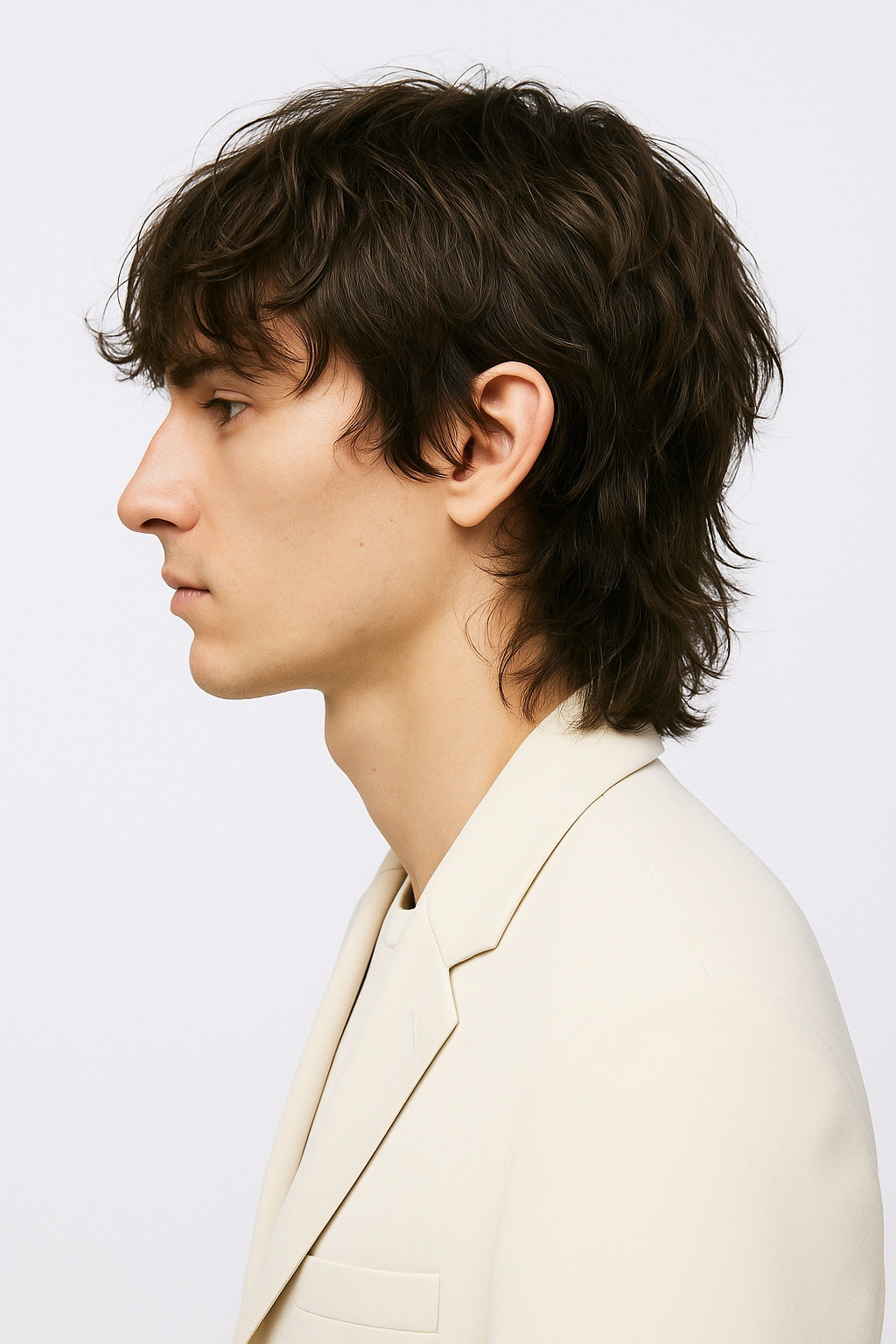
Skip the bangs, and the wolf cut turns into something calmer. Same layered shape, same middle part, but no fringe to wrestle with. Dark brown, shoulder length, slightly tousled waves. It is the version you can roll out of bed and wear, because the longest pieces frame the face and the shorter ones add movement without demanding a flat iron.
Bangs are the high-maintenance part of any wolf cut. They grow into your eyes by week three and need a trim every four weeks to stay wispy. No bangs means the grow-out is just a trim every eight weeks, and the shape lasts longer. Wavy, medium density hair carries it best, since the layers do the work. If you hate styling, this is the one. It is not the edgy version, it is the practical one.
Choppy Bangs Visual Idea
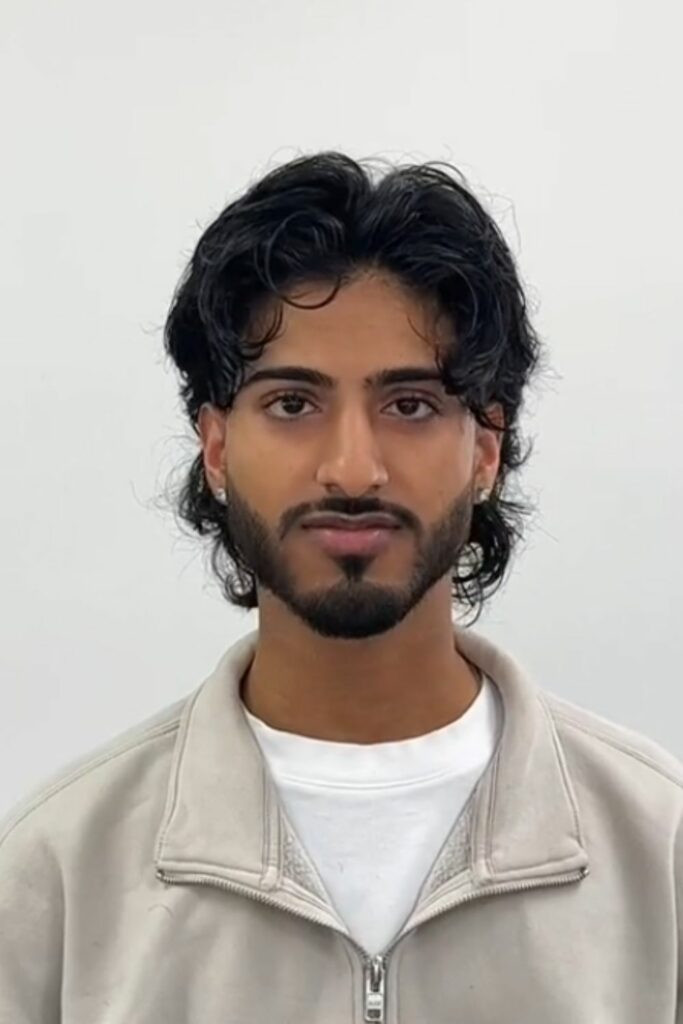
I booked this and then spent the first three mornings wondering what I had done. The cut is a wolf cut, shoulder length, with heavy layers and those choppy bangs that hit just above the eyebrows. The texture is wavy, medium density, and the stylist used a razor to get that jagged edge. You can try this at home with a pair of shears and a tutorial. I would not. The bangs separate by noon if you skip the round brush, and the layers need a trim every six weeks to keep the shape from turning into a shaggy blob. The honest downside: you will style this every single day.
Curtain Bangs Visual Idea
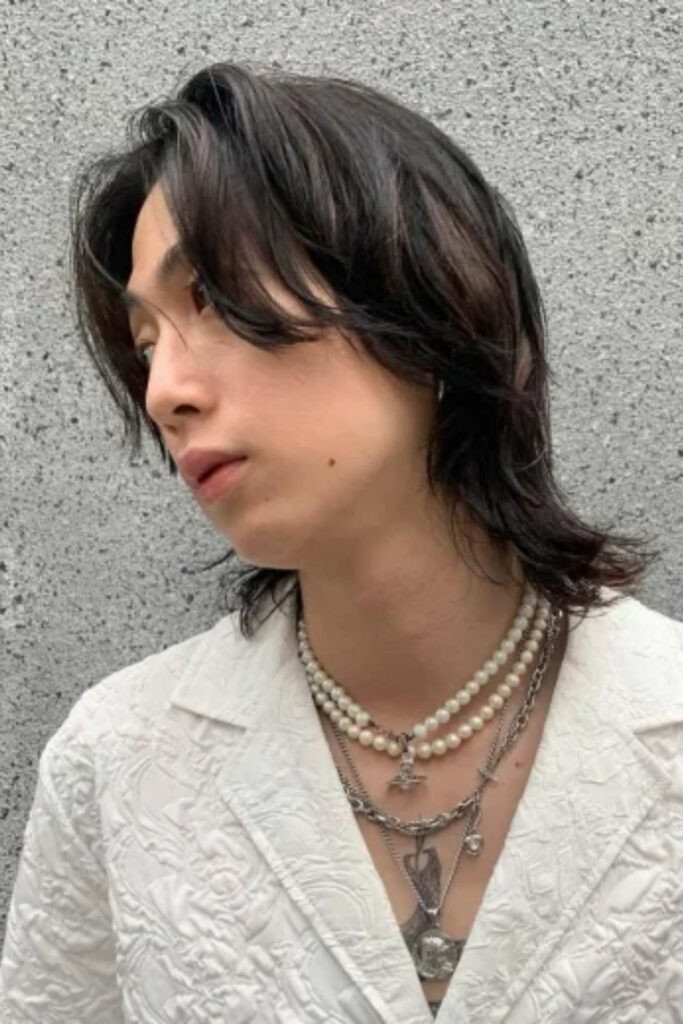
The air-dried finish on this wolf cut is not a happy accident. It is a choice. The cut sits at collarbone length, with curtain bangs that part naturally in the middle and layers that start at the cheekbone and feather down. The texture is wavy and thick, which means it holds the shape without product. I let it dry while I make coffee, and by the time I am dressed, the bangs have settled into that soft sweep that does not need a re-fluff until dinner.
That is the wear reality. It stays. The layers do not collapse into one flat triangle by 4 pm, and the bangs frame without sticking to your forehead. For thick, wavy hair, this is the lowest-maintenance version of the wolf cut I have seen.
Dark Brown With Subtle Highlights Visual Idea
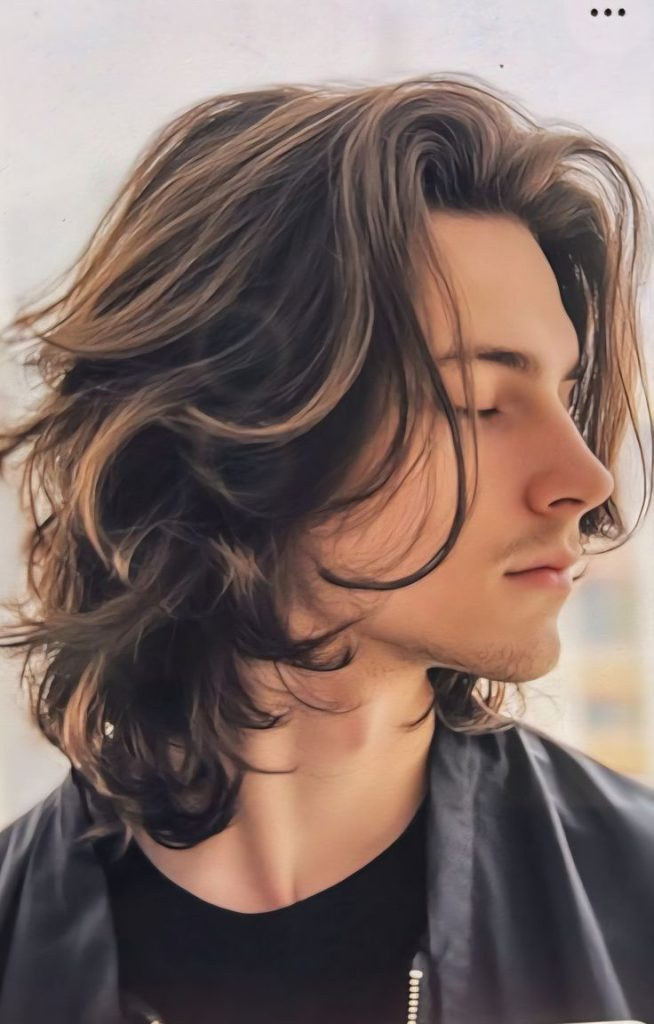
Who actually looks good in a mid-back wolf cut with subtle highlights? Someone with medium-density, wavy hair who wants length without weight. The cut keeps the shape from the wolf cut — heavy layers, no bangs, a middle part — but stretches it down to the mid-back. The subtle highlights are dark brown with a few caramel pieces woven through the top layers, just enough to catch light without a visible root line.
This flatters oval and oblong face shapes because the length pulls the eye down, not across. If your hair is fine or straight, skip it: the layers will disappear into the length and you will just have long hair with no shape. The highlights need a toner refresh every eight weeks, but the cut itself can go twelve before the layers start to feel heavy. It is a commitment, but a manageable one.
Side View Visual Idea
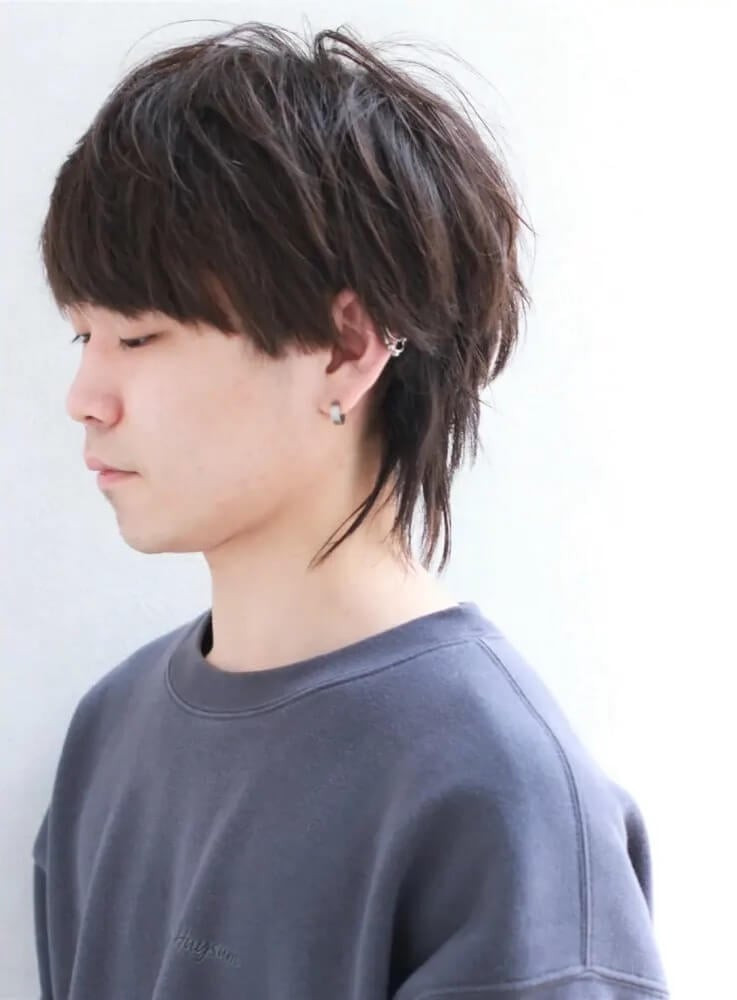
The side view is where the wolf cut earns its name. The cut stacks visible textured layers from the crown down through the collarbone, each one cut with a point-cutting technique that keeps the ends soft instead of blunt. The middle part splits a set of long curtain bangs that feather across the temples, and the waves are encouraged to fall forward so the depth of the layering shows. Length stays long enough to tuck behind an ear, which is the trick: it lets the internal shape breathe. A flat iron is only needed for the front pieces if they decide to dry wonky, the rest air-dries into its own mess and the thick texture holds it there.
Side-Swept Bangs Visual Idea
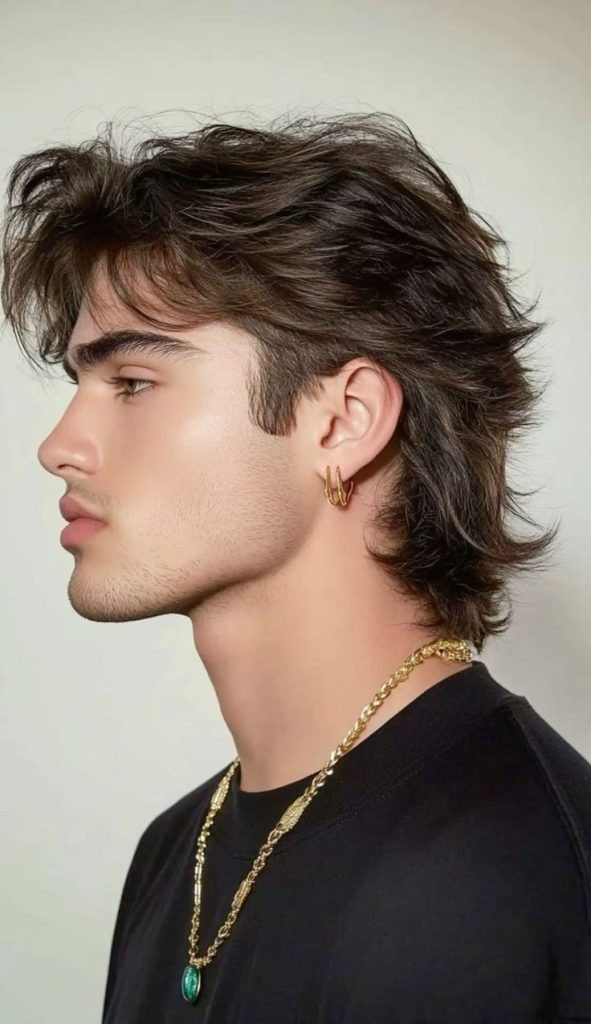
Side-swept bangs make this wolf cut feel less like a costume. Where the aggressive versions stack everything short and choppy, these soft, flowing layers sweep across the forehead and blend into the collarbone length without a hard transition. The cut keeps the top layers longer and the side-swept bangs are cut with a slight point so they land lightly, not heavy. Dark brown base gets a few subtle lighter brown highlights that catch the bend of each wave. The middle section stays thick enough to hold the shape, and the texture moves when you turn your head, which is the entire point of not going full shag.
Shoulder Length Visual Idea
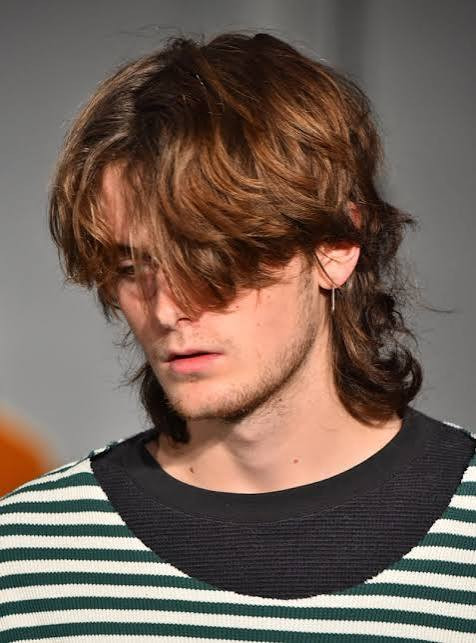
The kind of cut you show up to a late brunch wearing and no one knows you did anything to it. Shoulder length means the weight stays low enough that the thick, wavy texture expands instead of collapsing.
The messy and textured styling works because the shaggy bangs hit just above the brow and the layers are cut in a way that lets the wave create its own volume. Medium brown with warm undertones keeps it soft, not flat. This lands best in the in-between months when you do not want the commitment of a short cut but you also need the air to move through it. Weekend road trip, a casual evening, every day in between.
Middle Visual Idea
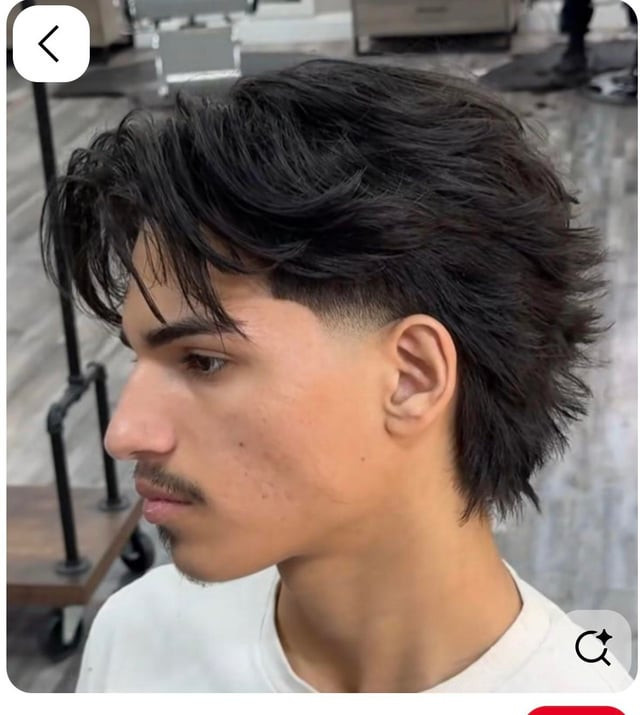
I admit it, I underestimated how much the middle part does for a wolf cut. The cut is dark brown layered from the collarbone up, with curtain bangs that split right down the center and frame both sides evenly. The texture is wavy and thick, which means the layers stack without looking hollow.
Wear it and you get two days of shape before you need to refresh. Day one the waves sit defined and the volume holds at the crown. Day two the texture relaxes but the curtain bangs still have enough grip to stay open around the face. I wet the front pieces and let them air dry for day three, the rest just lives in a loose bun until the next wash.
Layered And Textured Visual Idea
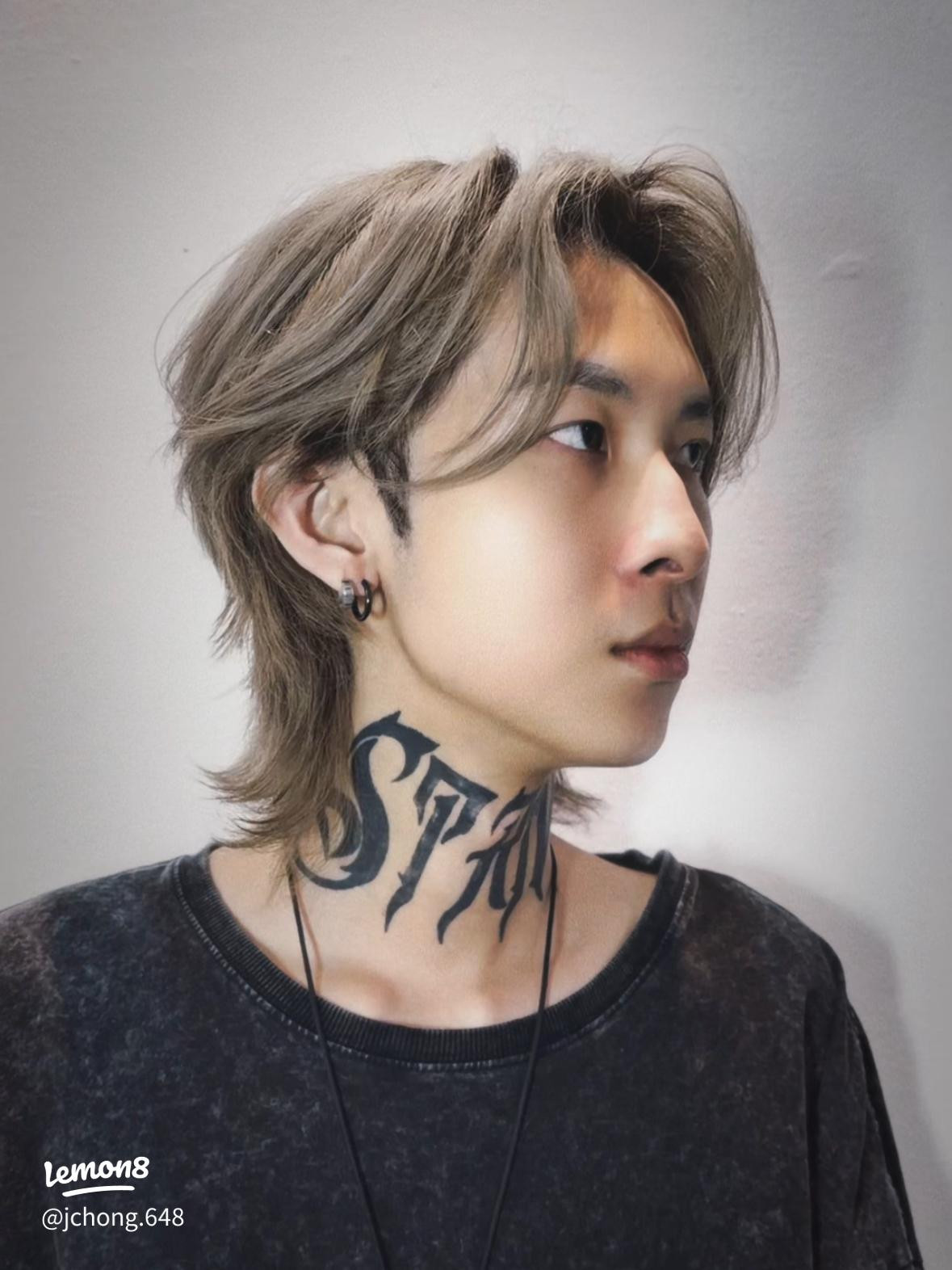
Can medium density hair pull off a layered and textured wolf cut without going flat? Yes, but the layering has to be specific. This cut stretches to collarbone length with curtain bangs that start at the cheekbone and feather softly, not aggressively. The ash brown base with subtle highlights adds dimension that makes the internal layers visible even when the hair sits still. Wavy texture with medium density means the stylist keeps the interior layers light enough to lift without removing so much weight that the ends disappear. The middle part helps distribute the volume evenly, and the point-cut ends prevent that thin, stringy look that ruins a good wolf cut on hair that is not thick.
Final Thoughts
After writing all 25 of these, I noticed something. The wolf cut on men does not rely on length. It relies on the disconnect between the top and the sides. That is what gives it shape even when it grows out.
I am booking the collarbone shag next. It is the one that looked like it would survive a skipped trim and still read intentional. That is rare.