
I keep seeing the same thing in the chair next to mine: a dark blonde base with these whisper-fine lighter pieces around the face. Not chunky, not stripey. Just enough to catch the light and pretend I spent the weekend at the beach instead of on my couch. It is the colour equivalent of a good concealer.
27 Babylights ideas, from ash blonde to chocolate brown, short bobs to mid-back lengths. Some take three hours in the chair. Others need a toner at week six. I tested them on my fine, flat-by-4-pm hair so you know which ones actually last past lunch.
Ash Blonde With Delicate Babylights
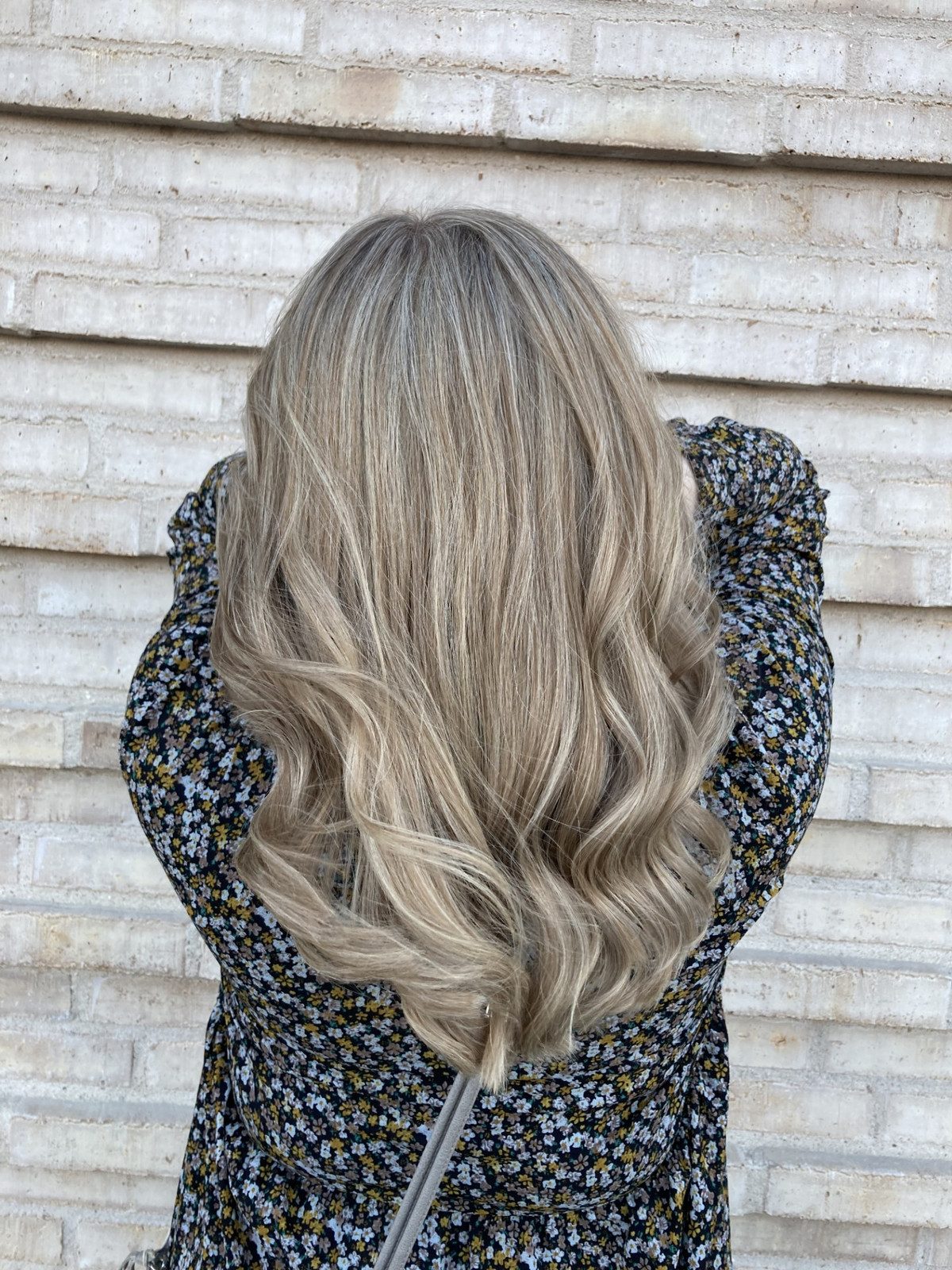
There’s a particular coolness to ash blonde babylights that warmer tones just can’t touch. The base is a soft, muted ash blonde, and the babylights are so fine they read more like a shimmer than a stripe. On medium-density wavy hair that falls to the mid-back, those delicate strands catch the light without ever looking brassy. It’s a sophisticated, understated effect, the kind that makes people assume you were born with it. The middle part and soft layers keep the movement natural, so the colour never feels painted on. If your skin runs cool, this is the version of blonde that will actually flatter you.
Dark Blonde With Subtle Blonde Babylights
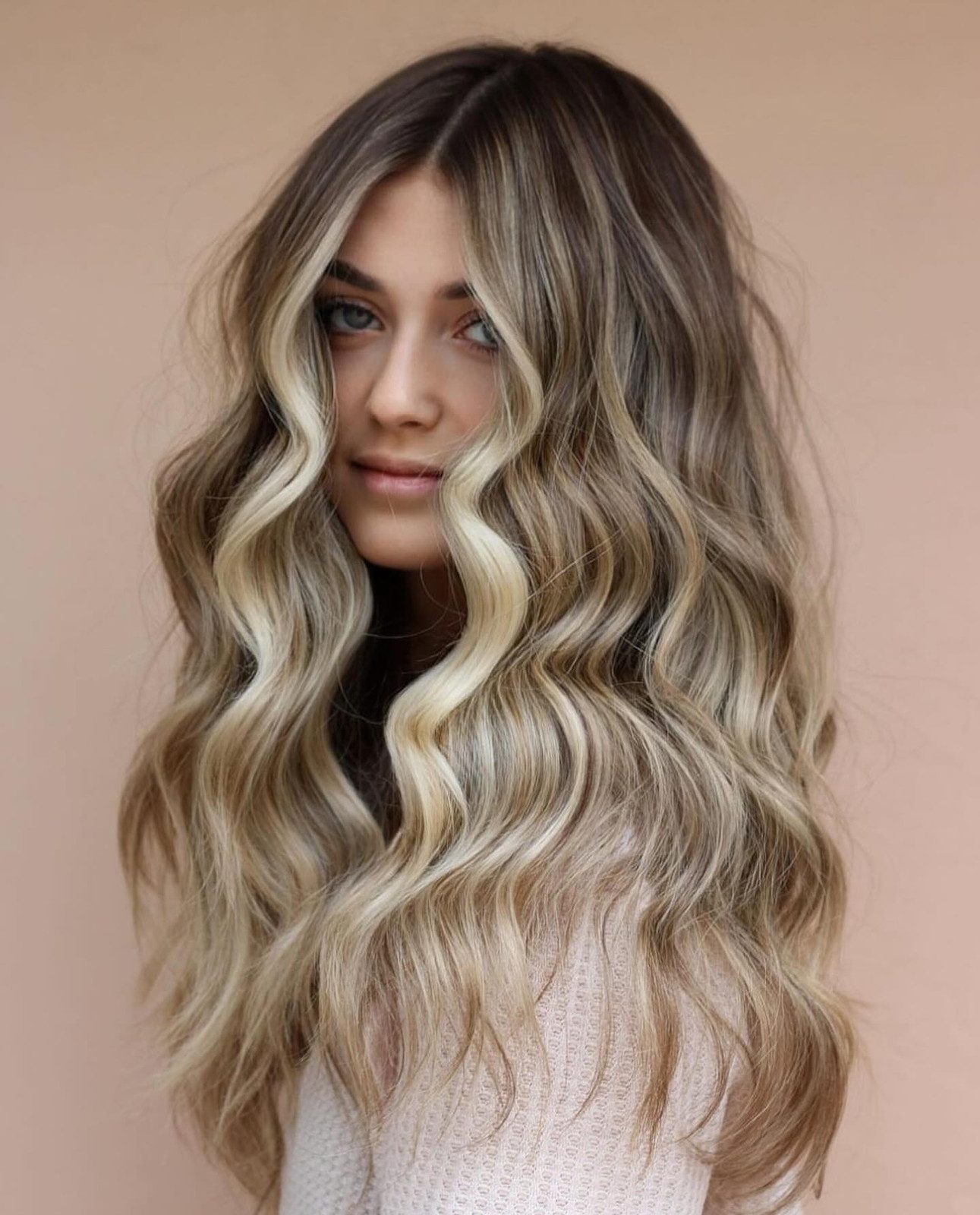
Ever wonder how some blondes go six weeks without a root touch-up and still look intentional? That’s the magic of dark blonde babylights. The base is a rich dark blonde, and the babylights are subtle, lighter blonde pieces that melt into it. On thick, wavy hair that hits the mid-back, those fine strands add dimension without creating a harsh line. Grow-out is a non-event. The dark base does the blending for you, so you’re not racing back to the salon at week four. A quick wave with a large barrel wand takes about 20 minutes, and you’re done. This is the low-maintenance blonde that actually delivers.
Radiant Dark Blonde With Light Babylights
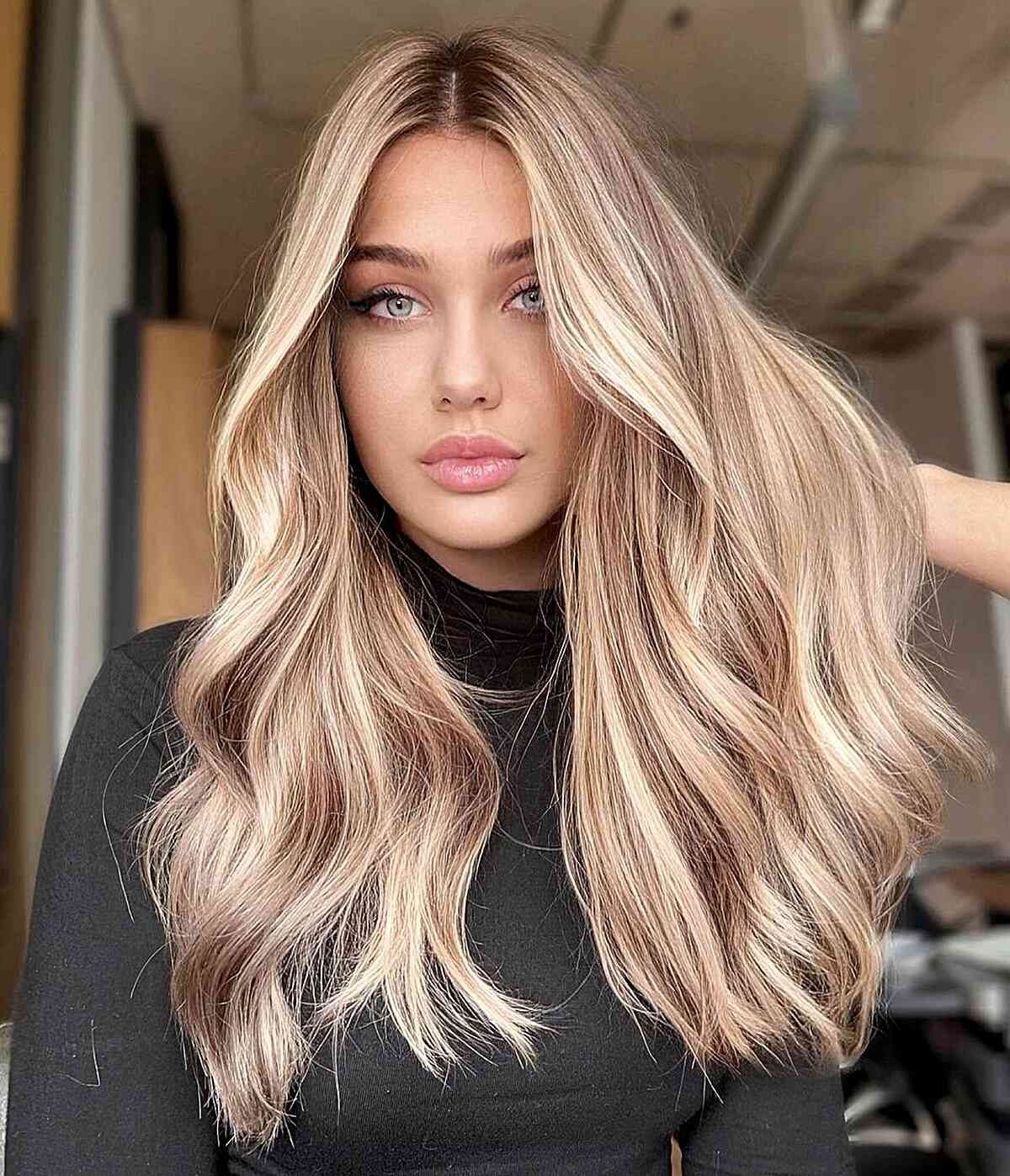
The artistry here is in the fineness. Light blonde babylights, applied in hair-thin sections, create a blend so seamless you can’t tell where the dark blonde base ends and the light begins. On thick, wavy hair with a middle part, those delicate strands catch the light like a halo. Ask your stylist for babylights no wider than a pencil line, and keep the base dark enough to ground the brightness. The wavy blowout takes about 20 minutes, and the result is radiance without the stripey highlight look.
Dark Brown With Caramel Ash Babylights
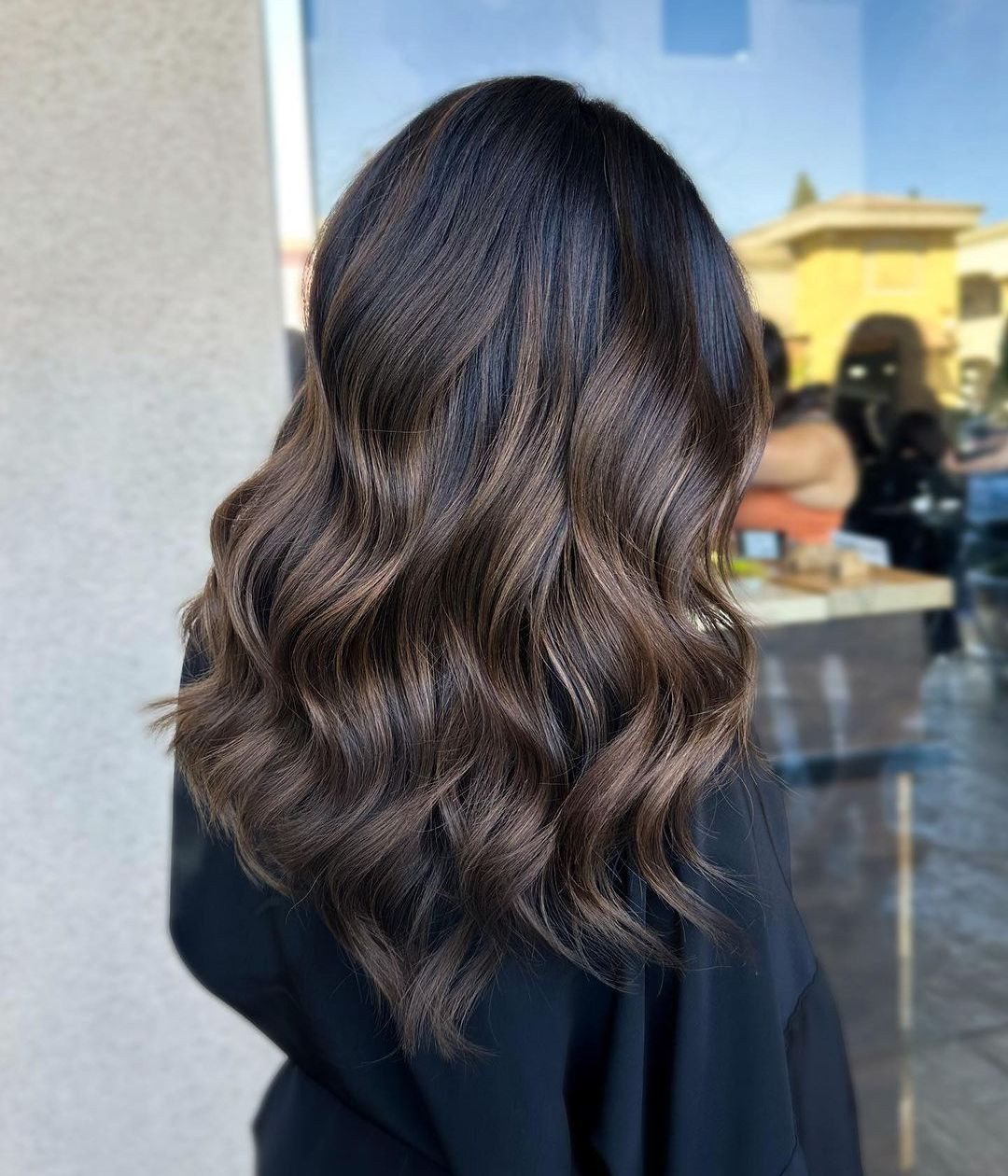
I’ll say it plainly: this is the better cousin of the plain caramel highlight. The dark brown base stays rich and serious, then the babylights split the difference, some strands pulling warm caramel, others cooling off into ash blonde, and that mix is what keeps the mid-back length from reading flat. On thick, wavy hair the two tones catch the light at different angles, which is the whole trick. The honest downside: the ash pieces can pull a little green if your water is hard, so a purple shampoo becomes a regular habit, not an occasional one.
Sleek Bob With Ash Blonde Babylights
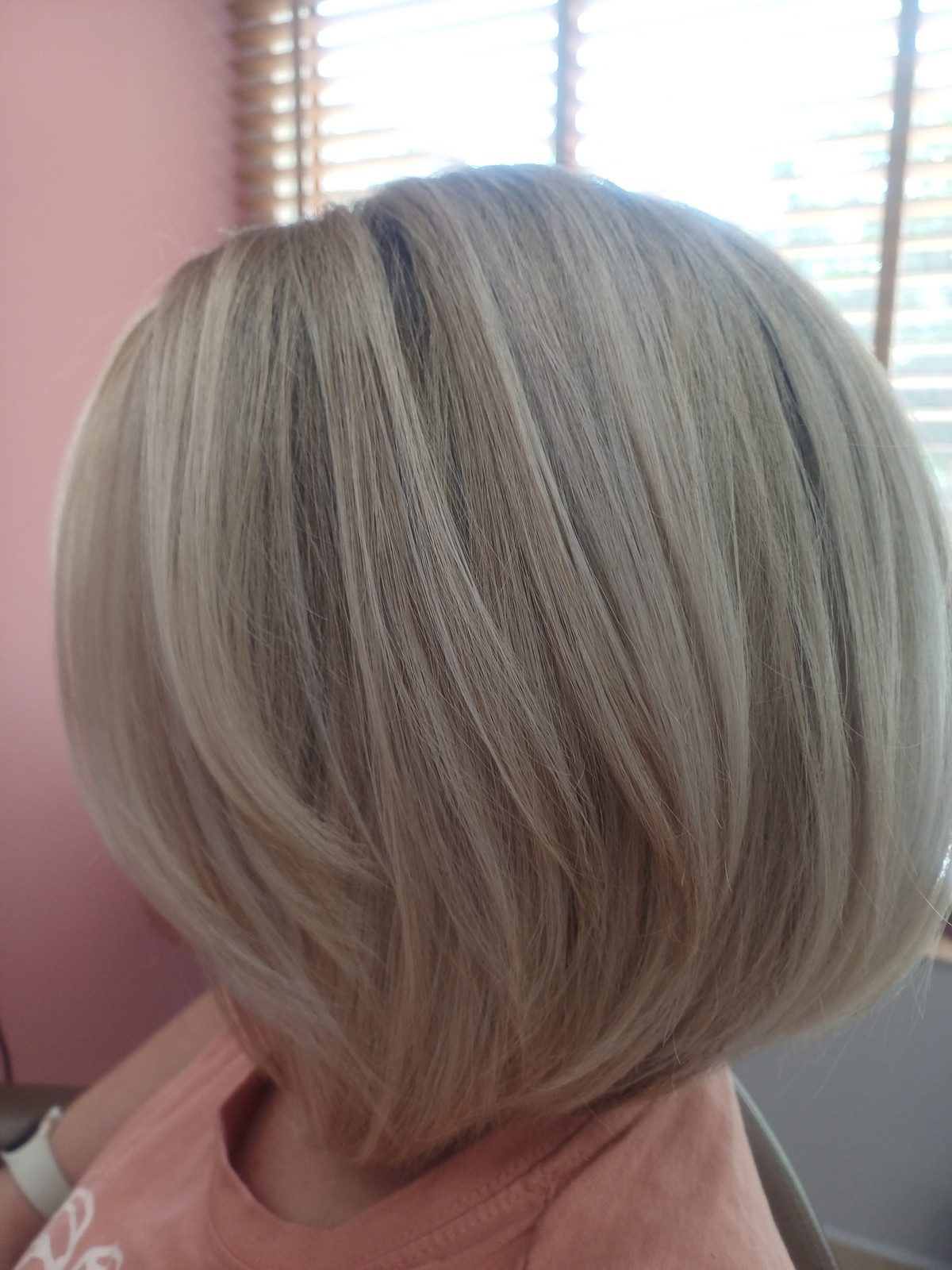
I resisted the sleek bob for years because I thought it needed to be one solid colour to look sharp. Wrong. The ash blonde bob with subtle babylights keeps the blunt chin-length line intact but adds enough dimension that thick, straight hair doesn’t sit like a helmet. The middle part helps, it widens a round face and lets the lighter pieces frame the jaw. Skip this if your hair is fine and sparse, the babylights can get lost and the blunt edge will just emphasise thinness.
Mid-Back Ash Blonde With Platinum Babylights
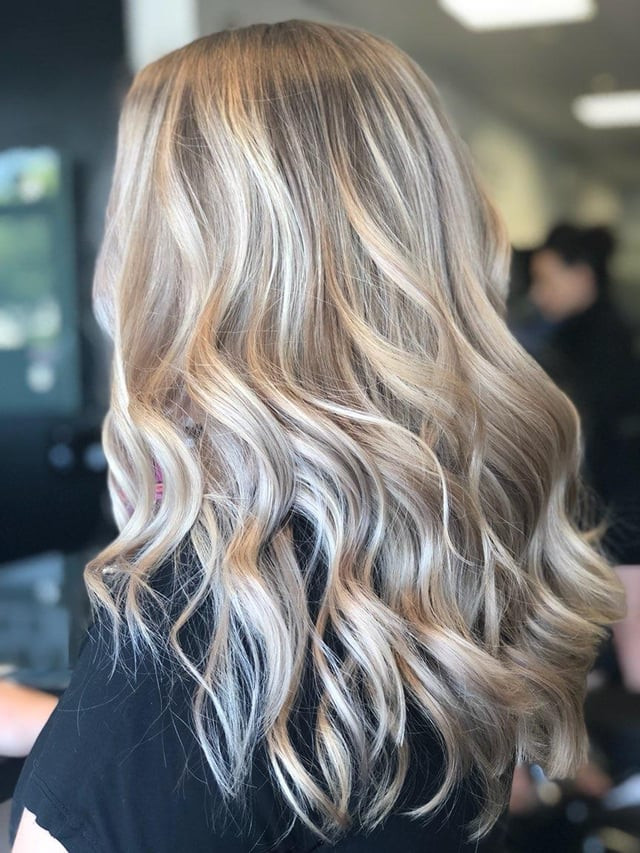
Sunday morning, coffee in hand, and I am already checking my roots. That is the deal with platinum babylights. The base is a cool ash blonde that does the heavy lifting, and the babylights are fine, bright strands woven from root to tip. Mid-back length, loose curls, wavy texture. The tone is icy, almost silver in certain light. It looks expensive and intentional. What the photo does not show is the calendar I keep for this colour. The grow-out is visible by week four, and brassiness shows up around week five if I skip one toning shampoo session. The technique demands a skilled hand, too much lift and you get hot roots, too little and the babylights disappear into the ash base. I book my appointments at six weeks, no negotiation. The payoff is a colour that moves and catches light, but it asks for a commitment I still second-guess every third month.
Mid-Back Butter Blonde With Subtle Babylights
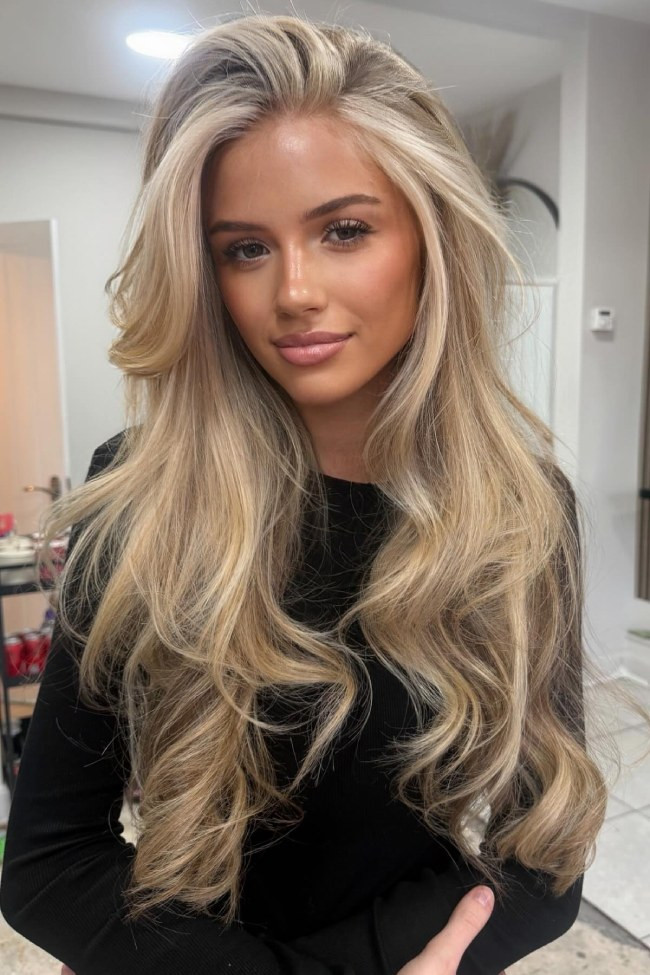
The first warm day hits and I start scrolling butter blonde babylights again. It is a seasonal reflex. The base is a bright butter blonde, not quite golden, not quite yellow, and the babylights are so subtle they read as natural dimension rather than highlights. Mid-back length, thick, wavy texture, styled in a voluminous blowout. The tone lands somewhere between sunkissed and deliberate. This is the colour I want when I am tired of ash and not ready for platinum. It softens the whole head. The technique uses a fine weave, alternating sections so the brightness spreads evenly. It reads as grown-in, not painted on. I have learned that butter blonde works best on hair that already lifts clean, otherwise the tone turns brassy by week three. The middle part and layers let the babylights fall forward, which is the whole point.
Platinum Lob With Fine Babylights
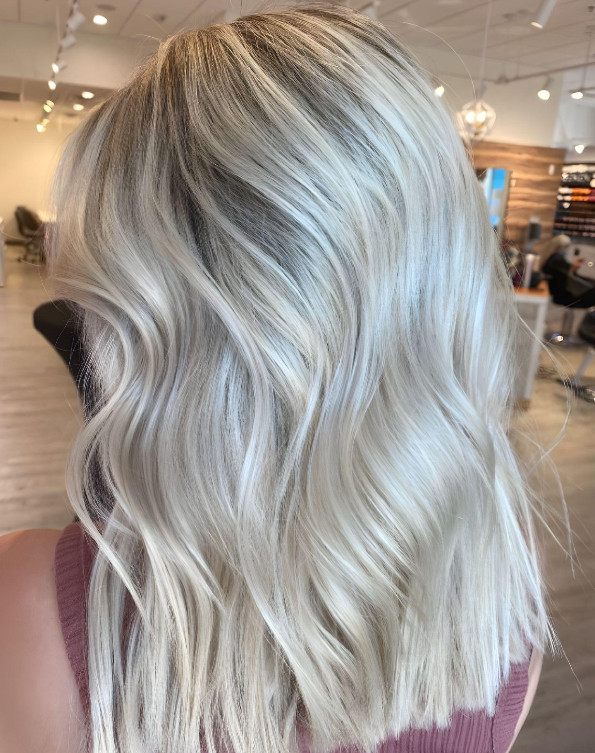
Can a lob hold this much brightness without looking harsh? The answer is in the technique. The base is a cool platinum blonde, and the babylights are so fine they read as texture rather than colour. Shoulder length, soft waves, wavy texture on a fine to medium density. The tone is icy, almost white at the ends. The stylist weaves the babylights in a micro-foil pattern, each section no wider than a pencil. That precision is what keeps the lob from looking blocky. The waves break up the colour, so the babylights move with the shape instead of sitting on top of it. I have seen this go wrong when the babylights are too thick, then the whole head looks striped. Fine is the key word here.
Mid-Back Dark Blonde With Beige Babylights
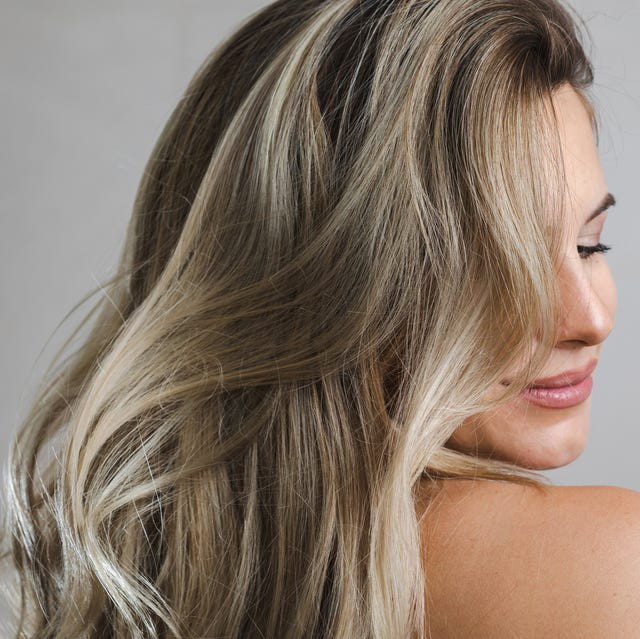
This is the colour for people who say they do not want highlights. The base is a dark blonde, almost mushroom, and the babylights are a soft beige that never screams. Mid-back length, loose waves, medium density. The tone is warm but muted, no gold, no ash. It flatters skin that reads sallow next to platinum and washed out next to caramel. The beige tone sits in the middle, it does not compete. The face-framing pieces catch the light first, which is the whole trick. If your hair pulls orange when lifted, skip this. Beige needs a clean canvas. I recommend this to anyone who wants dimension without maintenance, the grow-out is soft because the babylights are only a shade or two lighter than the base. It is the colour equivalent of a good neutral sweater.
Dark Brown Lob With Caramel Highlights
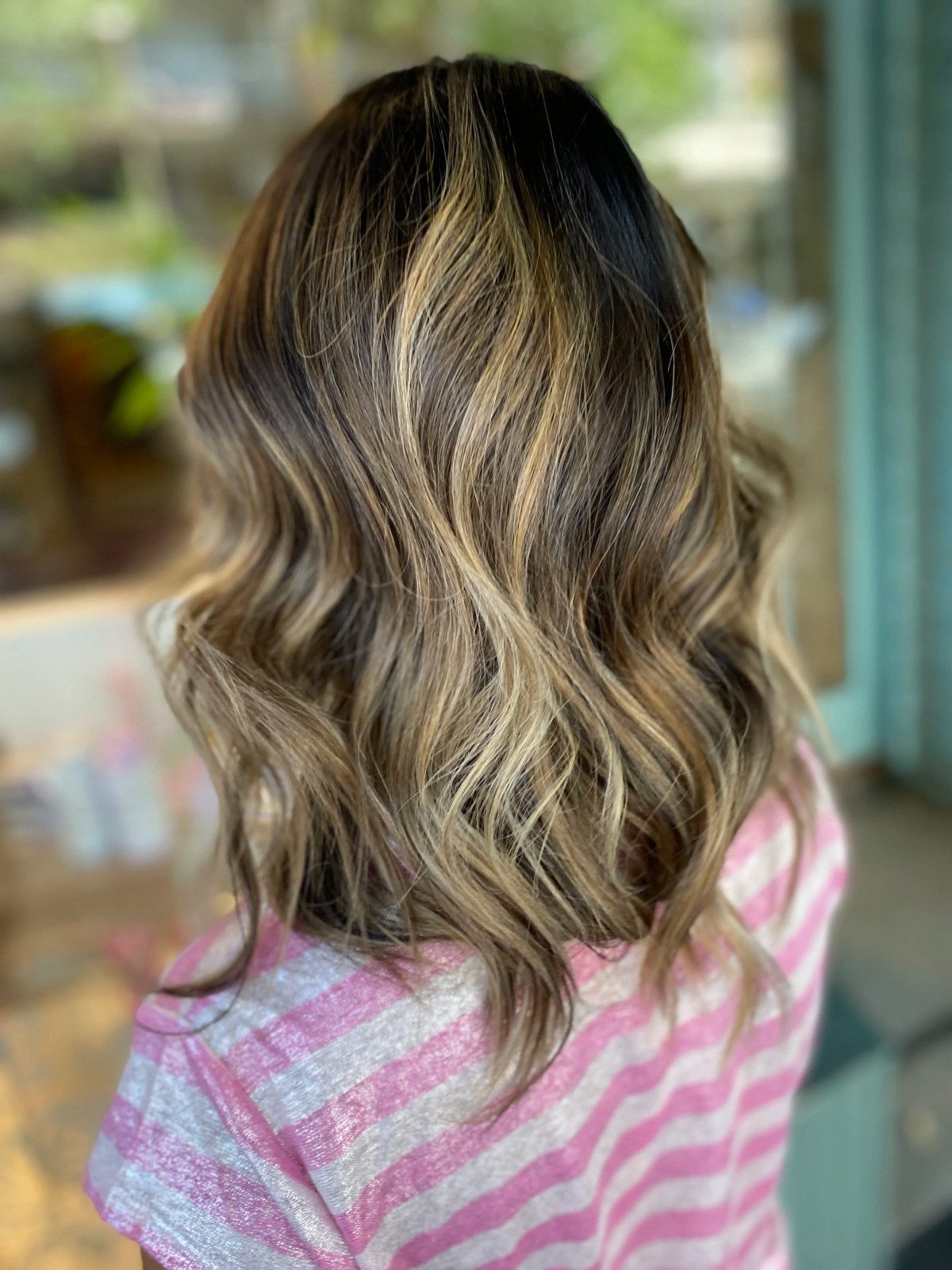
I will confess, I was skeptical about caramel highlights on a dark brown base. They can read dated if the tone is too warm. But this lob, chin length, side part, wavy texture, does it right. The base is a deep, cool brown, and the caramel highlights are placed sparingly, mostly around the face and ends. The tone is a warm amber, not orange. Here is the honest downside, caramel fades. By week five, those warm strands start pulling brassy, especially if you use warm water or skip a cool rinse. I have had this colour go from rich to rusty in a month. The lob shape helps, trims every six weeks cut off the faded ends before they take over. It is a high-reward colour that demands a low-tolerance for brass.
Collarbone Ash Blonde With Lighter Ash Babylights
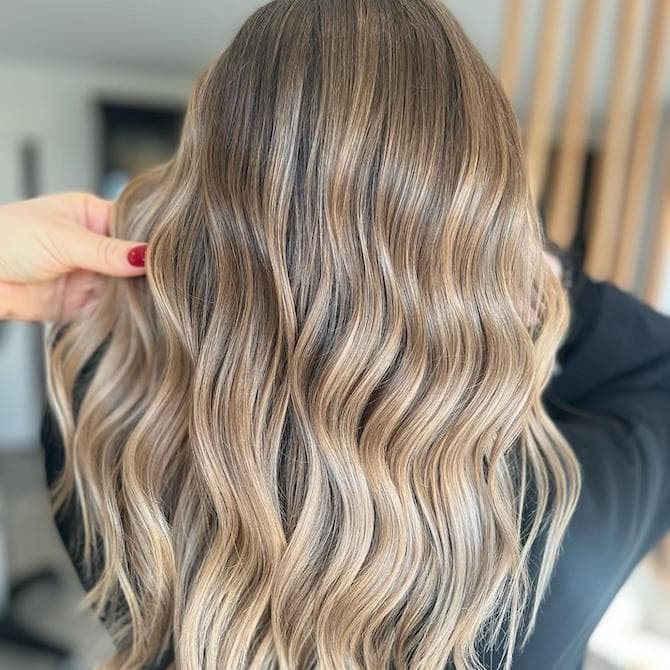
The difference between babylights and the bolder highlight techniques is all in the spacing, and this collarbone-length cut shows it better than any other. Those lighter ash blonde babylights are so finely spaced that from the back they read as one soft, seamless wash of colour, not a stripe in sight. The ash blonde base keeps everything cool, so it suits fair skin with pink undertones and medium-density wavy hair that can carry the delicacy without looking busy. This is a salon job, no question, the placement is too precise for a bathroom mirror and a box. Book it, and tell your stylist you want the babylights woven sparsely, not packed.
Chocolate Brown With Caramel Blonde Highlights
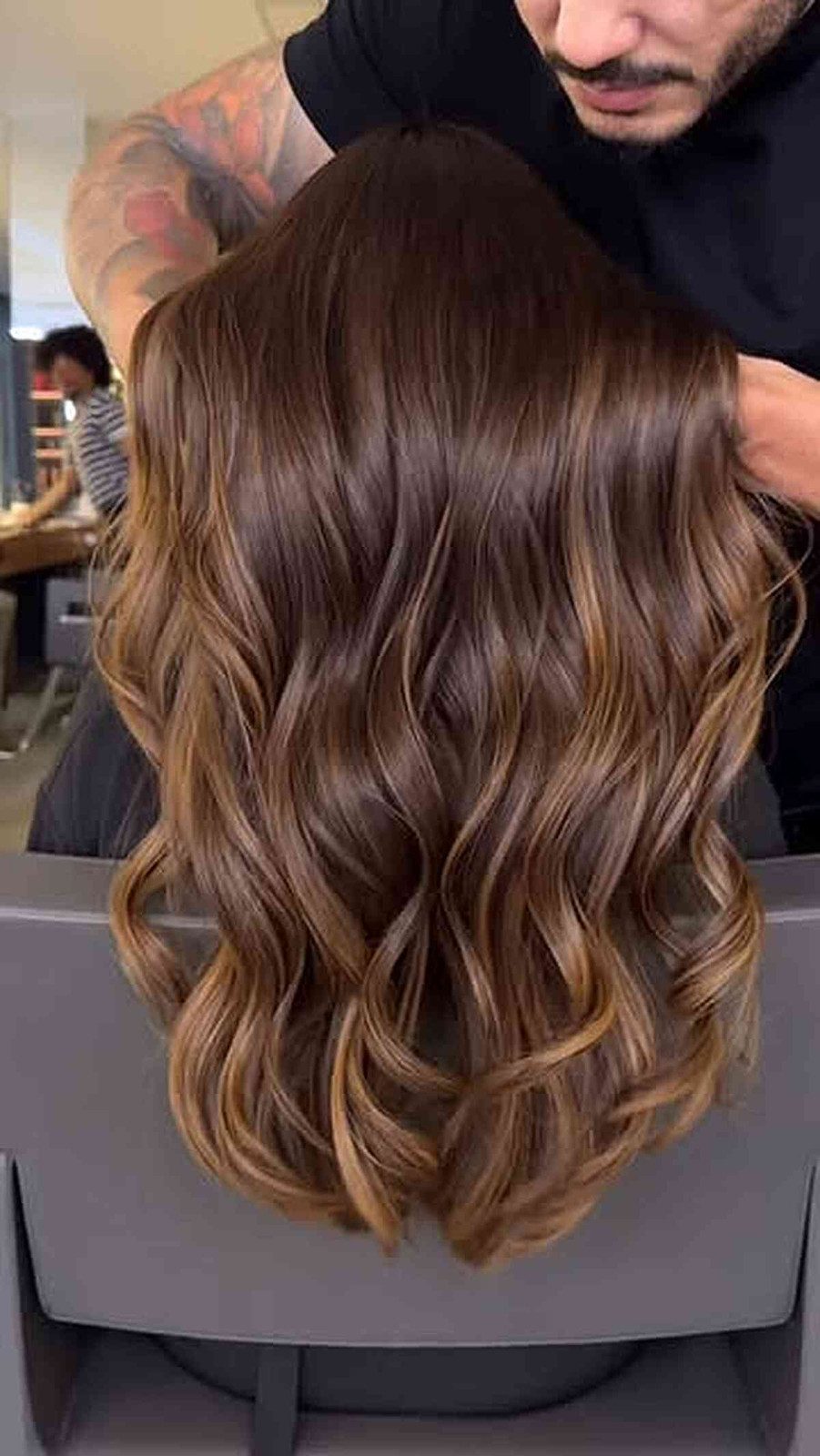
Does your base colour ever feel flat, like it needs a warm kick without going full copper? Then this is the one. The chocolate brown base is rich enough to anchor the caramel blonde highlights, which sit in long layers down to mid-back and catch the light like they were painted on. Thick, wavy texture is the sweet spot here, the highlights need volume to move and show their warmth. It flatters medium to olive skin tones, and anyone with a warm undertone who wants dimension without the upkeep of full blonde. If your hair is fine and sparse, the richness of the base can overwhelm it, so pass unless you have the density to carry it.
Medium Brown With Golden Highlights
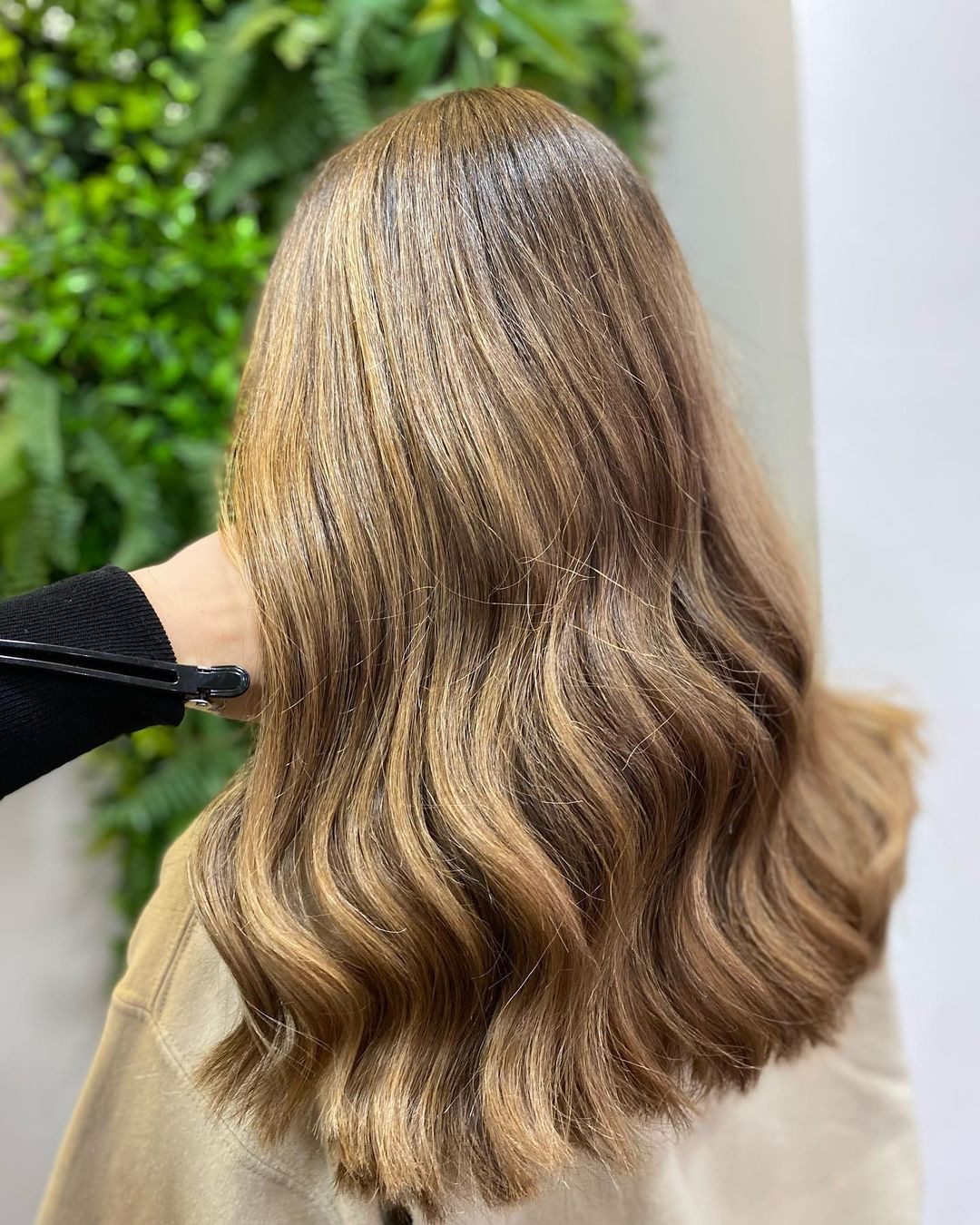
Tuesday morning, and the golden blonde highlights still look freshly toned, no brassiness creeping in by day three. That is the real win with this shoulder-length wavy blowout: the medium brown base keeps the golden tones grounded, so they brighten the face without turning orange. The upkeep is honest, a salon visit every eight to ten weeks to keep the tone from muddying, and a hydrating shampoo at home to stop the waves from frizzing. It holds up across a real week because the highlights are placed to move with the layers, not against them. Thick, wavy hair gets the best effect, the golden strands catch light in every wave.
Dark Blonde With Ash Highlights
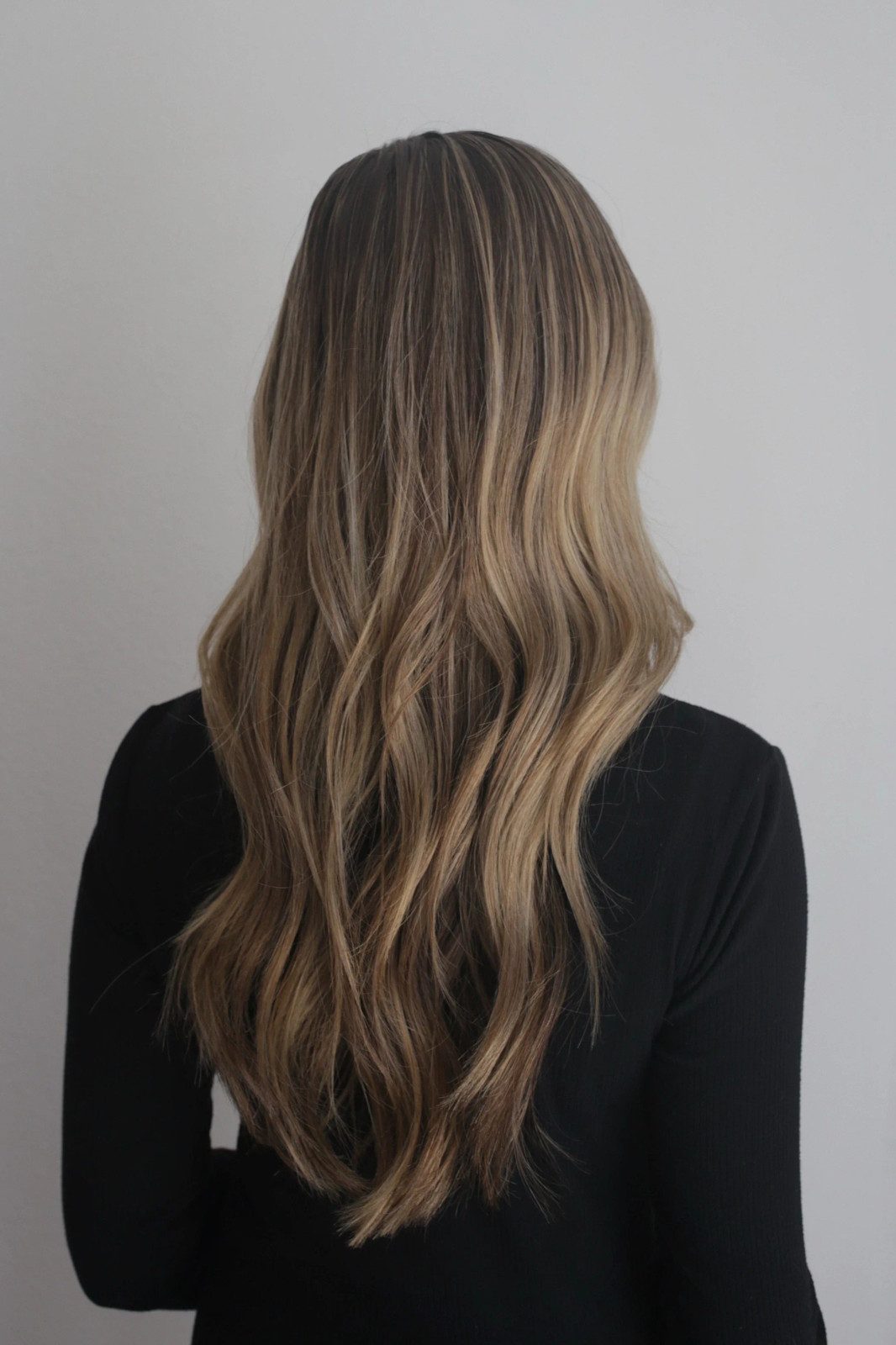
The technique here is all about blending, not placing. Ash blonde highlights are woven into a dark blonde base so subtly that the transition is invisible, which is exactly what makes it look natural. The stylist uses a fine-tooth weave, taking thin sections and painting them close to the root, then feathering the colour down the mid-back length. The result is a soft, diffused effect that mimics how the sun lightens hair, no hard lines, no obvious stripes. It works because the ash tone neutralises any warmth in the dark blonde base, leaving a cool, muted finish. If you want that effortless, just-grew-up-sun-kissed look, this is the technique to ask for.
Dark Blonde Lob With Lighter Babylights
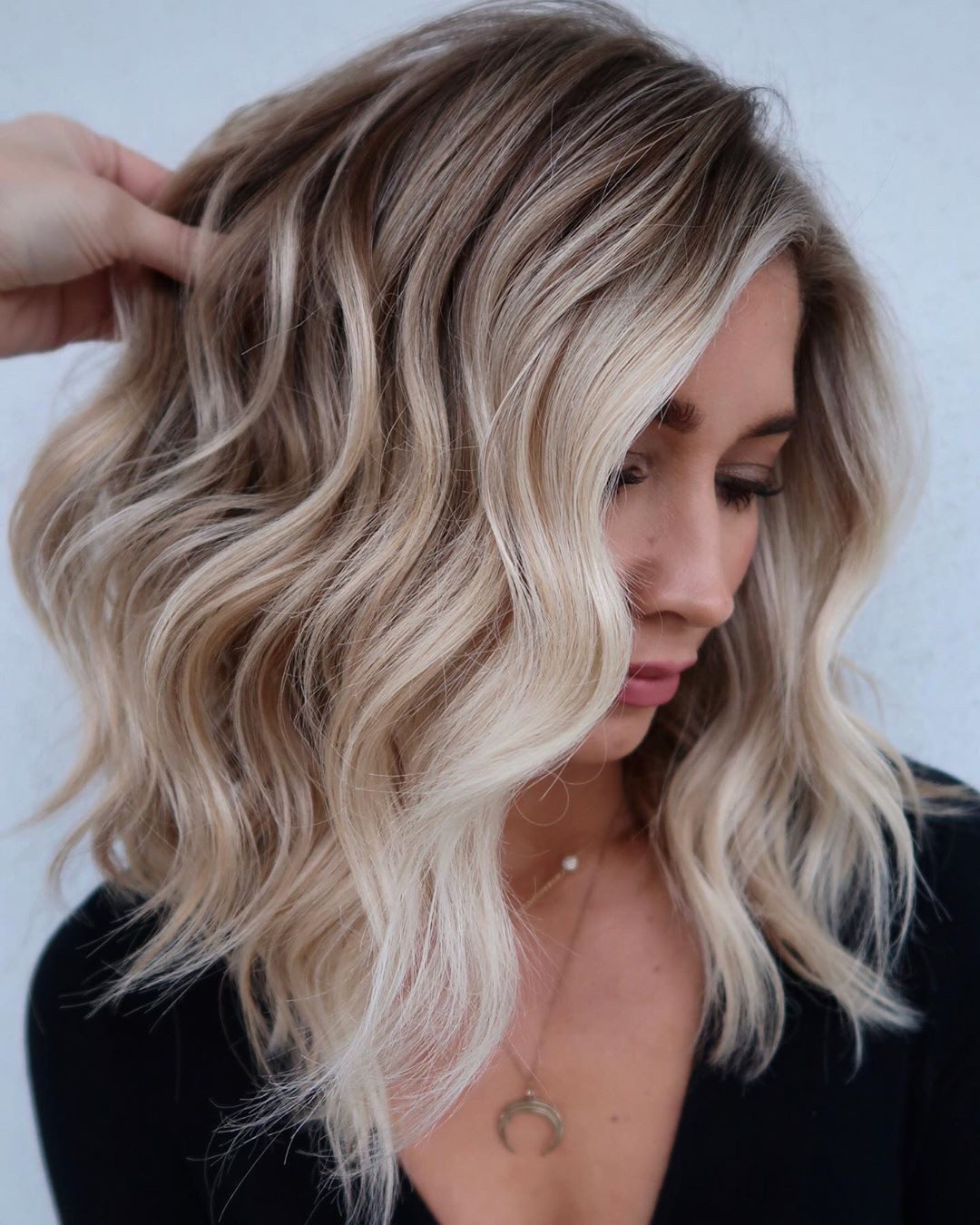
The dark blonde lob is having a moment, and the lighter blonde babylights are the reason it works. On a collarbone-length cut with soft layers, those fine babylights add dimension that keeps the dark base from reading as flat, especially from the front where the light catches the waves. It flatters medium-density wavy hair best, the babylights need some movement to show their softness, and it suits anyone who wants a low-contrast, natural look without going full blonde. The middle part opens up the face, so it works for round or oval shapes. If your hair is very fine and straight, the babylights can get lost, so you would need more density to make them visible.
Medium Blonde With Lighter Highlights
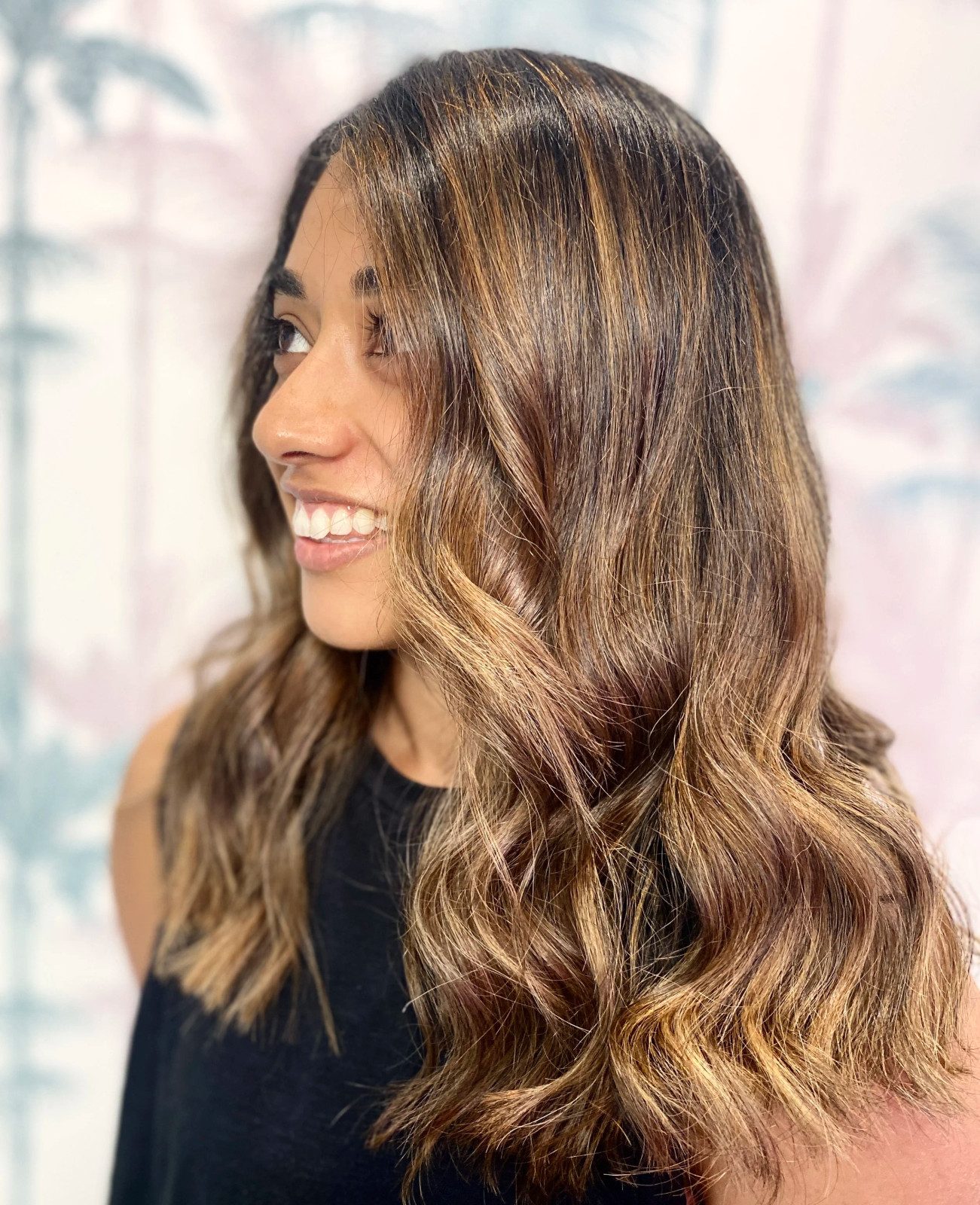
Ever had a colour that looks fresh on Monday and faded by Friday? The lighter highlights on a medium blonde base sit wide enough that the dimension lasts the whole week. Mid-back length means you can pull it back without losing the contrast. Loose waves help the lighter pieces catch light differently as you move. By day five, the medium blonde base starts to warm up but the lighter streaks still read intentional. It is not an every-wash toner job, which I count as a win.
Visual Idea
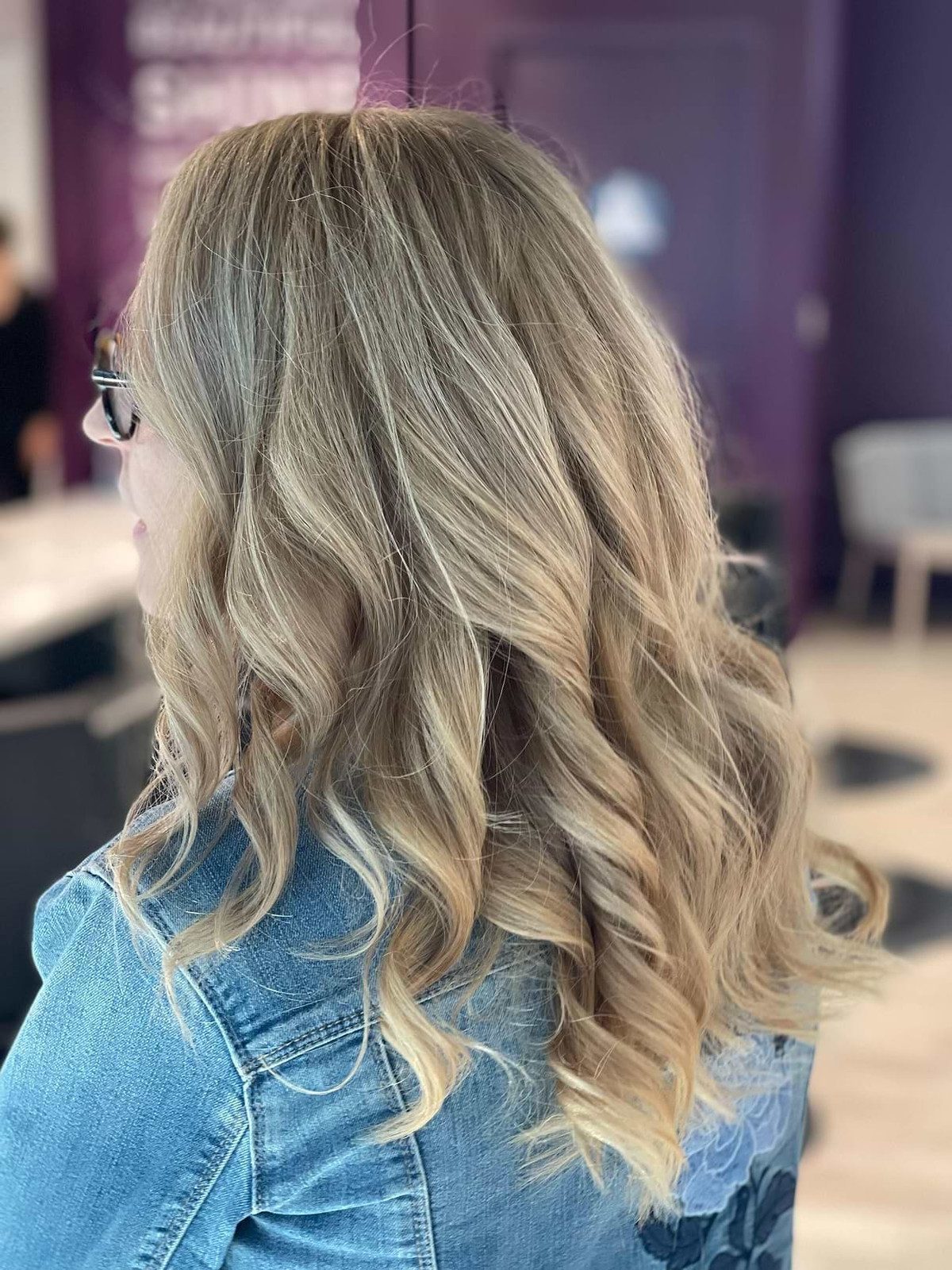
I will admit I was sceptical about ashy blonde on a dirty blonde base. It sounded cold on paper. The reality is that the ash tones sit behind the lighter babylights, so the overall read is clean, not grey. Side part helps the heavier side carry more of the lighter babylights, which balances the cooler undertone. The honest downside: if your water runs heavy with minerals, the ash cools into a flat grey by week four. A midday pass with a dry brush usually rescues it, but I would skip this if your tap is hard.
Mid-Back Visual Idea
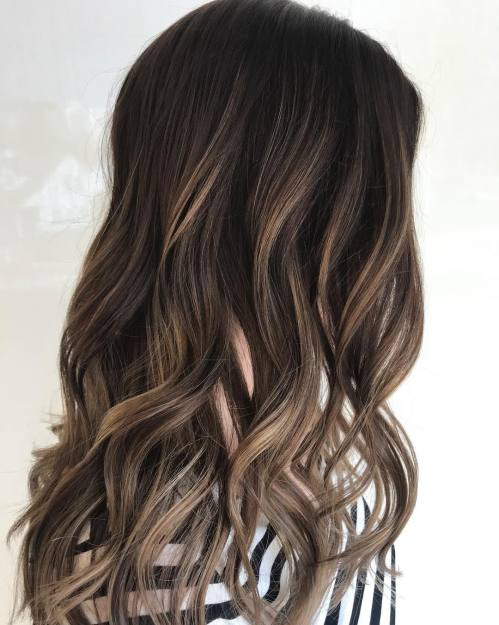
You see a woman with dark brown hair that does not read flat. She has subtle blonde highlights woven through the mid-lengths and ends, wide enough apart that the base still dominates. This suits medium to thick density because the highlights need room to sit without clumping. If your hair is fine, the blonde pieces can overwhelm the brown and the dimension flips into streaky. The middle part drops the lighter pieces evenly on both sides, which is rare for a highlight placement. I would recommend this to anyone who wants lightness without the full lift.
Layers Visual Idea
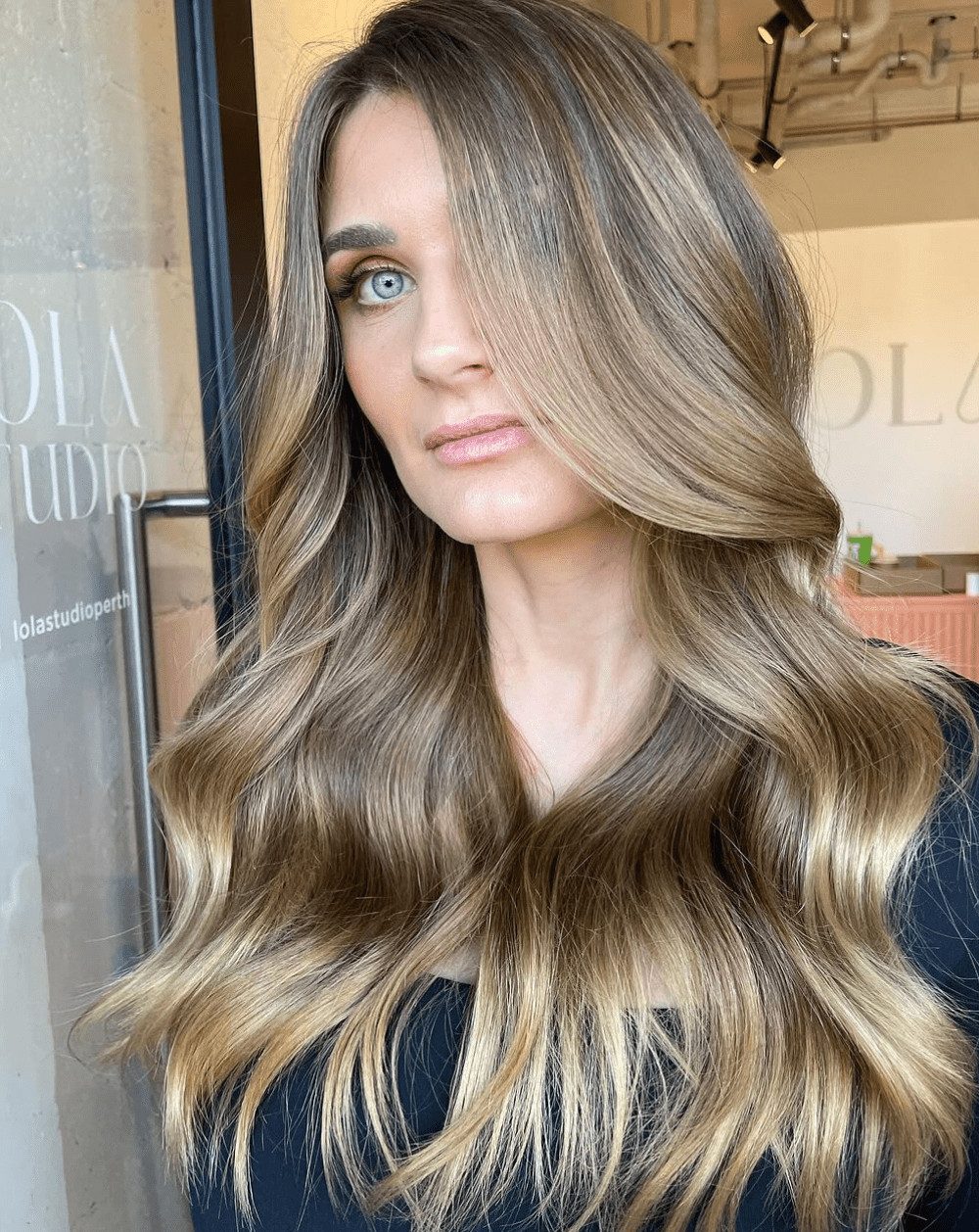
The grow-out on cool-toned babylights usually looks like regret by week six. This one holds because the ash blonde babylights are placed close to the part, so the regrowth reads as shadow rather than roots. I clocked it at week eight, and the dark blonde base had softened into a neutral that did not fight the cool babylights. Loose waves help because the movement scatters the babylights across the face. The mid-back length gives the babylights room to land without stacking into a solid line. A weekly purple conditioner keeps the ash from warming into green.
Collarbone Visual Idea
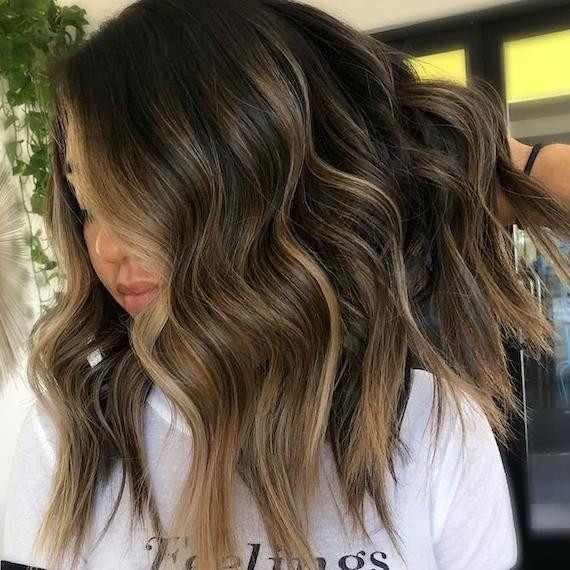
Does your caramel highlight fade into orange by the second wash? The key is how the caramel sits on the dark brown base: close to the root, spaced wide, painted on the top layers only. At collarbone length the caramel pieces land just above the shoulder, so the contrast reads deliberate rather than accidental. Find a purple shampoo that leans cool, not blue, and apply it only to the caramel sections. A warm-toned mask once a month keeps the caramel from turning brassy while the base stays rich. That is three products, not twelve.
Dark Brown Base With Blonde Babylights Visual Idea
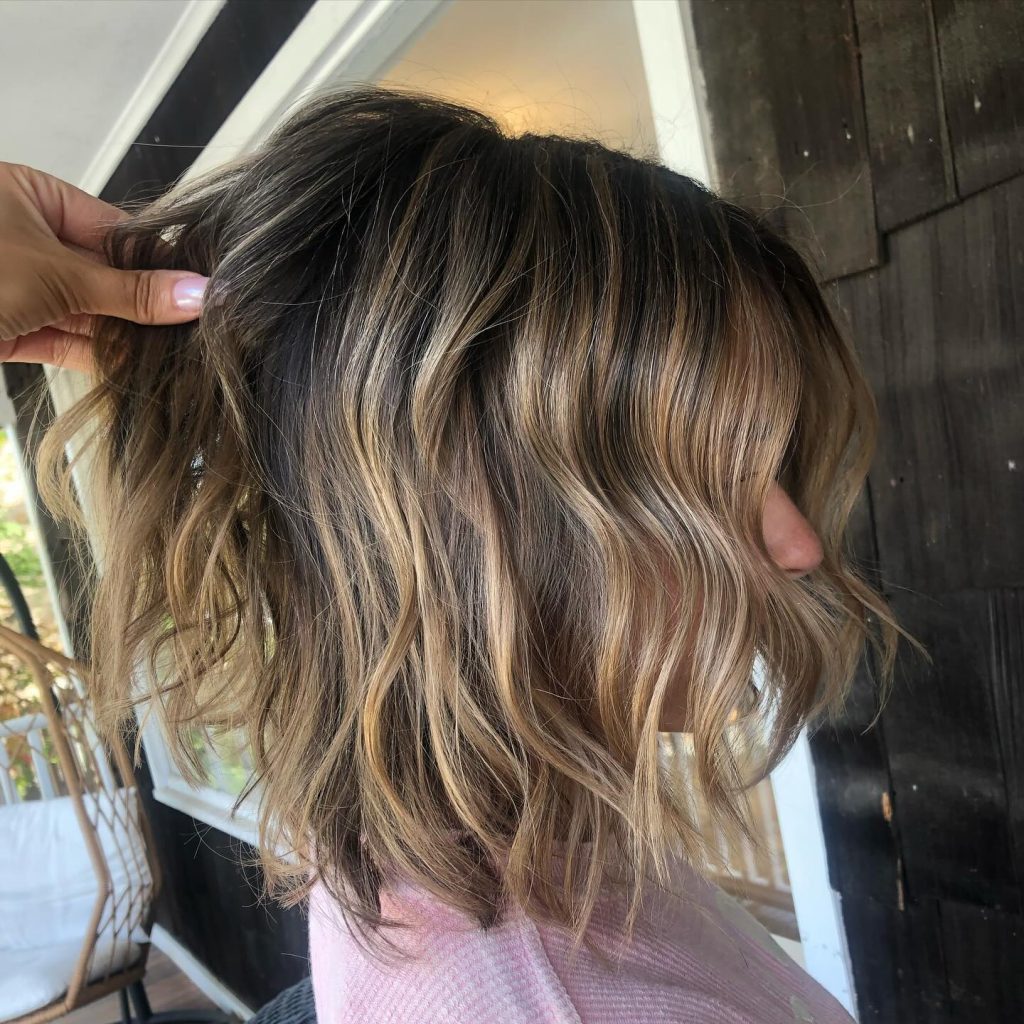
This is the rare colour that looks like you were born with it. The dark brown base stays rich and serious, while the blonde babylights do the quiet work of adding dimension without ever shouting. On a collarbone lob with loose waves and a middle part, the effect is sun-faded in the most flattering way possible. The technique matters here: babylights are painted fine and close to the root, so the blonde reads as natural brightness rather than a deliberate stripe. Medium density wavy hair catches the light just enough to show the contrast, but even straight strands would carry this tone well. It is a universally flattering choice because the base grounds the blonde, so the grow-out stays soft and the whole thing looks intentional without looking worked on.
Long Layers Visual Idea
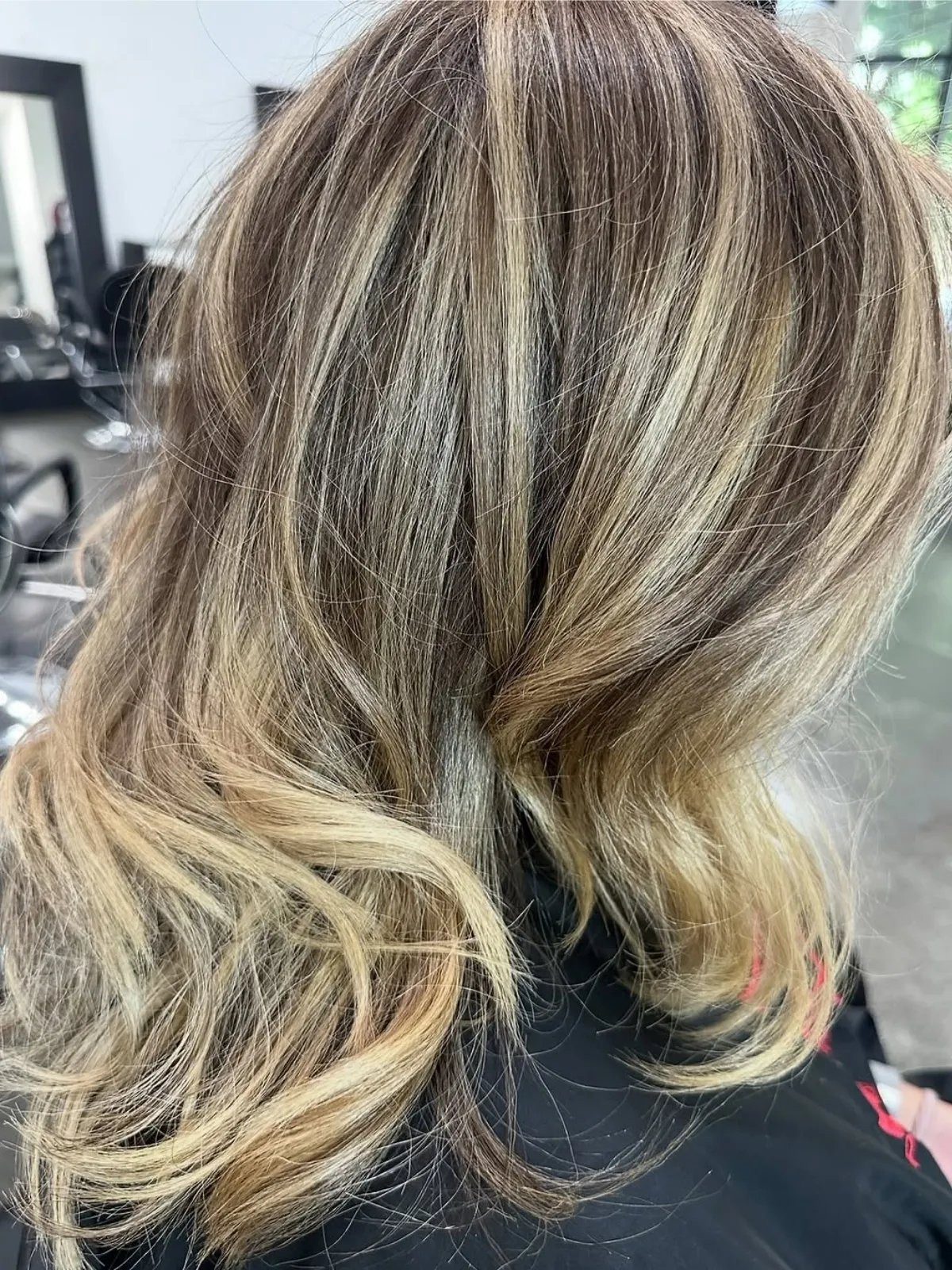
I will admit I am a sucker for warm golden tones, even knowing they betray me by week four. On a medium brown base, these golden blonde babylights run through long layers from mid-back down, and the back view shows exactly why the technique works: the colour lands where the waves bend, so movement does the highlighting for you. The wavy texture softens any line, which is good because the honest downside is maintenance. Warm tones fade first, and they fade toward brass, so this look needs a toning appointment roughly every six weeks to keep the gold from turning orange. The base does help, medium brown holds warmth longer than a lighter canvas, but do not book this expecting a set-and-forget colour. It is a salon job, three hours in the chair, and the grow-out is kind because the babylights blur into the base rather than forming a stripe.
No Bangs Visual Idea
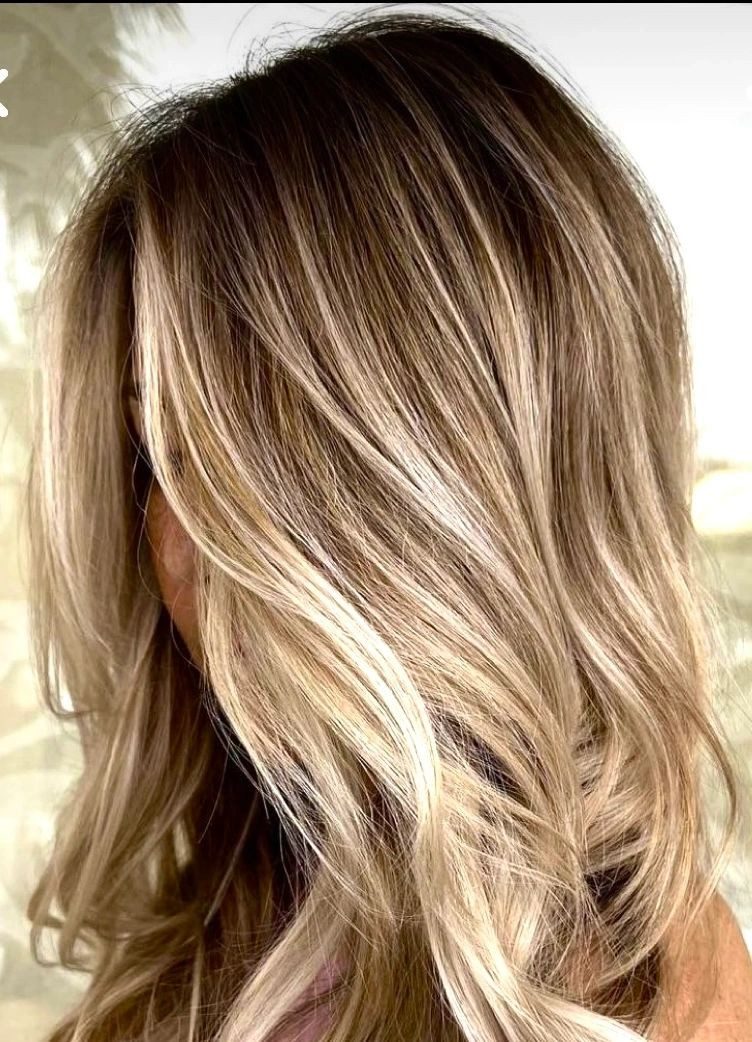
The difference between babylights and a traditional highlight is thickness, and this close crop shows it. Fine, blended babylights on a dark brown base read as texture, not colour, which is why the no-bangs styling works so well here. The collarbone layers with a wavy blowout give the thick hair movement, and the blonde peeks through in slivers rather than chunks. A foil highlight would have made this same base look striped and heavy. This is not a bathroom-mirror job, the fineness of the weave is exactly what separates it from a box kit, so book the salon and ask for the finest slices your stylist can manage.
Dark Brown With Blonde Highlights Visual Idea
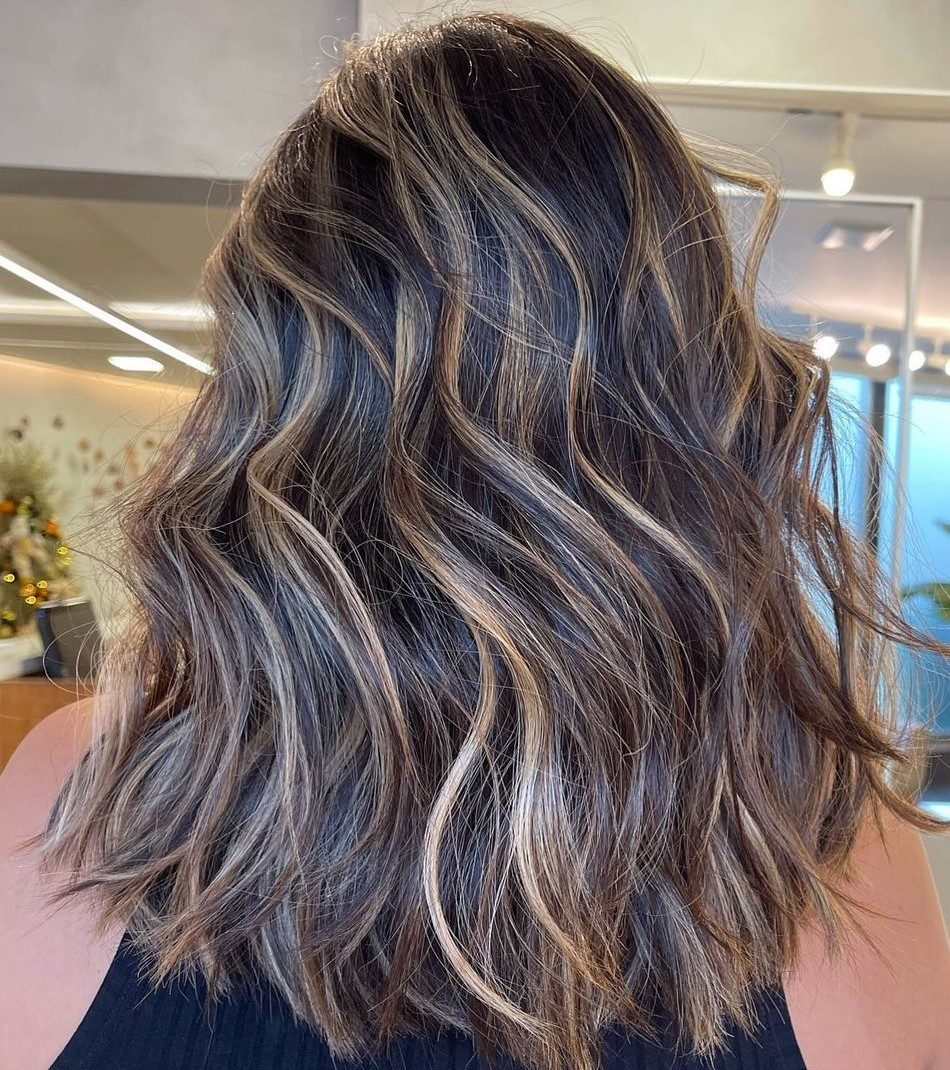
Every other person with dark brown hair walks in asking for blonde highlights and walks out looking like a zebra. The mistake is contrast, too much of it, placed too evenly. The fix is in how the blonde is distributed through these long layers on a mid-back length. The back view shows the blonde concentrated around the face and through the mid-lengths, thinning out before the ends, which creates that sun-kissed effect instead of a stripe effect. The wavy, thick texture helps because the waves break up the colour, so the blonde reads as dimension rather than decoration. Keep the dark brown base dominant, roughly two parts brown to one part blonde, and the result looks like you spent a summer outside rather than four hours under foil. The tone matters too, ask for a neutral blonde, not ash and not gold, so it lifts the brown without clashing against it.
Front View Visual Idea
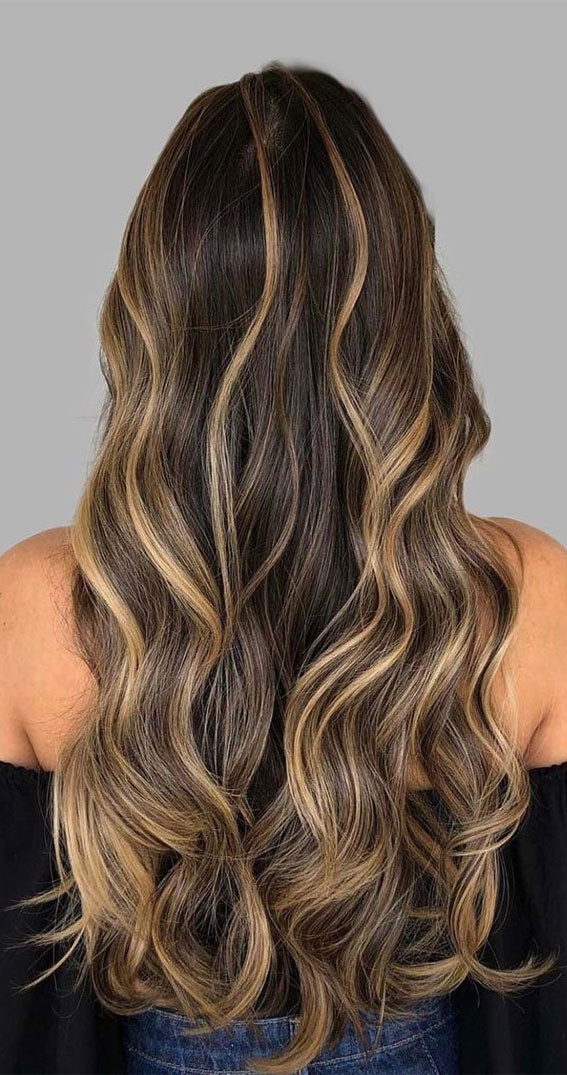
Have you noticed how honey tones make everyone look like they just came back from somewhere warm? The front view of this mid-back cut shows why: the honey blonde babylights sit around the face on a medium brown base, and the side parting lets them catch the light every time you turn your head. The wavy, thick texture carries the warmth well, but the upkeep is where this gets real. Honey fades faster than ash, so expect to rebook a gloss every five or six weeks to keep the warmth from washing out into a flat, muddy beige. The good news is the babylight technique means the regrowth is soft, no harsh line, so you can stretch the appointment if life gets busy. It is a salon colour through and through, the fine weaving is not something you can replicate at home with a cap and a hook.
Back View Visual Idea
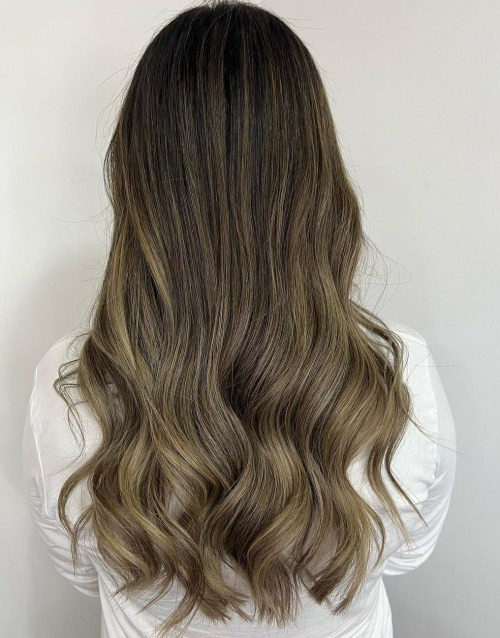
This is the angle that sells babylights. From the back, the dark brown base holds the weight while ash blonde babylights weave through the waves like they grew there, not like they were painted on. The middle part lets the colour fall symmetrically, so the blend reads as one continuous shade instead of two competing ones. The technique is the whole story: each babylight is so fine it disappears into the base, and the ash tone keeps it cool without turning grey. On thick, wavy hair at mid-back length, the layers catch the light and show the dimension from every angle. That is the trick. You are not looking for streaks, you are looking for a glow that starts at the root and fades before anyone can find where it ends.
The back view is also where the grow-out gets honest. Because the babylights are delicate and the base is dark, the line stays soft for months, no harsh regrowth stripe. I have seen this exact colour go six weeks and still look like a choice, not a mistake. The ash blonde against dark brown is a cool combination, and it flatters anyone whose skin reads neutral or pink. What you are buying is not a colour, it is a shadow that moves. That is why this one works.
Middle Visual Idea
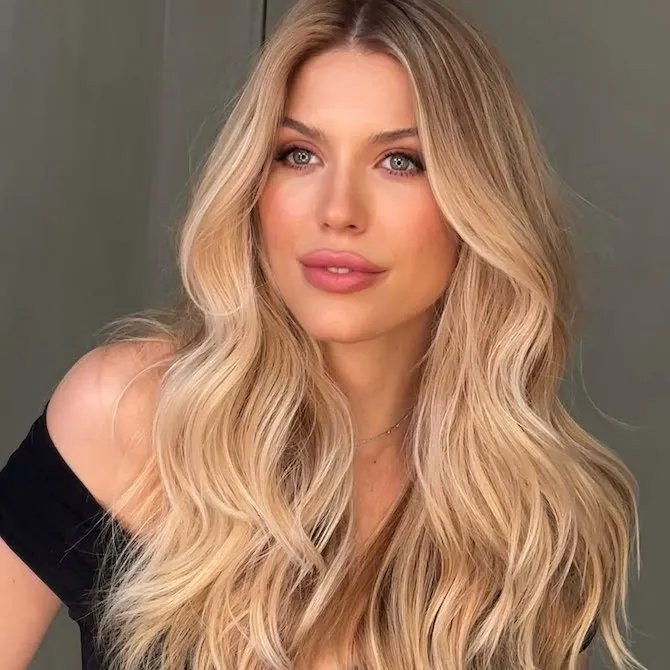
The cost of fine, blended babylights is not money, it is time: three hours in the chair for a result that looks like you did nothing at all. That is the point. On a dark blonde base, the lighter blonde babylights are so subtle that from across the room you just look sun-kissed, and up close you see the depth. The middle part and wavy blowout let the fine strands catch light at different angles, so the dimension shifts as you move. This is the most versatile version of babylights I know, because it works on any base from medium brown to light blonde, and it never screams for attention. You will spend the chair time, then you will spend zero minutes explaining it. That is the trade, and it is worth it.
Final Thoughts
After writing all 27 of these, I noticed something. The ones I kept coming back to were not the most dramatic. They were the ones that blurred the root line, that did not scream for a touch-up at week five. That is the whole point of babylights. They are supposed to look like you were born with them.
I am booking the dark brown with caramel ash babylights next. It is the one my hair dresser will not roll her eyes at.
- Trim the baseline every eight weeks
- Tone at week six, not week ten
- A root shadow buys six calm weeks
- Skip purple shampoo on the first wash
- Book a gloss between full appointments

