
Every other person in the chair next to me this year has asked for something warm. Not brassy, not orange, just a shade that catches light instead of swallowing it. Hazel eyes do that on their own, so the right hair color just amplifies what is already there.
I put together 18 takes on Hair Color for Hazel Eyes, from a five-minute root shadow to a full afternoon of balayage. Some work with fine hair that goes flat by 4 pm, others need density to carry the dimension. A few are bathroom-mirror jobs, most are not. My own grow-out line at week five taught me which ones buy you time.
Rich Dark Brown With Subtle Lowlights
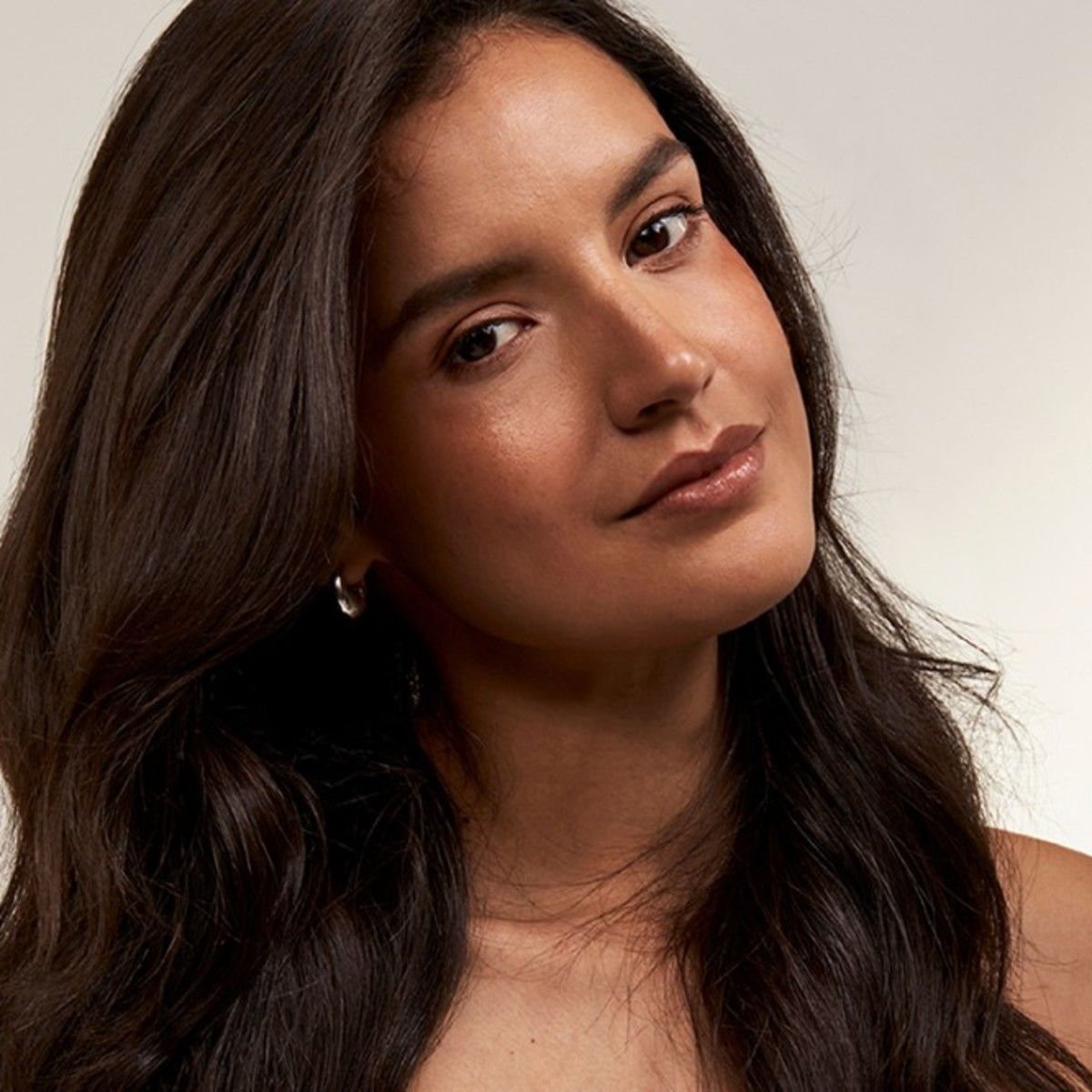
Not every hazel eye needs a warm blonde to pop. This rich dark brown base with subtle lighter brown lowlights does the work without shouting. The technique is a lowlight weave, darker ribbons woven into the mid-back length so the colour reads deep, not flat. The tone stays neutral, no red or ash fighting the eye’s natural flecks. Long layers keep the thick, wavy texture from getting heavy. A middle part widens a round face. That is it. No bangs, no fuss, just a colour that sits back and lets the eyes do the talking.
Honey Blonde Waves With Curtain Bangs
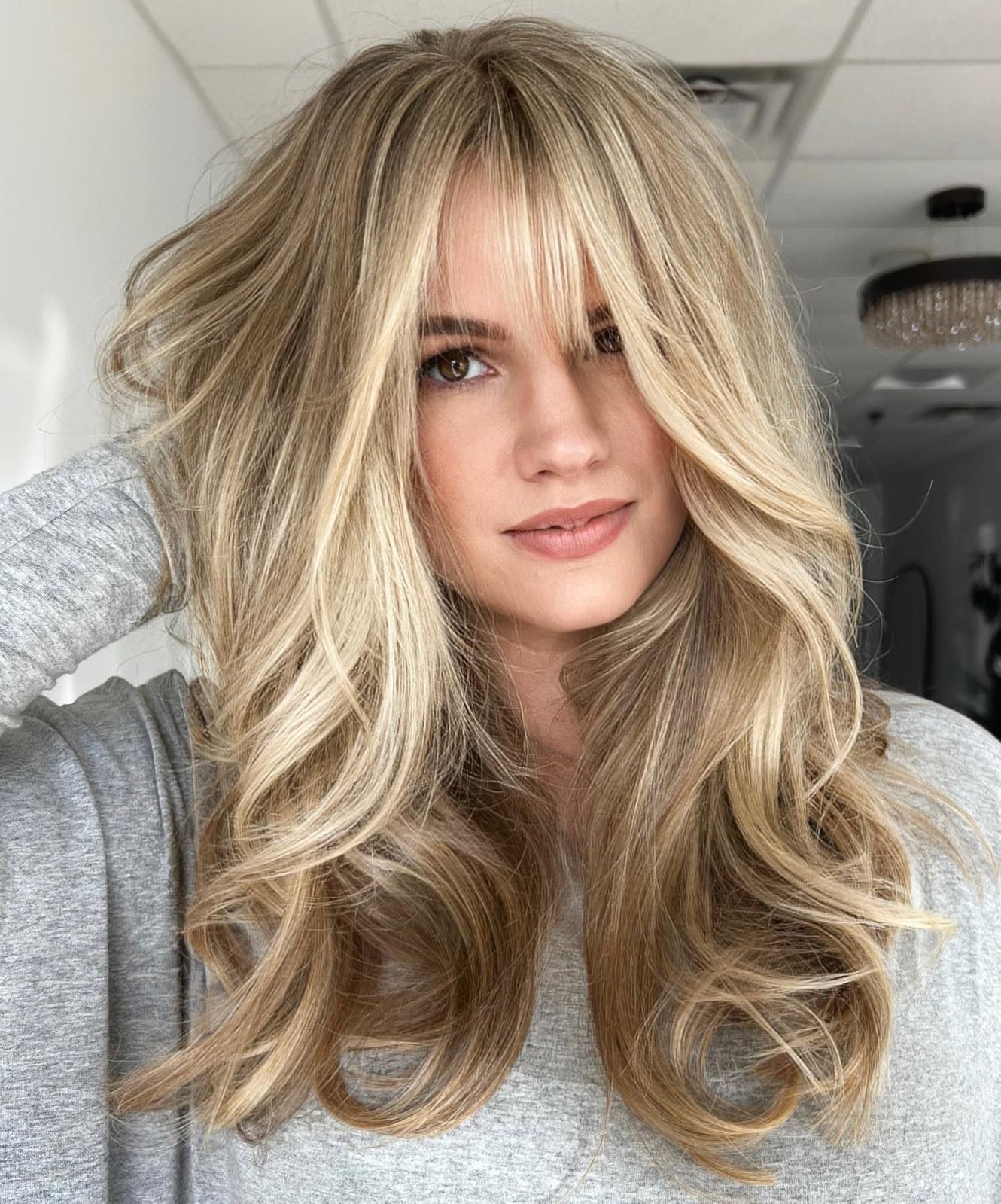
Can a colour make your eyes look like they caught the sun? This honey blonde with highlights comes close. The base is a warm honey, not too golden, not too pale, and the lighter highlights are painted on with a foilyage technique that keeps the tone soft. The mid-back length gets loose waves from a large barrel iron, about 20 minutes total. Curtain bangs need daily styling, yes, but they frame the face in a way that catches light right where hazel eyes sit. Ask your stylist for a hand-painted foilyage, fine sections, and a gloss every four to six weeks to keep the tone from turning brassy. The grow-out is a root shadow every six to eight weeks, and that is the real rhythm.
Dark Brown With Auburn Highlights
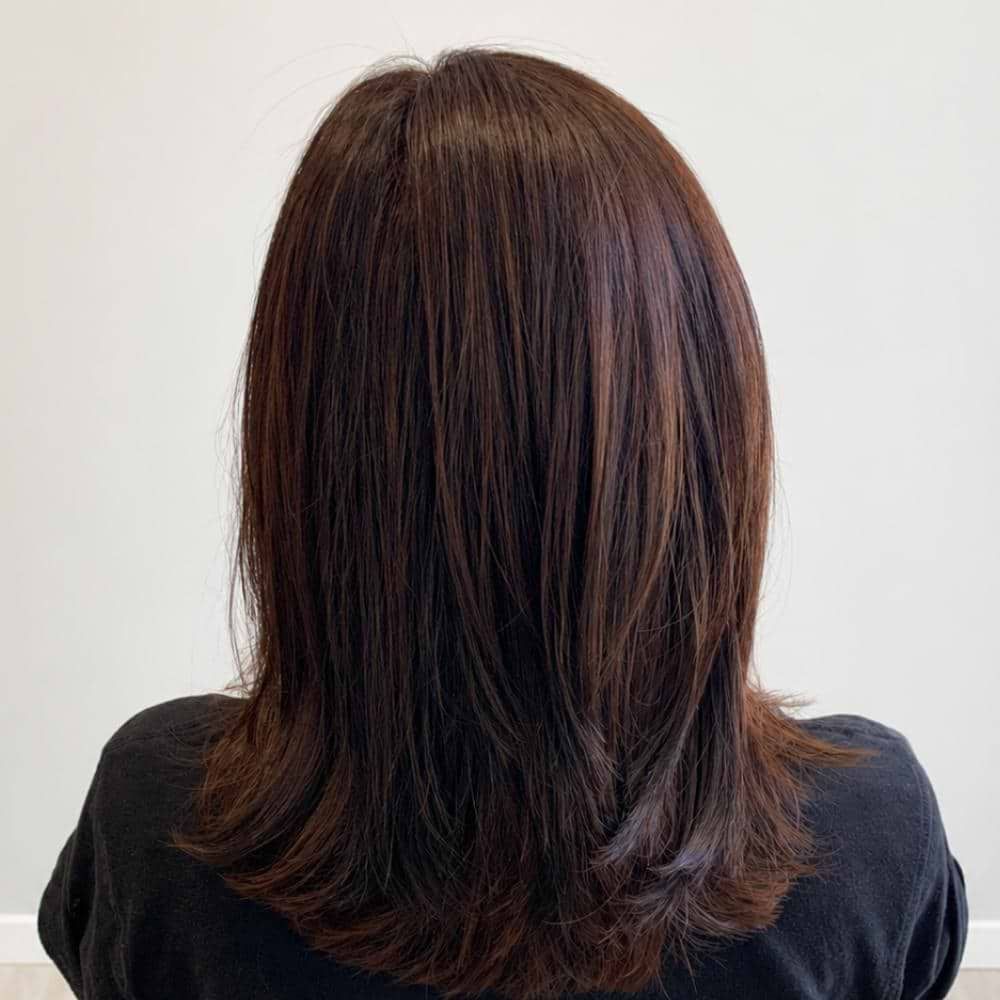
Skip the full copper plunge. This dark brown with auburn highlights gives hazel eyes the warmth without the commitment. The auburn highlights are woven through the collarbone-length layers, a few thin ribbons, not a stripe. The tone is warm but muted, closer to burnt sienna than fire engine. The straight, fine texture reads thicker with the dimension. It is not a red hair colour. It is dark brown that borrowed a little warmth. That is the difference.
Ash Blonde Pixie With Dark Roots
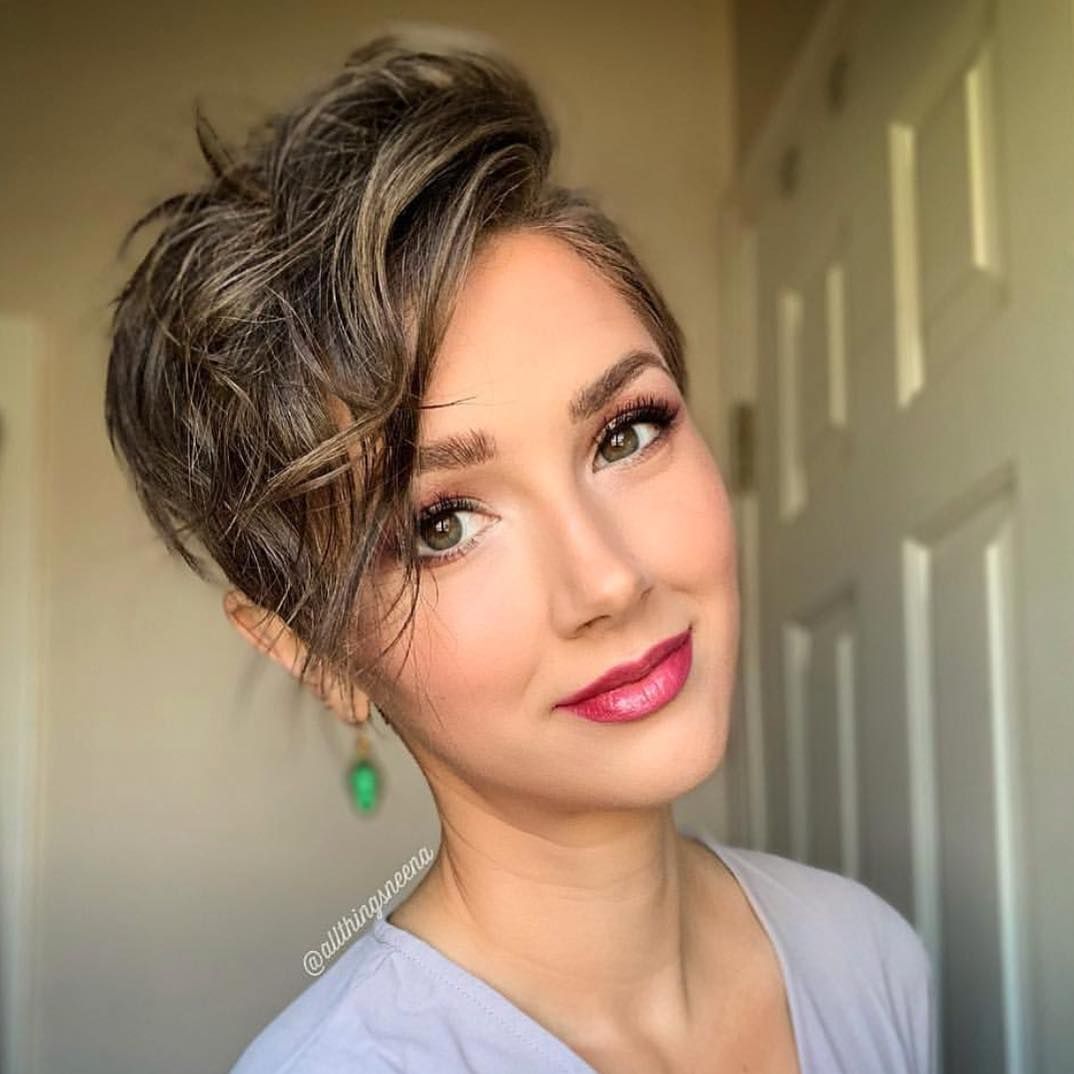
Confession: I did not expect an ash blonde pixie cut to make hazel eyes look this cool. The colour is ash blonde on the ends with darker roots left intact, a deliberate grown-out line that saves you from monthly touch-ups. The tone is cool, almost silvery, with subtle grey highlights through the wavy, fine texture. The side-swept bangs sweep across the forehead, and the ear-length shape takes about 10 minutes with texturizing paste. The honest downside: ash blonde turns brassy fast. A purple shampoo is not optional. And trims every four to six weeks or the pixie loses its shape. But for hazel eyes with cool undertones? Worth the calendar reminders.
Warm Honey Blonde With Golden Highlights
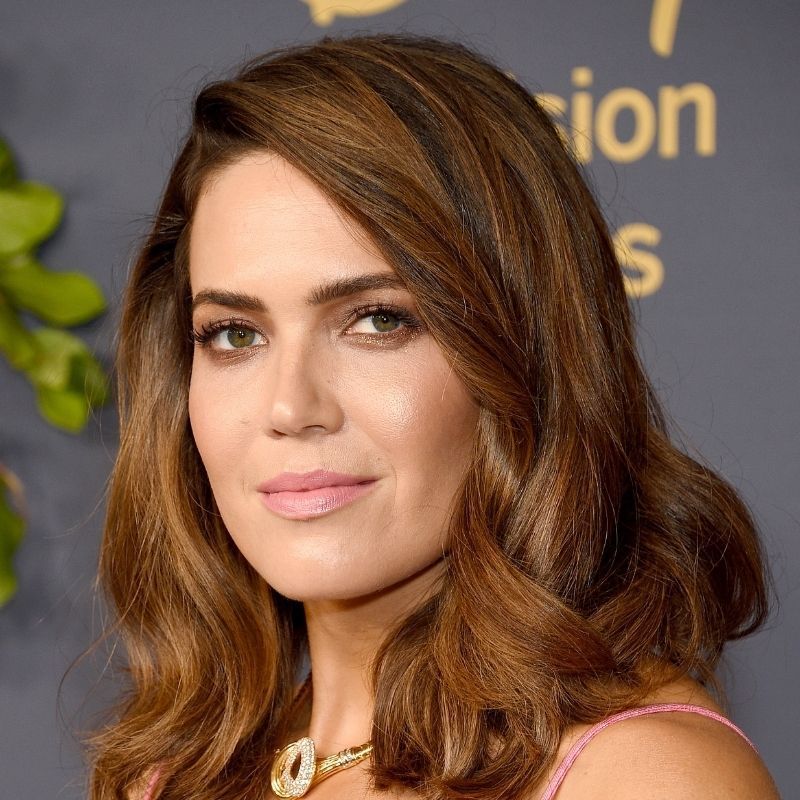
I walked into the salon three days before a beach wedding and said, make it look like I spent a week in the sun. The stylist gave me warm honey blonde hair with golden highlights, a base that reads honeyed, not brassy, and highlights that hit the mid-back length in thin ribbons. The technique was a balayage, painted freehand so the tone graduates soft. The wavy, medium-density texture caught the light exactly where hazel eyes sit. It was the colour for that one weekend. Then it became the colour I kept for a season.
Ash Brown With Blonde Balayage
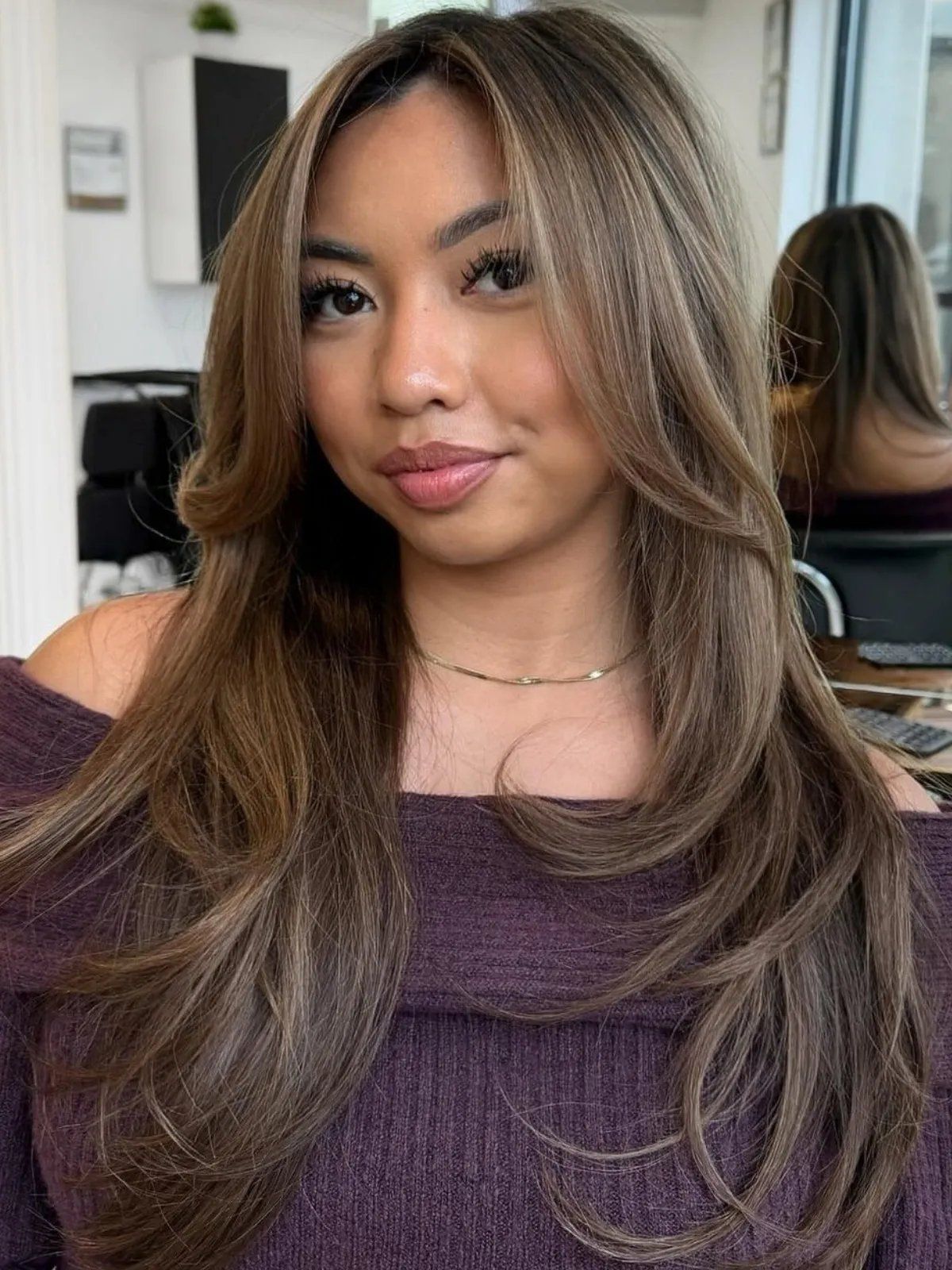
I get why people ask for ash brown with blonde balayage and end up with a face that looks like it hasn’t seen sun in years. The mistake is going too cool, because ash tones can wash out hazel eyes instead of making them pop. This version keeps the ash brown base but adds a subtle blonde balayage that starts lower, so the coolness stays near your roots and the warmth creeps in around your collarbone. The technique is a soft, hand-painted transition, not foils, which is why it reads natural. The tone is muted, never icy, and that’s what saves it. On thick, wavy hair with curtain bangs, the dimension does the work. I’d book a salon for this, the placement is too precise for a bathroom mirror. It’s a collarbone-length cut that moves, and the grow-out is forgiving because the balayage blurs the line.
Dark Brown With Honey Blonde Curls
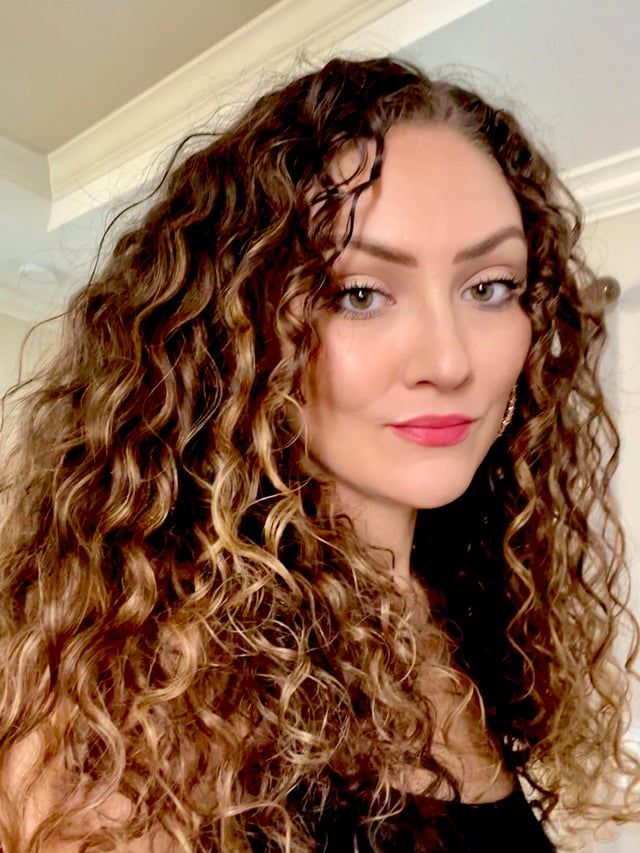
Here’s the thing about dark brown with honey highlights: it only works if your hair has texture to hold it. On straight, fine strands, the contrast can look stripey, but on curly, thick hair, the honey blonde highlights catch the light in every coil and the dark base gives depth. The technique is a balayage that weaves the highlights through the mid-lengths and ends, leaving the roots dark. The tone is warm, almost golden, which brings out the green or gold flecks in hazel eyes. These are defined curls, styled with a diffuser, and they take about 30 minutes to set. The cut is long layers that let the curl bounce without losing shape.
If your hair is fine or you wear it straight most days, pass. The contrast needs volume to work, and without it, you’ll just see two flat colors. But if you’ve got the texture, this is the one that gets compliments.
Medium Brown With Copper Highlights
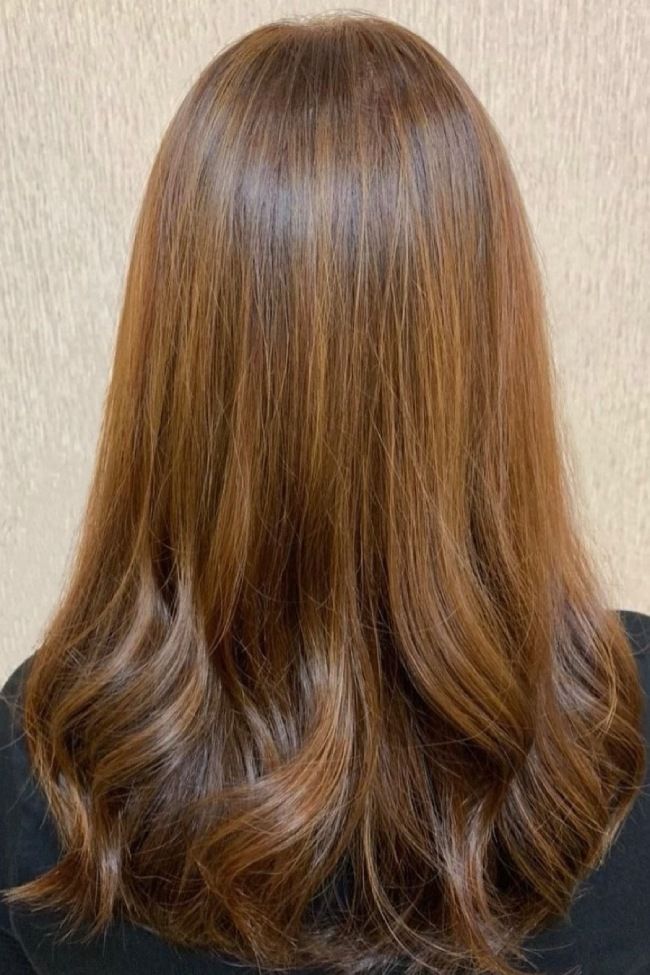
What if I told you that copper highlights on a medium brown base are the easiest way to make hazel eyes look like they’re lit from inside? The technique is a series of fine, woven highlights, not chunky streaks, placed around the face and through the top layer. The tone is warm copper, which sits just a few shades lighter than the base, so it reads natural but dimensional. On wavy, fine hair that hits the collarbone, the soft waves catch the copper and reflect it back. The blowout takes about 15 minutes with a curling wand, and the upkeep is minimal: trims every 8-10 weeks, and because the highlights are subtle, you can stretch the color. Copper fades faster than brown, so a color-depositing conditioner once a month keeps it honest. This works year-round, but it’s especially good in fall when the warm tones match the season.
Air-Dried Ash Blonde With Subtle Highlights
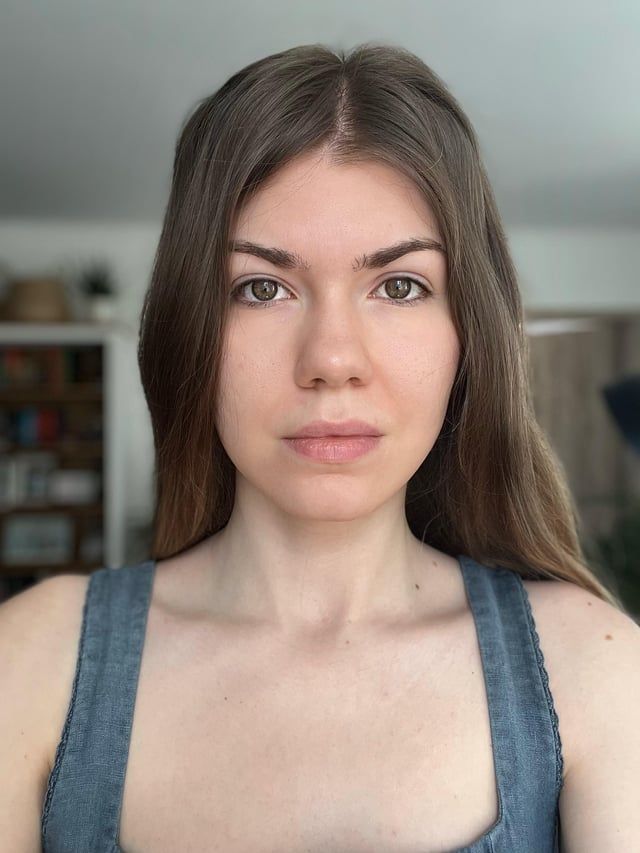
I’ll admit it: I tried to do ash blonde air dried at home and ended up with something closer to brass. The problem is that ash tones need to be toned, and toning is a skill. If you’re set on DIY, here’s the realistic version. Use a box dye that says ash, but expect it to pull warmer than the swatch. The subtle highlights are the saving grace, they add dimension so the flat ash doesn’t wash you out. The technique is a simple all-over color with a few face-framing pieces lightened, but honestly, the highlights are where it gets risky. One wrong section and you’ve got stripes.
The texture is wavy and thick, which helps because air drying on fine hair would just look greasy. The cut is long layers, mid-back, no bangs. It’s a 5-minute style, but the color is a 6-week commitment to toning. If you want the true ash blonde, book the salon. If you’re brave, do the base at home and let a pro do the highlights.
Honey Blonde With Lighter Blonde Highlights
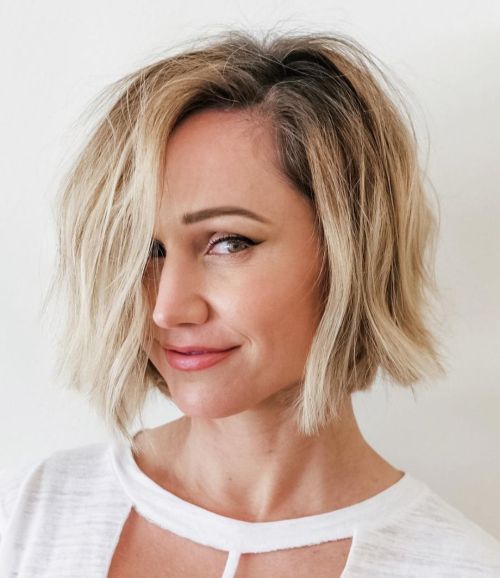
Here’s the verdict: honey blonde with lighter highlights is a high-maintenance love affair, and you should know what you’re signing up for. The base is a warm honey, and the lighter blonde highlights are woven through the top and around the face to create that sun-kissed glow. The technique is a balayage, so the roots stay darker and the lightness builds toward the ends. The tone is warm, never ashy, which is why it flatters hazel eyes.
Now the reality. The root touch-ups come every 6-8 weeks, and the gloss treatments every 4-6 to keep the honey from turning brassy. Styling loose waves with face-framing layers takes about 20 minutes, and you need a heat protectant every time. The length is collarbone, and the texture is wavy with medium density, which holds the waves without weighing them down. If you’re not ready for that schedule, pick a darker base. But if you are, this is the color that gets the second look.
Vibrant Copper Red With Auburn Undertones
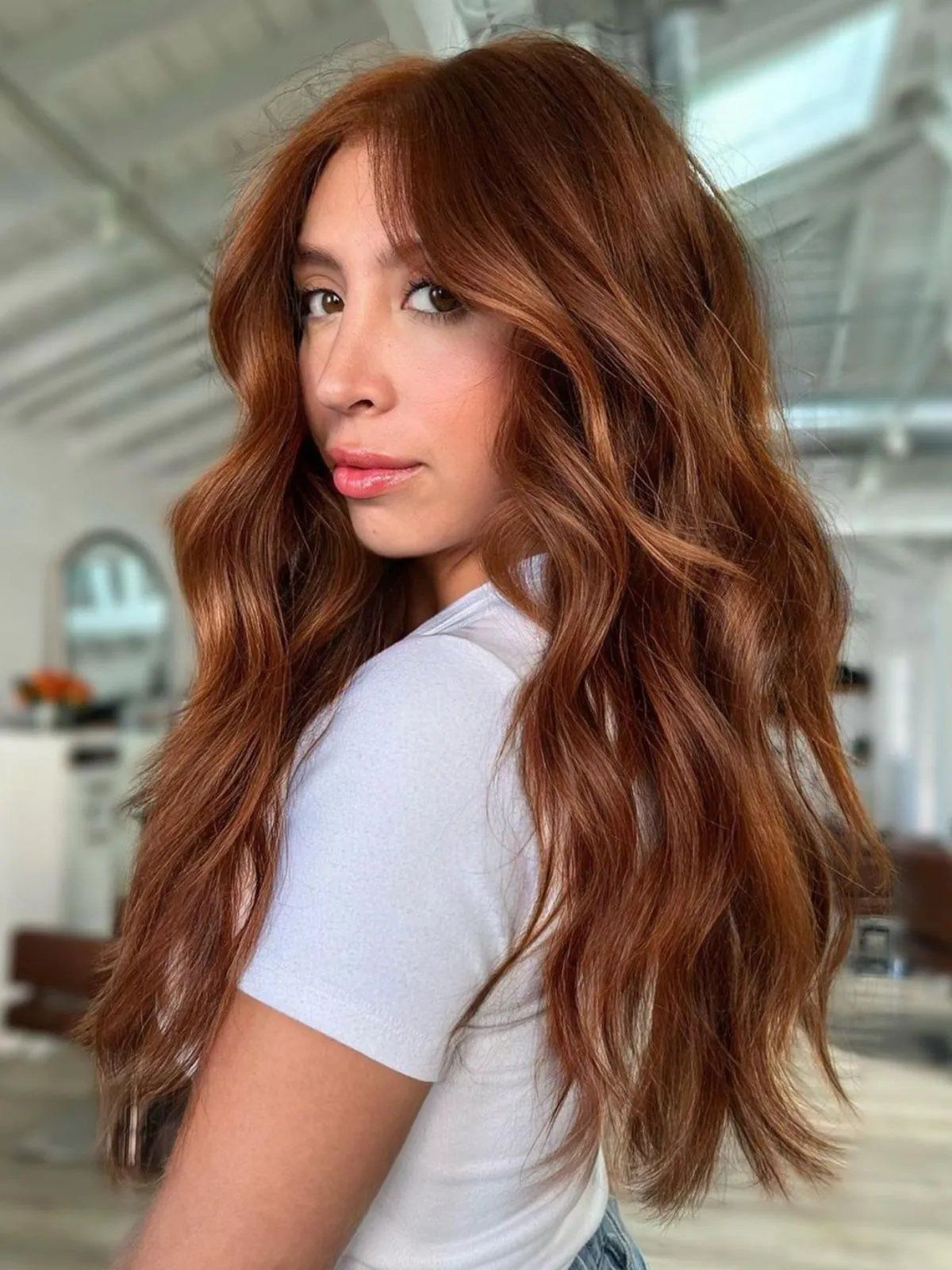
Copper red hair color is the loudest friend in the room, and auburn undertones are the one who whispers. That combination does something specific to hazel eyes: the copper pulls the gold flecks forward, the auburn deepens the brown. This is mid-back length, thick, wavy, with curtain bangs that catch every angle of light. The tone is warm but not orange, more burnt ember than pumpkin spice. A middle part keeps the waves symmetrical, which matters when the colour is this deliberate.
Set it against a softer copper, the kind that leans rose-gold or strawberry. That version blinks. This one holds your gaze. The undertones sit close to the root, so the colour reads dimensional without needing a full highlight pattern. Loose waves take about 20 minutes with a curling iron, and yes, copper fades fast — a colour-depositing shampoo used weekly keeps it from going flat. Trims every 8-10 weeks, because the shape matters as much as the pigment.
Dark Blonde With Balayage Highlights
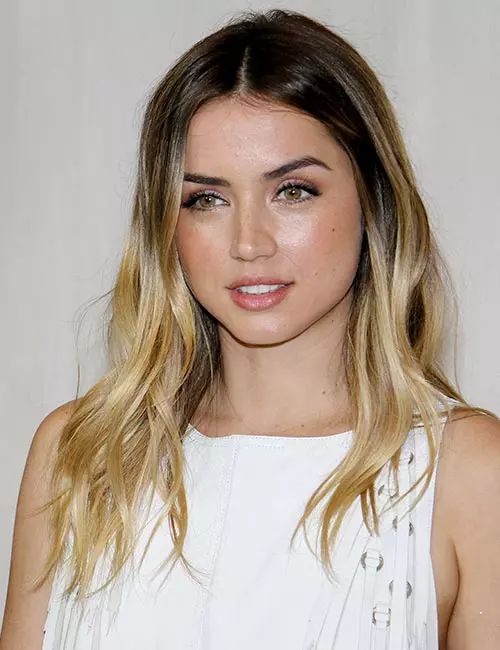
Does your hazel shift between green and brown depending on the light? Then dark blonde with balayage highlights is the colour that meets you where you are. This is a shoulder-length lob, wavy, medium thickness, no bangs, a middle part. The balayage highlights start below the ear and feather upward, so the root stays dark blonde and the ends lift a shade lighter. The tone is neutral-warm, not golden, not ash — which is exactly what keeps hazel eyes from competing with the hair. The technique here is paint, not foil, which means the transition is soft and the grow-out is a non-event. Root touch-ups every 8-12 weeks, toning every 6-8 to keep the blonde from drifting yellow. This is a colour that works because it does not try to be the main character.
Copper Base With Blonde Money Piece
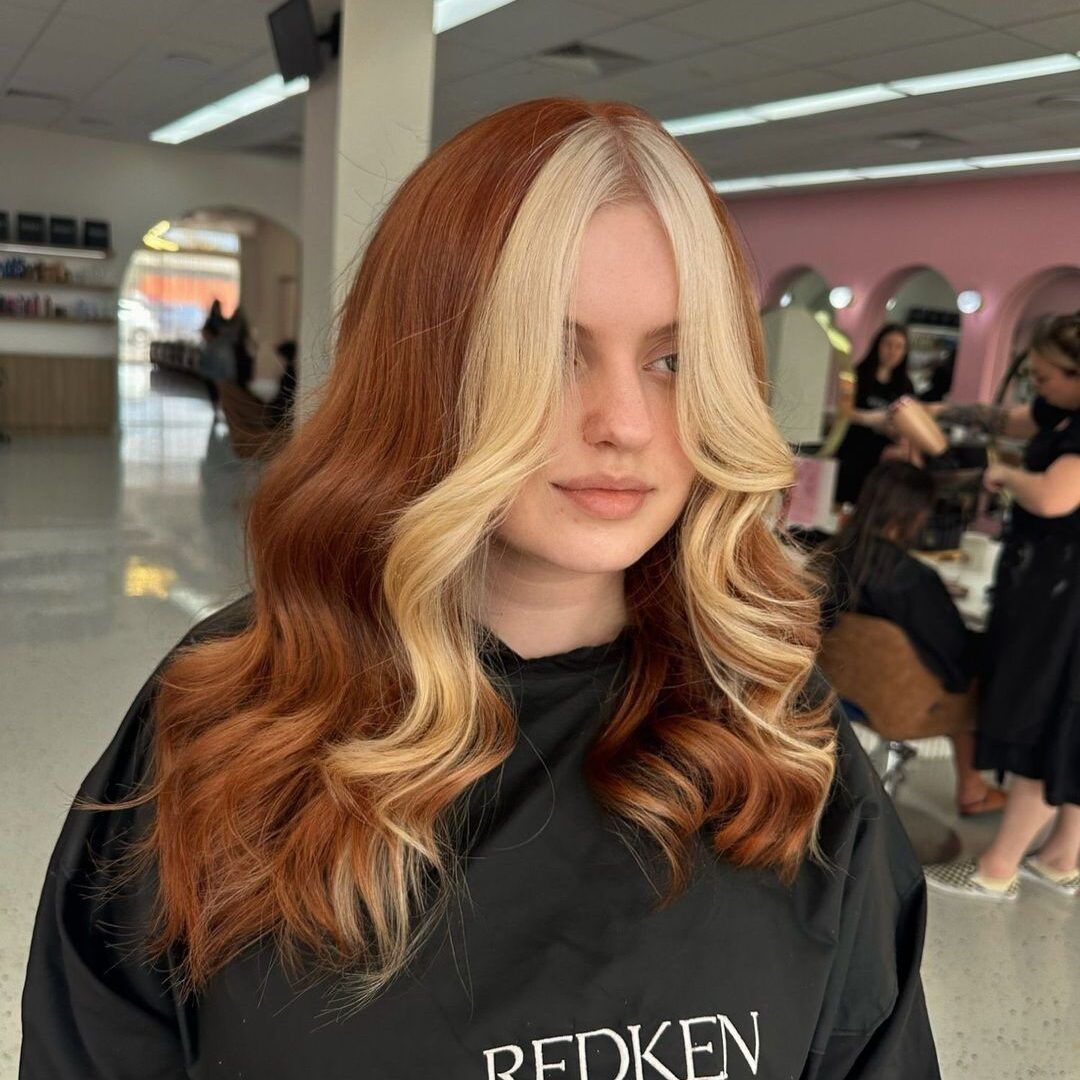
The stylist paints the copper base with blonde money piece in two separate steps. First, the full head gets a warm copper tone, rich, slightly burnt, not tomato-red. Then the front sections — the strands that frame the face — are lifted to a pale blonde, sometimes bleached twice depending on starting depth. The contrast is the point: the copper base grounds the hazel, the blonde money piece catches light and bounces it straight into the eye. This is collarbone length, wavy and thick, with curtain bangs that let the money piece sit front and centre. A middle part keeps the blonde sections balanced. The money piece needs toning every 2-4 weeks and root touch-ups every 4-6, because blonde at the front shows grow-out first. This is a salon job, no shortcuts. Trims every 8-10 weeks to keep the shape clean.
Mid-Back Dark Brown With Natural Highlights
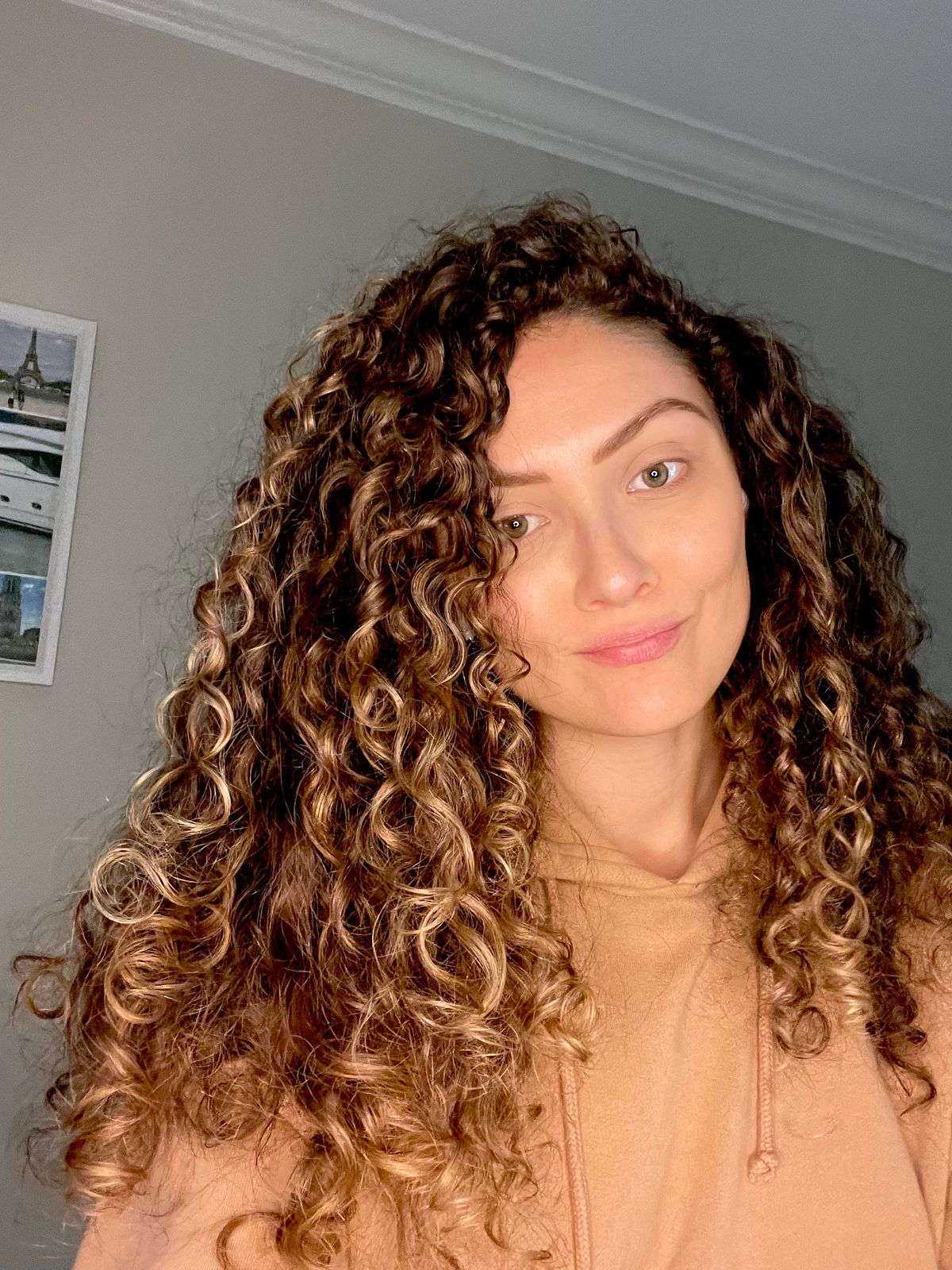
I will confess: I spent years convinced that dark brown natural highlights were boring. Then I sat in a chair and watched the stylist paint three shades of lighter brown highlights into my mid-back length, thick, wavy hair, and I understood. The base is dark brown, almost espresso, and the highlights are not stripes — they are thin, scattered ribbons that surface only when the hair moves. The tone is warm-brown, not caramel, not ash, just the colour that brown hair turns after a week in the sun. No bangs, a middle part, air-dried texture. The technique is babylights, fine sections, painted close to the root but not on it, so the grow-out is invisible. This is the colour that makes hazel eyes look like they have their own light source. Trims every 8-10 weeks, minimal upkeep, zero brassiness.
Light Brown With Subtle Blonde Balayage
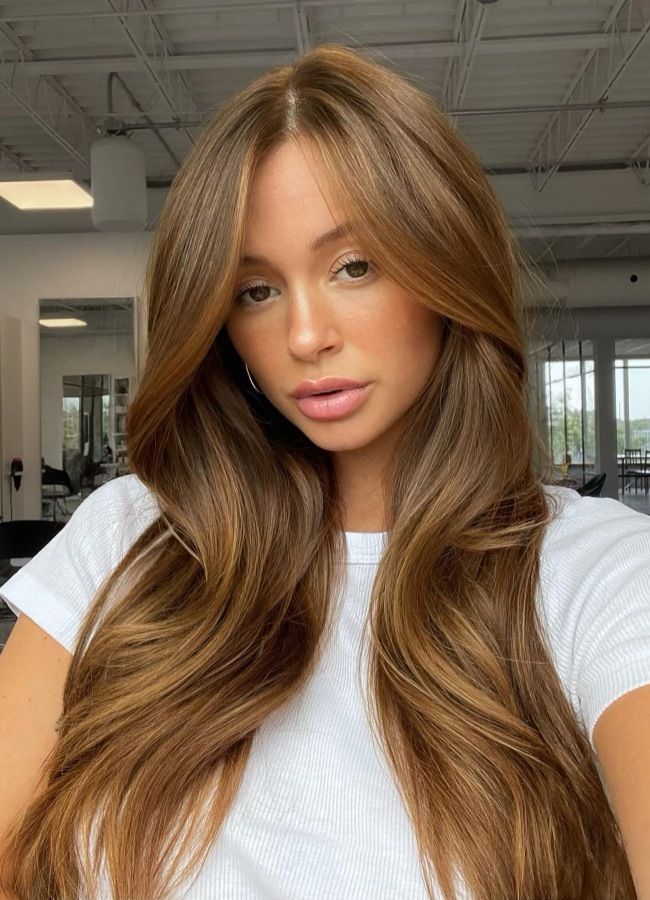
My gut says most balayage mistakes come from one place: too stark. Light brown with blonde balayage done wrong looks like two different heads of hair. The subtle version — the one that works — keeps the light brown base warm and the subtle blonde balayage a single shade lighter, not three. This is collarbone length, wavy, fine to medium density, with face-framing pieces and a middle part. The tone is neutral-warm across both colours, so the transition reads as a soft lift, not a hard line. The honest downside: if the blonde pulls ash and the brown pulls gold, the hazel eyes get lost in the clash. Keep both tones in the same temperature family. Soft waves and a blowout take about 20 minutes. Balayage grows out gracefully, root touch-ups every 8-12 weeks, toning every 6-8 to keep the blonde from turning yellow.
Collarbone Dark Brown With Caramel Highlights
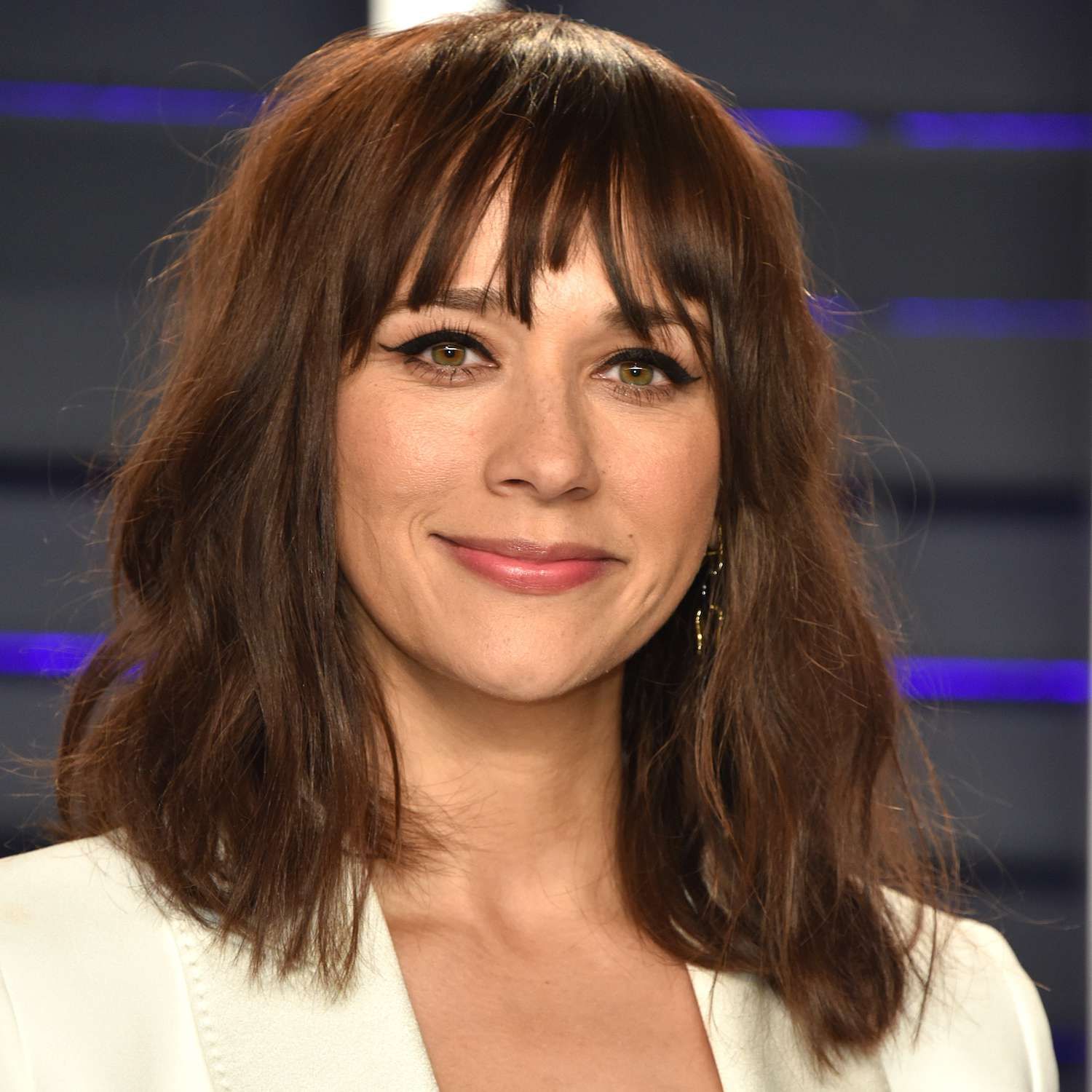
Best grow-out in this roundup. The caramel highlights sit mostly around the face-framing layers, so you get the eye-brightening effect without the whole head commitment. A wavy blowout with those curtain bangs takes about 25 minutes, and the dark brown with caramel base means the regrowth line is soft, not stark. The lob hits collarbone, the texture is thick and wavy, the tone is warm. I booked this twice in one season.
Medium Brown With Subtle Blonde Highlights
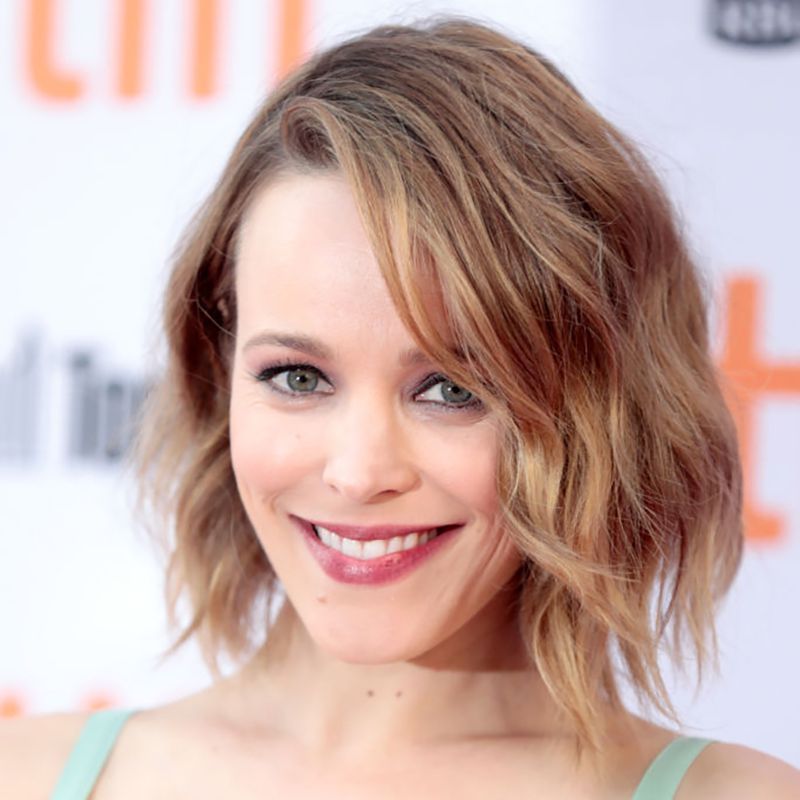
Can you get medium brown with blonde highlights at home without it turning brassy? Technically yes, but I would not try it. The subtle blonde highlights here are fine, spaced, and placed low enough that a mistake reads as shadow, not stripe. The bob is chin-length, the texture is wavy with medium density, the tone is neutral-warm. A side part softens the line. This is a salon job: the precision matters more than the technique.
Visual Idea
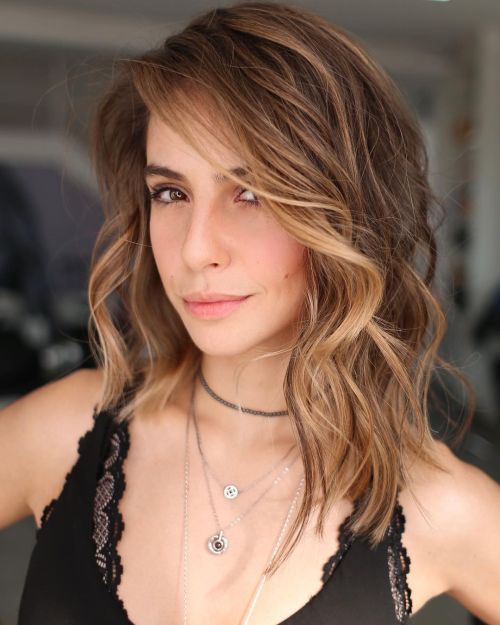
The balayage highlights start below the ear and get lighter toward the ends, which means the medium brown base stays dominant at the roots. This flatters medium to high density hair most — thin hair can look sparse if the blonde sections are too wide. The lob is collarbone, the texture is wavy, the tone is neutral with a cool lift. The honest downside: the side-swept bangs need a trim every four weeks or they land in your eyes. If your hazel eyes lean warm, the contrast here reads sharp, not soft.
Final Thoughts
After writing all of these, the one I keep coming back to is the ash blonde pixie with dark roots. I did not expect to say that. It is short, it is cool, and it lets the eyes do the work without competing for attention. That is rare.

