
I kept seeing the same thing in the chair next to mine: browns that weren’t flat, reds that didn’t scream, blondes that looked like they happened on a walk. Natural hair colors, the kind that look like you woke up with them. I started taking notes.
This is 26 of them. From a five-minute root shadow to a three-hour balayage. Fine hair, thick hair, straight and coily. My own fine hair goes flat by 4 pm, so I paid attention to which ones hold volume and which ones need a round brush. Natural Hair Colors that actually work with your texture, your grow-out tolerance, and your schedule.
Rich Warm Brown With Golden Highlights
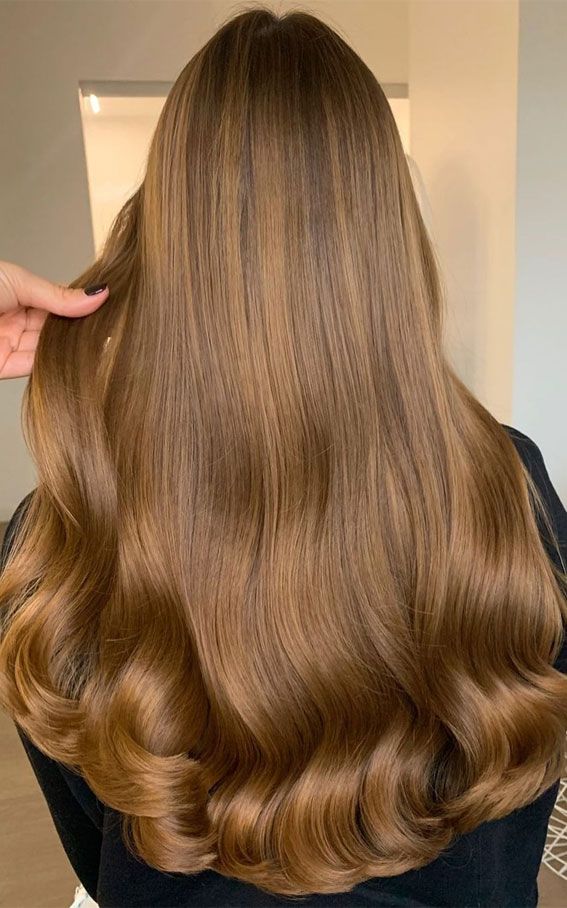
This is not a color that fights your skin. A rich warm brown with golden highlights reads as expensive because it mirrors what sun does to hair naturally. The tone sits somewhere between neutral and golden, which means it flatters cool and warm undertones equally. On thick, straight-to-wavy hair at mid-back length, the highlights catch light in the waves without needing product. My one caveat: if your base is darker than a medium brown, the highlights need to be painted fine enough to blend, not stripe. Ask your stylist for a hand-painted highlight, not foils, to keep the transition soft.
Voluminous Warm Medium Brown Blowout
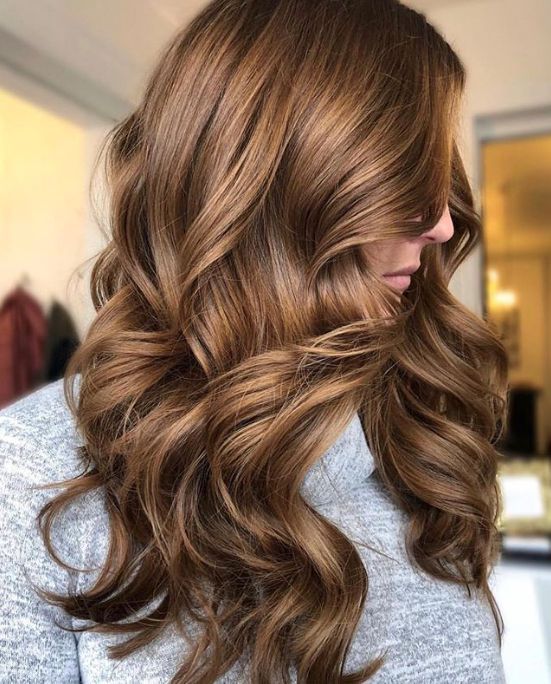
I will say it: this warm medium brown hair is the most wearable shade in the brown family. It is darker than caramel, lighter than espresso, and the golden undertones keep it from going flat or ashy. Compared to a cool brown that can read muddy on olive skin, this one reads alive. The voluminous blowout on thick, wavy hair at mid-back length takes about 20 minutes with a round brush and a root-lifting spray. A trim every 8 to 10 weeks keeps the ends from looking sparse. The trick is the tone: warm enough to glow, neutral enough to grow out without a harsh root line.
Lob With Side-Swept Bangs and Caramel Highlights
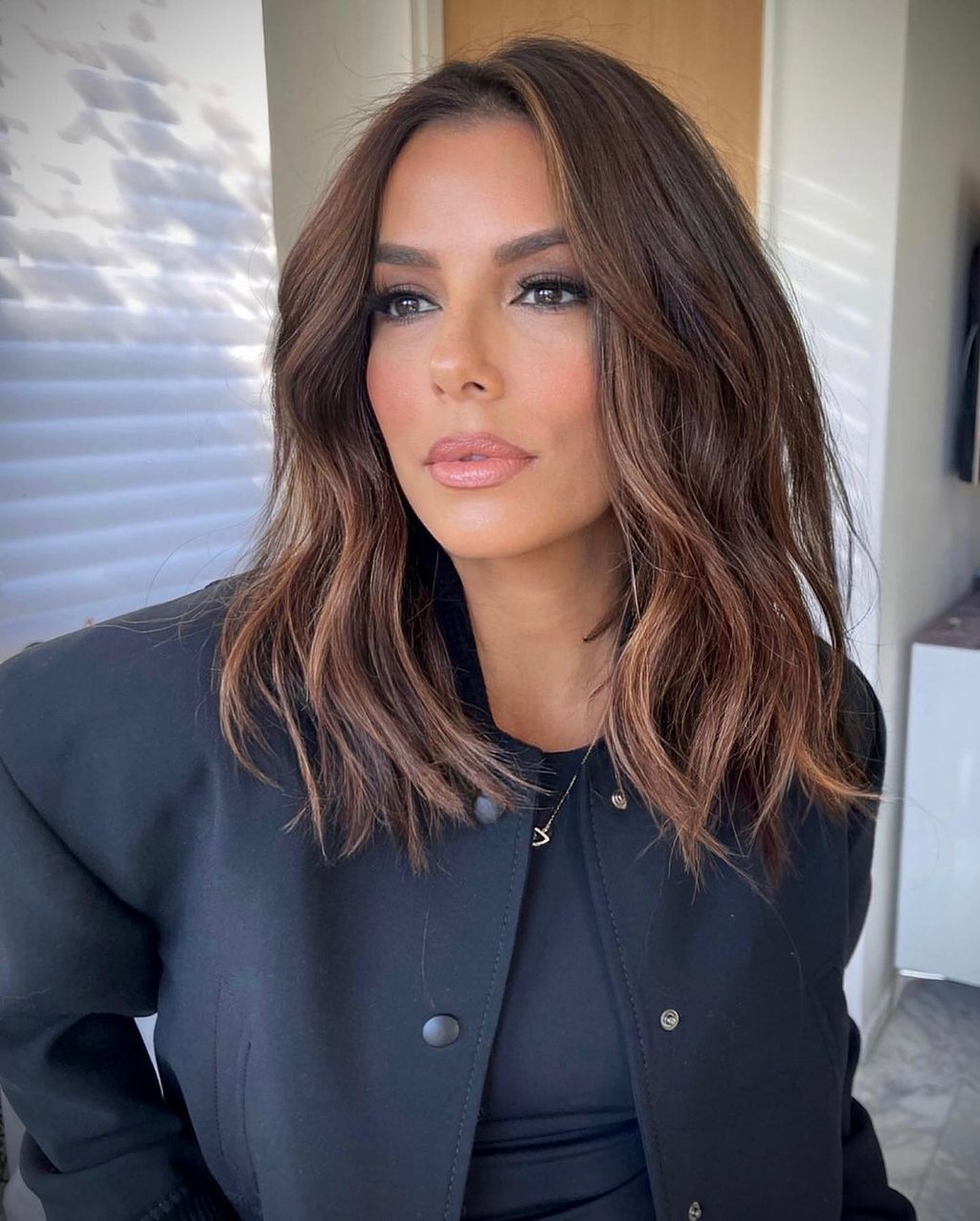
How do you get caramel highlights that look like they grew there, not like they were painted on? The answer is balayage. A medium brown with caramel highlights on a collarbone lob with side-swept bangs works because the color is painted freehand, starting mid-shaft, not at the root. The base stays dark enough to ground the look, and the caramel pieces frame the face without a stripe in sight. On medium-density, wavy hair, the lob holds its shape for about six weeks before the bangs need a trim. Tell your stylist: balayage, soft sweep, no solid line at the part.
Copper Base With Caramel Highlights
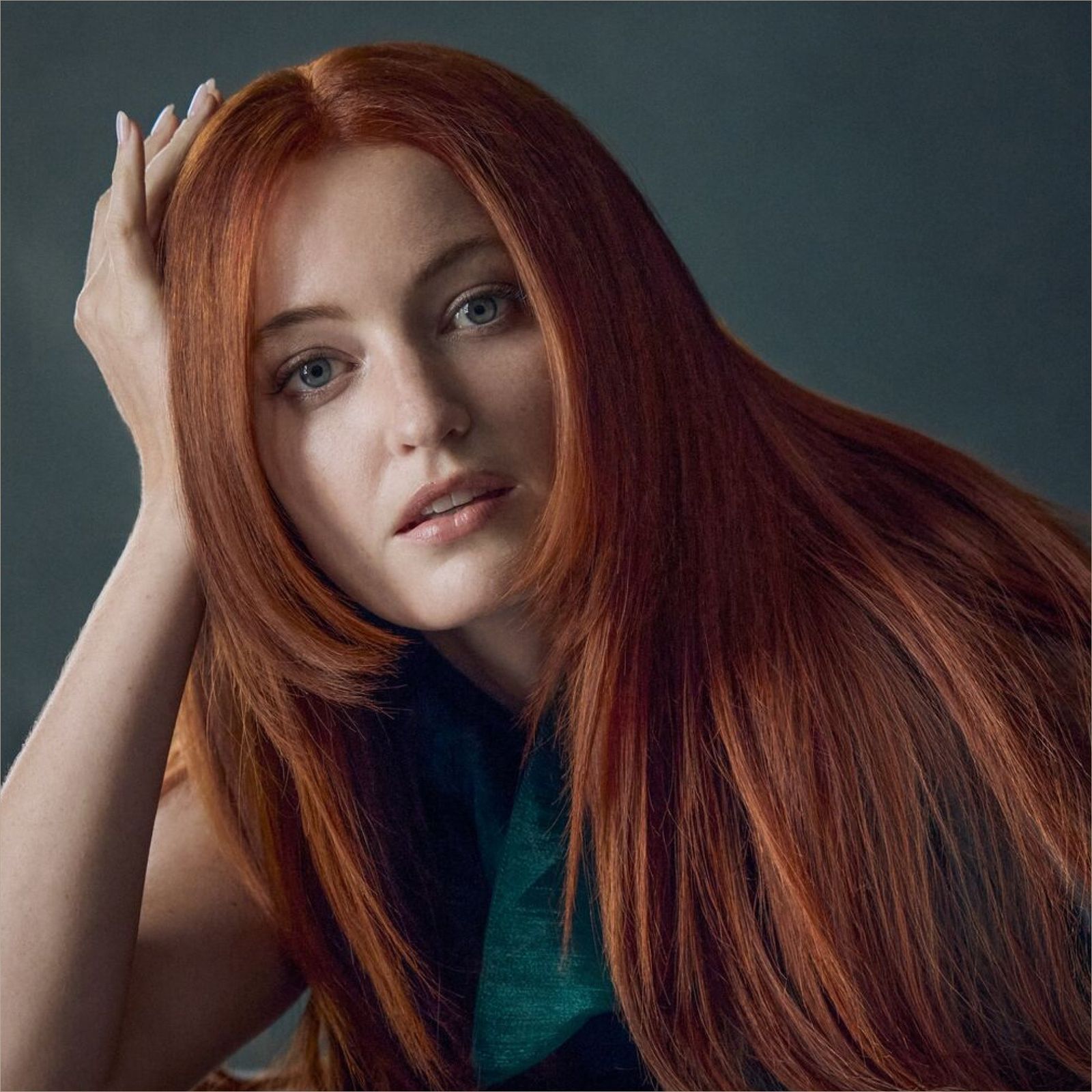
I will confess: copper scares me. It is the color that fades fastest, and the first wash always makes me nervous. But a copper base with caramel highlights on thick, wavy hair at mid-back length has a longer life than a solid copper because the caramel pieces act as a buffer. The warm copper tone fades into the caramel rather than disappearing entirely. By week four, the copper softens, and the caramel keeps the dimension. A color-depositing conditioner once a week extends the vibrancy. The upkeep is real: a toning appointment every six to eight weeks, no skipping.
Dark Brown Braids With Copper Highlights
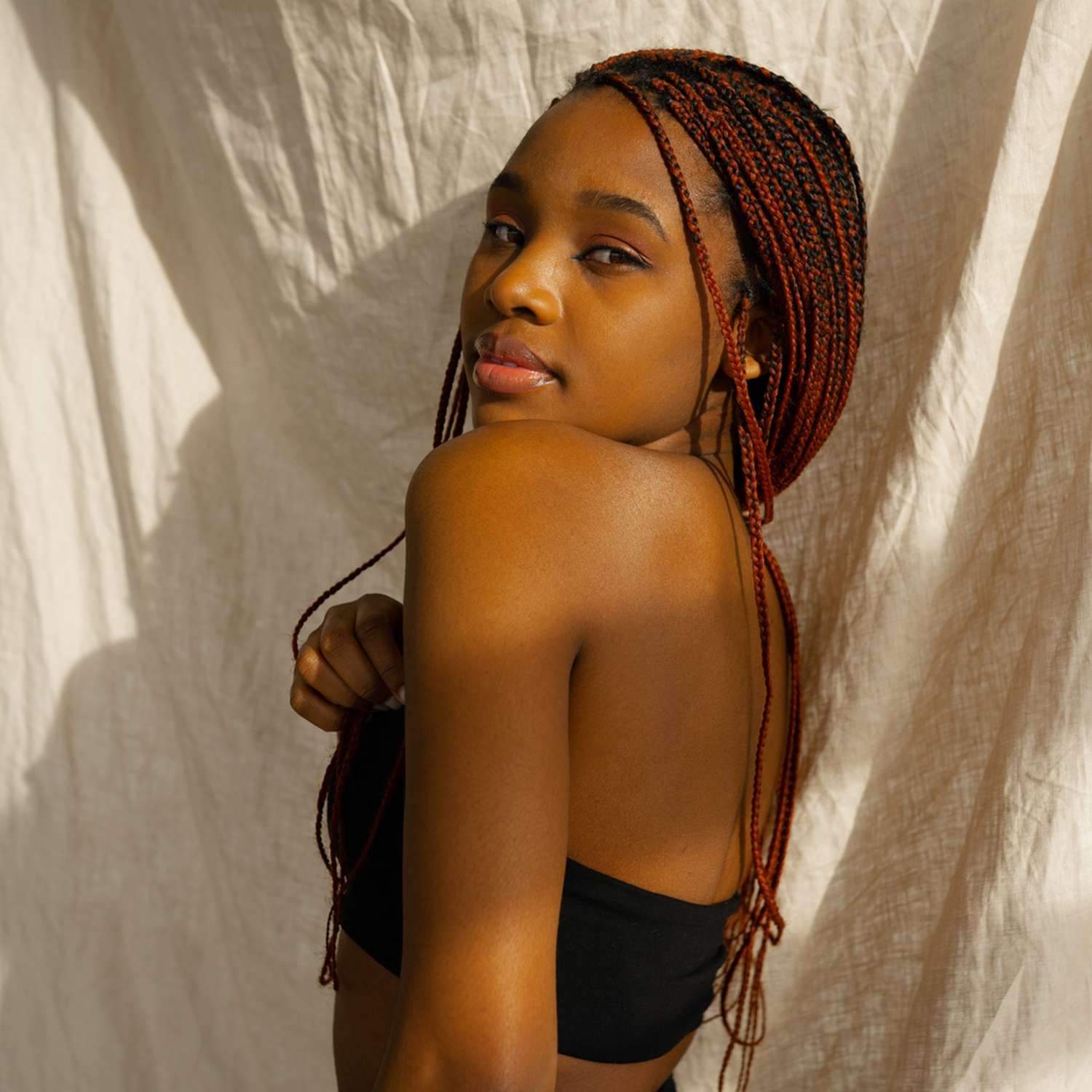
The first time I saw dark brown with copper highlights in braids, I assumed it was a salon-only job. It is. The copper needs to be placed strand by strand, not painted in sections, so the highlights read as individual threads. On thick, straight hair at mid-back length, the braids hold the copper pieces visible and the dark base keeps the look from going brassy. The honest downside: once the braids come out, the copper is gone. This is not a grow-out color. It is a committed look. If you want low upkeep, skip the braids and ask for a gloss instead.
Vibrant Copper Red With Golden Highlights
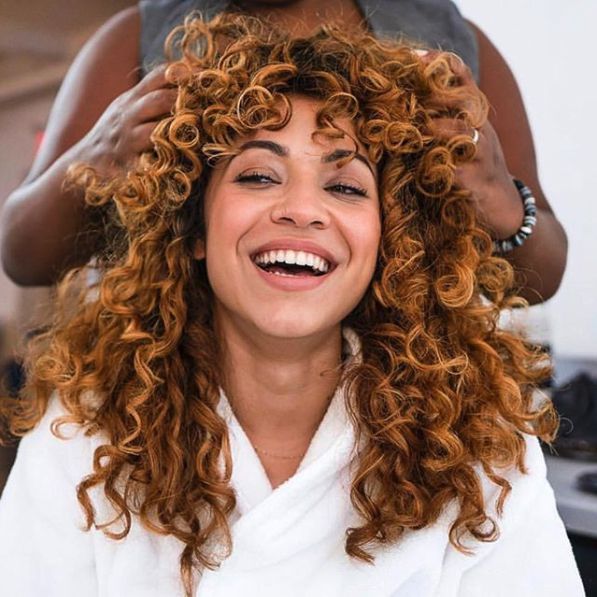
That copper just hits you. Vibrant copper red hair with golden highlights is a color that announces itself. It needs a warm undertone to feel natural; on cool skin it can read as costumey. The mid-back length gives the defined curls room to bounce, and the curly bangs frame without fighting. This is not a quiet color.
It demands a personality that matches its volume. If you prefer your hair to blend in, skip this. The golden highlights catch light in a way that makes the whole head look dimensional, but that dimension comes from a salon chair every four to six weeks. The texture is thick and curly, which means the color sits deep in the curl pattern and fades slowly. A trim every six to eight weeks keeps the shape honest. This is a commitment, but it is a gorgeous one.
Dark Brown Lob With Caramel Highlights
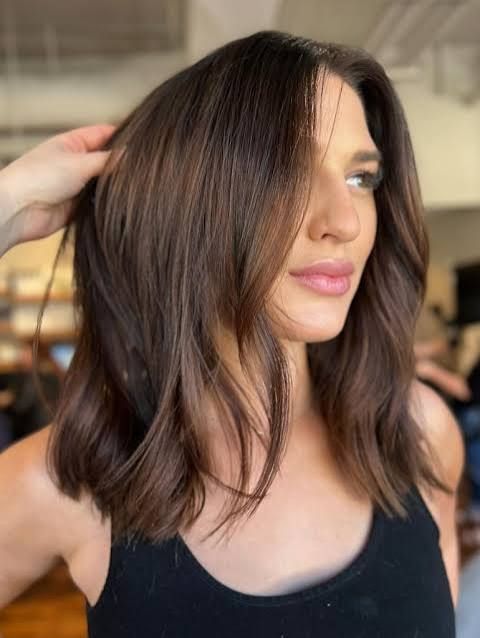
Dark brown with caramel highlights is not the same as solid dark brown. The difference is depth. Solid dark brown sits flat; this lob has caramel highlights woven through the mid-lengths and ends, so the hair reads dimensional even in low light. The collarbone length is practical, the side part softens the shape. You can do this at home with a balayage kit if you are patient, but a salon gets the placement right the first time. The wavy blowout takes about fifteen minutes, and a texturizing spray keeps the waves from falling flat by noon. A trim every six to eight weeks keeps the lob from growing into a sad shoulder-length shape.
Medium Auburn With Copper Undertones
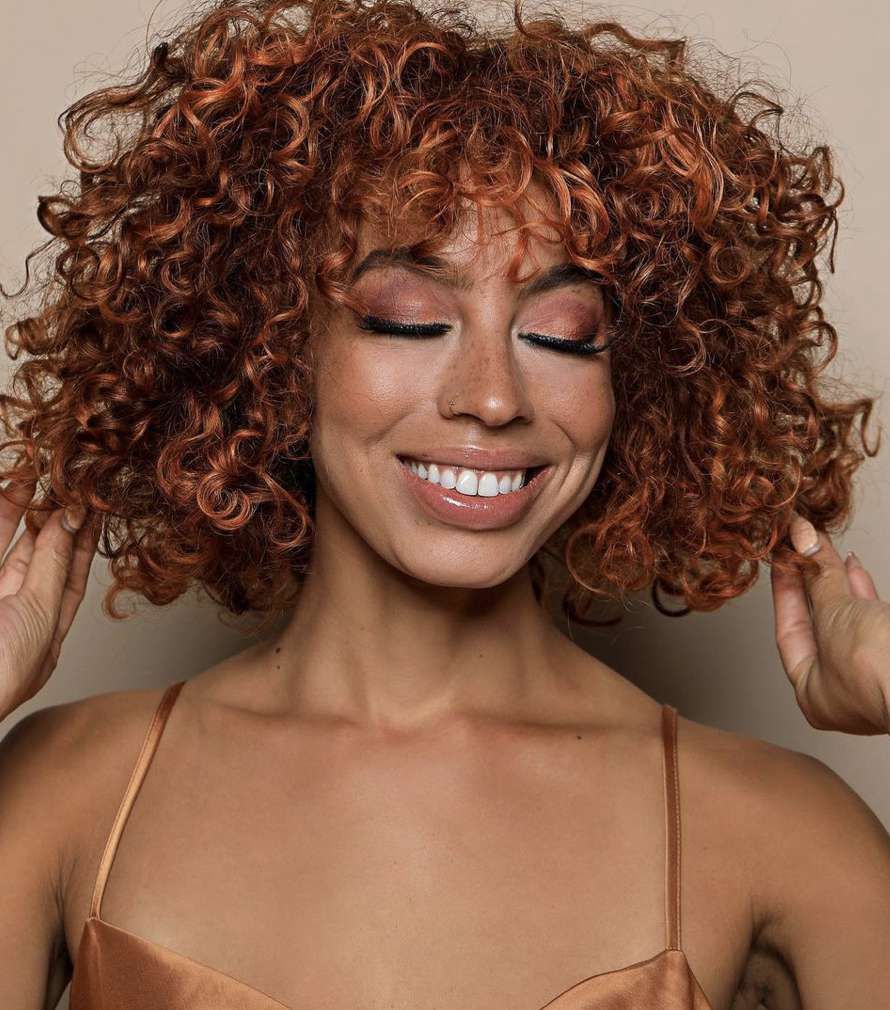
Medium auburn hair with copper undertones is the color that looks like you just came back from a week somewhere sunny. The copper undertones are built into the base color, not painted on top, which means they glow from inside the hair rather than sitting on the surface. The mid-back length with long layers lets the loose waves catch the copper light. This shade works best on warm or neutral undertones; on cool skin it can pull orange. Upkeep is moderate: a color refresh every six to eight weeks keeps the copper from fading to a flat brown. A trim every eight to ten weeks keeps the ends healthy. The styling is straightforward, loose waves with a curling wand take about fifteen minutes with a heat protectant.
Neutral Blonde With Subtle Highlights
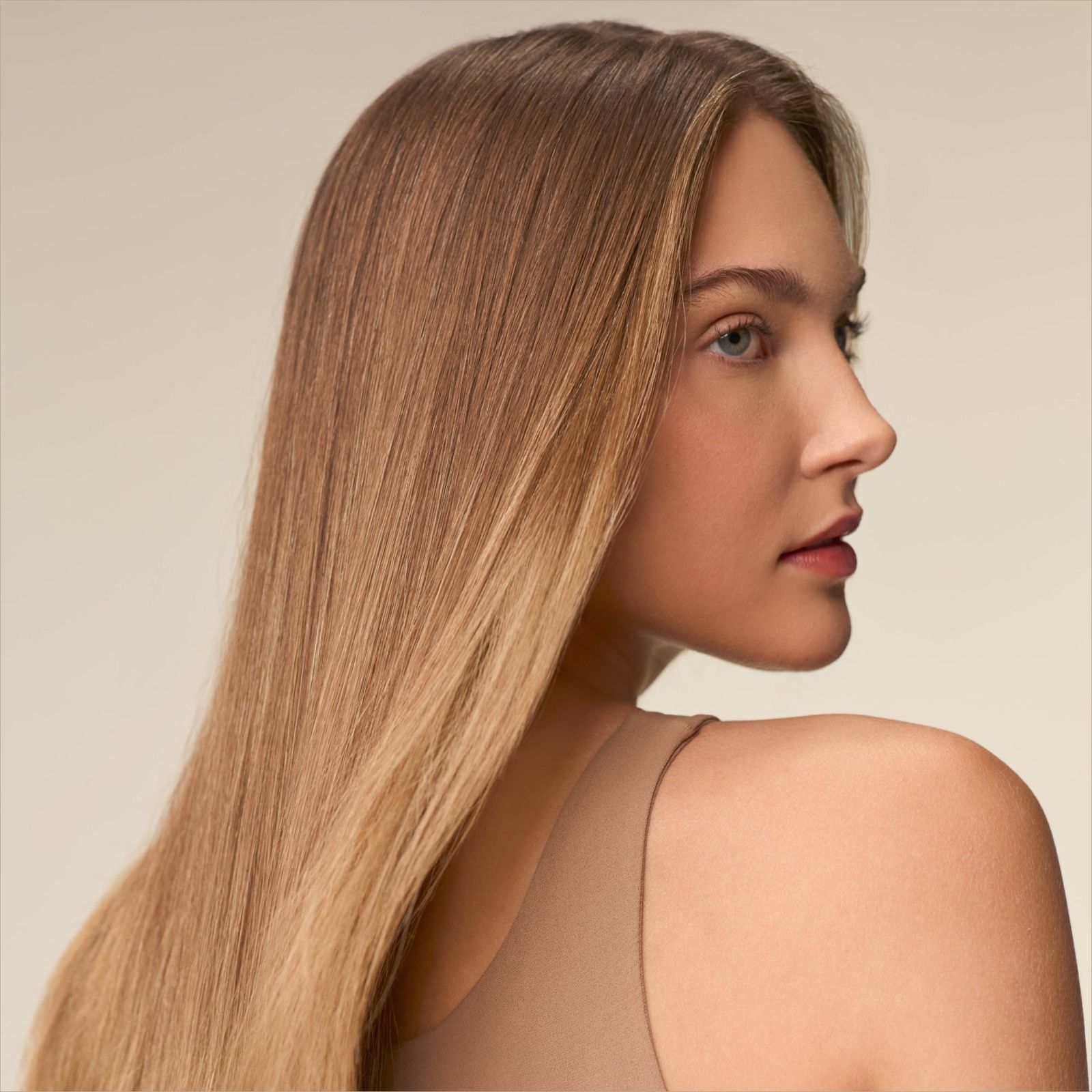
Is neutral blonde with highlights the most forgiving blonde? I think so. The neutral blonde base sits right between warm and cool, so it flatters both pink and yellow undertones without fighting either. The subtle blonde highlights are painted sparingly, mostly around the face, which means the grow-out is soft rather than stripey. The straight, thick texture holds the color evenly, and the mid-back length keeps the style from feeling heavy. The honest downside: neutral blonde still needs toning every six to eight weeks. Skip this if you want a zero-maintenance blonde. The brass will come, and you will notice it.
Dark Brown With Lighter Brown Root Highlights
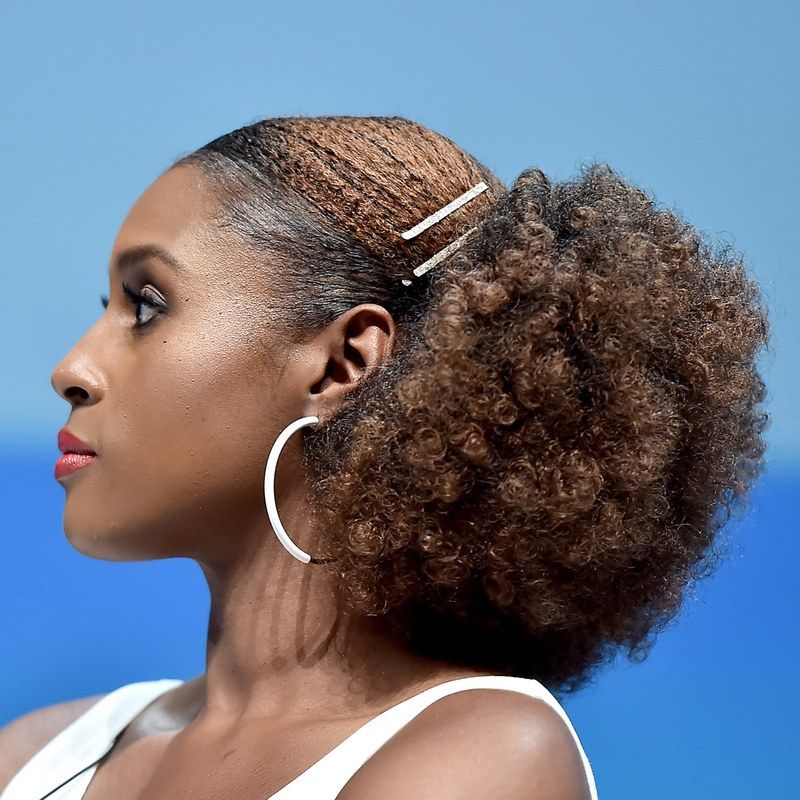
I will confess: I used to think root highlights were a gimmick. Then I saw how dark brown with root highlights grows out. The lighter brown highlights start right at the root, so when the natural root grows in, there is no harsh line. The shoulder-length layers hold the slicked-back bun shape well, and the side part hides any asymmetry. This is a salon job, the placement matters too much to guess at home. The color blend means you can stretch the refresh to ten or twelve weeks. A trim every eight to ten weeks keeps the layers from getting heavy. The contrast between the dark base and the lighter root highlights is subtle, but it is what makes the color look expensive rather than flat.
Warm Brown With Honey and Auburn Highlights
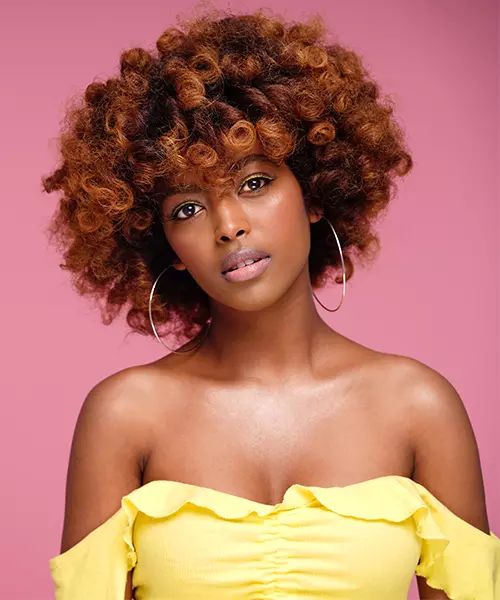
Shoulder-length, thick, curly. The warm brown base sits dark enough to feel grounded. Then the honey highlights catch light in the front pieces, and the auburn highlights fire up around the crown. The technique matters more than the shade list: the stylist paints the honey sections first, wide ribbons, then weaves in thinner auburn strokes near the root. That layering stops the color from reading as stripes. A middle part lets both tones fall forward. Air-dried curls take maybe five minutes with a defining product, and the dimension does the rest. This is a salon job, not a box color, because the two-tone placement needs a trained eye on the parting.
Trim every six to eight weeks keeps the shape from puffing out. Color refresh at the same interval, or the honey dulls first. The auburn fades slower, which actually helps the grow-out look intentional.
Medium Brown Chin Lob
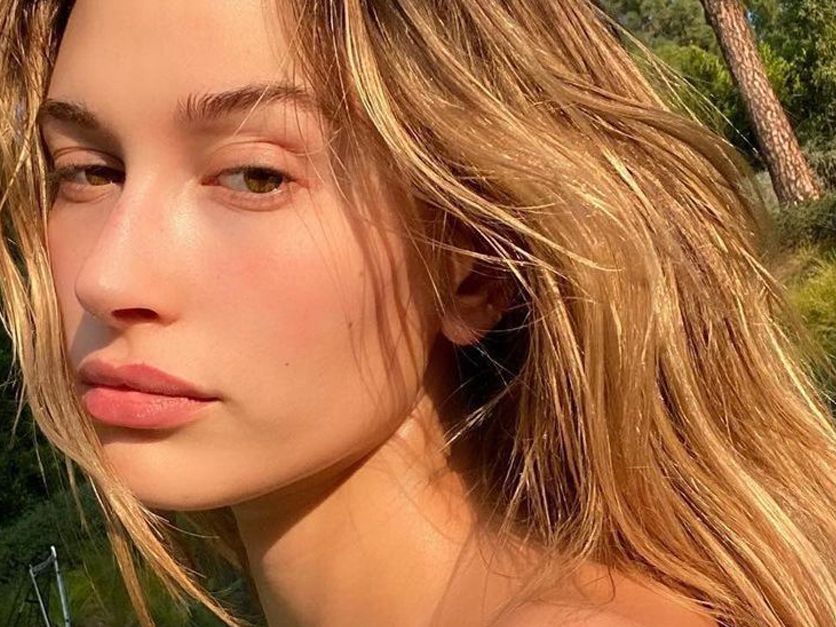
A medium brown chin lob on straight, fine hair reads as one clean block of color. That is its whole trick. The blunt line at the chin gives the illusion of density, and the natural medium brown shade means no root line ever shows. Side part, air-dried straight, done in five minutes. This flatters fine hair specifically because there is no layering to thin it out further. If your hair is thick or wavy, the blunt chin line can sit like a helmet. Skip it. This is a DIY-friendly color — all-over single shade, no placement to mess up. Trim every six to eight weeks to keep the line sharp.
Blonde With Balayage Highlights
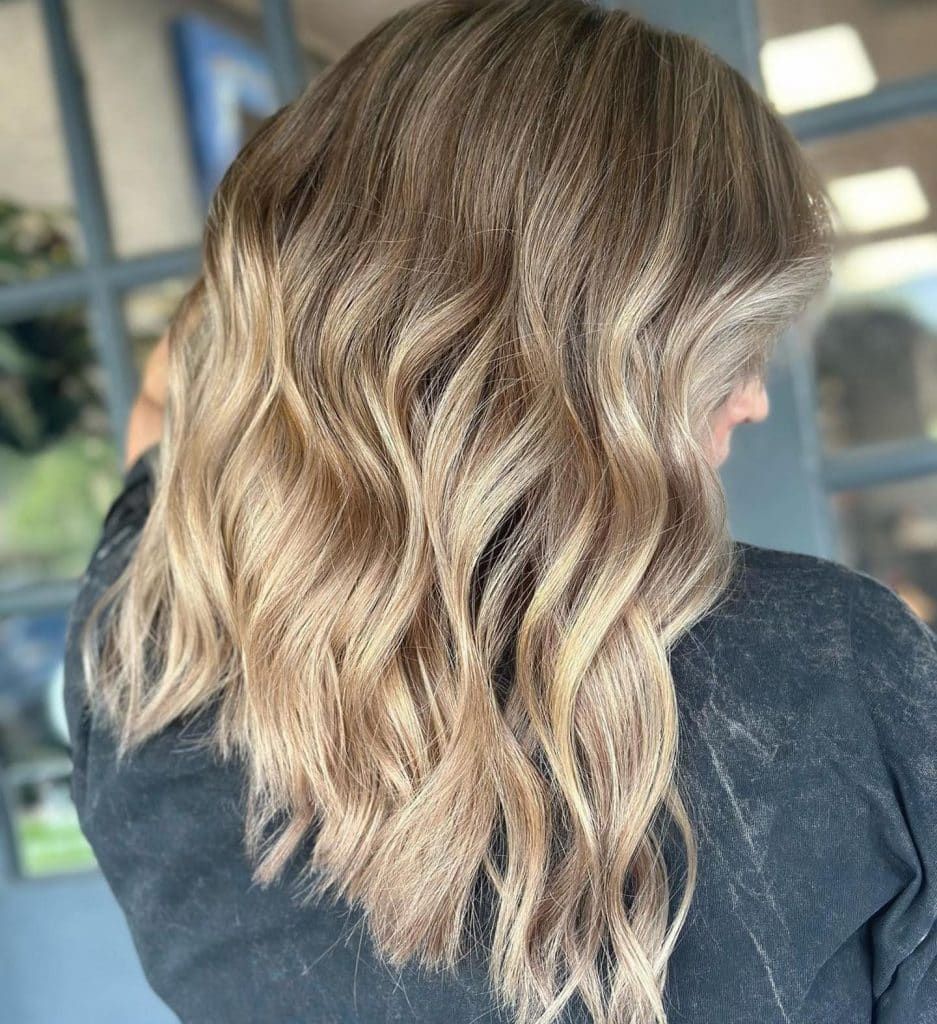
When did blonde with balayage highlights stop looking like a regret? When the base stayed warm enough to skip the purple shampoo. The balayage highlights here are painted freehand, starting mid-shaft and getting denser toward the ends. No foils, no harsh root line. The base is a soft golden blonde, not ash, so the lighter pieces read as sun, not bleach. Collarbone length, medium density, wavy blowout in about fifteen minutes with a texturizing spray. The grow-out is the selling point: new growth blends because the stylist never lifted at the root. Toning every six to eight weeks keeps the blonde from yellowing. Trim at the same interval. This is a salon technique, full stop. The hand-painting is the whole point.
Dark Red-Brown Afro With Fiery Red Highlights
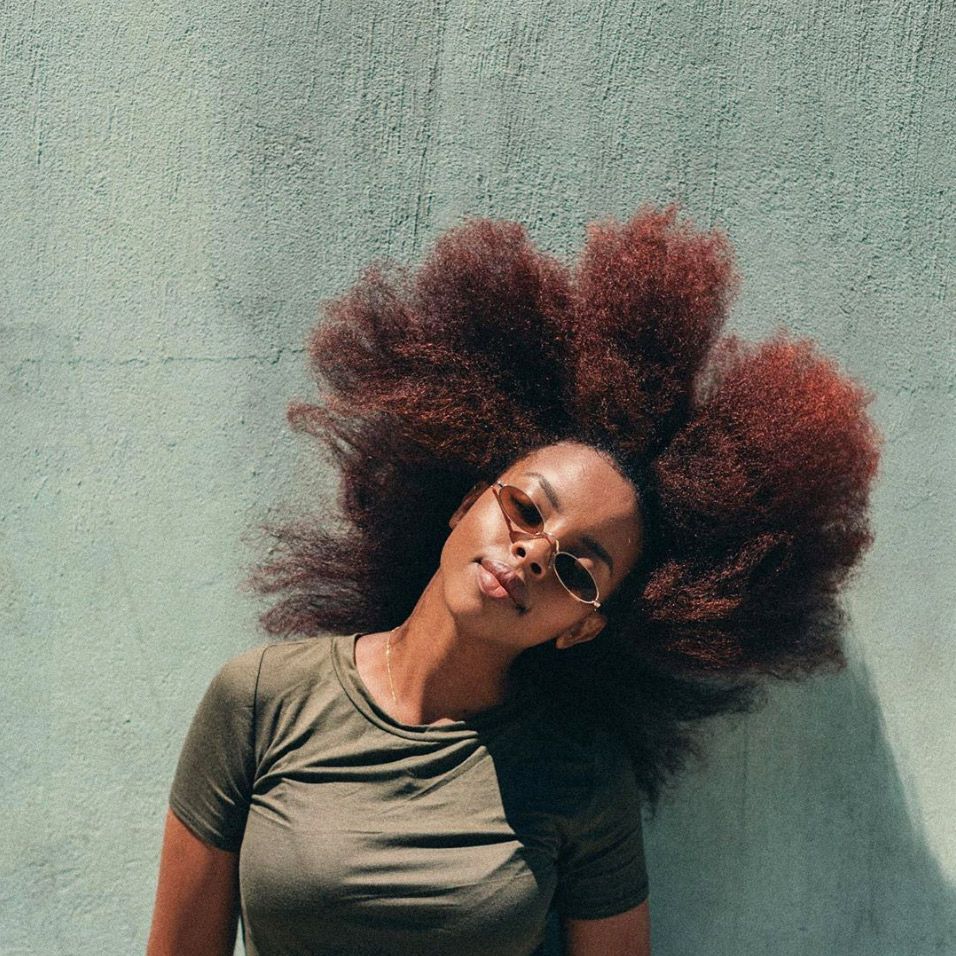
I will say it: dark red brown hair with fiery red highlights is a commitment I am not sure I am ready for. The base is a deep, almost-mahogany brown. The highlights are a true fire-engine red, painted in thin sections through the crown and the front. On a shoulder-length afro, thick and coily, the contrast is immediate. It is also the problem. The red fades first, always. By week three, the highlights look pinkish against the dark base unless you use a color-depositing conditioner every wash. The afro shape holds beautifully — ten to fifteen minutes with product, no heat. But the color is a salon job, and the honest downside is the schedule. Every three weeks, you are fighting the fade. I would book it for a single event, not for daily life.
Vibrant Copper Red Waves
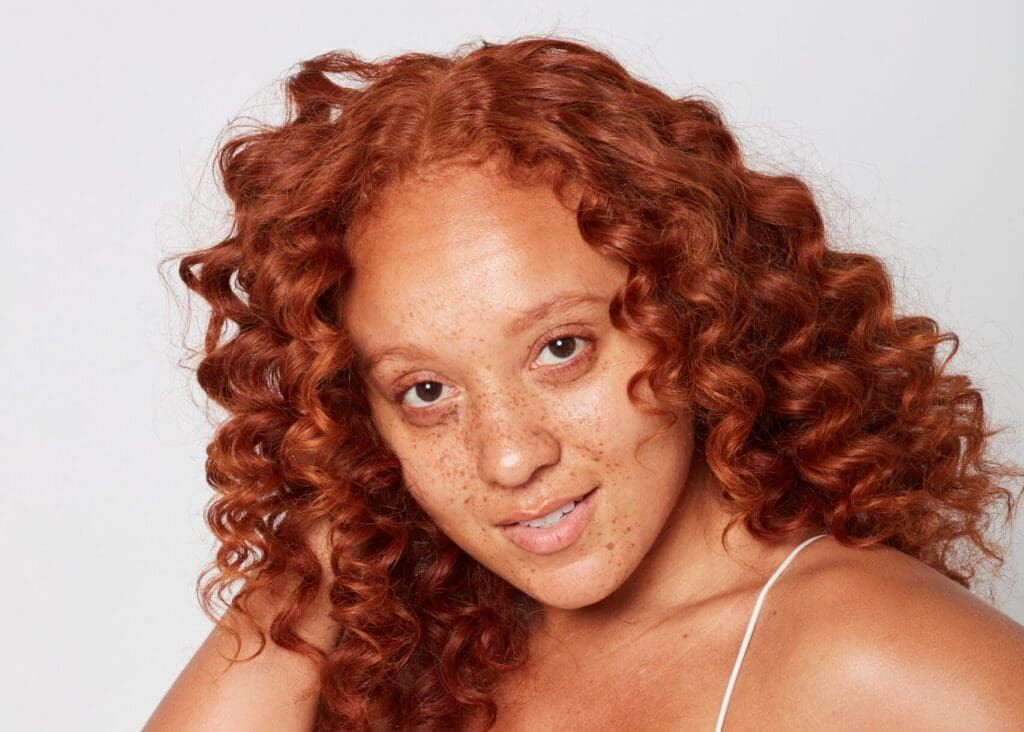
I walked into the salon with a photo of a sunset and said, “This, but on my head.” The colourist mixed a vibrant copper red that looked almost neon in the bowl. On my thick, wavy hair at collarbone length, it settled into something that actually reads natural. The tone is warm, almost metallic, and the loose waves catch the light in a way flat hair never could. The air-dried finish in the photo is real — I did nothing but scrunch and walk out.
Short Coily Layers With Honey Blonde Highlights
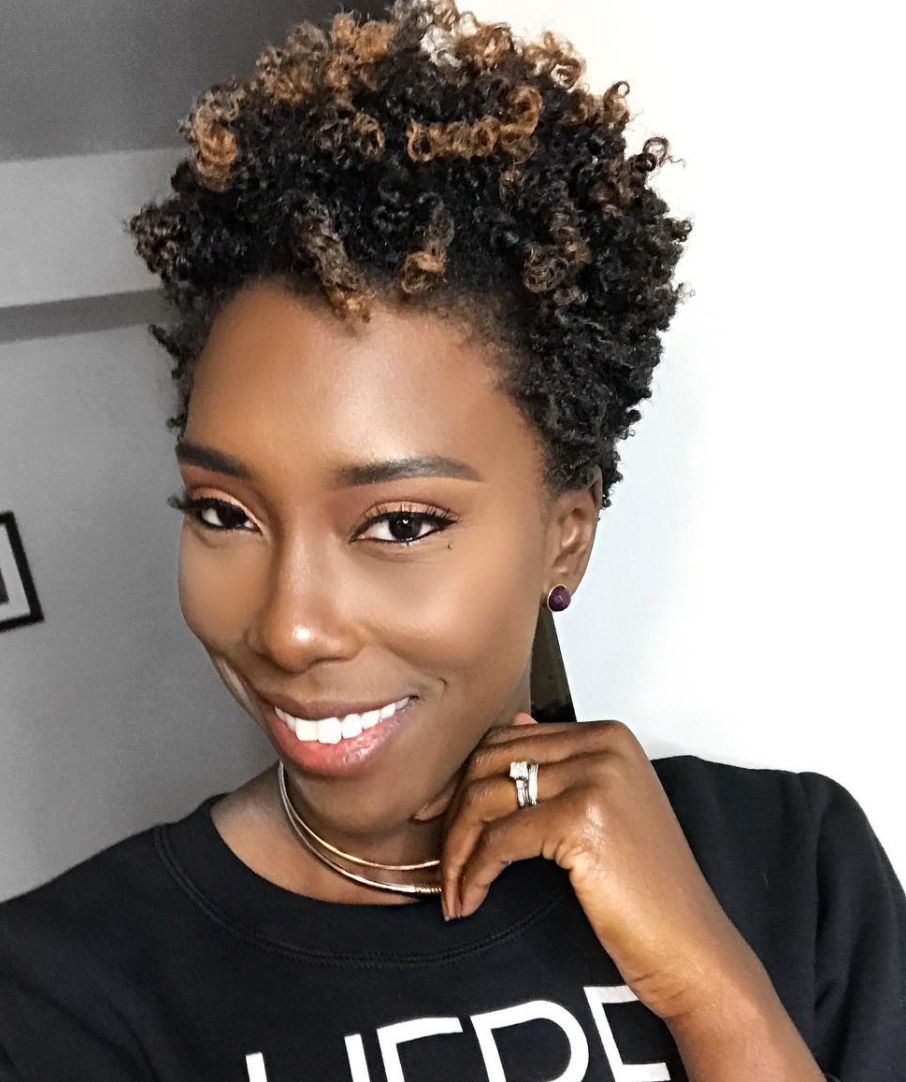
My first thought: finally, a highlight placement that respects coily texture. The dark brown with honey blonde highlights here is painted onto the top layers only, so the colour lifts the shape without overwhelming fine hair. At ear length with short, wispy bangs, the contrast reads dimensional, not stripey. The defined coils hold the tone for about eight weeks before the honey starts to warm into gold. If your hair is low density, this is the one. If it’s thick and coarse, the blonde can get lost — ask for thicker sections.
Medium Brown With Blonde Highlights and Curtain Bangs

I am picking subtle blonde highlights over bold ones every time, and this is why. The medium brown with blonde highlights here is so fine you almost miss it at first — then the curtain bangs catch the light and the whole thing wakes up. The base is a soft medium brown, the highlights are a shade or two lighter, and the tone stays warm without going brassy. On straight, fine hair at mid-back length, the blowout in the photo takes about 15 minutes with a round brush.
The upkeep is the real win. The fringe needs a trim every four weeks, but the colour can go eight to ten weeks between refreshes because the highlights grow out as a soft fade, not a stripe. Bold highlights would demand a root touch-up by week six. These let you forget you have colour at all.
Ash Blonde With Creamy Balayage
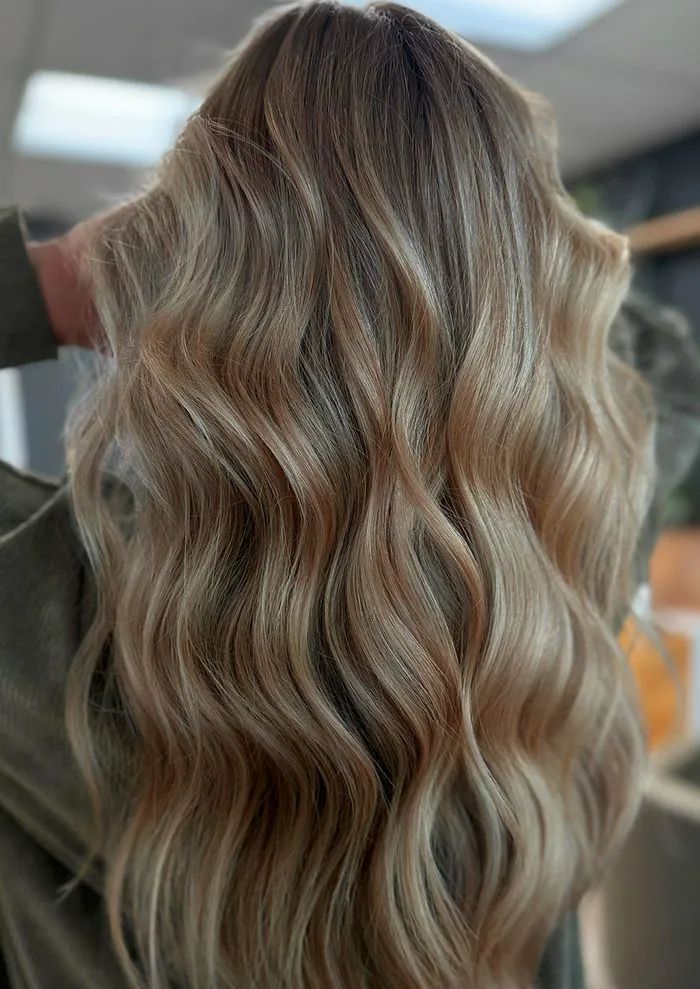
How does ash blonde not look flat? The answer is creamy blonde balayage, painted in wide, irregular sections from mid-length to ends. The ash blonde with creamy blonde base is cool, almost grey in low light, but the balayage adds a butter-toned lift that stops it from reading dusty. On thick, wavy hair at mid-back length, the loose waves in the photo are styled, not natural — expect 15 minutes with a heat protectant and a wand. The honest downside: ash tones fade fast. You will need a purple shampoo at week three and a toning gloss by week six. The grow-out is soft, but the coolness is not.
Medium Brown With Soft Balayage and Wispy Bangs
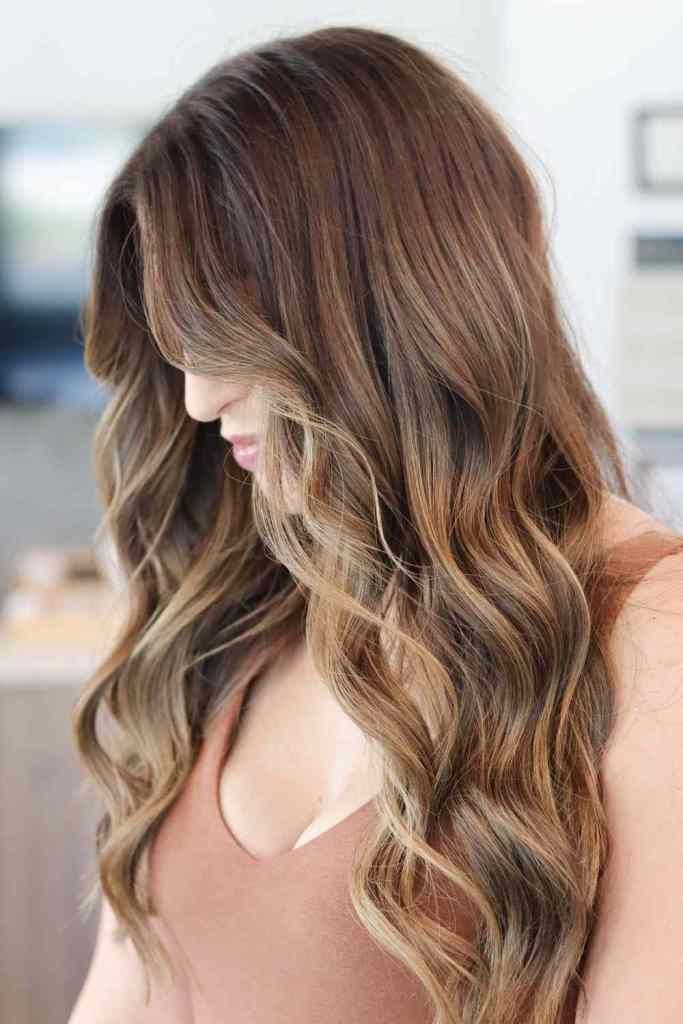
I will confess: I picked this look because I wanted to stop thinking about my roots. The medium brown with soft balayage here is painted so close to the base that there is no grow-out line, just a gradual fade from dark to lighter. On wavy, medium-density hair at mid-back length, the wispy bangs are cut long enough to tuck behind an ear on day three. The side part in the photo is not a commitment — it shifts naturally through the week.
Across a real week, this is the lowest-maintenance colour I have tried. The balayage fades evenly, the bangs need a quick dry with a round brush, and the trim rhythm is every eight to ten weeks. The colour refresh is the same schedule. You can skip a wash, throw in a texture spray, and it still reads intentional. That is the whole point.
Vibrant Violet All-Over
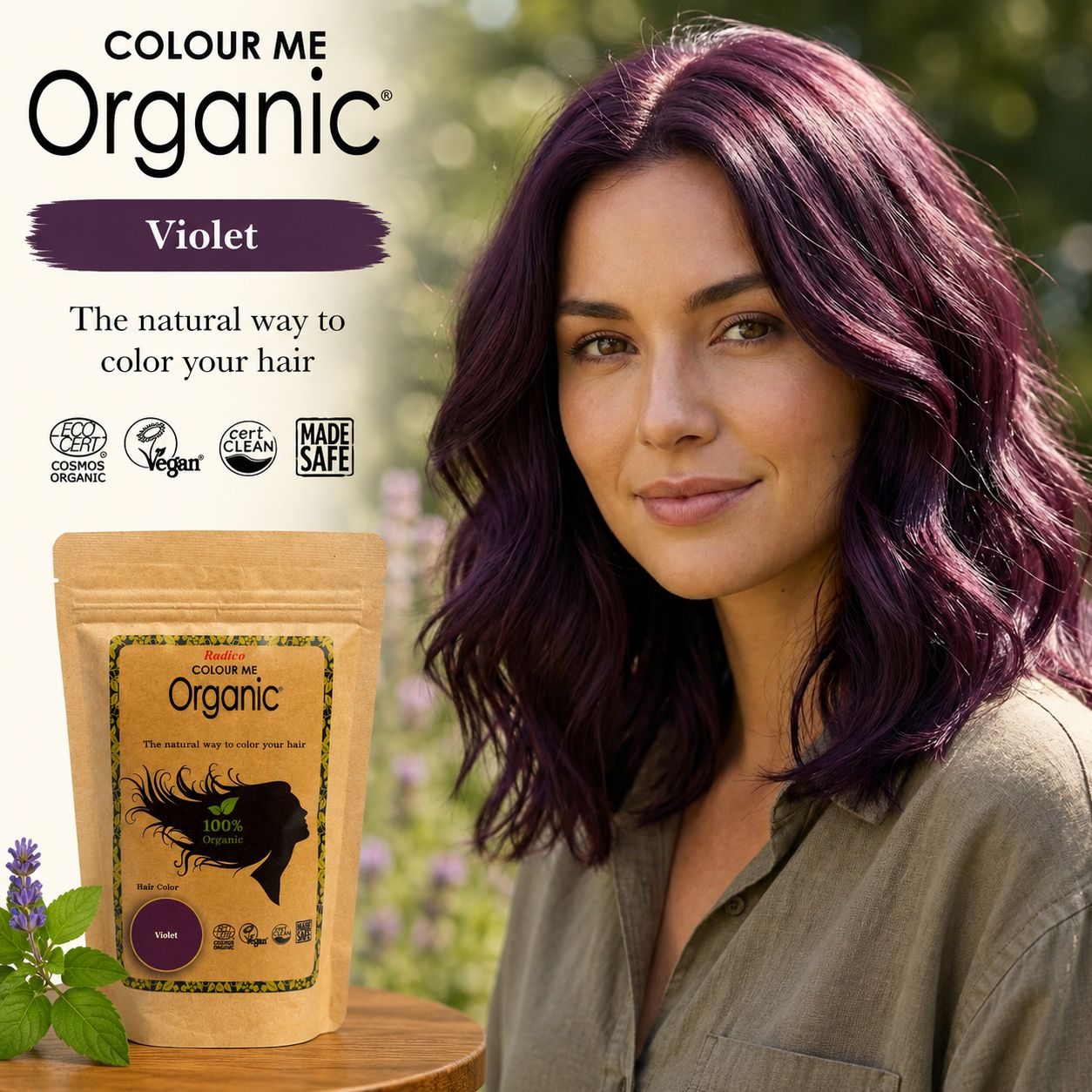
I walked into the salon with a screenshot of a grape and walked out with vibrant violet hair. All-over violet, no highlights, no balayage, just one saturated shade from root to tip on my collarbone-length wavy layers. The salon took three hours and one very patient colorist. It was March, not Halloween, and I wore it to a work meeting anyway. My thick texture drank the pigment like juice. A color-depositing conditioner is not optional, it is your new religion. By week four the violet had softened to a dusty lilac, which I actually liked better.
Deep Dark Brown With Warm Undertones
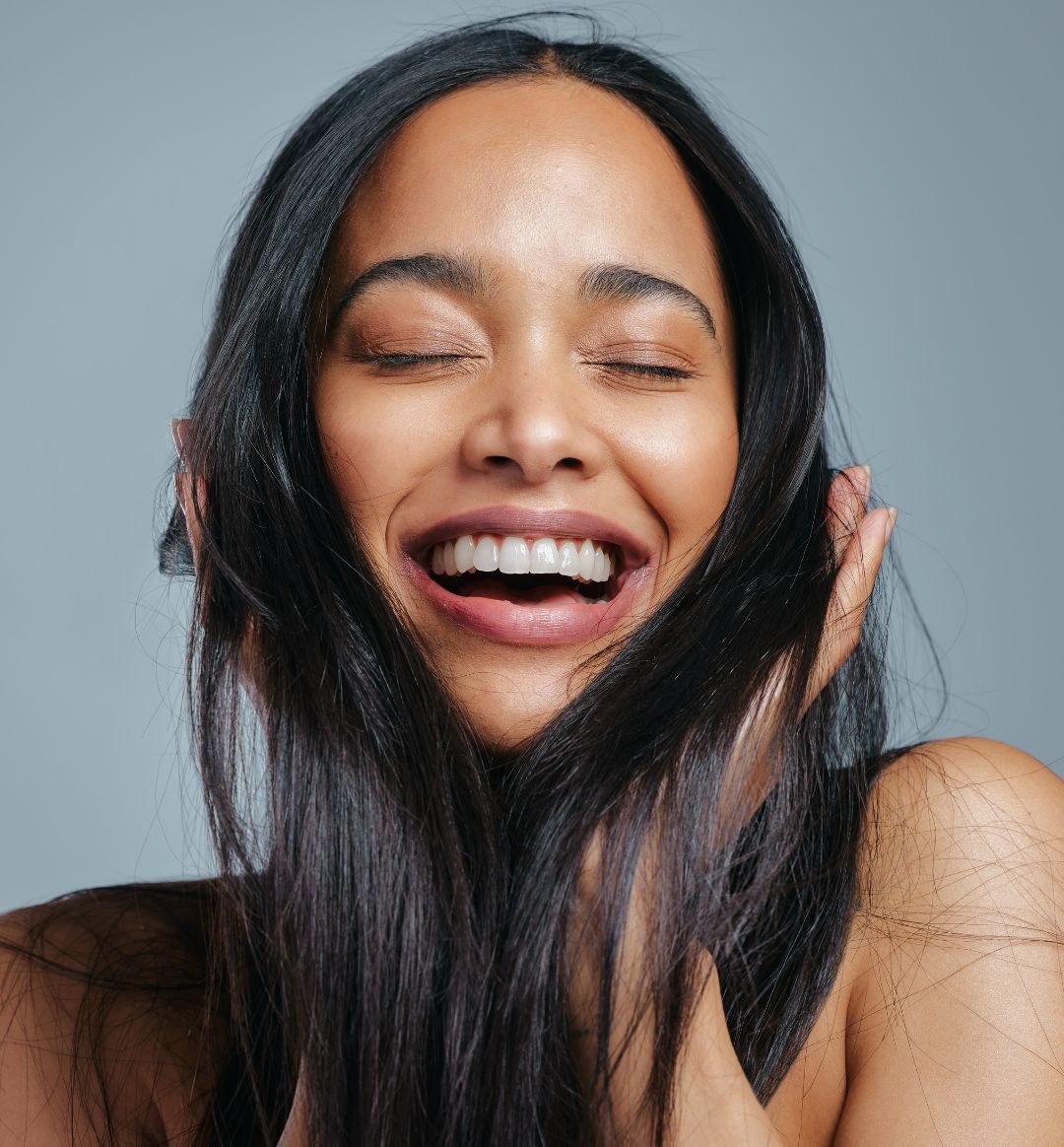
Deep dark brown hair with warm undertones is the color equivalent of a cashmere sweater you never want to take off. It flatters cool and warm skin equally because the brown sits neutral and the warmth reads as a glow, not a contrast. My fine, straight shoulder-length hair looked denser the second the color went on, no layers needed, just a middle part and a sleek finish. The subtle lighter brown undertones catch light without screaming for attention. If your skin has a lot of pink or redness, this is safer than a copper or auburn, which can amplify it. If your skin is olive, this is the easiest rich brown you will ever wear.
Deep Neutral Black With Curtain Bangs
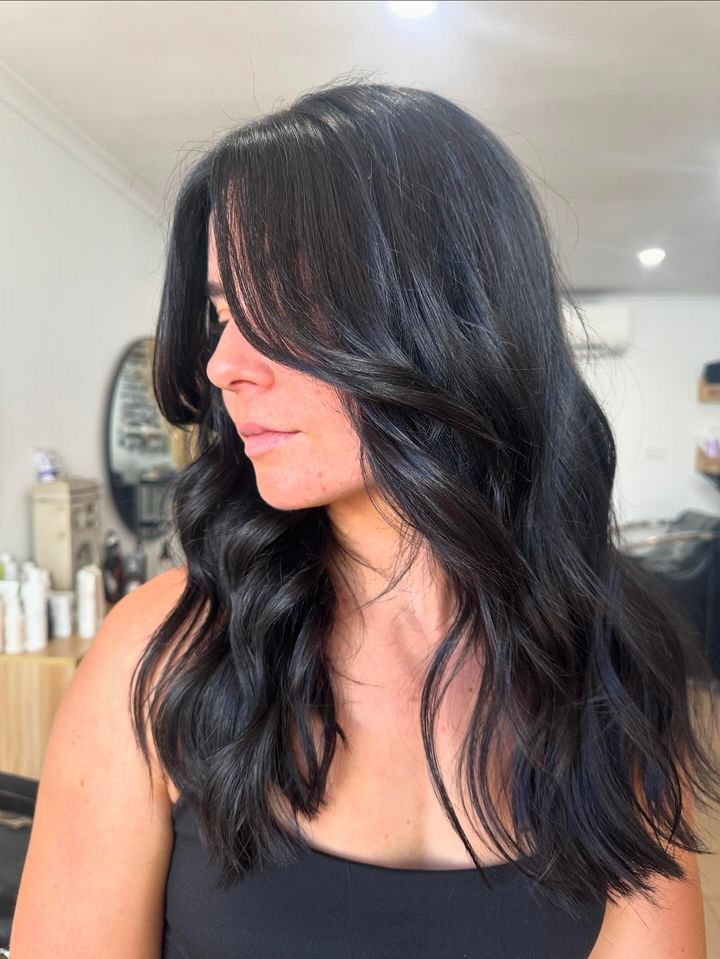
Deep neutral black hair is not the same as a flat box black. It is deeper, cleaner, and it does not pull blue or purple in sunlight. I have seen people argue that brown is more flattering. They are wrong. On thick, straight hair with curtain bangs and loose waves, this color reads as intentional and expensive. The side part and face-framing pieces keep the mid-back length from feeling heavy.
Upkeep is the real win. No root touch-up for eight weeks because black grows out black. The fringe needs a trim every four weeks, but the length can wait six to eight. A round brush and fifteen minutes get the bangs to curve away from the face. If your hair is very fine, this shade can look severe, so ask for a few soft, barely-there face-framing highlights to break it up.
Mid-Back Dark Brown With Natural Lighter Highlights
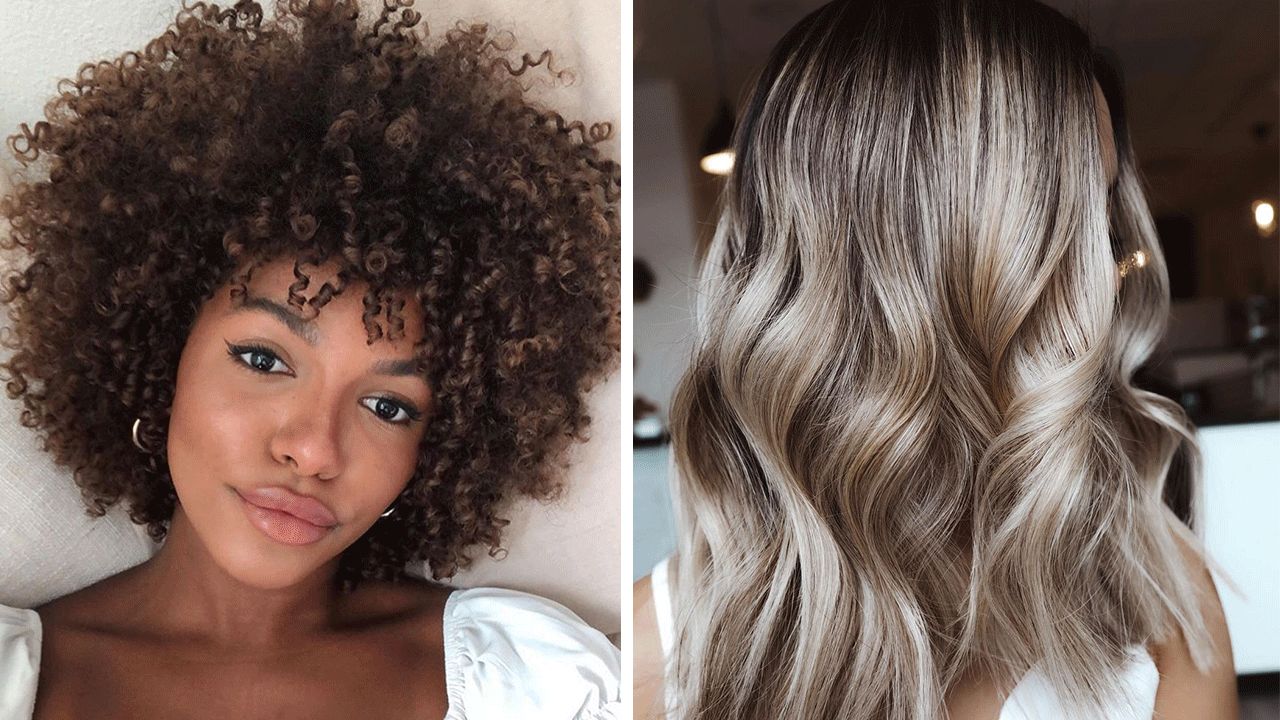
How do you get dark brown with natural highlights that actually look like the sun did the work and not a foil? You book a salon, not a box. The technique is a fine-weave highlight with a soft, hand-painted finish, using lighter brown highlights that sit close to the base shade. The back view of my mid-back straight hair shows the payoff: the highlights are there, but they do not announce themselves. This is a salon-leaning job because the colorist has to judge how much lift each section needs to stay subtle. I tried this at home once and got stripes. Never again. The grow-out is soft, no harsh line, so you can stretch eight to ten weeks between appointments.
Deep Burgundy Waves
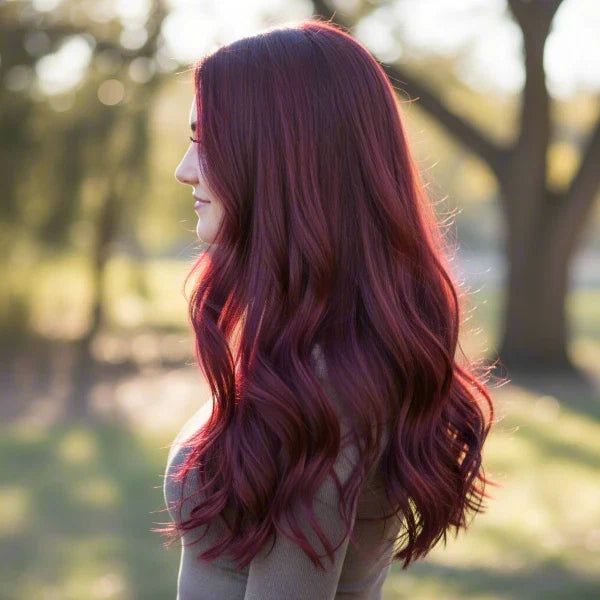
I will confess: I chose deep burgundy waves because I wanted to feel like a Victorian ghost with better hair. The color is rich, almost black in low light, then a dark wine red in the sun on my mid-back wavy layers. The honest downside is fading. By week three, the deep burgundy starts pulling brown, and by week six it is a muted rose. A color-depositing conditioner in the shower every other wash buys you two more weeks of vibrance. The loose waves help hide the fade because the light hits every bend differently. Trim every eight to ten weeks. Color refresh every four to six weeks if you want it to stay deep burgundy and not deep regret.
Collarbone Medium Brown Lob With Caramel Highlights
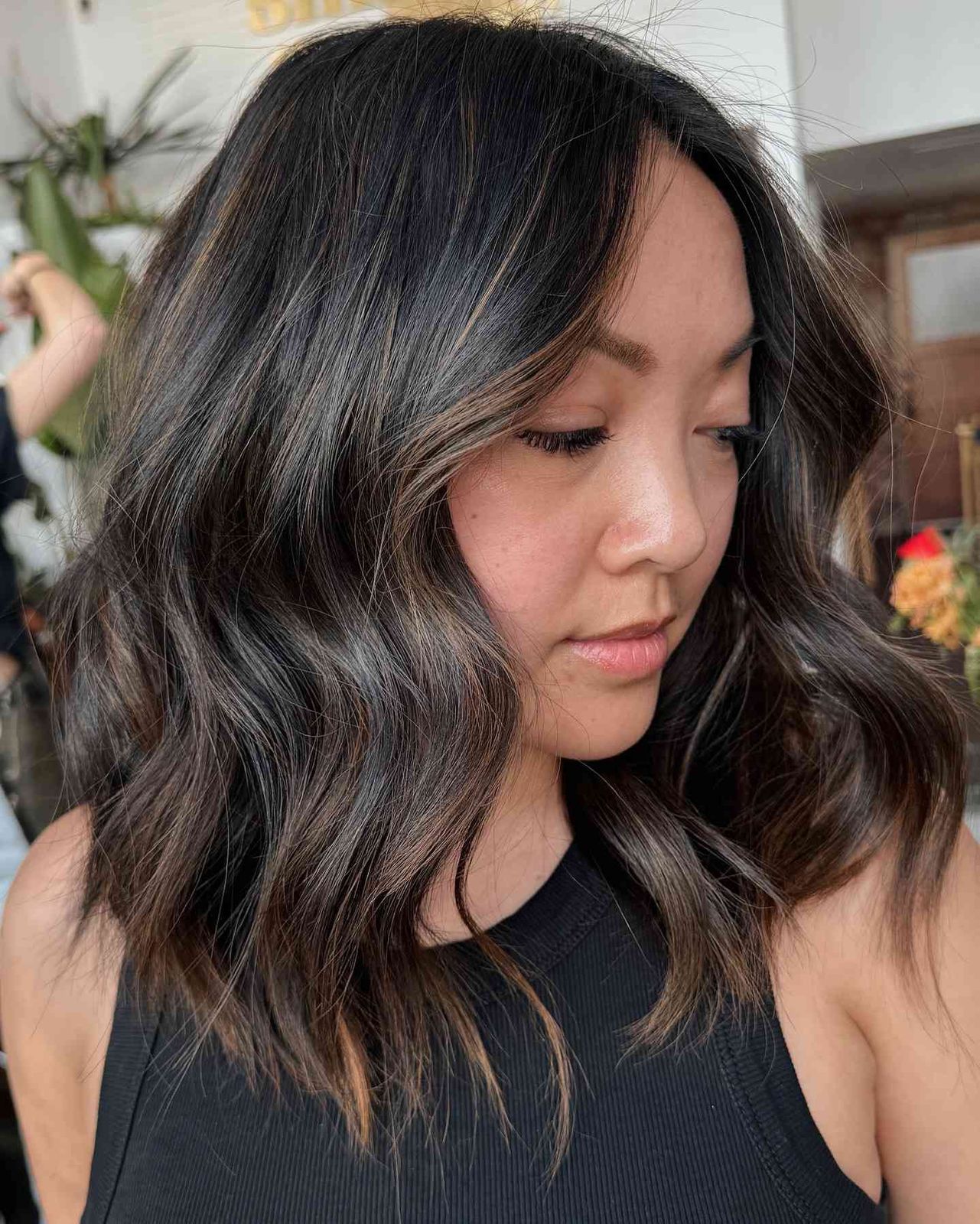
I asked for a trim and walked out with a lob that catches light like it’s got a job to do. The medium brown with caramel highlights is the kind of warm, dimensional colour that makes you forget your roots are growing in, at least for a few weeks. My hair is wavy and medium density, so the loose waves hold their shape without me fighting them. The caramel highlights sit subtle, not streaky, which is exactly what I wanted when I said “just a little warmth, please.” It’s a collarbone length that moves when I turn my head, and that’s the whole appeal.
Dark Blonde With Natural Sun-Kissed Highlights
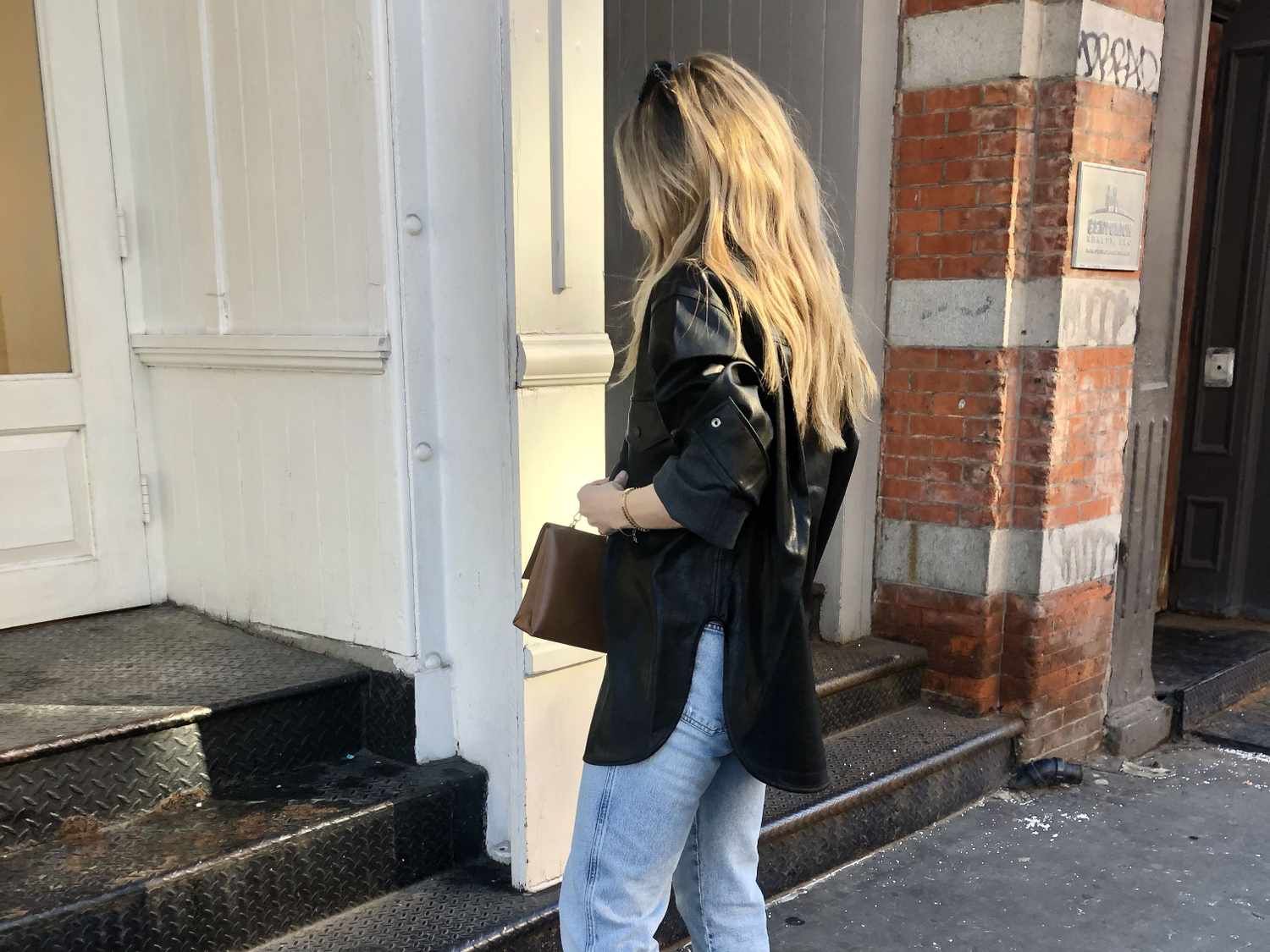
I’m a sucker for a colour that looks like I spent a month at the beach, not three hours in a chair. The dark blonde with lighter highlights reads as natural sun-kissed highlights, which is the entire point. My hair is thick and wavy, so the mid-back layers catch the lighter pieces without them disappearing into the rest. The middle part helps, too, letting the highlights frame my face without trying too hard.
What I didn’t expect is how well it holds up. The balayage grows out soft, so my roots don’t announce themselves at week three. Toning every six to eight weeks keeps the blonde from turning brassy, and a trim every eight to ten keeps the ends from looking tired. It suits a range of natural hair colors, which is rare. I’ve seen it work on warm brown and even auburn bases, so it’s not a one-note look.
Final Thoughts
After writing all of these, I booked the dark brown with lighter root highlights. It’s the one that buys me six weeks of not caring about my roots. The rest I’ll save for when I want to spend a Saturday in the chair.

