You’ve just finished coloring your hair at home, and somehow there’s a dark smudge on your forehead or a stain on your ear. It happens to almost everyone, but the good news is that hair dye on skin is usually easy to remove with things you already have in your kitchen or bathroom. This article covers the fastest methods, the supplies that work best, and how to prevent stains in the first place so you can enjoy your new color without the mess.
Key Takeaways
- Act quickly: fresh stains lift in minutes, while dried stains need repeated applications.
- Apply petroleum jelly to your hairline and ears before dyeing to prevent stains.
- Use a gentle abrasive paste of baking soda and dish soap for stubborn spots.
- Moisturize your skin after any removal method to prevent dryness and irritation.
- Stop using any remover if you feel burning, stinging, or see excessive redness.
The Fastest Way to Remove Hair Dye from Skin
The fastest way to remove hair dye from skin is to act while the stain is still fresh. Wet a cotton ball with warm water and a bit of shampoo, then gently wipe the area in a circular motion. If the dye has already dried, make a paste of baking soda and dish soap or water and apply it for 2-3 minutes before rinsing. Repeat as needed, or use a specialized dye remover for stubborn spots.
Essential Supplies for Dye Stain Removal

You likely have most of these supplies at home already. Here is what works and why:
- Petroleum jelly: Acts as a barrier before dyeing or a gentle stain lifter.
- Baby oil or olive oil: Breaks down dye pigments, especially on sensitive skin.
- Rubbing alcohol: Effective but can be drying; use cautiously.
- Baking soda: Mix with dish soap or water for a gentle abrasive paste.
- Non-gel toothpaste: Contains mild abrasives to scrub away stains.
- Lemon juice: Mild acid lightens stains, but use with care on sensitive skin.
- Shampoo: Removes fresh dye since it is designed to pull dye from hair.
- Cotton balls or pads: For applying removers and gentle scrubbing.
- Warm water: To dampen cloths and rinse skin.
Effective Methods to Remove Hair Dye Stains
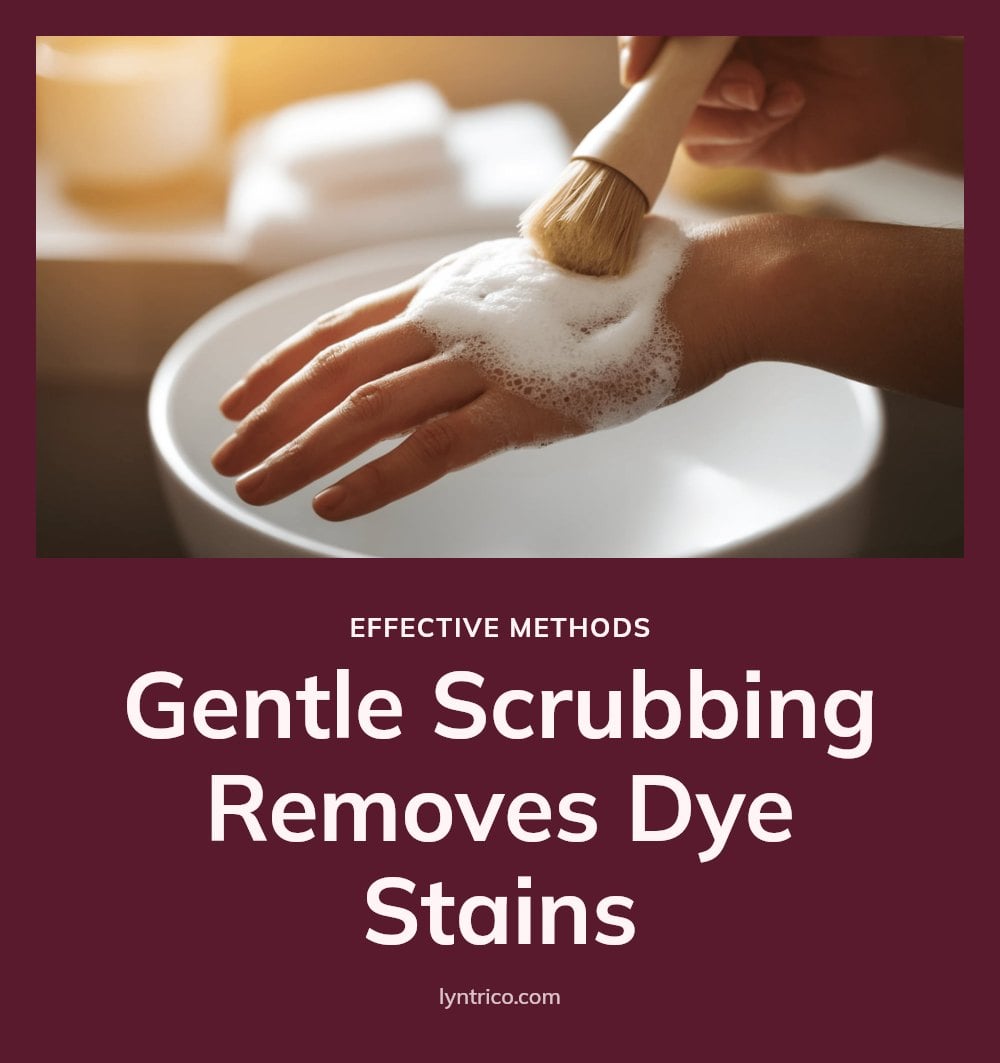
Shampoo and Warm Water
Wet a cotton ball with warm water and apply a drop of shampoo. Gently rub the stained area in a circular motion for 30 seconds, then rinse. This works best on fresh stains.
Tip: Use a gentle, sulfate-free shampoo if your skin is sensitive.
Baking Soda Paste
Mix 1 part baking soda with 1 part dish soap or water to form a thick paste. Apply it to the stain, let it sit for 2-3 minutes, then rub gently with your fingers or a soft cloth. Rinse with warm water.
Caution: Avoid scrubbing too hard, as baking soda is abrasive and can irritate skin.
Rubbing Alcohol
Dab a cotton ball in rubbing alcohol and press it on the stain for a few seconds. Wipe gently, then rinse immediately. Use sparingly, as alcohol dries out the skin.
Tip: Follow up with a moisturizer right after.
Non-Gel Toothpaste
Squeeze a pea-sized amount of non-gel toothpaste (preferably with baking soda) onto your finger or a cotton swab. Rub it over the stain in small circles for 1-2 minutes, then rinse.
Caution: Do not use whitening toothpaste, as it is a type of non-gel toothpaste but contains additional abrasives that can be too harsh for facial skin.
Olive Oil or Baby Oil
Massage a few drops of oil into the stained area and let it sit for 5 minutes. Wipe away with a warm, damp cloth. This method is especially good for sensitive skin or around the eyes.
Tip: Repeat if the stain is stubborn; oil loosens dye pigments over time.
Specialized Dye Removers
Commercial dye remover wipes or solutions are formulated to be safe on skin. Follow the package instructions, usually applying to the stain and wiping gently. These are often the most effective for dried stains.
Caution: Always do a patch test on a small area first, even with specialized products.
How to Prevent Hair Dye from Staining Your Skin
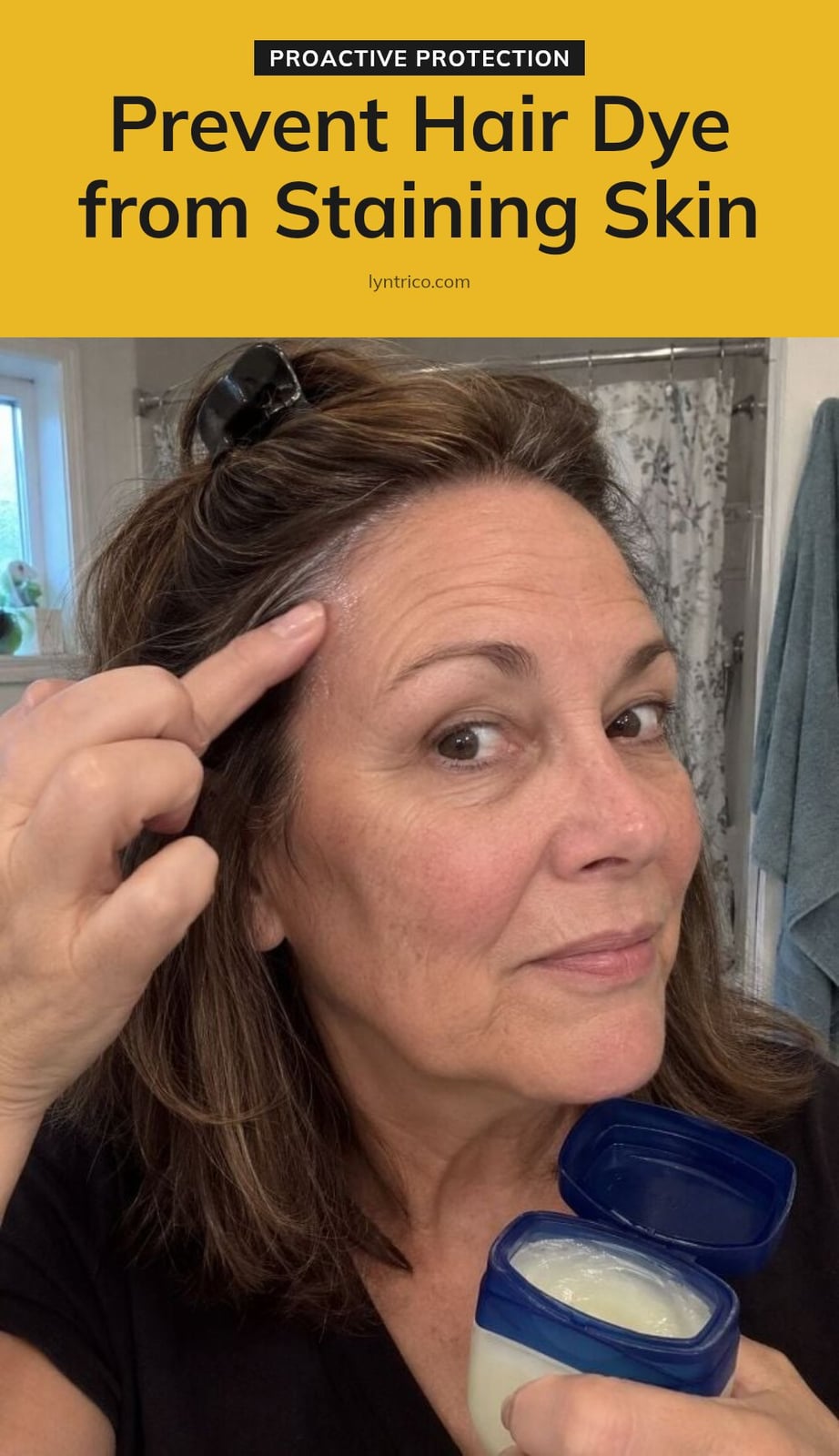
Prevention is easier than removal. Before you open the dye bottle, take these steps:
- Apply a barrier: Smear petroleum jelly or a thick cream along your hairline, ears, and neck. This creates a protective layer that dye cannot easily penetrate.
- Wear gloves: Keep gloves on for the entire dyeing process, from mixing to rinsing, to protect your hands.
- Wipe drips immediately: Keep a damp cloth nearby and blot any accidental drips as soon as they happen, before they set.
- Prep your space: Have an old towel around your shoulders and a barrier cream ready before you start, so you are not scrambling mid-application.
Common Mistakes When Removing Hair Dye from Skin
Waiting too long to remove the dye: Fresh stains are much easier to lift. A dried stain has already set into skin, so it will require repeated applications and more time to fade.
Scrubbing too aggressively: Rubbing hard to remove a stain can cause red, sore skin or even abrasions. Use gentle pressure and a circular motion instead.
Using harsh chemicals: Bleach, nail polish remover, and strong solvents are not safe for skin. Avoid them even if a stain is stubborn.
Not patch testing: Always test a new remover on a small, inconspicuous area of skin first. This rule applies to toothpaste, lemon juice, and any DIY paste.
Forgetting a barrier: Not applying petroleum jelly before dyeing makes removal harder. A thin layer saves you the scrubbing later.
Aftercare for Your Skin After Dye Removal
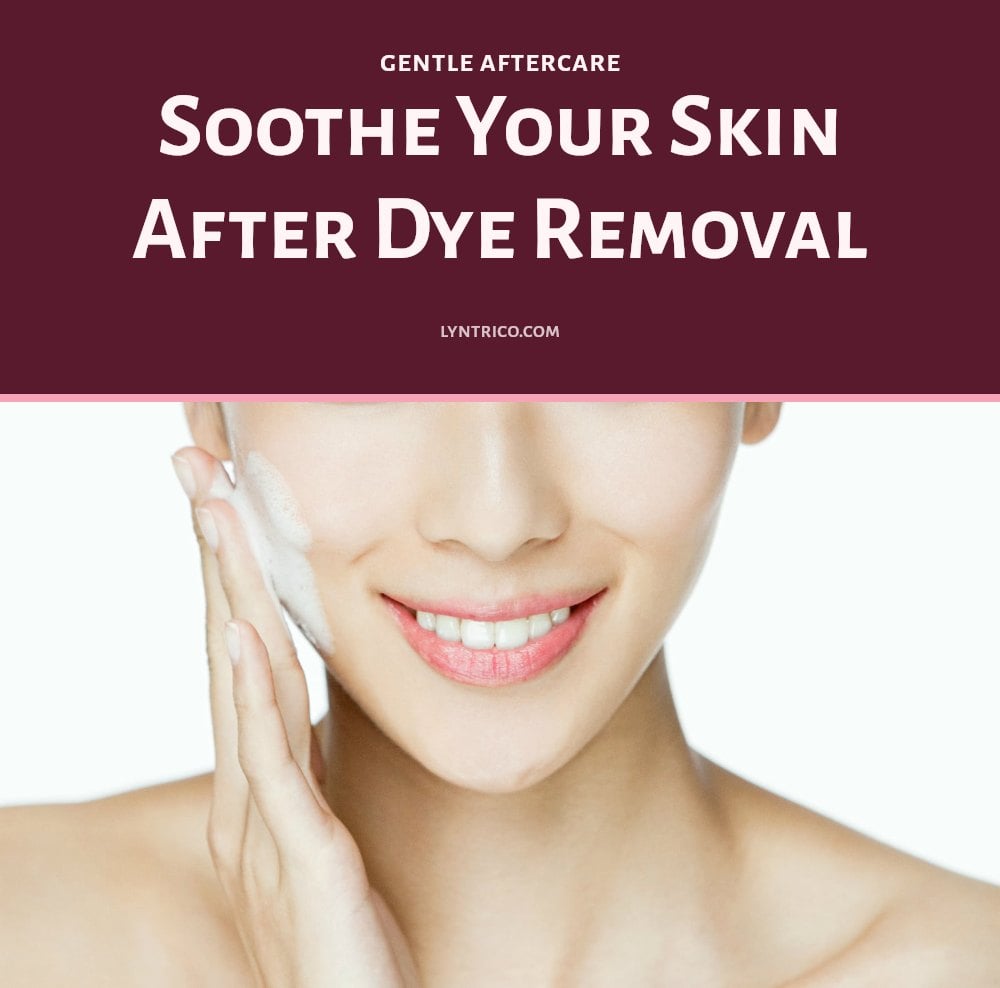
Moisturize your skin immediately after removing dye to prevent dryness and irritation. If the area feels sensitive, choose a gentle, fragrance-free moisturizer. Avoid applying makeup or harsh skincare products to the treated spot for a few hours. Keep the area clean with a mild cleanser and warm water to prevent any additional irritation.
When to Consult a Professional
If you experience persistent burning, stinging, or excessive redness after using a remover, stop using it immediately. If irritation, swelling, or a rash develops and does not go away within a day or two, consult a dermatologist. If you accidentally get dye or remover in your eyes and have prolonged discomfort, seek medical attention right away.
Frequently Asked Questions
Will hair dye stains eventually fade on their own?
Yes, they will. Repeated washing with regular soap and water will gradually fade most dye stains, especially semi-permanent formulas. For permanent dye, it may take a few days of gentle exfoliation and cleansing to fully disappear.
Can I use nail polish remover to get hair dye off my skin?
No, do not use nail polish remover or other harsh solvents like bleach on your skin. These can cause irritation, chemical burns, or allergic reactions. Stick to gentle methods like shampoo, oil, or baking soda paste.
Is it normal for my skin to be slightly red after removing dye?
Mild redness can happen if you scrubbed a bit too firmly or used a drying agent like rubbing alcohol. If the redness fades within a few hours and you moisturize, it is usually fine. Stop using the product if redness worsens or burns.
How can I prevent hair dye from staining my skin next time?
Apply a thick barrier of petroleum jelly or a rich cream along your hairline, ears, and neck before dyeing. Wear gloves during application and wipe away any drips immediately with a damp cloth. This simple step prevents most stains.
Final Thoughts
For the easiest experience, my tip is to apply a thick layer of petroleum jelly around your hairline, ears, and neck before you even open the dye bottle. If a stain does appear, grab a cotton ball with warm water and a little shampoo, and gently wipe in circles while the dye is still wet. Realistically, even older stains will fade over a few days with repeated gentle washing and moisturizing. You can handle this without harsh chemicals or expensive products.
This article is for informational purposes only and is not a substitute for professional medical or dermatological advice. Always perform a patch test before trying any new removal method. If you experience persistent irritation, burning, or an allergic reaction, stop use and consult a doctor or dermatologist.