
I kept seeing red and black hair in my feed and in the chair next to mine. The contrast is sharp, but it’s not as high-maintenance as it looks. A good root shadow buys you six calm weeks, and the grow-out line is intentional, not sloppy.
This roundup has 28 ways to wear Red and Black Hair, from a quick root shadow to a full balayage. Some need a salon, some you can do at home. Whether your hair is fine or thick, straight or wavy, there’s a version that works. I’ve tested a few myself (my fine hair goes flat by 4pm, but a well-placed highlight keeps it interesting).
Black Base With Deep Red Face-Framing Ombré
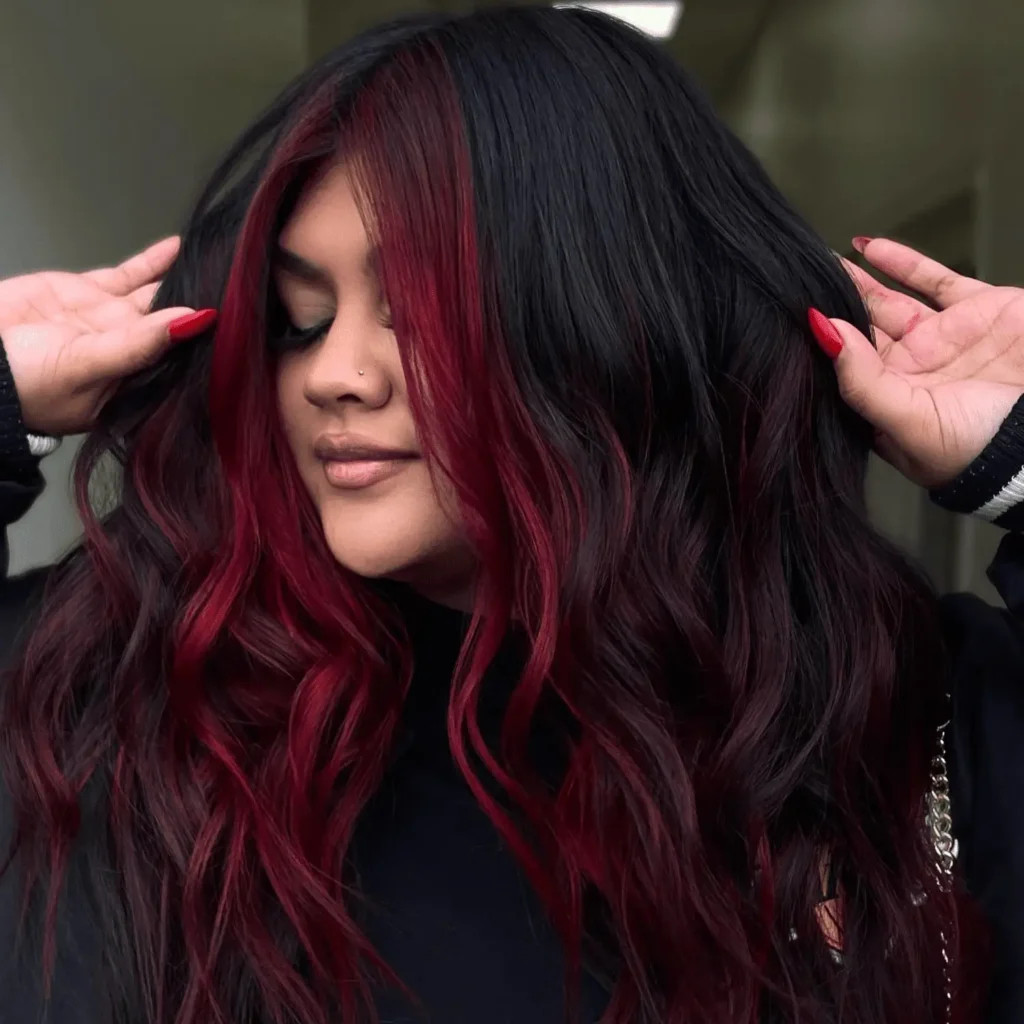
That deep red face-framing piece against a black base is the kind of contrast that makes you do a double-take. The technique here is a black and red ombré that starts dark at the roots and lets the deep red face-framing sections pull forward through the mid-back length. The tone is cool black meeting a wine-stained red, not fire-engine bright. The texture is wavy, medium density, and the side part helps those front pieces land exactly where they catch light. No bangs, which keeps the focus on the colour placement. The layers are subtle, mostly there to let the waves move without losing the ombré line.
Layered Bob With Vibrant Red Highlights
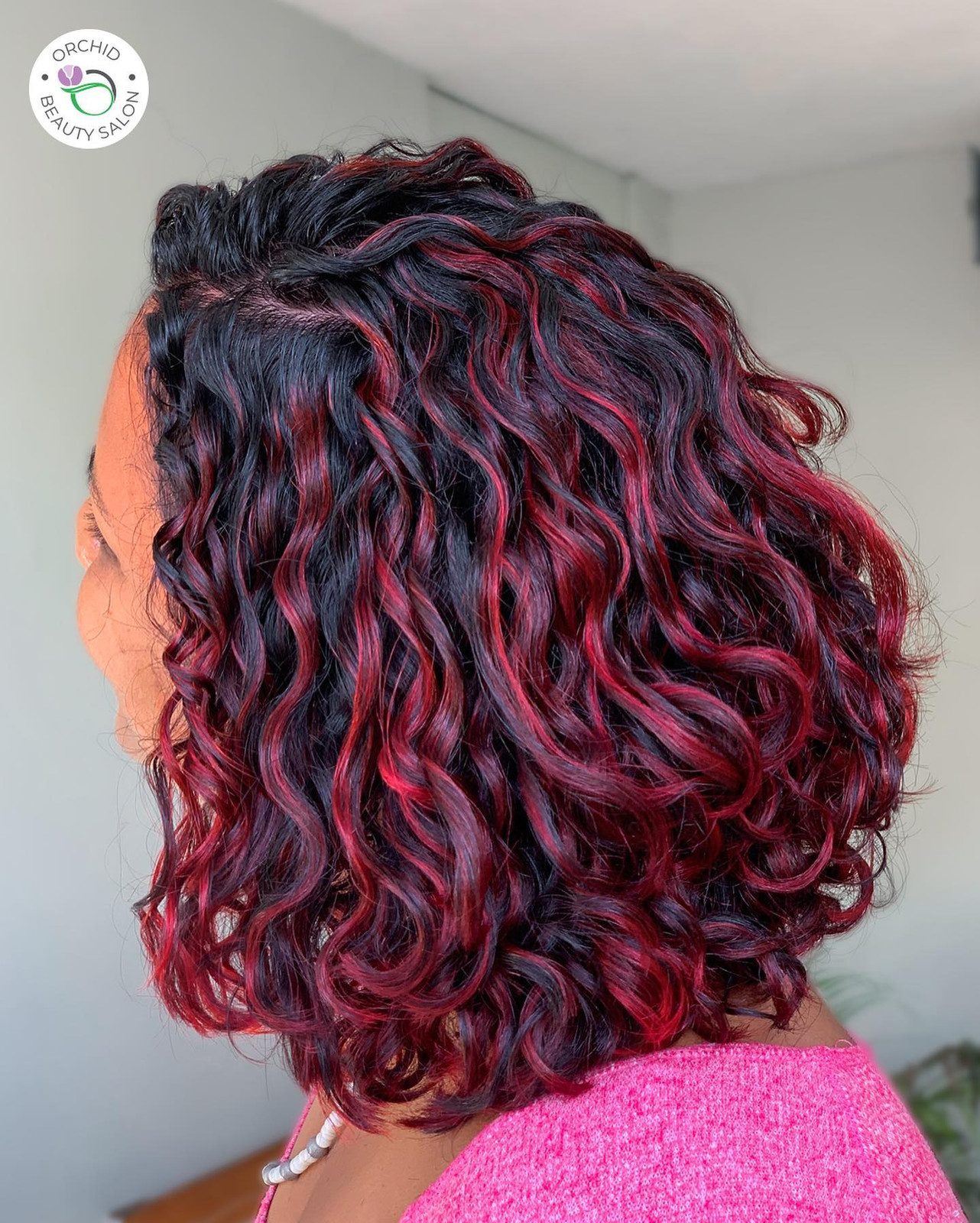
Are you someone whose hair goes flat by 3 pm and needs a cut that holds shape? This collarbone-length black bob with red highlights might be your answer. The technique is a layered bob cut to build volume at the crown, and the vibrant red highlights are woven through the top and sides, not just the ends. The tone is a true, unapologetic red against a jet-black base. The texture is wavy and curly, medium density, which gives the layers something to grip. The middle part keeps it balanced. The upkeep is real: those highlights need refreshing every six to eight weeks if you want them to stay bright, not muddy.
Deep Red Lob With Side-Swept Bangs
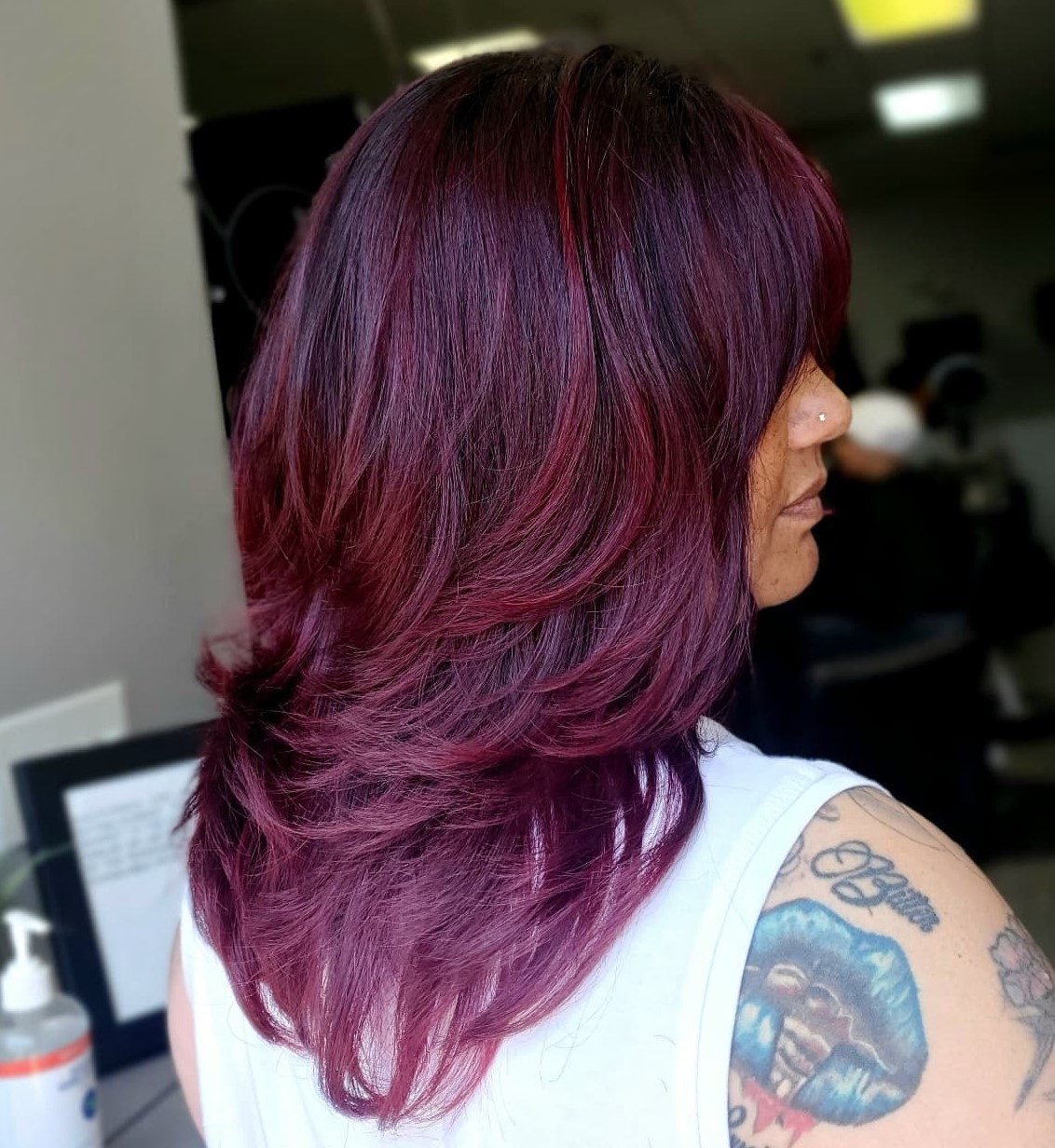
This is the colour I would book if I wanted dimension without a harsh grow-out line. The deep red balayage starts at the root on a shoulder-length layered lob and softens into a lighter red through the ends. The technique is freehand painting, which means the colour lands heavier on the surface layers and lighter underneath. The tone is a warm, almost burgundy red that reads rich, not brassy. The texture is thick and wavy, and the side-swept bangs are cut into the layers so they blend, not sit separate. The honest downside: that vibrant red colour fades fast on porous hair, and the bangs need a trim every three weeks to stay out of your eyes.
Reddish-Orange Top With Black Dip-Dye
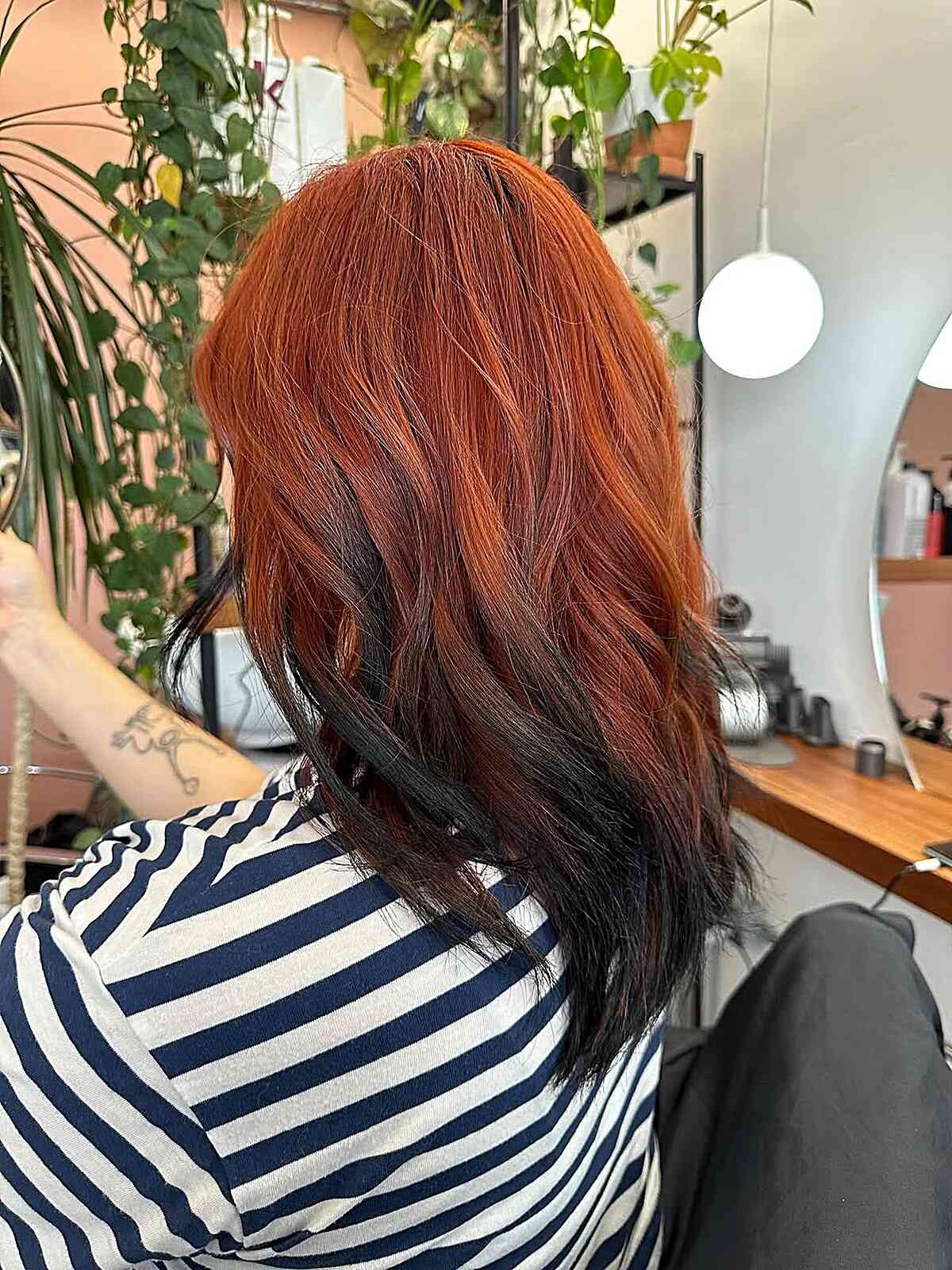
Most ombrés go dark at the roots to light at the ends. This red and black dip dye flips the script: the top is a reddish-orange that fades into black at the tips. The technique is a dip-dye application, which means the colour is saturated from mid-shaft down, not painted in sections. The tone is a warm, almost coppery red on top and a cool, true black on the ends. The texture is wavy, medium density, and the loose waves help the transition look intentional, not like a grow-out accident. The middle part is visible in the back, so the colour split reads clearly. It is a comparison that wins if you want your colour to start a conversation, not blend in.
Vibrant Cherry Red Bob With Wispy Bangs
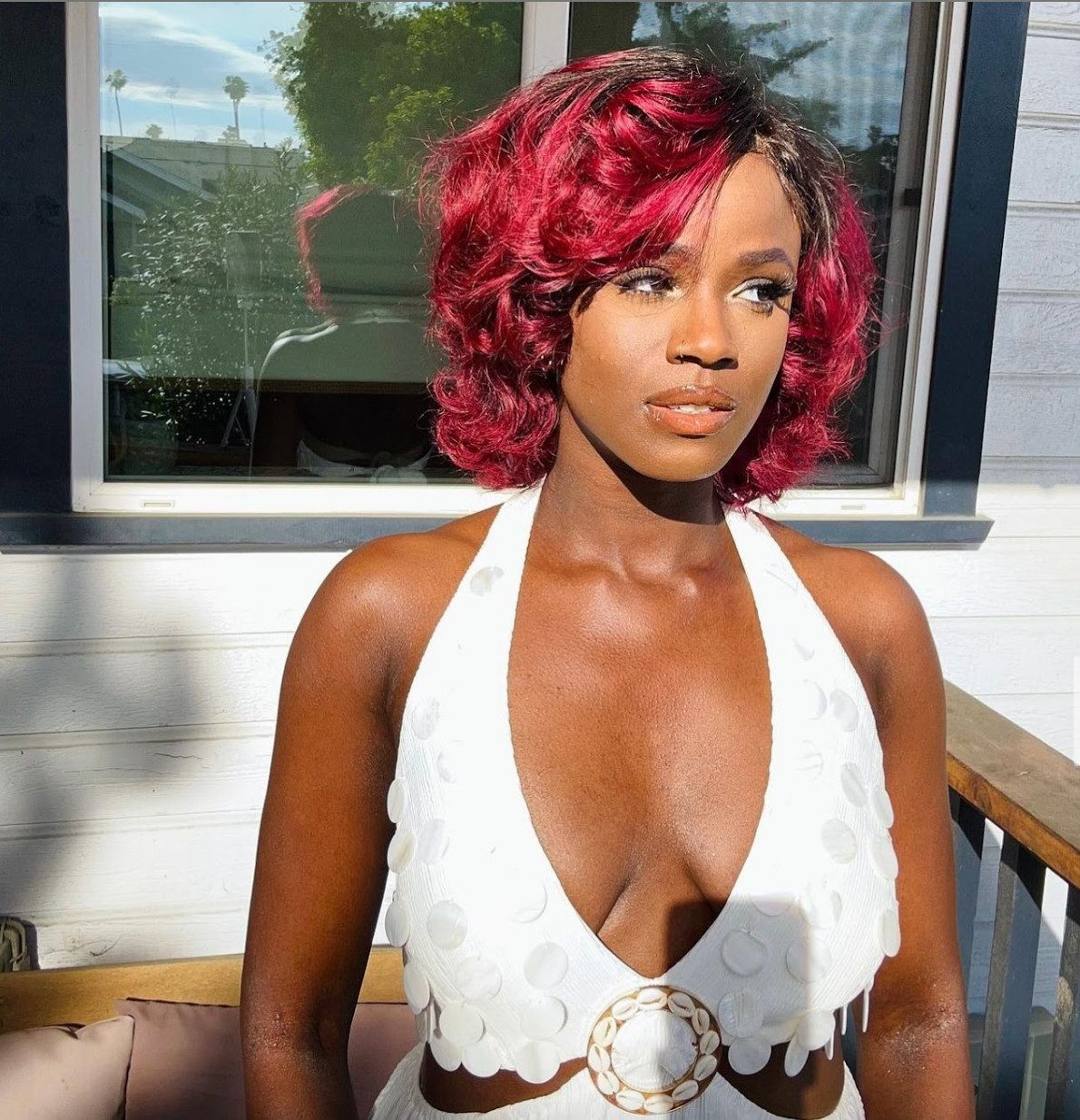
My gut says this colour is a commitment, and I am not wrong. The cherry red bob is a chin-length cut with short, wispy bangs that barely graze the forehead. The tone is a bright, almost candy red that demands attention. The texture is wavy, medium density, and the slight waves keep the bob from looking like a helmet. The middle part and the wispy bangs give it a playful, not severe, feel. This is a summer colour through and through: it pops in natural light and fades fast in hard water. If you want it to stay vibrant past week four, you are signing up for a color-depositing conditioner and a trim every three to four weeks on those bangs.
Black With Vibrant Red Highlights
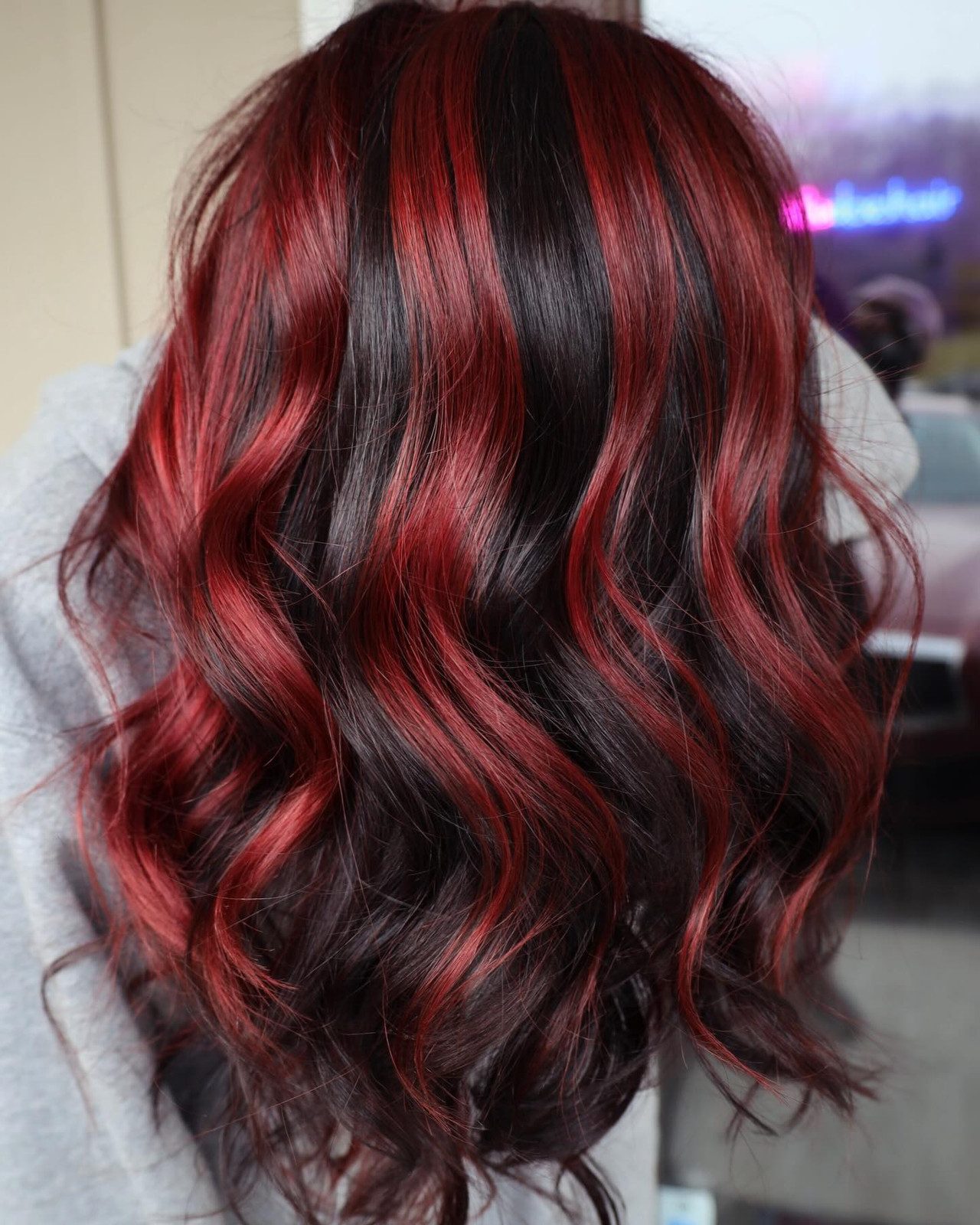
I have to admit, I was skeptical about how black hair with red streaks would hold up on thick, wavy hair. The answer is: it holds, but you have to work with the texture, not against it. The vibrant red highlights land best when they follow your natural wave pattern, not fight it. On my own thick mid-back hair, I found the red catches light differently on every wave, which is the whole point. The upkeep is real. Those bright reds fade first on the ends, so I book a gloss every six weeks, no exceptions. A purple shampoo keeps the red from pulling orange, but only on the highlighted sections. The black base stays cool and sharp between appointments, which buys me time.
Dark Brown With Subtle Red Sheen
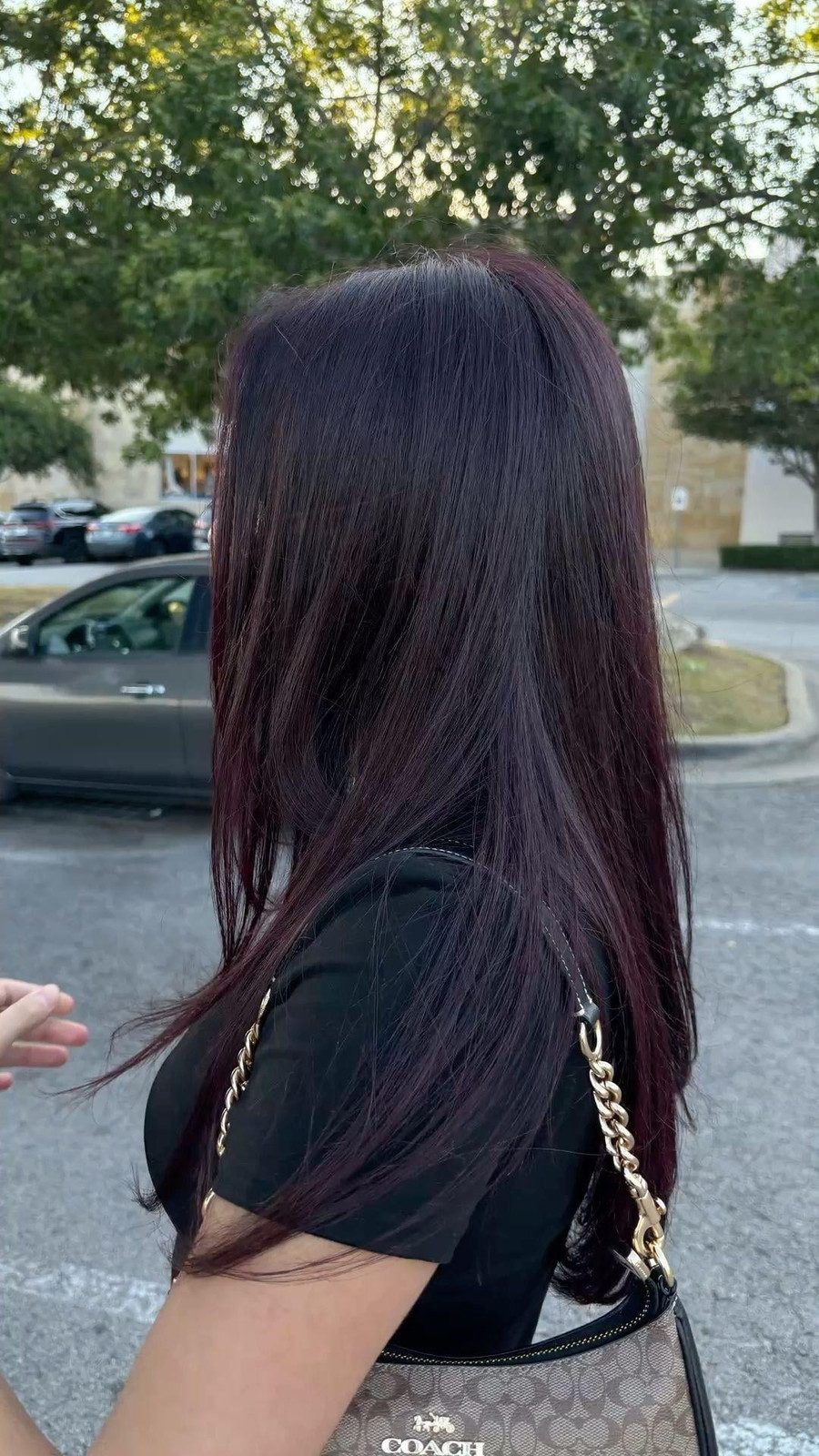
This is not a color that announces itself. It waits for the right light. The dark brown base sits quiet, and then a shift of your head catches a deep red sheen in the mid-lengths and ends. Long, straight mid-back hair, thick and smooth, with a middle part. The effect is like a secret. It is the subtle red hair color that works because it never tries to be loud. The sheen reads as expensive, not accidental, and that is rare for a tone this quiet.
Thick Wavy Black With Red Highlights
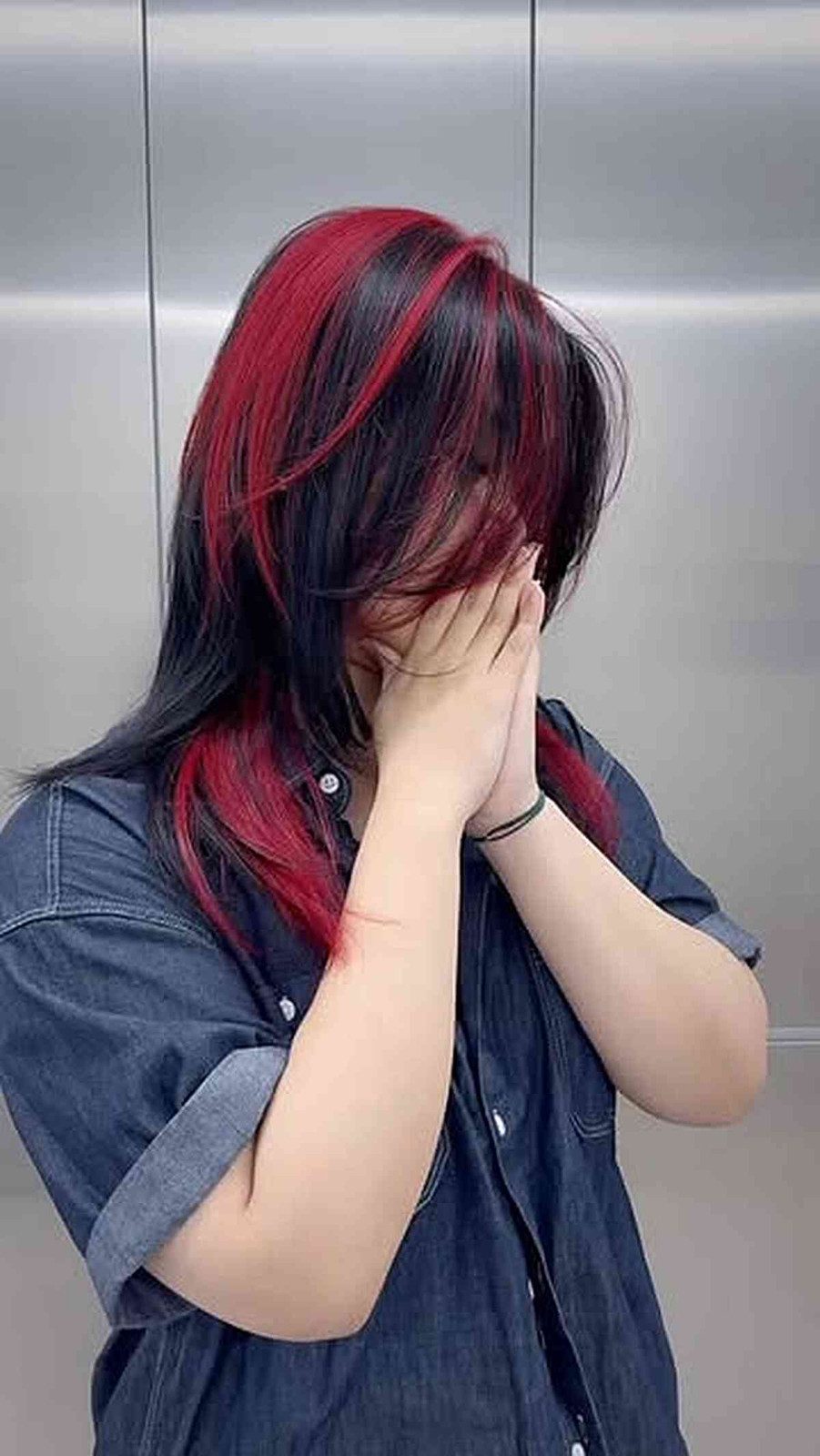
Does your hair have opinions? Thick, wavy mid-back hair with a black base and striking, vibrant red highlights needs someone who already knows how to handle volume. This black and red wavy hair flatters medium to high density best. Fine hair will lose the red in the wave, the highlights disappear into the movement. The contrast works when the red is placed on the mid-lengths and ends, not the roots. Ask your stylist for chunky, spaced-out highlights, not fine weaves. The thicker the highlight, the more it shows in the wave. A middle part keeps the symmetry clean, and the loose waves let the red peek through without effort.
Black to Deep Red Ombré
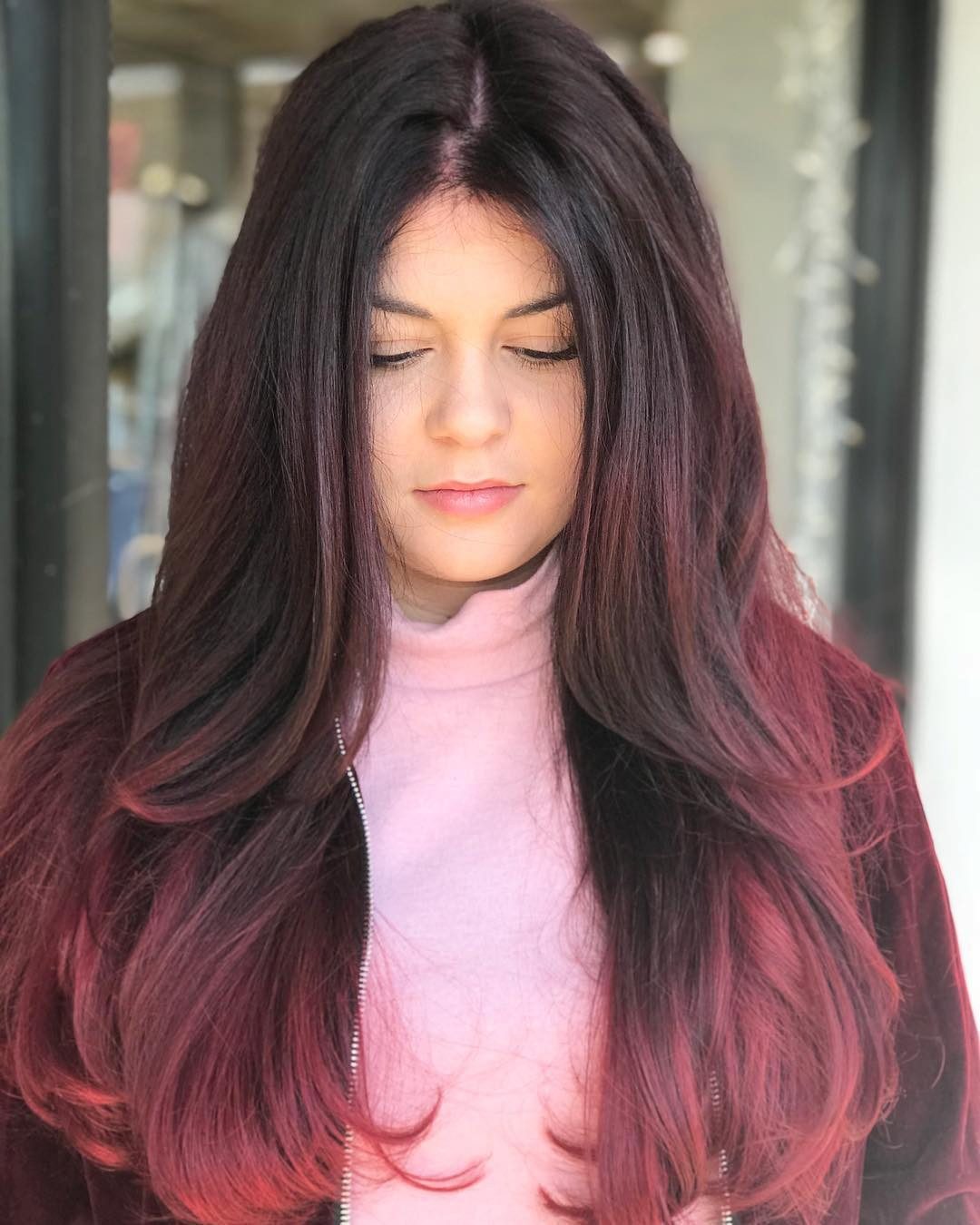
This is not a bathroom-mirror job. The black to red ombré on mid-back layered hair demands a salon visit, and I mean that as a warning, not a suggestion. The transition from black to deep red ombré requires a stylist who understands how to fade one saturated dark tone into another without a muddy middle. The technique is a two-step process: lighten the ends to a warm brown first, then layer the deep red over it. The layers here matter too. Long layers keep the ombré visible from root to tip, while the wavy texture softens the transition line. A middle part shows the gradient evenly on both sides. Book the consultation first. Bring a photo. This is the kind of color that looks simple but is not.
Dark Red With Violet Undertones
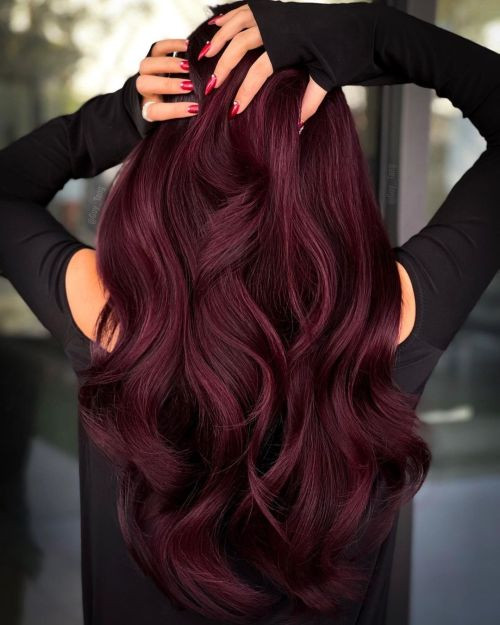
October light hits this color and it makes sense. Thick, wavy mid-back hair in a dark red with violet undertones, styled in loose waves with a middle part. The violet reads like a shadow, not a separate color, which is what keeps it from looking like a costume. This dark red hair lands best in autumn and winter, when the low sun catches the depth. The loose waves help the undertone shift as the hair moves. It is rich without being heavy, and that is harder to pull off than it sounds.
Long Straight Dark Base With Red Highlights
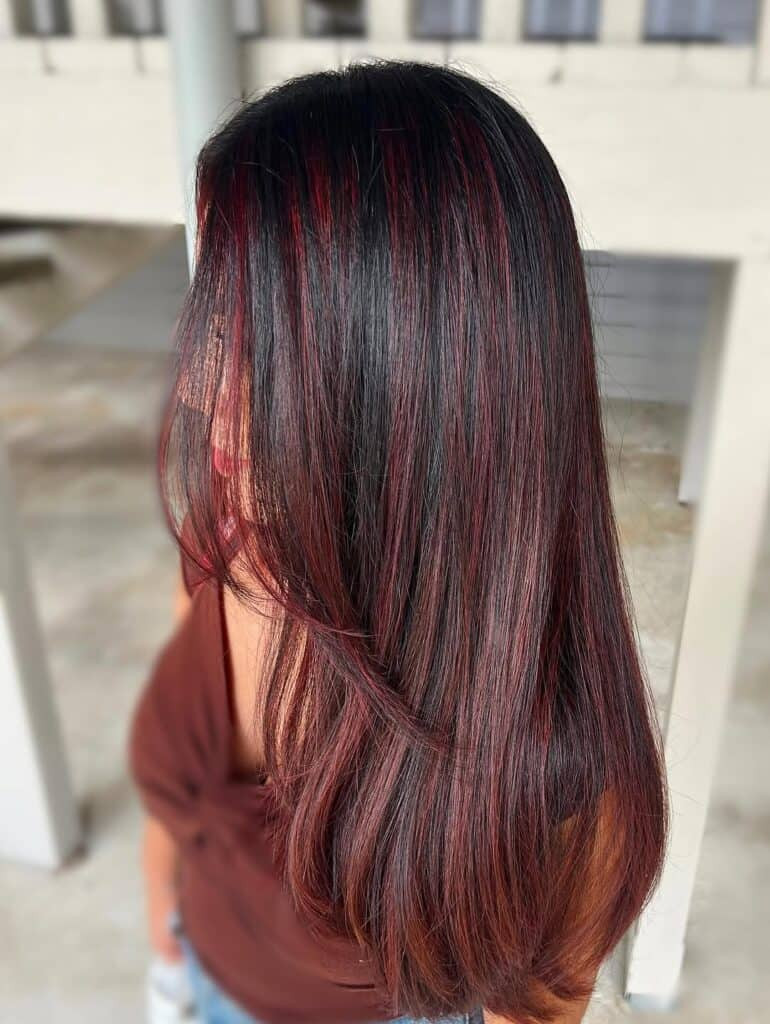
I’ll admit, I was skeptical about red highlights on long straight hair. But this side-view look changed my mind. The dark hair with subtle red runs through the face-framing pieces, so the color catches light when you move your head. Straight texture keeps the highlights visible without competing with waves. Medium density helps — too thin and the red would overwhelm. The upkeep is manageable: a trim every ten weeks keeps the ends healthy, and the highlights need a refresh around week eight. My own straight hair goes flat by 4 pm, but this length holds its shape because the face-framing pieces add movement.
Black With Red Balayage
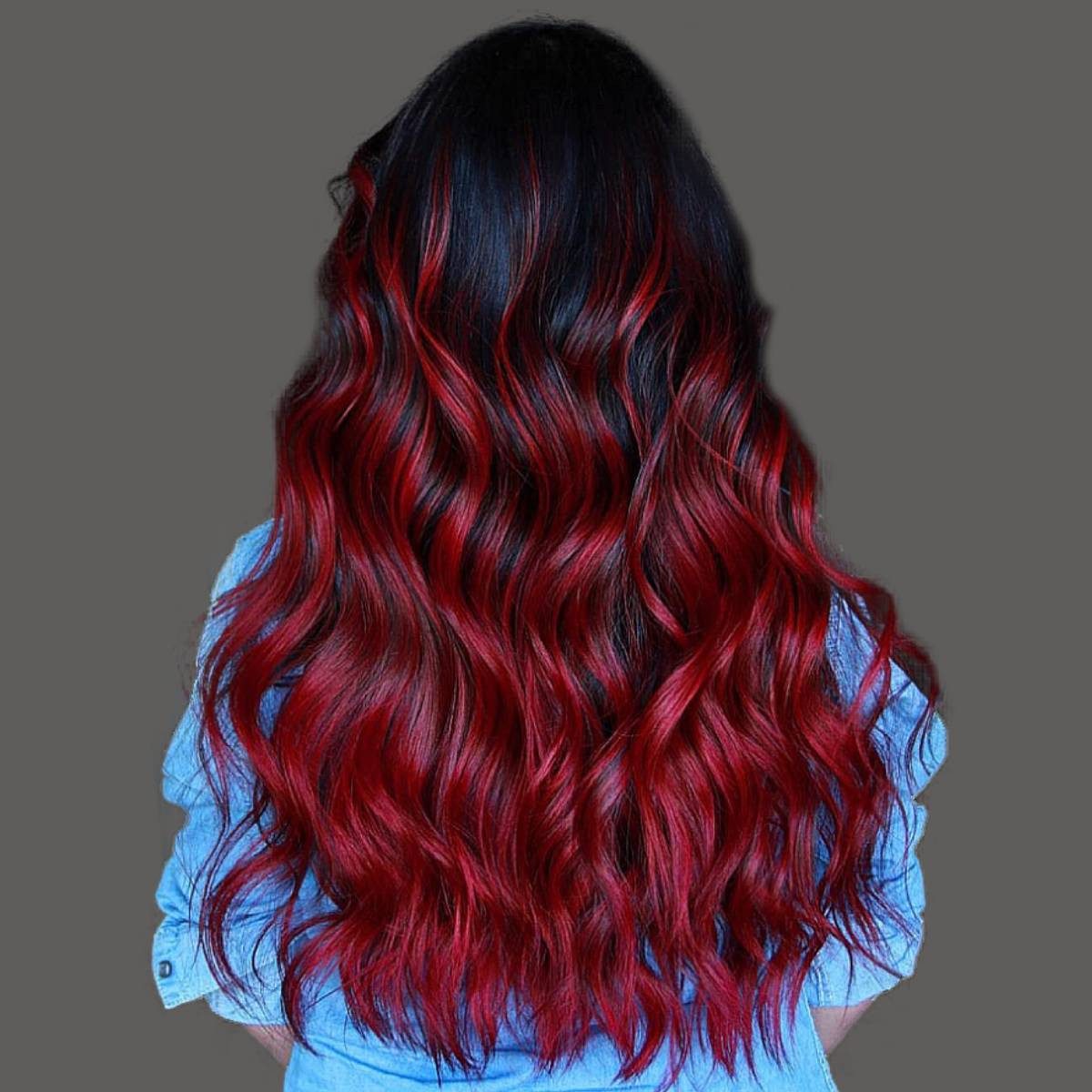
My first thought when I saw this black and red balayage was: why did I wait so long? Seamless red balayage on thick mid-back hair is the upgrade chunky highlights never were. The color melts from black into red with no harsh line, so it looks dimensional even when pulled back. Thick wavy texture carries the gradient beautifully — the waves catch the red at different depths.
The honest downside: the seamless blend means you lose the contrast faster. By week ten, the red starts to soften into a rose tone, and you’ll need a toner appointment to keep it vibrant. But compared to chunky highlights that grow out into obvious stripes, this is the better bet for anyone who wants red without the constant root panic.
Black Base With Bright Red Highlights and Tips
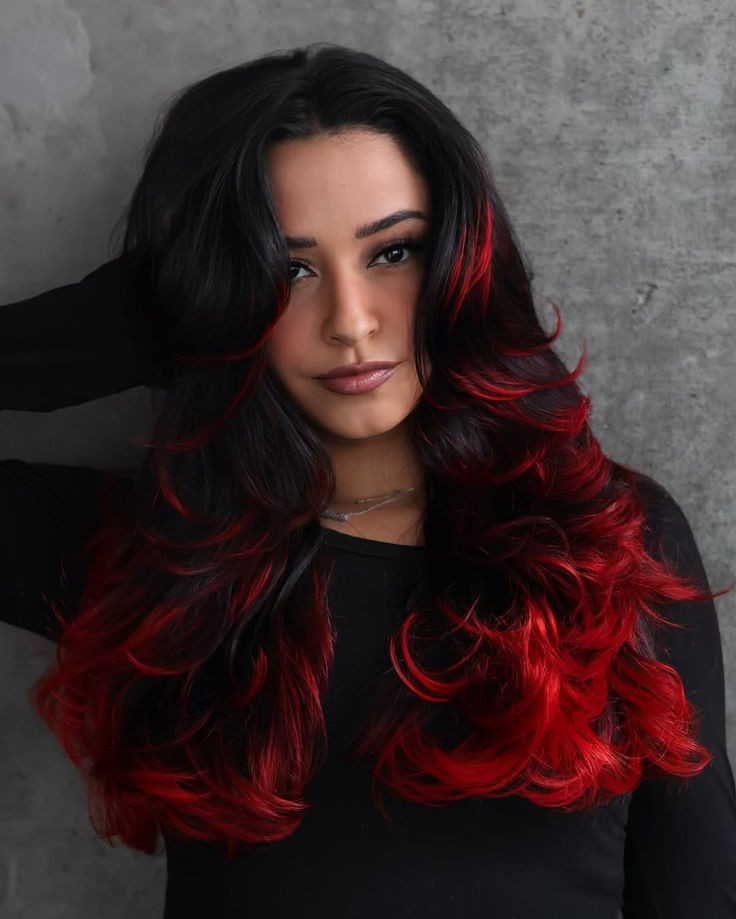
The red here is not shy — it starts as highlights and ends as tips. On a black base with bright red highlights, the front-view medium crop shows the color concentrated on the top layer and the ends. Wavy texture softens the contrast, so it reads edgy but not costume. Medium density keeps the red from looking sparse. The technique places the brightest red on the tips, which means the grow-out is actually forgiving — the black base stays dark while the red fades gradually. It’s a salon job, not a box dye situation.
Visual Idea
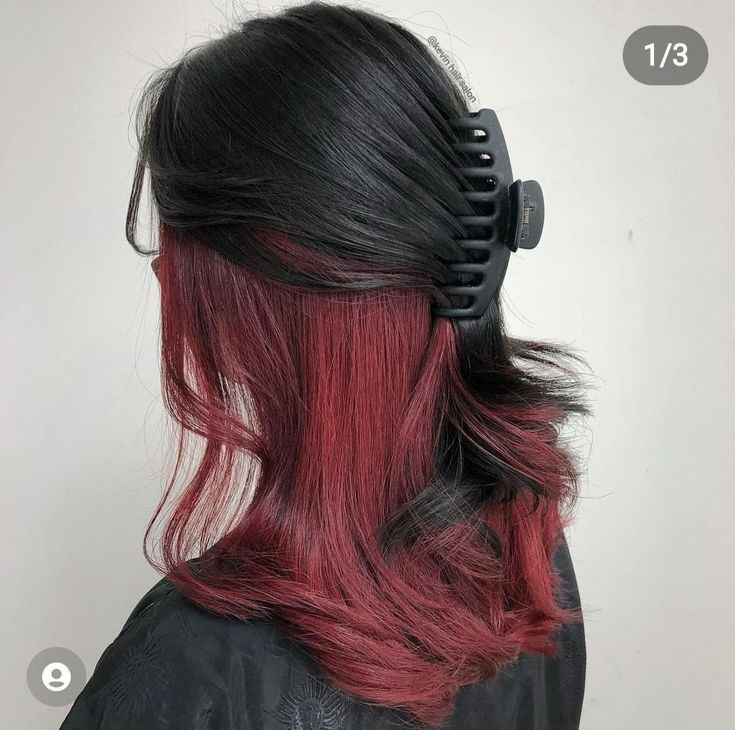
Is a hidden vibrant red layer for you? This collarbone-length wavy lob tucks the red underneath and at the ends, so it only shows when you move or tuck hair behind your ear. It flatters anyone with medium to thick density — the hidden layer needs enough hair to conceal the color when you want it subtle. Fine hair might struggle because the red peeks through too easily. The side part helps control the reveal: you can sweep the darker side forward for a mostly black look, or flip the red side out for a pop. It’s a low-commitment way to test red without going all in.
Mid-Back Visual Idea
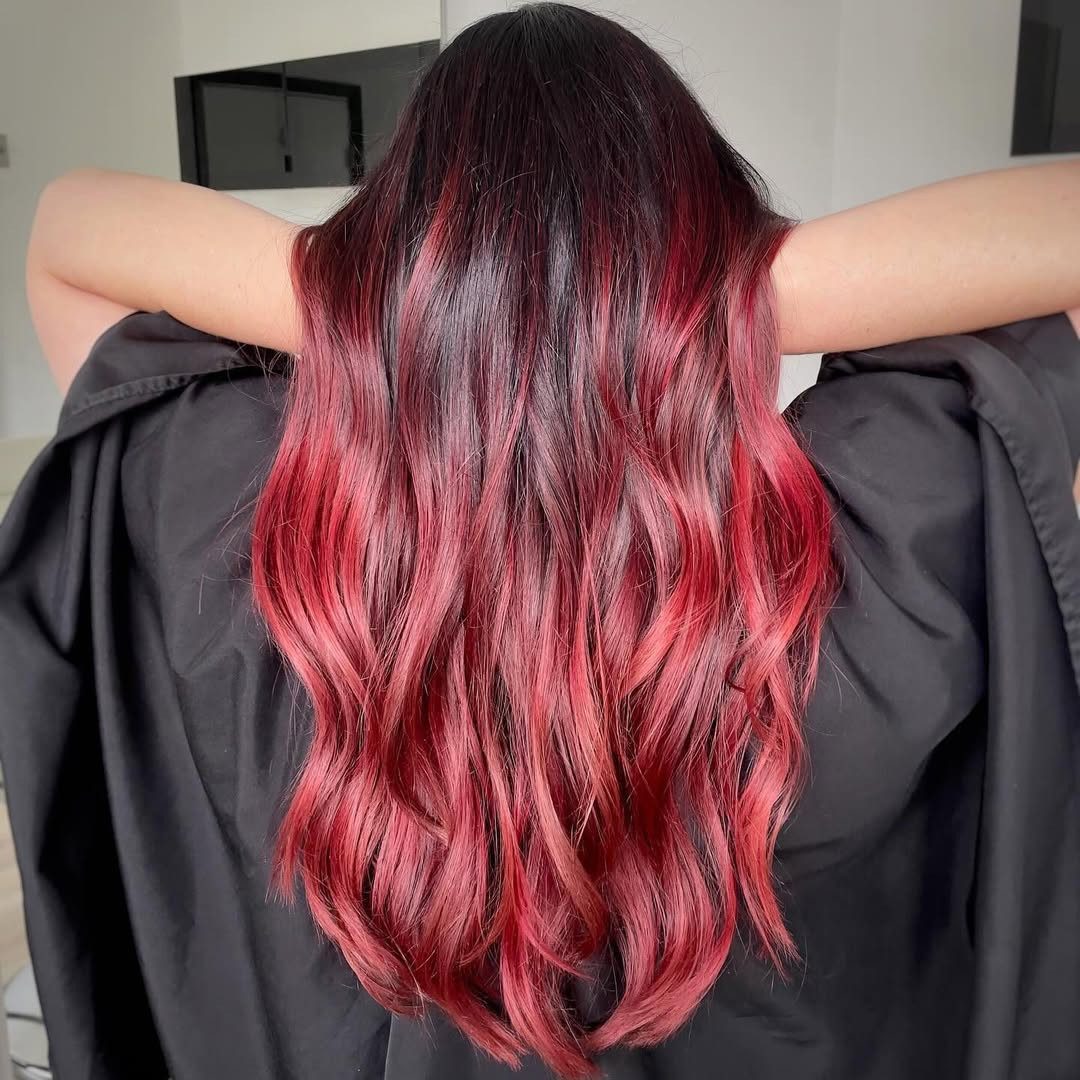
This is a technique that rewards patience. The mid-back vibrant red ombre on long layers starts black at the roots and fades into red around the shoulders, then deepens to a richer red at the ends. The long layers are cut to support the gradient — each layer catches the color at a different point, so the transition looks natural even when the hair is straight. Loose waves enhance the dimension by spreading the red across the surface.
The upkeep: a trim every twelve weeks to keep the ends fresh, and a toner every eight to ten weeks to prevent the red from turning orange. It’s a salon build, but the grow-out is graceful because the roots stay black.
Collarbone Visual Idea
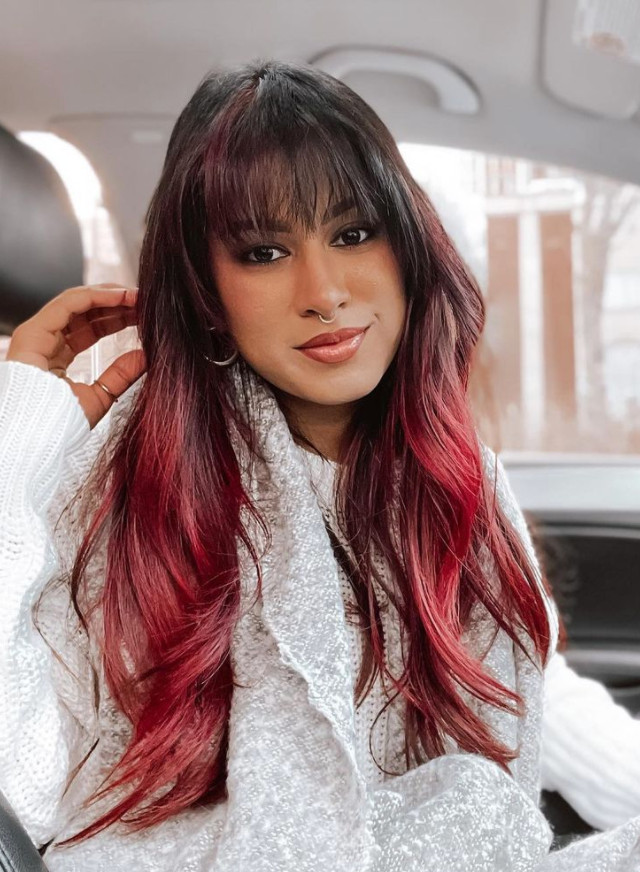
Thick, wavy collarbone-length hair with full bangs and a black-to-red ombre. Air-dried, which means the waves do what they want. The bangs fall straight across, no curling iron involved. The red starts somewhere around the chin and deepens to the ends. This is a salon job — the ombre transition needs a stylist who understands dark base shades and how to lift them without brass. The middle part keeps the weight balanced. On thick hair, the layers prevent a triangle shape. The bangs? They will need a trim every three weeks. That is the trade-off for not blow-drying the rest.
Layers Visual Idea
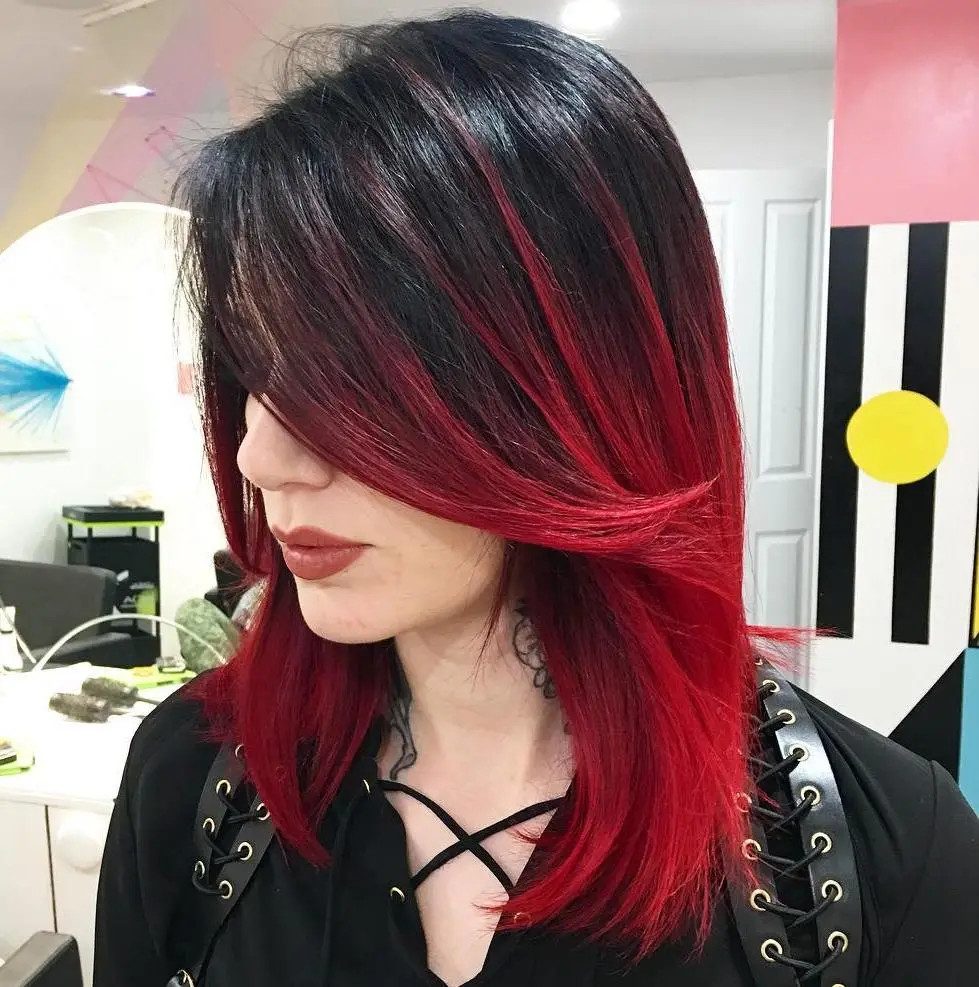
I will admit I was skeptical about a sleek blowout on thick, straight collarbone hair. The photo shows it working: side-swept bangs, black base with red highlights, a side part that adds volume at the crown. The layers are cut to hold shape, not collapse by noon. The downside? Maintaining that smooth finish requires a round brush and patience. If you air-dry, the layers stack differently. The red highlights sit on the surface, so they fade faster than the base. A toning shampoo every two weeks keeps them from turning orange. Book a salon for the initial colour — the contrast between black and red needs a clean lift.
Long Layers Visual Idea
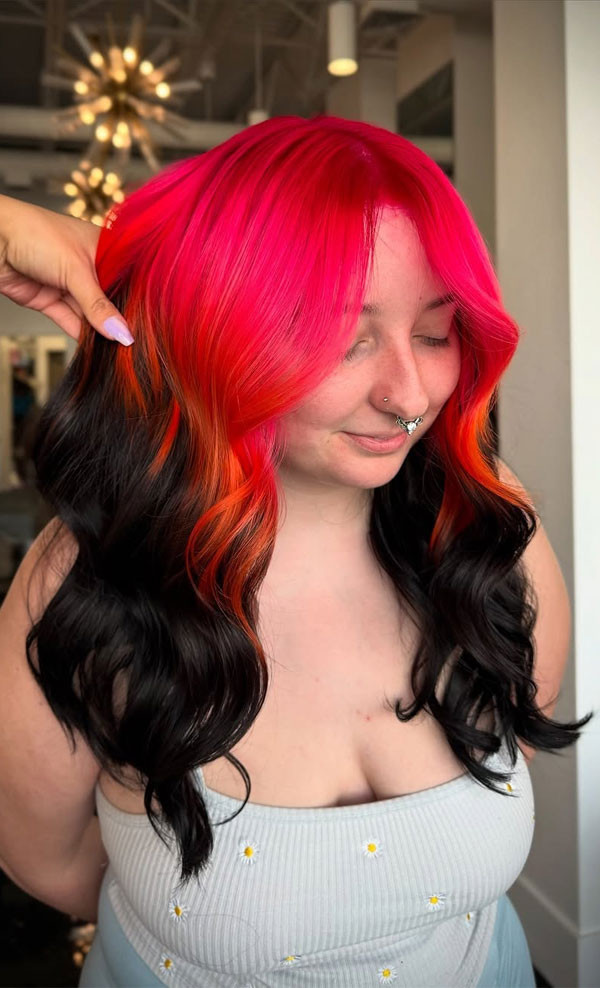
That front view stops you. Mid-back long layers, a black base, and vivid pink and orange highlights that read almost neon against the dark. The curtain bangs frame the face without shortening it. Loose waves let the colour shift in the light — pink catches the sun, orange reads warmer in shadow. The thick, wavy texture holds the wave pattern without product. This is a salon-only colour: lifting black to pink and orange requires two processes and a stylist who knows how to place highlights so they do not look striped. The contrast is the point. It is not subtle. That is why it works.
Black To Vibrant Pink Ombre Visual Idea
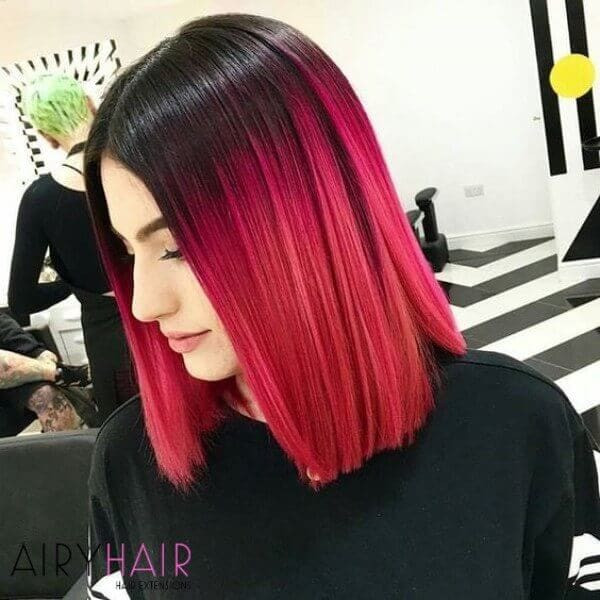
The transition is precise: black at the roots, then a clean shift to vibrant pink at the collarbone. On fine, straight hair, that line matters. A blurry ombre reads as grown-out colour. This one is deliberate. The collarbone bob keeps the ends blunt, so the pink reads as a block of colour, not a fade. Straight blowout styling shows every seam of the technique. Upkeep means scheduling a toning gloss every four weeks to keep the pink from washing to peach. The black base stays cool with a blue-based shampoo. Fine hair needs less product to hold the style, but it also shows every split end faster. Trim every six weeks.
Visual Idea — The Parting Is In The Middle
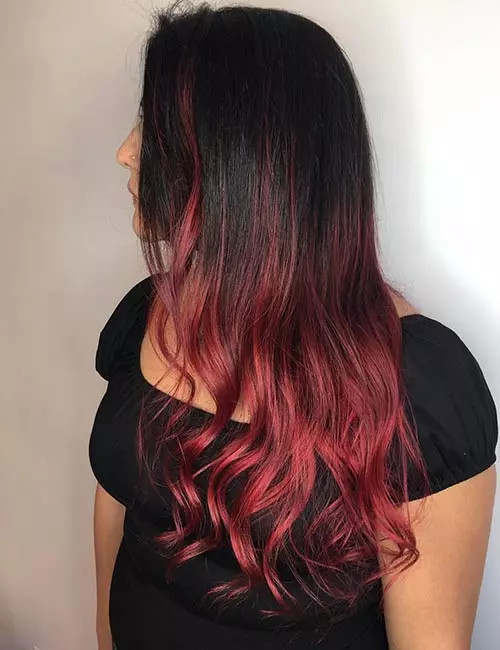
Does a middle part work on your face shape? It widens round faces and lengthens square ones. On an oval face, it is neutral — no correction needed. The mid-back length with long layers and loose waves adds width at the cheekbone and jaw, so if you have a narrow face, this balances it. The red ombre starts below the shoulder, which keeps the dark base close to the face. That matters if you want contrast without washing out your complexion.
The side view shows the gradient: black at the roots, then a smooth shift to red at the ends. The loose waves break up the colour so it does not read as a solid line. Thick, wavy hair holds this shape without curling. Fine hair would need a texture spray and a curling wand. The middle part requires symmetry — if your hair parts naturally on one side, training it takes about two weeks of wet-combing and clipping.
Black Base With Deep Red Highlights Visual Idea
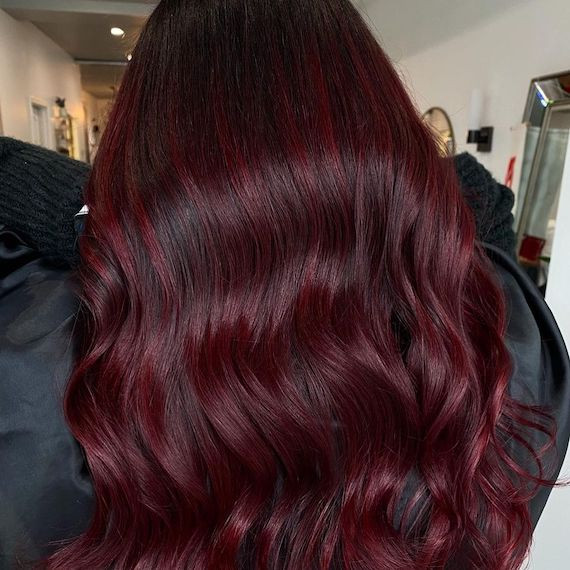
From the back, this one wins. The thick, wavy collarbone cut with a middle part lets those deep red highlights read as deliberate stripes, not an afterthought. A front view hides the distribution; the back shows the full arc of the colour from root to wave. It is a fall colour, the kind that catches overhead light and holds its own against a dark coat. For anyone who wants the drama without the fringe, this is the angle that sells it.
Bob Visual Idea
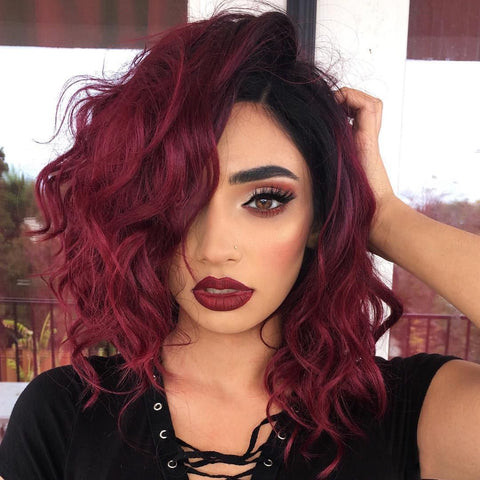
Monday morning, day three, and the side bangs still sit. That is the quiet win of a close-crop bob with a deep red ombre. The black base fades into red at the collarbone, and the loose waves keep the colour from looking flat. Here is the reality: a bob this short needs a trim every five to six weeks or the shape turns into a helmet. The side bangs grow past the eyebrow by week four, and you will either learn to tuck or book sooner. The wavy, thick texture holds the wave without a fight, which means fifteen minutes with a round brush and you are out the door. It is not a low-maintenance cut. It is a high-reward one.
Visual Idea — Straight Layers And Subtle Waves
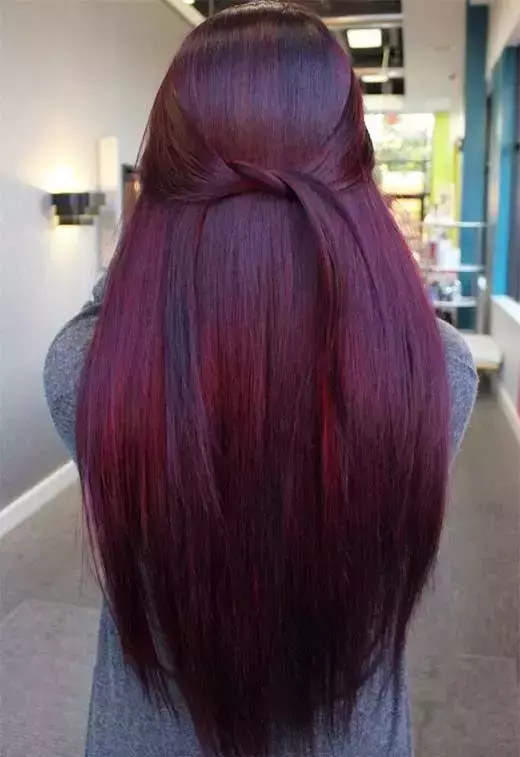
I will admit it: I usually skip back views. They show the colour distribution, sure, but they rarely make me want the cut. This one did. The mid-back length with long, straight layers and subtle waves lets the striking red balayage sit in the middle of each section, not just the ends. The dark base keeps the whole thing grounded. A middle part splits the colour evenly, so the red reads as intentional, not accidental. It is a straight texture that moves, and that is harder to pull off than it looks.
Visual Idea — The Hair Has A Side Parting
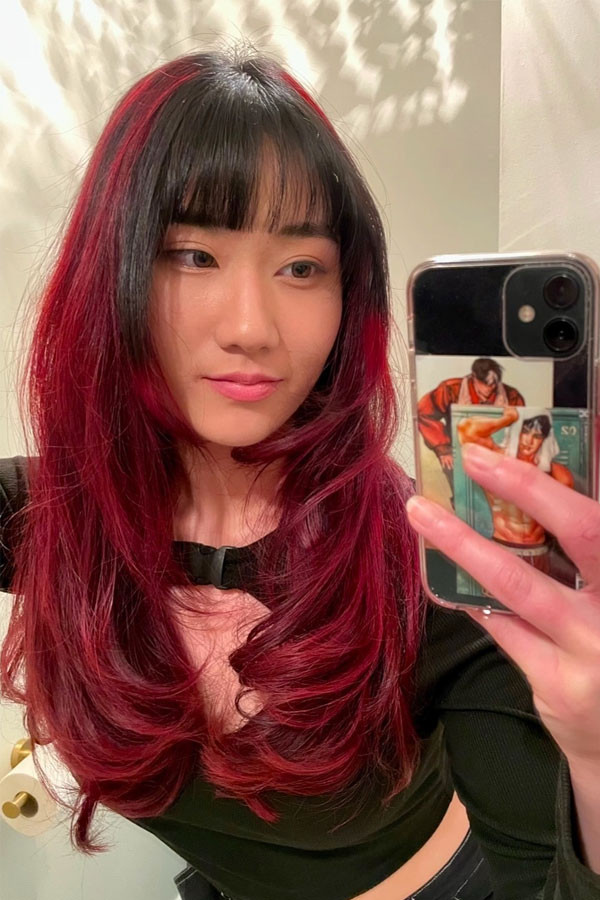
I was ready to roll my eyes at cherry red layers with a black blunt fringe, but the side parting saves it. The contrast is loud, yet the soft waves keep it from feeling like a costume. This is a salon job, not a bathroom-mirror experiment. The black fringe needs a steady hand to stay blunt, and the cherry red needs a gloss to keep its richness. If you’re tempted to DIY, don’t. Book the consultation first.
Deep Red Visual Idea
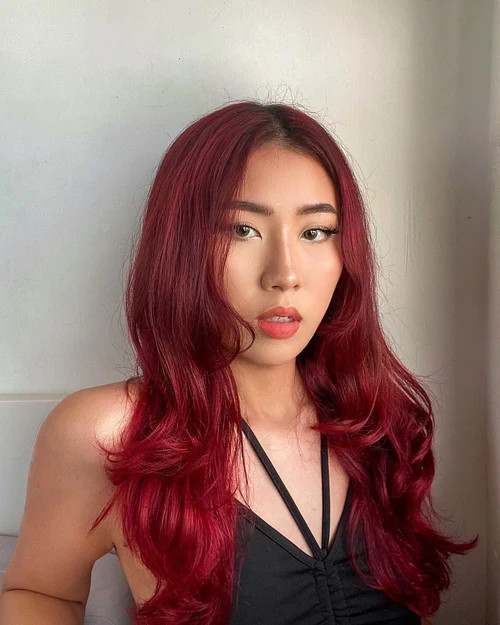
A solid deep red hue at collarbone length is a commitment, but it flatters anyone with warm undertones and a thick, wavy texture that can carry the weight. The middle part widens a round face, so skip it if that’s you. The blowout gives it movement, but the colour is the star. It’s not a subtle shade, it’s a statement. If you have fine hair, this depth will read as flat, not rich.
No Bangs Visual Idea
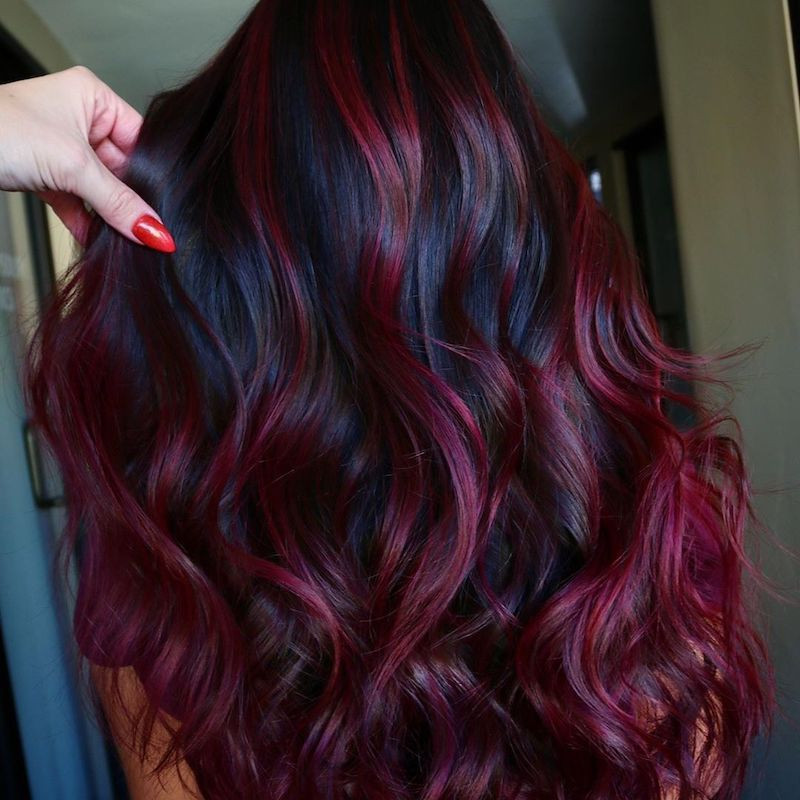
How much maintenance is too much for red and black hair? This mid-back length with deep red highlights and balayage on a black base is gorgeous, but it’s a weekly commitment. The middle part shows every root line, so you’ll be toning every four weeks. The wavy texture hides the grow-out, but the balayage needs a salon refresh every three months. If you’re not ready for that, pick a different look.
Deep Red With Black Undertones Visual Idea
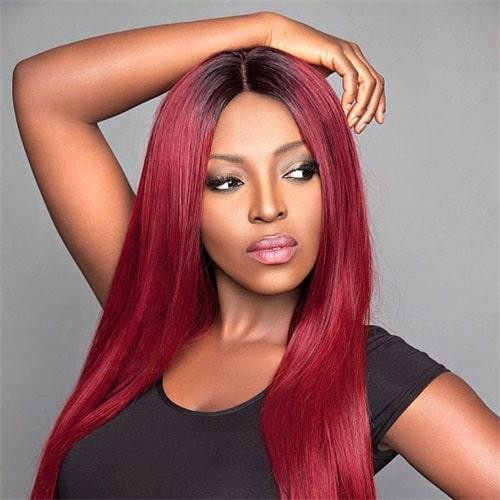
This is the color that makes you look twice. Deep red with black undertones on mid-back long layers, styled in loose waves. The black undertone is not a separate dye. It is the base itself, a near-black brown that the red sits on top of. The stylist applies a translucent red over that dark base, so the red reads saturated at the surface and black underneath when the light shifts. On thick, wavy texture, the undertone catches in the wave troughs and the red catches on the crests. That is the science of it. A single color, two distinct tones depending on how the hair falls.
Black And Vibrant Red Vertical Stripes Visual Idea
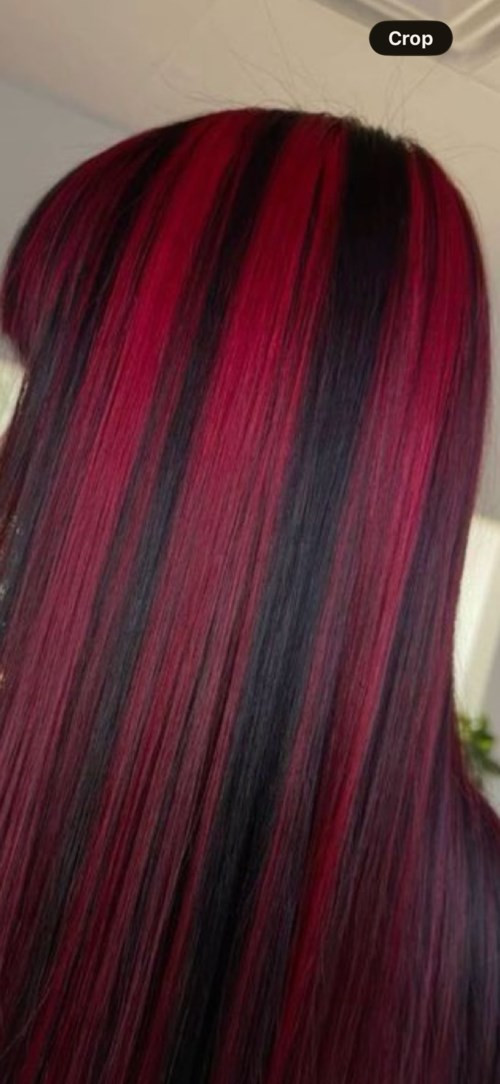
Imagine a zebra, but make it hair. Black and vibrant red vertical stripes on mid-back straight hair with blunt bangs, and it is exactly as graphic as it sounds. The stylist sections the hair into vertical panels and alternates black and red, no blending, no gradient. The stripes run from root to tip in clean lines. Against a blended balayage, where red melts into black, this is the opposite. It is deliberate, unapologetic, and it demands precision.
Here is the honest downside. The grow-out is not subtle. That blunt line at the root where black meets scalp shows at week three, and the red stripes fade faster than the black because red pigment molecules are smaller and escape the cuticle sooner. You will need a toner visit every four weeks to keep the red stripes from turning orange. Straight, thick texture holds the stripe definition best. Wavy or curly hair blurs the boundary, and the whole point is the boundary.
Final Thoughts
I started this roundup thinking red and black was a bold statement. After seeing all 28 ideas, I realize it’s more versatile than I thought. The best part is how the red fades gracefully into a warm tone, not brassy. I’m booking the black base with deep red face-framing ombré next. It’s the grow-out that sold me.

