
I keep seeing copper in the salon chair next to mine, and it’s not the same copper I remember from high school. It’s warmer, deeper, more lived-in, like the color grew up while I wasn’t looking. I have opinions about that, and about every shade in between.
This roundup covers 22 Red Hair Colors, from low-maintenance auburn to vivid streaks that need a plan. You’ll find the honest grow-out timeline, which face shapes and hair textures each one flatters, and whether it’s a salon job or a bathroom mirror risk. My fine hair goes flat by 4 pm, so I notice which cuts hold their shape and which collapse by dinner.
Long Layered Auburn With Copper Highlights
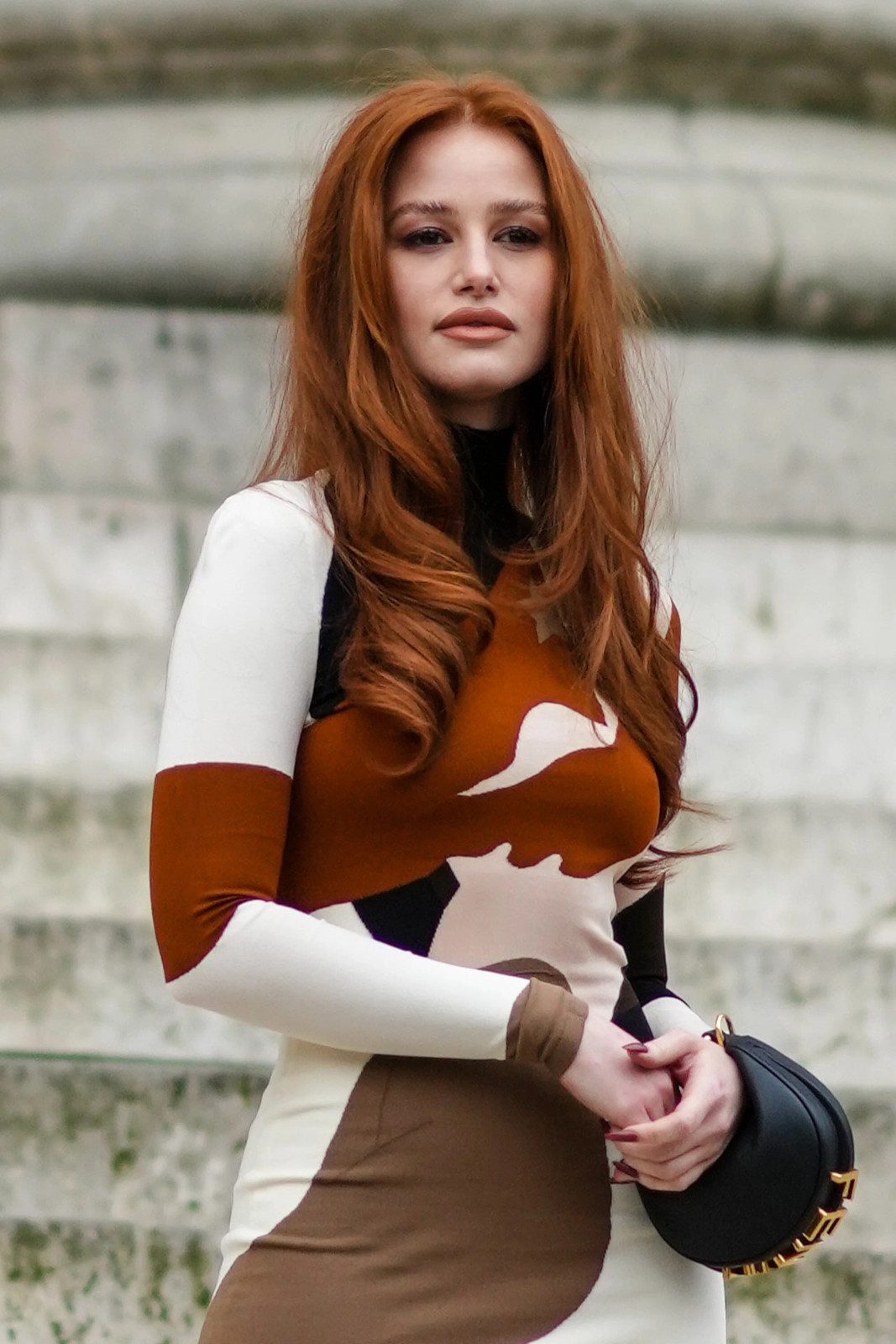
This is the shade that makes you wonder why you ever bothered with brunette. The deep auburn base sits dark and grounded, then the copper highlights catch light along every layer. Long hair needs that movement or it reads as one flat block of color. The layers here do the work: they let the copper climb from mid-length to ends, so the dimension shifts when you turn your head. A middle part keeps the weight centered, which matters for thick textures. Fine hair would lose the shape by noon. This one holds because the base is rich enough to anchor the bright pieces. The result is warm without tipping into orange, dimensional without looking streaky.
It flatters anyone with medium to high contrast features. If your natural level is deeper than a six, the auburn base will read as grown-in, not painted on. The grow-out is gentle: dark roots blend into the auburn for about six weeks before the line shows. You will need a toner refresh every second visit to keep the copper from pulling brassy. Ask for a root shadow at the second appointment. It buys you another month of not caring about the line.
Collarbone Length Auburn With Copper
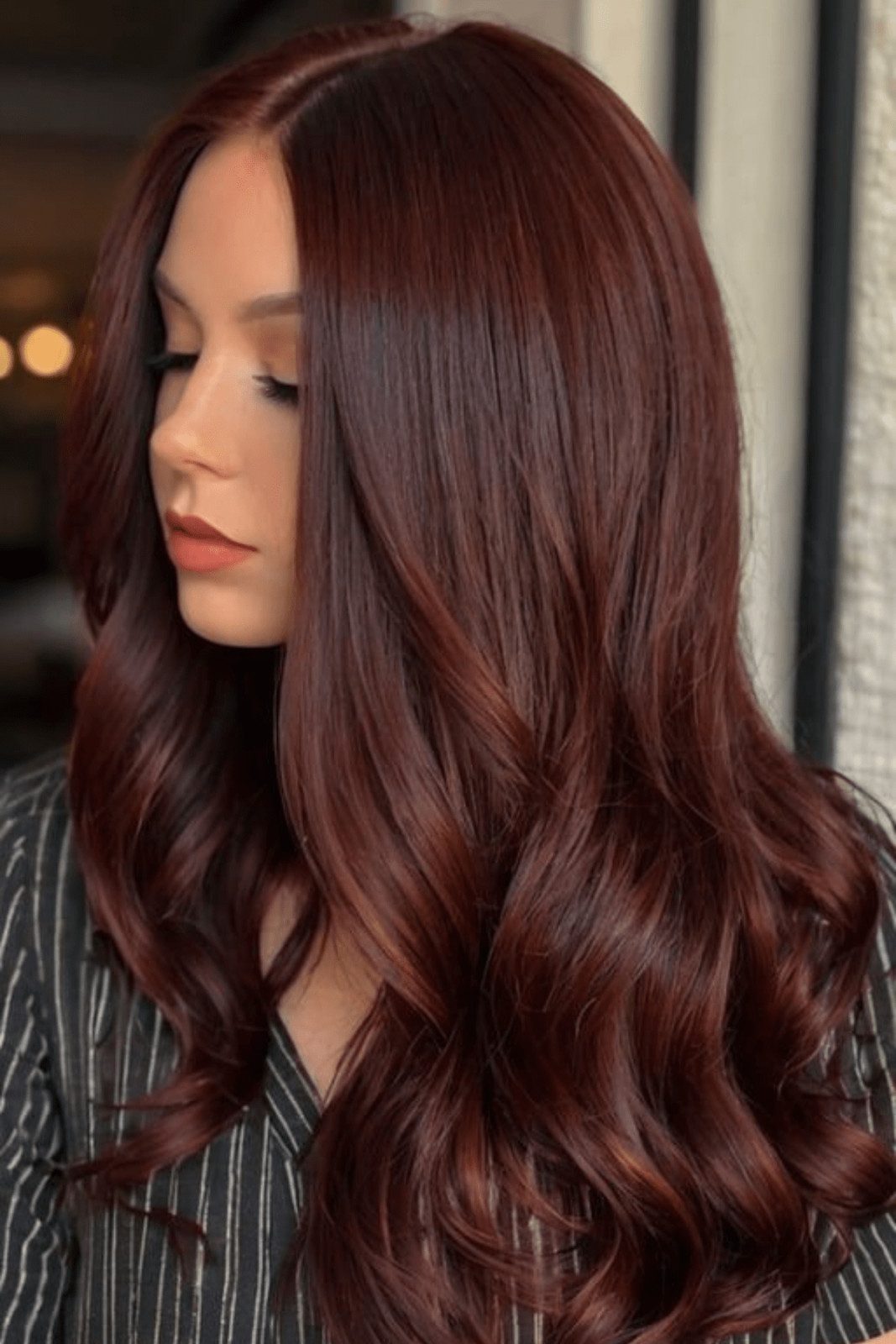
Long layers are fine. This is better. The collarbone length keeps the auburn with copper highlights concentrated where you actually see them, not scattered across two feet of ends that hit your chair back. The payoff is immediate: the color reads richer because there is less hair to dilute it. A blowout with a round brush takes fifteen minutes and holds all day. The shape is blunt enough to look polished, layered enough to move. No bangs means you can push it back on day three and still look intentional.
The upkeep is the real win. A trim every eight weeks keeps the hemline clean, and the color needs a refresh every six to eight. That is less than most reds. The copper stays warm because the base is deep enough to resist fading to pink. If your texture is fine, this length keeps volume without layers that disappear. If it is thick, the blunt baseline stops it from fluffing out. Middle part, round brush, done.
Copper Red With Face-Framing Bangs
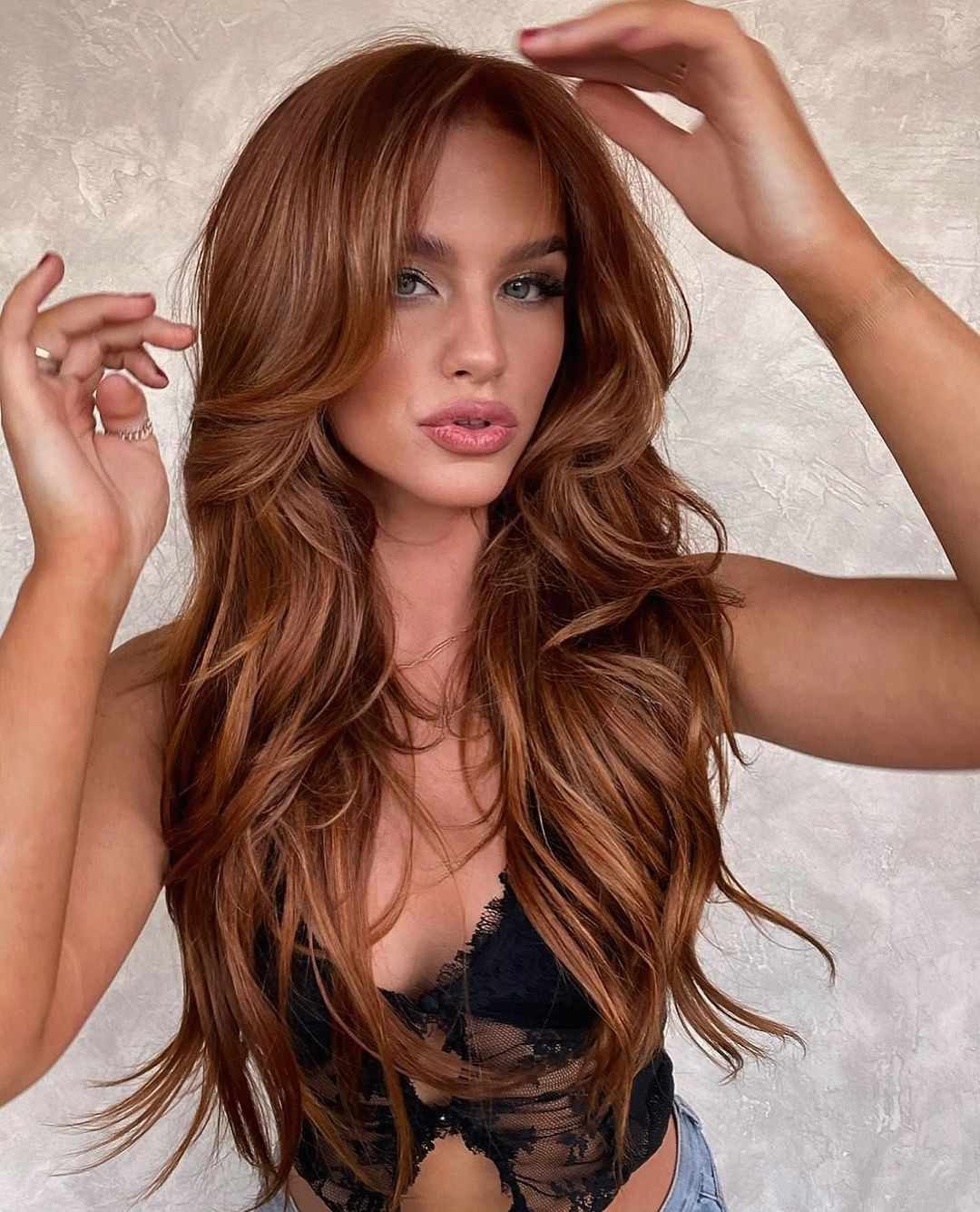
When did curtain bangs and copper red become the same sentence? They work because the bangs pull the color forward. A copper red base with subtle highlights catches light right at the cheekbone, which is where curtain bangs naturally fall. The layers are cut to graduate from short at the front to longer toward the back, so the color builds from bright at the face to deeper at the nape. That gradient is the whole trick: it makes the red look intentional, not accidental. The texture is thick and wavy, which gives the bangs something to land on. Fine hair would need a texturizing spray to keep them from separating by noon.
What to tell the stylist: curtain bangs that hit the cheekbone, face-framing layers that start at the chin, and a copper red base with highlights two shades lighter. The bangs need a trim every four weeks. The color needs a gloss every six. Book both on the same appointment or you will forget the bangs until they hit your lip.
Vibrant Ginger Mid-Back Waves
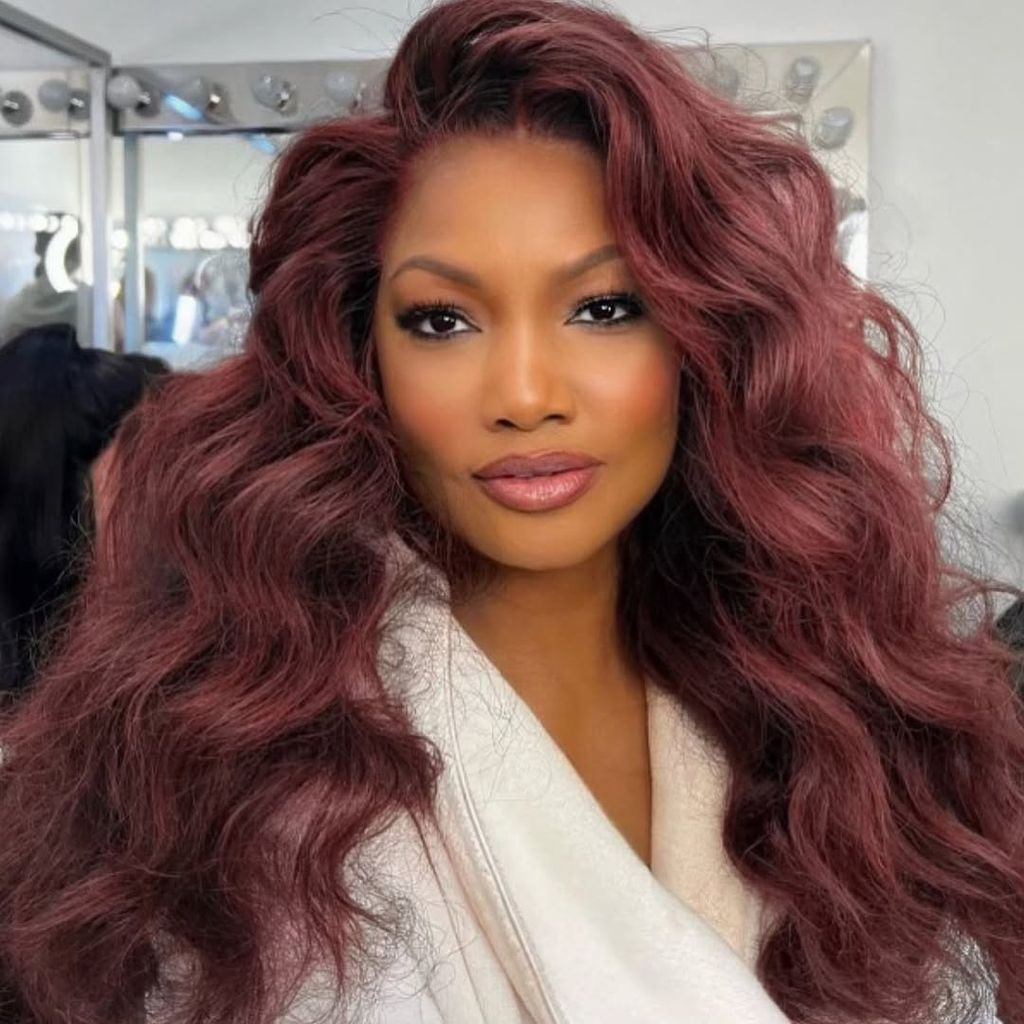
Monday morning, you wash it. Tuesday, it is still bright. Wednesday, the waves drop to soft bends. Thursday, you wear it half-up. Friday, you re-wet the ends and call it intentional. That is the real week with vibrant ginger hair color at mid-back length. The color is the star here: a true ginger that sits between copper and orange, no brown to mute it. Loose waves give the shade somewhere to live, because straight hair would show every uneven patch of saturation. The layers are long and soft, cut to keep the weight moving. Thick texture helps the waves hold past day two. Fine hair would need a texture spray and a prayer.
This is a summer color. It reads best in natural light, and it fades fastest in hard water. A color-depositing conditioner in the shower keeps it from turning brassy between salon visits. The salon visit itself runs every four to six weeks. That is the cost of being this bright. The payoff is that it photographs like a filter.
Black With Vibrant Red Streaks
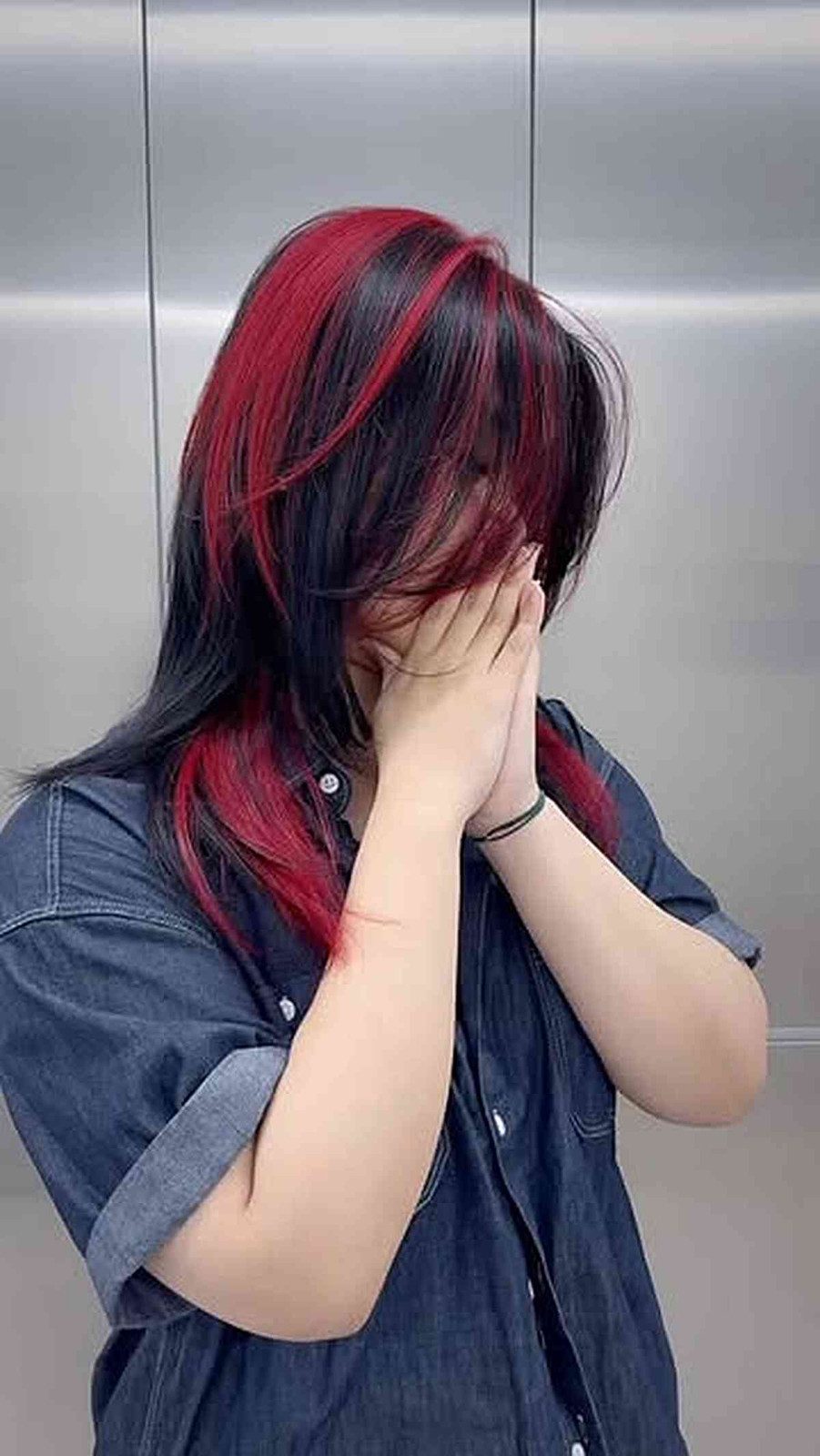
I wanted to do this myself. I am glad I did not. Black hair with red highlights is not a box-dye situation. The black base needs to be deep enough that the red reads as a contrast, not a mistake. The red streaks here are placed with balayage, which means they are painted on freehand, concentrated around the face and through the mid-lengths. The result is a side-parted, shoulder-length cut with face-framing layers that pull the red forward. The texture is straight and medium density, which lets the streaks sit clean without competing with waves. The red pops because the black is a true black, not a dark brown.
Deep Red Shoulder Length Curls
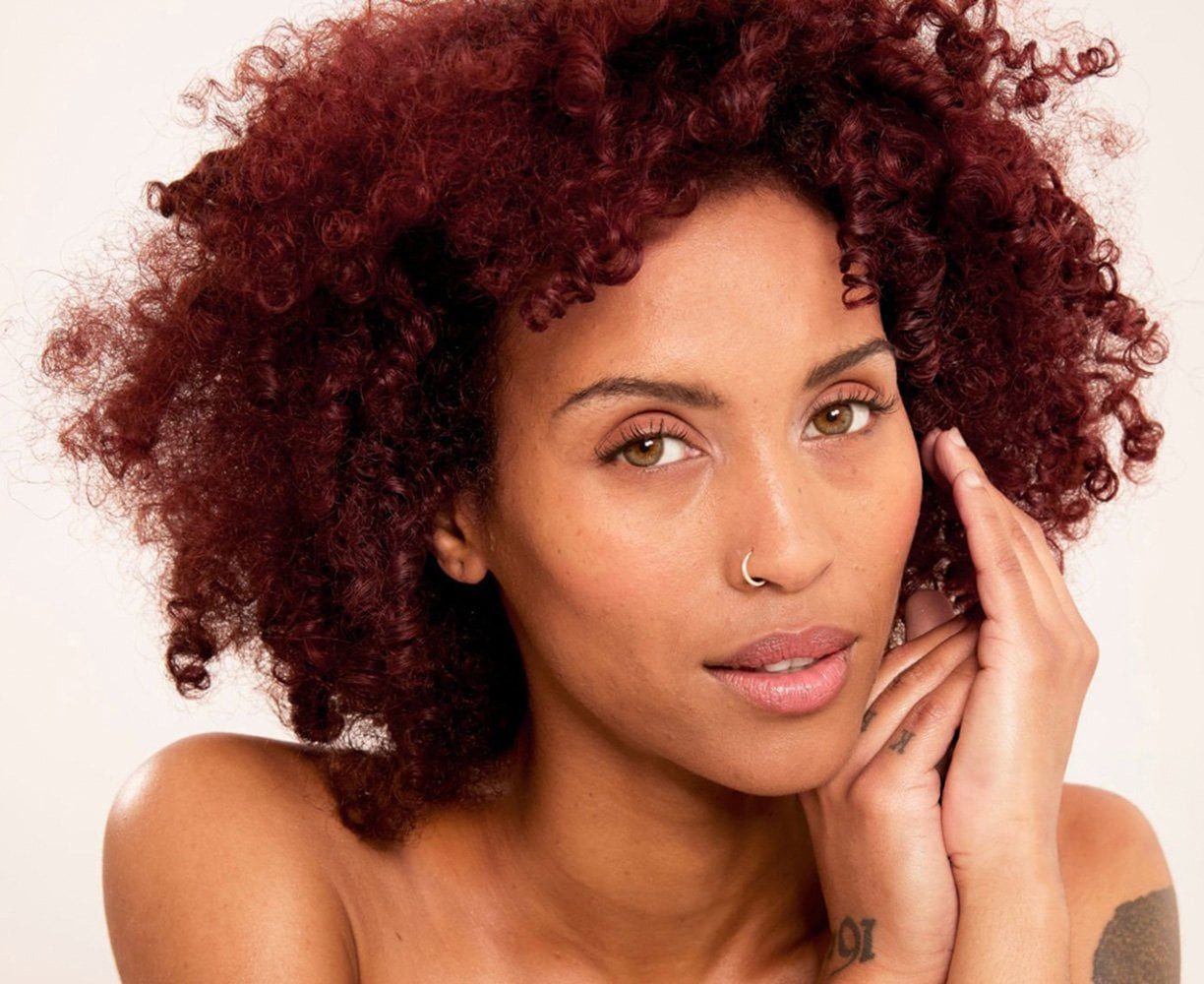
Rich, deep red curls. That is what the photo promises, and it delivers. The colour is a deep red, almost wine-dark in the shadows, and the technique is a single-process all-over dye on shoulder-length, thick, curly hair. The tone is cool-leaning, which means it reads expensive, not Halloween. But here is the honest downside: deep red curls fade fast. That cool tone shifts warm by week three, and curls lose definition faster on color-treated strands. You need a color-safe shampoo and a cool rinse. Refresh every six to eight weeks. Skip if you wash daily.
Copper Red With Warm Undertones
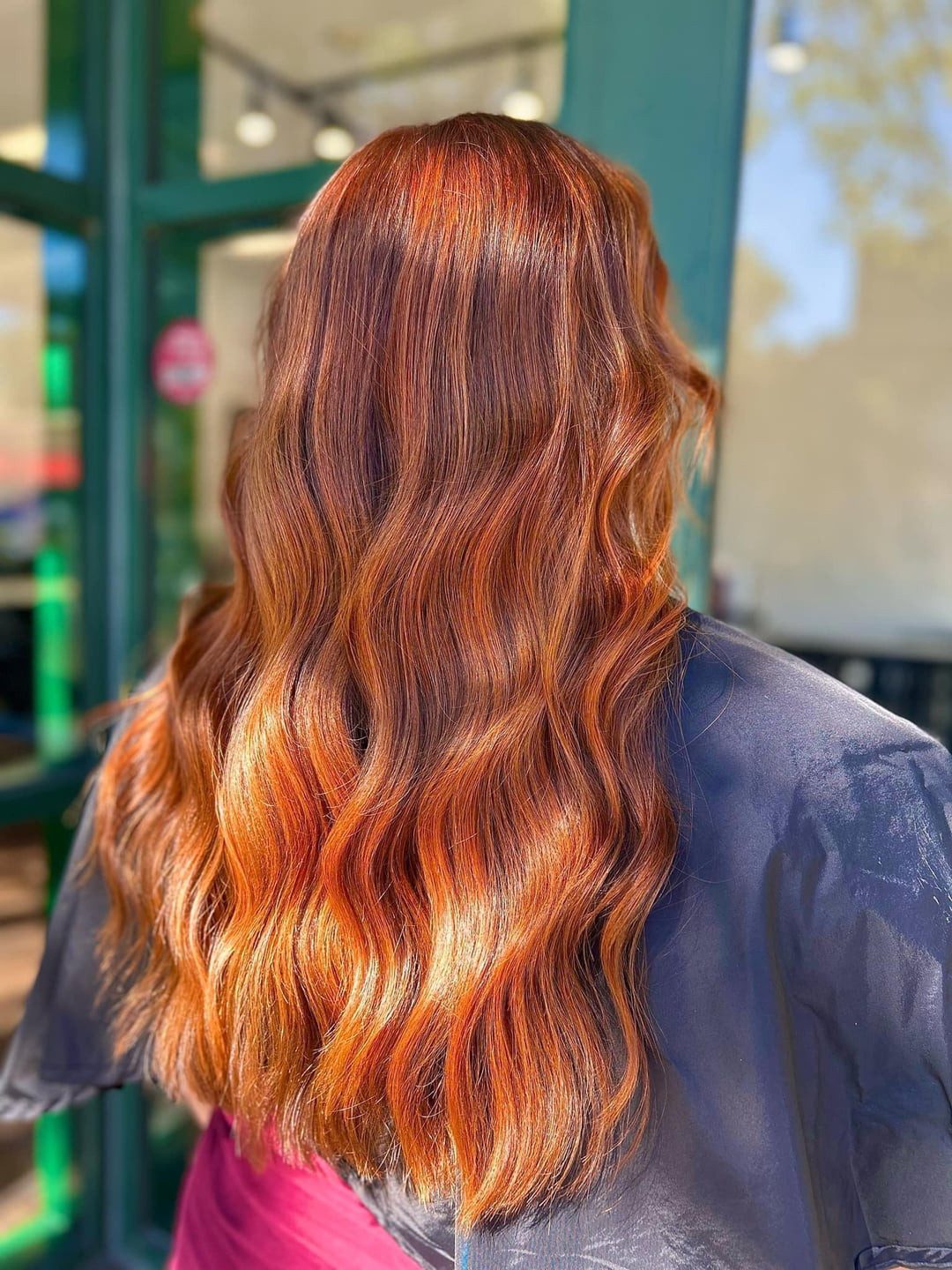
This copper red with warm undertones is built on a double process. First, a lift to a pale gold base, then a semi-permanent copper red deposited over it. The warmth comes from the undertone, not the top shade, which is why it reads vibrant and not brassy. The length is mid-back, the texture is wavy and thick, and the tone is pure warm copper. No ash, no violet, just orange-gold.
Upkeep is the trade-off. The warm undertones fade first, usually by week four, leaving a flat, coppery beige behind. A color-depositing conditioner in a warm copper tone buys you two more weeks. Avoid hot water in the shower, it opens the cuticle and the pigment walks right out. Plan for a full refresh every six to eight weeks.
Vibrant Cherry Red Curls

Does vibrant cherry red hair suit you? It depends on your skin’s undertone. This shade is a cool, blue-based red, so it flatters cool and neutral undertones best. Warm or olive undertones can read sallow next to it, unless you add a warm gloss over the top. The colour is vibrant cherry red, applied as a single all-over dye on mid-back, wavy, thick hair. The tone is intense, uniform, and glossy, no highlights, no dimension. The cut is layered to let the curls move, but the colour is the star.
If your skin runs warm, ask your stylist for a copper-red base with cherry red highlights instead. You get the intensity without the clash. For cool and neutral tones, this is a straight-up win. The curls hold the colour well because the cuticle is naturally tighter, but expect fading at the ends by week five. A color-protecting serum helps, but nothing stops the fade entirely.
Copper With Golden Undertones
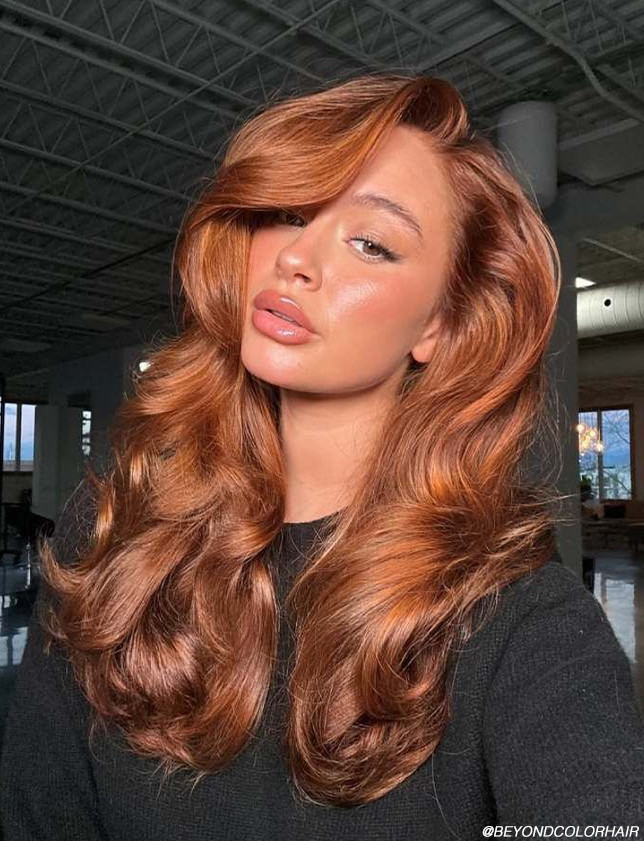
Best color for anyone who wants red without the maintenance drama. The vibrant copper with golden undertones hits that sweet spot between natural and intentional. This is a mid-back length, thick, wavy texture that holds a voluminous blowout with curls for about a day before it starts relaxing. Side-swept bangs need trimming every four weeks. The color itself? It fades warm, not brassy, which buys you a solid six to eight weeks between refreshes. The shine is the thing, that intense copper glow catches light from across the room. Twenty-five minutes with a round brush and you are event-ready.
Deep Red Wine Shade
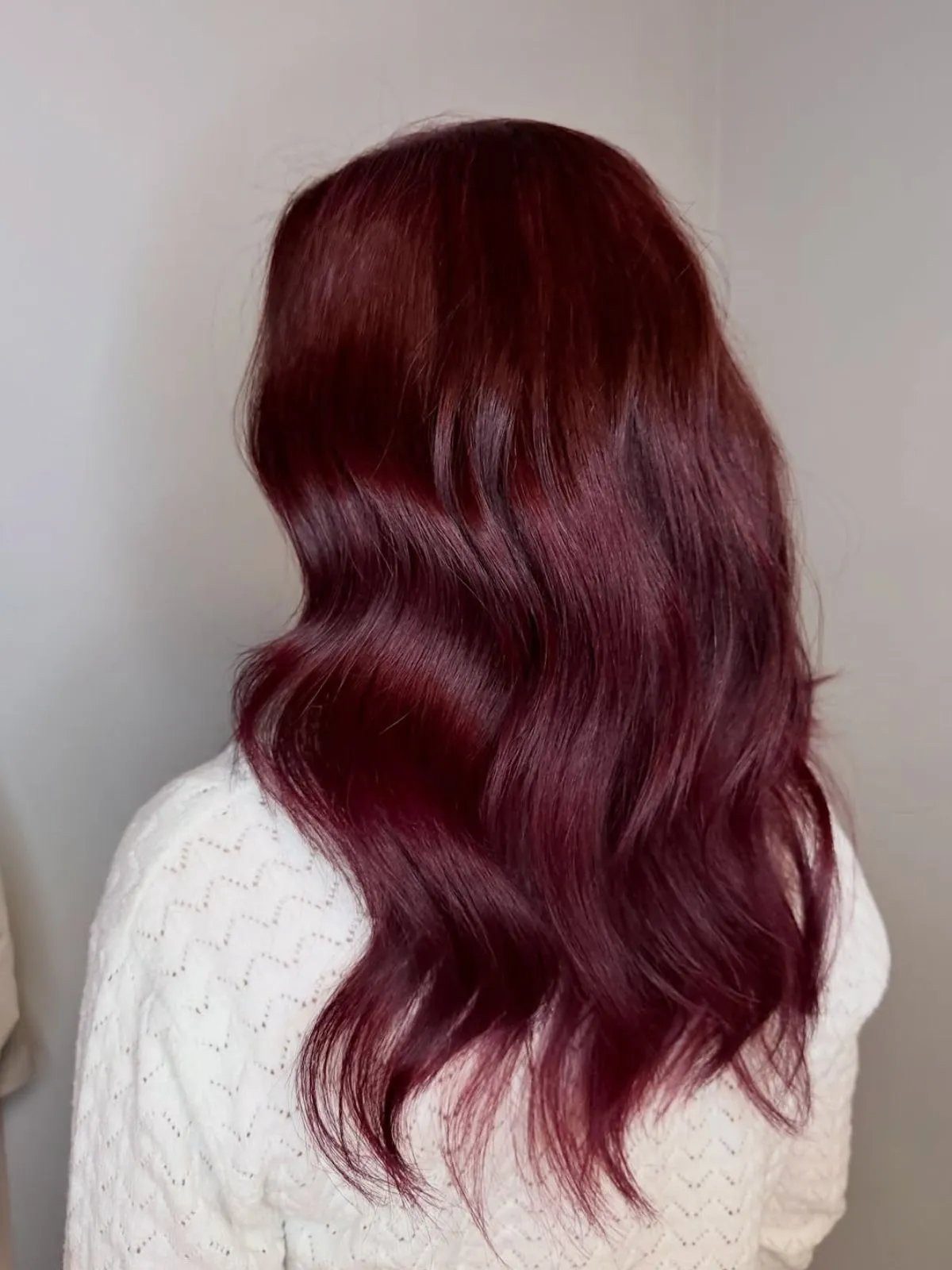
This is what I wanted when I asked for red and got traffic cone instead. The deep red wine hair color sits somewhere between burgundy and black cherry, a shade that reads brown in dim light and turns unmistakably red in the sun. It is a mid-back length with long layers, thick, wavy texture styled into loose waves. That takes about twenty minutes with a curling wand and a heat protectant. The color is the payoff, rich and dimensional, no highlights needed.
Compared to brighter reds, this one is easier to live with. Roots show slower because the base is dark. Fading goes toward a wearable rose tone rather than orange. The tradeoff is upkeep, salon every six to eight weeks to keep the depth from going flat. Skip the heat tools without protection and it will hold its richness longer. It is not a low-maintenance color, but it is a sophisticated one.
Visual Idea
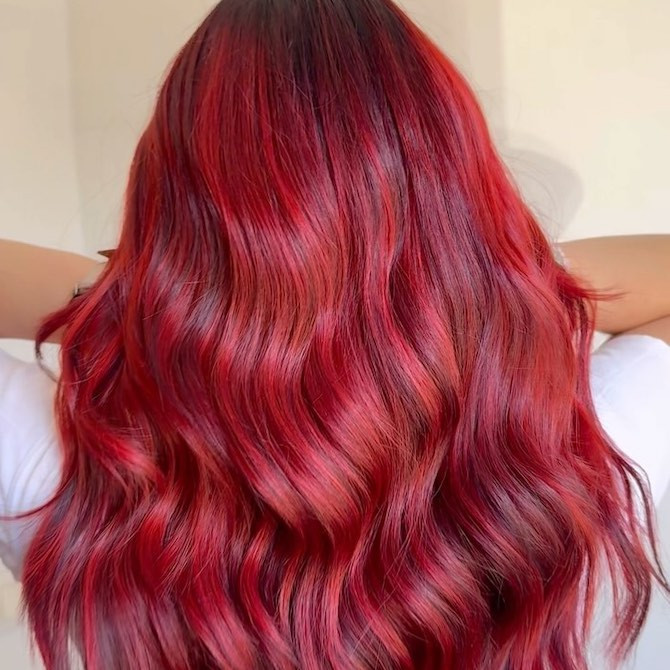
This is what happens when a stylist doesn’t just slap one red on and call it a day. The base is a bright red, but the highlights lift sections a full shade lighter, so the color catches light in different places as you move. Wavy, thick texture helps — the waves create pockets of shadow that make the highlights read even more dimensional. Mid-back length gives enough canvas for the technique to travel. This is not a box-dye job. The lift required for that contrast needs a bowl and foil, and a stylist who understands how red pigments layer.
Book the consultation first. You want someone who can show you where the highlights will fall, not guess.
Collarbone Visual Idea
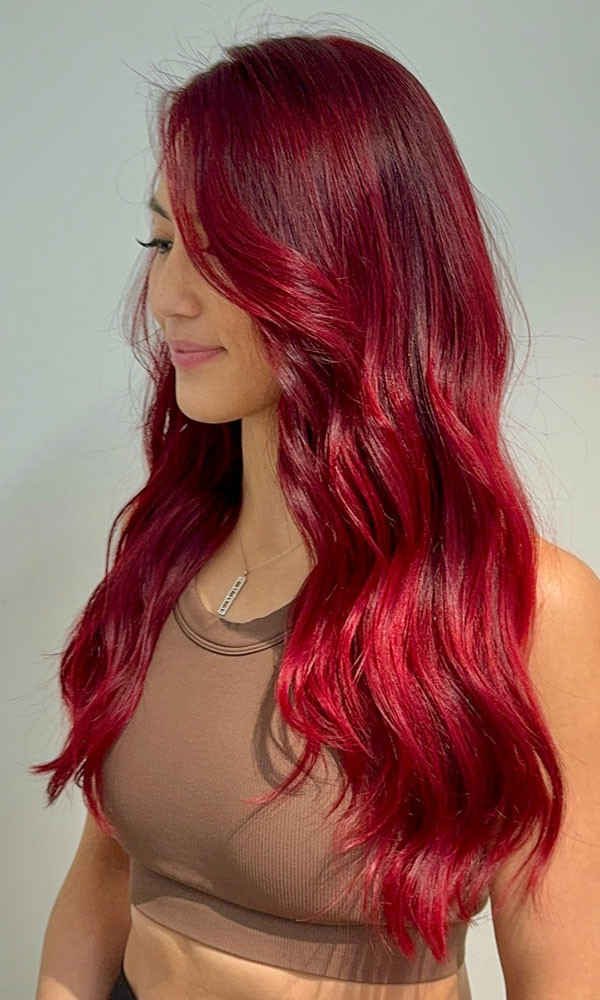
Can your hair carry a vibrant cherry red with subtle darker undertones at collarbone length? Yes, if you have medium density. Too fine and the darker undertones read as a flat stain. Too thick and the cherry gets swallowed. The loose waves here do the work — they let the undertone peek through at the bends without the color going muddy. Side part and curtain bangs keep the look from feeling heavy. This is a color that needs a salon formula, not a box. The undertone mix is specific.
Mid-Back Visual Idea
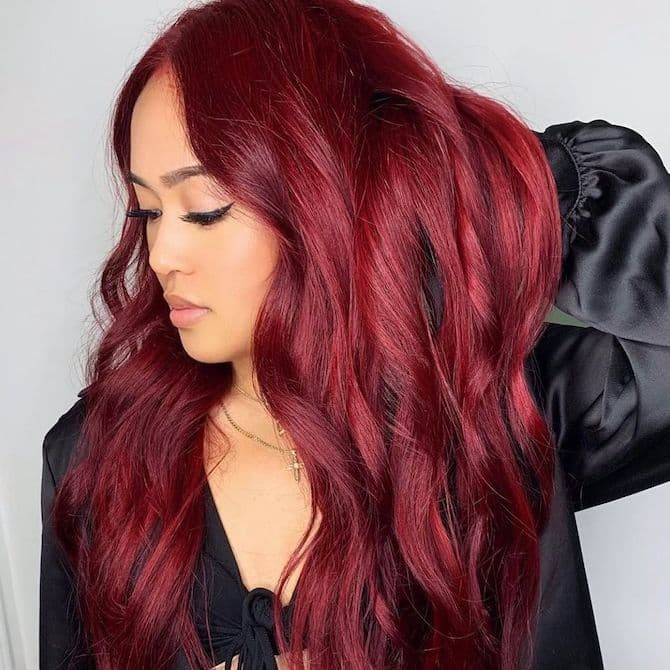
Monday morning, the ruby red is still uniform. Tuesday, a little duller at the ends. By Thursday, the mid-lengths have a slight warmth that wasn’t there on day one. That is the reality of a deep ruby red at mid-back length. The color is vibrant and uniform when fresh, but red pigment fades faster than brown or black, and long hair means the ends have been processed more. Thick, wavy texture helps — the waves scatter light, so uneven fade is less obvious than it would be on straight, fine hair. No bangs, side part, loose waves. The honest downside is that this color demands a gloss between full color appointments, or the vibrancy drops by week four.
Deep Red Visual Idea
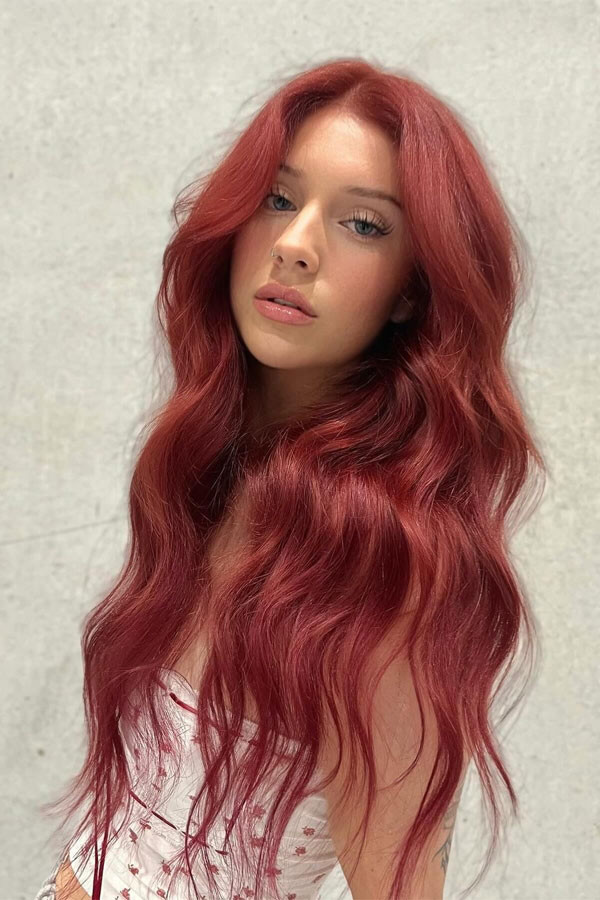
I’ll admit it. I thought a deep red would look flat, like I’d dipped my head in cranberry juice and called it a day. But this one, with long layers and a middle part, reads rich and uniform. The color is a deep red, no highlights, no lowlights, just one solid shade. And that is harder to pull off than it sounds. A single shade shows every patchy application, every uneven lift. Wavy, thick texture at mid-back length saves it — the movement breaks up the color so it doesn’t look like a painted helmet. Maintenance is a gloss every five weeks to keep the depth from going burgundy. Worth the schedule.
Bright Fiery Red Visual Idea
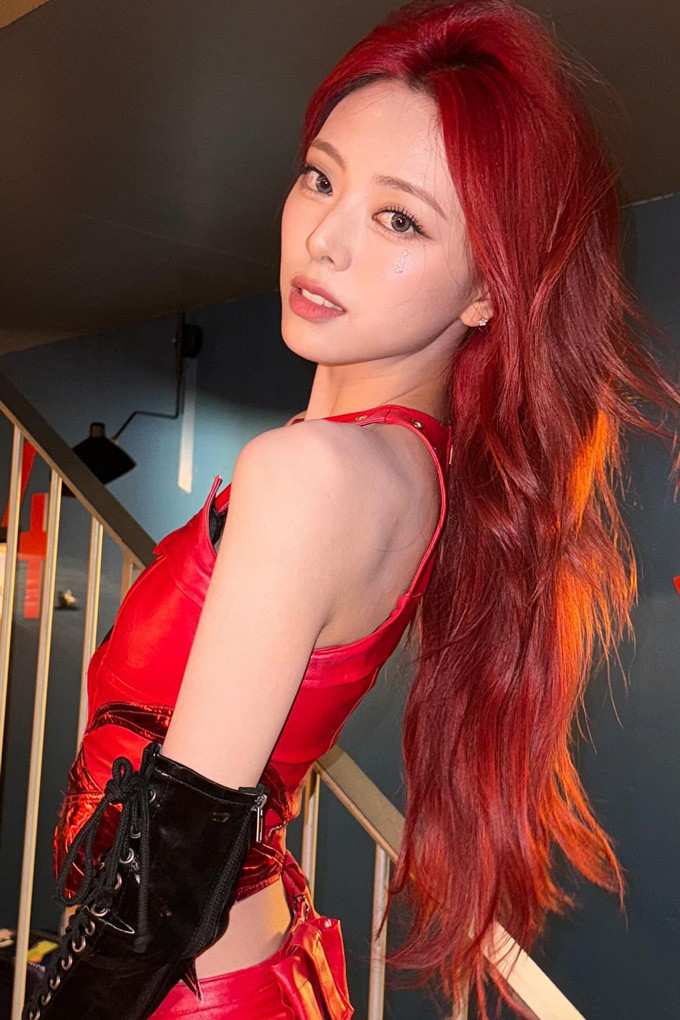
This is not a strawberry blonde or a rose gold that blushes and apologizes. This is a bright, fiery red that announces itself. Wavy, thick texture at mid-back length, long layers, wispy bangs, side part, loose textured waves. The intensity requires a pre-lighten to a pale yellow before the red can go on that bright, otherwise it lands muddy. That is a salon process, two to three hours depending on starting color. A box dye cannot lift enough to hit this saturation. If you want a red that says something, book the chair. This is not a bathroom-mirror job.
Layers Visual Idea
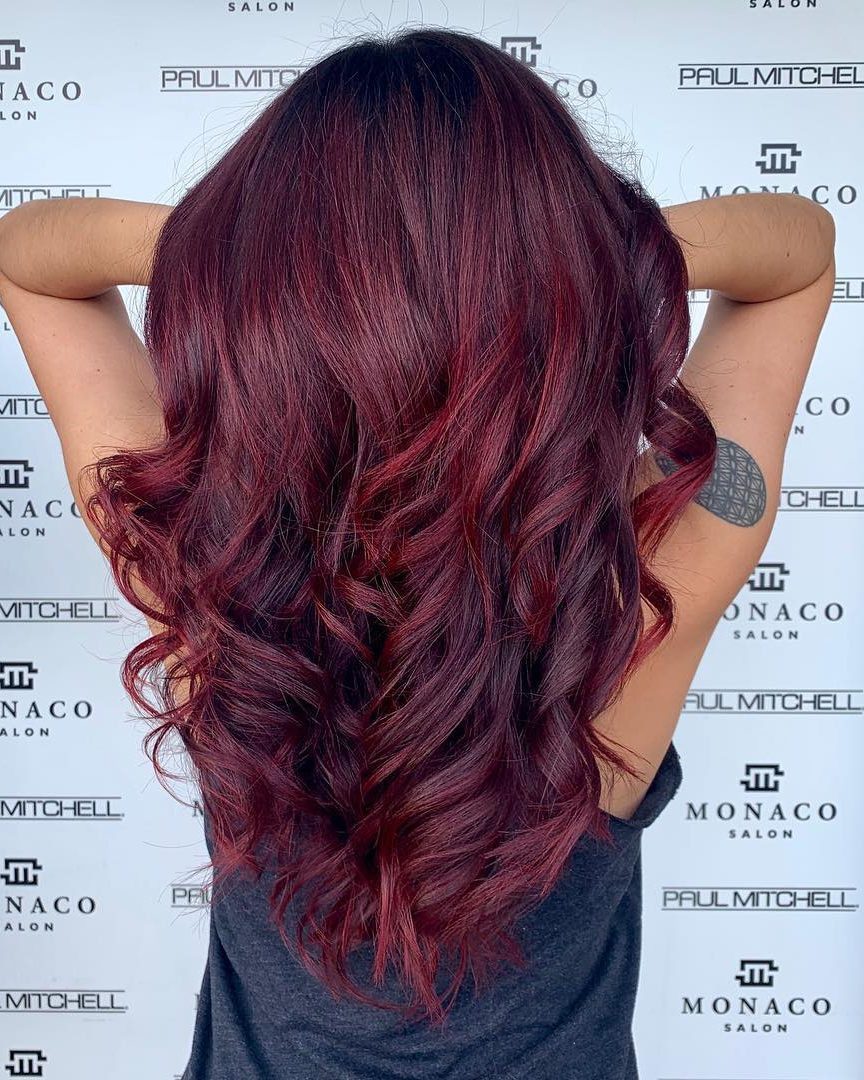
Ever wonder why some reds look flat and others look like they cost three times as much? The answer is in the layering technique. This is a deep red base with subtle lighter red highlights woven through the mid-lengths and ends, not painted on in chunks. The idea is to keep the depth at the root and let the lighter pieces catch light as the hair moves. The base is a rich, multi-dimensional red tone, the kind that shifts under different lighting. Mid-back length, thick, wavy texture, styled in loose waves that show off the dimension.
The technique is called a babylight placement, fine sections, hand-painted, no foils touching the scalp. It takes longer than a single-process red, about two and a half hours in the chair. But the grow-out is gentler, no harsh line, just a soft blend as the root comes in. The layers themselves are cut to follow the wave pattern, not fight it. That is the trick, the cut and the color working together so the dimension reads naturally.
No Bangs Visual Idea
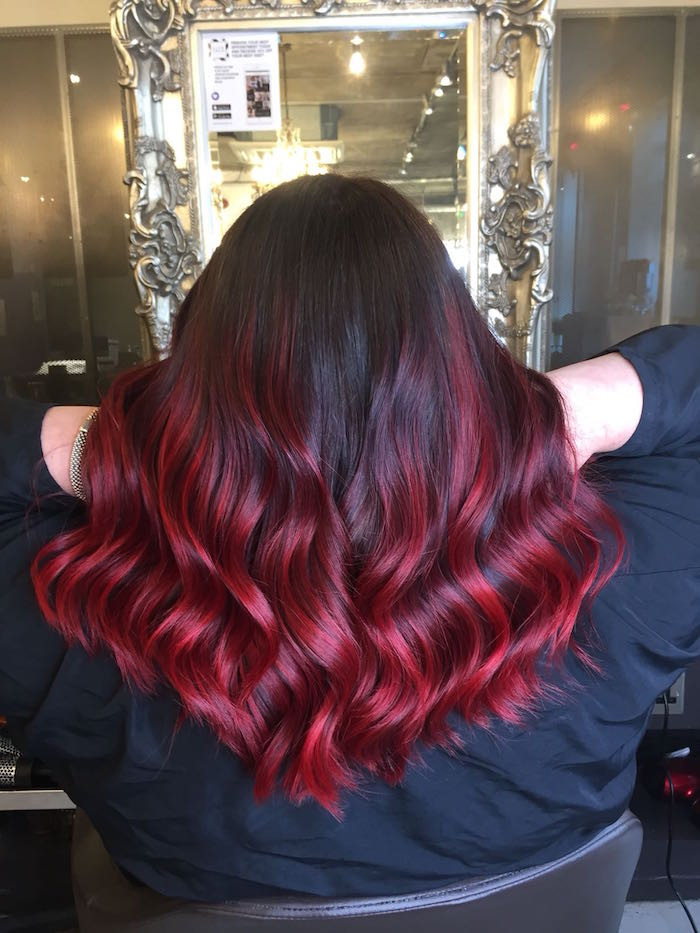
Honestly, I was skeptical about vibrant red with darker roots and lighter red balayage. The darker root reads intentional, not neglected, and the lighter balayage streaks through the mid-back length keep it from going flat. On thick, wavy texture, that contrast creates movement without a single bang in sight. The middle part lets the colour breathe, and the loose waves catch the light differently on each section. The honest downside: those darker roots will need a refresh every six to eight weeks if you want the contrast to stay sharp. Once the root grows past an inch, the whole thing starts looking more like a grow-out than a plan.
For upkeep, a purple shampoo is useless here. You want a red-depositing conditioner to keep the balayage from turning brassy. And book a toner visit at week four. That is the window where the red still pops and the root is still a choice.
Long Layers Visual Idea
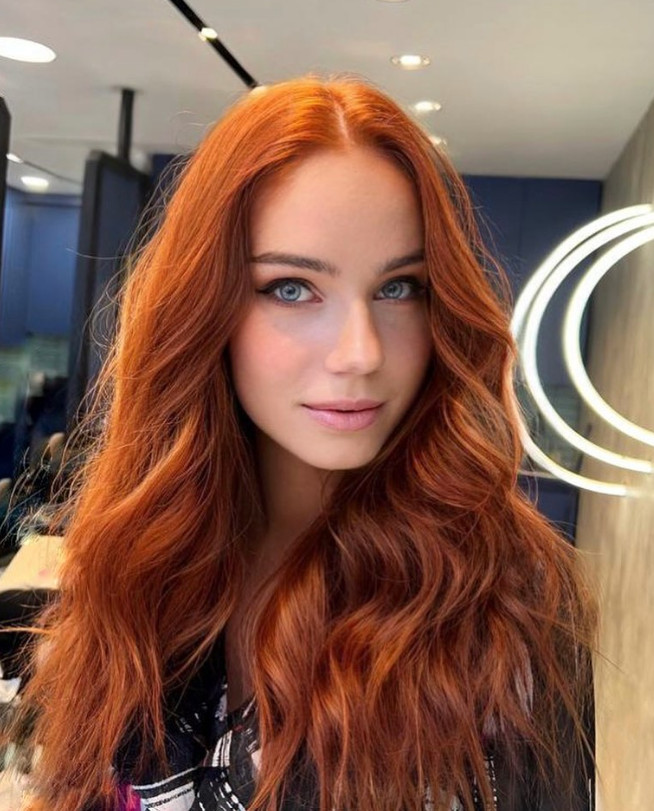
Bright fiery red on thick, wavy hair at mid-back length is a lot of colour. And that is exactly the point. This intense, uniform fiery red works best on someone who already owns a strong personal style because it does not blend into anything. The long layers keep the weight from feeling heavy, and the middle part lets the colour hit evenly on both sides. If your skin has cool undertones, this shade will read electric. Warm undertones and it reads more tomato than fire. Skip it if you prefer a subtle entrance. This one walks in before you do.
Copper Red With Blonde Highlights Visual Idea
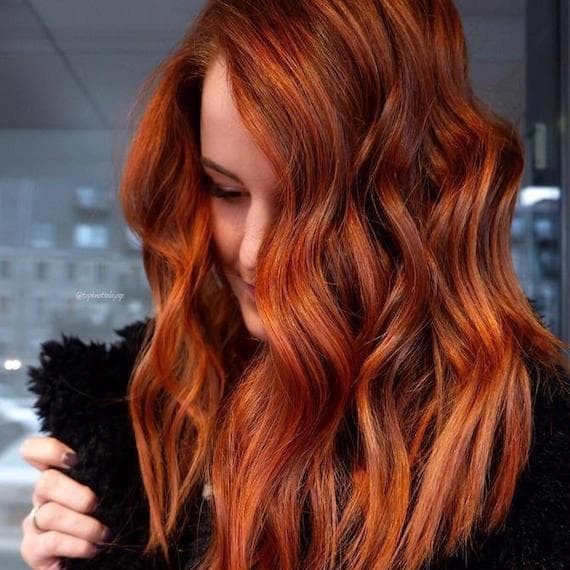
Copper red with blonde highlights at collarbone length is the colour that works from September through May. The vibrant copper tone carries the warmth of fall, but the blonde highlights lift it into spring without a full redo. On wavy, medium-density hair, the loose waves catch both tones separately, so you get dimension without asking for it. The side view here shows exactly how the blonde sits closer to the ends, which means your roots stay copper and the grow-out is soft. A summer version would need the blonde pulled higher. But for three seasons straight, this is the one.
Front View Close Crop Visual Idea
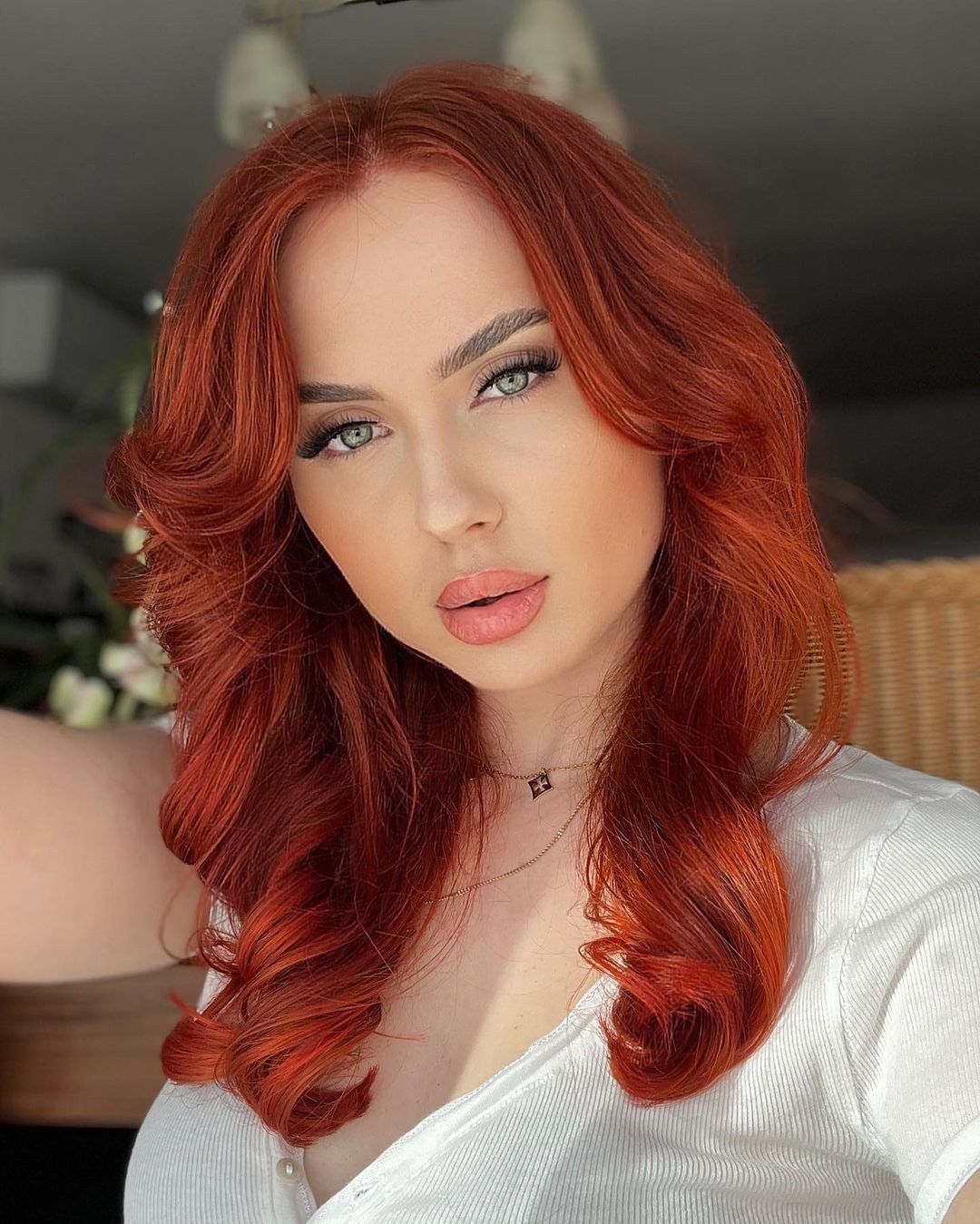
Vibrant copper red with subtle blonde highlights is the better bet. The highlights lift the colour off the scalp, so medium density hair reads fuller and the wave pattern shows. Fine hair, though, watch out: the contrast between the copper and the lighter pieces can make thin strands look sparser, not richer. This is a collarbone cut with a middle part and loose waves, the blonde highlights catch the light and the copper does the heavy lifting. The downside is the grow-out, the highlights need a refresh every eight weeks or the whole thing goes brassy.
Rich Copper Red Visual Idea
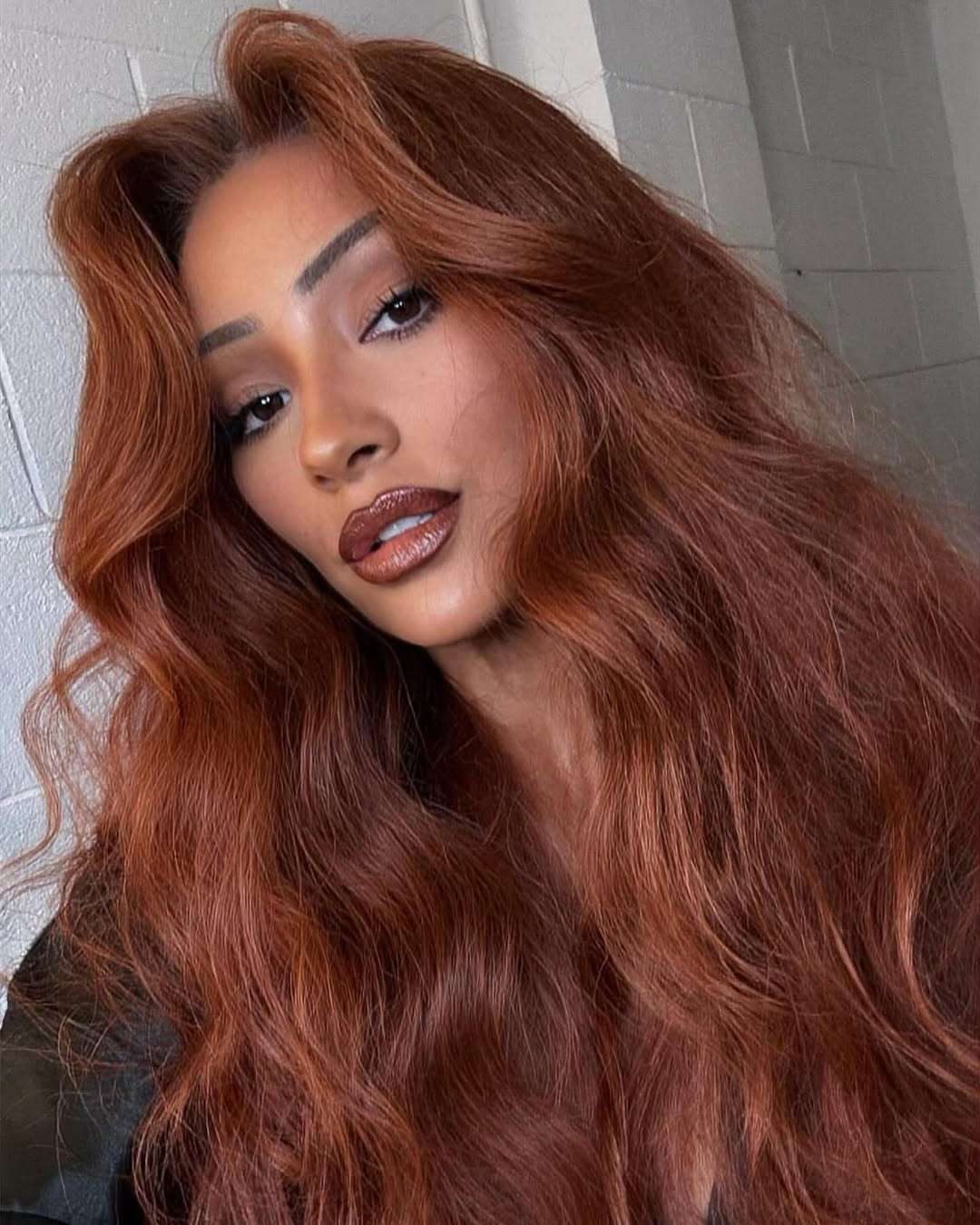
Can a single shade be both warm and serious? Rich copper red manages it. The colour sits somewhere between a true copper and a dark auburn, no orange, no purple, just a dense, saturated red that catches the light without screaming. On medium density wavy hair at mid-back length, it looks like a solid block of colour, the long layers keep it from feeling heavy.
The upkeep is the catch. Rich copper red fades faster than a deeper red, you are washing in cool water and using a colour-depositing conditioner every third shampoo. A gloss treatment every four weeks keeps the tone from pulling brassy. The grow-out is gentle, the root line blends into a soft shadow, no harsh line.
Back View Visual Idea
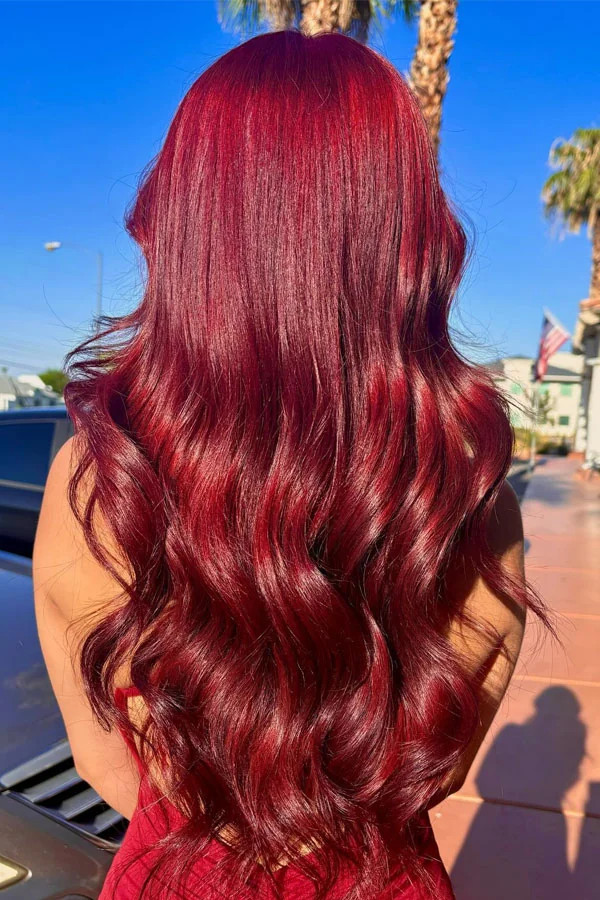
This deep cherry red with subtle darker undertones is not for the faint of heart. It flatters medium to thick wavy hair best, the depth of the colour needs density to show its dimension. Fine hair will look flat, the darker undertones absorb light and the whole thing reads one-note. The blowout styling here is key, the layers are cut to fall in a soft U-shape, the wave pattern holds the colour in the curves.
Styling steps for a blowout like this: start with damp hair, a heat protectant, and a medium round brush. Dry the roots first, then work the brush through the mid-lengths, pointing the nozzle downward. Finish with a cool shot to seal the cuticle, the deep cherry red will shine. The middle part widens a round face, so side-part this if that is you.
Final Thoughts
After writing all of these, I noticed one thing: the best red is the one you can live with on a Tuesday. The copper with warm undertones surprised me, it held its depth longer than I expected, and that’s the one I’m booking next. My roots showed at week five, so I’ll take the root shadow advice and buy myself six calm weeks.
- Trim the baseline every eight weeks
- Tone at week six, not week ten
- Use a purple shampoo once a week
- Book a gloss for fading ends
- Root shadow hides the grow-out line

