I keep seeing the same thing in the salon chair next to mine: someone who went blonde last spring, now staring at a half-inch of dark regrowth and asking for a root shadow. Not a full colour change, just a soft blur at the top that buys them six weeks of peace. I have been that person. My own roots show at week five, and a shadow root is the only thing that keeps me from booking a panic appointment.
Here are 22 ways to wear it, from a chin bob to mid-back waves, ash to warm, subtle to bold. Every one of them is built around the same trick: a darker base at the crown that makes the grow-out line disappear. If your hair goes flat by 4 pm or your colourist charges by the hour, this is the roundup for you.
Low-Maintenance Ash Blonde With Root Shadow
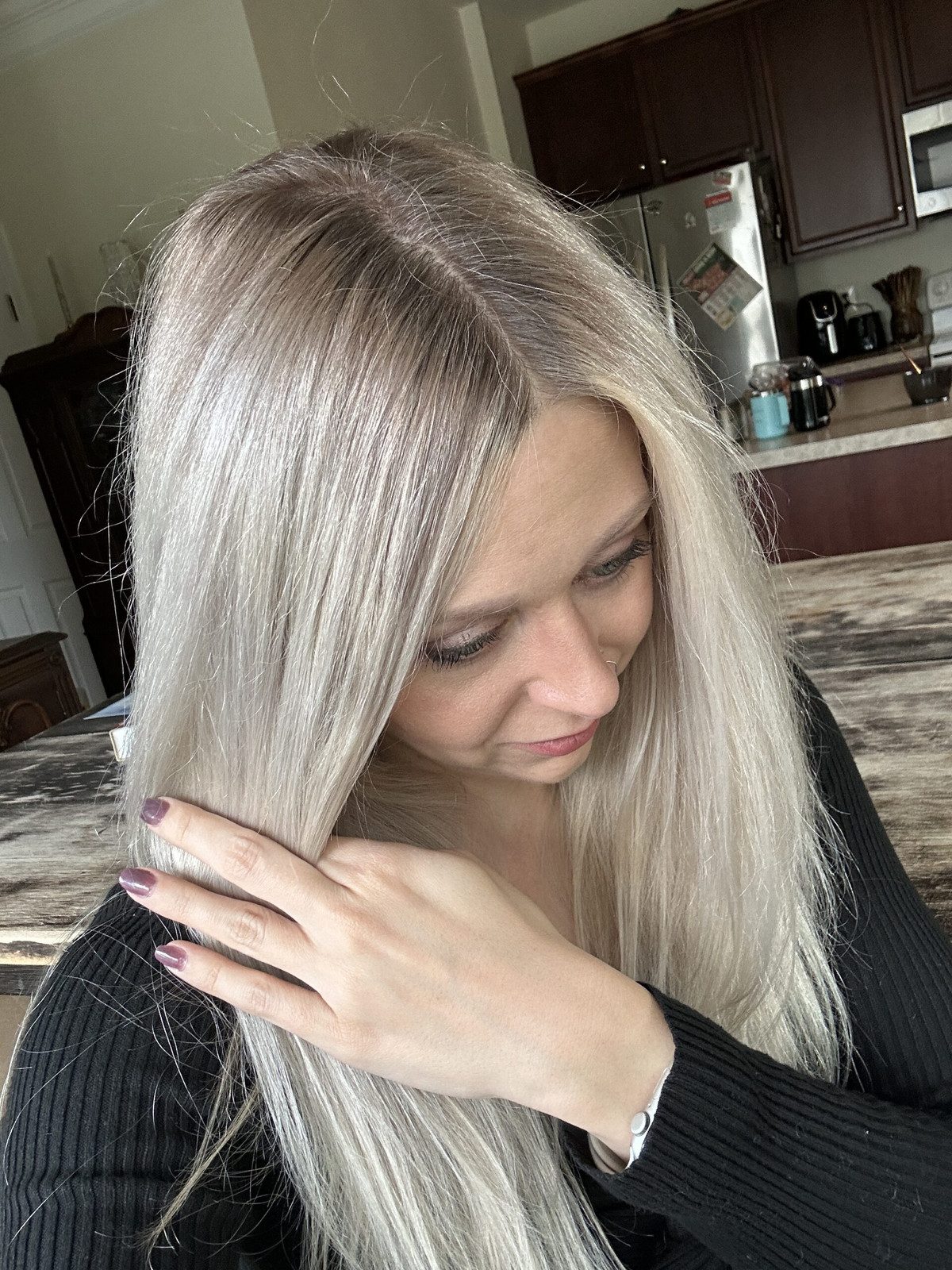
The ash blonde with root shadow is the first colour in years that lets dark-haired people go light without a monthly root crisis. The technique is a shadow root: your stylist paints a darker, cooler shade at the base, then blends ash blonde through mid-back layers. The tone stays ashy, not warm, so it never flips orange on you. On fine to medium straight hair, the shadow gives the blonde something to sit against, which means the grow-out line stays soft for about ten to twelve weeks. You blow-dry straight in fifteen minutes. You tone the blonde every eight weeks or so. That is the whole job. If your natural base is dark brown, this is the version of ash blonde that actually works for you.
Dark Brown to Ash Blonde Chin Bob
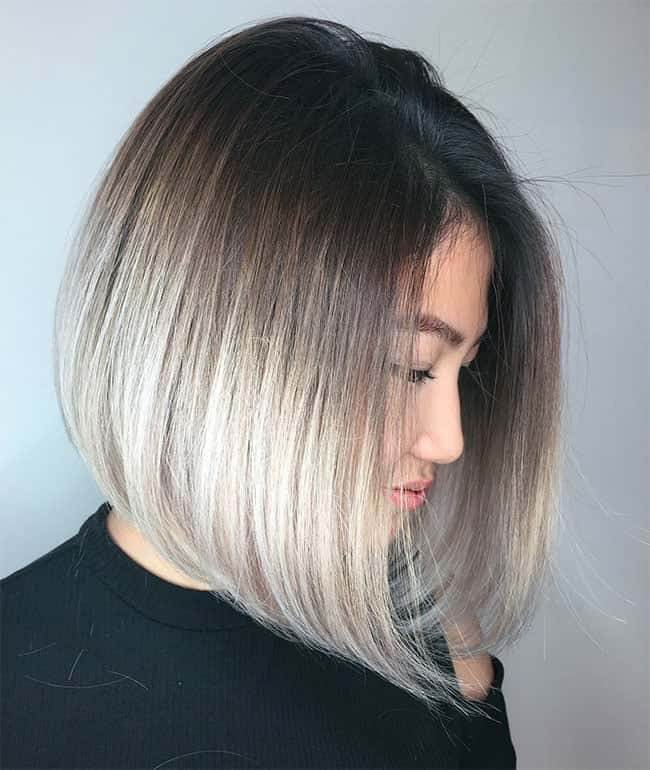
I have a confession: I used to think a chin bob was a one-length commitment. It is not. The dark brown to ash blonde bob works because the shadow root hides the grow-out while the blunt baseline keeps the shape sharp. Ask for a soft root shadow, no visible line, then ash blonde through the ends. Fine straight hair takes ten to fifteen minutes with a flat iron. Trims every six to eight weeks. The colour can stretch longer, but the ash tone needs a toner when it starts pulling warm. This is a salon job, not a bathroom-mirror one.
Angled Bob With Subtle Blonde Shadow Root
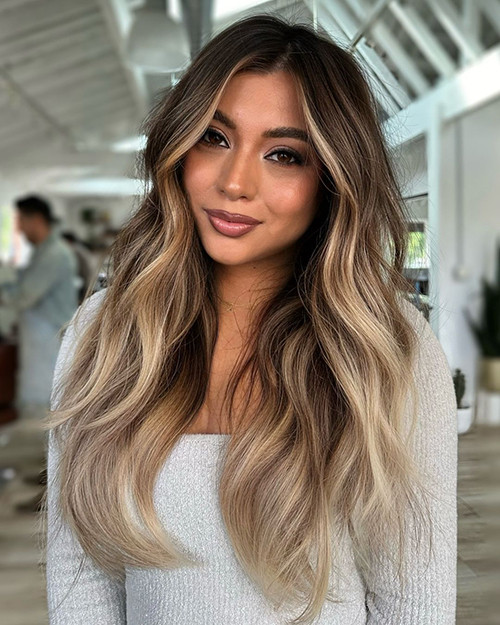
What is the one thing people get wrong with an angled bob with shadow root? They skip the toner. A dark base under blonde will pull brass fast, especially on medium-density waves that catch light at the collarbone. The technique is a seamless blend from dark roots to lighter ends, with side-swept bangs that soften the angle. Ask for a cool-toned shadow, not a warm one. The honest downside: if your stylist does not tone the blonde correctly, you get orange bands by week three. Wavy hair needs about fifteen minutes with a curling wand to keep the shape. Book a toner every eight weeks. The cut itself can go eight to ten weeks between visits.
Lob Subtle Layers Dark Brown to Ash Blonde Lob
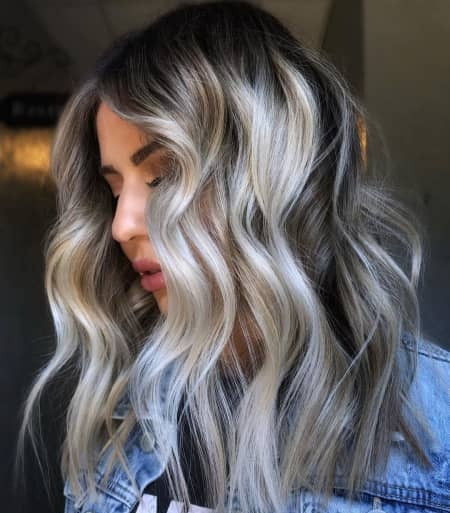
Full highlights on a dark base give you a hard grow-out line by week six. The dark brown ash blonde lob does the opposite. The shadow root blurs the line, so you can push trims to eight or ten weeks and still look intentional. Subtle layers through a chin-length lob keep medium-density waves from going pyramid-shaped. Loose waves take about twenty minutes. The contrast of dark roots against ash blonde is the whole point, so do not let anyone talk you into going lighter at the base.
Dark Brown to Blonde Lob With Side Part
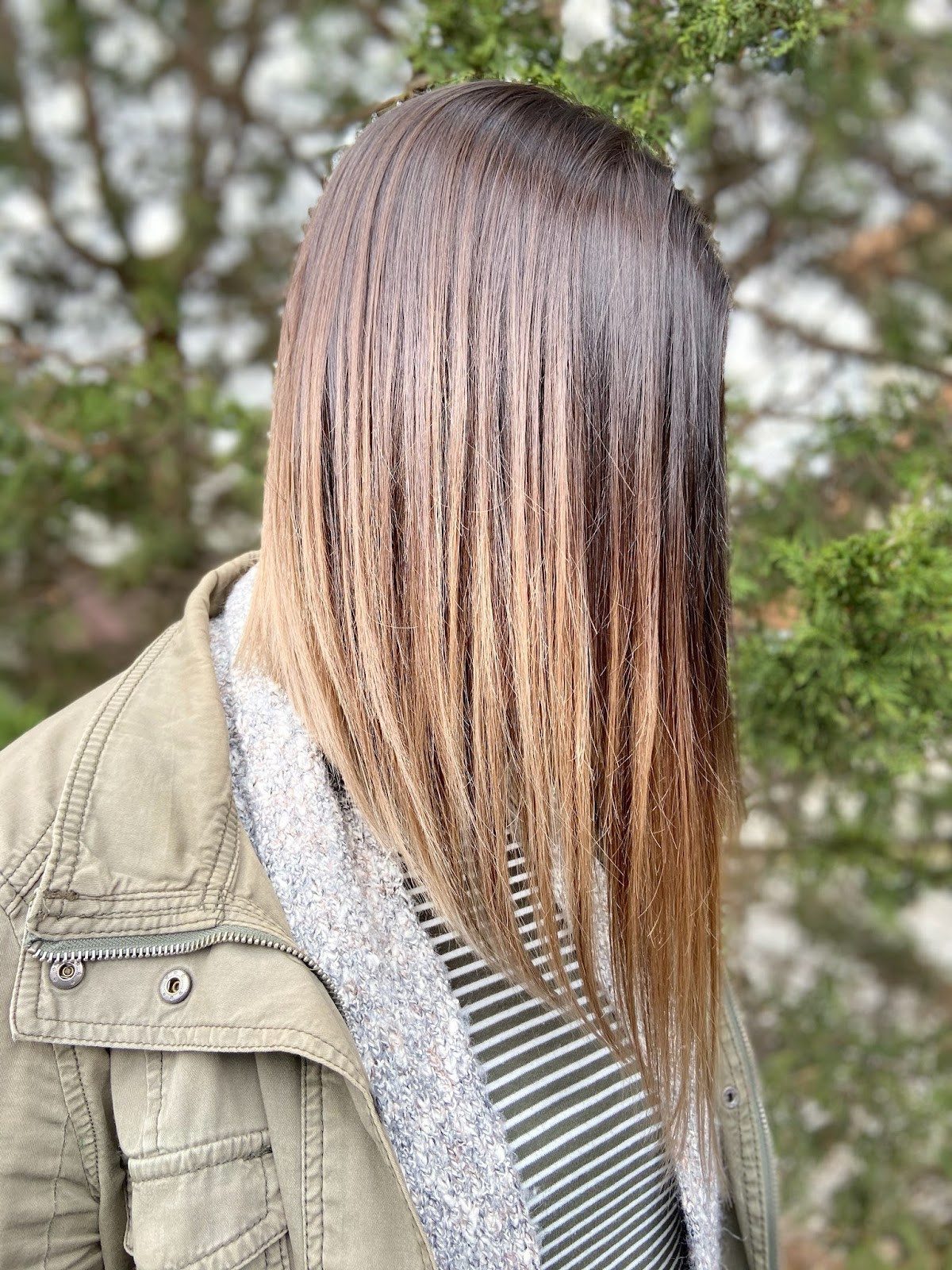
The dark brown to blonde lob with a side part is built in two passes: balayage first, shadow root second. Balayage sweeps lightener through the mid-lengths and ends, leaving the root untouched. Then the shadow root goes over the base, melting the dark into the blonde so there is no hard line. On straight, medium-density hair, the side part does the rest, adding movement without layers. Ask your stylist for a soft root shadow, no visible line, a balayage that starts below the crown, and a blunt baseline to keep the lob shape. Ten minutes to style straight. Trims every eight weeks. The colour holds.
Collarbone Ash Blonde With Natural Root Shadow
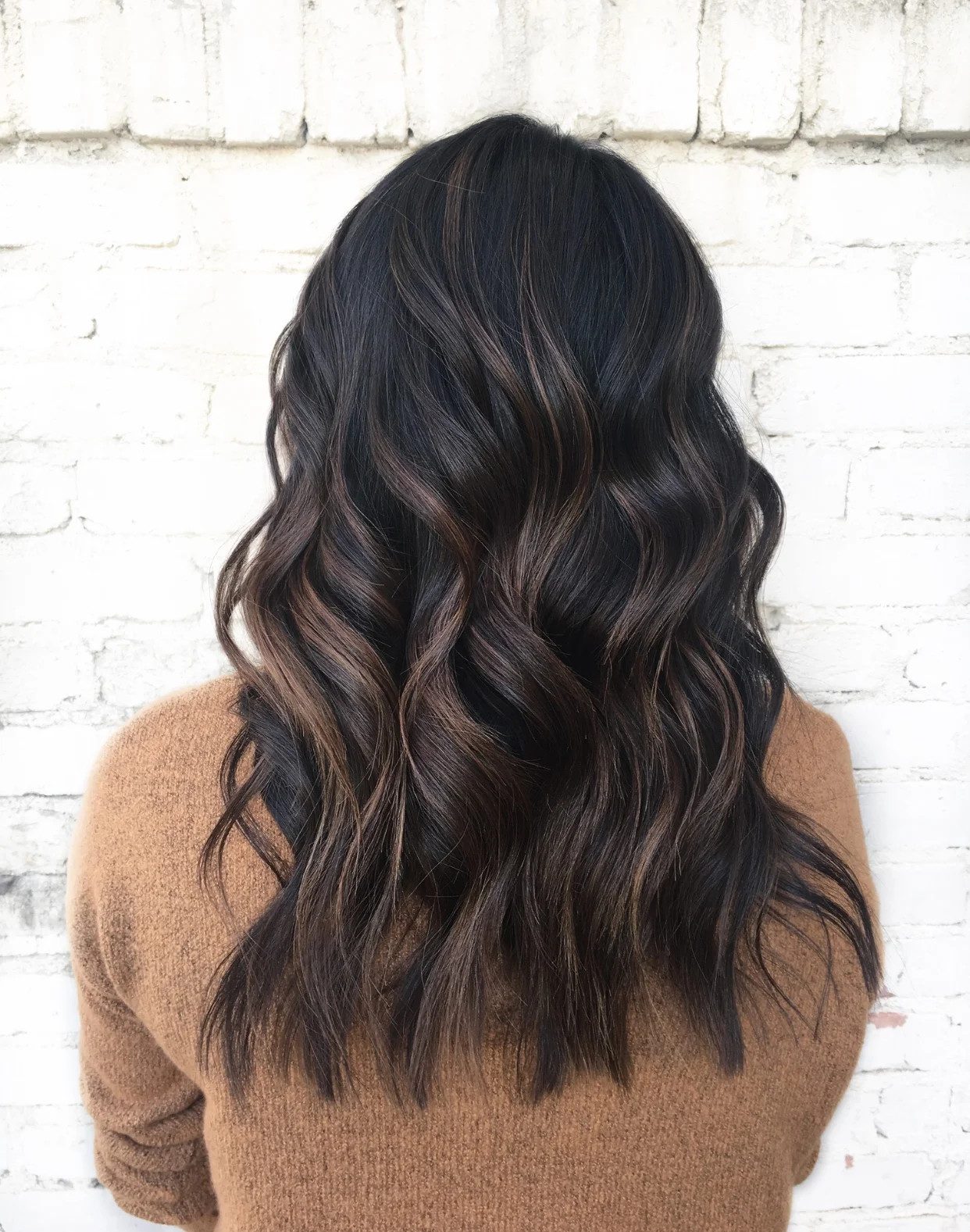
September hits, and suddenly last month’s platinum feels wrong. This collarbone ash blonde root shadow is the autumn reset I keep coming back to. The technique paints a soft, natural-looking dark zone at the roots, then fades into a cooler ash tone through the mid-lengths and ends. No harsh line, no regrowth panic at week five. On wavy, medium-density hair, the loose waves catch the light differently at every bend, so the shadow reads as depth, not grow-out. It is the color equivalent of swapping sandals for boots — same hair, suddenly seasonal. The tone stays muted, never brassy, which matters when you are trying to look intentional, not overdue.
Collarbone Layers With Dark Blonde Shadow Root

Have you ever watched fine, straight hair look flat two hours after a blowout? This dark blonde shadow root on collarbone layers solves that. The technique places a deeper concentration of color at the scalp, which creates the illusion of density where fine hair needs it most. The collarbone layers add movement without removing weight, so the shape holds its line through a workday. The tone is a muted blonde, not brassy, not ashy — just enough warmth to keep the shadow from looking muddy. On fine textures, that soft contrast at the root reads as volume. No teasing required.
Collarbone Waves Dark Brown to Blonde
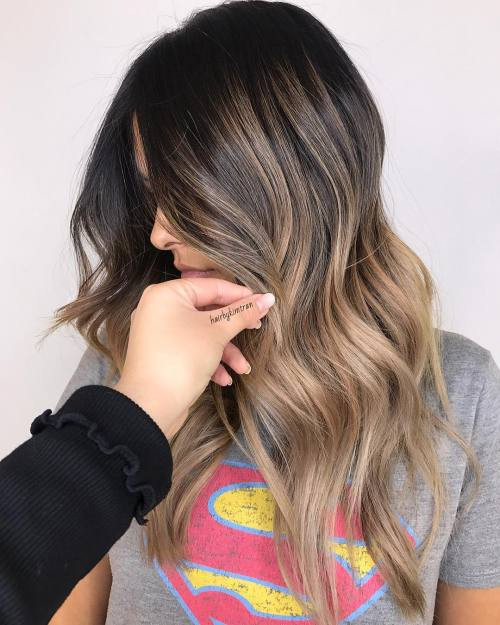
I will admit it: I have let a toner sit too long and ended up with lavender-tinged ends. So when I see a dark brown to blonde collarbone wave with a proper shadow root, I pay attention. The contrast between the rich brown base and the lighter blonde ends is the whole point — but only if the blonde stays clean. The shadow root buys you time, sure, but the ends need a purple shampoo every third wash to keep them from pulling yellow. The wavy texture helps; the bends in the hair hide any uneven fading between washes. On medium-density hair, the collarbone length is short enough to refresh quickly, long enough to still pull into a clip on day three.
Dark Brown Base With Blonde Highlights Collarbone Waves Dark Brown to Light Blonde
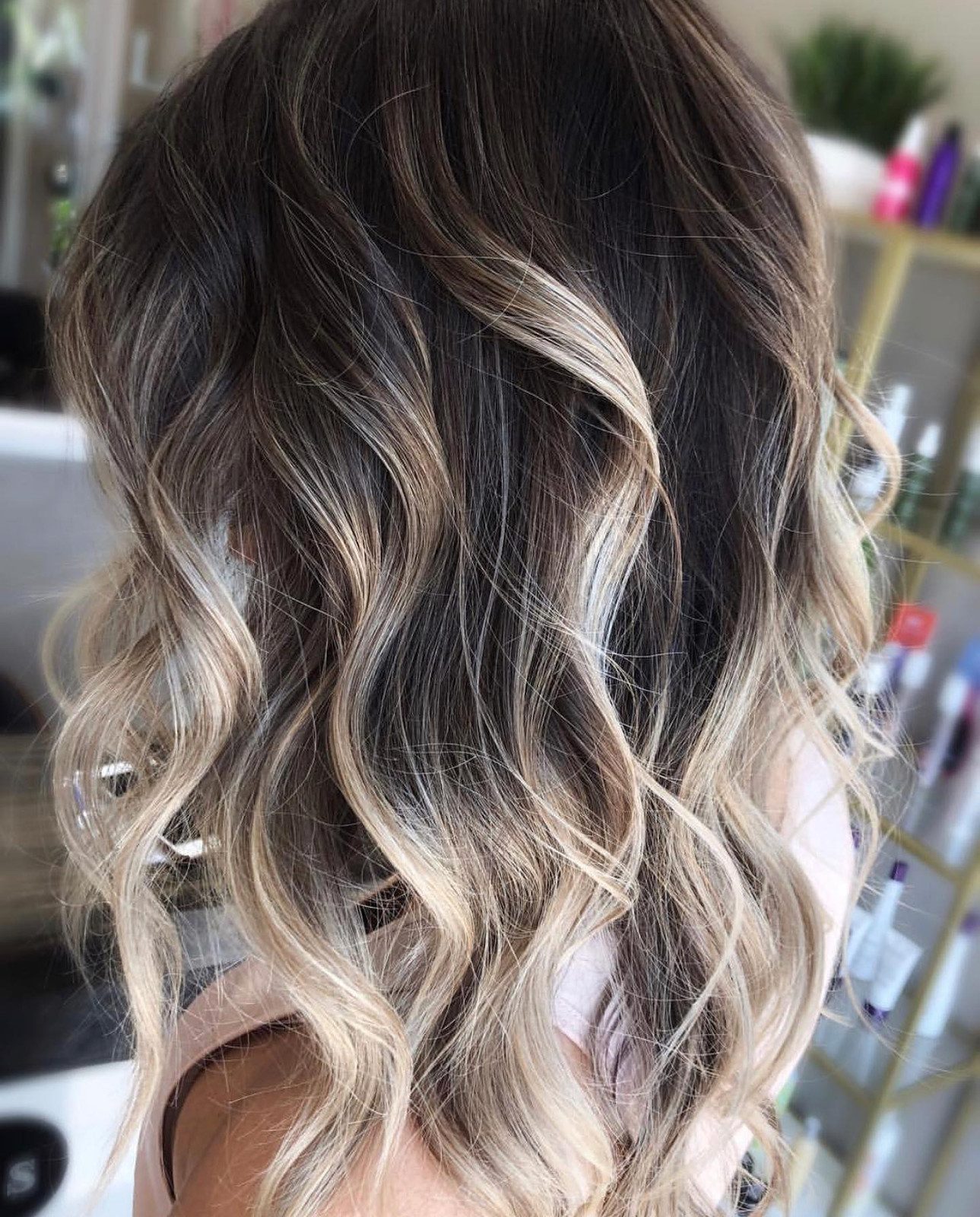
I spent two years chasing a platinum that required a toner appointment every three weeks. Then I sat down and asked for a dark brown to light blonde collarbone with a shadow root effect instead. The difference is the seamless transition from dark roots to light ends — no demarcation line, no stripe of demarcation at the scalp. The technique uses a hand-painted blend near the root, so the grow-out is gradual, not a hard line. This is not a bathroom-mirror job. The stylist needs to feather the dark into the light, and that takes an eye for placement. But the payoff is six weeks of not checking your part in every mirror.
No Bangs Collarbone Waves Dark Brown to Warm Blonde
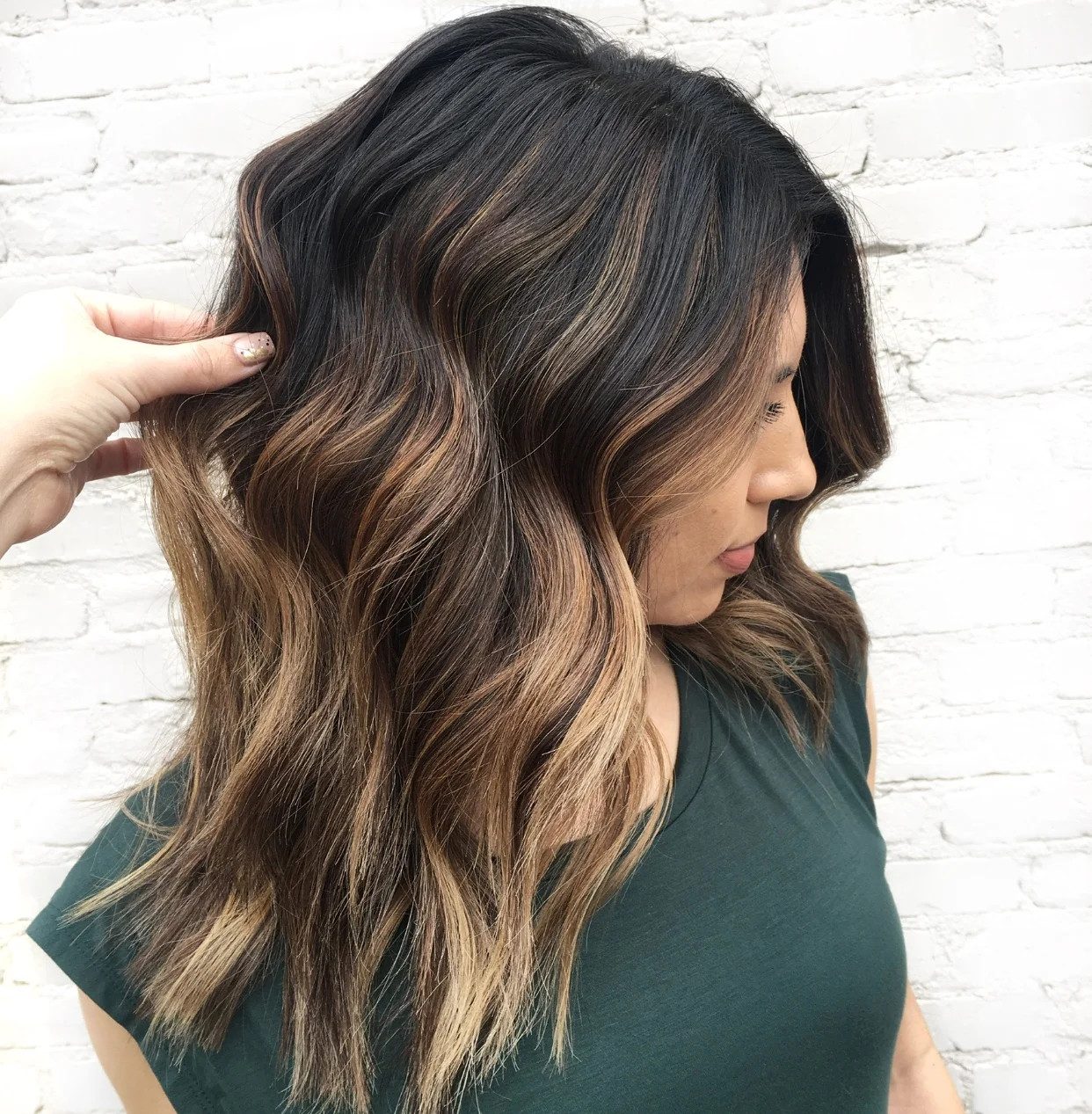
Blocky ombre looks like a mistake. A dark brown warm blonde collarbone with a subtle shadow root looks like you meant it. The difference is the blend: where ombre drops off at a visible line, the shadow root technique feathers the dark into the warm blonde over a few inches. The tone here is warm, not golden, not honey — think toasted rather than tropical. The honest downside is that warm blonde fades faster than cool tones, especially on wavy hair where the cuticle is more open. You will need a toning shampoo by week four. But the shadow root means the roots themselves never betray you.
Layers Mid-Back Waves Dark Brown to Blonde
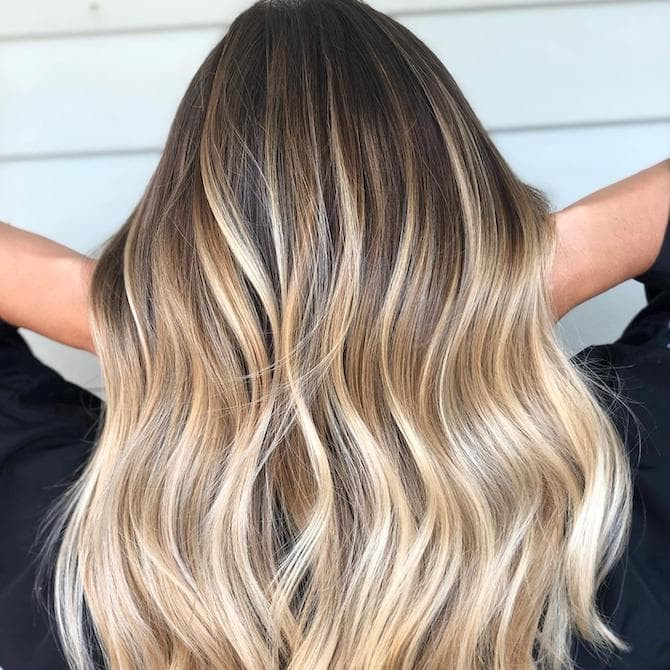
The balayage starts about two inches from the root and gets lighter as it goes down. That is the shadow root technique doing its job: the dark brown base stays deep at the crown, then the blonde takes over through the mid-back length. The tone here is neutral, not ashy, not golden, which keeps the transition soft. Thick, wavy texture helps the colour sit naturally because the waves break up any hard lines. Without that texture, the blend would read more stripe than seamless.
This is a dark brown to blonde mid-back that does not announce itself at first glance. It waits until you move your head. The layers are cut to hold wave without collapsing, which matters when your hair is this dense. I would call the result dimensional rather than dramatic. The shadow root means you can let the roots grow for a solid ten weeks before anyone notices.
No Bangs Mid-Back Layers Dark Brown to Warm Brown
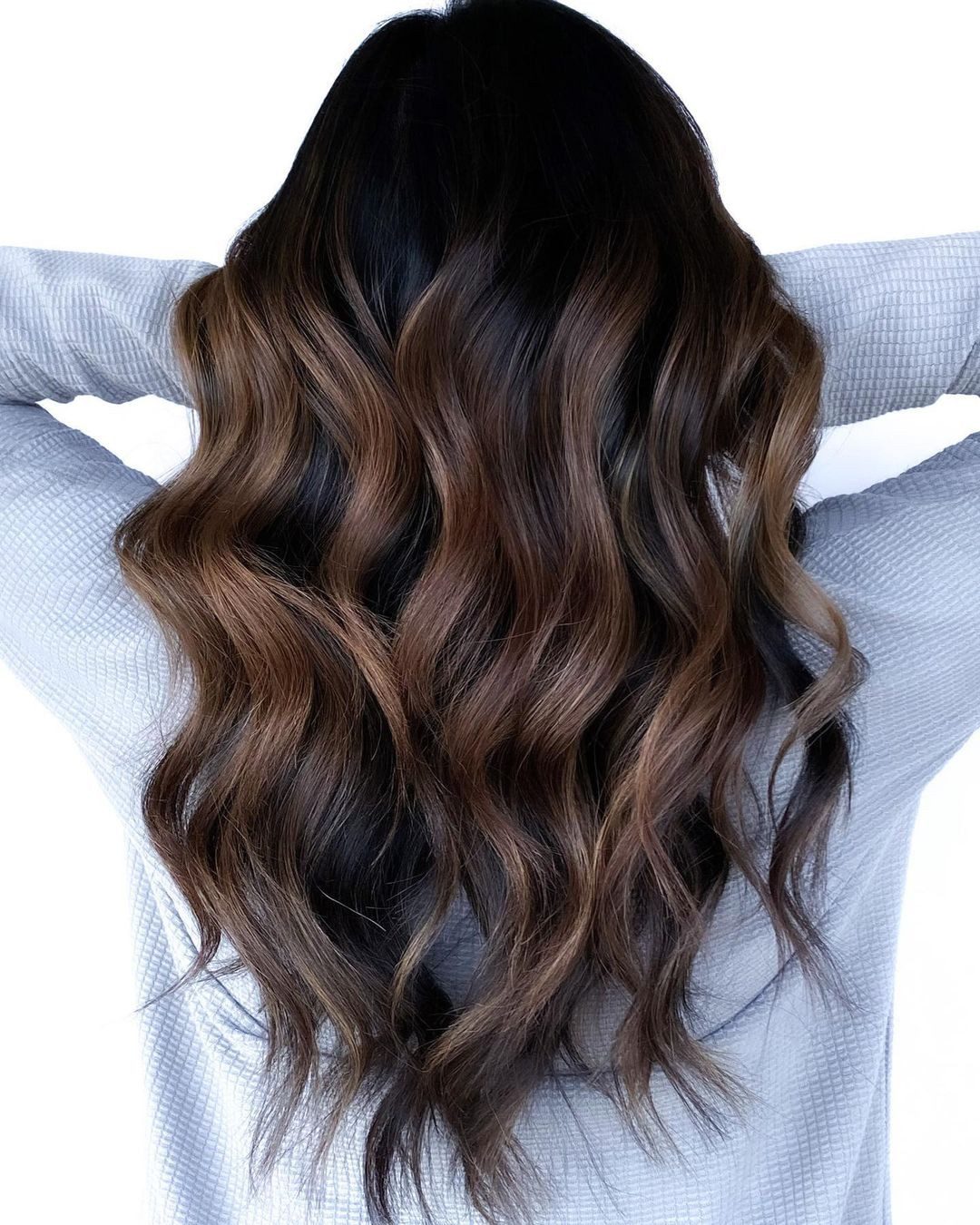
Do you have thick, dark hair that fights every attempt to go lighter? This is the version that actually works. The base stays dark brown, the shadow root keeps the top dense, and the warm brown highlights run through the mid-back layers without screaming for attention. The tone is warm but not orange, think toasted rather than brassy. Wavy texture helps here because the waves catch the light at different angles, making the colour look richer than it is.
The upkeep is where this earns its place. With a shadow root, you can push salon visits to every ten or twelve weeks without a visible grow-out line. The dark brown to warm brown layers fade gently, no harsh demarcation. I would recommend this to anyone who wants lightness without the weekly toning ritual. It is low-drama colour for people who have better things to do.
Seamless Color Transition Mid-Back Waves Dark Brown to Blonde Balayage
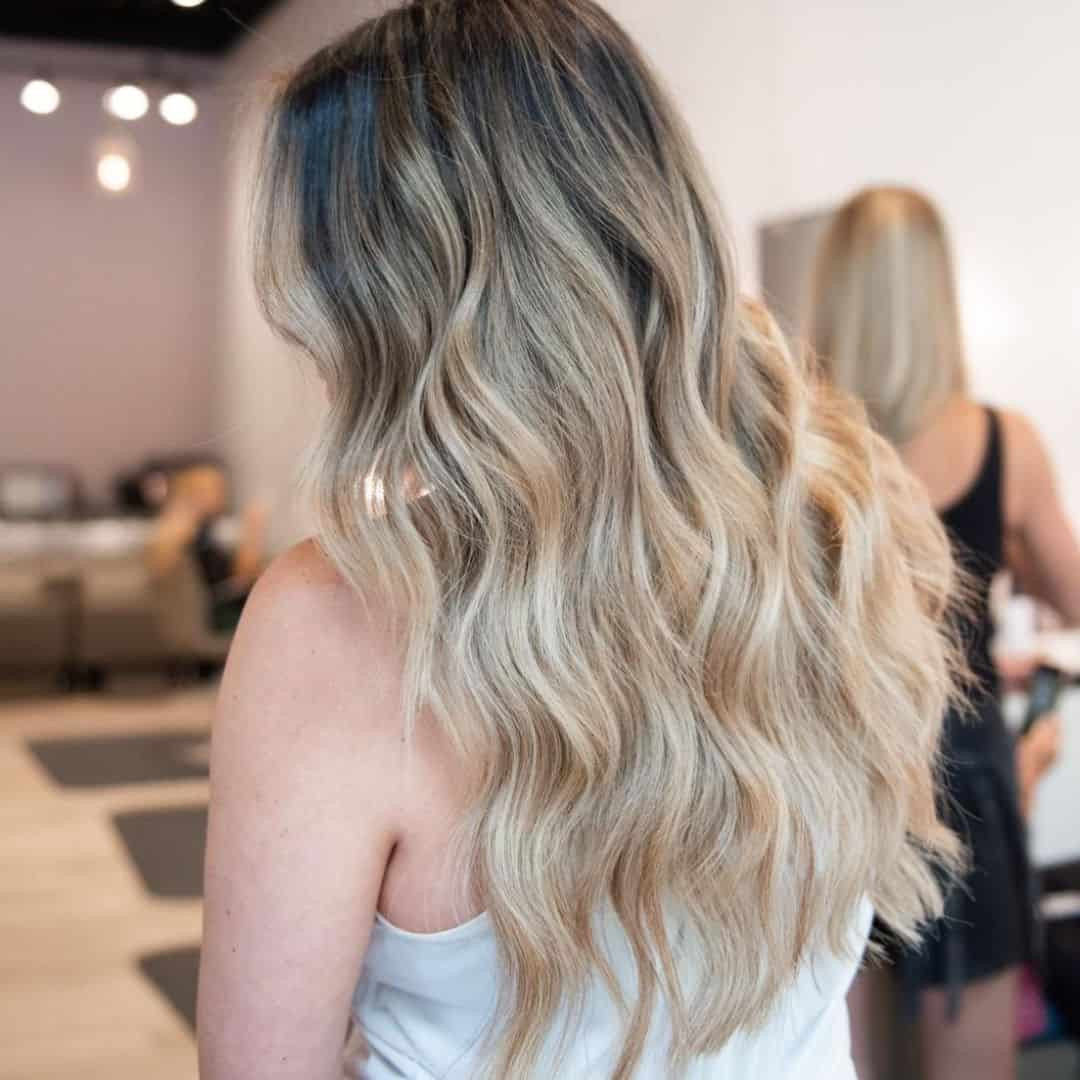
I will confess: I used to think seamless transition was marketing speak for you will be back in six weeks. But this dark brown blonde balayage mid-back with a shadow root effect actually holds the line. The balayage is painted freehand from about the ears down, so the blonde starts soft and builds toward the ends. The tone is neutral-cool, which keeps the dark brown base from looking muddy against the lighter sections. Wavy, thick texture is almost required here; straight hair would show every subtle shift in colour, and not in a good way. The honest downside: that seamless blend means your stylist has to be precise. A sloppy application reads as grown out, not intentional. Book someone who understands the shadow root effect as a deliberate fade, not an afterthought.
Wavy Medium Density Mid-Back Layers Dark Brown to Blonde Ombre
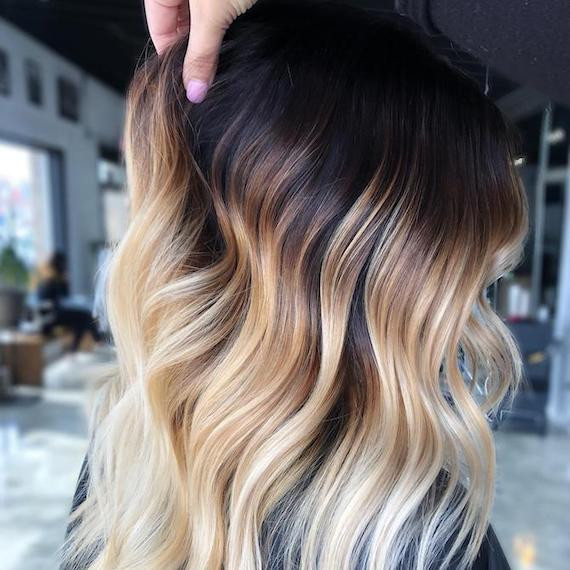
This is the colour that keeps me from texting my stylist at week five. The base is a soft brown, and the shadow root blends it into a lighter blonde without a single hard line. It is a technique, not a single shade: the colour is painted denser at the root, then faded out toward the mid-lengths and ends. That blur is the whole trick. It makes the grow-out a non-event for about six weeks, which is the longest I have ever gone without panic-booking.
You need some length for this to read properly, collarbone or longer, because the shadow needs room to melt downward. Fine, straight hair works fine; the root shadow adds depth where flatness usually wins. It suits most face shapes, but a middle part will widen a round face, so keep a soft side part if that is you. The honest warning: if your stylist leaves the shadow too dark, it looks like a bad root touch-up from 2010. Ask for a soft root shadow, no visible line, and book a gloss at week eight to keep the tone from going flat.
Mid-Back Champagne Blonde With Root Shadow
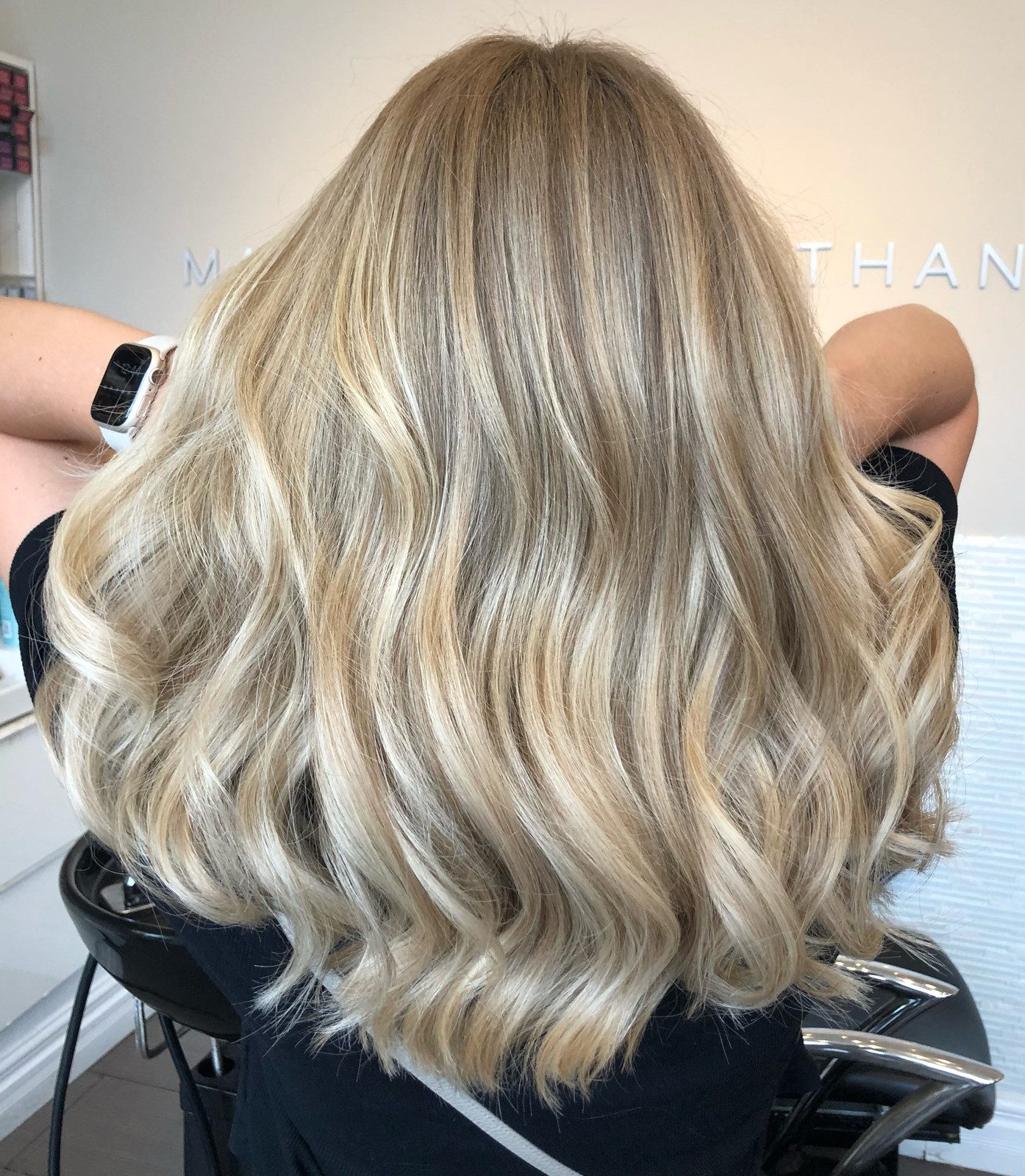
Worried a shadow root will look like you skipped the salon for six months? I get it, muddy is the fear. The trick is a champagne blonde root shadow that melts into the lighter lengths, never a hard line. On this mid-back, wavy, thick hair, the dark root sits close to the scalp, then the champagne tone takes over gradually, so the transition reads as depth, not neglect. This is a salon job, not a bathroom-mirror project; the seamless transition needs a stylist who knows where to stop the shadow. Done right, it buys you ten to twelve weeks before the root line even whispers.
Long Dark Blonde to Champagne Blonde
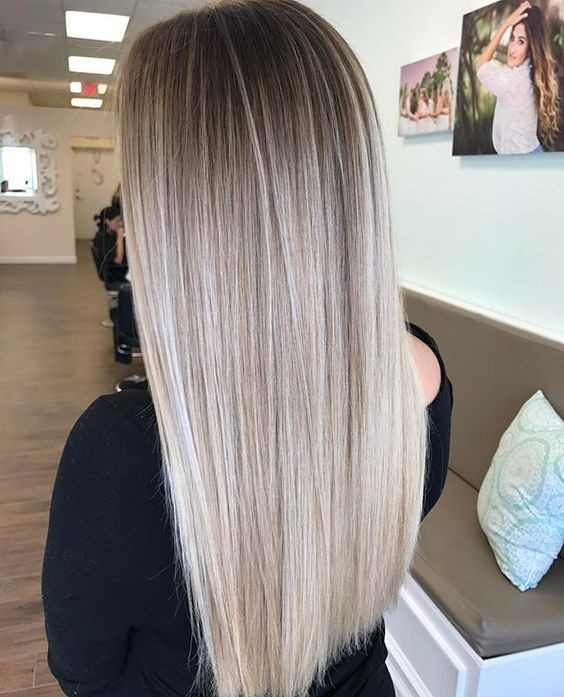
This one genuinely flatters thick, wavy hair, and I’ll tell you who should pass. The dark blonde to champagne blonde long blend adds dimension without weighing down dense texture, because the shadow root keeps the top grounded while the lighter ends catch light. For fine or straight hair, it can fall flat by 4 pm; the waves need body to carry the colour shift. The seamless transition between shades means no harsh band, just a soft lift that looks like the sun did the work. If your hair is thick and you’re tired of flat colour, this is your answer. If it’s fine, skip it, you’ll spend too long coaxing volume that won’t hold.
Visual Idea
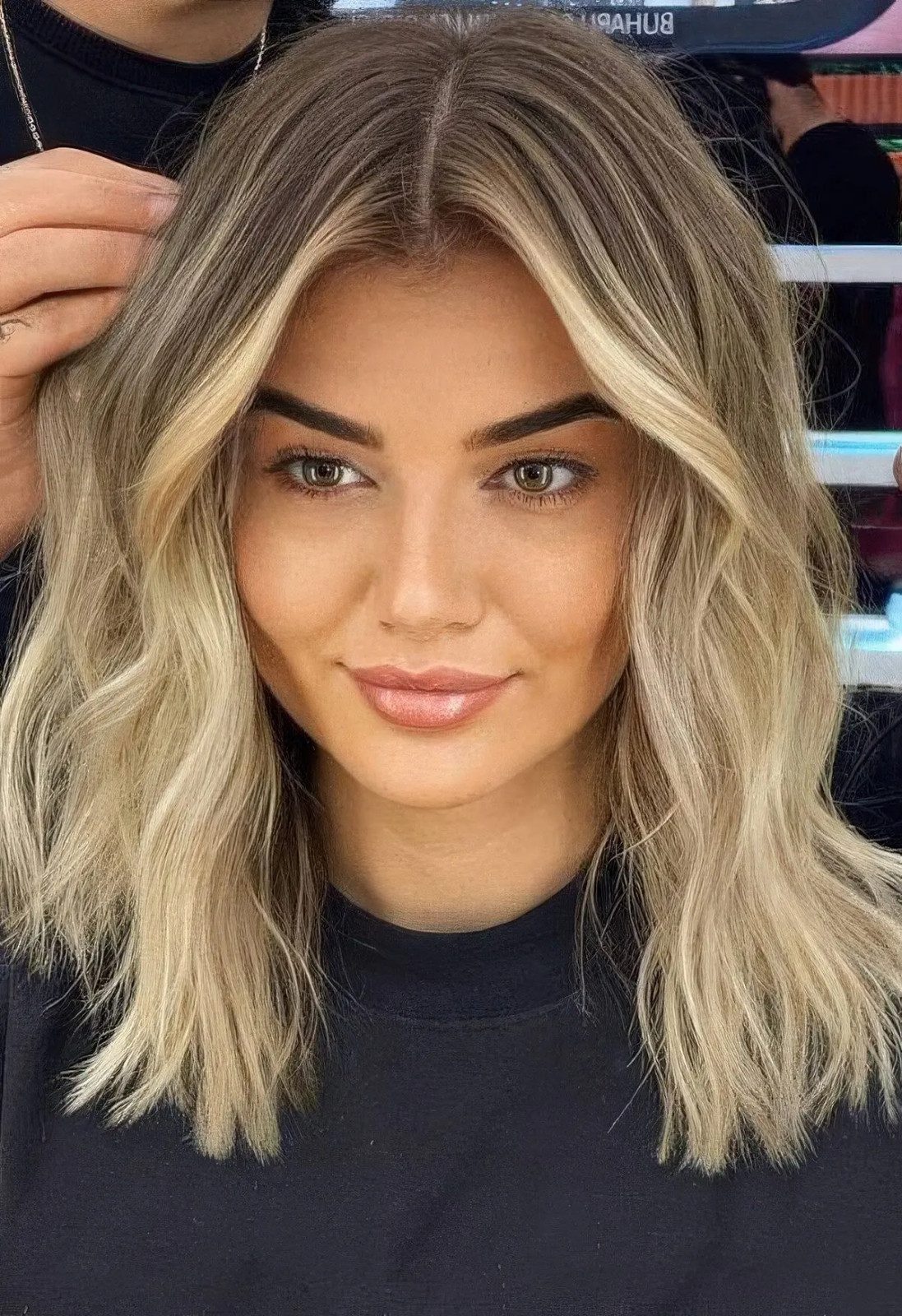
By Thursday, most highlights show their grow-out like a confession. Not this lob. The dark roots with blonde highlights create a subtle shadow root effect, so the regrowth blends into the design instead of fighting it. The collarbone length and curtain bangs keep it soft, and the middle part lets the dimension show evenly. You’ll still need a toner around week eight to keep the blonde bright, but the root shadow means you can push the next appointment past the usual six-week mark. It’s the rare colour that looks better at week five than week one, because the shadow was always part of the plan.
Chin Visual Idea
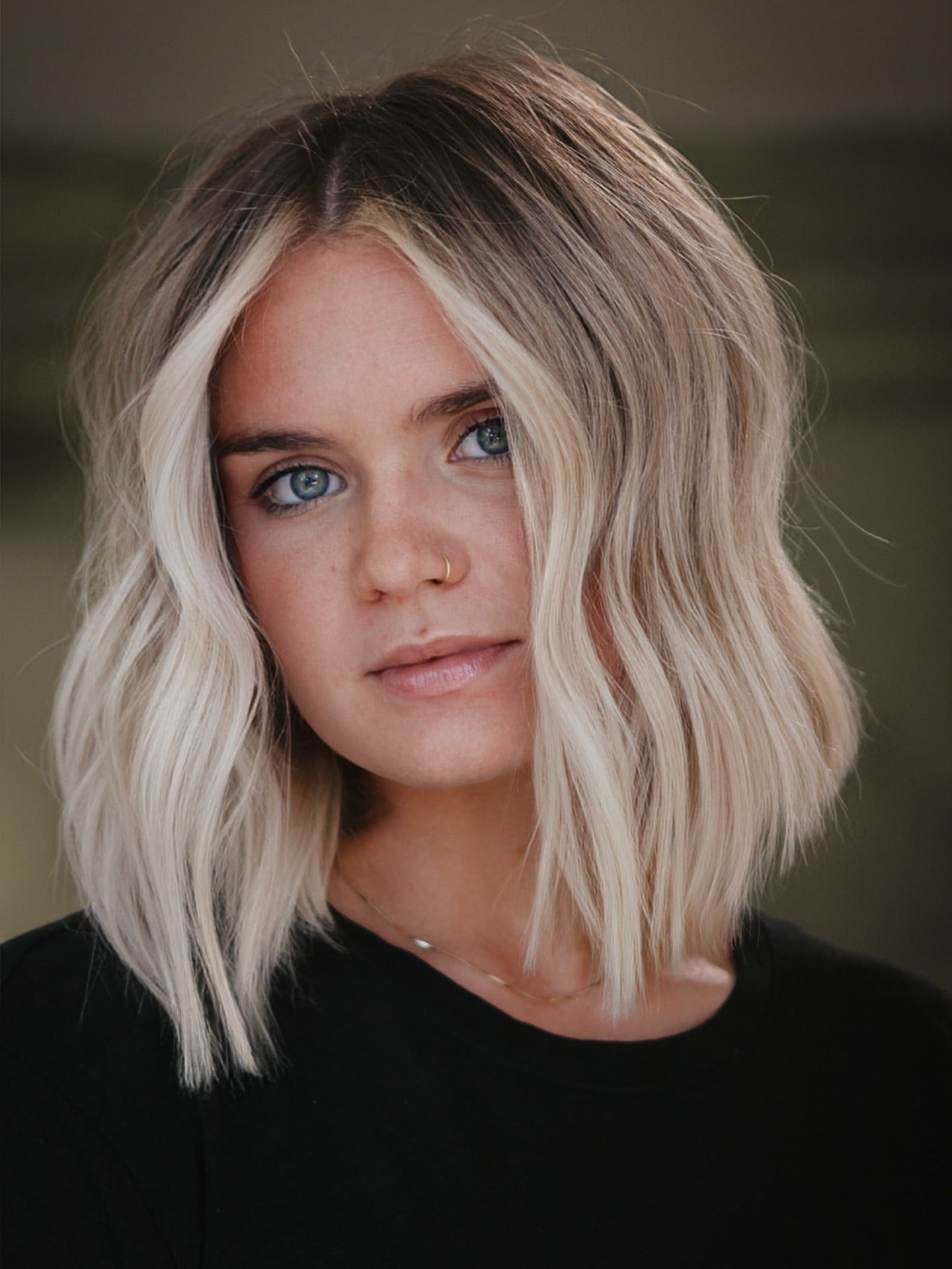
Full platinum is a commitment; this chin bob is a flirtation. The platinum blonde with dark roots adds depth that a solid platinum can’t touch, and the blunt bangs sharpen the contrast. The downside is real: the roots grow out fast, but because they’re meant to be dark, you get a few extra weeks before it looks sloppy. Medium density wavy hair carries the colour best, and the middle part keeps the two tones balanced. If you want the drama without the every-three-weeks touch-up, this is the smarter bet.
Mid-Back Visual Idea
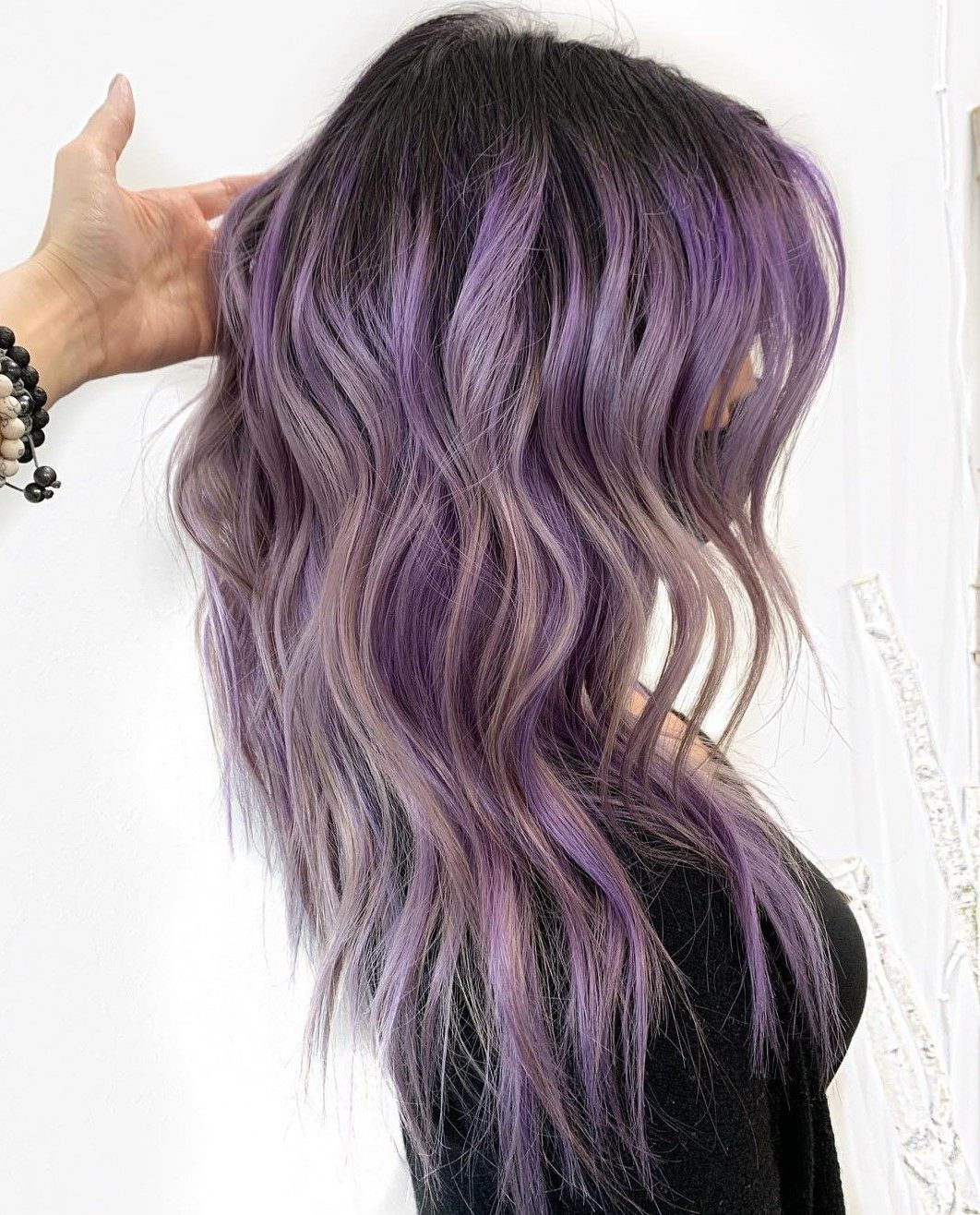
This is what happens when a colourist actually layers tone over tone instead of slapping on highlights. The dark brown base holds the root, then purple and ash blonde highlights weave through the mid-back length, each one placed to catch light at a different angle. The side part lets the face-framing layers show the shift, and the wavy, thick texture gives the colour room to move. Ask for a shadow root that stays soft, no line, and let the purple sit only in the mid-lengths, not near the scalp. It’s a salon build, not a box dye, and the dimension is worth the three hours in the chair.
Layers Visual Idea
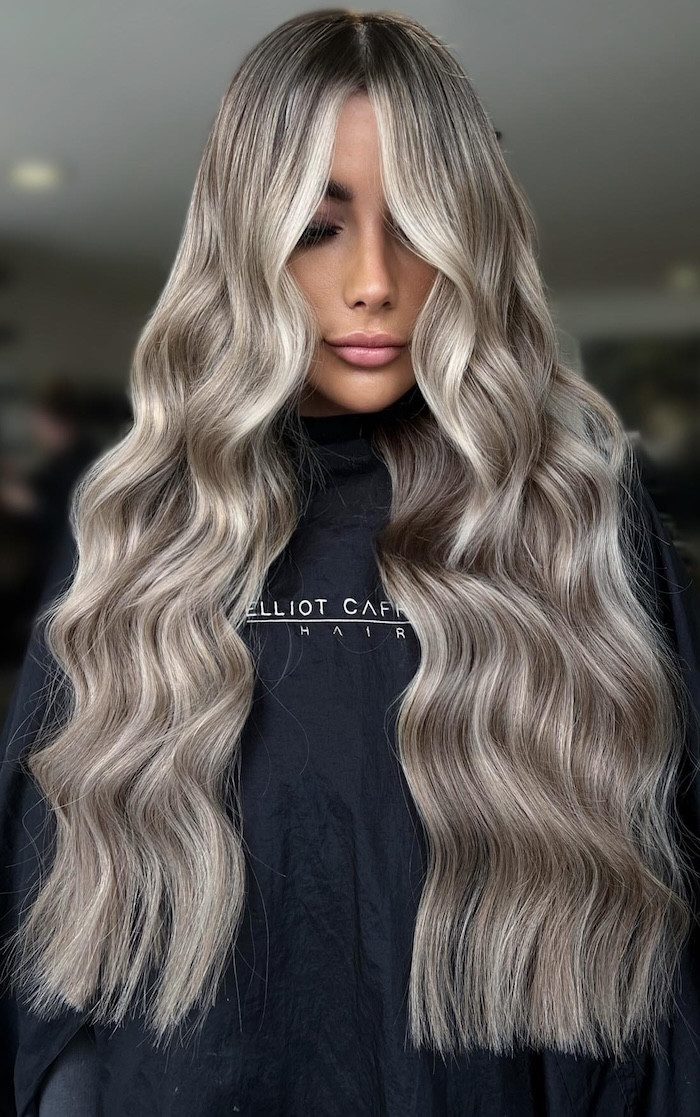
Cooler undertones get the most out of this look. The ash blonde base against a dark root reads crisp, never washed out. That matters because a shadow root this soft can lean muddy on warm skin. The layers stack volume through the mid-back length, and the curtain bangs catch the light at the cheekbone. It is not a subtle balayage. It is two clear zones of colour with a deliberate blur in between. Thick texture helps the wave hold its shape. For finer strands, the stylist needs to keep the layers long to avoid collapse.
No Bangs Visual Idea
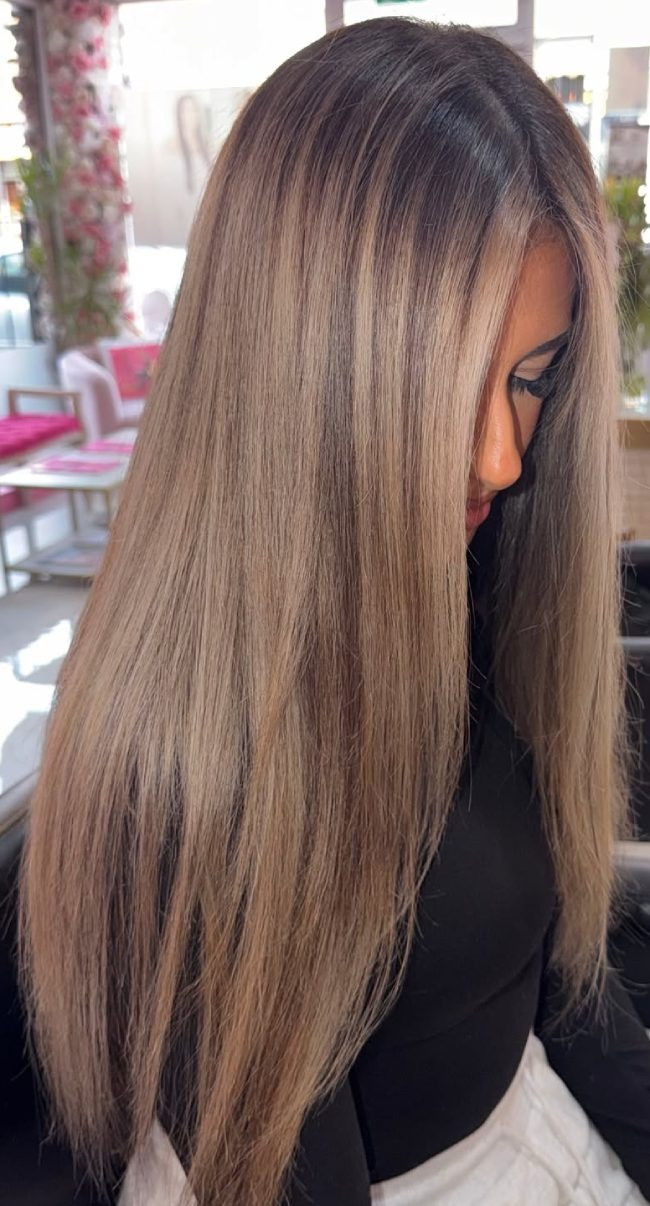
I admit I was sceptical a mushroom beige shadow root would survive a week of dry air and lazy washing. It did, mostly. The tone stays cool without turning green because the root shadow is dark enough to anchor it. Straight, fine texture shows every hue shift clearly, so the shadow root transition becomes the main event. A purple shampoo used once a week stops the beige from yellowing. The grow-out buys you six calm weeks before the dark roots push into the mid-lengths. No bangs means the colour work sits front and centre, no fringe to hide behind.
Visual Idea — The Styling Is A Soft
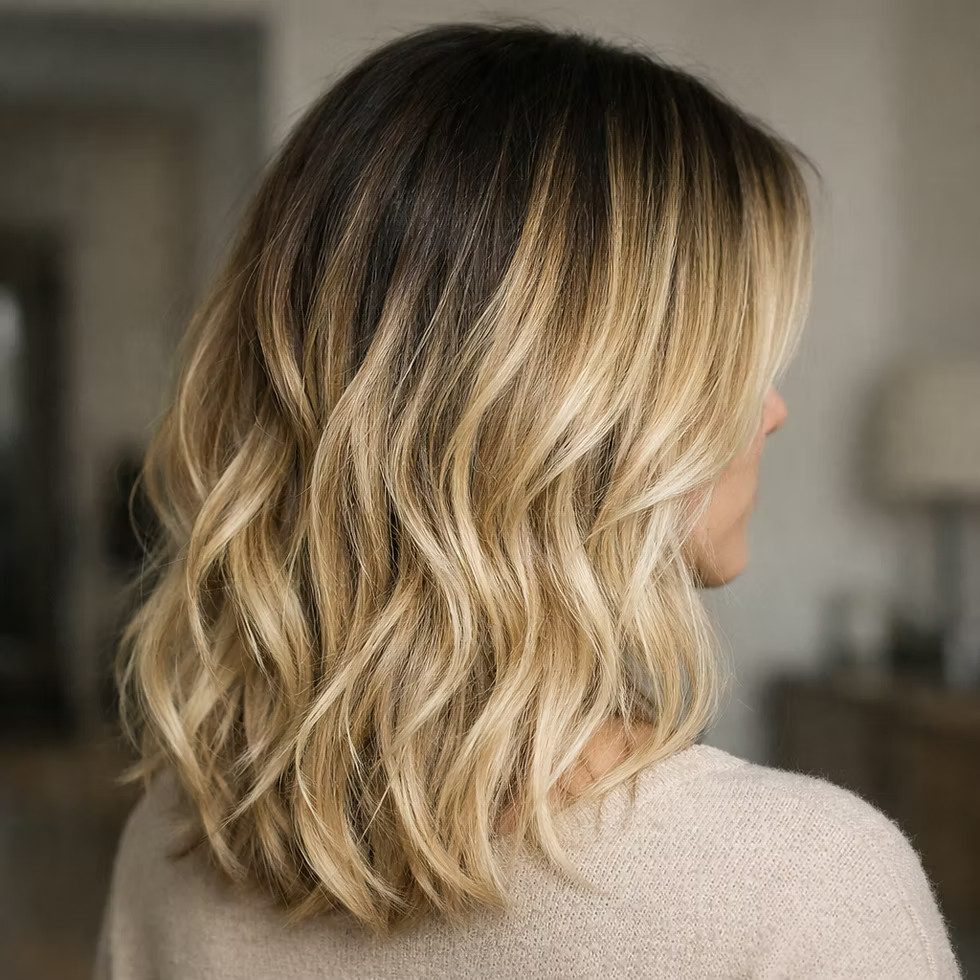
I bought a balayage kit once. The box promised a seamless dark-to-blonde blend. It gave me a muddy stripe at the jaw. This look is not a home job. The dark root shadow fades into a lighter blonde through careful sectioning and a stylist who knows how far to feather the colour. Shoulder-length hair with that side part exposes every uneven line, but when it is done right, the wave hides nothing and the colour looks intentional. I learned the hard way: three hours in a chair beats three hours fixing a box disaster.
Final Thoughts
After writing all of these, I noticed something. A shadow root is not just about hiding regrowth. It is about letting the lighter pieces sit where they actually look good, near the ends, instead of fighting a stripe at the part. I am booking the collarbone ash blonde with a natural root shadow next. That one held my attention the longest.