Every summer I tell myself I’ll master a French braid. This year I actually did, and I learned something: the braid is not just for keeping hair off your neck. It’s a shape, a texture, a whole silhouette.
This roundup has 18 French braid ideas, from a two-minute side braid to a crown braid that takes ten. Some work on day-two hair, some need a little grit. If your hair goes flat by 4 pm like mine, a braid holds the volume I lose by lunch. Whether you have fine strands or thick waves, there’s a version here that won’t fall apart by dinner.
Classic Mid-Back Blonde French Braid
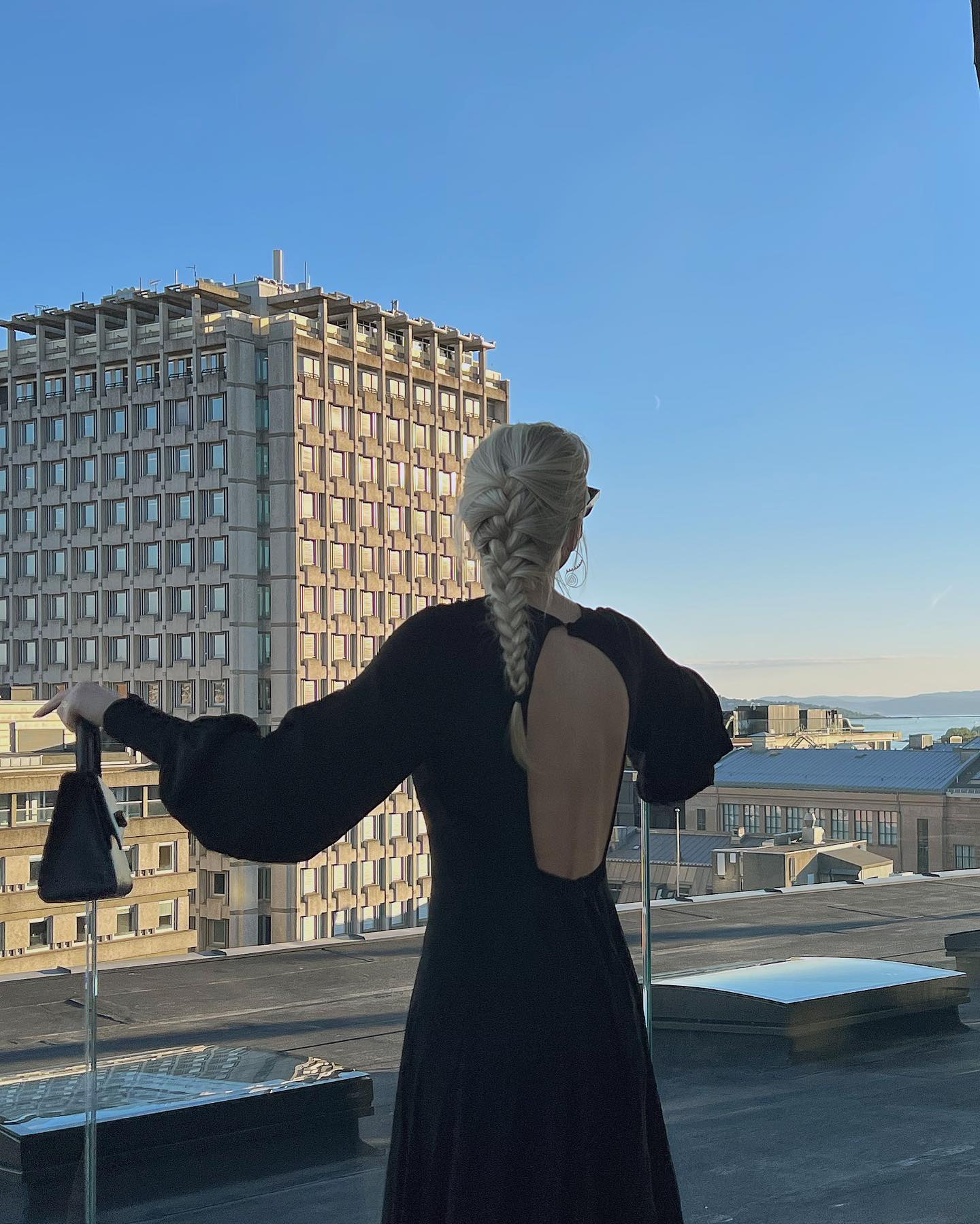
I’ve always thought a classic french braid at mid-back length is the quiet achiever of hairstyles. It doesn’t shout, but it works on straight, wavy, even thick textures — as long as you have enough length to reach the nape. The blonde here is uniform, no highlights, which makes the braid read as one clean shape. That middle part and the lack of bangs keep it symmetrical, almost severe if pulled tight. But worn slightly looser, it softens a round face. It holds for a full day and looks better on day two, when the crown settles. The upkeep is minimal: a trim every ten weeks keeps the ends from fraying the braid.
Wavy Ash Blonde Side French Braid
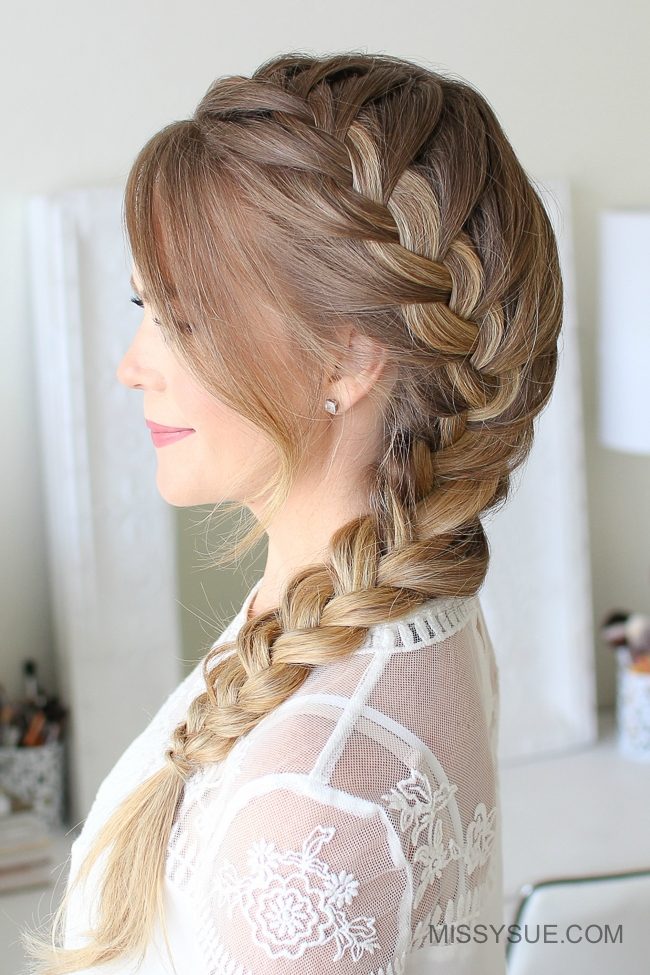
Have you ever watched someone braid a side french braid and thought, that’s a whole different skill set? It is. This ash blonde version starts with a deep side part, then the braid curves from the temple down behind the ear, picking up sections from the crown and the nape. The layers in the cut help the braid lie flat rather than bulge, and the side-swept bang softens the whole line. On thick, wavy hair the braid reads dimensional — the lighter highlights catch the light, the ash base stays cool.
This is not a five-minute braid. It takes about 20 minutes, and the first time you try it, expect a few restarts. I’d book a salon if you want it for a wedding or an event where the braid needs to look polished from every angle. At home, a texture spray on second-day hair gives the grip you need. The side placement also means it works well with a low neckline or an off-shoulder top.
Double French Braids to Pigtails
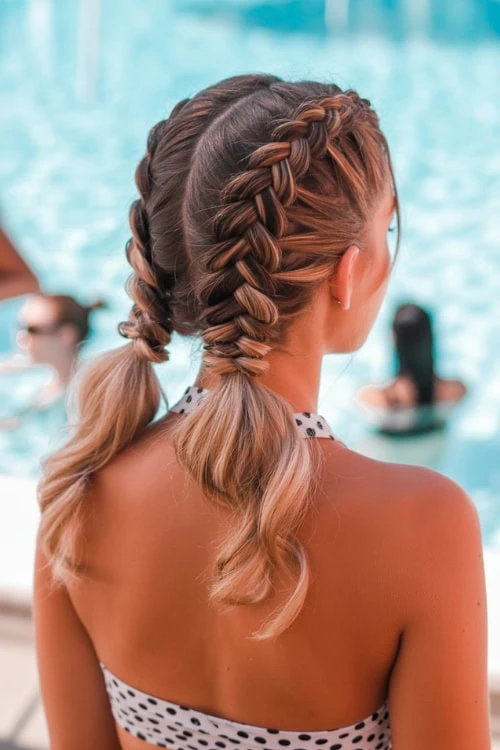
I’ll say it: two french braids take more time than one, but the result is worth the extra ten minutes. These pigtails start with a clean middle part, then each braid is built from the hairline down to the nape, ending in a loose wave instead of a tight elastic. The layers in the cut prevent the braids from looking bulky, and the dark blonde base with lighter highlights gives each braid its own dimension. The styling steps are simple: part down the center, braid each side with even sections, then gently pull the edges of the braid to loosen them. That’s it. No extra product, no heat. The braids hold for two days, and they look more intentional than a single braid when you want something playful.
Half-Up French Braid Crown Detail
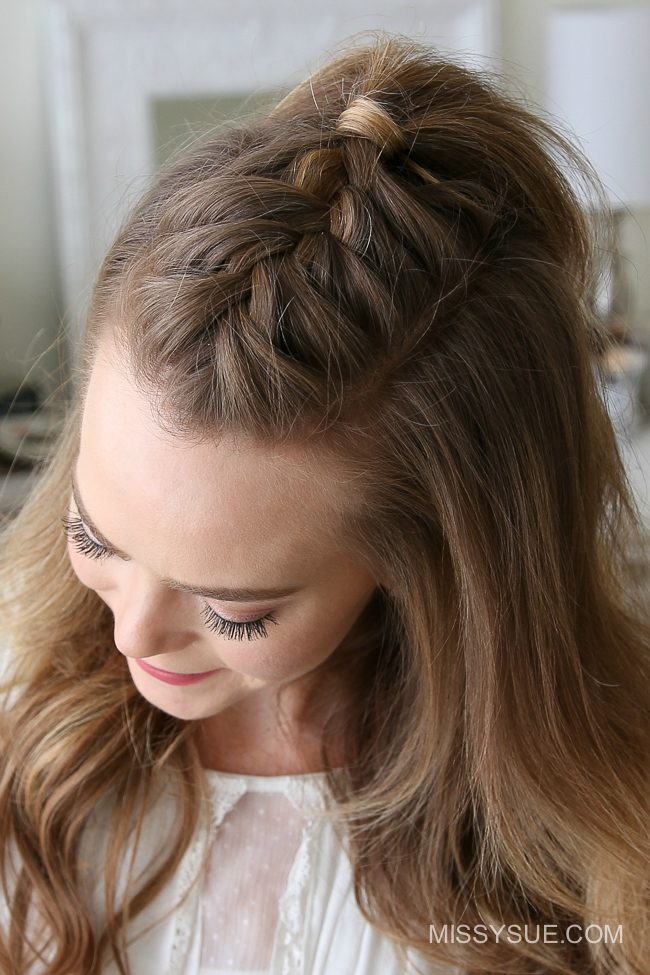
I’ll admit, the half up french braid looks better in the mirror than it feels. The crown detail pulls hair away from the face, but shorter layers have a way of escaping. By the end of the day, the braid loosens and you need to re-pin. The dark blonde highlights catch the light, but the real work is keeping the braid tight. It’s a sweet style for a casual day, but don’t expect it to survive a windy commute.
Thin Crown Braid Headband Detail
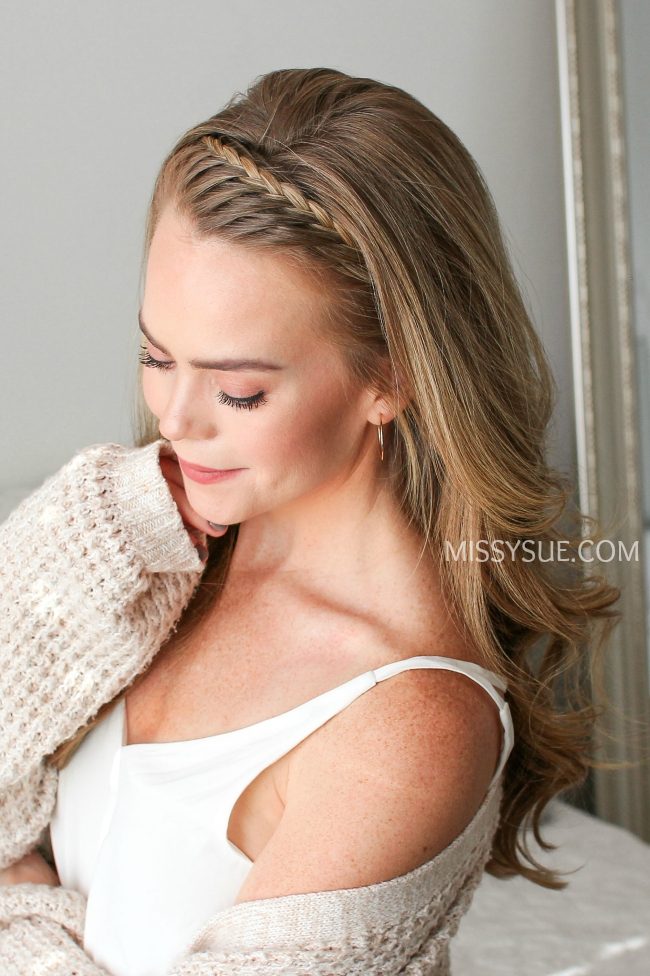
A thin crown braid headband is the most understated way to wear a french braid. It works on medium-density wavy hair with highlights, because the thin braid stands out against the loose waves. The braid starts near the ear and crosses the crown, mimicking a headband. This style suits anyone who wants a subtle accent without committing to a full braid. You can do it yourself in under ten minutes with a texturizing spray for grip. The side profile shows off the detail near the face.
Chunky Shoulder-Length Auburn Braid
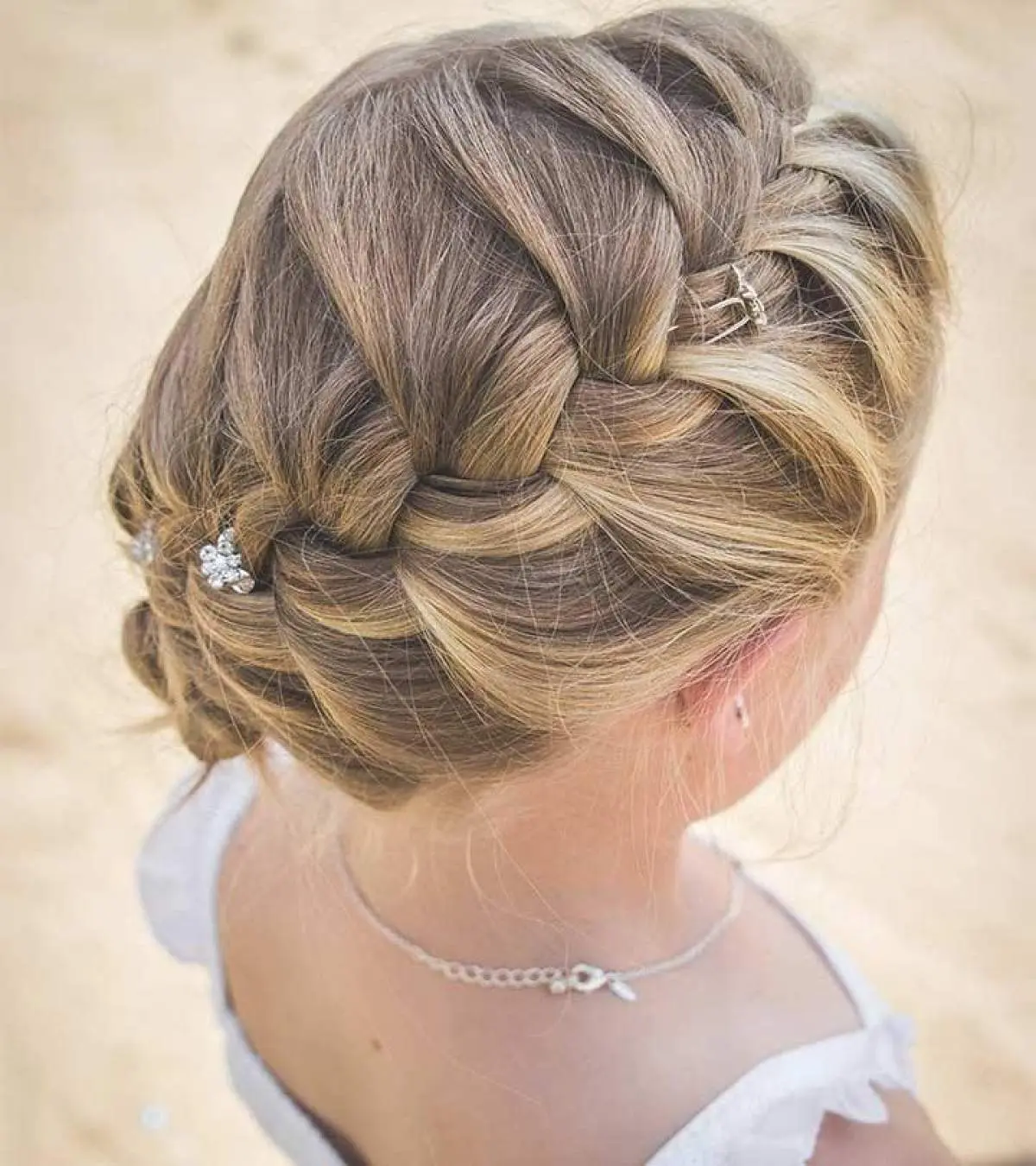
This is the braid that finally made me understand the appeal of auburn in October. The shoulder length french braid lands right at the collarbone, thick enough to read as a single chunky braid rather than a skinny rope. Wavy medium-density hair gives it the volume it needs, and the auburn catches warm light in a way that blonde just can’t in winter. The middle part keeps the shape symmetrical, and the lack of bangs means no stray pieces to tuck back in by noon. It holds for two full days if you sleep on it carefully, and the layers at the ends keep the braid from looking blunt. Fifteen minutes in the morning, and it carries you through a weekend. I booked this twice in one season.
Two-Tone Dark Brown Side Braid
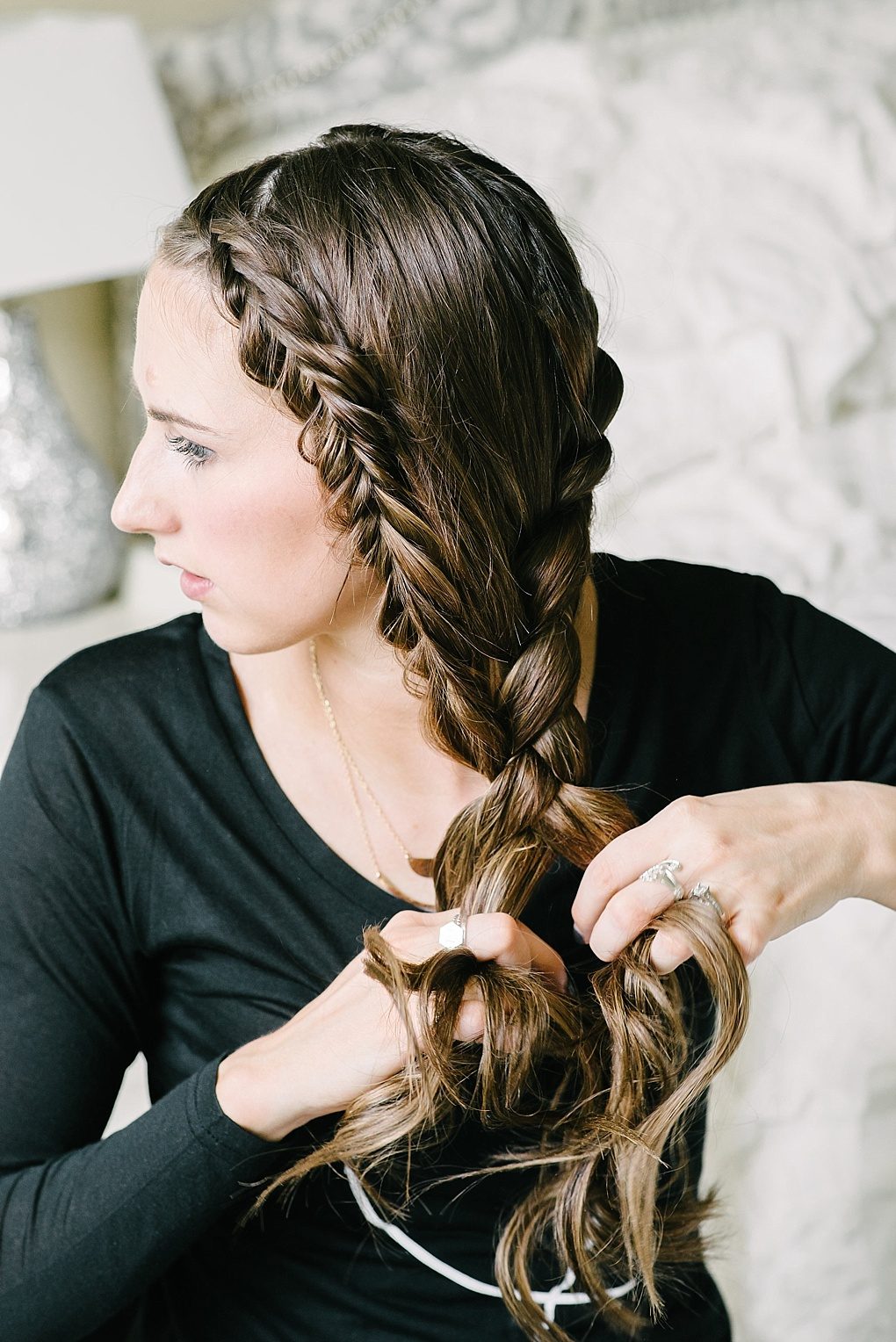
The first time I tried this, I ended up with one tight braid and one loose one. The dark brown french braid on the face-framing side needs a clean side part and a steady hand, because the side-swept bang has to feed into the braid without leaving a gap. The second braid extends down towards mid-back, and the caramel highlights are what save the look from reading as too heavy. Thick, wavy hair gives the braids body, and the two-tone effect keeps it from looking like a single flat rope.
The honest downside is the time. Twenty-five to thirty-five minutes is a commitment, and if the side part shifts, the whole balance tilts. But the hold is excellent for an event. The side-swept bang frames the face without obscuring it, and the dual braids mean no loose ends to tuck. I mastered the technique on a Tuesday night when I had nowhere to go, and it paid off for a wedding the next Saturday. The caramel highlights catch the light, so the braid reads as dimensional rather than flat.
Half-Up French Braid Crown — The Braid Is Neatly Done
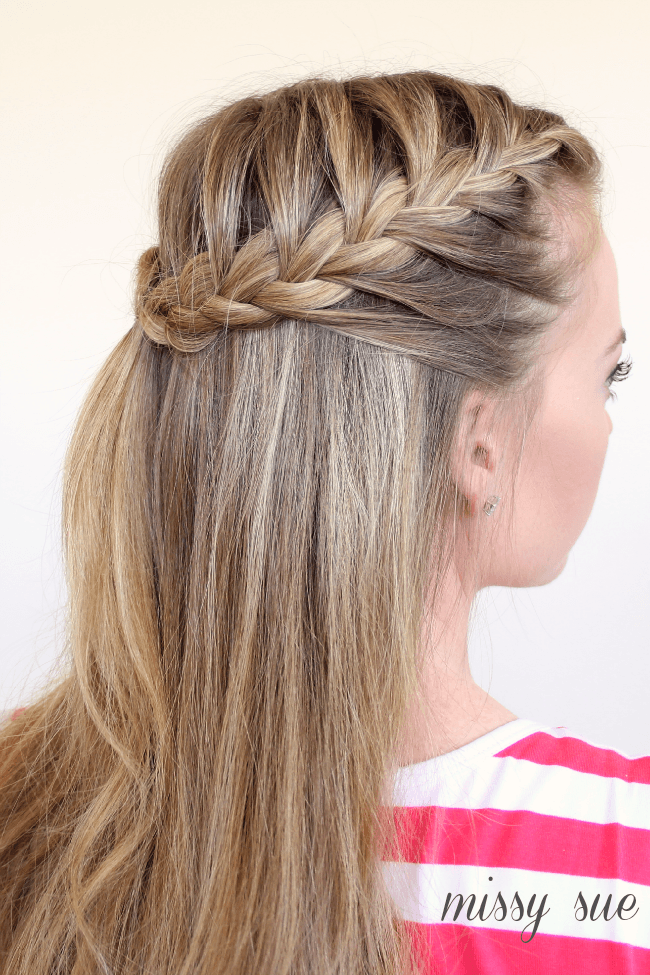
Have you ever tried a braided crown half up and had it look like a messy headband instead of a deliberate style? This one works because the braid is neatly done, gathering hair from the front and sides without pulling too tight. Straight hair with lighter highlights shows off the braid’s definition, and the mid-back length of the remaining hair keeps the proportion balanced. It flatters round and oval face shapes by adding height at the crown without widening the sides. Fine or medium-density hair holds this best, because thick hair can make the braid look bulky. Ask your stylist for a clean, tight braid that sits close to the scalp, and keep the rest of the hair straight to contrast the texture.
Thick Straight Side French Braid
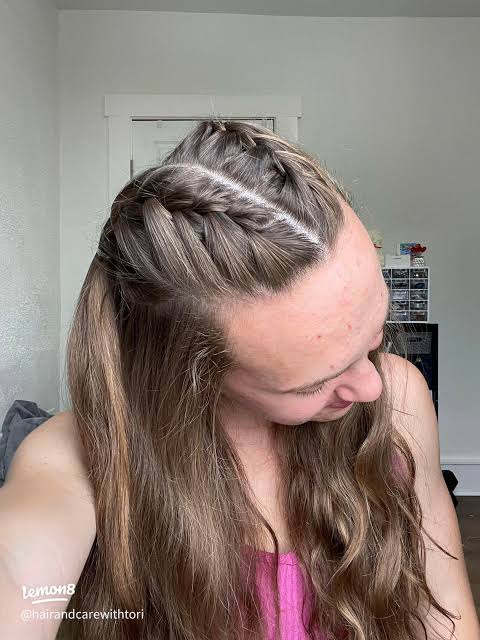
The clean french braid structure on this thick straight braid is almost architectural: every section tucked with intent. Worn as a side french braid, it holds sharp for a full day, but by day two the edges soften, losing that morning precision. The layers help keep it from slipping, but the real test is night: sleep without a silk scarf and the crown flattens, the braid develops a kink that no amount of tugging fixes. The hold is excellent for a full day of activity, but the honest downside is that maintaining that crisp look requires a midday touch-up. By evening, it still holds, but it looks lived-in, either relaxed or sloppy depending on your standards.
Light Brown French Braid with Face-Framing Strands
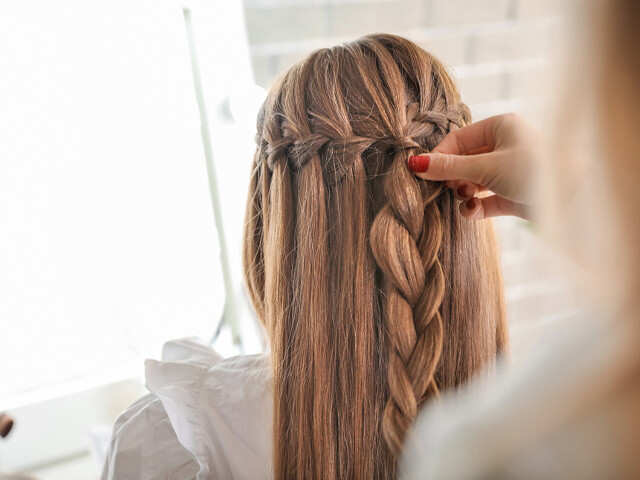
I’ll admit it: I’ve ruined more than a few french braid with face framing attempts by pulling the face-framing strands too early. The mistake is thinking you can grab them before the braid is secured. Instead, braid the entire length first, then gently tease out a few strands around the face. This light brown base with blonde highlights shows the intricate french braid pattern best when the face-framing pieces are added last, twisted or left natural. That way, the braid stays tight and the strands don’t pull the whole thing loose.
Thick Dark Brown French Braid
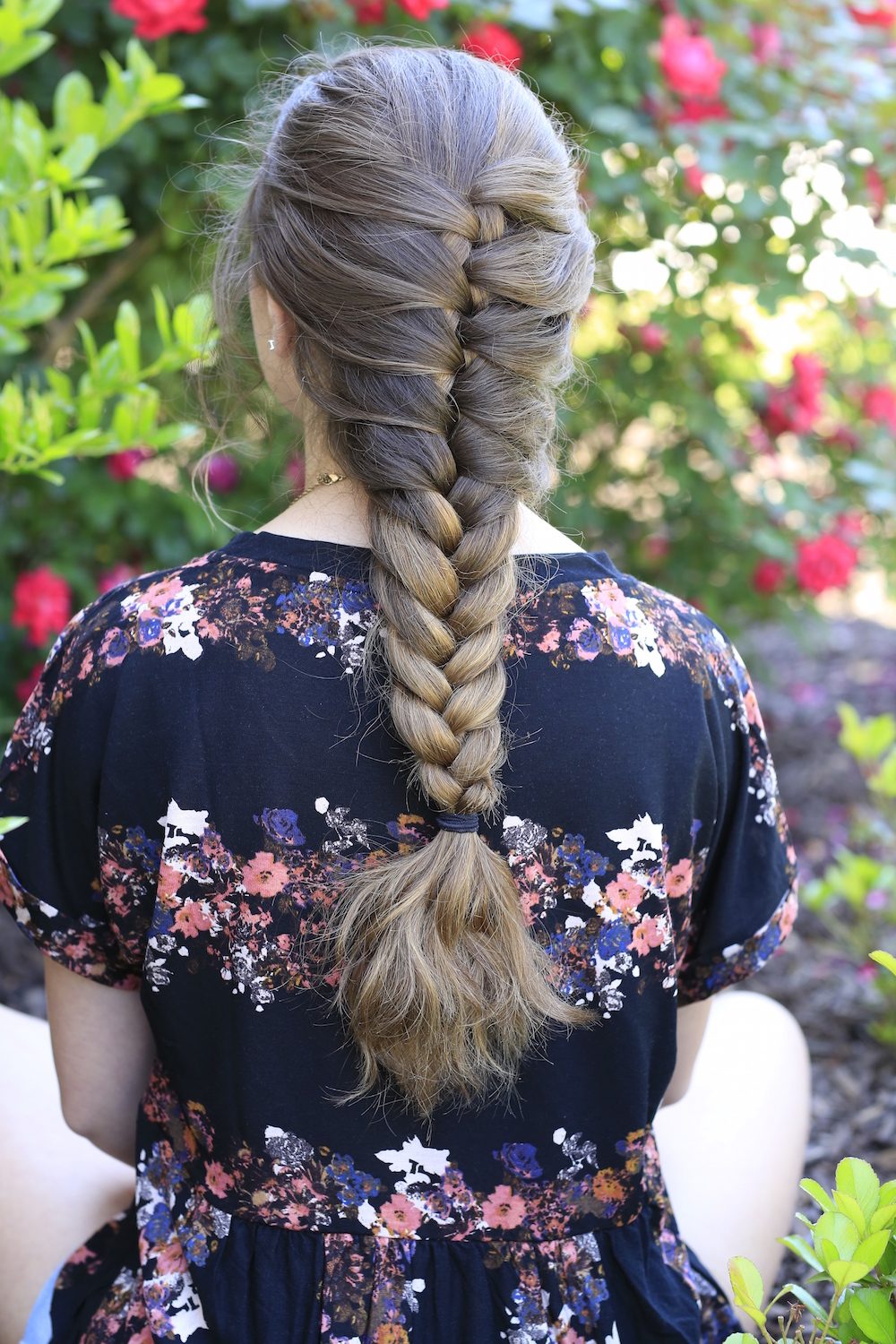
Ever tried to get a French braid this clean and ended up with a lumpy mess instead? The trick with a thick dark brown braid on dense hair is all about sectioning. Three equal sections from the crown, pulled tight, not loose. This is mid-back length, straight texture. That dark brown base with subtle blonde highlights makes every twist visible. At home, the hard part is keeping the tension even on yourself. A salon braid will be tighter and last longer because someone else can pull the sections straight. The hold is impressive, two days easy if you sleep on silk. The technique is the thing, getting those sections to lie flat without a single strand pulling loose. Not hard, just precise.
Clean Defined Dark Brown French Braid
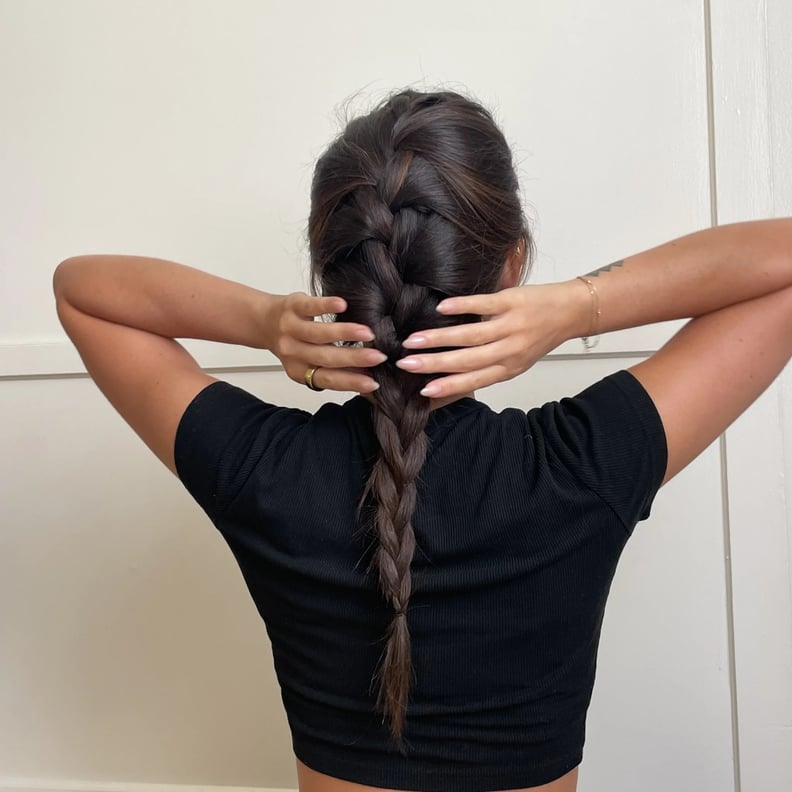
A loose braid is one thing. This defined french braid is the opposite. Every single section is pulled tight and locked into place with gel or pomade at the hairline. The result is sharp, almost architectural. It looks like it was drawn on. The dark brown colour is a solid block, no highlights breaking up the line, which makes the clean shape the whole point.
The downside is the prep. This is not a five-minute braid. You need product on every strand before you start, and the tension has to be exact from the nape to the crown. If you mess up a section, you start over. It holds perfectly for two days, maybe three, but it is not comfortable. Your scalp will feel it. That is the trade-off for getting that crisp, defined line.
Ash Blonde Braid into Low Ponytail
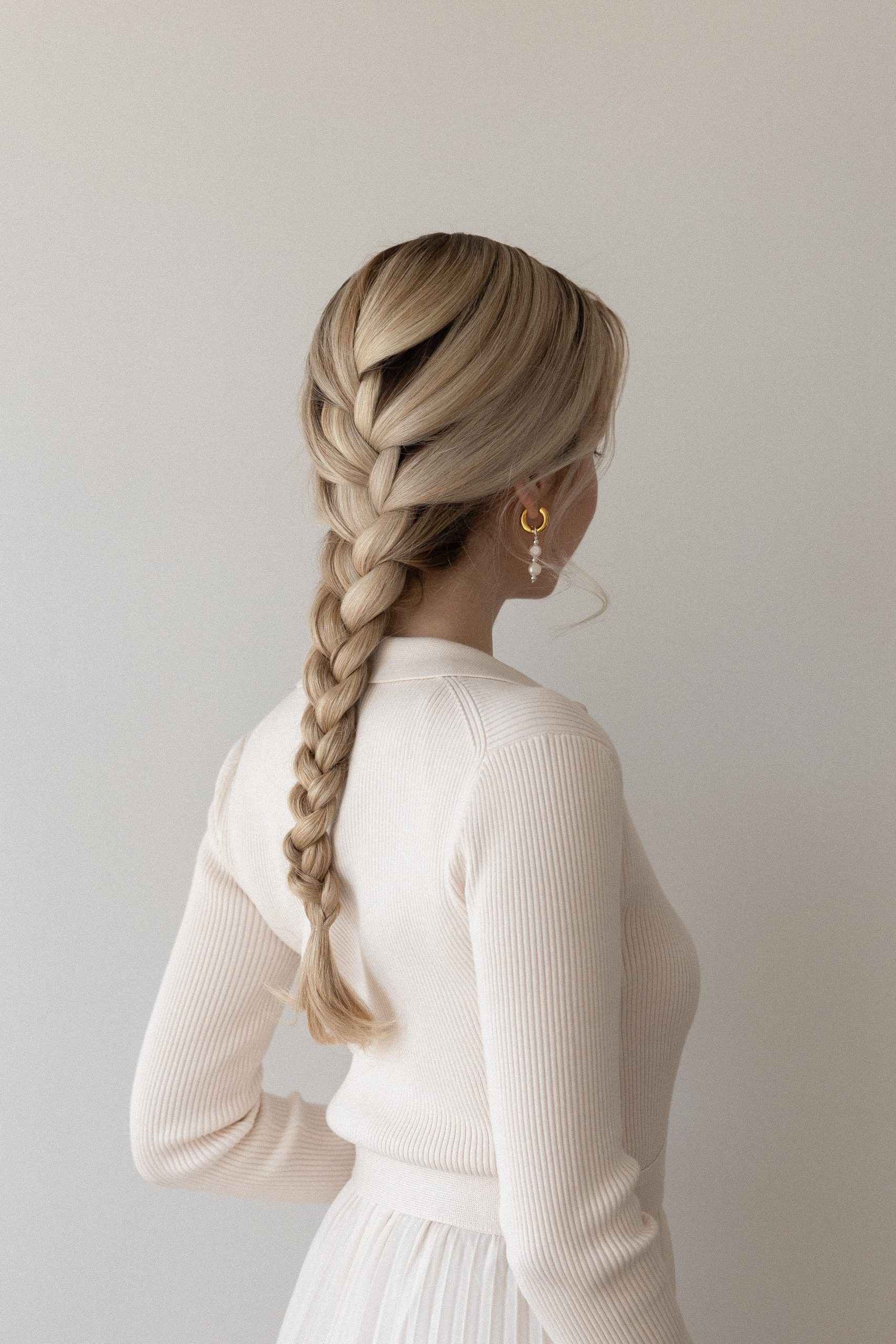
A ponytail that starts with a braid reads differently than one that doesn’t. This french braid ponytail works best on hair that is at least mid-back length, so the braid has room to travel before it meets the elastic. The ash blonde with subtle highlights gives it dimension. Without the highlights, a braid this tight can look flat. The slight wave in the texture helps the braid grip itself, no product needed. It flatters a long face because the braid pulls the eye down the center. For a rounder face, leave the sides loose. The upkeep is minimal. It holds for two days, and the ponytail hides any second-day grit at the nape. A braid-to-ponytail transition is smarter than a full braid for anyone who wants the detail without the full commitment.
Dark Blonde Balayage French Braid
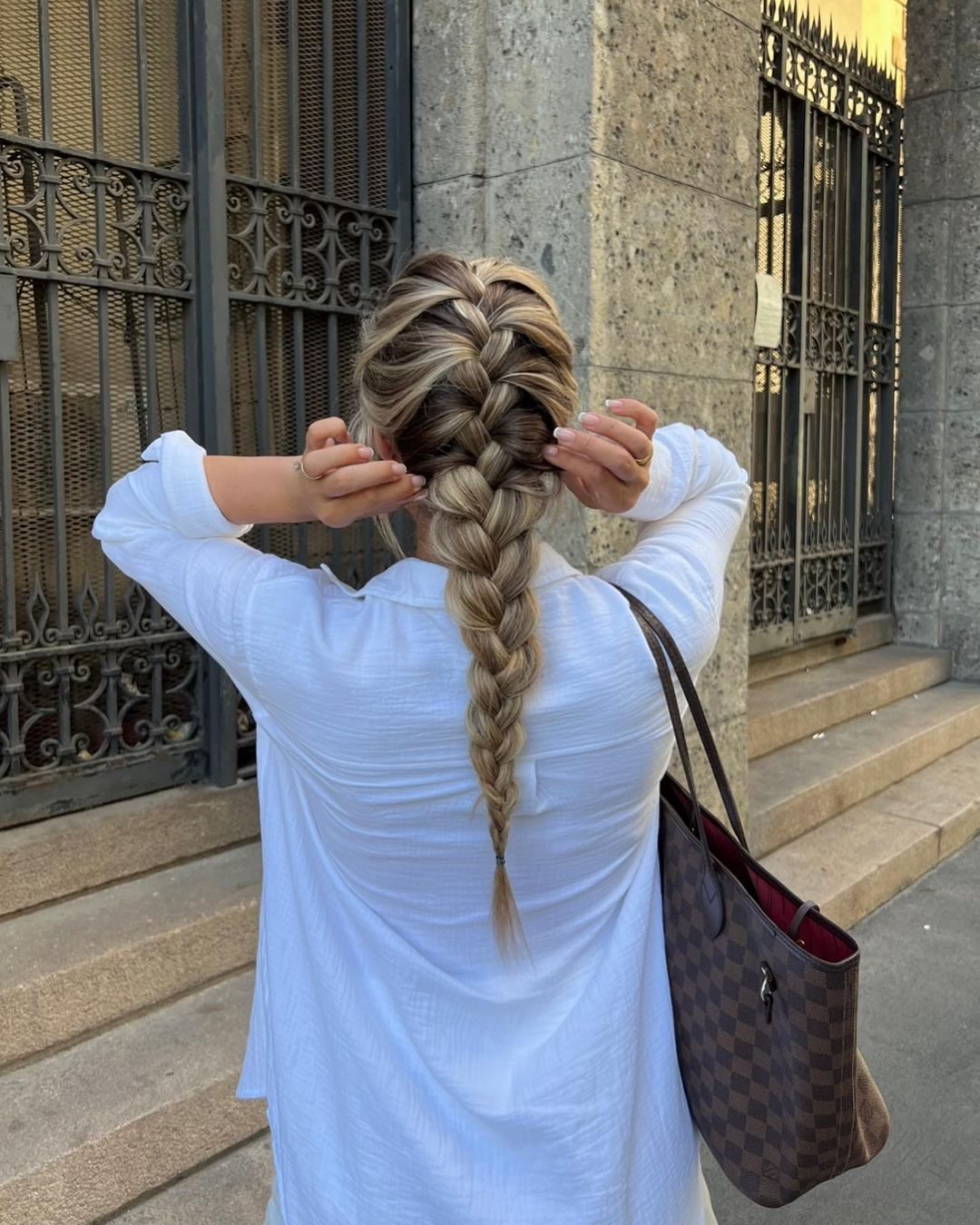
You braid it at 8 am. By noon, the crown has lifted. That is the reality of a balayage french braid on thick, straight hair. The dark blonde base with balayage creates a ribbon effect in the braid, lighter pieces catching the light. But the weight pulls the braid down at the nape. It is a great look for an evening event where you will be seated. For a full day on your feet, you need more texture spray or a tighter start. The honest downside is the flyaways. Balayage means lighter ends, and lighter ends are drier ends.
Medium Brown Wavy French Braid
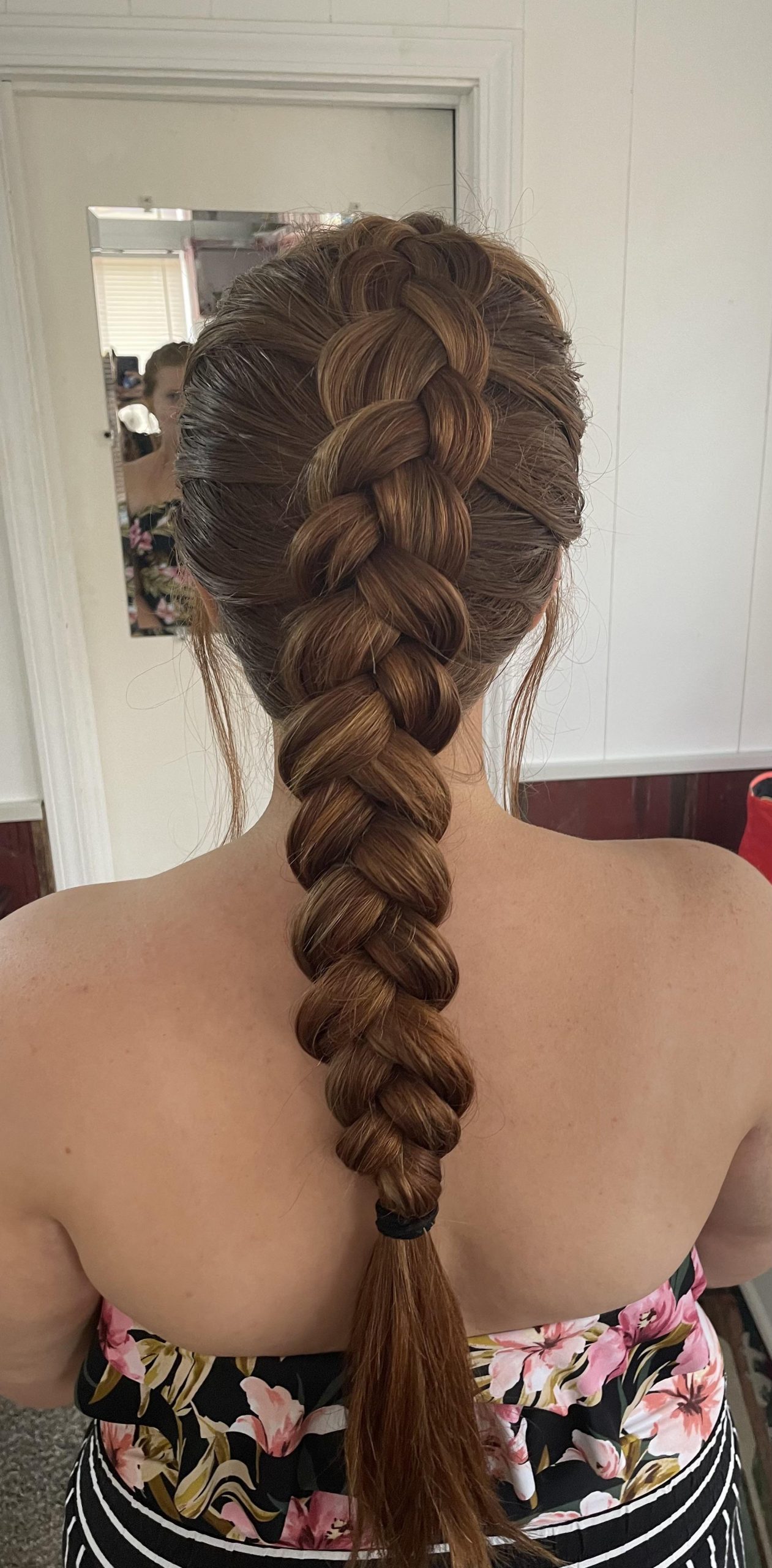
I wanted to hate how good this looks. A wavy brown french braid on medium brown hair, thick and even, no bumps. At home, wavy texture is a gift for braiding. It grips itself. You can pull it tight and it stays. The problem is getting the sections even. I end up with one side thicker than the other, and the braid leans. In a salon, the stylist sections the hair with clips and a comb, every part is mathematical. The medium brown colour helps. Without highlights, the shape is the only thing you see. A salon braid on wavy hair is the easiest way to get this look. The texture does the work, the stylist does the math.
Multi-Tonal Dark Brown Wavy Braid
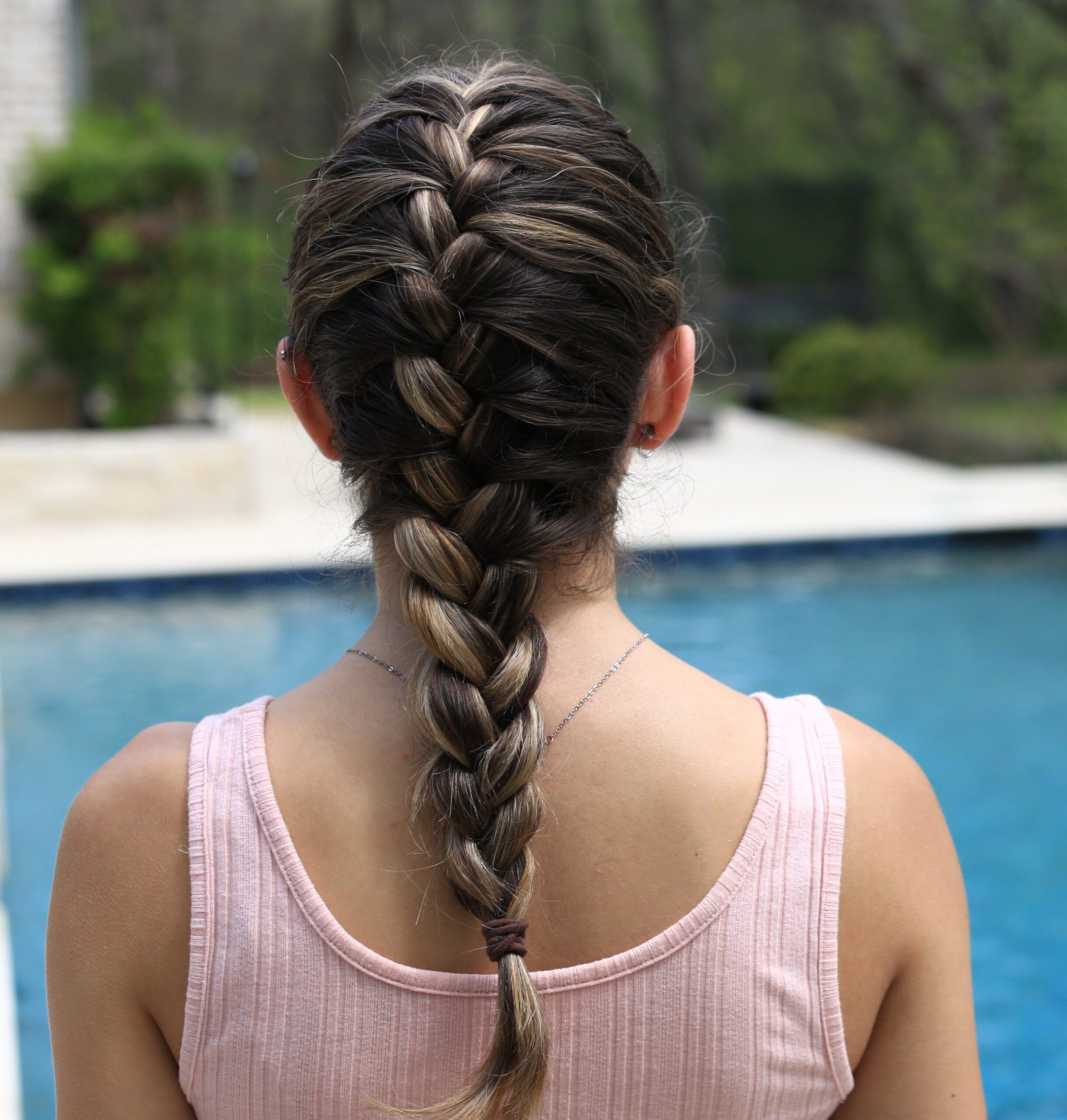
Why does a multi tonal french braid look best when the leaves start turning? The dark brown base with blonde and auburn highlights catches autumn light in a way that a single shade never could. This wavy braid, thick and layered, holds the color dimension best when you use a texturizing spray before braiding: it grips the waves and keeps each tone visible. The season calls for richer, warmer styles, and this braid delivers without looking costumed. It lands at weddings, harvest gatherings, or just a Sunday when you want your hair to match the mood outside. The multi-tonal effect stays readable for two days if you refresh with a bit of dry shampoo at the roots.
Tight Dark Blonde Collarbone Braid
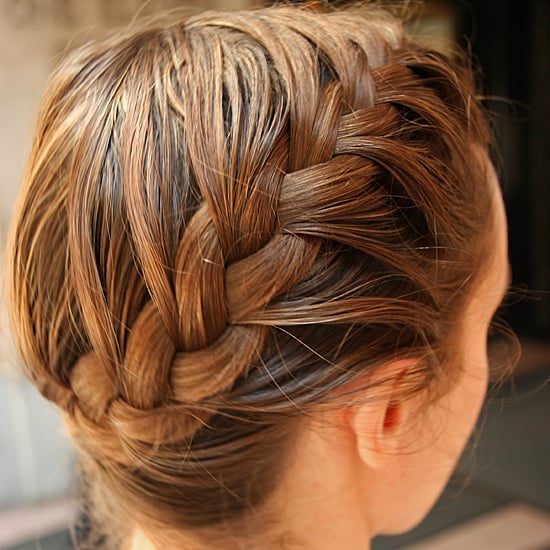
I’ll admit it: I love how a tight braid looks, but my scalp does not always agree. A collarbone length french braid, tightly woven, holds for two full days without a single loose strand. The dark blonde with lighter highlights catches the light in a way that makes the weave look intentional, not rushed. The downside? That first hour after braiding. Tension headaches are real, and if you have a sensitive scalp, you will feel every single crossover. Worth it for the hold, but I schedule this for mornings when I can take ibuprofen before noon.
Loose Voluminous Medium Brown Braid
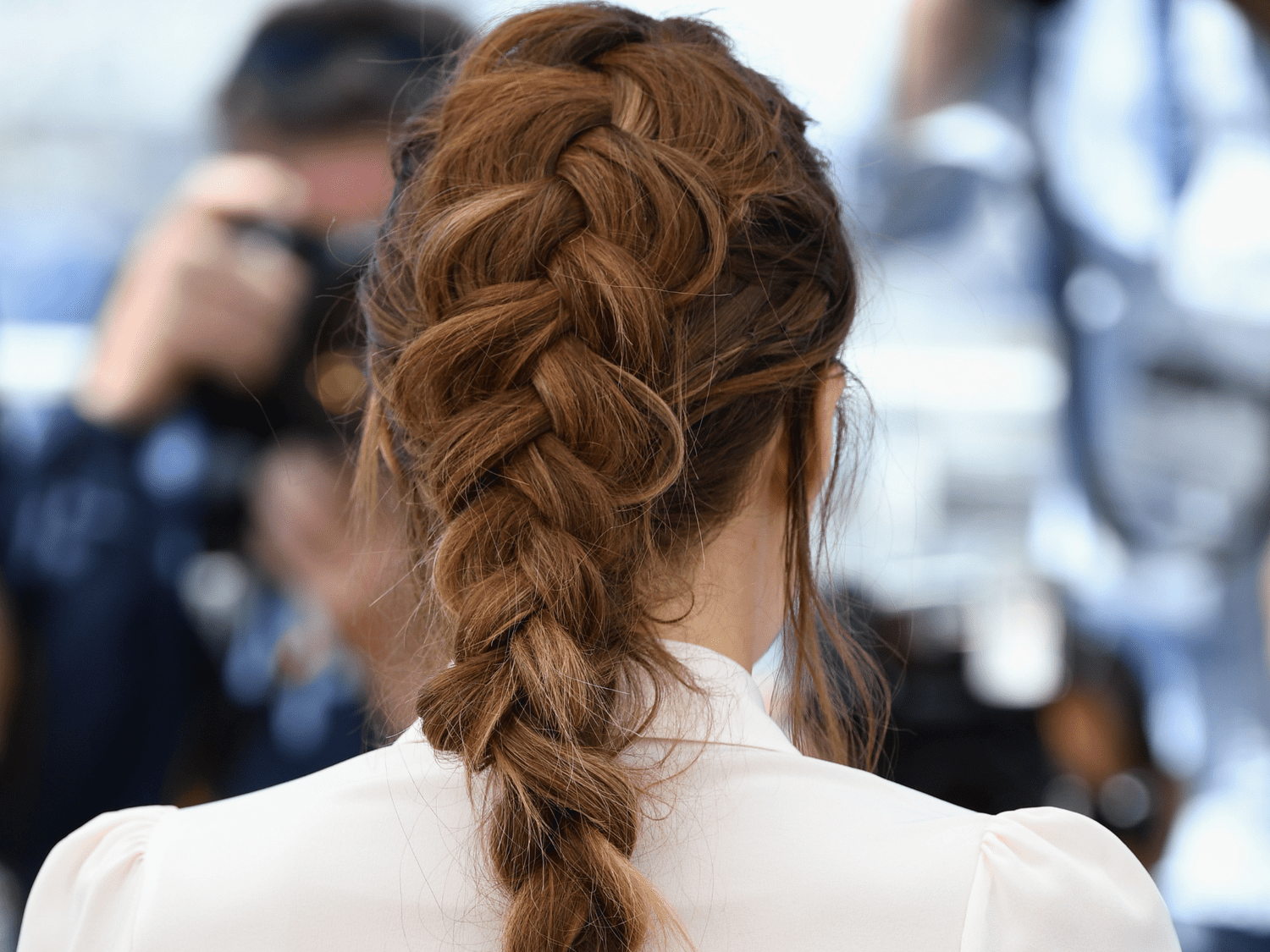
The trick to a loose french braid that actually looks undone and not just sloppy is stopping before you think you should. I learned this after three attempts where the braid either fell apart by lunch or looked like I had wrestled a cat. The voluminous braid here extends to mid-back, medium brown with subtle lighter highlights, and the key is pulling apart each section after securing. Not gently. With purpose.
I have fine hair, so volume does not come naturally. For this to work, I start with day-two hair and a generous dusting of dry shampoo. Then I braid loosely, leaving the crown section slightly puffed, and after the elastic goes in, I tug at the outer edges until the braid doubles in width. It holds for a full day, maybe two if I sleep with it in a loose bun. The challenge is resisting the urge to smooth every flyaway. That flyaway is the whole point.
Final Thoughts
After writing all 18 of these, I’m booking the half-up crown braid for my next event. It’s the one that looks like you tried but not too hard. And that’s the whole point of a French braid now: it’s not a ponytail’s less exciting cousin. It’s the main event.