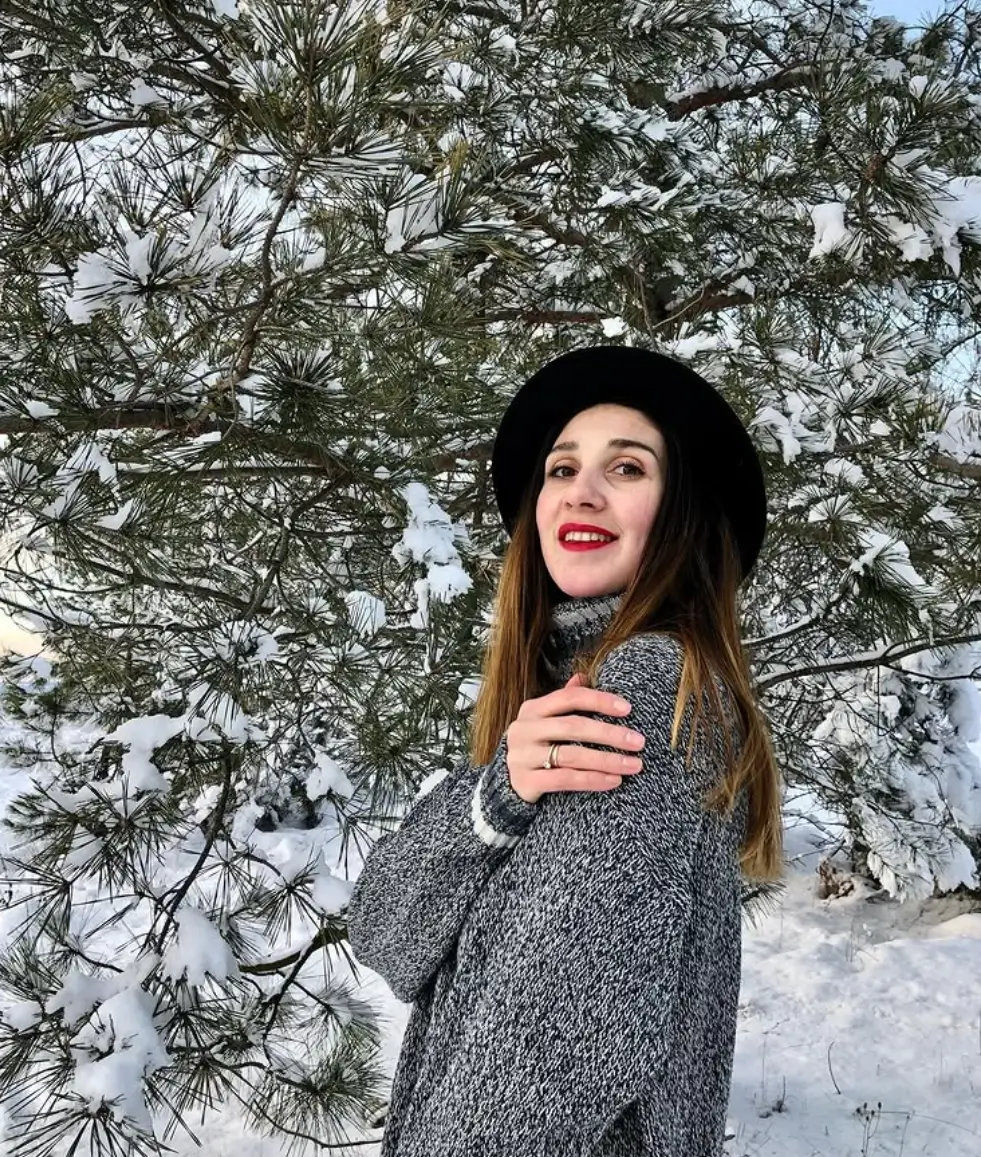
Exploring a national park calls for outfits that balance practicality with personal style. From desert treks to snowy forest trails, the right pieces let you move freely while still looking put-together.
This guide covers 21 real-life looks designed for various park landscapes, showing how to layer, choose footwear, and adapt to changing conditions. Whether you’re hiking a mountain trail or strolling through a geothermal park, you’ll find styling ideas that prioritize comfort without sacrificing a polished appearance.
Desert Dunes Trek: Layered Jacket and Leggings
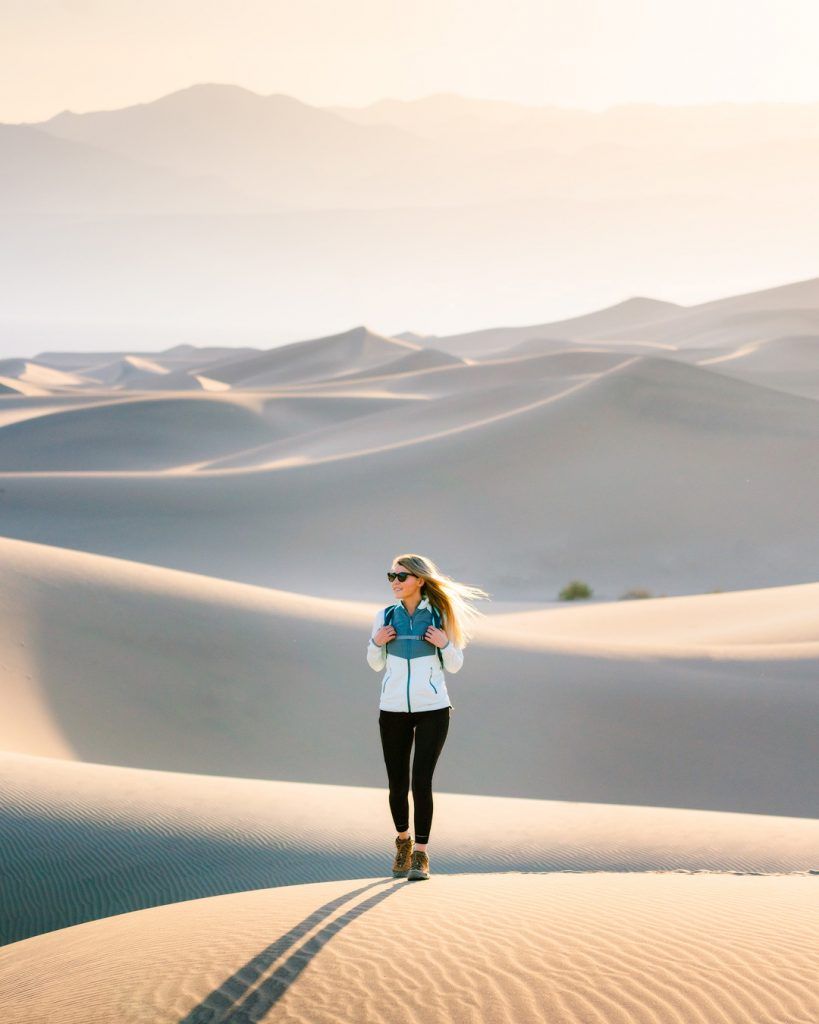
A white and blue jacket is the kind of hero piece that does double duty in the desert. It breaks up the monotony of a black top and leggings while the brown hiking boots keep things grounded. Sunglasses and a backpack are the only extras you need. The styling principle here: when the landscape is monochrome, let your outer layer introduce contrast without competing with the view.
Sunset Overlook: Athleisure Ensemble for Hiking
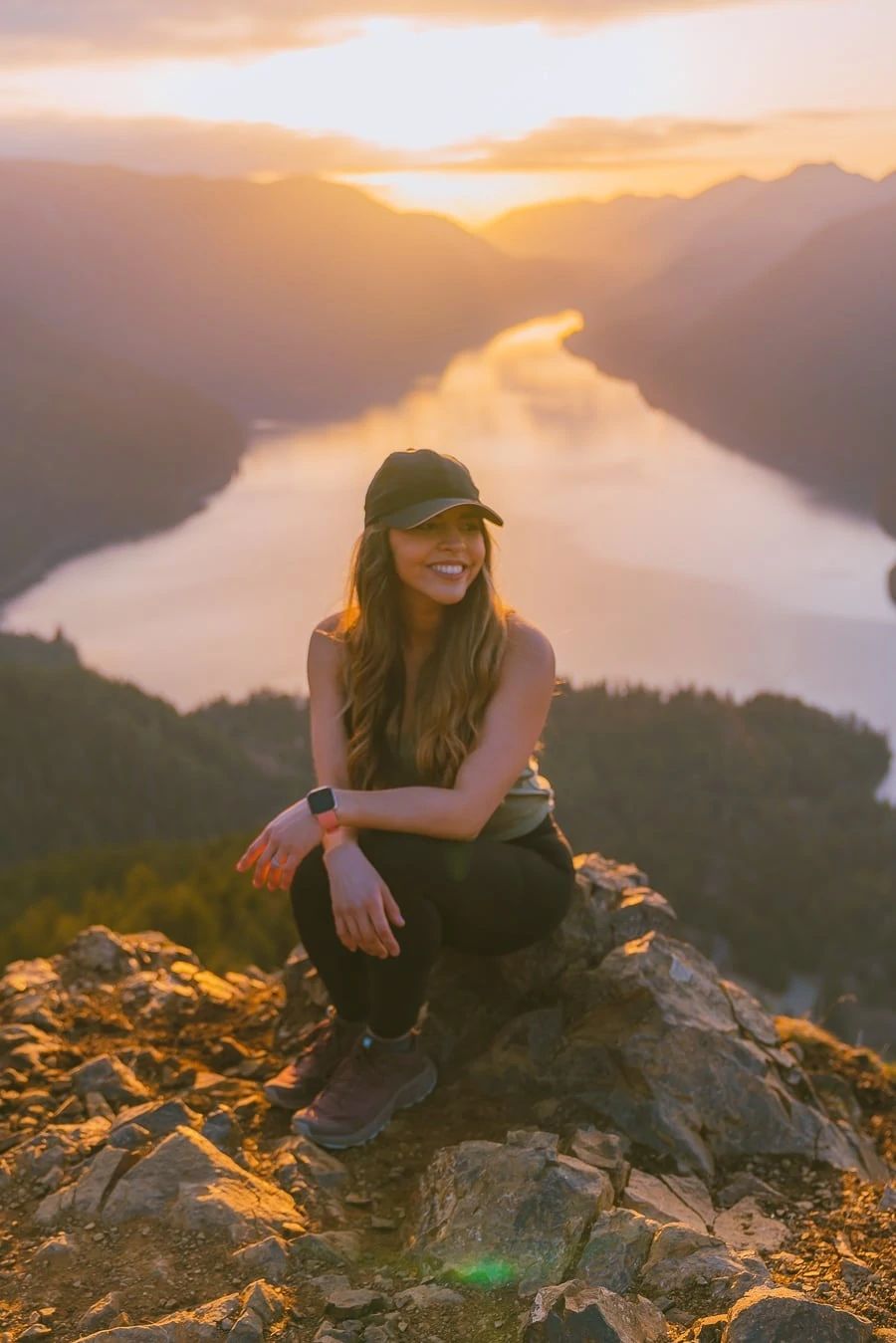
This is the outfit you wear when you want to catch the golden hour from a ridge without sacrificing comfort. An olive green tank top sits under a black baseball cap, paired with black leggings and brown hiking boots. The palette is minimal, letting the orange sunset do the work. It’s practical for a national park visit at sunset, where the temperature drops and the light demands attention.
Mountain Trail Style: Puffer Vest and Plaid
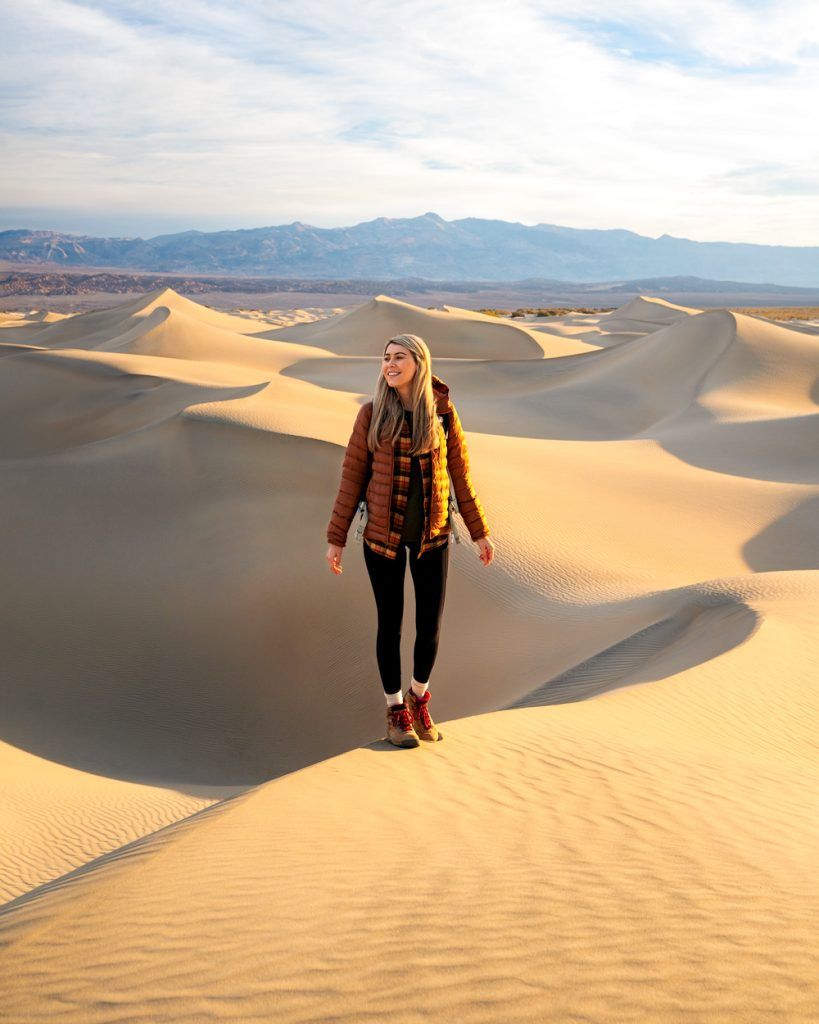
A brown puffer vest over a plaid shirt is the kind of layered look that works for mountain trails where the wind picks up. The vest adds warmth without bulk, and the plaid brings a bit of personality. Red hiking boots and a backpack complete the setup. The takeaway: a puffer vest lets you adjust temperature quickly while keeping your core insulated, which is key for changing elevations.
Snowy Forest Adventure: Bold Red Outerwear
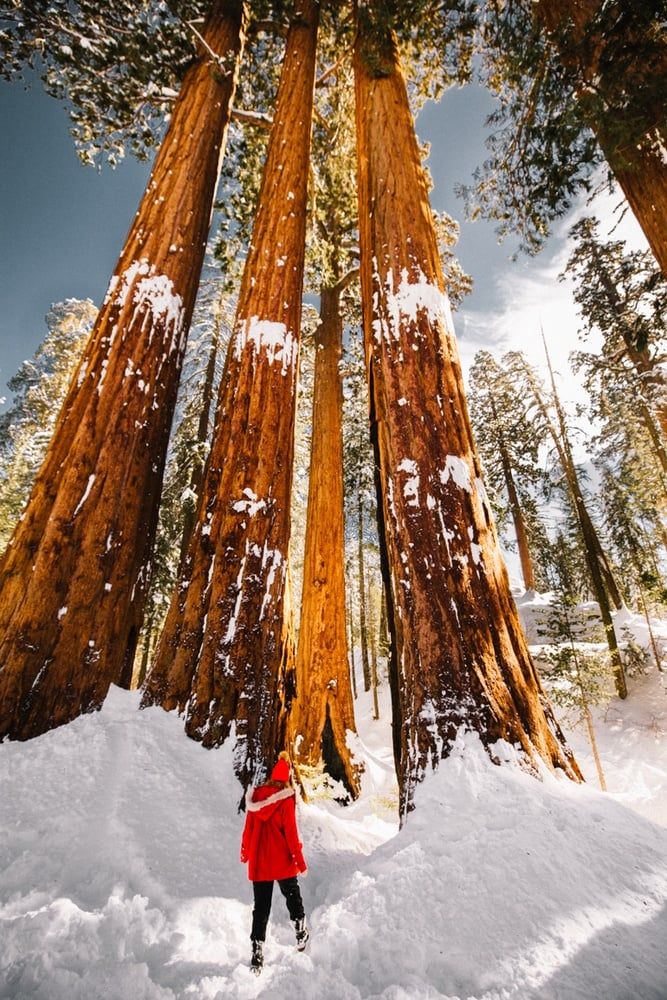
A red hooded jacket is the kind of bold piece that cuts through a white forest. Paired with black boots and a red beanie, it’s a streamlined look that prioritizes visibility and warmth. The relaxed fit allows for layering underneath. The principle: in snow, high-contrast outerwear isn’t just a style choice—it’s a practical one for staying seen.
Desert Serenity: Flowing Maxi Dress Exploration
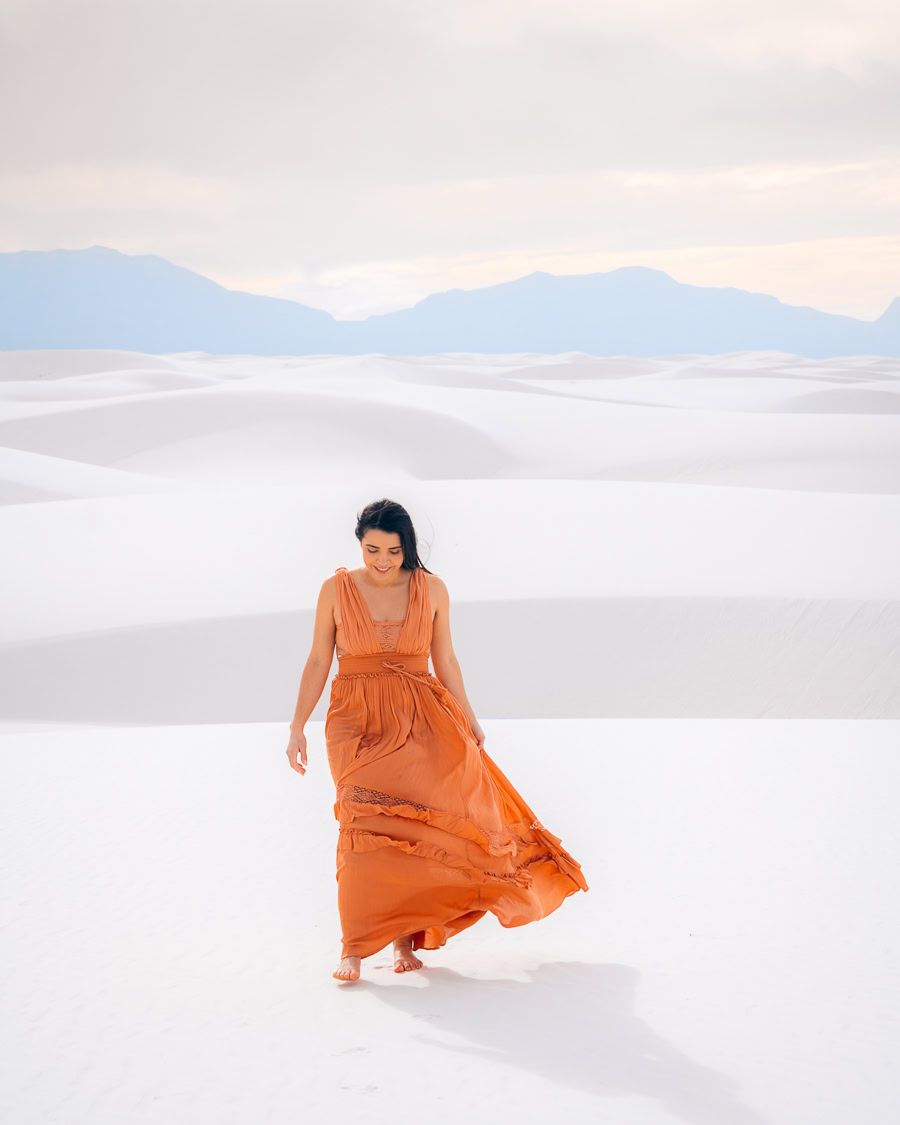
A burnt orange maxi dress in a gauzy fabric is the unexpected choice for a desert visit. The a-line silhouette moves with the breeze, and going barefoot keeps it grounded. The pale blue sky and white sand provide a cool backdrop. This outfit is for the traveler who values ease and wants to feel the landscape rather than fight it.
Joshua Tree Visit: Maxi Dress with Leather Jacket
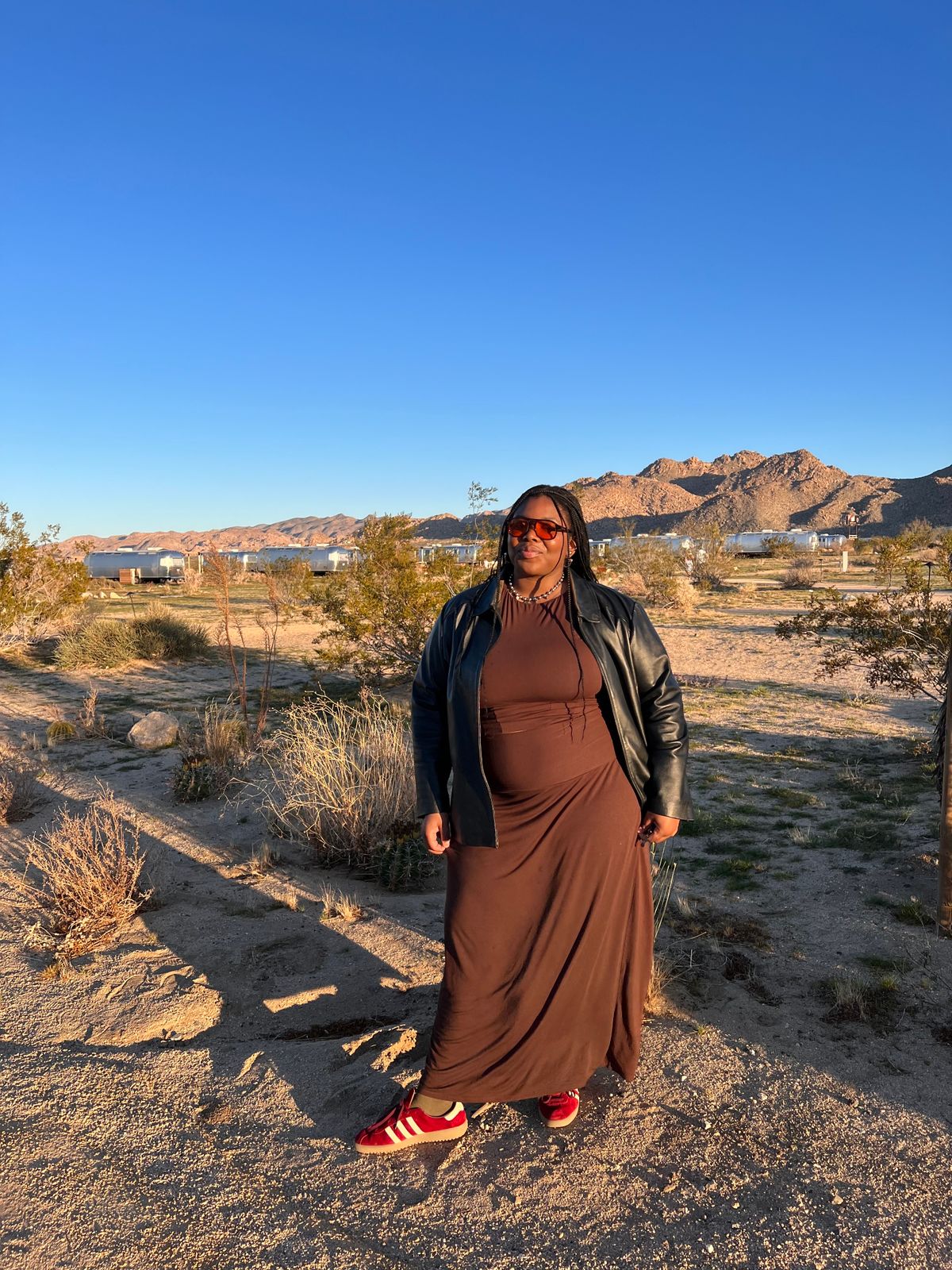
A brown maxi dress is the kind of hero piece that does double duty: it moves with you across the desert landscape but still looks intentional when you stop for a photo. The long, flowing silhouette in jersey cotton keeps things comfortable under the sun, while a black leather jacket adds just enough edge to keep the whole look from tipping into boho cliché. Red sneakers ground the brown-black-tan palette with a pop of color that feels playful rather than precious. The principle here is contrast in weight: pair a soft, draping dress with a structured jacket to create visual tension that reads as styled, not thrown together.
Waterfall Hike: Functional Rain Jacket and Boots
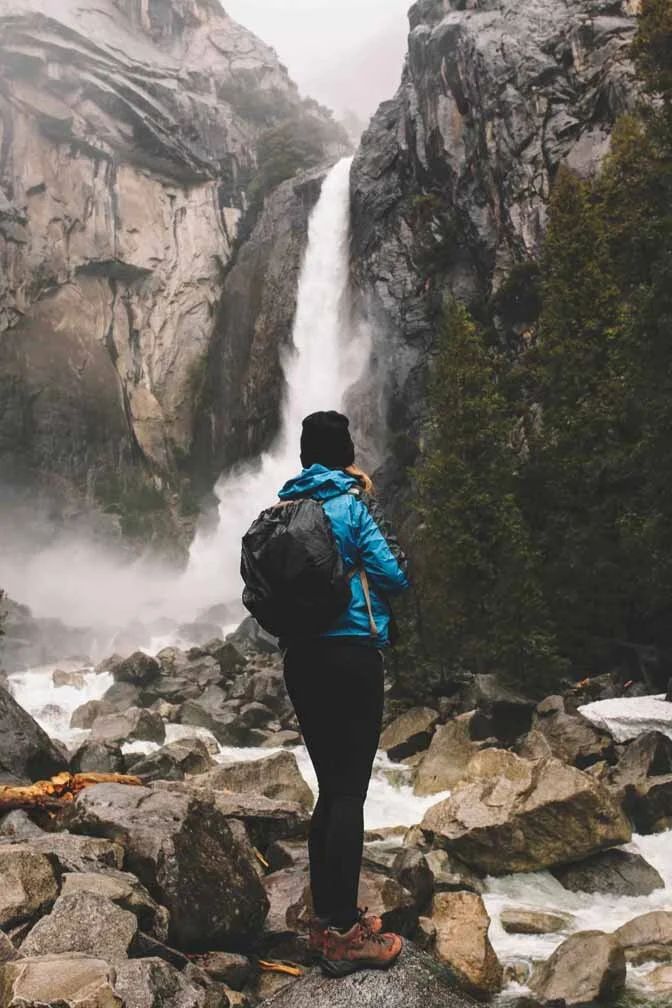
A blue rain jacket in nylon is the kind of piece that earns its place in your closet by being both protective and presentable. The relaxed fit allows for layering underneath without restricting movement, and the bright blue keeps you visible on the trail. Red hiking boots add a functional foundation—good traction on wet rocks—while a black backpack and black beanie keep the rest of the kit streamlined. The palette stays clean: blue, black, grey, and green from the surroundings. One useful principle: when your outer layer is already a statement color, keep accessories neutral so the jacket remains the focus.
Mossy Forest Hike: Fitted Zip-Up and Leggings
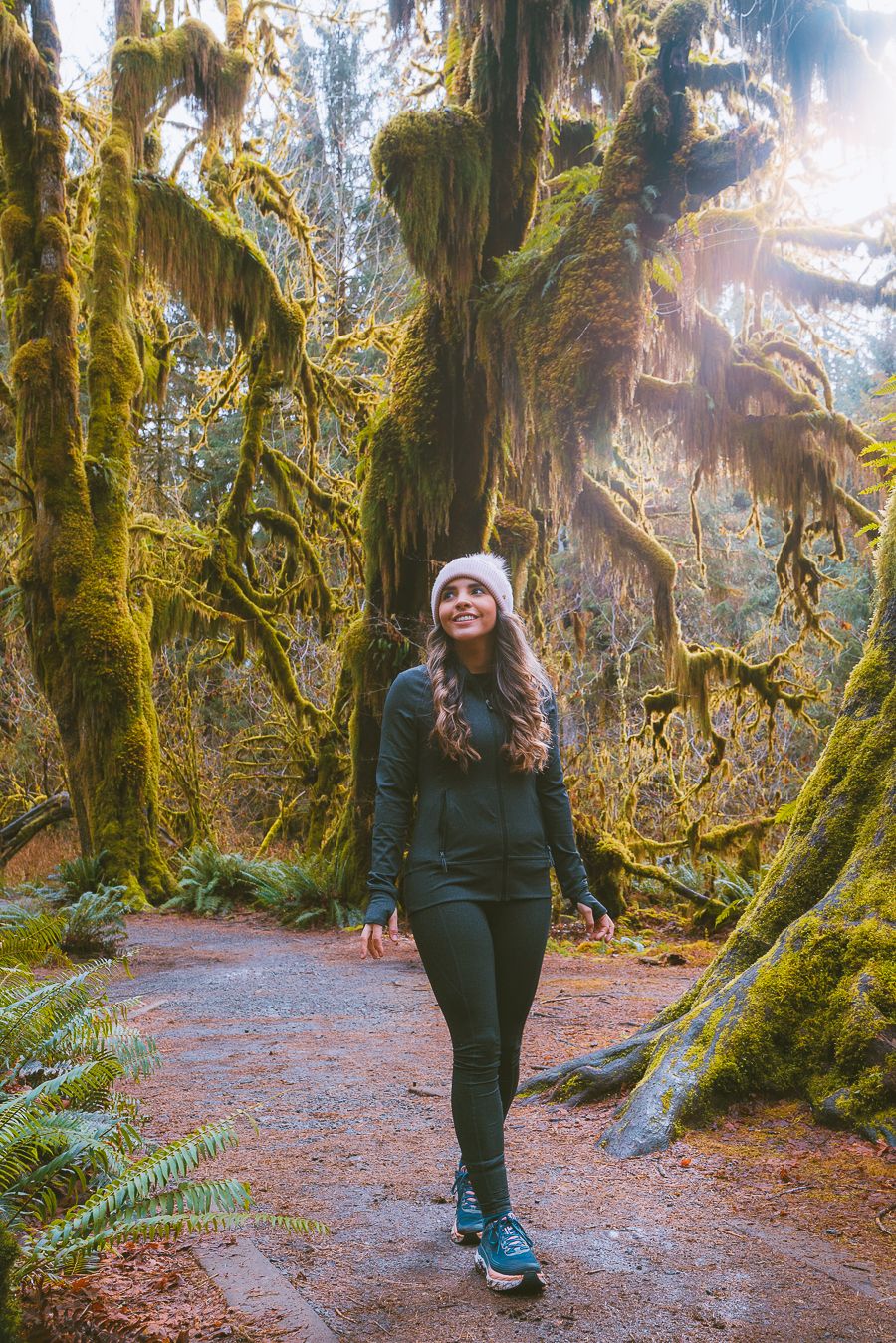
This is a look built for moving through a mossy forest trail without overthinking your clothes. A fitted black zip-up jacket in fleece and synthetic fabric provides warmth without bulk, paired with black leggings that stretch with each step. Blue and pink athletic shoes add a subtle color lift against the dark green backdrop. The monochrome base makes the outfit feel intentional, while the shoes inject personality. This is for the hiker who wants to blend into the landscape but still have a little fun underfoot. The takeaway: when your environment is heavily textured—think moss, bark, ferns—a clean, fitted silhouette keeps you from looking messy.
Woodland Trail: Waterproof Jacket and White Pants
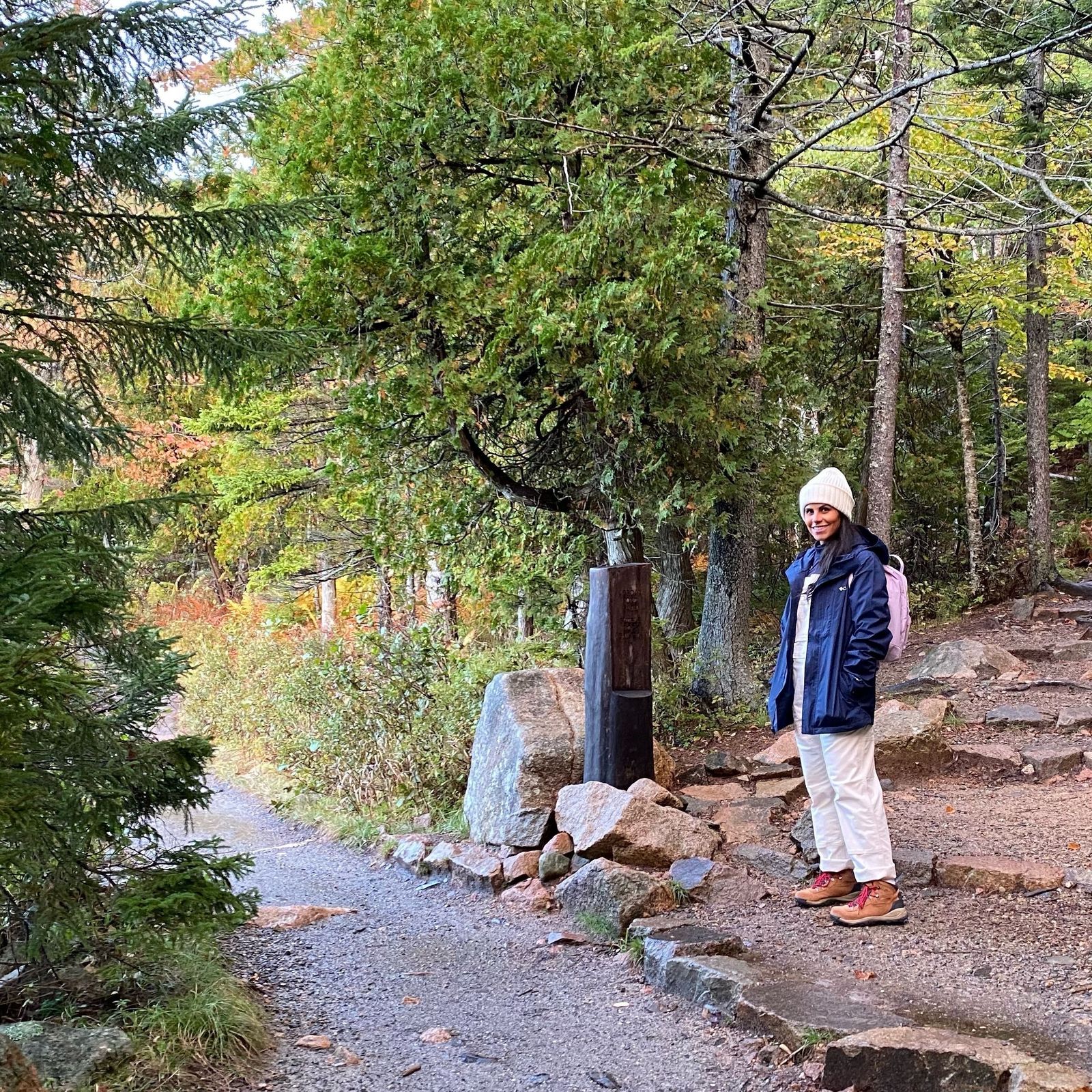
A navy waterproof jacket is the piece that makes a woodland trail feel manageable, even when the weather turns. The relaxed fit allows for easy movement, and the navy stands out just enough against the green without screaming for attention. White cotton pants with a straight leg cut keep the look crisp and unexpected—white on a hike is a choice, but it works when the jacket does the heavy lifting. Brown hiking boots and a white beanie add practical warmth, and a pink backpack brings a soft accent. The principle: a high-contrast jacket-pants combo (navy and white) creates a clean line that photographs well against busy natural backgrounds.
Sand Dune Vista: Windbreaker and Striped Top
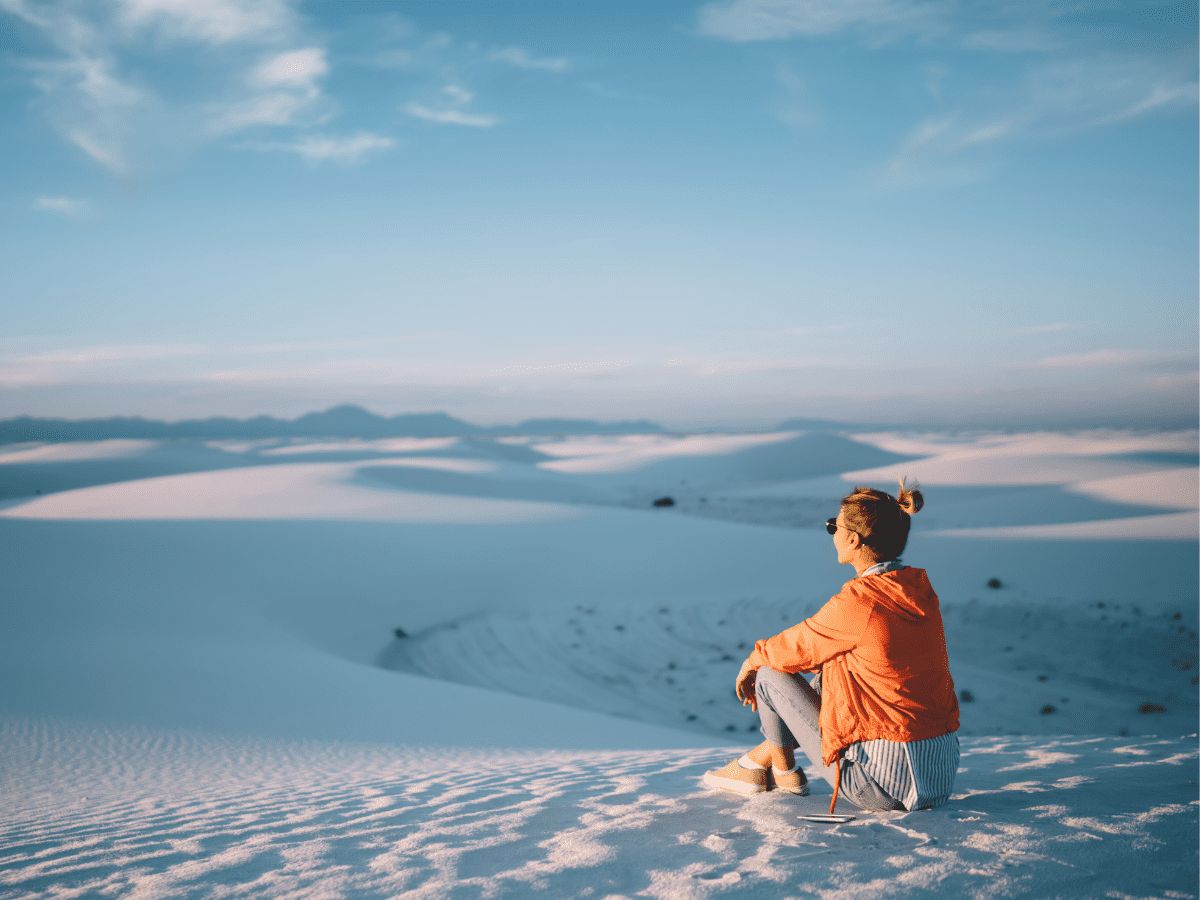
An orange windbreaker jacket in nylon is the hero piece here, and it makes sense against the white sand dunes: bright, lightweight, and easy to tie around your waist when the sun gets high. Underneath, a striped long-sleeve shirt in cotton adds a classic base layer, and tan slip-on shoes keep the look casual and sand-friendly. The loose fit of the jacket gives the whole outfit a relaxed, almost effortless feel—perfect for a scenic viewpoint where you want to move freely. One useful styling principle: a windbreaker in a saturated color like orange reads as purposeful, not costumey, when the rest of the outfit stays neutral.
Desert Landscape: Patterned Trousers and Heeled Boots
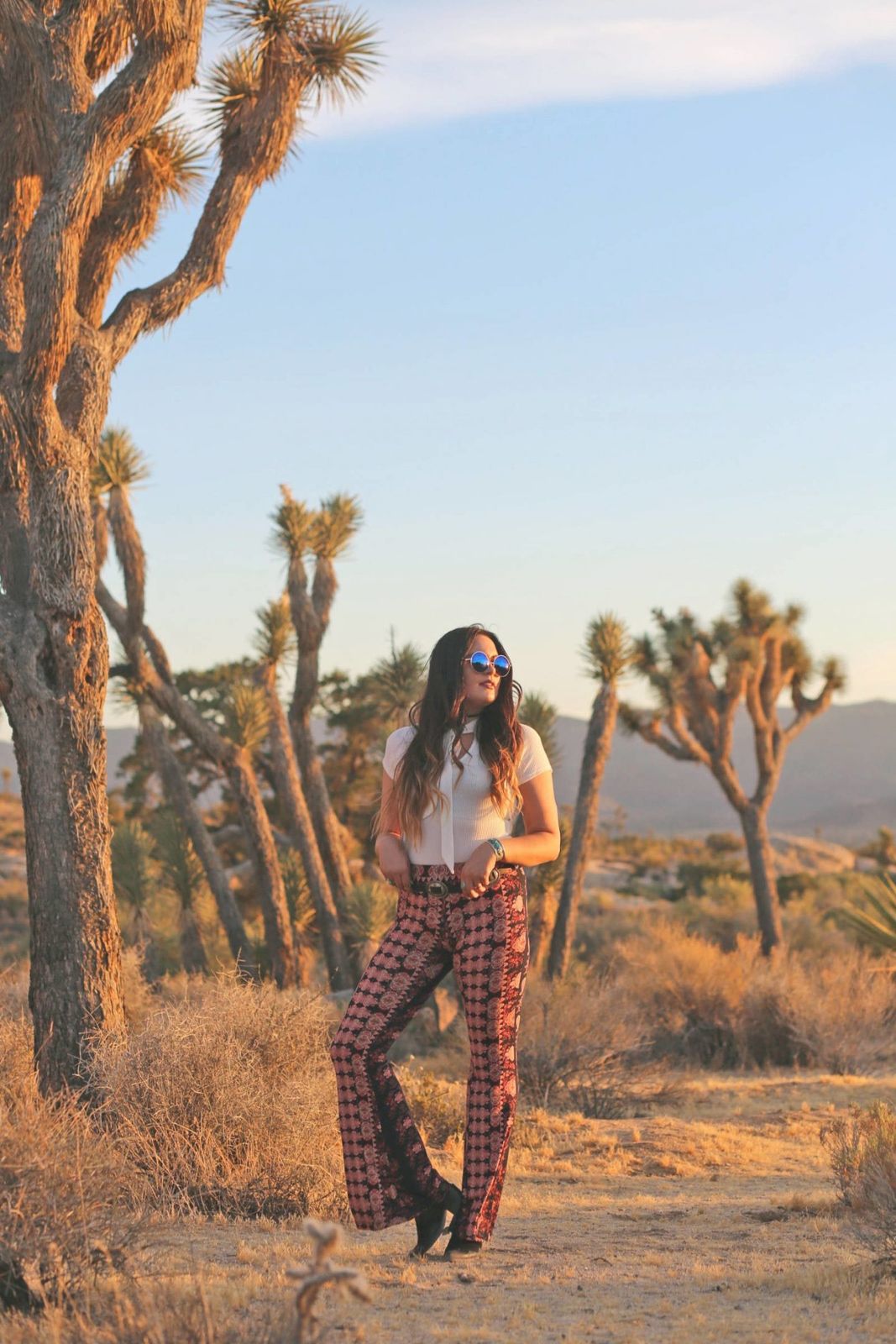
A patterned trouser can actually work on a dusty trail if you pick the right proportions. The flared cut here balances a fitted white short-sleeved top and textured knit layer, while black heeled boots add a city-meets-safari edge. Blue sunglasses and a watch keep it intentional without over-accessorizing. The principle: when your bottom half makes a statement, keep the top half simple and tucked.
Rocky Desert Scene: Black Patterned Dress and Ankle Boots
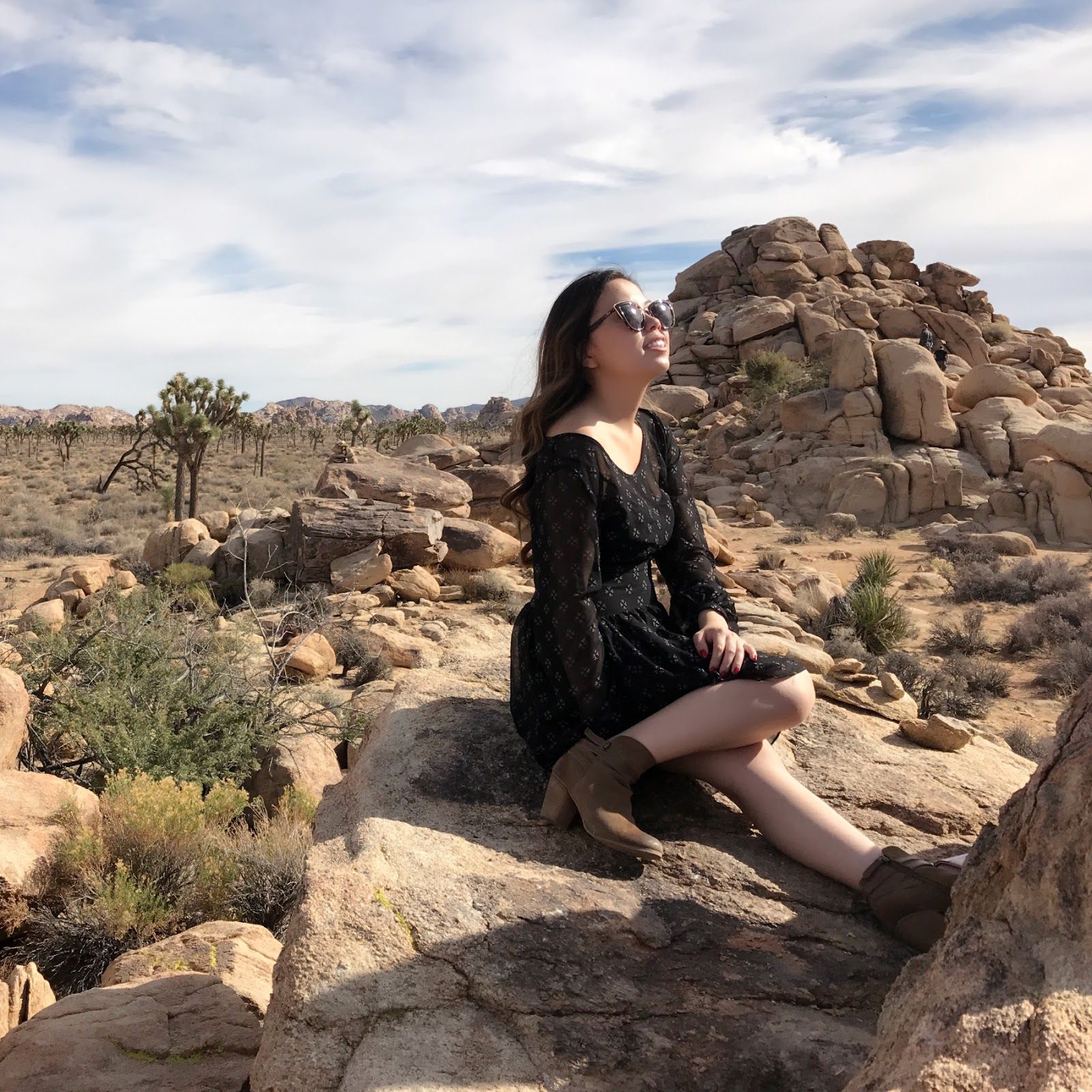
A black patterned dress in a national park sounds counterintuitive until you see it styled with brown ankle boots and set against tan rock formations. The A-line chiffon silhouette moves with the breeze and doesn’t cling, making it a solid choice for a casual walk where you still want to feel put-together. The takeaway: a lightweight, loose dress reads as intentional when paired with sturdy boots.
Geothermal Park: Pink Shorts and Hiking Boots
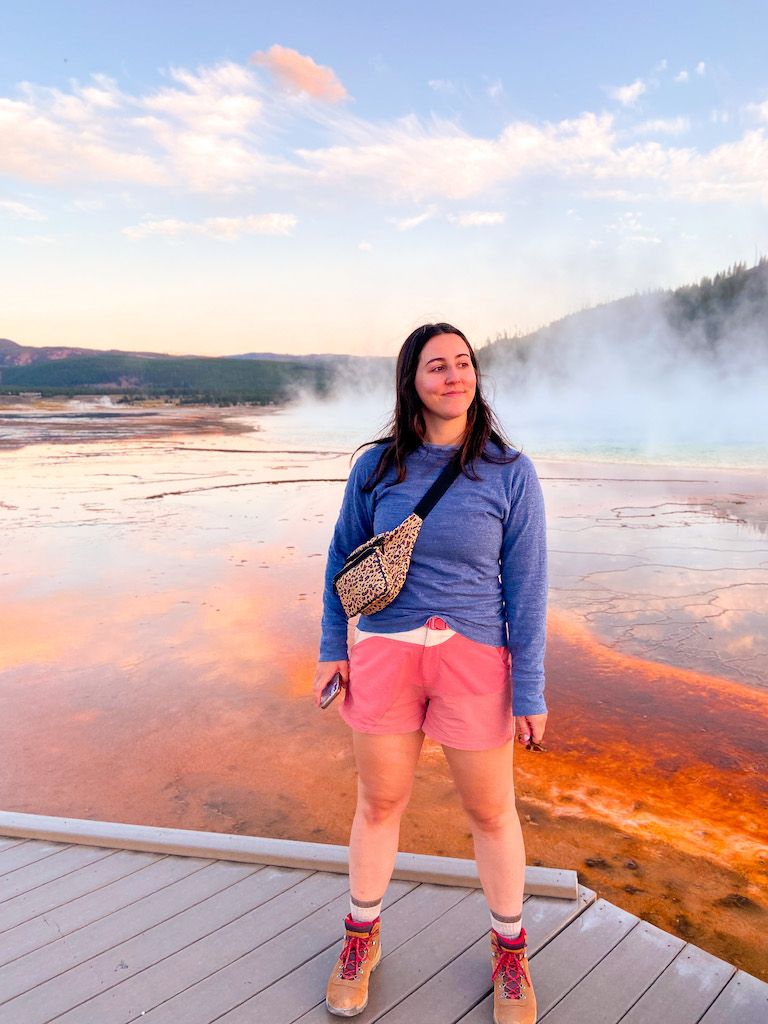
Pink nylon shorts bring a dose of personality to a geothermal park visit without sacrificing function. A fitted blue long-sleeve cotton shirt balances the volume, and tan hiking boots with red socks add a playful contrast. A leopard print fanny pack keeps essentials close. The principle: when wearing a bold color like pink, ground it with neutral footwear and a complementary top.
Park Adventure Ready: Navy Jacket and White Pants
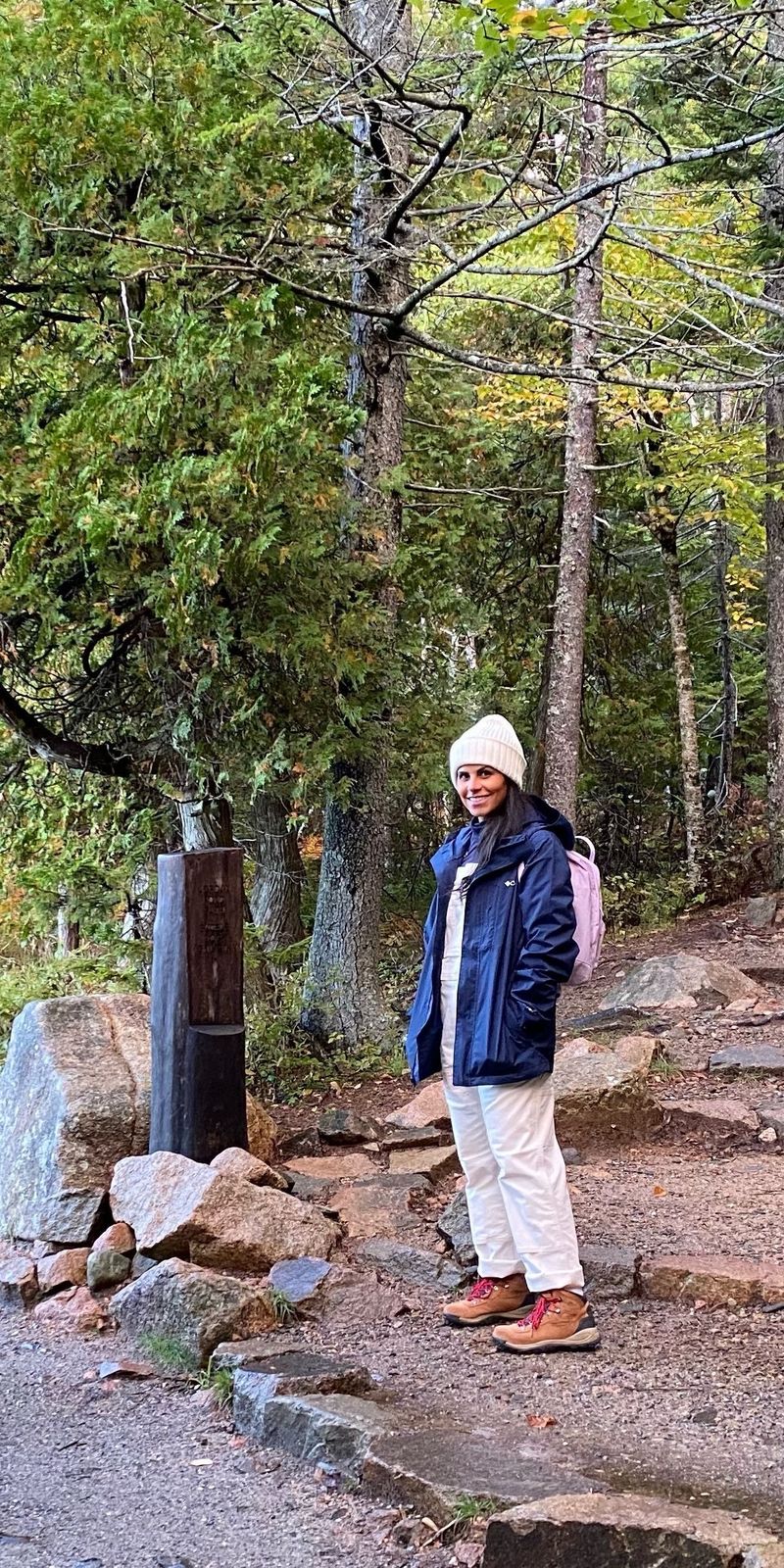
A navy blue nylon jacket with a relaxed fit is the kind of layer that works from trailhead to lodge. Here it’s worn over a white cotton top and straight-leg white pants, with brown hiking boots and a white knit beanie. A pink backpack adds a deliberate pop. The principle: a neutral base lets one colorful accessory—like that backpack—do the work.
Yellowstone Exploration: Puffer Jacket and Black Athleisure
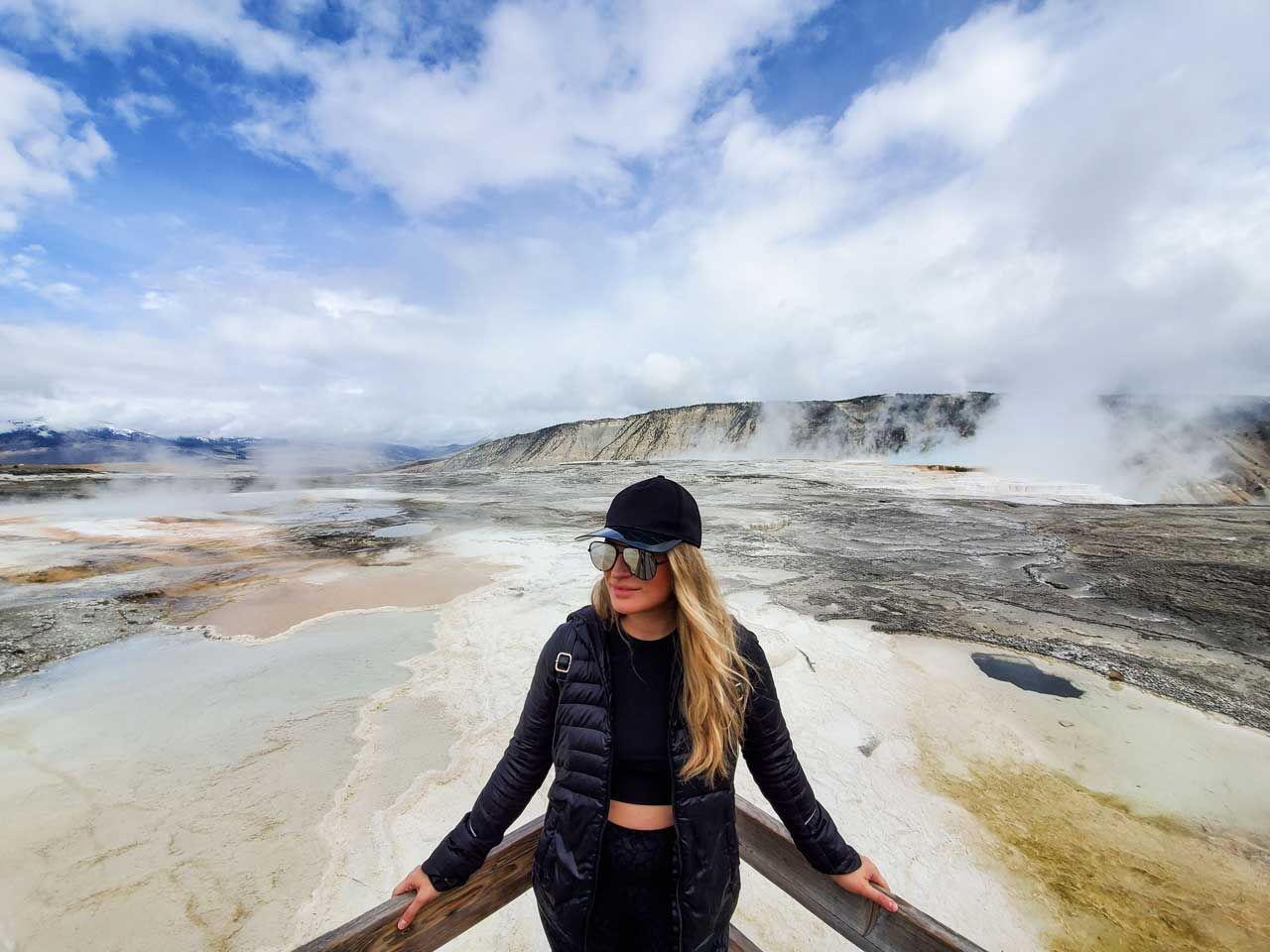
A black puffer jacket over a black crop top and black sneakers is the uniform for a geothermal area where you need warmth without bulk. The fitted silhouette keeps the look streamlined, and the all-black palette lets the blue and beige landscape do the talking. The principle: monochrome layering simplifies decision-making and photographs well against dramatic terrain.
Desert Yoga: Monochromatic Black Athletic Set
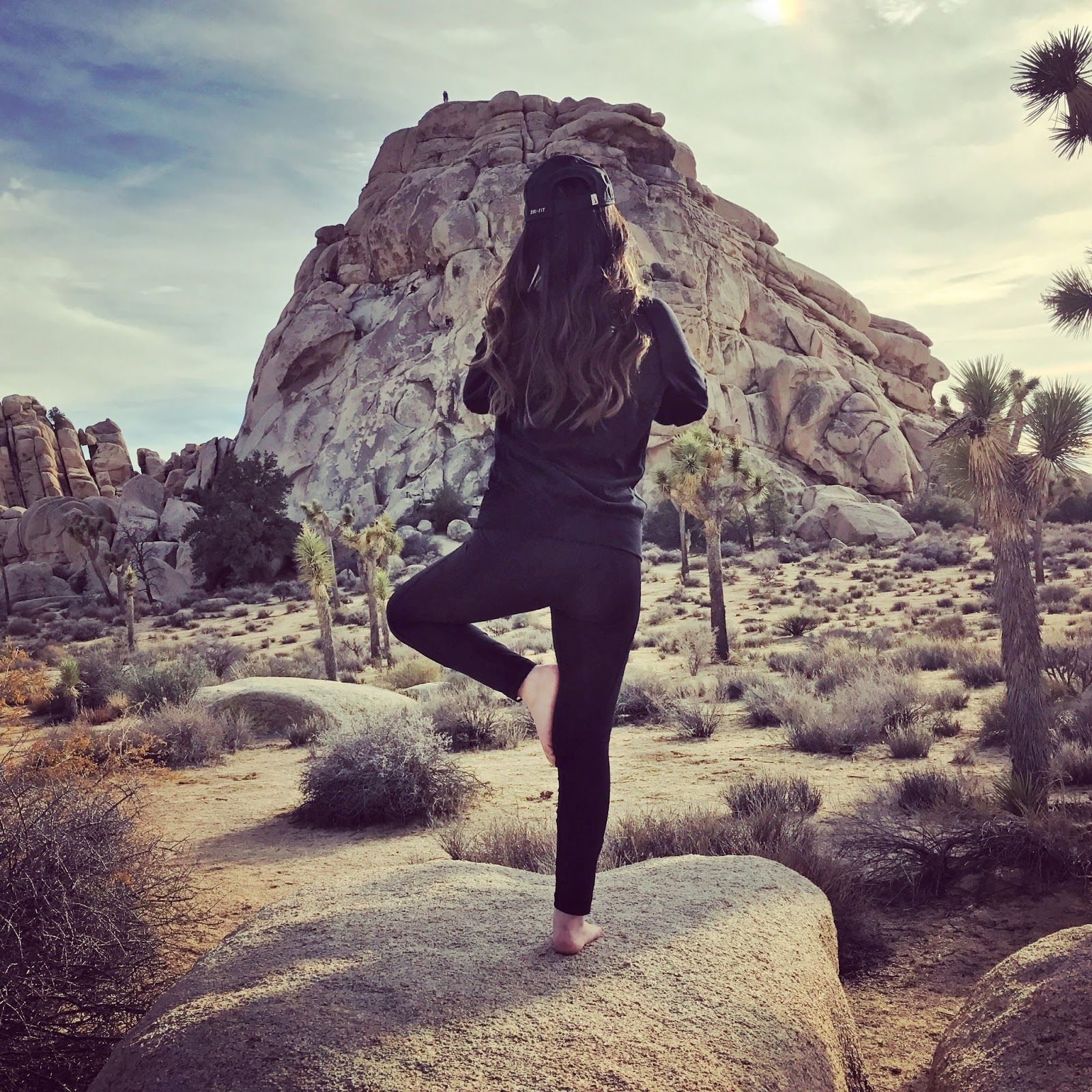
There is something quietly powerful about a head-to-toe black athletic set against a desert landscape. The fitted long-sleeve top and leggings create a seamless, uninterrupted line that reads as intentional rather than thrown on. A black baseball cap adds a practical edge, cutting glare without breaking the monochrome flow. Going barefoot on the mat grounds the look in the moment, making it feel less like a gym session and more like a personal ritual. The takeaway: when your palette is this restrained, the silhouette does all the work.
Autumn Forest Hike: Olive Top and Backpack
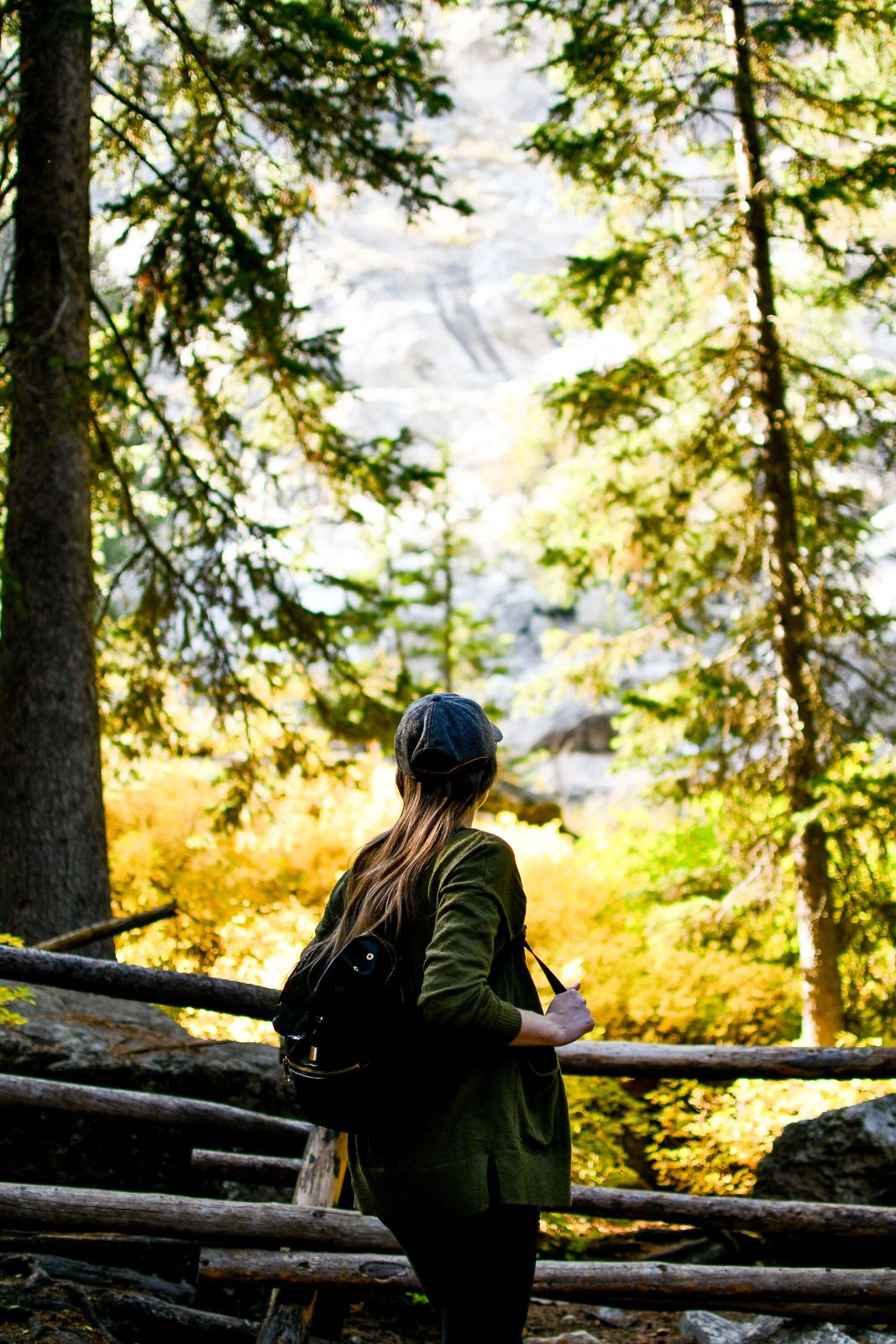
An olive long-sleeve cotton knit top is the kind of hero piece that asks nothing of you but shows up reliably. Its relaxed fit leaves room for layering or simply breathing, while the earthy tone blends into a forest palette of brown and yellow without disappearing. A baseball cap and canvas backpack lean into the casual outdoor occasion, adding utility without clutter. The styling principle: let one neutral color anchor the outfit, then build around it with functional accessories that match the terrain.
Mountain Trail: Hooded Shirt and Hiking Boots
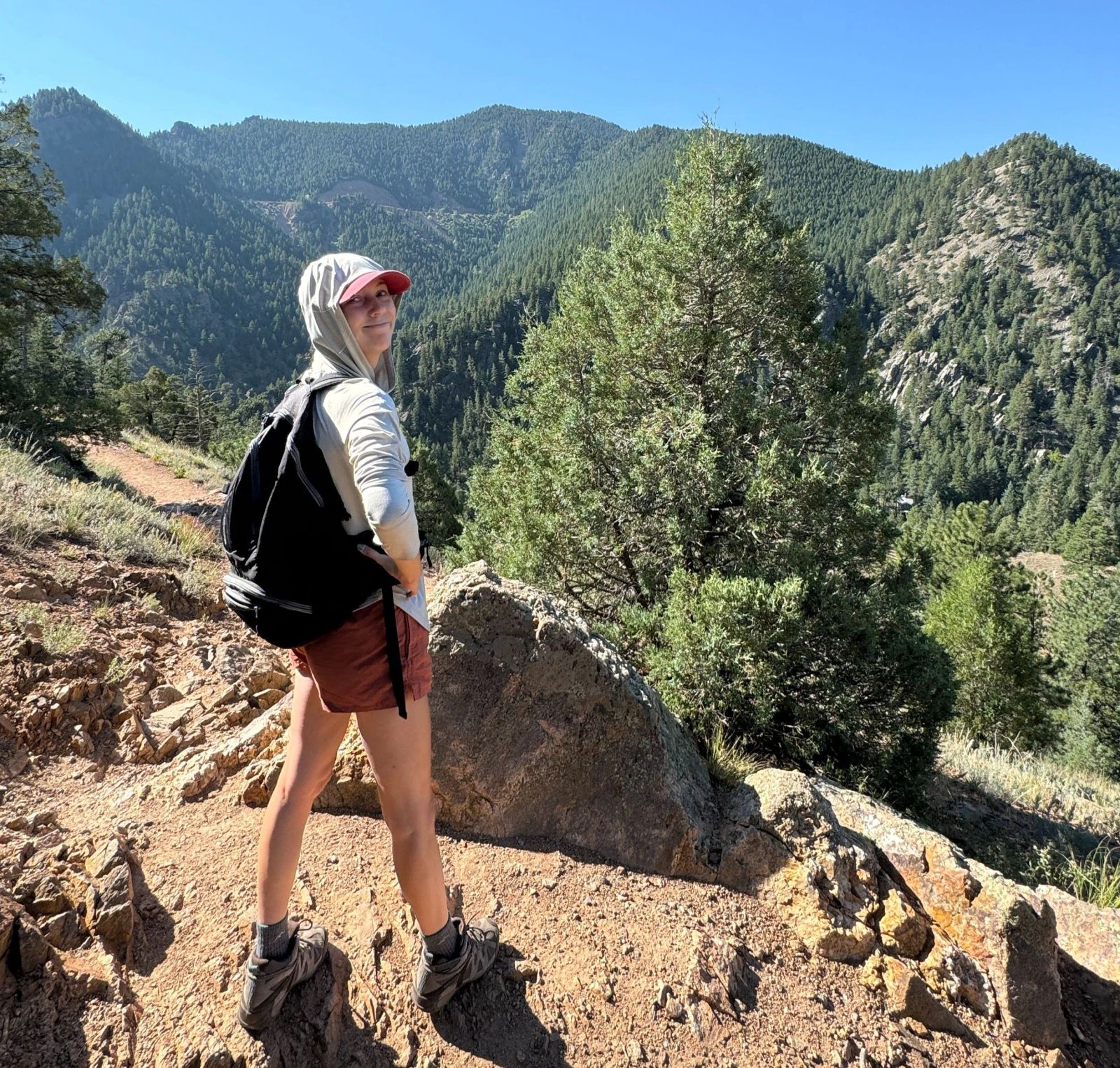
This is a trail outfit built for movement, not for the parking lot. A light grey hooded shirt in a nylon-polyester blend offers breathability and a slim fit that won’t catch on branches, while a red baseball cap provides a sharp contrast against the grey, green, and blue surroundings. Grey hiking boots and a black canvas backpack complete the practical side, but the real audience here is the hiker who wants to look put together without trying. The occasion demands durability, but the palette proves that function and style can share the same trail.
Rocky Trail Hike: White Top and Athletic Shorts
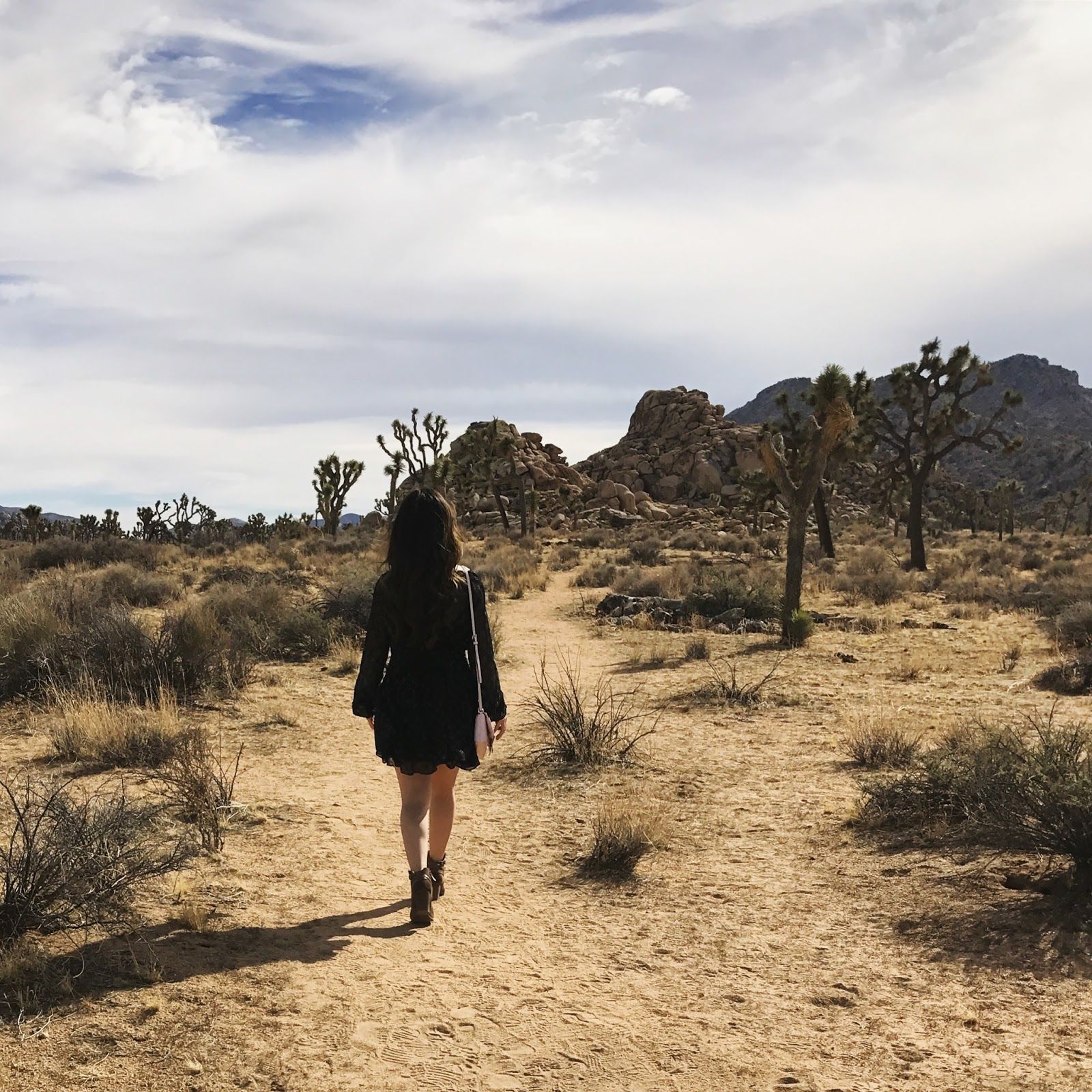
A short-sleeved dress with a fitted bodice and flared skirt is the kind of piece that does double duty on a national park trip. The textured fabric gives it enough visual interest to stand alone, but here it’s layered under a jacket, which adds a bit of structure and warmth for cooler desert mornings. Ankle boots and a crossbody bag keep the look grounded and practical, so you’re not fussing with straps while you take in the landscape. The flared skirt moves well with a walking pace, which matters more than you’d think on uneven terrain.
Desert Stroll: Flared Dress and Jacket
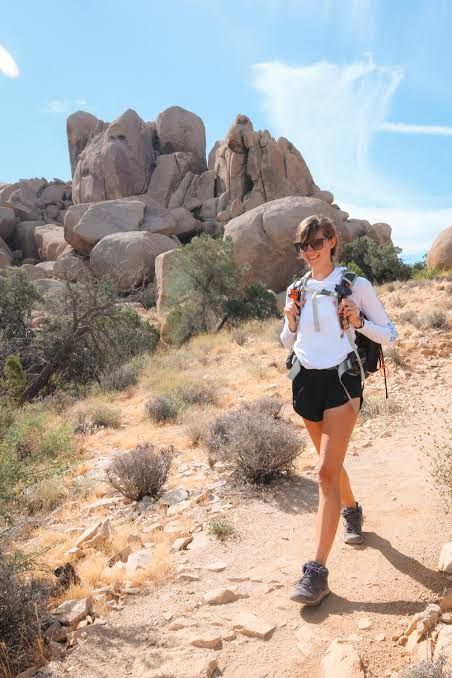
This is the outfit for someone who wants to cover ground without thinking about what they’re wearing. A white long-sleeve technical shirt and athletic shorts are the definition of no-fuss, and the grey hiking boots are the only real equipment here. The grey backpack and sunglasses are practical additions that don’t add bulk. The palette stays clean—white, black, grey, tan—so nothing distracts from the rock formations ahead. It’s a look that says you’re here to hike, not to be photographed, which is exactly the right energy for a rocky trail.
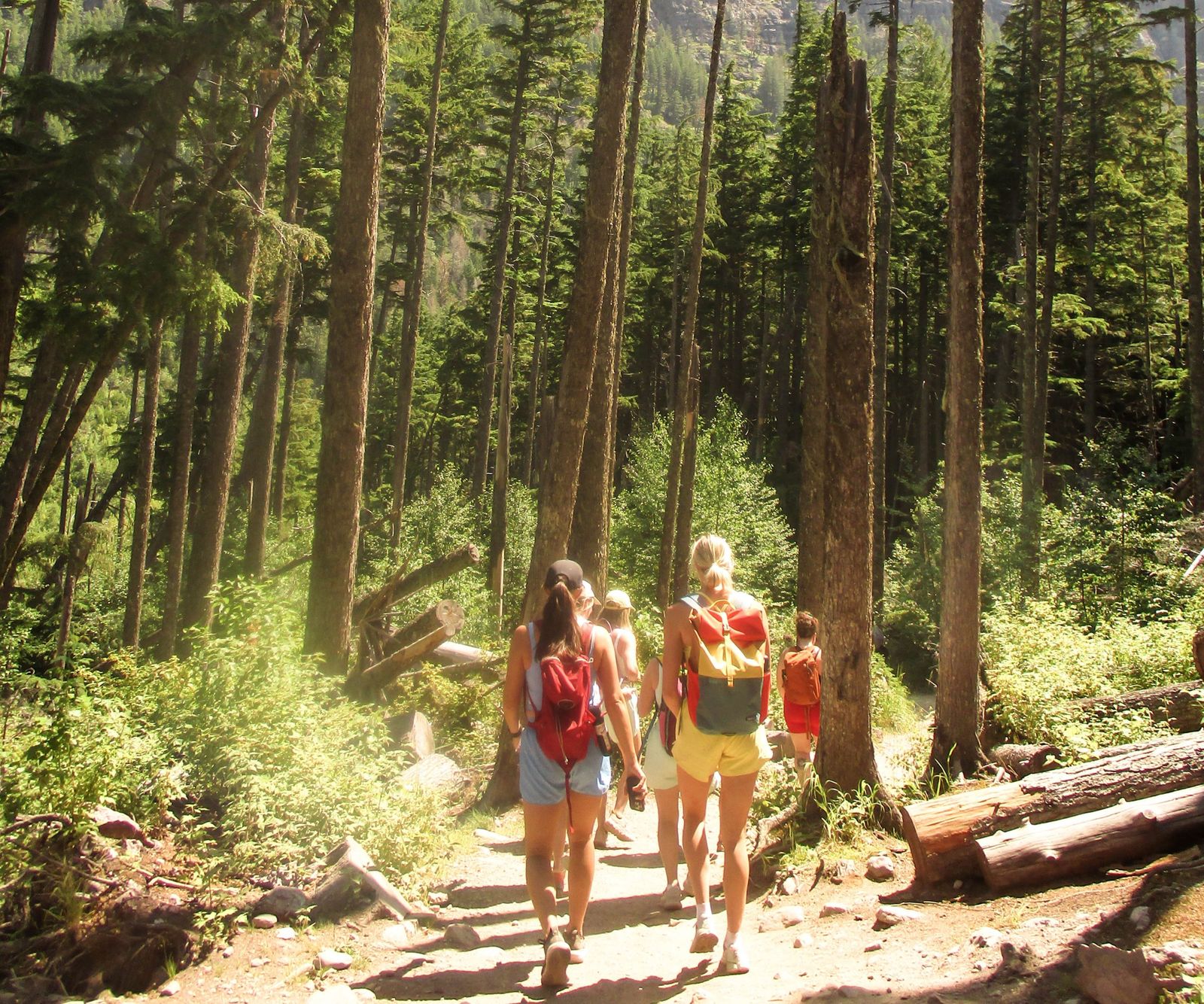
Group Hike Essentials: T-shirts, Shorts, and Backpacks
Final Thoughts
The best national park outfits share one thing: they work with the environment, not against it. Across these 21 looks, the consistent lesson is to prioritize layers, sturdy footwear, and fabrics that handle the terrain. A well-chosen jacket or pair of boots can make the difference between a great hike and a miserable one. Ultimately, the goal is to feel confident and comfortable so you can focus on the views, not your wardrobe.