I spotted my first soft locs at a June wedding. By July, they were on every other head in my feed. Not the stiff, uniform locs I remember. These are looser, wavier, and they move.
This roundup has 15 ideas, from chin-length bobs to mid-back waves, low-maintenance to high-detail. Soft Locs work for fine hair that goes flat by 4 pm (I speak from experience) and for anyone who wants texture without the weight of traditional locs. Each look comes with the real upkeep, the grow-out timeline, and the honest verdict.
Thick Wavy Black Mid-Back Locs
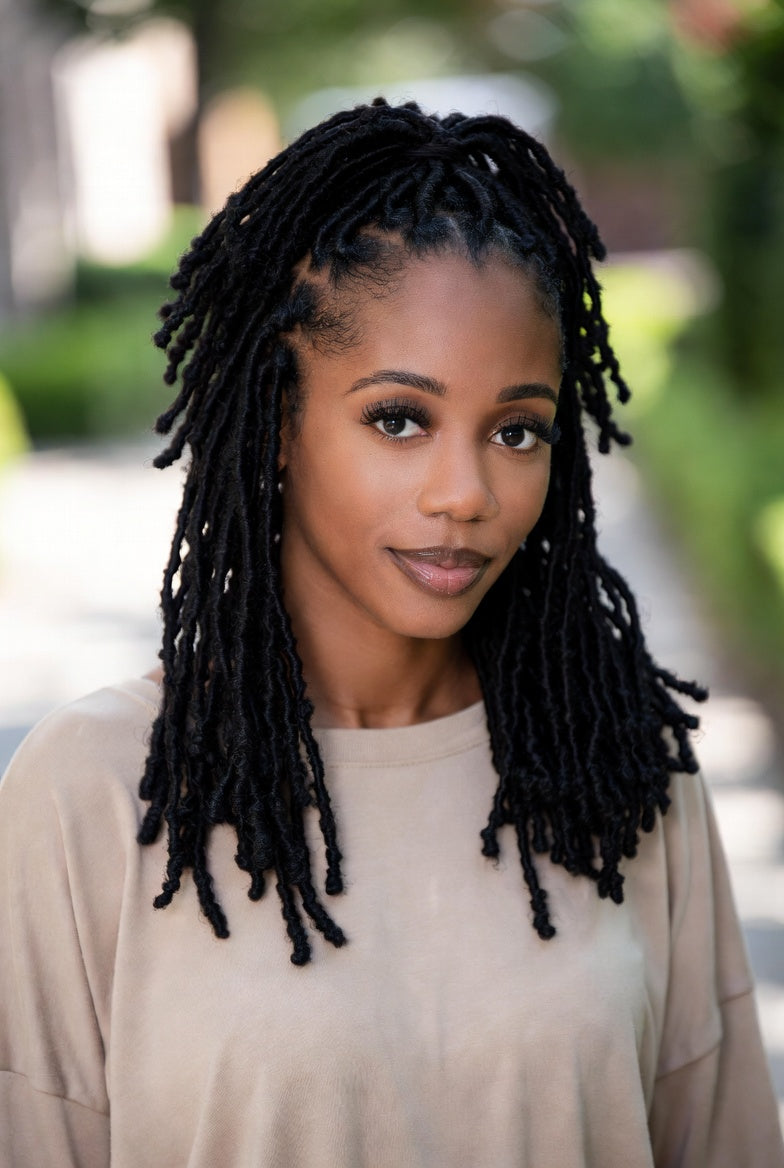
Have you ever looked at a full head of thick wavy black locs and wondered if your own hair could carry that weight? This style banks on density, the kind that reads as intentional heft rather than accidental bulk. The mid-back length gives it movement, the black colour keeps it grounded, and the loose styling means it holds its shape without daily fuss. But here is the catch: if your natural texture runs fine or low density, this much loc will feel like borrowing someone else’s hair. The middle part widens a round face, which is fine if that is what you want. For everyone else, the fullness and length are the point.
Wavy Locs with Braided Crown Detail
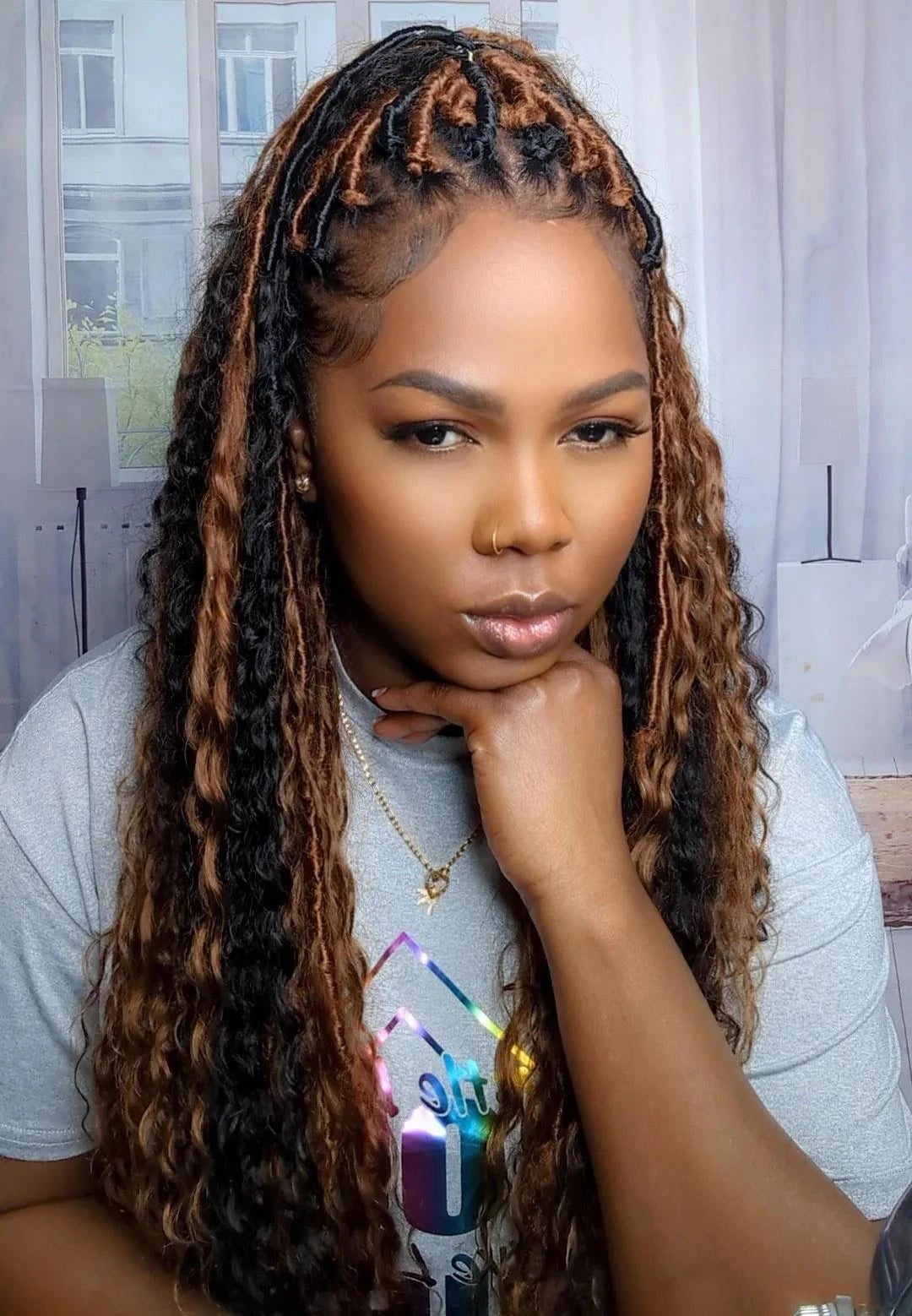
The braided crown here is not an afterthought; it is the structural anchor that keeps these soft locs with highlights and braids from reading as just another set of loose locs. The black base gets interrupted by brown and blonde highlights, which catch light differently at each twist and give the mid-back length a dimensional ripple that a single flat colour cannot. The brown and blonde are placed to catch light at the crown and mid-lengths, so the colour reads as intentional rather than accidental. The wavy, coily texture of the locs below softens the transition from the tighter braids, creating a deliberate contrast in texture that holds its shape because the braids lock the top in place.
When you sit in the chair, be specific: ask for a medium part to balance the braided sections at the crown with the locs below, request the braids to be snug but not tight so the crown holds without tension headaches, and plan a refresh every six to eight weeks to keep the braids crisp and the highlights from muddying. The loose locs below need little more than a spritz of water and a light oil to maintain their wave pattern. The hold is solid: the braids keep the crown in place, and the locs fall naturally without constant adjustment.
Face-Framing Soft Locs
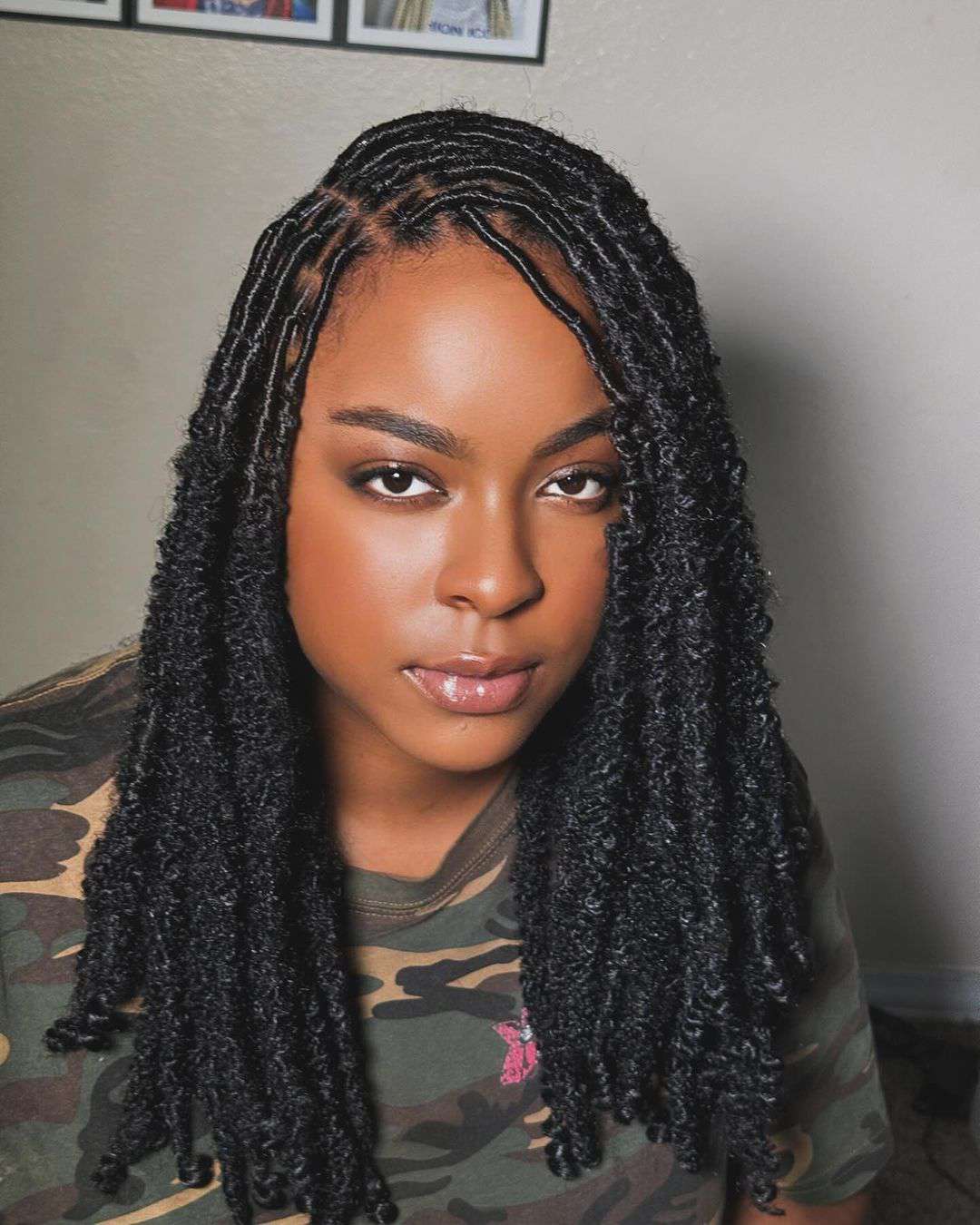
I will admit: I was skeptical about how these face framing soft locs would hold past day three. They rely on their wavy texture to stay put, but the looseness means frizz creeps in by midweek, especially at the nape. The black colour hides the frizz better than a lighter shade would, and the mid-back length gives enough weight to keep the waves from bouncing into chaos. The honest downside: if you sleep without a satin scarf, expect some unravelling by Friday. The hold is decent for a week, but not a full two.
Dense Wavy Black Locs
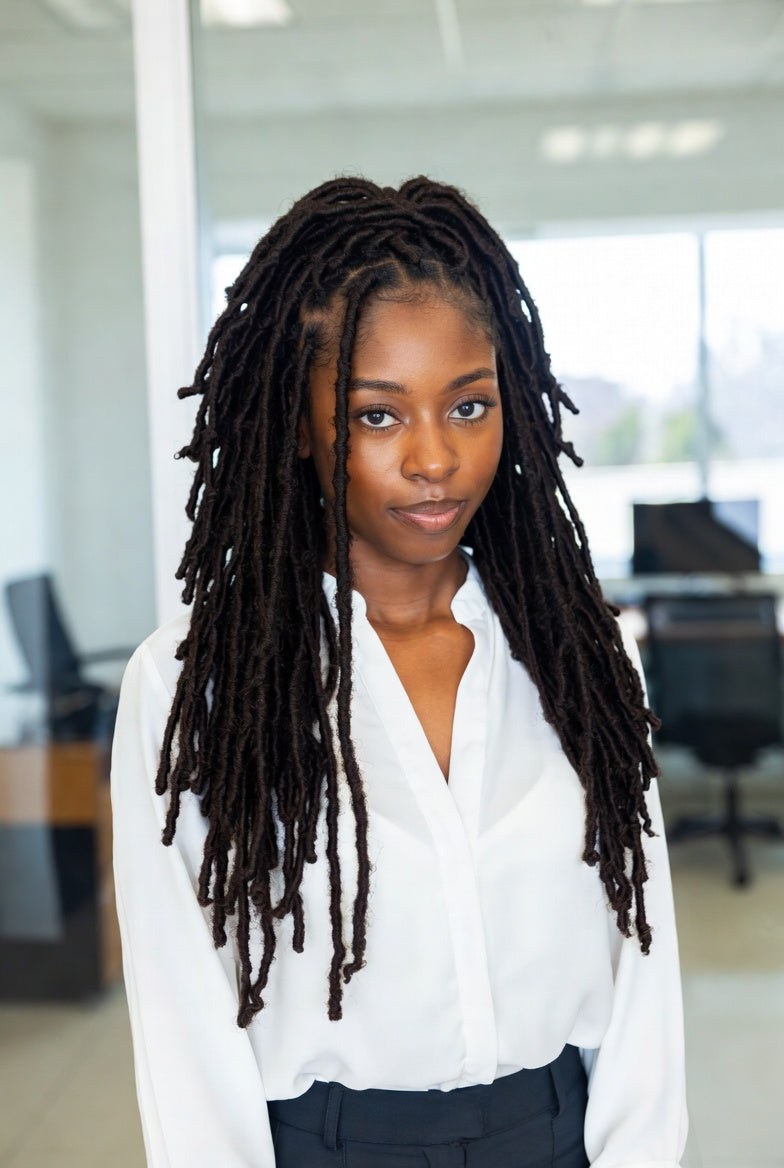
Dense wavy black locs beat faux locs every time for natural movement. The length and density here are not just visual weight; they are the reason the mid-back length swings instead of hangs. Faux locs tend to stay stiff, but these wavy locs shift with your head, and the black colour reads as deep rather than flat because the density creates shadows between each loc. The middle part lets the fullness spread evenly, so no side gets heavier than the other. The hold is self-regulating: the weight of the locs keeps them in place without pins or product. If you want a style that moves like hair rather than decor, this is the one.
Shoulder-Length Locs with Curled Ends
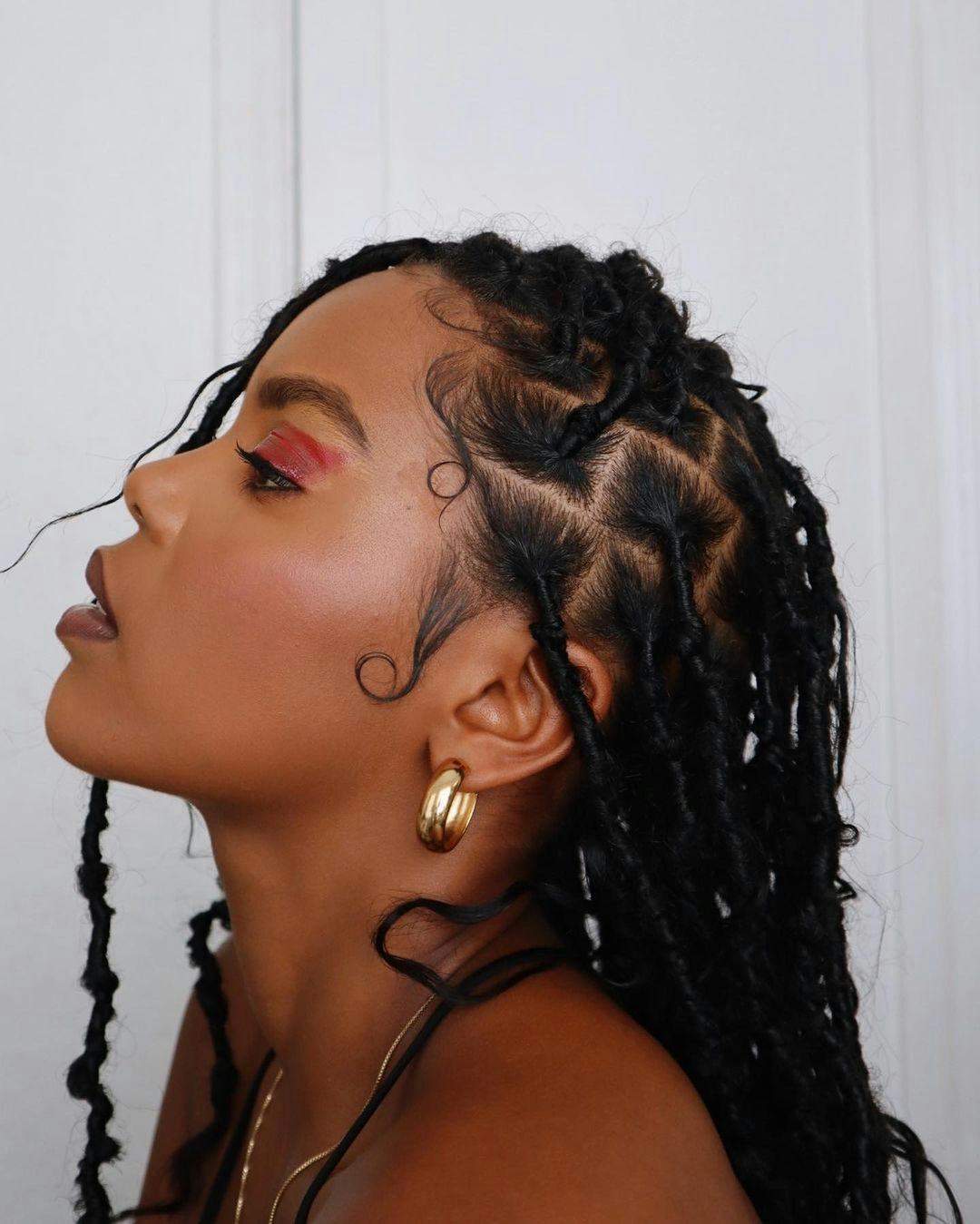
Picture a warm Saturday in June, and these soft locs with curled ends are the hair that shows up. The shoulder length keeps it off your neck, the curled ends catch the breeze without tangling, and the black colour absorbs less heat than a lighter shade would. The loose wavy texture means the curls soften by evening, but the hold is enough for a full day out. This is a warm-weather style through and through.
Collarbone Lob Soft Locs
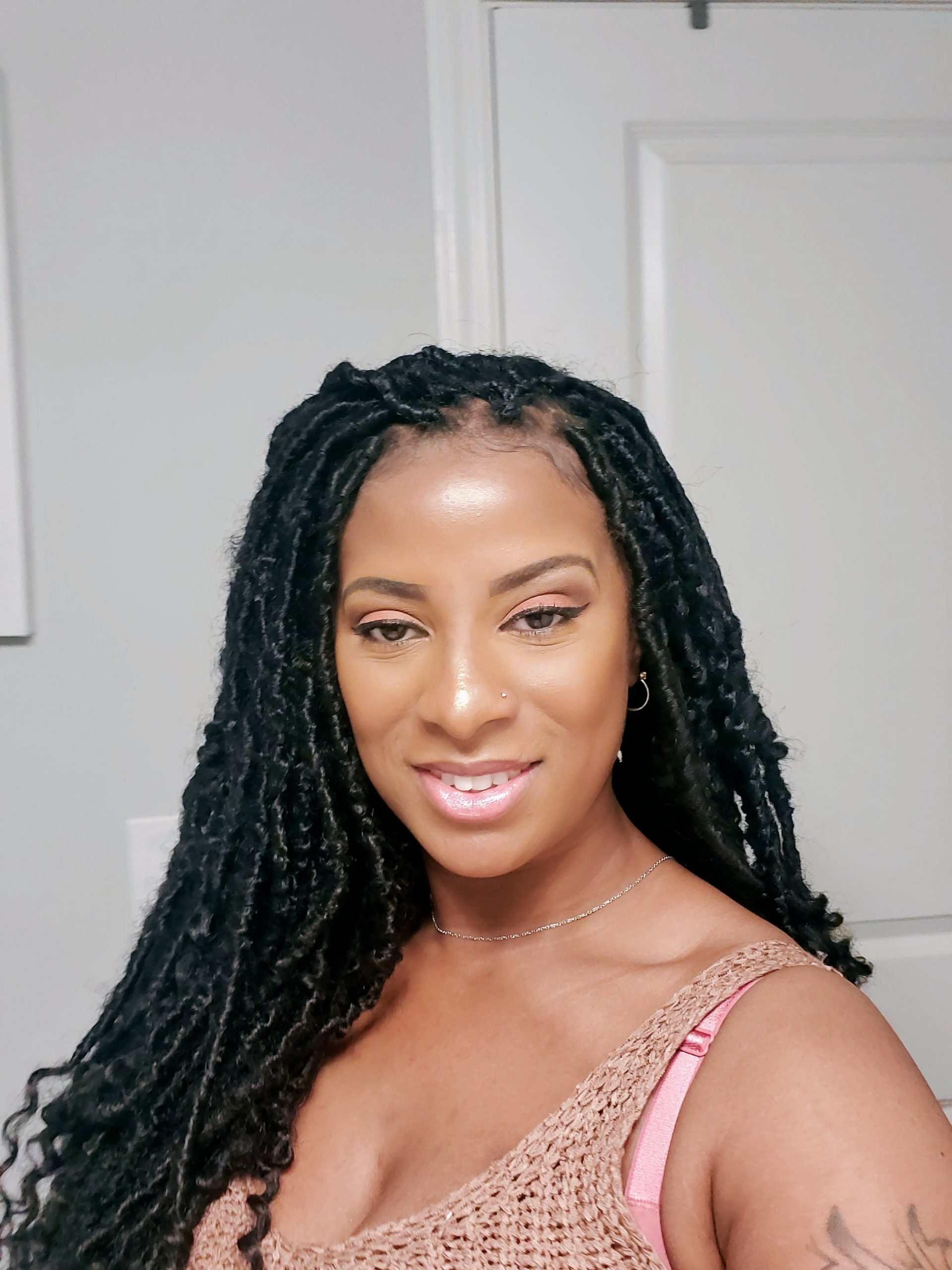
Is the collarbone lob the most universally flattering length? These thick wavy black locs hit right at the collarbone, with a middle part that softens a wider forehead. The texture is dense but not heavy, so the collarbone length soft locs hold their shape without drooping by evening. Styling is minimal: they fall where you put them, and the natural wave does the rest. Upkeep means a refresh every six to eight weeks, which is standard for this style. The collarbone lob flatters oval and heart faces especially well, because the length balances a pointed chin without adding bulk at the jaw.
Chin-Length Bob with Subtle Highlights
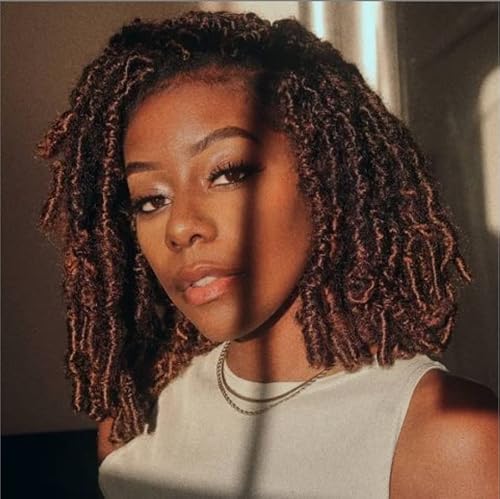
I’ll admit, I thought I could DIY this chin length soft locs bob. The dark brown base with subtle lighter brown highlights looks natural enough, and the side part is straightforward. But recreating that soft, wavy-coily texture at home? Not so much. It holds its shape well because of the density, but the highlights need a salon touch to stay dimensional. Styling is easy: a quick side part and you’re done, but the bob requires trims to keep the line crisp. Book the appointment.
Vibrant Burgundy Mid-Back Locs
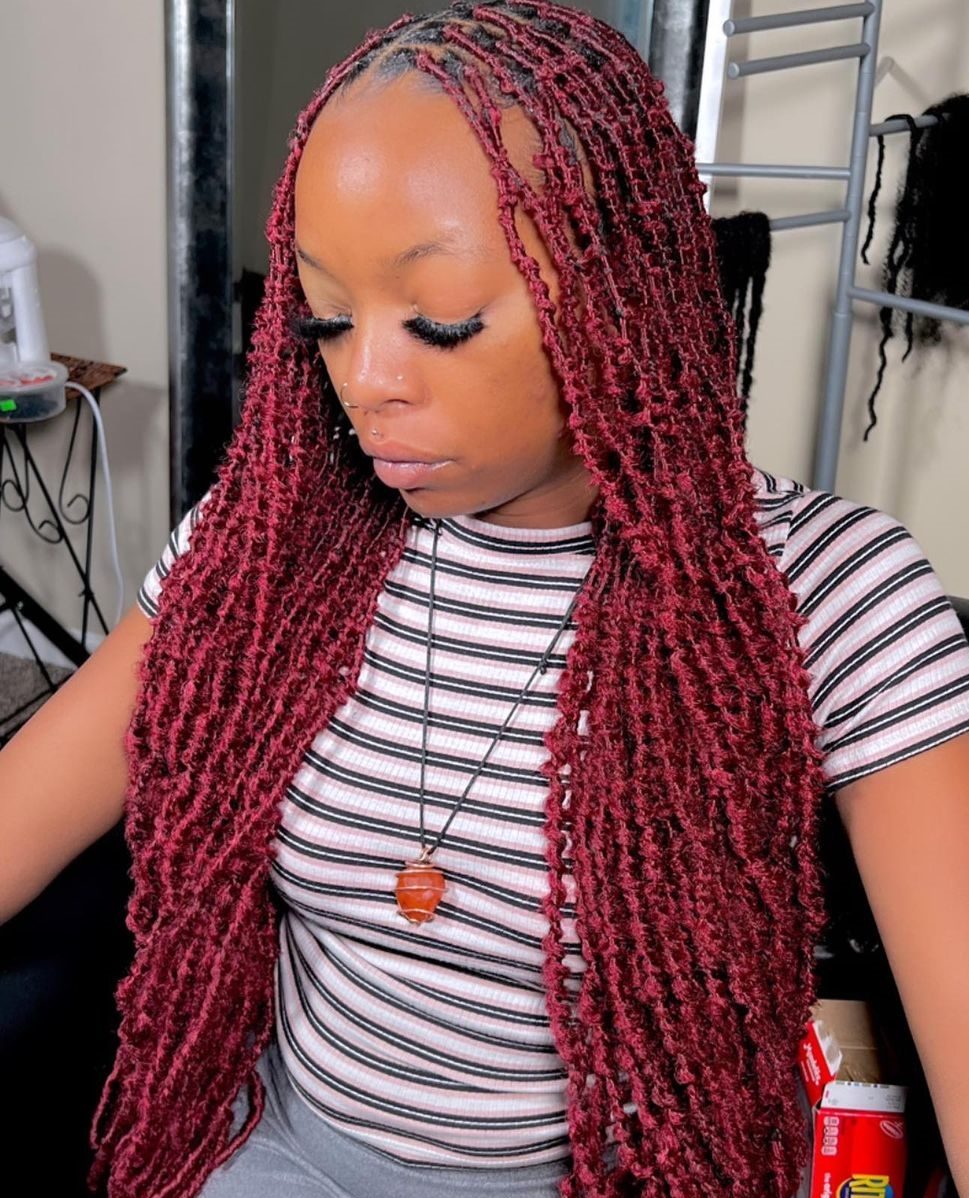
Burgundy is a commitment, but it pays off in fall. These mid-back burgundy soft locs are loose and free-flowing, with a middle part that lets the vibrant color take center stage. The texture is wavy, which gives the locs movement without losing their hold. Styling is minimal: just let them fall. The length hits mid-back, dramatic but not overwhelming. The vibrant color is the point: it reads bold against cool skin tones and warms up any room. This is not a dip-your-toe color. It’s a fall uniform.
Thick Wavy Black Side-Parted Locs
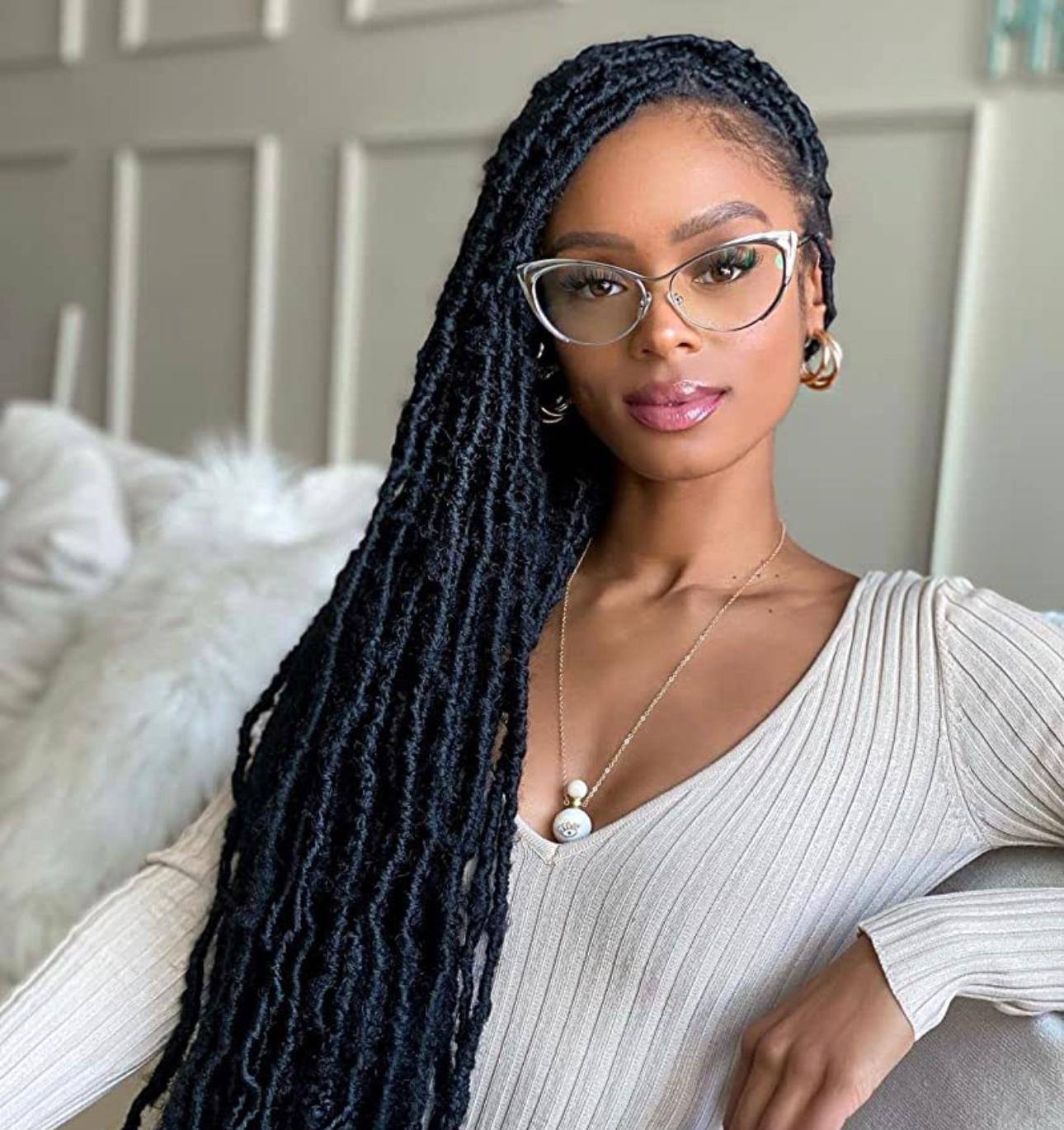
This is not a casual style. The long wavy black locs side part is built for drama: extreme length and volume that demand attention. The side part sits deep, sweeping the locs to one side and showing off the density. The texture is thick and wavy, which gives the style its structure — each loc holds its place without constant adjustment.
Wear means you commit to the weight. These locs are heavy, and by the end of the day, you feel every inch. Upkeep involves regular scalp care and detangling every six to eight weeks, because the extreme length and volume tangle easily. The honest downside is the sheer heft: it’s not a style you toss on for a quick errand. But the visual payoff is undeniable.
Two-Tone Collarbone Locs
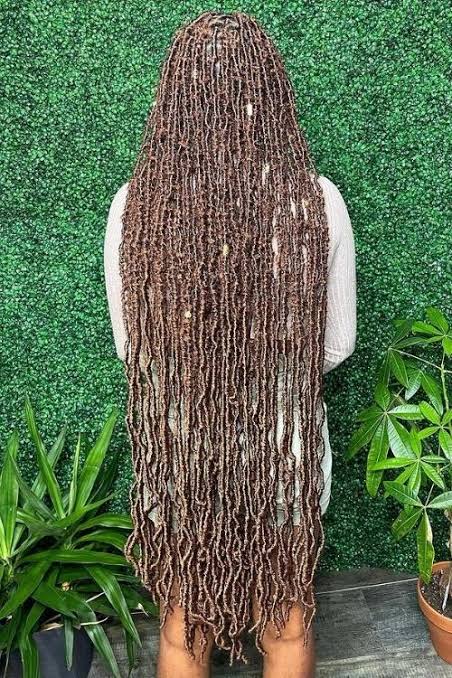
The two-tone effect is striking, but the blonde ends demand attention. These two tone soft locs start with dark roots at the collarbone and fade to blonde ends, with a middle part that lets the transition read clearly. The texture is wavy, which softens the color line. Styling steps are simple: part down the middle, let the locs fall loose, and let the dark roots and blonde ends do the work. The hold is solid — the locs stay where you put them — but the blonde requires regular toning to stay bright.
Rich Brown Mid-Back Locs
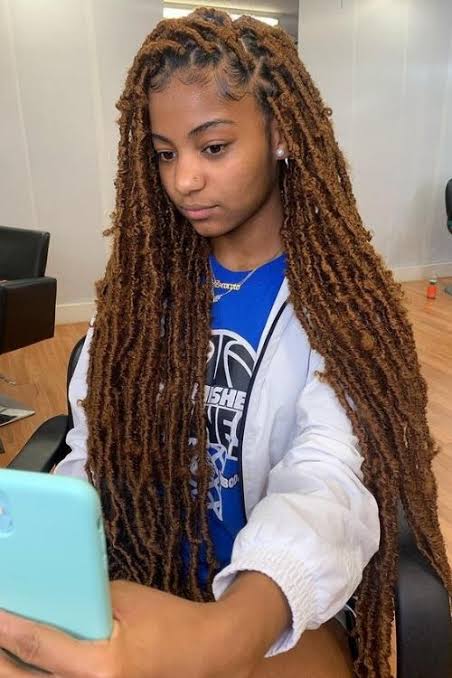
Who actually looks good in rich brown soft locs? Almost everyone, which is rare for a single shade. The rich brown shade reads warm without washing out fair skin and deepens nicely on darker tones. The thick wavy texture gives the mid-back length real body, not just weight. Styling is loose and minimal — no curling, no pinning — and the hold comes from the wave pattern itself, which stays defined for days. If you prefer ash tones or high-contrast color, this might feel too uniform. But for a one-and-done color that flatters round, oval and square faces alike, this is it.
Half-Up, Half-Down Locs with Beads
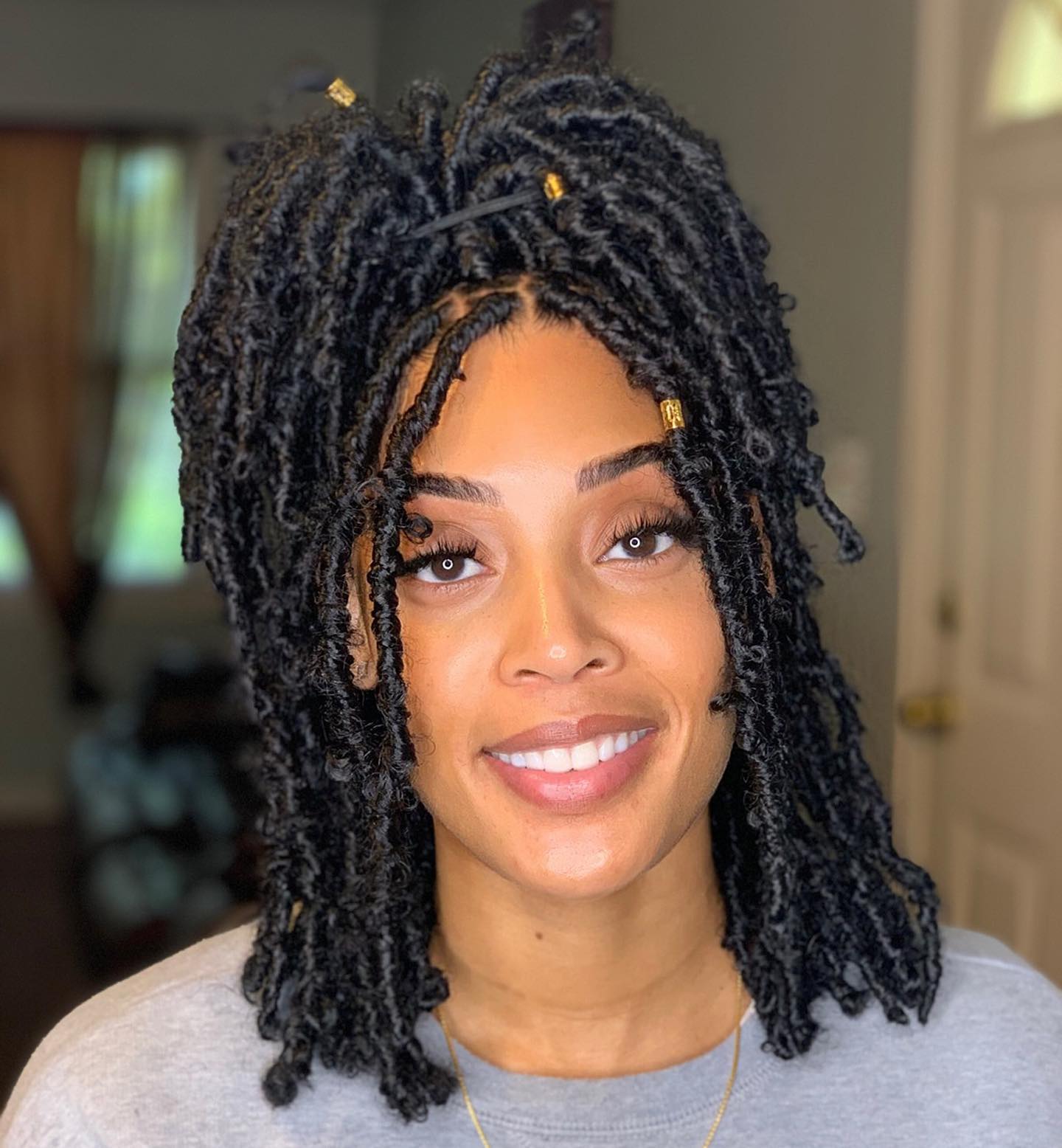
The beads clink when you turn your head. That is the first thing you notice about soft locs half up half down with decorative beads. The reality: the half-up section holds for a full day if you secure it with a firm elastic, but sleeping on it flattens the top by morning. The beads add weight, so the hold loosens faster than a beaded style. Honest downside — the beads snag on scarves and collars, and the top section needs re-pinning after two days. Styling is quick: gather the top half, wrap an elastic, thread the beads. Shoulder-length wavy locs, black, medium density. The look is playful, but plan for weekly touch-ups.
Collarbone Locs with Honey Highlights
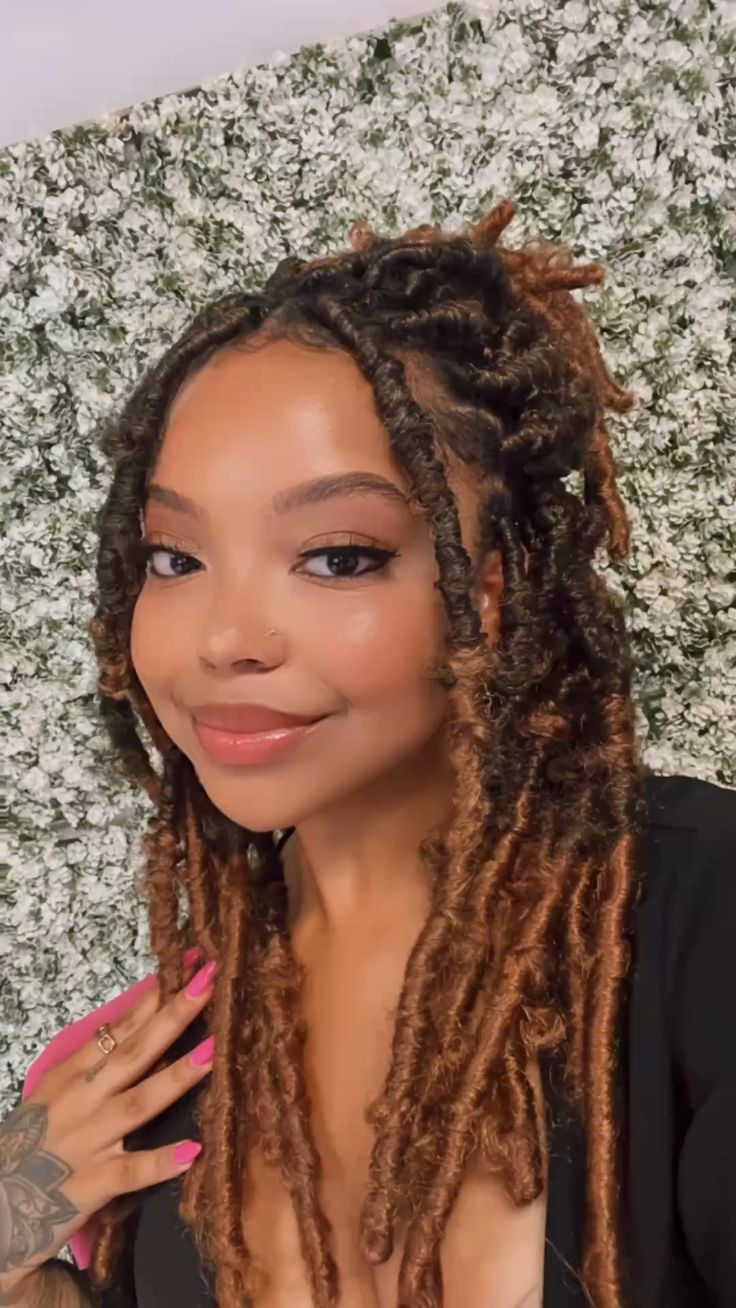
Honey highlights win over solid color for dimension, hands down. Dark brown soft locs honey highlights add warmth that a single shade cannot match — the honey catches light, the base stays rich. Collarbone length keeps the locs from feeling heavy, and the wavy texture with curled ends holds the curl pattern without product. Styling is loose, almost air-dried. Upkeep: the color dimension and texture last about six weeks before the honey needs a gloss to stay bright. Compared to a full blonde or a flat brown, this is the middle ground that works for oval and heart faces. The hold on the curled ends fades by week three, but the wave stays.
Shoulder-Length Locs with Beads and Shells
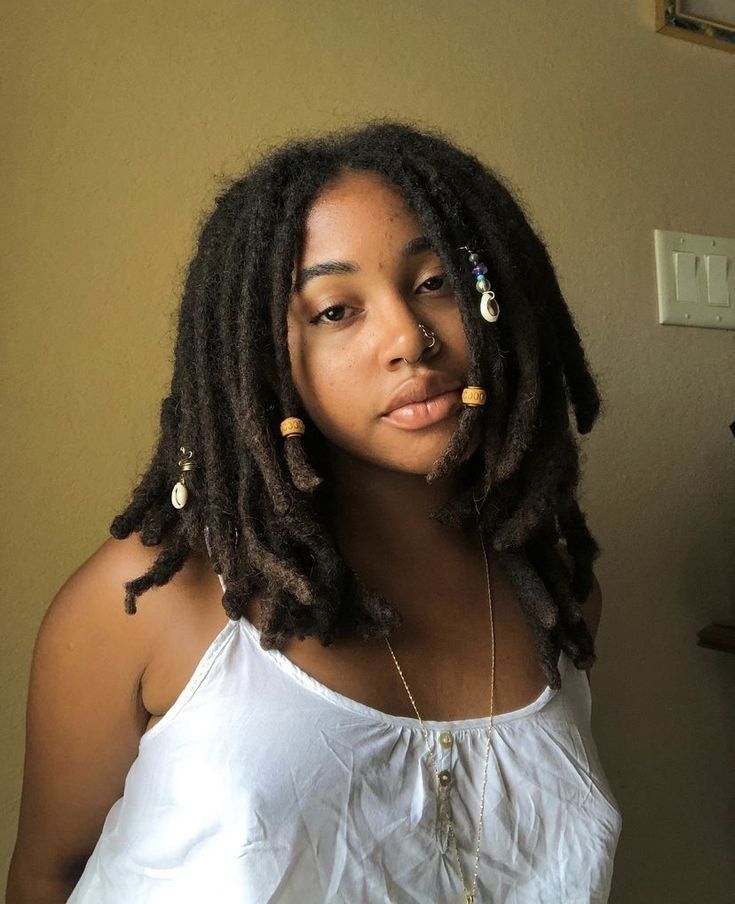
I thought I could save money by adding beads myself. I was wrong. The mistake people make with black soft locs with beads and shells is assuming you can thread them at home without the locs slipping. They do slip. The beads and shells look beautiful when professionally installed — the weight is balanced, the placement stays. DIY version: beads slide down, shells catch on everything, and you lose a loc trying to remove one. Styling is loose, shoulder-length wavy locs, black. The hold on the adornments is only reliable with a salon wrap. Book it. This is not a bathroom-mirror job.
Full, Flowing Layered Black Locs
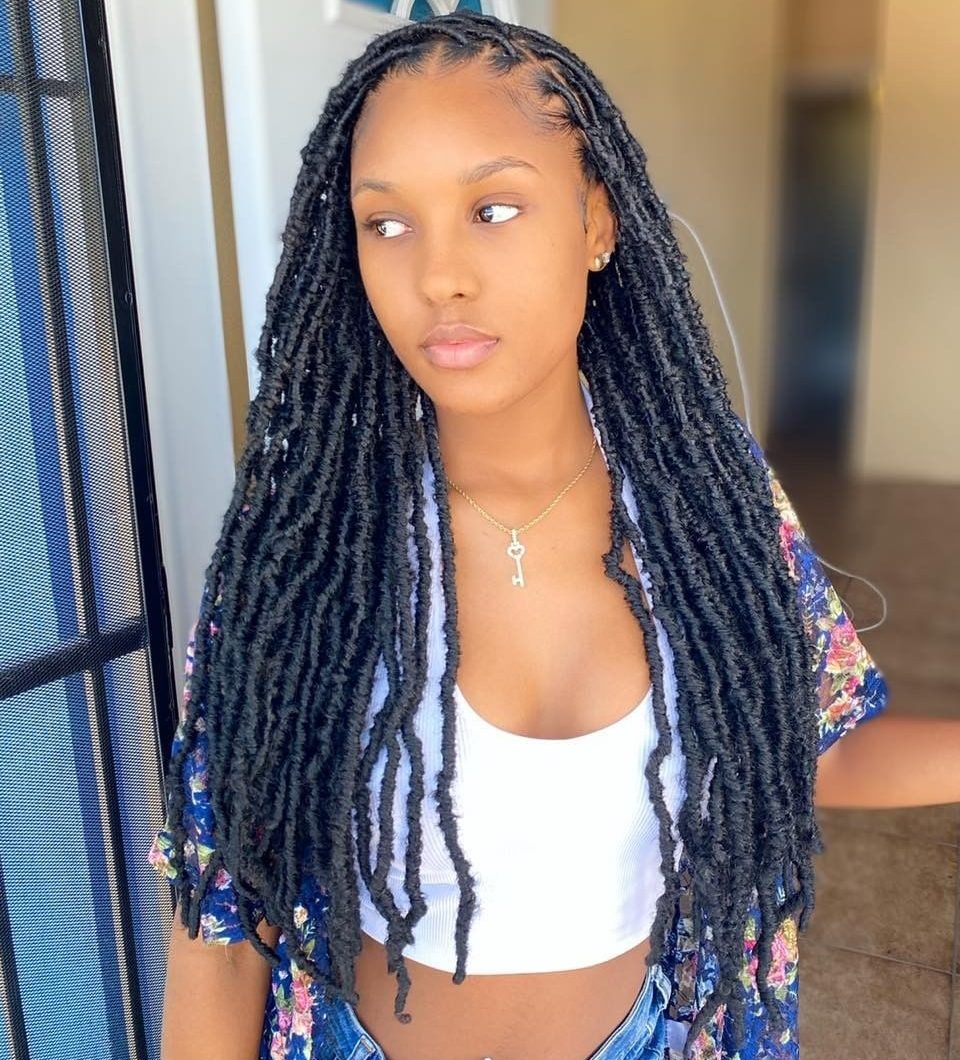
That is a lot of locs. And I mean that as a compliment. Layered soft locs mid back with volume and movement — the photo reads as effortless, but the effort is in the cut. The layers keep the fullness from becoming a single heavy sheet; each row of locs has its own fall. The black color is classic, no surprises. Styling is just shake and go, no parting or pinning needed.
What makes it work: the layers add dimension without losing weight, so the hold is natural — the locs move together but separate when you turn your head. Mid-back length gives enough gravity for flow, but the wavy texture prevents it from looking stringy. The middle part balances the volume on round and oval faces. This is a low-maintenance look that holds its shape through a week of wear, as long as you sleep with a scarf.
Final Thoughts
- Retwist every 4-6 weeks to maintain shape
- Keep ends trimmed to prevent fraying
- Use a satin scarf at night to reduce frizz
- Wash with a clarifying shampoo every two weeks
- Avoid heavy oils that weigh down the wave pattern
The wedding guest who started it all now wears the burgundy mid-back version. I’m booking the chin-length bob with subtle highlights next. It’s the one that made me rethink everything.