I keep seeing the same thing in the salon chair next to mine: ponytails with braids woven in, buns that stay put through a whole set, and the occasional ribbon tied into a braid. It is not just for the court. It is hair that moves with you and does not need a touch-up at 3 p.m.
This roundup of 24 Tennis Hairstyles covers everything from a five-minute slicked bun to an intricate braided updo. Fine hair, thick hair, straight or coily, there is something here that will hold. I have fine hair that goes flat by 4 p.m., so I pay attention to which styles actually last through a match or a workday.
The Ultimate Sleek High Bun
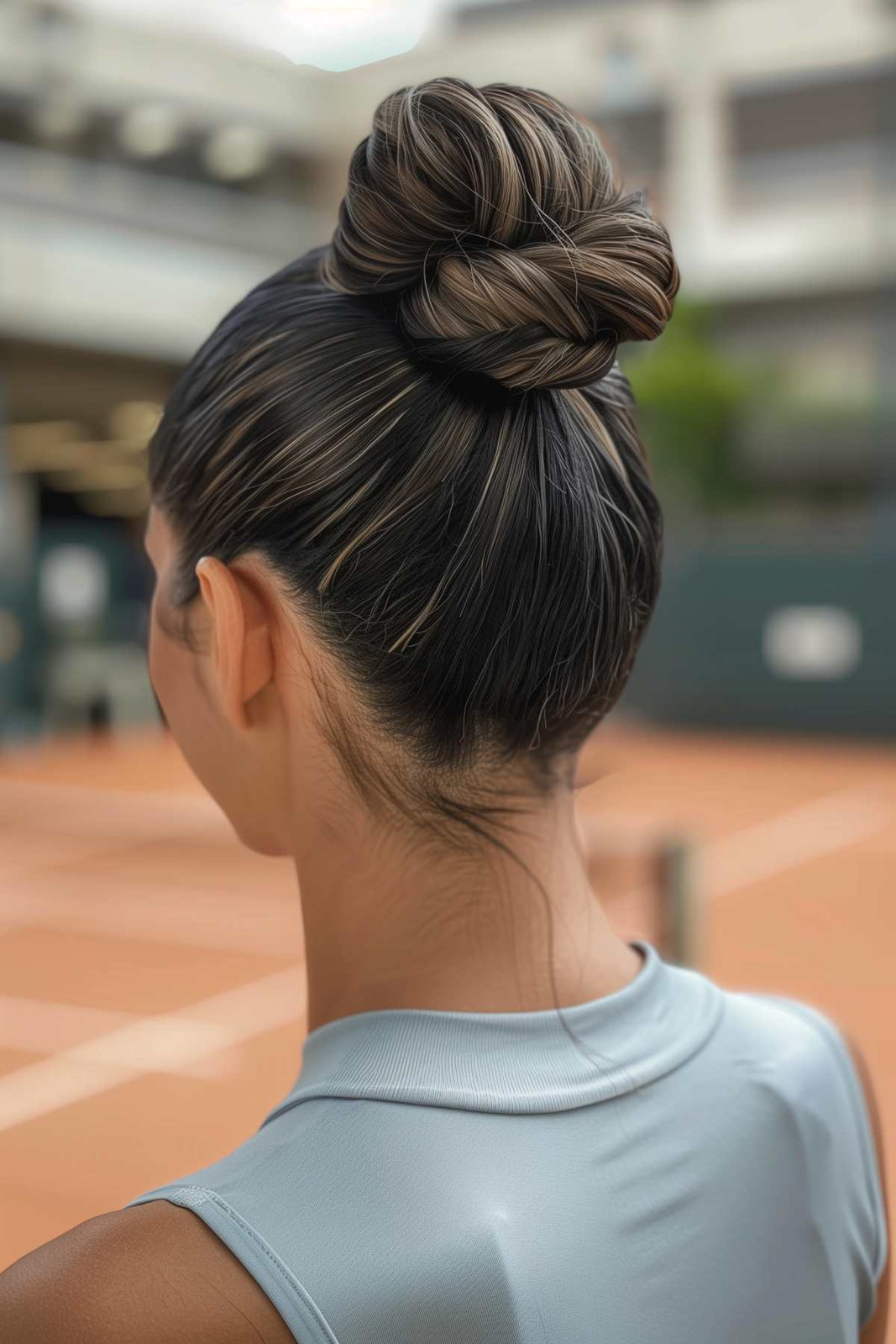
That bun sits so high it practically defies gravity, and that is the whole point. The sleek high bun works because every strand is pulled taut from the nape to the crown, then wrapped into a tight coil at the top of the head. For tennis, this means zero hair touching your neck or face during a serve. It flatters a strong jawline and high cheekbones, but if you have a rounder face, the extreme height can lengthen rather than widen — try it before you commit. The dark brown base with subtle highlights adds depth so the bun reads dimensional, not flat. On straight, thick hair this holds for two full sets without a single pin shift. On fine hair, you will need a texture spray or a dry shampoo at the roots for grip. The middle part keeps the front clean, and the back view shows no bumps, just a smooth arc from scalp to bun.
Classic Double French Braids
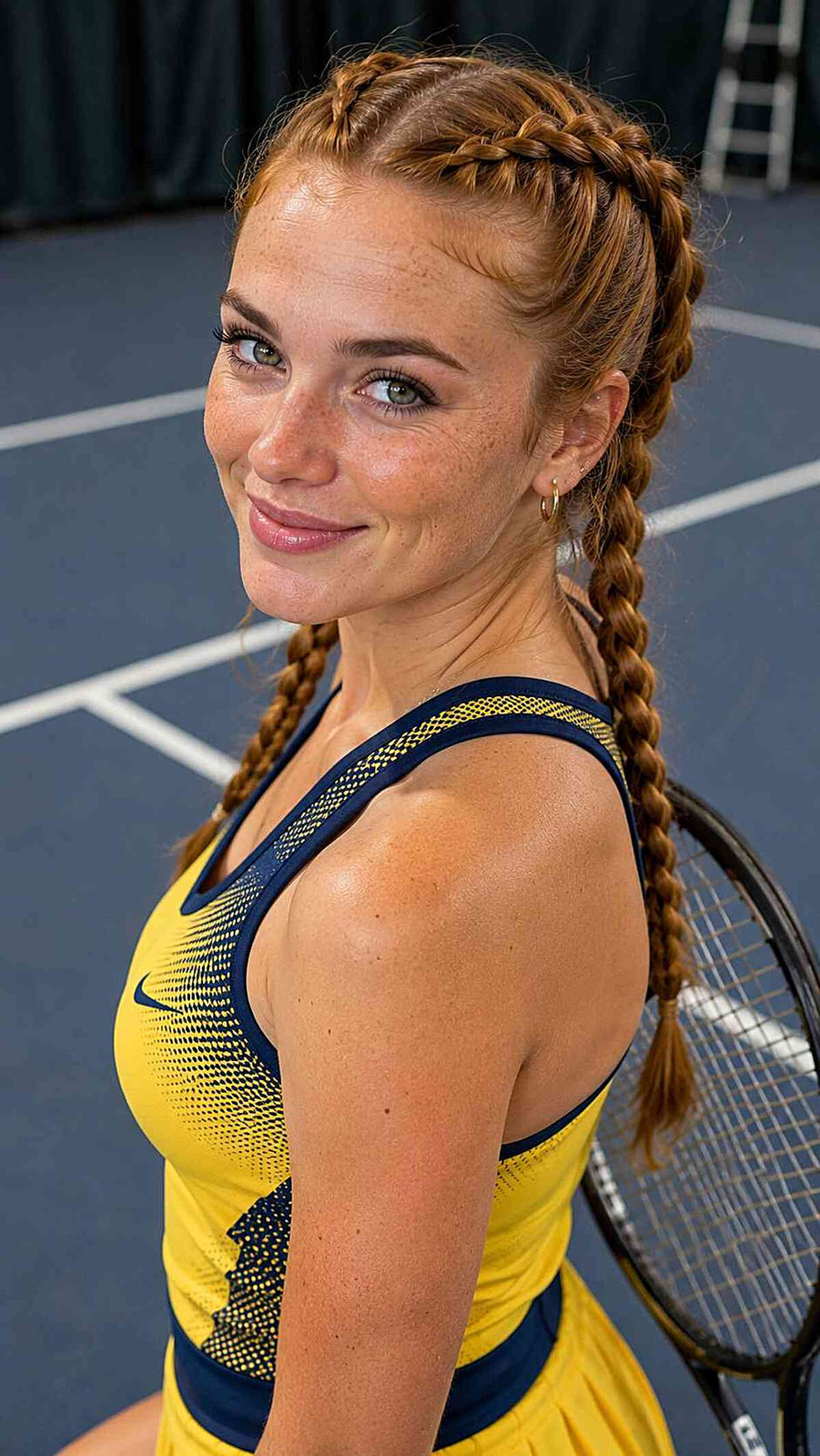
I have braided my own hair for years and still cannot get both sides perfectly even on the first try. The classic double french braids are worth the 15 to 20 minutes because they lock everything down. Start with a clean middle part, then braid from the hairline to the ends, keeping tension firm but not painful. The blonde colour against a tennis court reads crisp, and the straight texture stays smooth without frizzing mid-match. A light mist of hairspray after braiding catches the flyaways that would otherwise escape by the second set. These braids suit oval and heart-shaped faces best, since the parallel lines frame without widening. Trim split ends every six weeks to keep the braids from looking frayed at the tips.
Headband Style Dark Blonde Waves
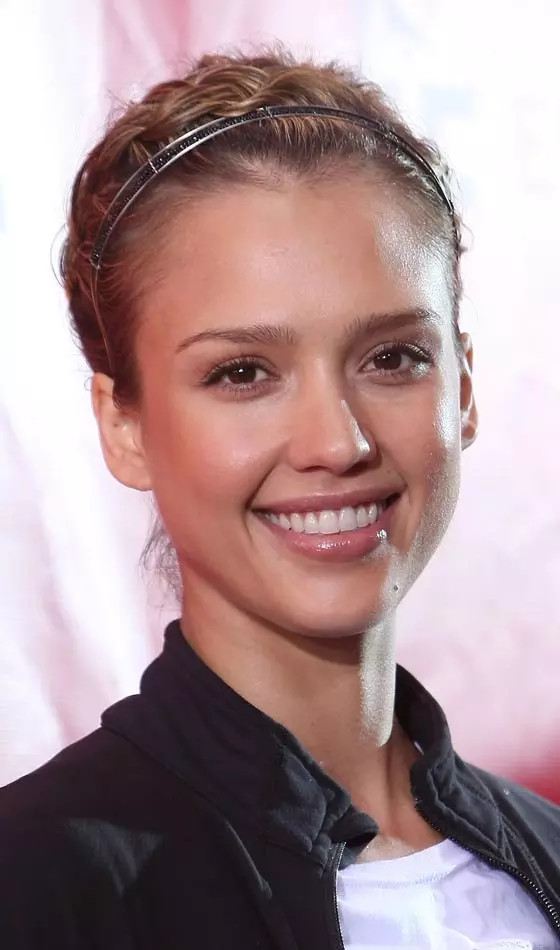
Can a two-minute styling trick really hold through a full match? The headband style dark blonde waves prove yes, if you do it right. Comb the hair to a side part, sweep it back, and place a padded headband behind the ears to catch every stray piece. The wavy texture grips the band better than straight hair, so it stays put through serves and sprints. The collarbone length means the waves fall just above the shoulders, no tucking required. A side-swept bang softens the forehead and keeps the whole look from feeling severe. Ask your stylist for long layers with face-framing pieces, and book a trim every six weeks to keep the shape from collapsing into a triangle.
French Braid Ponytail Combo
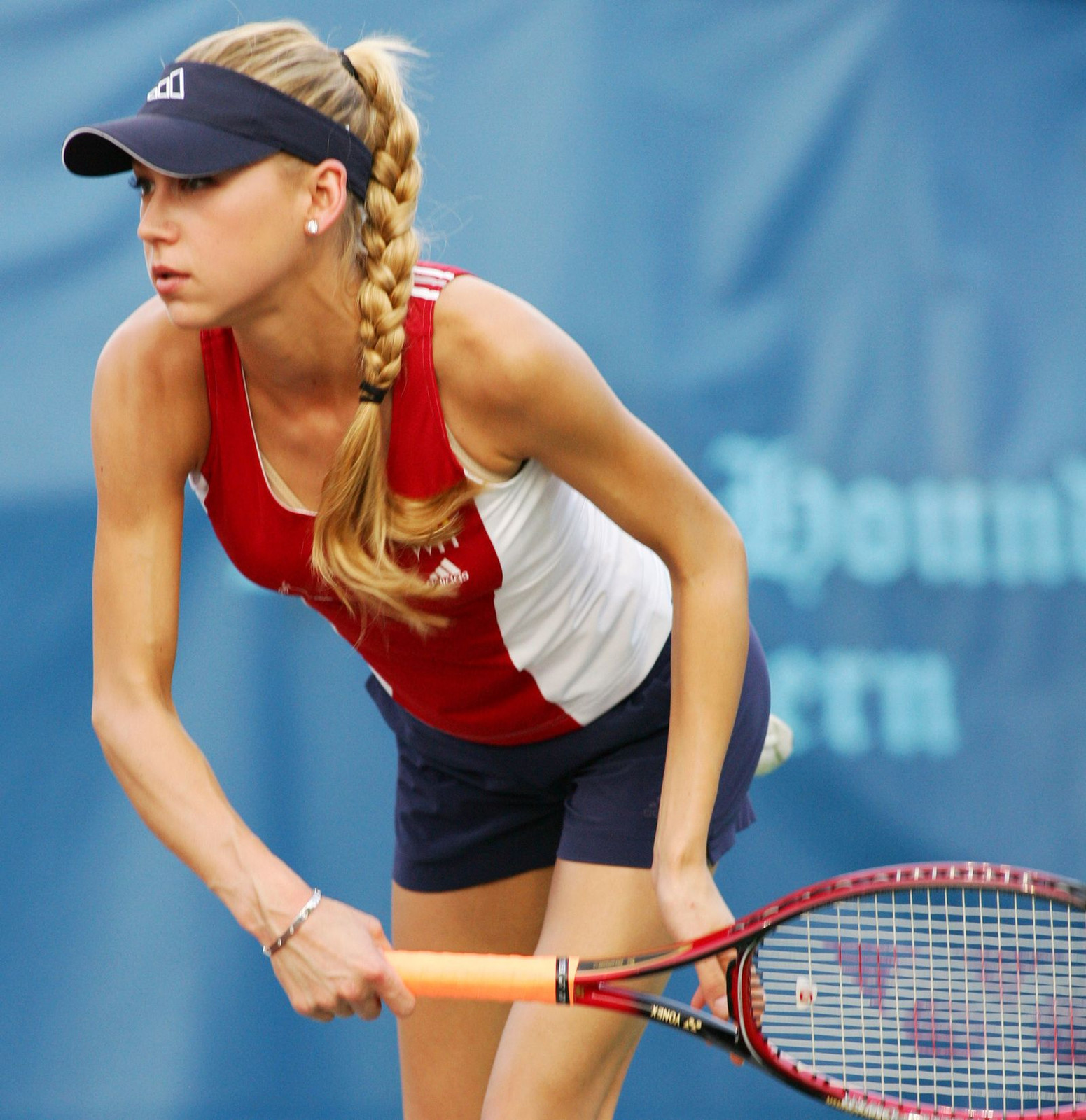
A standard ponytail slips by the second set. The french braid ponytail combo does not. Start the braid tight from the temple, incorporating hair as you go down the side, then gather everything into a ponytail at the nape. The braid section holds the front hair in place while the ponytail gives you the swing and volume of loose hair behind. On thick, wavy hair, this combo stays secure for hours without re-tightening. The blonde colour keeps the braid visible against the darker court background. A bit of texturizing spray on the waves before braiding adds grip so the braid does not loosen. This works best for oval and long face shapes, since the side braid adds width without pulling the eyes downward.
The Perfectly Slicked Chin-Length Bun
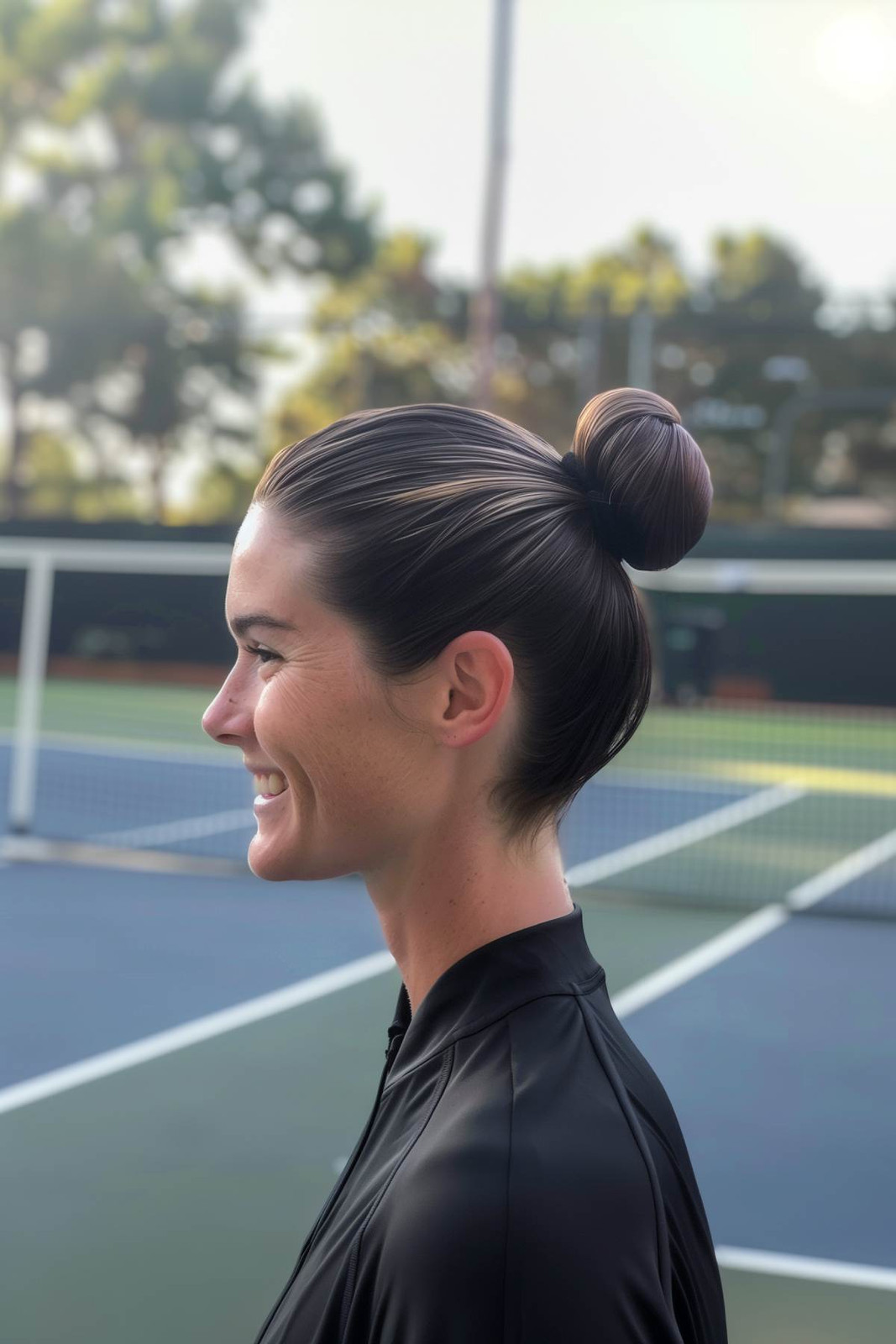
I confess: I tried this at home and ended up with a bumpy mess. The perfectly slicked chin-length bun is a salon booking, not a bathroom-mirror project. The bob is cut blunt at the chin, then every strand is slicked back with a strong-hold gel or wax and twisted into a tight bun at the crown. The dark brown colour hides any uneven application, and the straight texture makes the slick finish possible. The honest downside: you will need to re-slick the baby hairs by noon, and the gel can flake if you apply too much. This bun flatters oval and heart-shaped faces best, because the slicked-back front exposes the full jawline and cheekbones. Trim the bob every four to six weeks or the blunt line turns ragged.
Intricate Black Coily Braided Bun
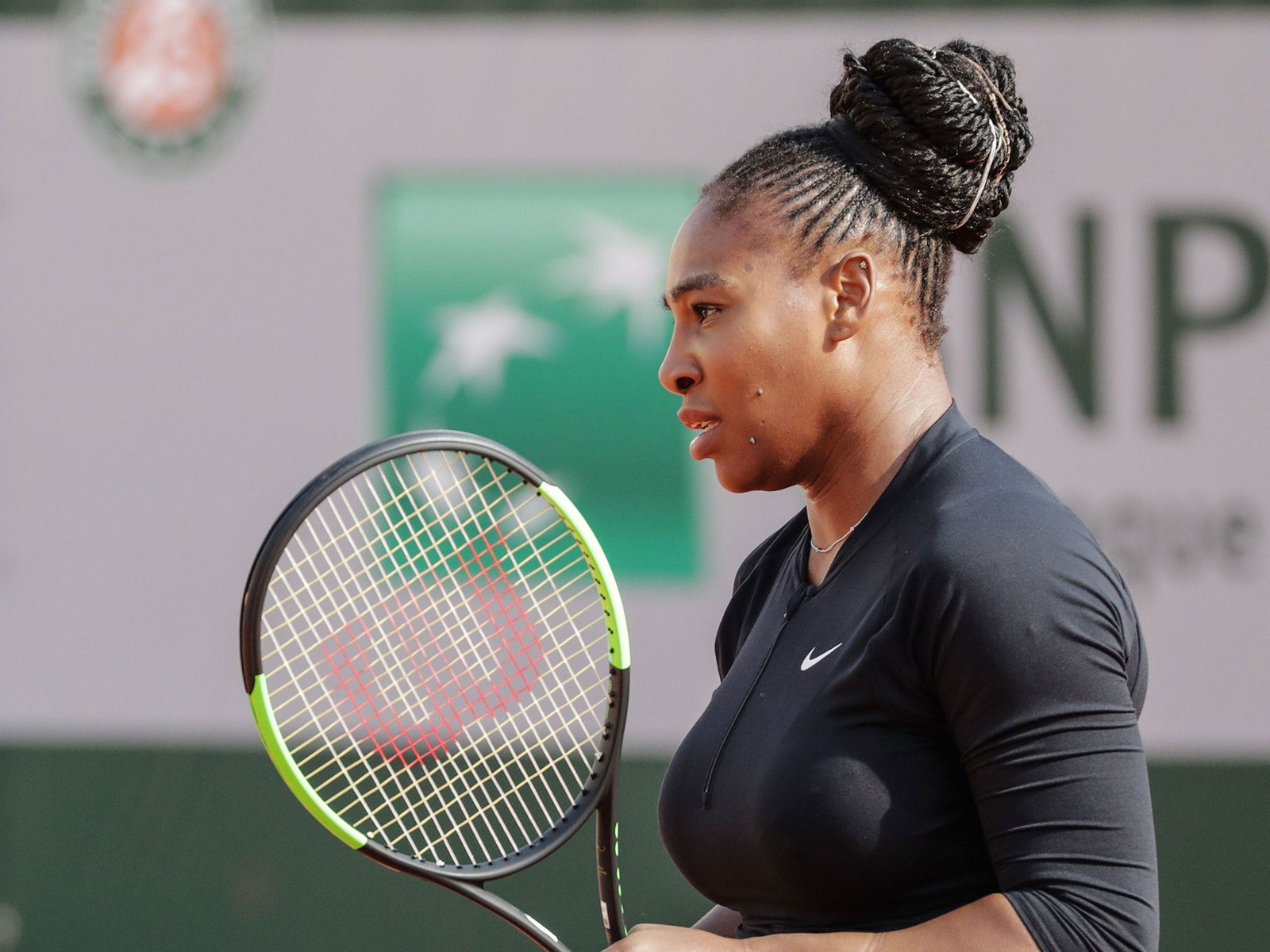
The geometry of this bun is the first thing you notice: every braid laid with intent, each coil meeting the next at the same angle, no stray ends. It is a coily braided bun built like architecture, and it reads as deliberate even from across the court. The middle part splits the scalp cleanly, and the nape-length braids feed upward into a compact shape that sits flat against the head. That flatness is the trick. A bun that sits flush has nothing to catch a racket swing or a gust of wind, so the hold is structural, not accidental.
This is not a five-minute style. The intricacy means several hours in a chair, and the black coily texture holds the braids tight once they are set, which is why it survives a full match without a single pin loosening. Thick, coily hair is the ideal canvas here; fine or straight textures would slip out of the pattern by the second set. The colour stays uniform, black from root to tip, so the braided lines read clearly. For high-impact play, this is the most secure option I have written about, and the grow-out is kind: four to six weeks before the edges need redoing, and the bun hides the new growth entirely.
Loose Ponytail with Red Highlights
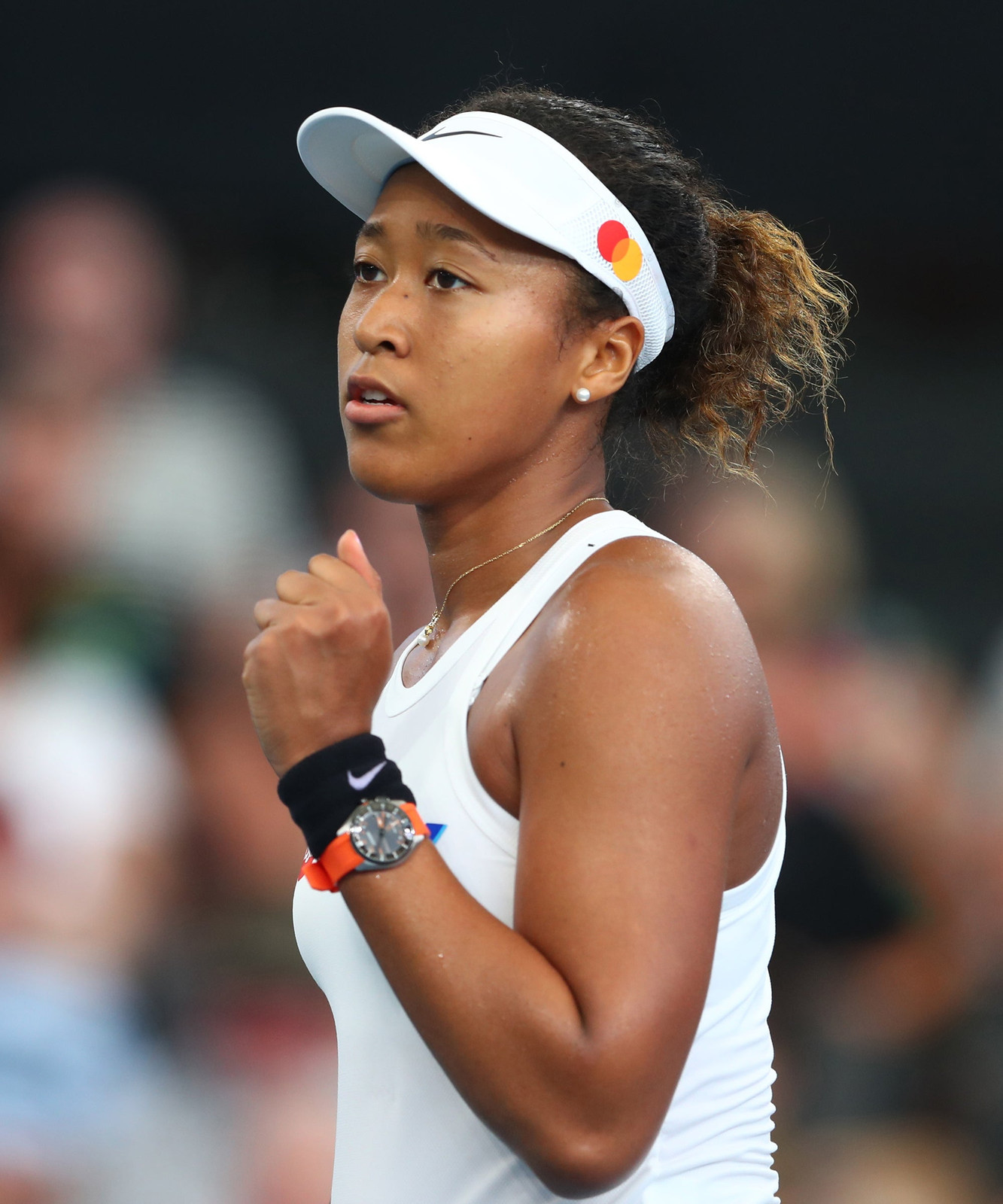
I remember the first time I saw a ponytail with wispy bangs catch the sun and flash red, and I thought, that is not a mistake, that is a choice. The dark brown base keeps it grounded, but the red highlights are the whole story, they pop every time the loose ponytail swings. Shoulder-length layers give the wispy bangs something to blend into, so they frame the face without committing to a full fringe. The texture is wavy, which means the ponytail holds its shape without a single bobby pin, just a loose gather and a flexible hold hairspray, about five minutes total. The red reads warm against most skin tones, and the middle part keeps the whole thing casual. Trim the layers and bangs every six weeks, or the wispy bits start looking like regret.
Striking Copper Knotless Braids
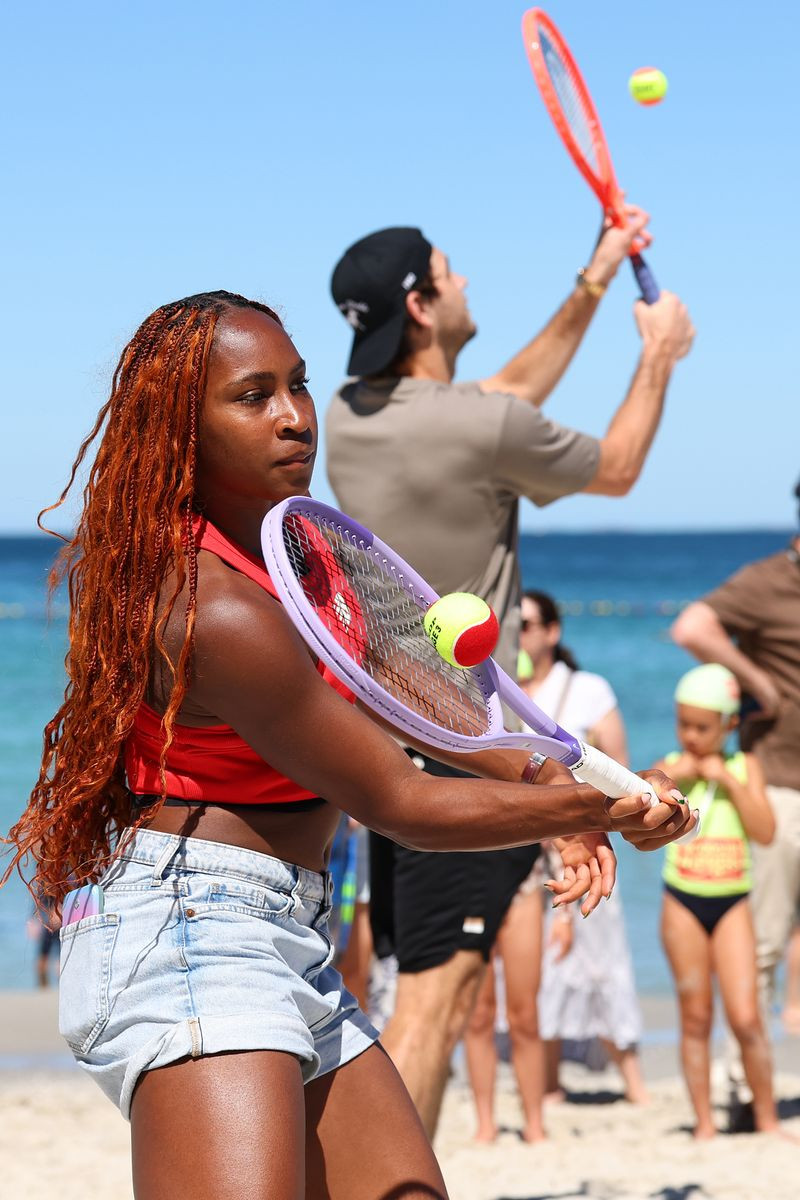
Have you ever seen a colour that makes you question your entire hair history? Vibrant copper braids are that colour. The knotless technique means each braid starts with your own hair, no bump at the root, so the mid-back length lies flat and moves naturally when you serve. The copper shade is the kind of bold that flatters warm undertones and deep skin tones best; on cooler complexions it can read brassy, so check that before you book. The braids themselves suit anyone with coily or textured hair who wants a low-maintenance match day, they stay put through sweat and wind, and the weight is light enough that your neck won’t ache by the third set. This is a salon service, plan for several hours, and the colour will fade if you skip the moisturizing routine. For a tournament or a long season, this is the performance choice.
Voluminous High Black Ponytail
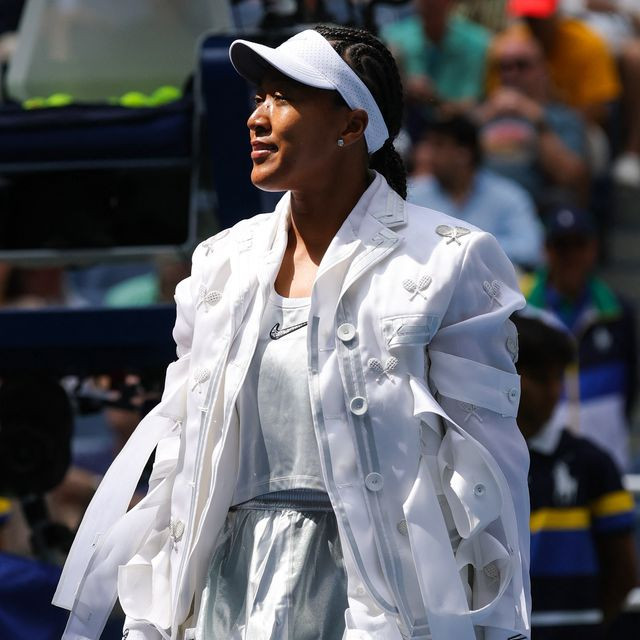
I will say it plainly: this ponytail does not move. The sleek, high placement sits at the crown, and the thick wavy texture gives it a volume that looks like it took an hour, not seven minutes. The black colour is uniform, no highlights to distract, so the silhouette is the whole show. A strong elastic and a good brush are non-negotiable, and a texturizing spray at the roots adds the grip that keeps it from sliding down by the second set. The mid-back length swings but stays put, and the layers keep the ends from looking blunt or heavy. Trim every eight weeks to keep the ends healthy, because split ends will make the ponytail frizz by the end of a week of matches. This is a salon-leaning style, not because you cannot do it at home, but because the volume needs the right cut underneath to hold its shape.
Short Coily Bun with Headband
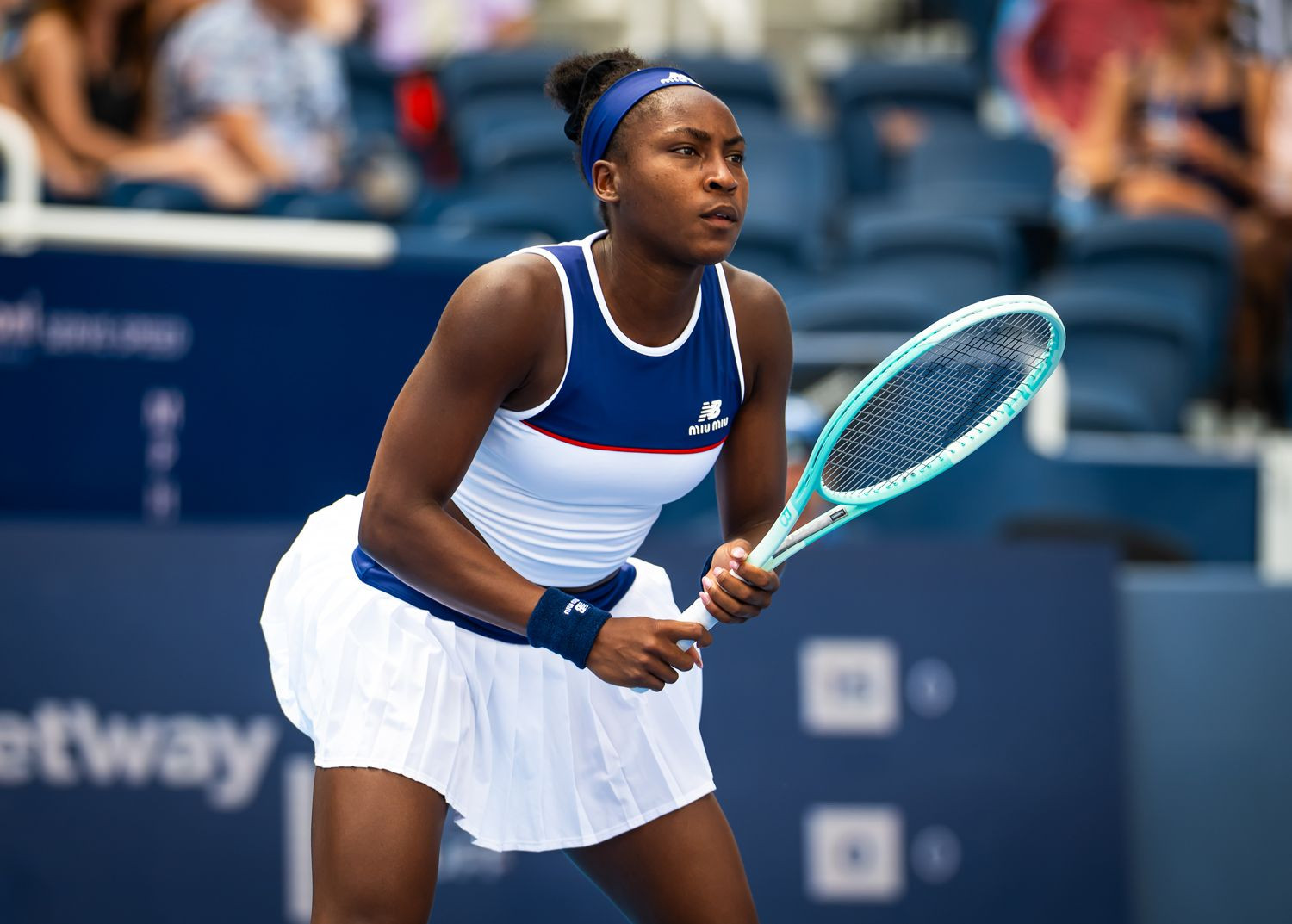
I was skeptical about the short coily bun, mostly because I have seen too many buns promise security and then betray everyone by the first serve. But the slicked-back placement changes things, the ear-length coily texture is gathered tight, and the headband is not a decoration, it is the anchor. A strong-hold gel and a good comb are the whole toolkit, about seven minutes from start to finish. The downside is real: if the gel is not strong enough, or the headband is too narrow, the bun will loosen by the second set, and there is no quick fix mid-match. Trim every four to six weeks, because the short cut loses its shape fast. For intense play, this works, but only if you commit to the products.
Neat Blonde Double Braids
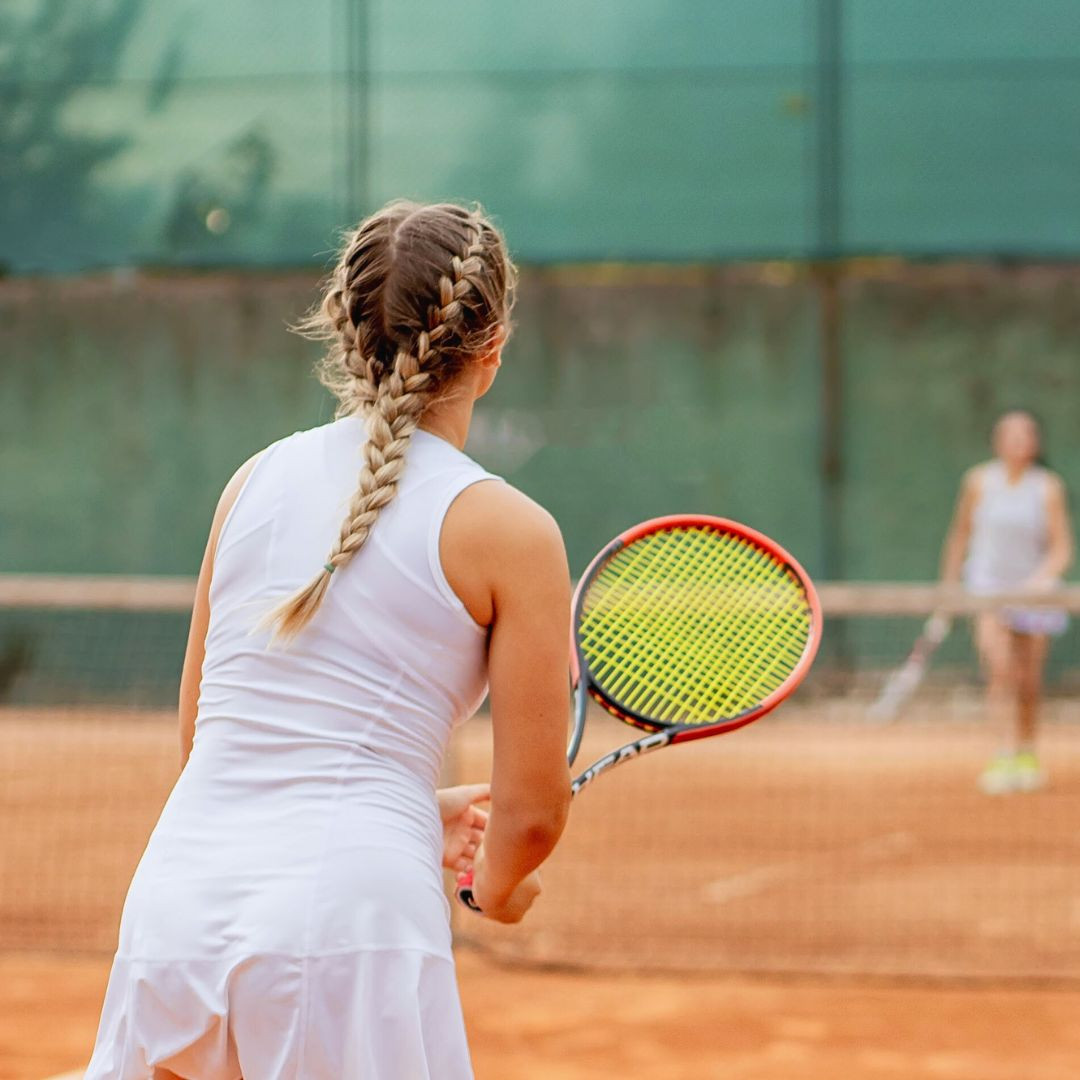
Can you get double braids this tidy without a second pair of hands? The middle part, the even tension, the way each braid sits flush against the scalp — that is salon-level precision. Straight, medium-density blonde hair holds the line well, but the real trick is sectioning. If your part wanders by the second braid, start over. A double braided ponytail this neat takes about 15 minutes and a mirror behind your head. Book it if you want it matchy. DIY if you are okay with one braid slightly thicker than the other.
The Classic Dark Brown French Braid
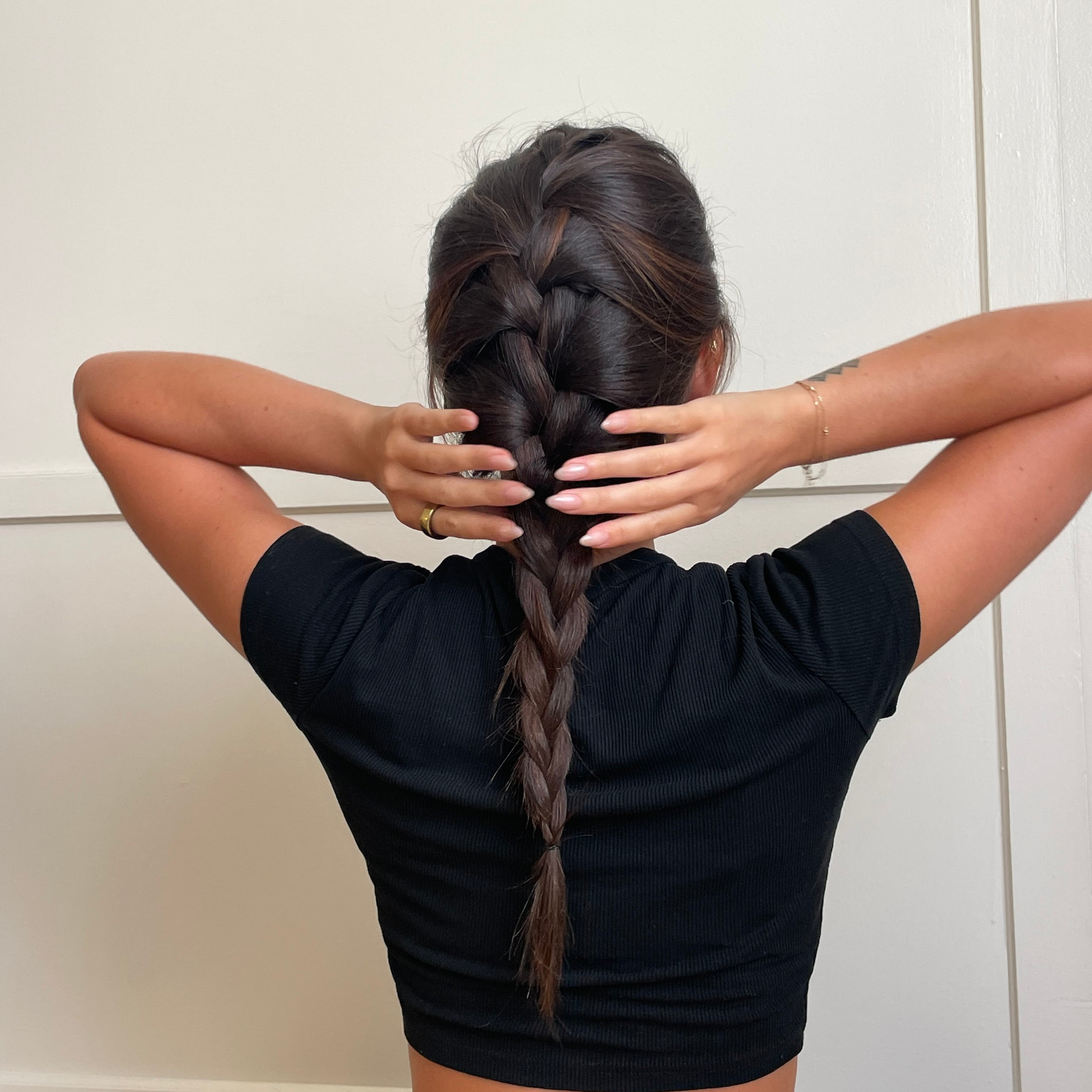
A thick french braid does not loosen by lunch. It tightens. The weight of dark brown, straight hair pulls the plait closer to the scalp as the day goes on, which means by hour four you have a sleeker line than when you started. I have worn one through a full workday and a walk home, and it held without a single re-pin. The upkeep is minimal: a smoothing cream before you start, a strong elastic at the end. Trim every eight weeks to keep the ends from fraying into the braid. That is it. No touch-ups, no spray, no second-guessing.
Braided Half-Updo for Waves
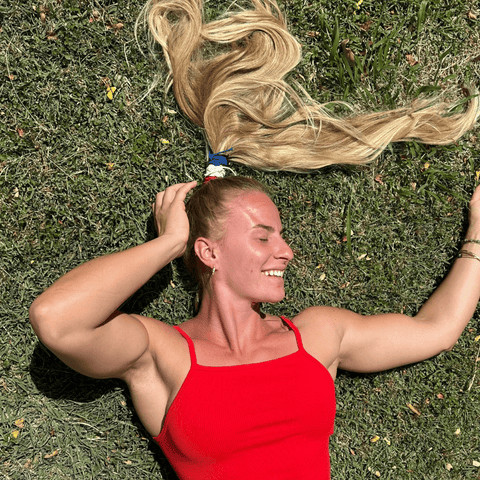
That crown braid is doing all the work. Two sections braided from the hairline back, meeting at the occipital bone, then pinned so the ends disappear into the waves below. The technique is straightforward: divide, braid tight, secure, release the rest. Wavy, thick hair gives the braid body and the loose part volume. A texturizing spray on the loose waves keeps them from going flat against the shoulder. The whole half updo with braids takes about 15 minutes. The hardest part is keeping the braid tension even on both sides.
High Ponytail with Gold Rings
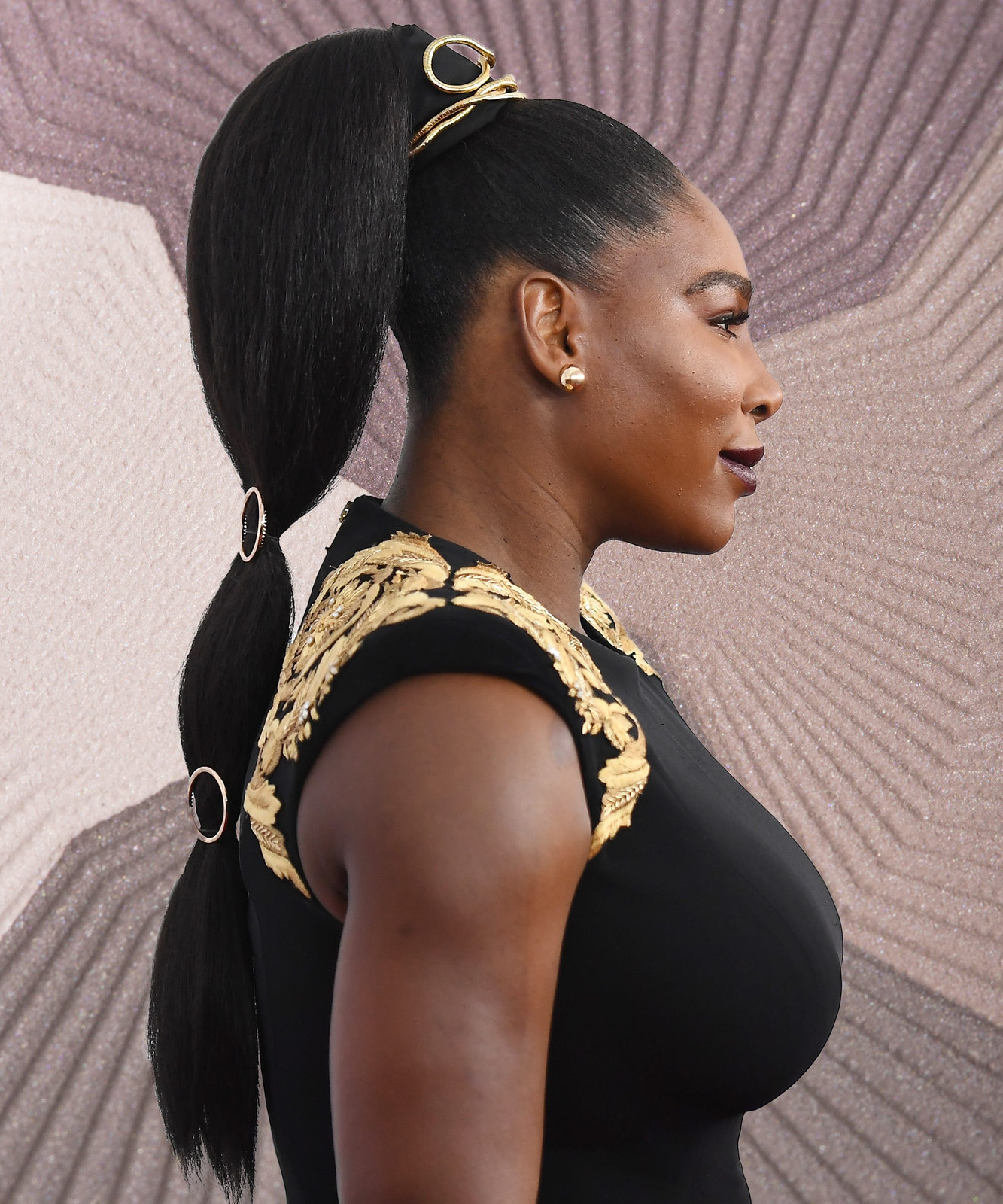
This one is for high-density, straight hair that can hold a slicked surface without slipping. The gold rings sit best on thick black hair — they need grip, and fine strands let them slide down by the second set. The ponytail with decorative rings reads as deliberate, almost sculptural, which works for a match or a night out. The season is summer, when the high placement keeps hair off the neck and the metal catches the light. If your hair is fine or your part is soft, skip the rings and use a single cuff instead. It will stay put longer.
Braided Front Low Ponytail
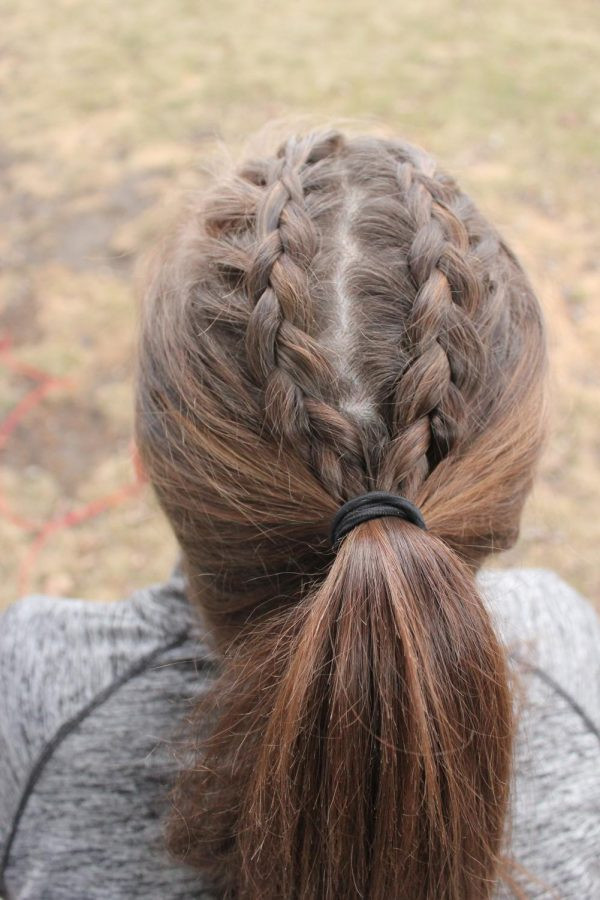
You are at the bathroom mirror at 7:45, trying to braid two front sections that meet into one low ponytail. The difference between a salon braided ponytail and a DIY one is the start: a salon sections from the temple with a clean diagonal part. At home, you will likely grab uneven chunks and the braids will end at different lengths. The fix is to section with a tail comb and braid tighter than you think you need. Straight brown hair at mid-back length gives you enough weight to pull the ponytail low and clean. Fifteen minutes if you section well.
Dynamic Ash Blonde Ponytail
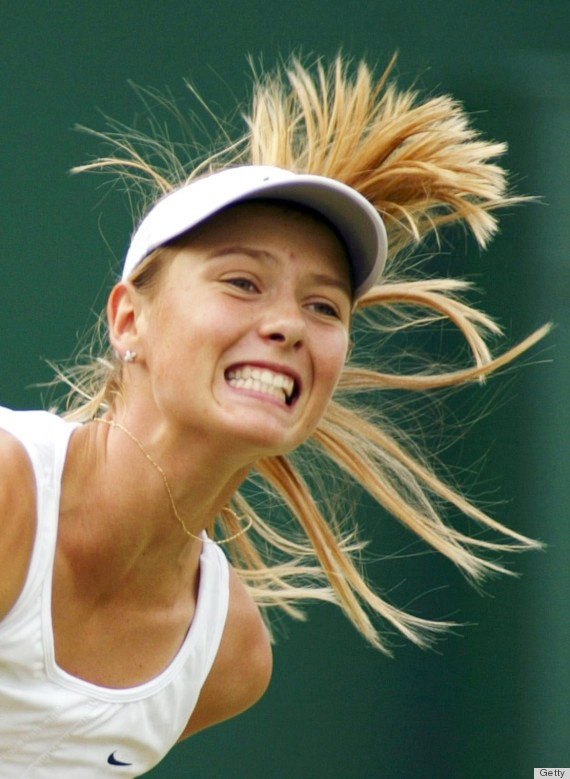
Does a ponytail ever survive a full match without turning into a sad, lopsided thing? This ash blonde version does, mostly. The medium-density waves give it body that a straight ponytail just cannot match, so it bounces instead of deflating. Colour is a cool ash blonde, which reads clean against warm skin and does not show sweat the way a bright blonde would. The high ponytail with flyaways is the whole point. Those little wispy bits look intentional when they escape, not messy. Honest downside: the waves mean more texture, more texture means more snagging when you pull it back. A flexible hold spray helps, but you will still be tucking pieces back into place by the second set.
High Top Knot with Headband
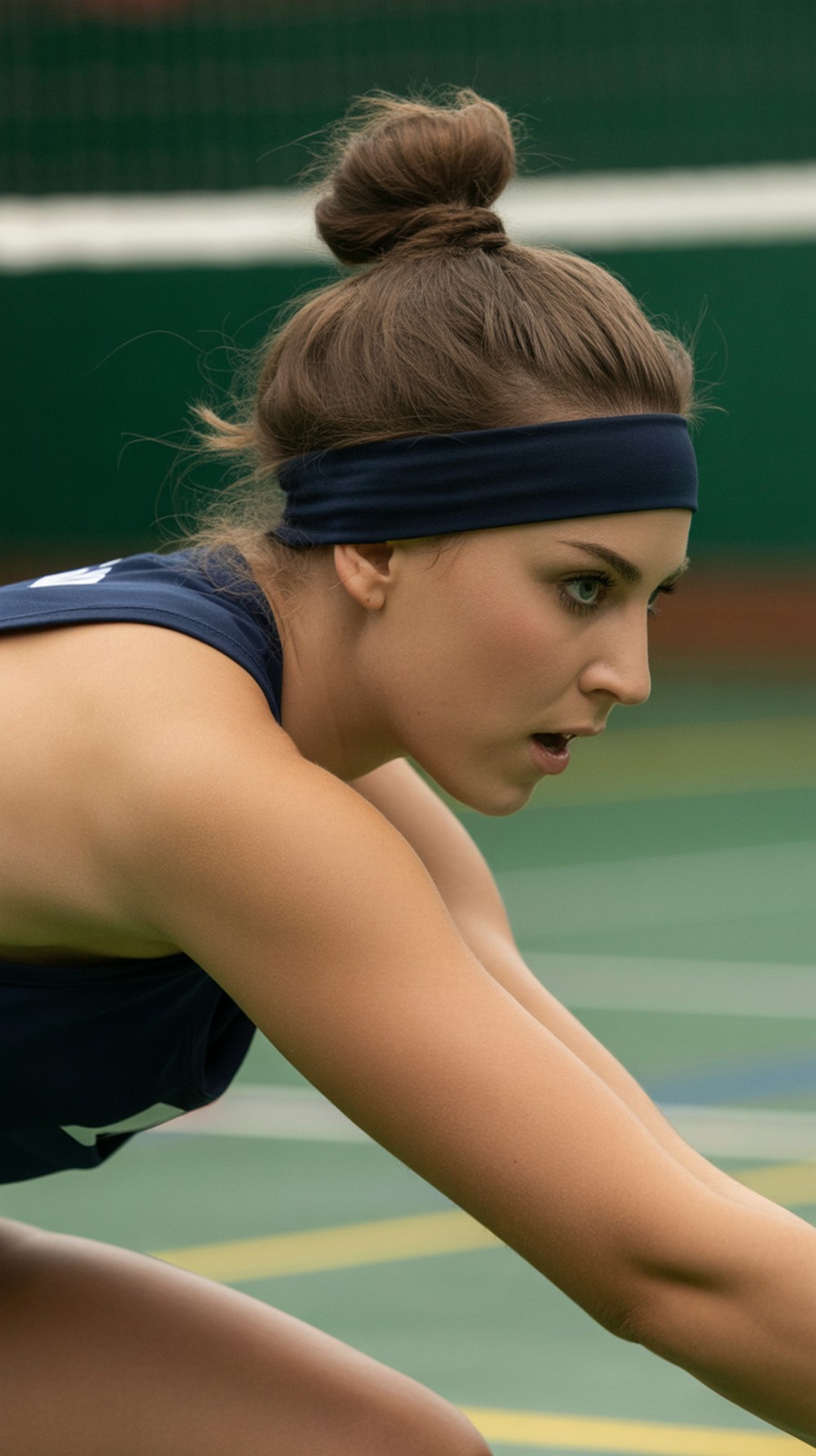
A high ponytail swings. A top knot bun with headband does not. That is the difference, and it matters when you are chasing a return shot. The dark brown, shoulder-length straight hair is pulled into a tight knot at the crown, and the headband presses everything flat against the scalp. No movement, no distraction. The thick texture helps the knot hold its shape without collapsing into a sad little puff by the third game. A strong hair tie is non-negotiable here. The headband adds a second layer of security, which means you are not reaching up to adjust every five minutes. It is less dramatic than a ponytail. It is also more functional.
Blonde Ponytail with Braids
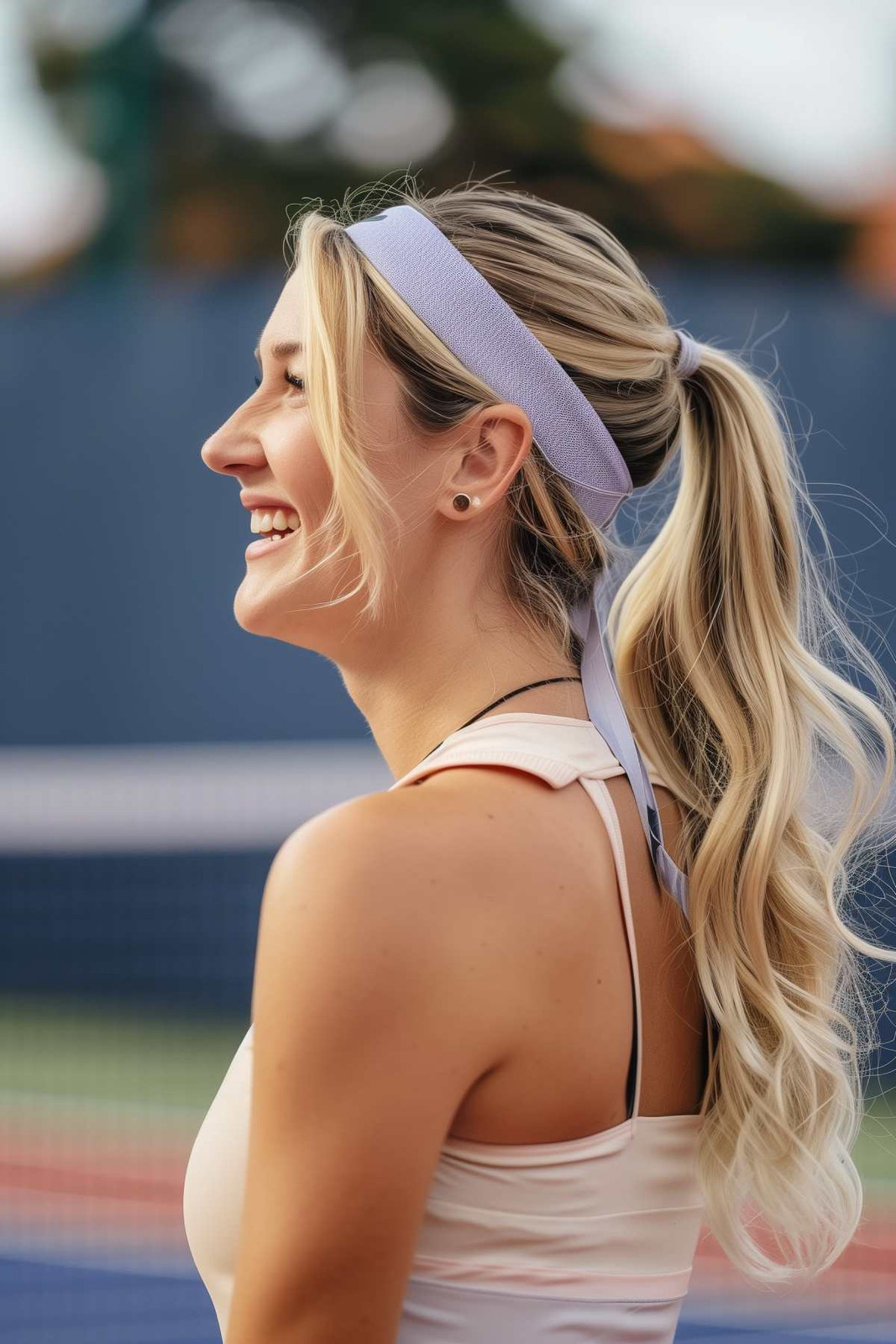
This one earns its complexity. The ponytail with braids is not a single braid dropped down the back. It is a high ponytail with small, tight braids woven into the sides and then wrapped around the base. The blonde with highlights catches the light differently on each braided section, which gives the whole thing a layered, dimensional look. The wavy, thick texture helps the braids stay defined without slipping loose. A texturizing spray before you start gives the hair enough grip to hold the weave. It takes ten to fifteen minutes, which is more than a basic ponytail but less than a full braided crown. The payoff is a style that does not shift, does not loosen, and does not require a mirror check between games.
Braid with Decorative Green Ties
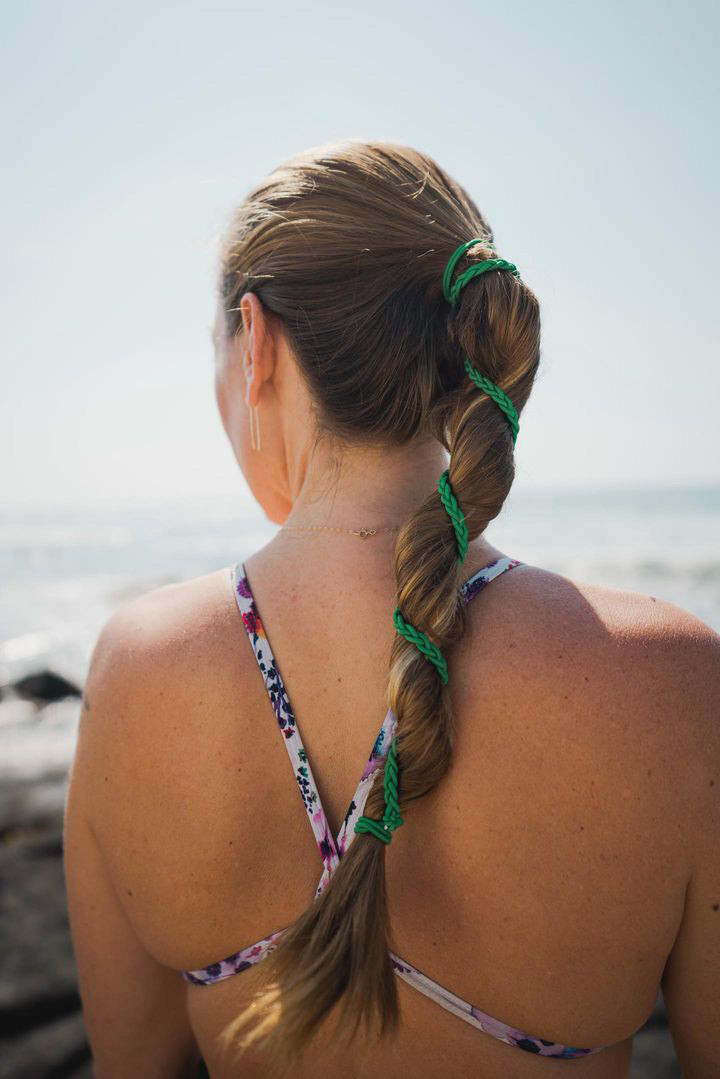
I saw a braid with decorative ties on a woman at a tournament once. She was mid-swing, and those little green bands caught the sun. I thought it was a styling choice. It was not. It was a tactical decision.
The medium brown, straight, thick hair is braided from the crown down to the mid-back, and every few inches a green tie marks a section. The ties do more than look festive. They keep the braid from loosening as you move. A loose braid unravels by the second set. A tied braid stays put. The thick texture helps, too. Thicker hair holds a braid longer than fine hair, which tends to slide out of the weave. Upkeep is minimal. The ties stay in until you take them out. No re-braiding mid-match. Just a secure, organized braid that does not quit.
High Braid with White Ribbon
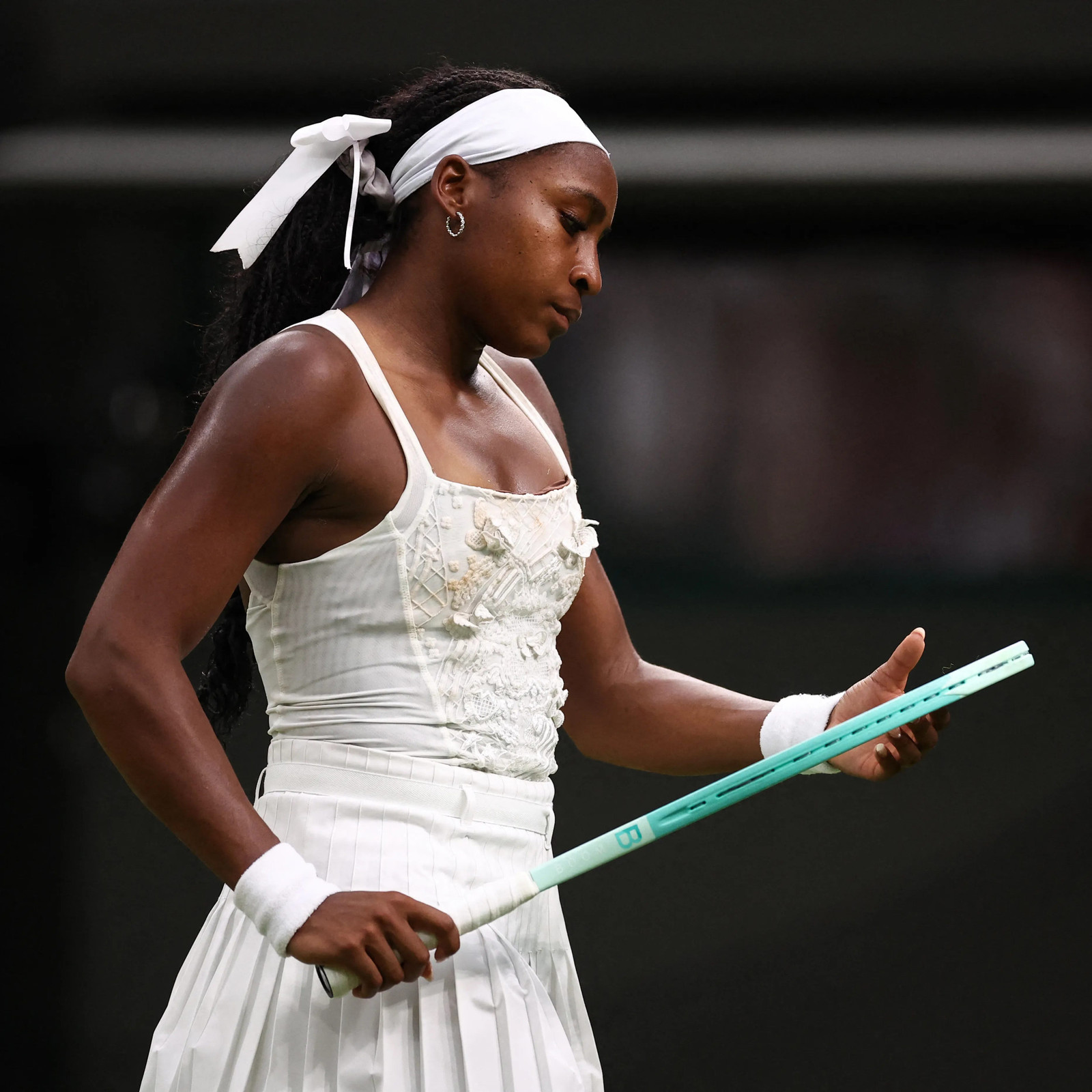
I will confess: I like the look of a braid with white ribbon more than I expected to. The black, wavy, shoulder-length hair is pulled into a high braid, and a white ribbon is tied at the end. It sounds fussy. It reads clean and intentional. The ribbon adds a visual anchor that keeps the eye on the braid, not on any flyaways. Honest downside: the ribbon can snag. Wavy hair has enough texture to catch the fabric, especially during active play. A texturizing spray before braiding helps the waves grip themselves, which reduces the ribbon’s movement. It is not a set-it-and-forget-it style. But for the first hour, it looks sharp and stays secure.
Blonde Braided Updo with Bun
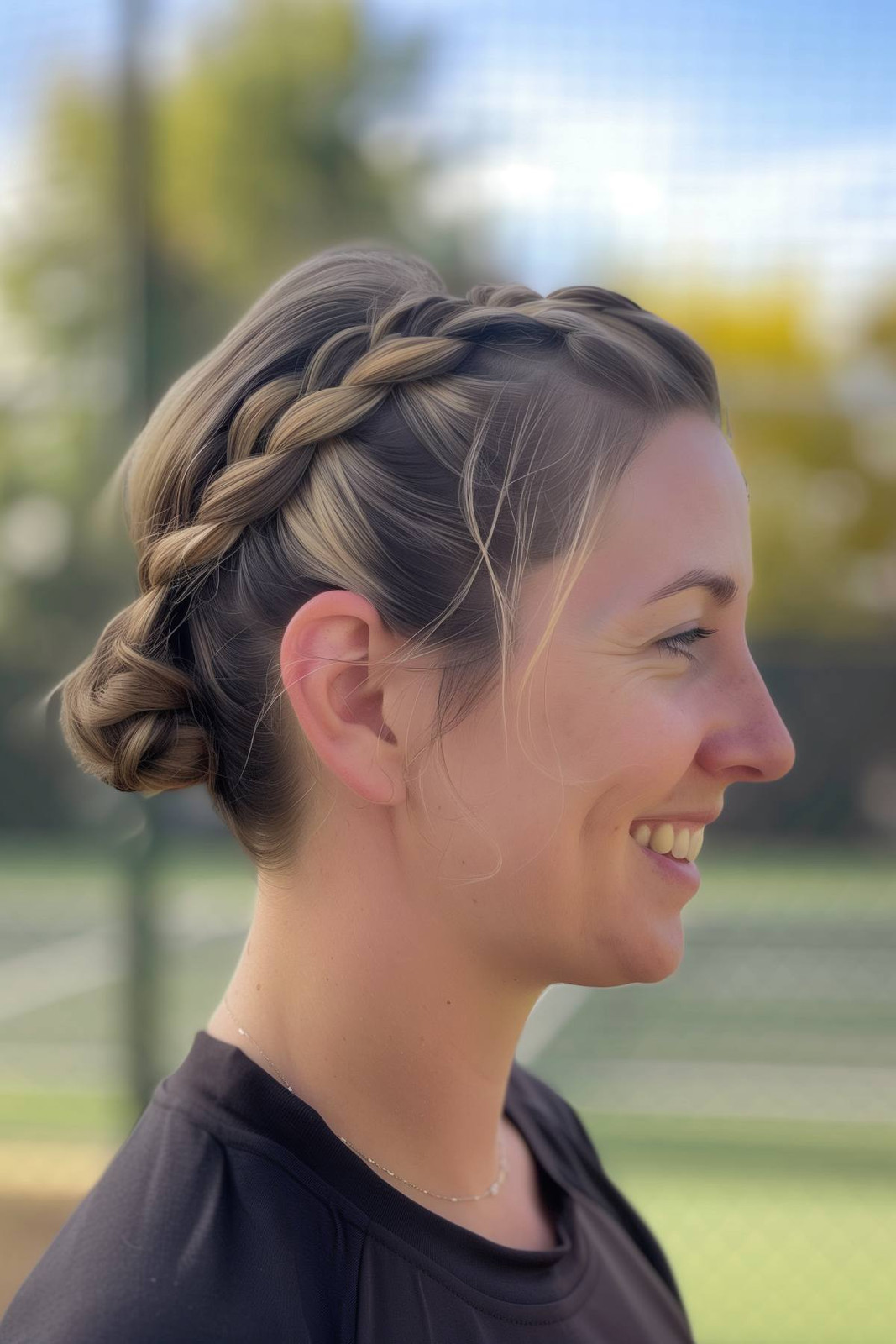
Have you ever looked at a braided updo with bun and thought, that’s for someone with more patience than me? I get it. But this one, with its crown braid detail and wavy, medium-density texture, is surprisingly forgiving. It suits round and oval faces best because the height at the crown adds length, and the side parting softens the forehead. If your hair is fine or very silky, the braid can slip, so you need some grip. The blonde with highlights adds dimension, which helps the braid read clearly. This is a salon-level style, no question, and it takes a solid hour or two to construct. But for a tournament or a special match, it stays put from first serve to final point.
The Voluminous Dark Brown Ponytail
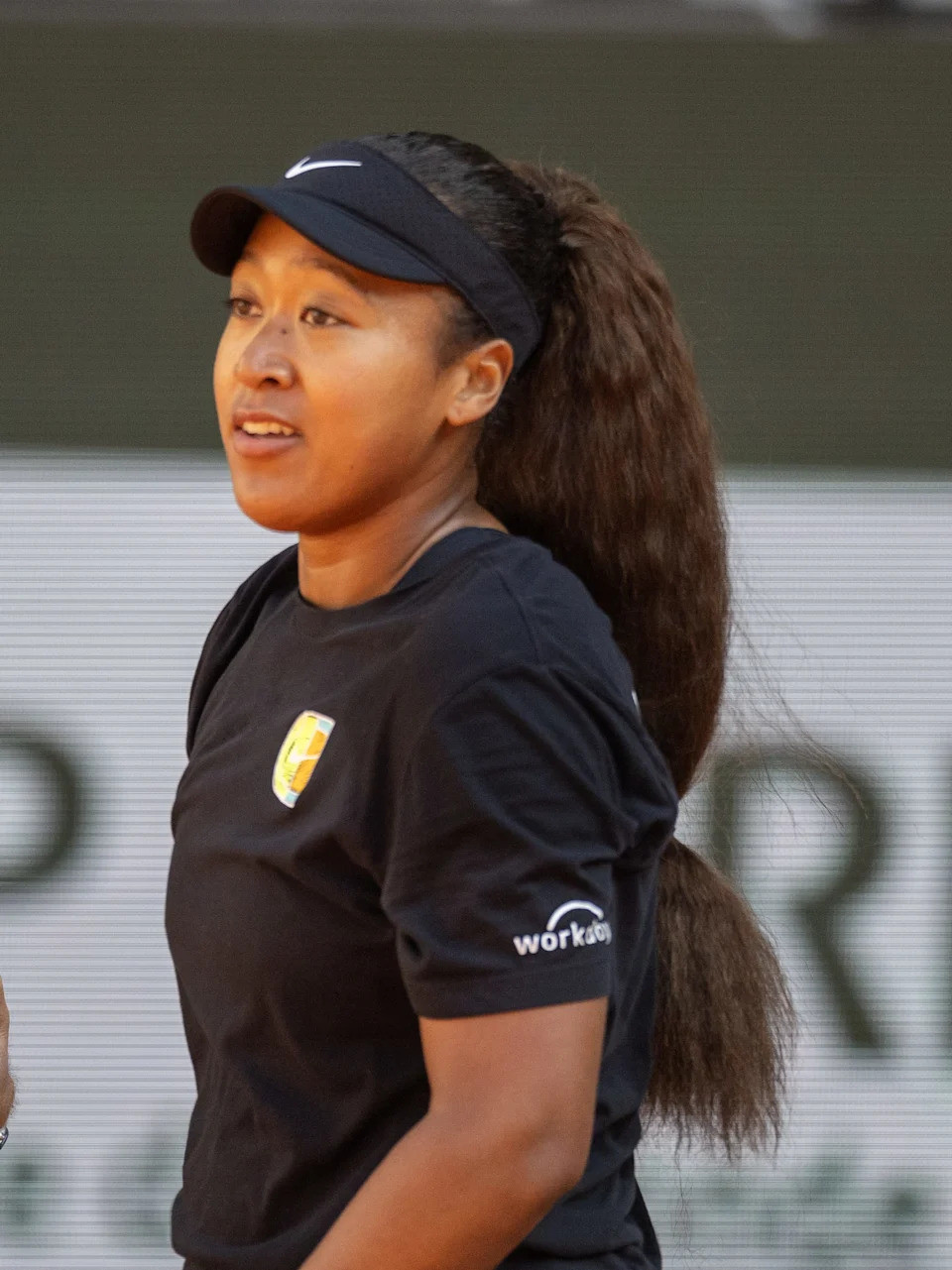
I’ll say it straight: a voluminous long ponytail like this is not a bathroom-mirror job. The volume comes from backcombing at the crown, and if you do it wrong, you get a lump, not lift. This one is dark brown, wavy, and thick, so it has natural body to work with. It takes about seven minutes with a texturizing spray and a strong elastic. The side parting keeps it from looking like a gym ponytail. You can DIY it, but only if you’ve practiced the backcombing, and a trim every eight weeks keeps the ends from looking stringy. It’s a high-impact style that reads as effort, even though it’s mostly technique.
Braid with Colorful Beads
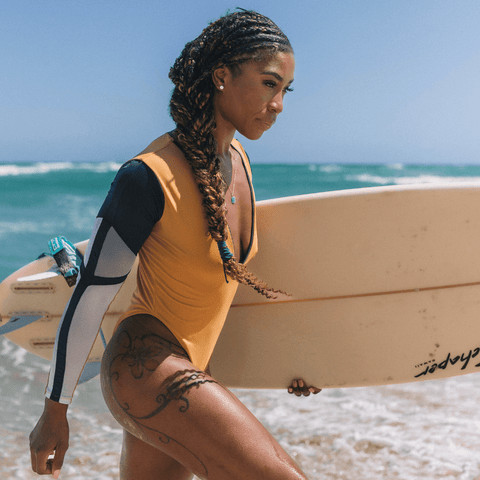
Beads in a braid look festive, but they have a job to do: they add weight, which keeps the braid from whipping around during a match. This wavy braid with beads, in dark brown with blonde highlights, holds its shape because the beads anchor the ends. It takes about ten minutes to braid and thread the beads, and you need to secure them properly or they’ll slide off by the second set. The side view shows the braid lying flat, which is good, because a bulky braid bounces too much. For medium to thick hair, this works well; fine hair might let the beads slip. A trim every eight weeks keeps the ends blunt so the beads stay put.
Blonde Braid with Ribbons and Headband
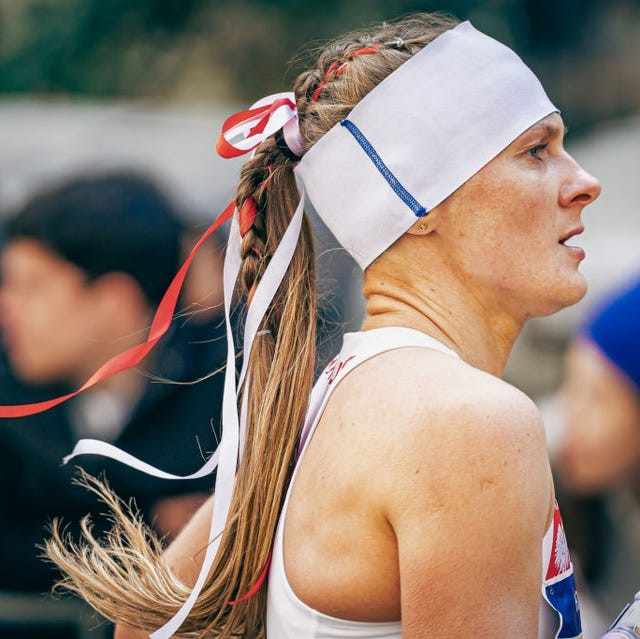
Is a braided ponytail with ribbons worth the extra effort over a plain ponytail? For tennis, maybe not, unless you want the front to stay neat. The headband does that job, and the ribbons woven into the braid add a touch of elegance that a simple elastic won’t. But here’s the honest downside: ribbons can catch on your racquet strings, and if they fray, they look messy by the third game. This style takes about fifteen minutes, and you need layers to make the braid look full, not skinny. The blonde color shows off the ribbon contrast, but it also shows every loose strand, so you’ll be tucking flyaways all match. It’s pretty, but it’s not the most practical choice.
Final Thoughts
I started this list expecting to skip the braided buns. Then I saw the coily one with the headband and the blonde updo with the ribbon. I am booking the copper knotless braids next. They last two weeks and I do not have to think about my hair once.