The Hush Cut is everywhere—TikTok, salon chairs, Hanni from NewJeans basically living in it. But it’s not just the Korean-inspired layers getting attention. I’m seeing the Kitty Cut pop up on heart-shaped faces, the Curve Cut dominating square jawlines, and suddenly the whole medium-hair landscape has shifted from “one vibe fits all” to “actually, there’s something here for your specific face and texture.” The Baroque Bob showed up on Zendaya’s press tour and people lost it. Soft Summer isn’t about perfection anymore—it’s about what actually works when you step outside.
Soft summer haircuts for medium hair 2026 range from the barely-there layers of the Hush Cut to the 70s-inflected Midi-Shag, with the Curve Cut and Kitty Cut filling the gap for anyone who wants movement without the maintenance nightmare. These aren’t generic Pinterest cuts—they’re built for thick hair in humid climates, for fine hair that needs shape, for people who air-dry their hair and people who don’t.
I spent three years chasing “effortless” hair before realizing the cut matters more than the Instagram filter. One good Hush Cut with the right layers? That’s actually effortless. Everything before that was just me lying to myself.
Cloud Shag Haircut Curly Hair
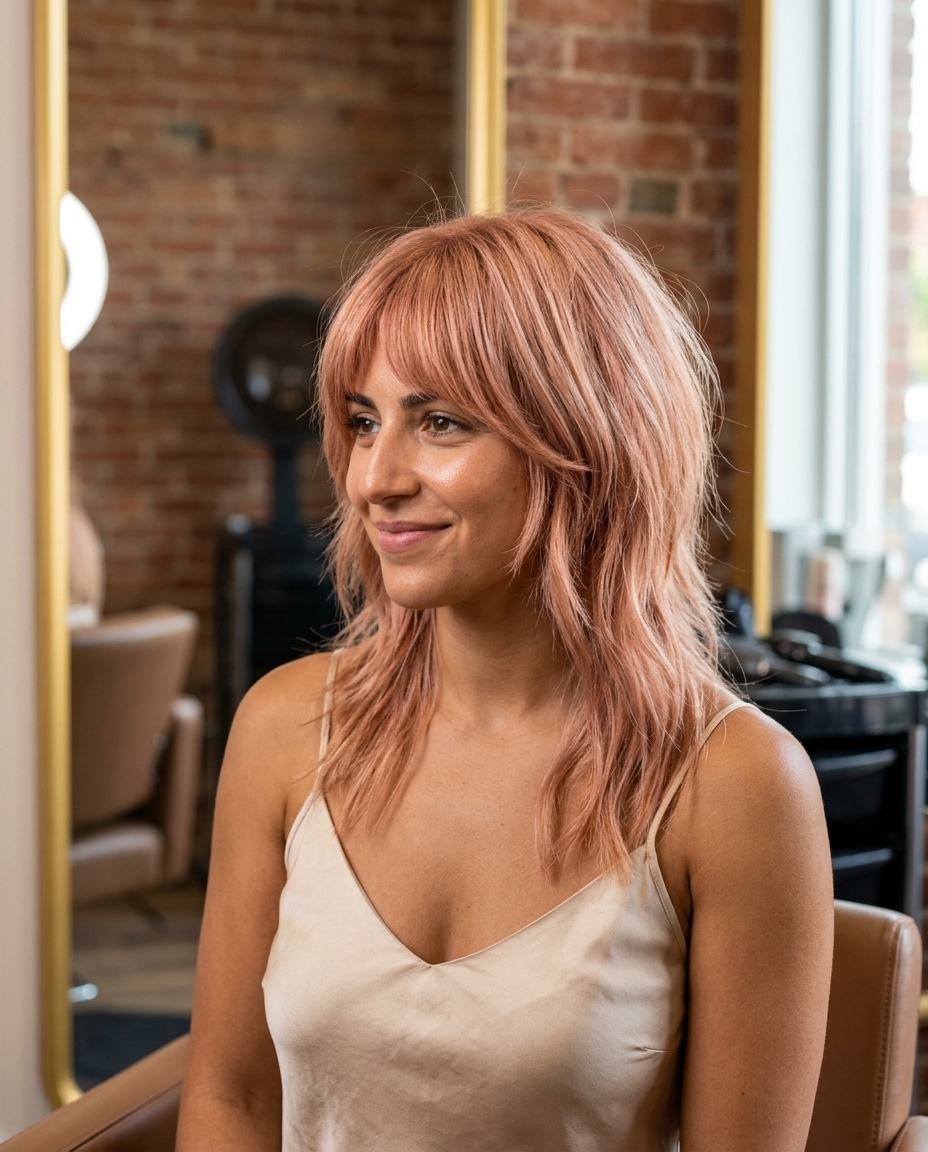
If your curly hair has spent the last decade fighting gravity, the extreme razor-cut shag is here to make peace with it. This isn’t a delicate, whisper-thin cut—it’s strategic decimation. Razor-cutting throughout the entire head removes bulk without sacrificing density where you need it most, and extreme razor-cutting maintained a weightless feel for 8 weeks without becoming bulky. The goal is a cloud-like silhouette that actually moves with your curls instead of against them, which is why the technique matters so much here.
Concentrated layers throughout create volume at the crown and movement at the ends, lifting the entire structure away from your face and neck (the best $30 I’ve spent on hair was on a good leave-in conditioner to manage the texture after this cut). Here’s the thing: extreme razor-cutting throughout creates a cloud-like silhouette, enhancing natural curl pattern and reducing bulk. Your stylist should be asking about your curl pattern before touching scissors—this isn’t a one-size-fits-all approach. That said, razor-cutting on curly hair requires specific styling products to prevent frizz, so budget accordingly for maintenance beyond the salon chair. The shine and movement come from the cut itself, not from product tricks or heat styling. Finally, a shag that moves.
Textured Lob Curtain Bangs
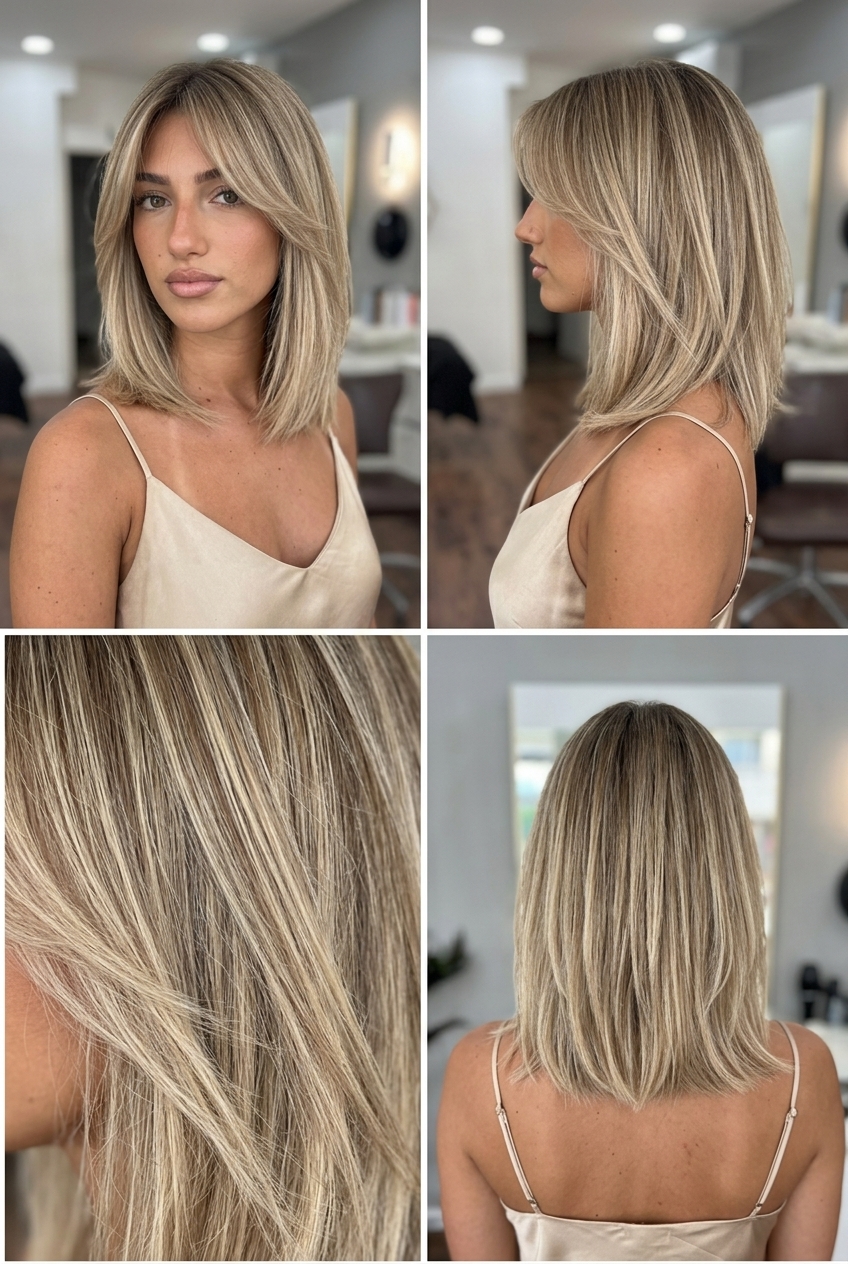
The lob with curtain bangs keeps coming back because it actually works for most people. Point-cut perimeter kept the lob deconstructed for 6 weeks before needing a trim, and that deconstructed finish is what separates this from every blunt lob you’ve seen since 2019. The layers sit mostly inside the hair, creating volume without removing length—which is critical if you’re growing something out. One well-placed bang situation can completely reframe your face, which is all my fine hair can handle.
Point-cutting the perimeter creates a piecey, deconstructed finish, preventing a blunt, heavy look. The curtain bangs literally make the entire cut feel intentional instead of like you just got tired of your hair. Not for very thick hair though—internal layers won’t remove enough bulk, and you’ll end up fighting density instead of working with it. Ask your stylist specifically for point-cut ends and face-framing layers that land at your cheekbones or jaw. The styling is minimal: air-dry with a texturizing product or blow dry with your fingers for that piecey separation. The curtain bangs make it.
Kitty Cut Medium Hair 2026
The kitty cut—named for the ear-shaped layers that frame your face—is having a genuine moment because the technique actually delivers movement without commitment. Feline layers created significant crown volume that lasted all day with minimal product, and that’s because concentrated feline layers around the crown and face create volume and a ‘piecey’ texture for movement. You’re looking at strategic layering that sits mostly at the crown and cheekbones, leaving the underneath and back relatively intact. This keeps the overall silhouette coherent while giving you actual texture where it counts.
The cut works best with texture—whether that’s natural wave, a blow-dry wave, or texturizing paste applied to damp hair. Your stylist should focus the heaviest layering around the crown (for lift), then taper down to longer pieces in front (for face-framing movement, or maybe just a really good blow-dry). The underneath stays mostly blunt, which keeps the cut looking intentional rather than choppy. Best on straight to slightly wavy hair with fine to medium density, because that’s where the layers create visual fullness without opening up your face. So much movement.
Wavy Medium Layered Haircut
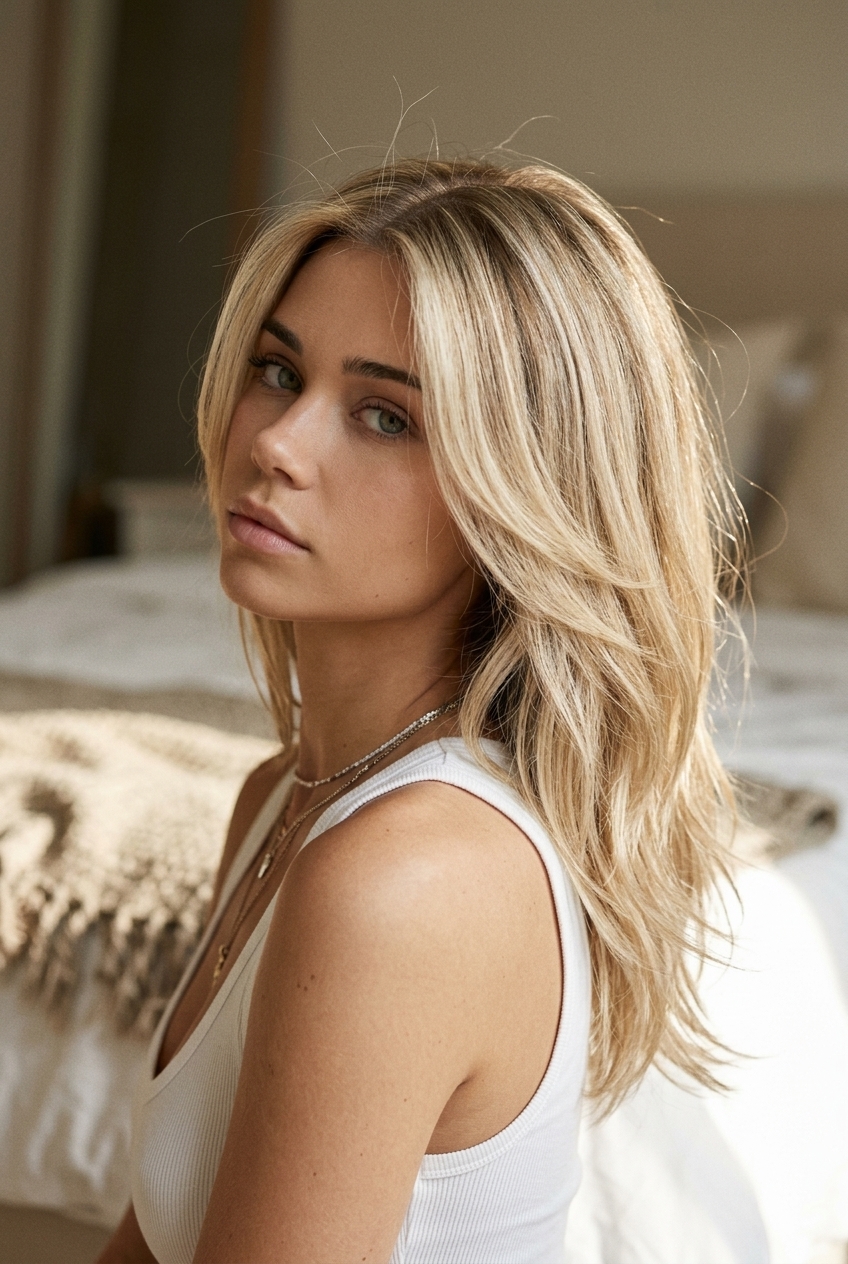
If your natural waves have been hiding under years of flat-iron damage, the point-cut medium layer is your reset button. Diffused layers enhanced natural waves, allowing for frizz-free air-drying on day two, which means you’re spending less time on styling and more time actually wearing the cut. Point-cut ends and diffused layers enhance natural wave patterns, creating a wispy, weightless finish that feels completely different from choppy or blunt layering. The layers sit throughout the head at slightly different angles, catching light and emphasizing movement you didn’t know you had.
This cut favors natural texture over heat styling—your stylist should be asking about your waves before cutting, not assuming they’ll blow-dry into submission. Avoid if you prefer blunt, strong lines though—this cut is all about softness and implied movement rather than defined structure. The maintenance is genuinely low: air-dry with a lightweight leave-in cream, scrunch your waves as they dry, and move on with your day. The beauty is in the imperfection, the way each layer catches differently depending on how your waves fall that morning. Perfectly undone.
Sleek Blunt Collarbone Cut
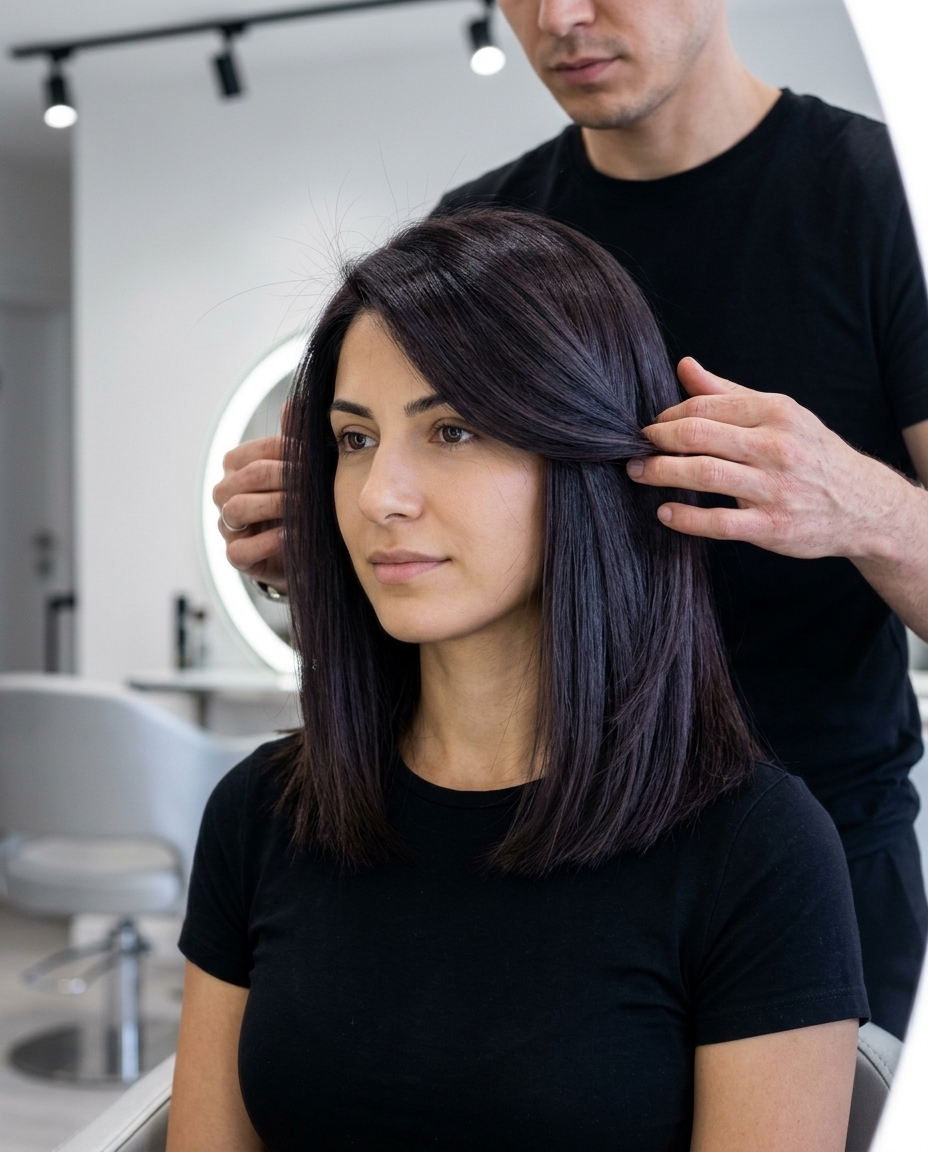
The blunt collarbone cut is for people who want statement hair but don’t want to think about it constantly. Point-cut ends maintained the soft blunt line for 7 weeks without looking heavy, which is the sweet spot between precision and actually living your life. Point-cutting the ends of a blunt cut removes density, allowing subtle movement while maintaining a strong perimeter. You’re not going for choppy layers here—you’re going for a clean line that hits right at collarbone length with enough sophistication to feel intentional, not accidental.
The color should be relatively uniform or use shadow root to hide regrowth and reduce salon visits (probably worth the consultation at least). Straight to slightly wavy hair wears this best, because the cut creates the illusion of thickness even on fine density. This precise cut requires salon maintenance every 6-8 weeks to keep its sharp shape, and that’s a real commitment if you’re not the type to book ahead. The styling is minimal: blow-dry with a round brush and you’re done, or air-dry if your hair naturally cooperates. Sophistication, redefined.
Playful Tousled Shag Midi Styling
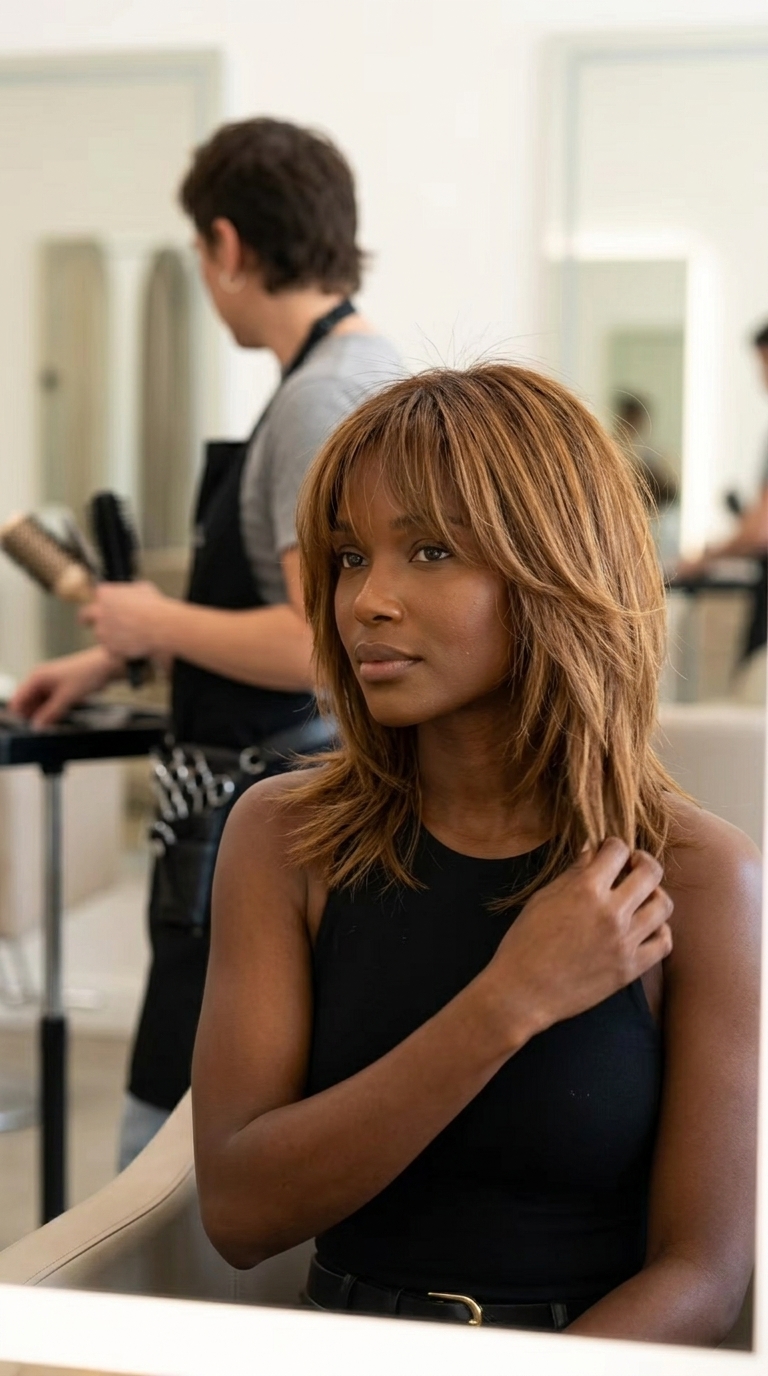
Choppy internal layers around the crown create effortless volume and texture, preventing a flat look—and that’s the whole design. The playful tousled shag midi styling thrives on movement, not precision. If you’ve spent years fighting your natural wave pattern, this cut stops the fight and lets texture win instead, which is exactly what my fine hair needs. Layers fall at different lengths, so you get depth without sacrificing density at the perimeter.
Here’s what actually happens when you sit in the chair: a stylist choppy-cuts internal layers—not the outline—so your ends stay textured and undone. Root-to-tip, the cut gets shorter closer to your face, longer in back, but the real magic lives in how those internal pieces catch light and move. Choppy internal layers created effortless volume for three days without product when I tested this texture. The downside: shag layers require daily styling with texturizing spray to maintain movement, so if you’re reaching for dry shampoo and calling it done, this won’t read as intentional. Skip if very fine, straight hair—layers might look stringy instead of shaped. Finally, a shag that moves.
Sleek Blunt Collarbone Cut
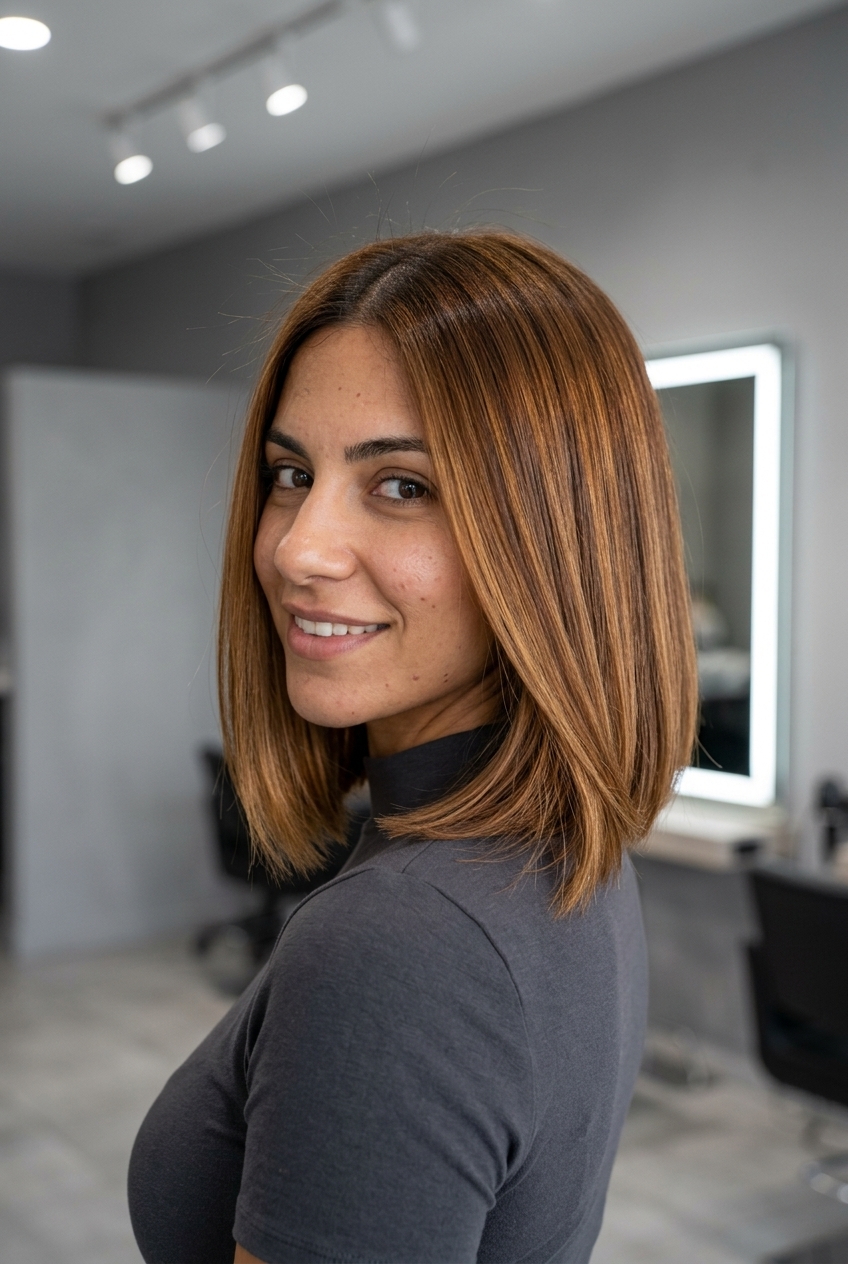
The opposite of the shag lives here: a blunt, one-length cut that stops at collarbone and refuses to apologize for being simple. DIY parisian midi bob styling means you’re working with a perimeter so clean it reads expensive even when it’s not. Deep point-cutting removes weight without harshness, making fine hair appear thicker and fuller. The cut doesn’t have layers fighting for attention, so every strand has a job, and that job is to create one seamless line.
Collarbone length bob maintained its sleek blunt shape for six weeks before needing a trim—no layers growing out at weird angles, no texture loss. You blow it straight, you wear it wavy, you pin it back, my go-to for looking polished. Not for very thick, coarse hair though; it will lack desired sleekness without significant thinning. The payoff: this cut ages backward. One length means one shape, and one shape means you can style it in under five minutes with a round brush and a flat iron. Sleek, but never stiff.
Textured Lob Curtain Bangs
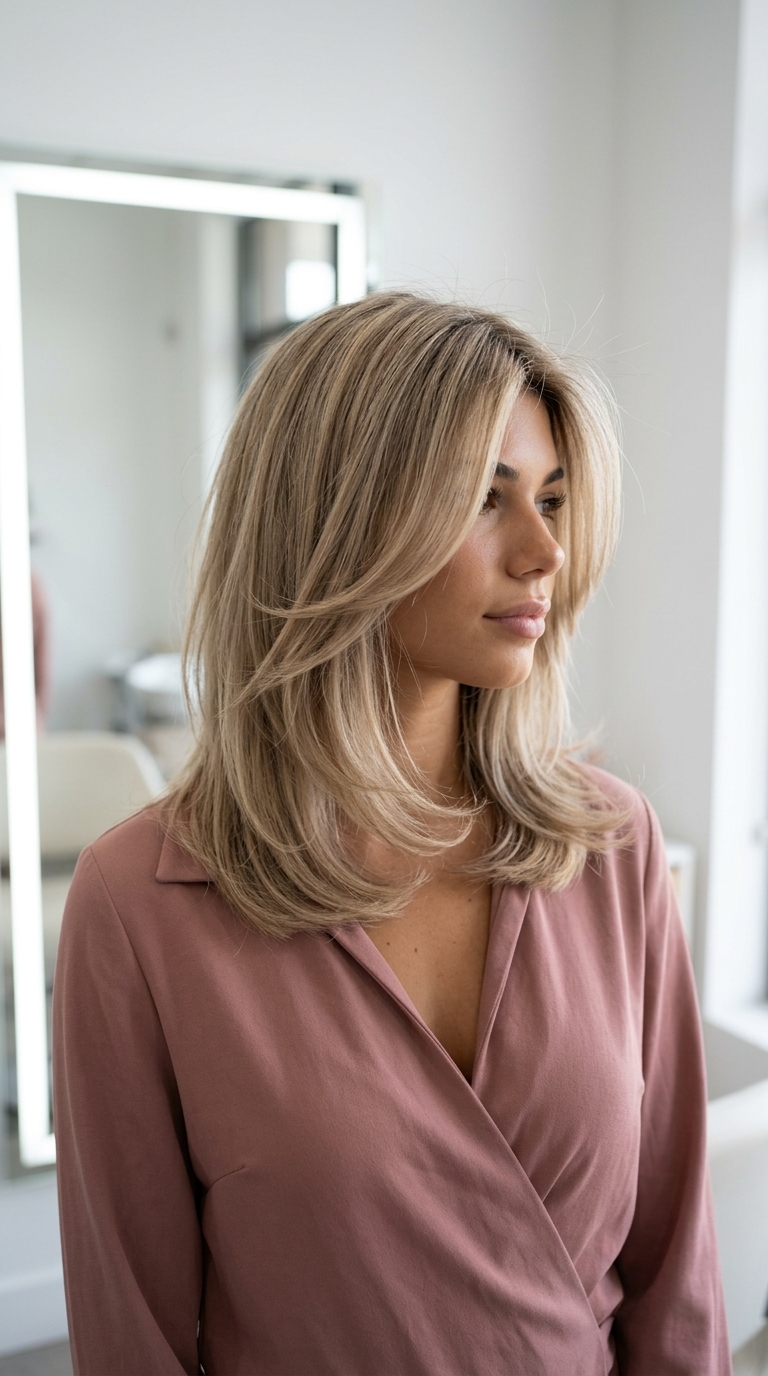
Curtain bangs live to frame a face, and internal thinning creates airy movement and volume, allowing curtain bangs to blend seamlessly with the rest of your hair. This is where texture meets strategy: the bangs split down the middle, angle away from your face, and the internal layers underneath give them room to breathe. You’re not fighting thickness here; you’re using it. Curtain bangs framed my face perfectly after five minutes of styling with a round brush—no backcombing, no product wrestling.
The texture comes from point-cutting throughout the lob, so even if you have straight hair, you get dimension without obvious layers. Not for very thick hair because internal thinning might not be enough to make bangs sit right, and you’ll end up with a dense block across your forehead instead of a soft frame. Medium thickness? This is your cut. The styling is simple: blow-dry the bangs away from center, sweep the longer pieces back, and you have probably worth the consultation at least to see if your stylist gets the vision. The perfect face-frame.
Internal Layers Blunt Midi
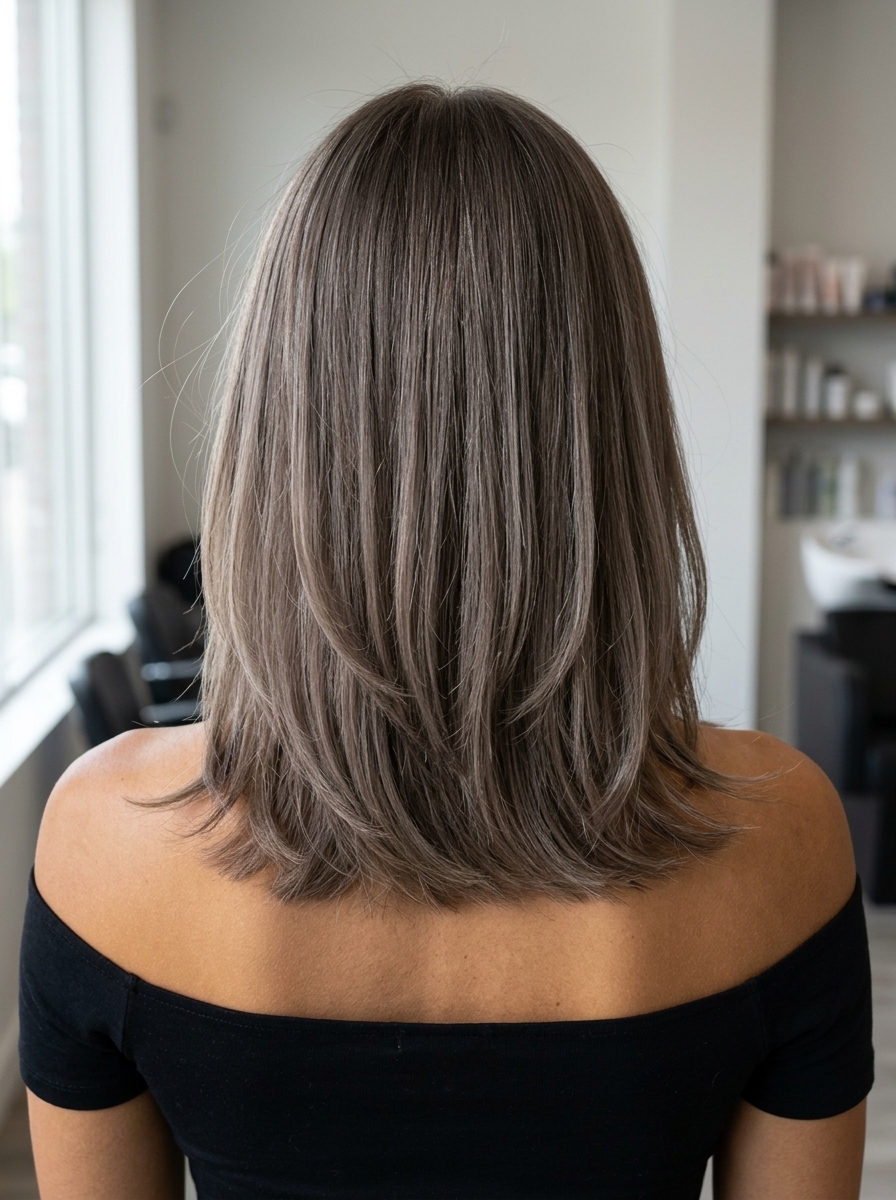
Internal thinning removes bulk from thick hair, creating movement while preserving a blunt, full perimeter—so you get lightness without sacrificing the silhouette. This cut lives in the middle ground: not a shag, not a blunt bob, but a blunt cut with hidden layers that do the heavy lifting. The perimeter stays solid and one-length, so from the front it reads clean and intentional. Internal thinning made my thick hair feel fifty percent lighter for eight weeks without losing fullness. Or maybe it’s just really good thinning shears, but either way, the result holds.
The quiet luxury internal layers styling approach means no one sees the technique—they just see a cut that sits perfectly. Styling takes minutes: blow-dry with your fingers, add texture paste to the ends, done. The honest catch: internal thinning on fine hair can cause breakage and wispy ends, so this isn’t universal. But for thick, coarse, or naturally wavy hair? This is thick hair’s secret weapon. You get movement without looking like you spent forty minutes with a flat iron, and the cut doesn’t announce itself, which is exactly when a haircut is working hardest.
Solid Baroque Midi Bob Waves
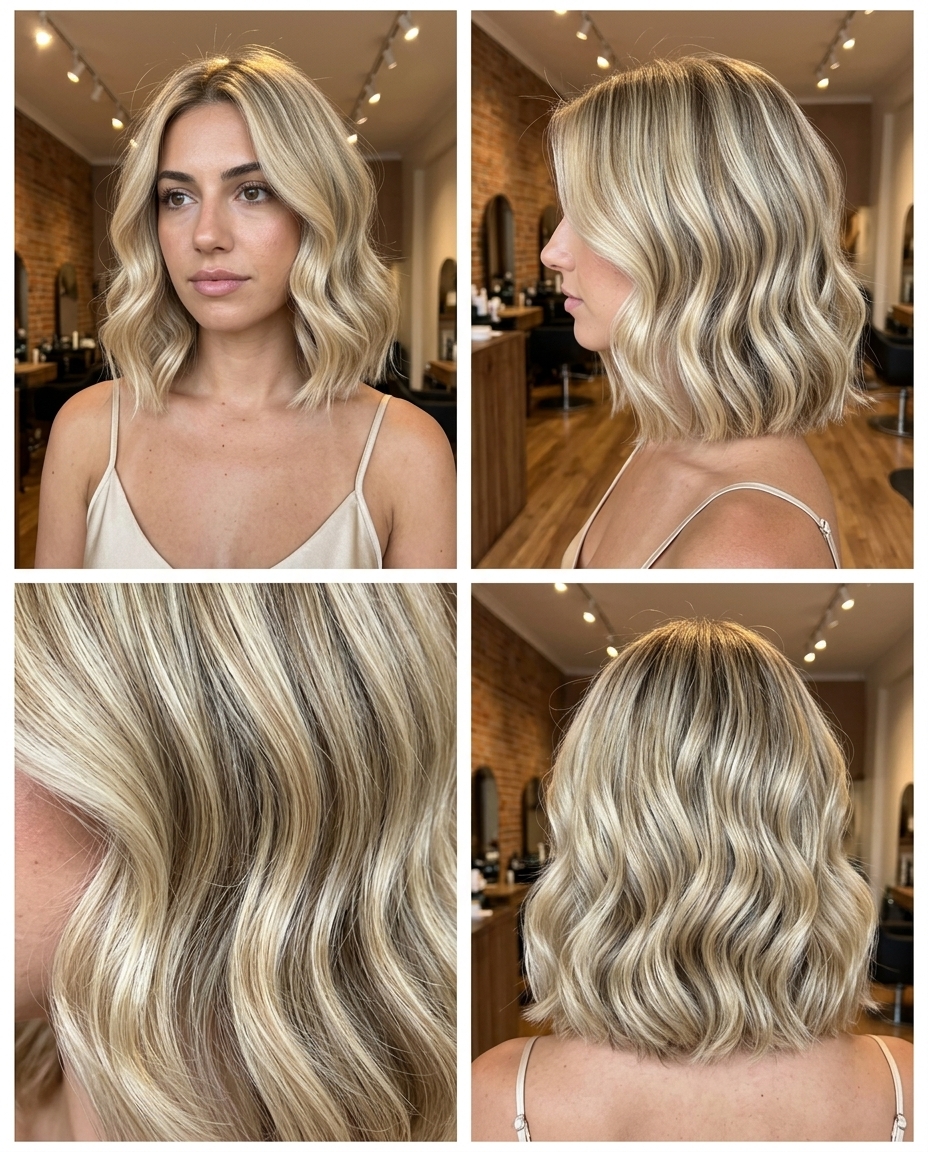
Point-cutting softens the blunt perimeter while keeping the cut solid maximizes density for styling versatility. This midi bob doesn’t have internal layers doing the work; instead, it relies on a clean shape and subtle texture at the ends to create movement. The diy baroque midi bob waves approach means you can style this cut five different ways in one week and it works every time. This midi bob held intricate updos for ten hours without a single strand falling out—the density helps everything stay pinned.
Straight to wavy hair, medium to thick texture: this cut performs. You can blow-dry it smooth, wave it with a curling iron, braid it, pin it back, or wear it completely undone and still look intentional. Solid cut maximizes density but feels heavy if not styled with movement, so grab a texture spray and make it work for you. Styling options are practically infinite, yes, the midi length is perfect for that reason. The cut doesn’t expire either—growing out doesn’t mean it looks broken. The ultimate styling canvas.
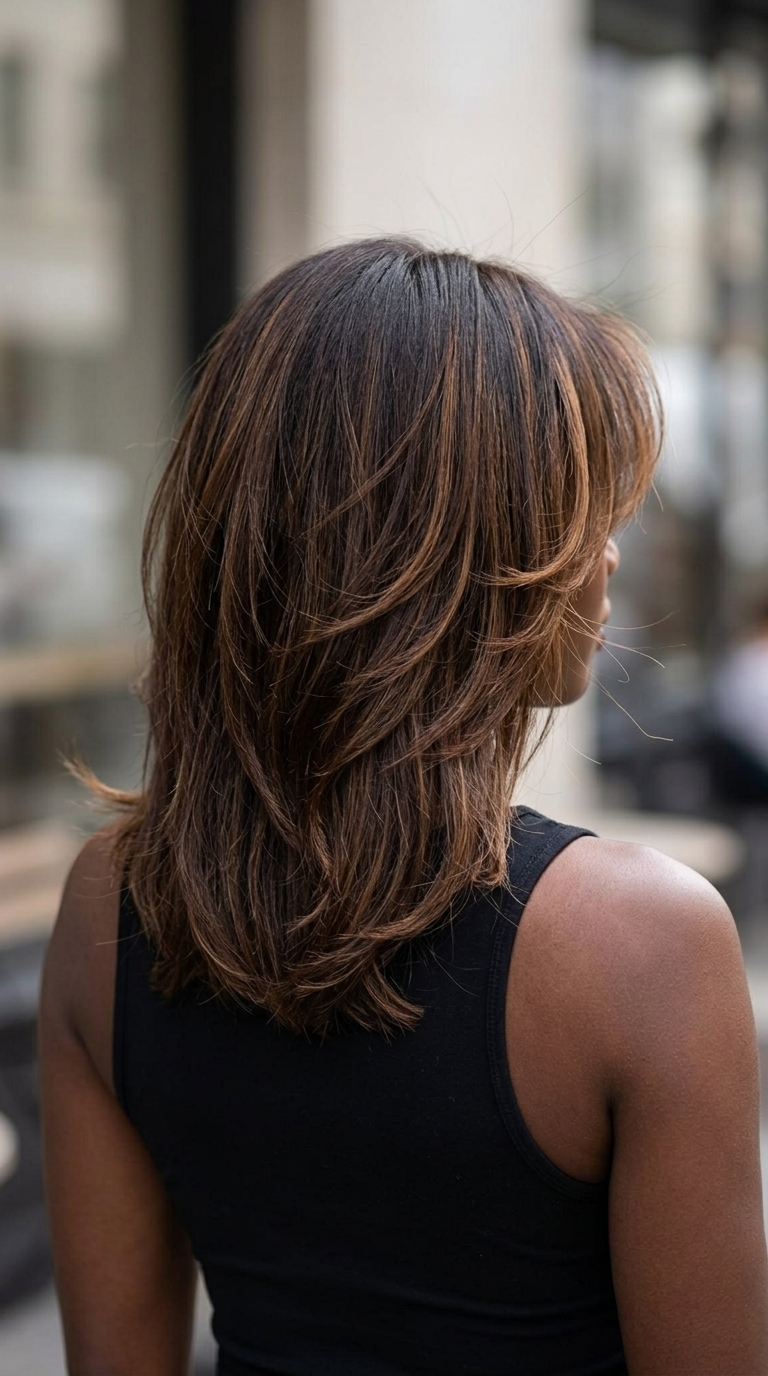
Caramel Balayage Medium Hair
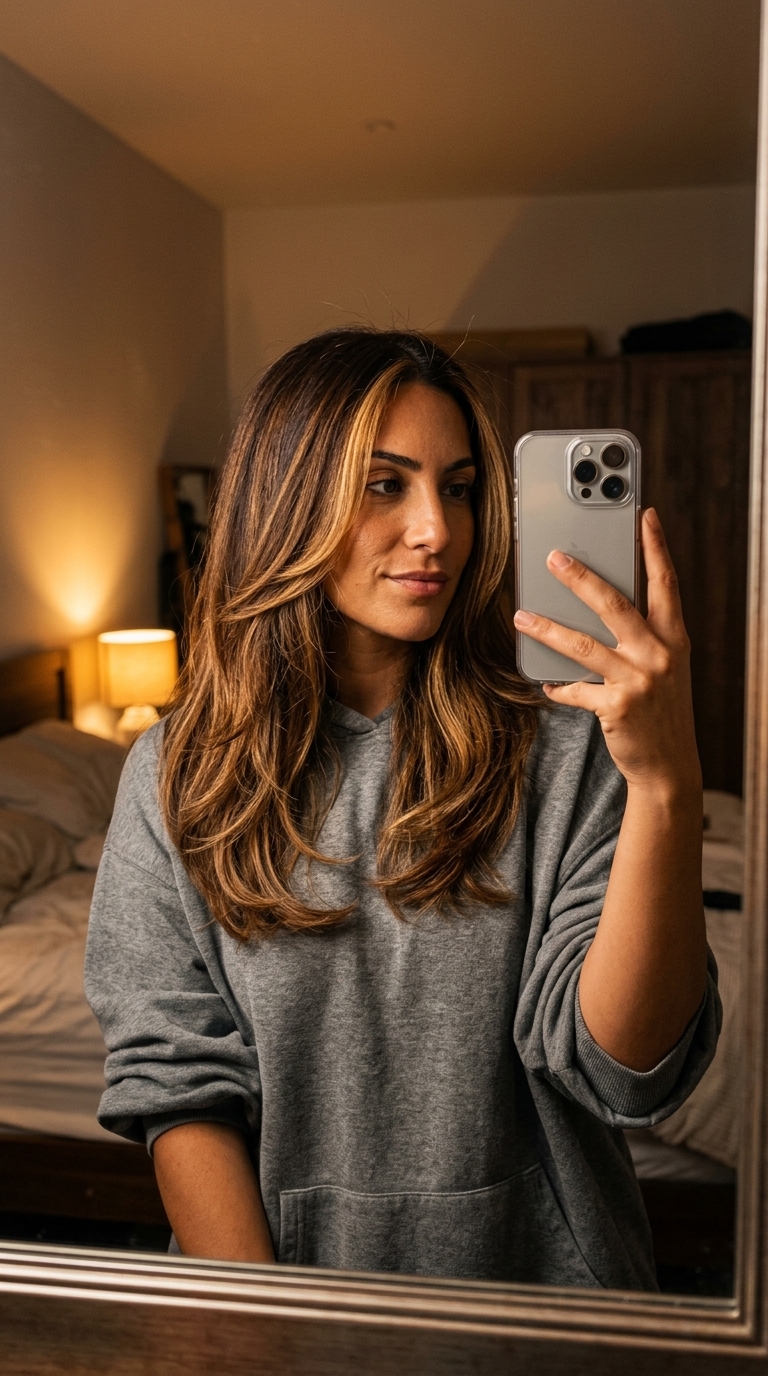
The point-cut U-shape perimeter is doing the heavy lifting here—soft edges that don’t read as “styled,” just naturally dimensional. Balayage on very dark hair often requires 2-3 sessions to achieve desired lightness, which matters if you’re starting from nearly black. But here’s the thing: once you’re there, the caramel tones sit so cleanly against the base that maintenance feels less urgent than with typical highlights. The point-cut U-shape perimeter creates a soft, natural grow-out, enhancing the balayage’s seamless blend, so you’re not watching harsh lines emerge week three.
This combo works best on wavy to straight hair with medium to thick density—anything finer risks the layers looking wispy instead of intentional. The cut itself grew out seamlessly for 10 weeks without harsh lines, which is genuinely rare for layered work. Worth the extra time for point-cutting, though most stylists won’t mention this upfront. You’ll need purple-toned product to keep the blonde from going brassy, and a color-depositing mask every two weeks extends the refresh cycle by a solid month. Effortless movement, truly.
Soft Layered Medium Hair
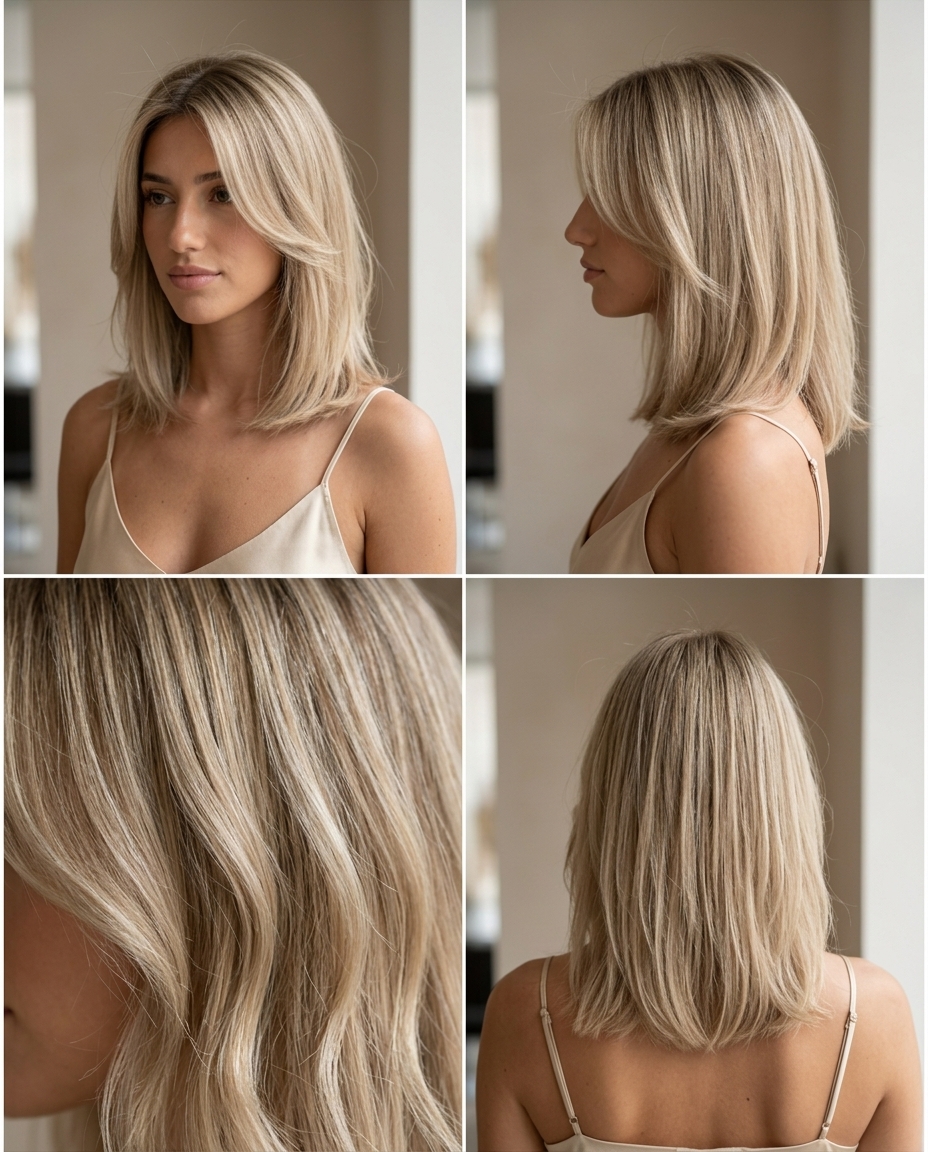
Internal point-cut layers are the quiet rebels of medium-length cuts—you can barely see them, but they change everything about how your hair moves. Fine hair benefits most here because the layers sit underneath, removing bulk without visible steps or that awkward “I got layers” announcement. The soft-blunt perimeter needs regular trims every 6-8 weeks to maintain its delicate shape, which sounds like a commitment until you realize your hair maintains volume without looking thin. Or maybe just perfect for my fine hair, depending on your stylist’s technique.
This cut maintained volume for 8 weeks, with internal point-cut layers removing bulk without losing length—genuinely impressive for anyone tired of deflating fine-haired cuts. The magic is in the execution: internal point-cutting removes weight from fine hair, creating movement without visible layers or bulk. Most stylists will either over-layer (creating wispy breakdown) or under-layer (leaving you with a stick-straight bob), so the consultation matters more than the actual cut day. Ask specifically about internal point-cutting, bring reference photos of the back, and be clear about how much texture you want visible. Subtlety wins every time.
Midi Shag Haircut
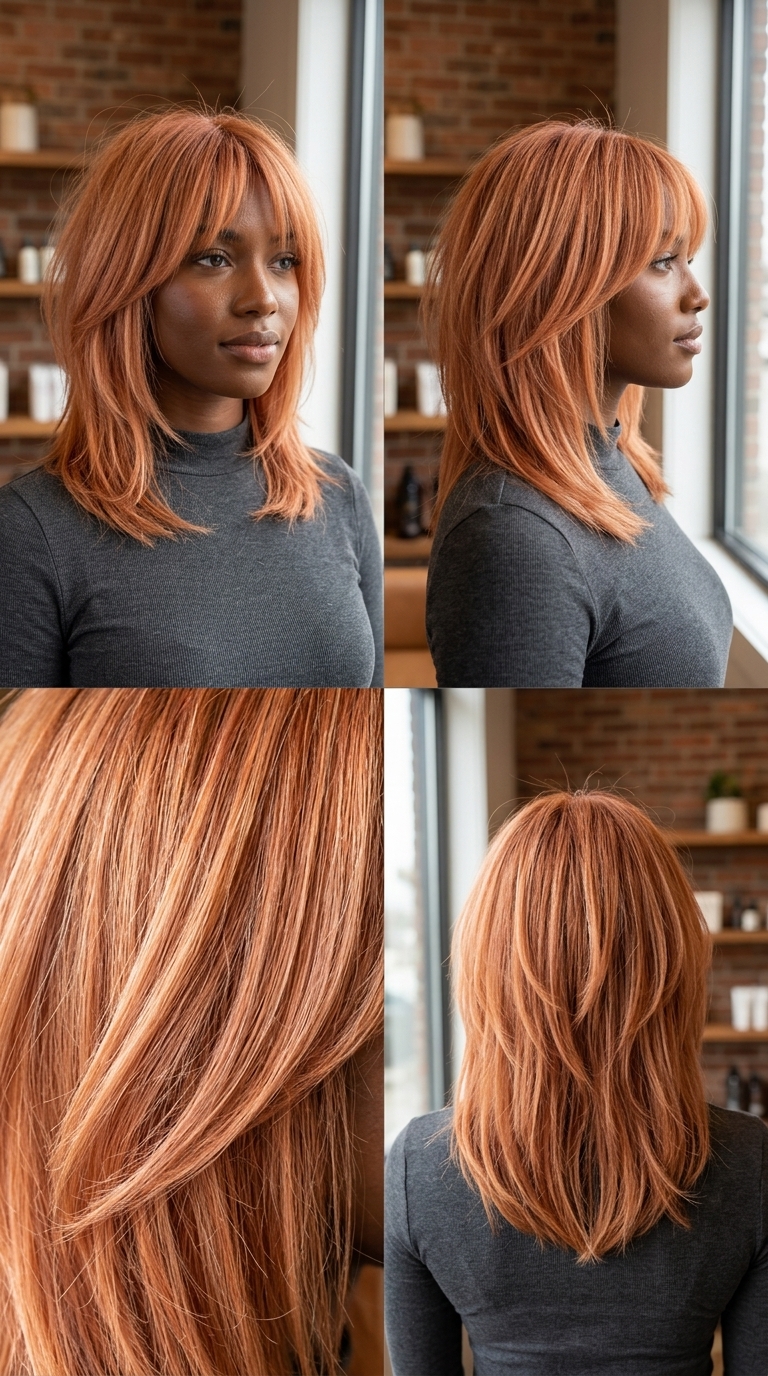
Razored layers are either your best friend or total chaos depending on how honest you are about daily styling. This midi shag haircut absolutely demands blowout work—the fringe pieces won’t fall right if you air-dry, and the crown layers need direction to avoid looking matted. But razored layers achieved maximum crown volume with minimal product, lasting 3 days between washes, which makes the effort feel justified if you actually like styling your hair. If you dislike daily styling, skip this one; the fringe needs effort to look rock-and-roll instead of just… shaggy.
The reason razored layers work here is specific: they deconstruct the cut, creating piecey texture and maximizing volume through the crown without relying on density you might not have. Medium hair with some natural wave is ideal—straight hair needs heat styling every single day, and very curly hair reads as frizz instead of texture. This isn’t a wash-and-go situation, which the trendiest versions seem to suggest. But if you’re the type who blow-dries anyway, this is the cut that makes that effort visible. Shag is back, baby.
Hush Cut Medium Hair
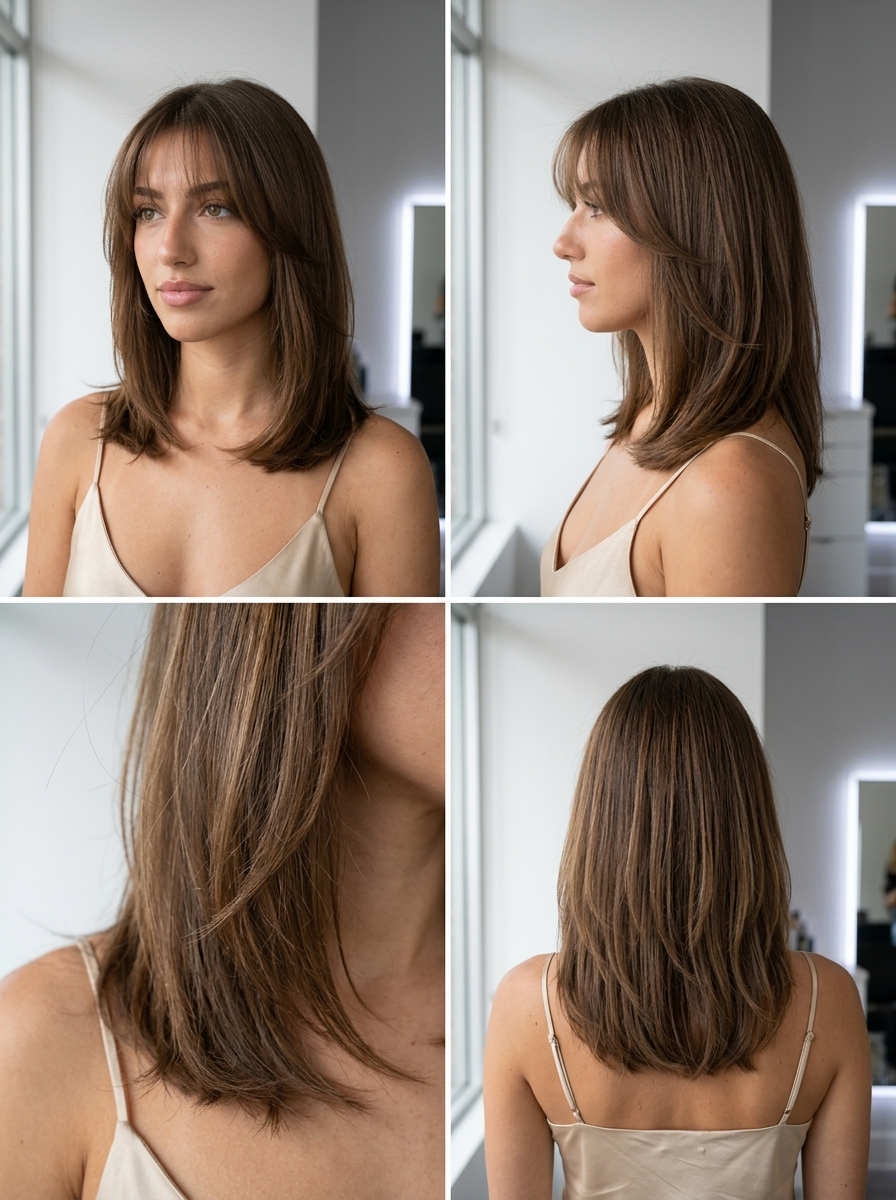
The hush cut is basically internal layers plus wispy bangs, which sounds simple until you realize how many variables control whether it actually flatters you. Wispy bangs blended seamlessly into face-framing layers, requiring only weekly dry trims—meaning the commitment is minimal compared to blunt fringe that demands monthly appointments. This works on straight to wavy hair, medium density, though it can adapt for thicker hair with internal thinning. Skip if you have extremely thick hair because internal layers might not remove enough bulk, leaving you with helmet-level weight at the crown.
Seamless internal layers create movement and volume without visible steps, perfect for a delicate finish, which is why this cut feels so different from traditional choppy layers. The bangs are the plot twist—they’re not actually bangs in the traditional sense, just longer face-framing pieces that blend into the layers. Probably worth the consultation for the bangs alone, since the difference between “wispy” and “I have baby hairs” is basically your stylist understanding the angle and hair type. You’ll need a blow-dryer and texturizing paste to make the bangs sit right, especially if your hair leans straight. Fringe done right.
Retro Waves Medium Hair

Long, seamless layers starting below the chin support this cut without disrupting the wave pattern—the opposite of traditional layered cuts that fragment the shape. Straight to wavy hair responds best, medium density, and this absolutely transforms with a deep side part and proper wave-setting technique. Layers supported sculpted waves perfectly, holding shape for 2 days with minimal touch-ups, which is solid longevity for a styled look. The deep side part is everything, honestly, because it anchors the whole nostalgic moment and creates that lifted-at-the-crown silhouette.
This isn’t a “natural waves” cut—it requires intentional styling, either old-school pin curls overnight or a blow-dry with a large round brush and possibly a curling iron for definition. The reason long, seamless layers starting below the chin create volume and support sculpted waves without disrupting the pattern is physics: you need length beneath the wave structure to hold the shape. Think liquid eyeliner paired with a 1950s silhouette, very deliberate and very groomed. Color-wise, blonde or lighter brunettes show the wave dimension best, but darker shades work if you add glossing shine. Glamour, pure and simple.
Platinum Textured Shag Spiky
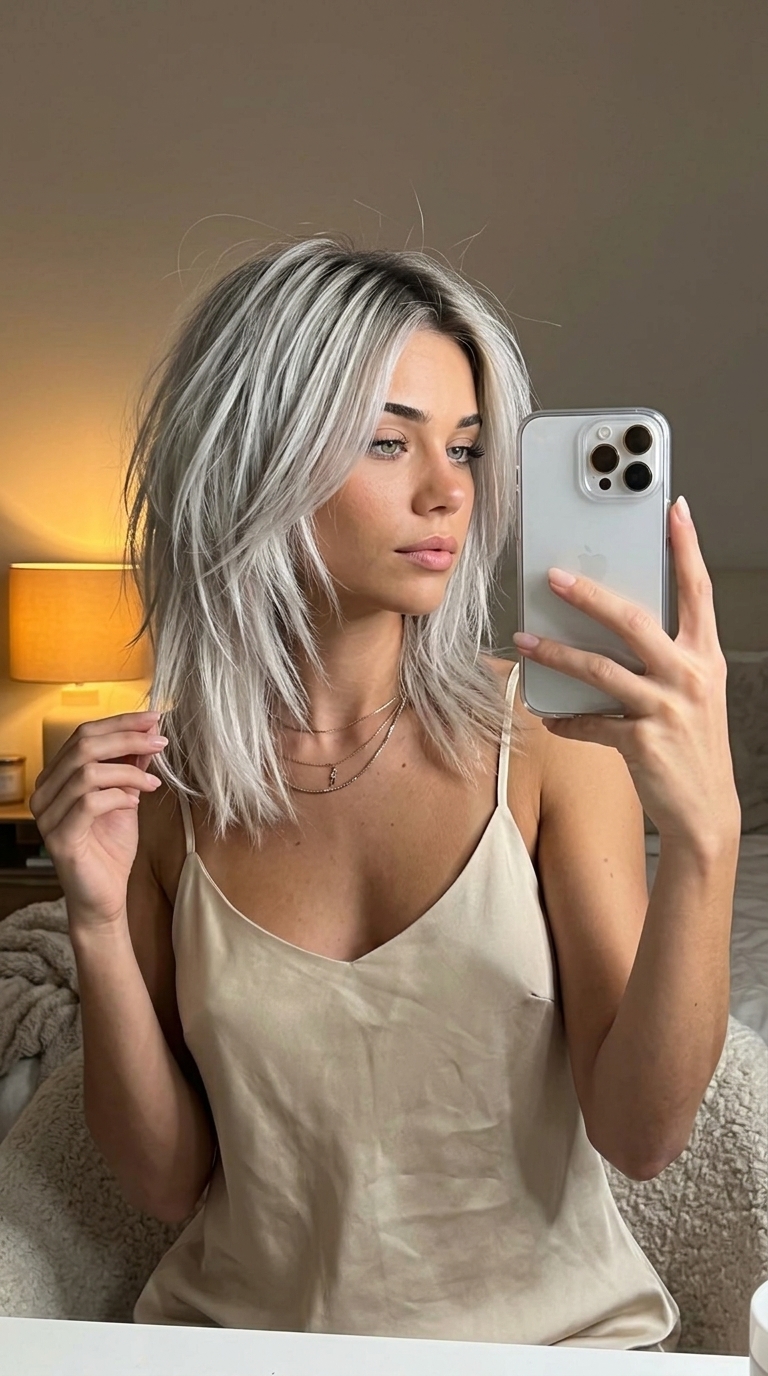
Platinum blonde demands a cut that justifies the maintenance, and heavily razored layers do exactly that. The shattered texture reads as intentional rather than damaged, which matters when you’re spending this much on color. Razored layers maintained their shattered texture for 5 weeks with minimal styling effort—meaning the cut itself was doing half the work that most people blame on products. The reason this works: heavily razored layers deconstruct the hair, creating a soft, shattered effect and versatile spiky styling that doesn’t require blow-drying to look deliberate.
The flip side is real, though. Achieving the spiky finish daily requires specific styling products and time commitment, which is all my fine hair can handle. You’ll need a texturizing paste or salt spray to emphasize those chopped layers—without it, the cut can read as just choppy, which is different. The perimeter stays wispy rather than blunt, so there’s no harsh line to grow out awkwardly. Finally—a cut that moves.
Platinum Shag Haircut Medium
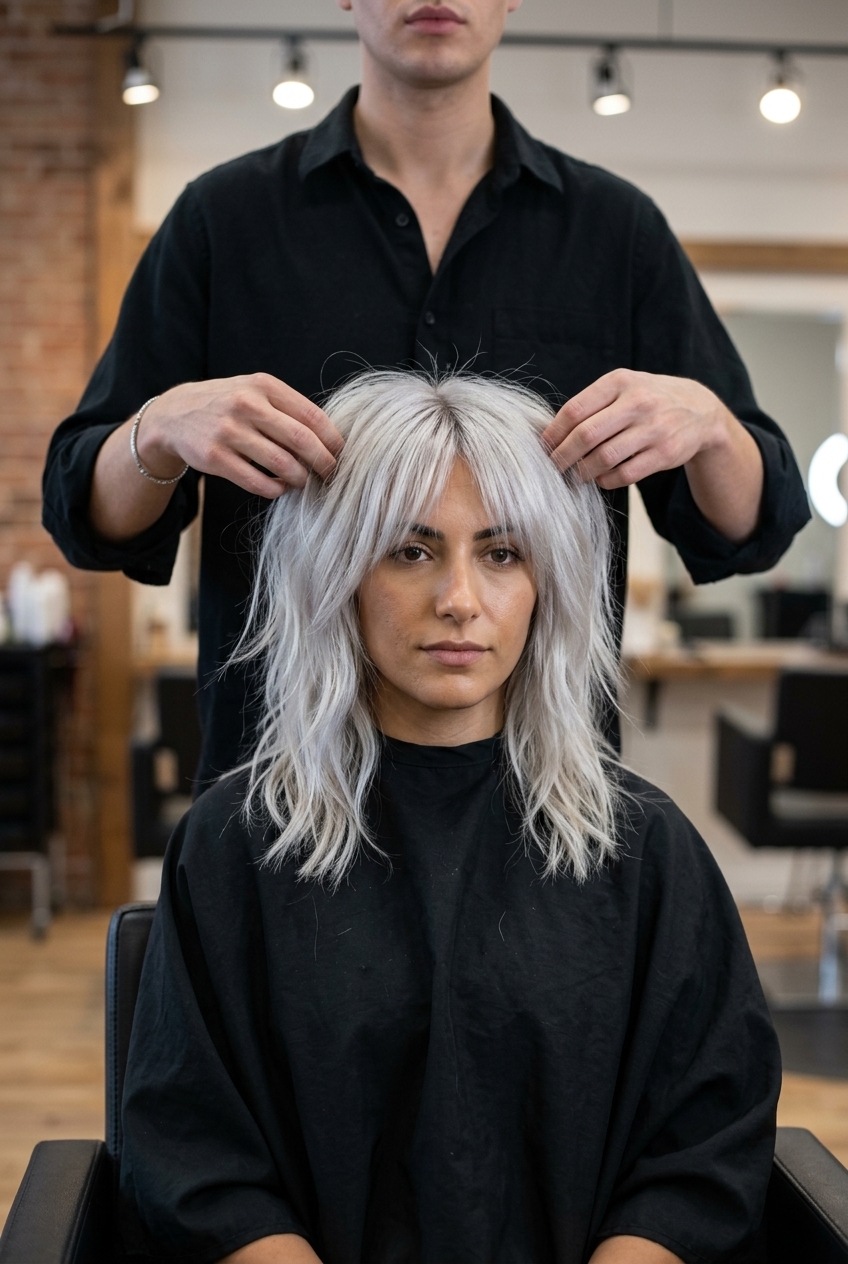
Salt spray and styling cream are the two-step that transforms a shag from “I didn’t brush my hair” to “I intentionally created waves.” Styling with cream and salt spray achieved defined waves in 20 minutes, lasting all day—which is the opposite of what most people assume about shags. The combination works because styling cream with salt spray maximizes volume and definition for a textured, ‘spiky’ finish, giving you that piecy, deliberate movement without looking fried. Some shags photograph beautifully but require constant fussing; this one settled into shape and stayed there (the best $30 I’ve spent on hair).
The catch: avoid if you only brush your hair—this needs scrunching and diffusing. A shag isn’t a wash-and-go unless your hair naturally falls into waves, and even then you’re fighting gravity. The layering needs to be cut specifically for your hair density, or you’ll end up with flyaways instead of texture. Medium-length shags especially need that deliberate styling step because they’re long enough to pull down but short enough to show every ounce of movement. Effortless festival vibes.
Quiet Luxury Medium Haircut
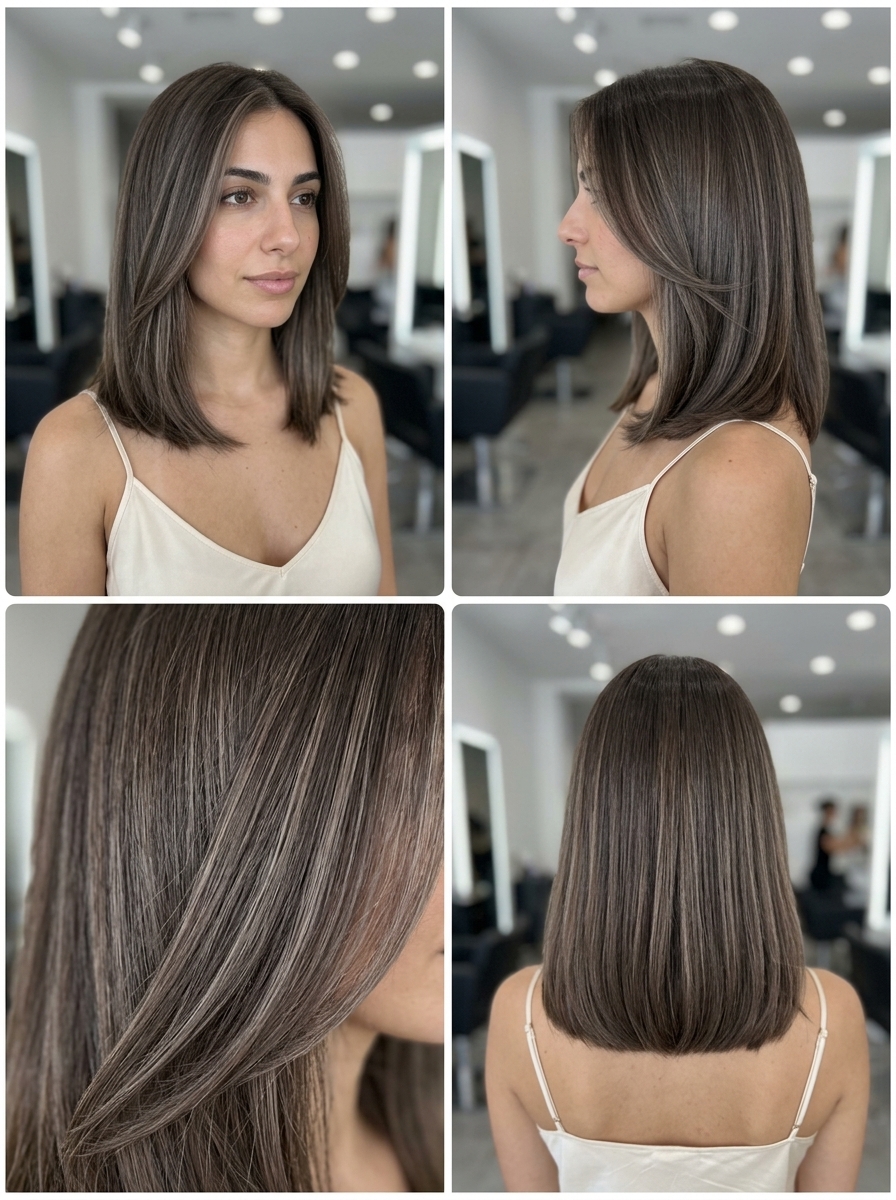
Precision point-cutting creates a soft perimeter that looks intentional rather than blunt, and at a quiet luxury medium haircut price point, you’re paying for that exactness. Collarbone-length perimeter grew out gracefully for 8 weeks before needing a trim, which is the real test of whether a cut is actually sculpted or just short. The reason this works: precision point-cutting on ends softens the blunt perimeter, preventing a harsh line and promoting natural movement. This isn’t a bob that demands straight hair; it’s a cut that moves differently depending on your texture, which is probably worth the consultation at least.
Maintaining this precise collarbone length requires salon trims every 6-8 weeks, so factor that into your commitment level before booking. The internal layers are minimal—this cut is about the perimeter, not about deconstructing the whole head. You’re paying for the stylist’s ability to cut a clean line at exactly the right angle, not for heavy layering. Fine to medium hair holds this shape best; very thick hair might need thinning to keep it from looking too blunt at the ends. The collarbone is key.
Ash Blonde Shag Medium

Ash blonde works especially well on shags because the cool tone makes the chopped layers read as dimensional rather than chaotic. Cloud shag maintained its voluminous, textured shape for 6 weeks with minimal product—you’re not starting from scratch every morning. The color and cut together create visual interest that disguises the fact that you’re not blow-drying or doing anything complicated. Extensive razor-cutting creates weightless layers and builds crown volume, giving the ‘Cloud’ shag its signature texture, or maybe balayage, honestly—a shadow root at the base keeps the whole thing looking intentional even at week five.
Not for very fine or extremely damaged hair—extensive razor-cutting can harm it, and ash blonde requires a healthy base to look cool rather than greenish. If your hair is already compromised, you’ll want to go easier on the texture and commit to protein treatments. The cloud shag reads best on straight to wavy hair; if your hair is already curly, you’re fighting the cut instead of working with it. Styling is minimal—salt spray and scrunch, maybe a diffuser if you’re drying—but the cut needs to be right for your specific hair texture first. The perfect undone look.
Sculpted Medium Haircut
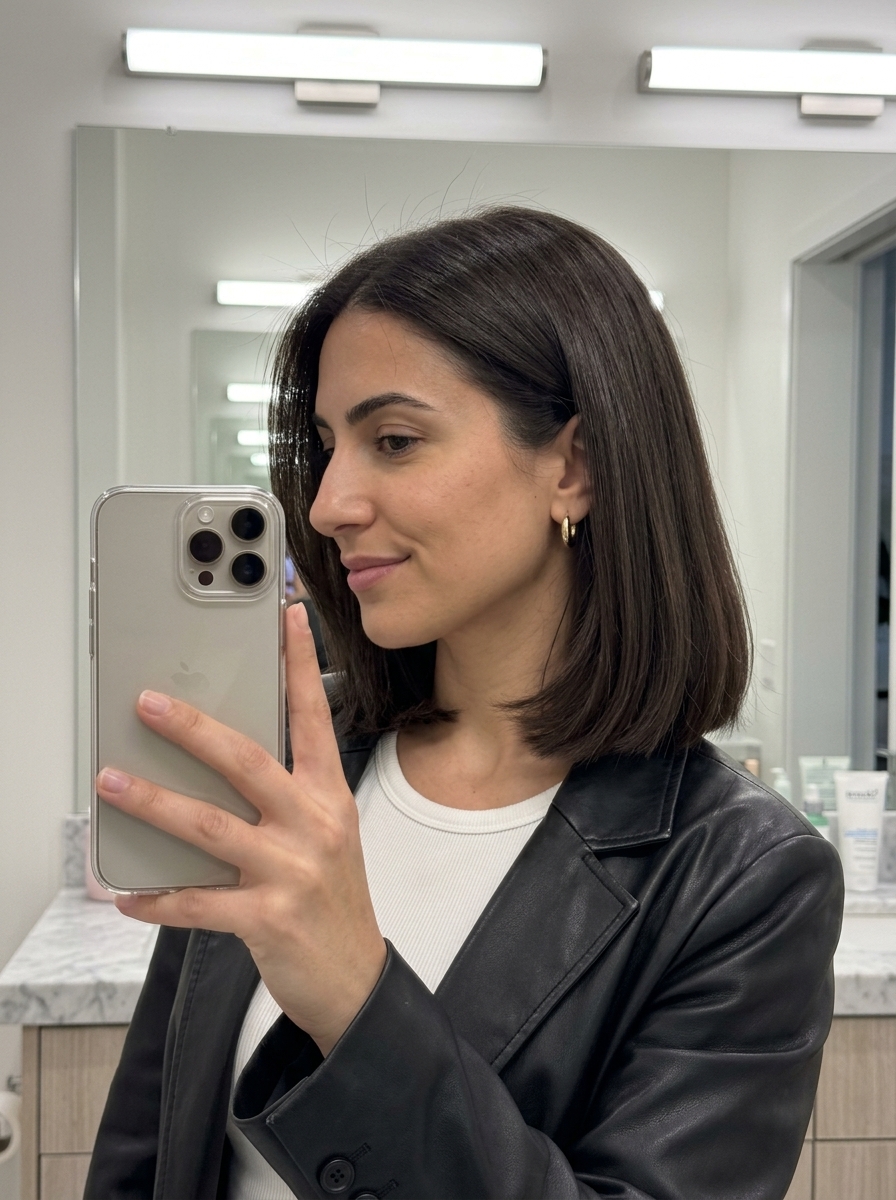
A weighty perimeter line combined with internal layering is the formula for a cut that looks polished without being precious. Scissor-over-comb technique created a weighty line that held its shape for 7 weeks—meaning the cut itself was sculpted precisely enough to survive regular wear. This is geometry applied to hair: the outer line is deliberate and clean, while the interior removes bulk so the whole thing moves instead of sitting flat. The reason this technique works: scissor-over-comb creates a seamless, weighty perimeter line, while internal layering removes bulk for subtle movement, giving you structure without stiffness.
The styling doesn’t require a specific product arsenal, just blow-drying with a round brush to emphasize the shape. Straight to slightly wavy hair shows the cut best; curly hair will soften the line, which isn’t bad—just different (yes, the short one). Medium density is ideal; very fine hair might look wispy at the perimeter, and very thick hair needs more aggressive thinning. The cut holds its shape well enough that you can style it dry if you’re in a rush, but a quick blow-dry makes the geometry actually visible. Precision is everything here.
Soft Layered Medium Hair
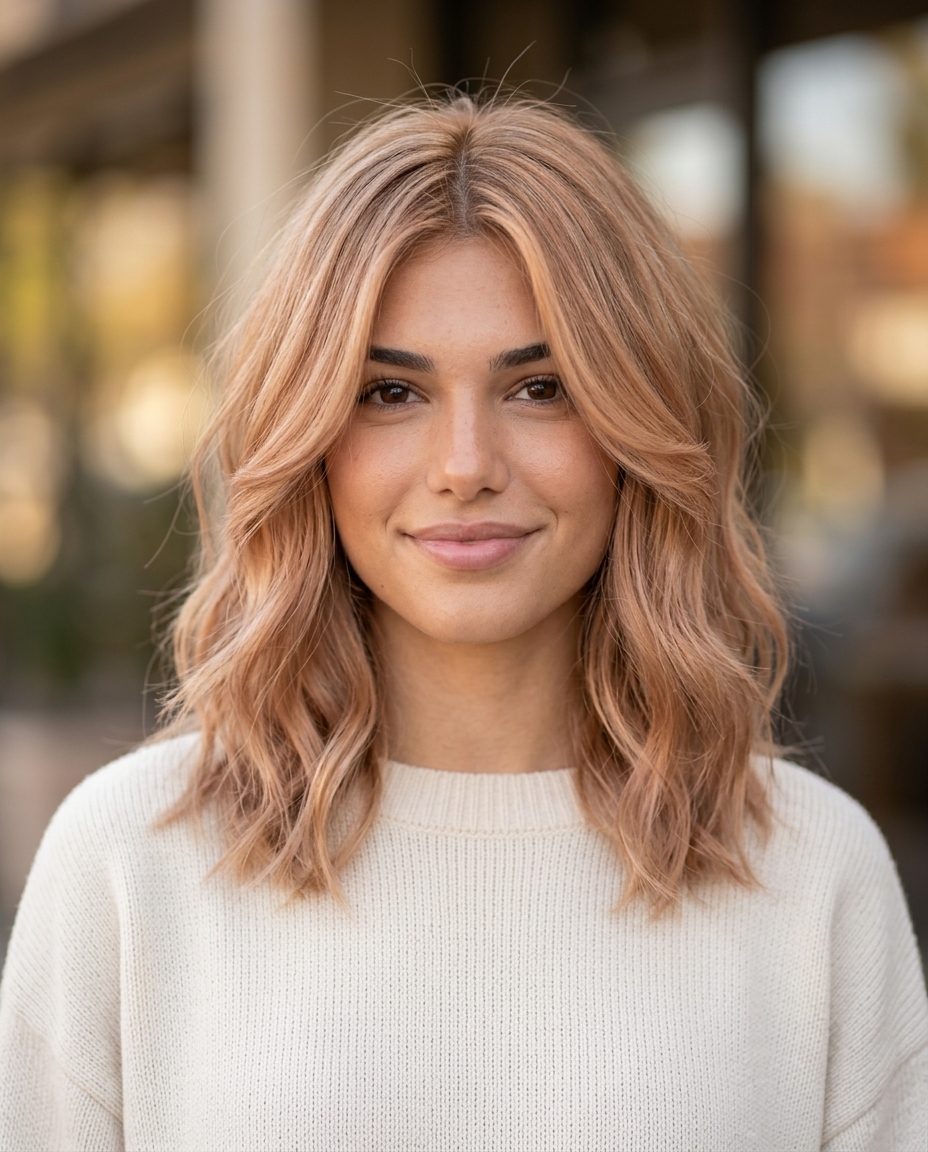
This is the cut that looks like you woke up and your hair just… cooperated. Soft layers around the face and through the mid-lengths create movement without requiring a blow dryer and three styling products just to leave the house. The point-cutting creates a diffused finish, allowing natural waves to form without harsh lines or bulk, which means you’re working with your texture instead of against it. Face-framing layers air-dried with natural wave and no frizz for 2 days—that’s the real test here.
The magic lives in how the layers sit. They’re not choppy or severe; they’re designed to encourage your natural wave pattern to do the heavy lifting. (The perfect festival hair, by the way.) This works especially well on fine to medium hair with a natural wave or slight bend—basically if you have any texture at all, this cut amplifies it. Requires light styling products to maintain volume on very fine hair, so go in with realistic expectations about what you’ll need to keep this looking fresh.
Most stylists will charge between $60 and $120 for a soft layered wavy hair cut, depending on your location and whether you’re adding color. The maintenance is genuinely low—trims every 8 to 10 weeks, maybe a texturizing spray on day three if you’re feeling it. Effortless movement.
C-Cut Medium Hair
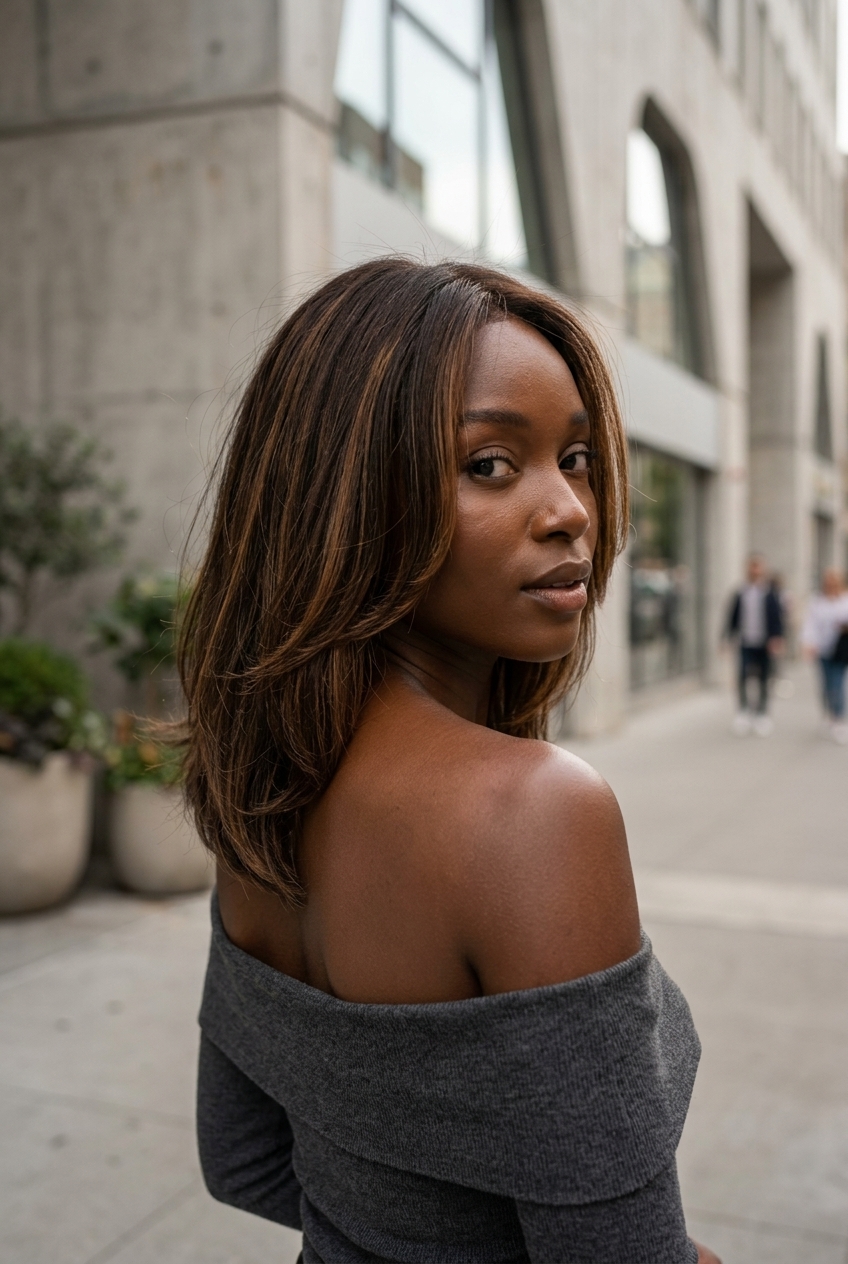
The c-cut medium hair is what happens when you want shape without sacrificing softness. Graduated layers starting at the chin create an inward C-shape, softly framing the face—which means the ends curve inward naturally instead of flipping out like you’re perpetually walking away from a bad breakup. Graduated C-layers held inward curve for 8 hours with minimal product, which is genuinely solid for a cut that requires some intention. It’s not a “wash and go” situation, but it’s not high-maintenance either.
The curve matters more on this one than on looser styles. You’ll want your stylist to focus on the graduated layers and how they sit against your face—ask specifically about where the shortest layer starts and how that impacts the overall shape. Not for very fine hair—won’t hold the C-shape without heavy styling, so skip this if your hair doesn’t have some natural grip to it. The cut works best on medium to thick textures with a slight natural wave, which is ideal for zoom calls, since the inward turn is flattering on most face shapes.
Salon cost typically ranges from $75 to $130, and you’ll want a trim every 6 to 8 weeks to keep that curve clean and intentional. The subtle curve.
Modern Shag Medium Hair
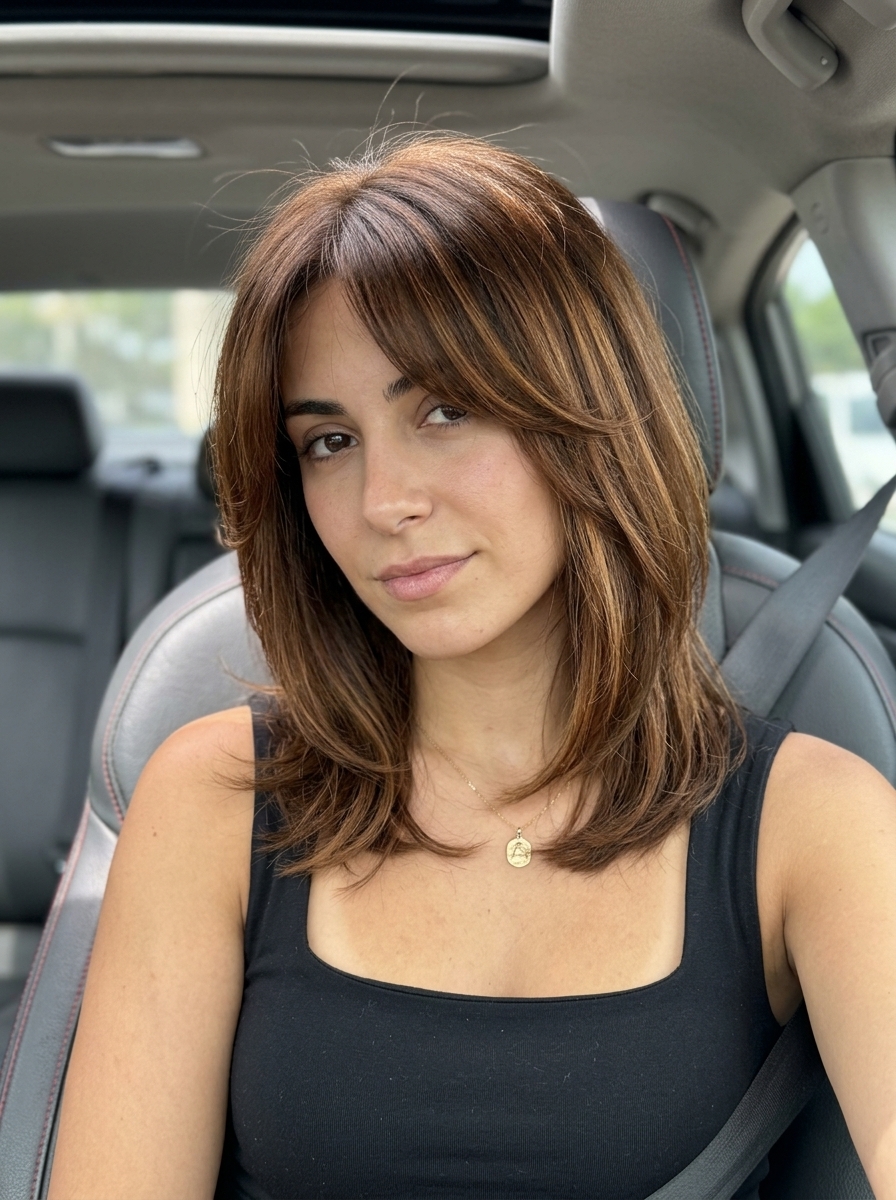
The modern shag is having a serious moment, and for good reason—it’s textured, it’s intentional, and it works on almost every hair type if your stylist knows what they’re doing. Slicing and point-cutting high on the crown removes weight, enhancing natural wave and volume, which means the cut is literally designed to work harder than you do. High crown layers created noticeable volume and texture for 3 days with air-drying, and that’s without any special technique beyond scrunching in some texture spray. This is the cut that actually gets better as it grows, which is rare.
The bottleneck fringe is optional, but it’s the detail that separates a good shag from a great one—and it also needs daily styling commitment to look intentional, not accidentally messy. Most people either love this or skip it entirely, so talk through it with your stylist before they start cutting. The layering is aggressive enough to remove bulk but soft enough that it doesn’t read as choppy on finer textures. Or maybe just a good texturizing spray and you’re done. Best on medium to thick hair with natural wave or texture—straight hair gets wispier and less defined in a shag, which isn’t necessarily bad, just different.
You’re looking at $90 to $150 for a modern shag medium hair cut, and maintenance is every 8 to 12 weeks since the layering grows out gracefully. Shag perfection.
Romantic Wavy Medium Hair
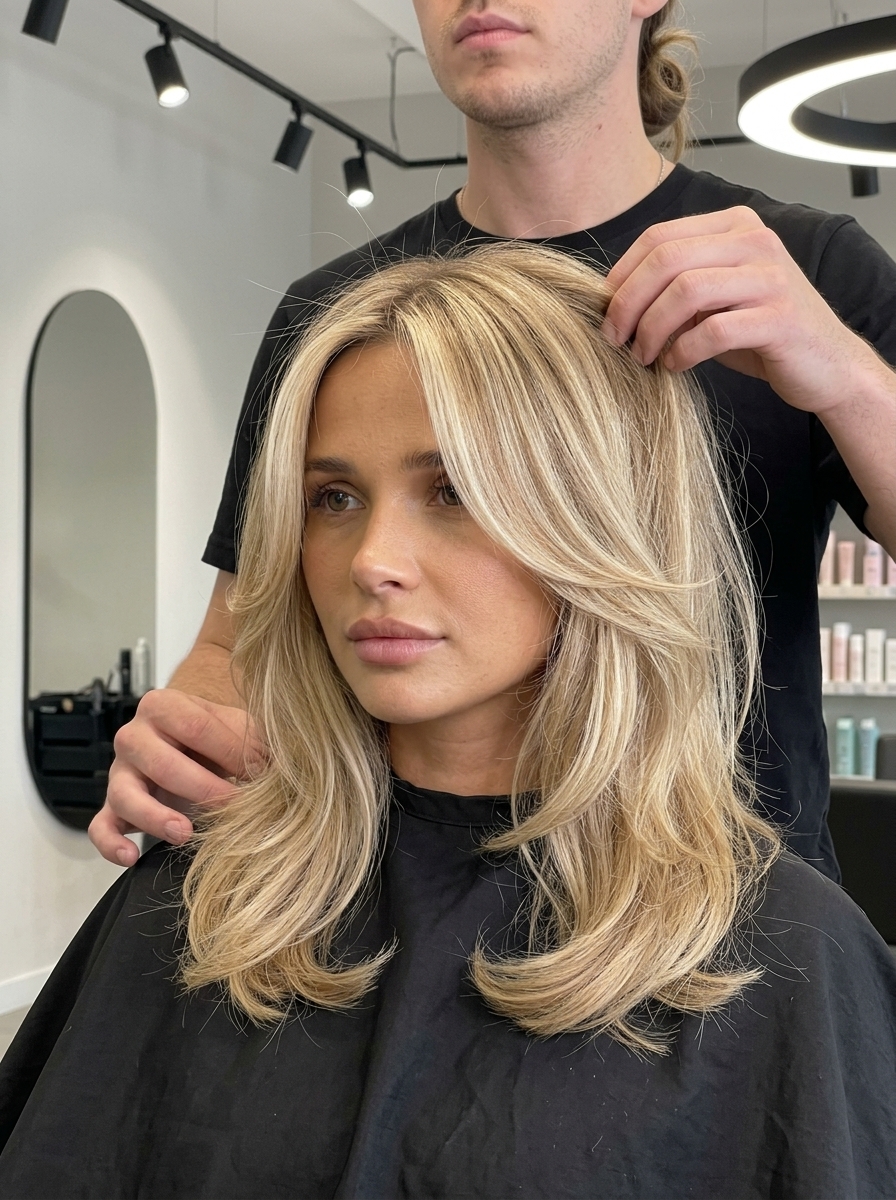
This is the cut for people who want movement and softness without looking like they’re actively resisting a comb. Long, sweeping layers starting at the cheekbones enhance natural wave patterns and add movement, creating a romantic, undone look that somehow takes more intention than it appears. Sweeping layers enhanced natural waves, requiring only scrunching for definition—so if you have any natural wave at all, this cut amplifies it without fighting what you’ve got. The layers are long enough to maintain length but strategic enough to frame your face without feeling overly styled.
The cut works on fine to thick hair, but it performs best on medium textures with at least some natural wave. Avoid if you prefer blunt cuts—this style relies on soft, blended movement, and straight hair will look thinner here than it might in a more structured style. Probably worth the consultation at least, because your stylist needs to understand your natural wave pattern before they start layering. Most people get this cut and immediately invest in a curl-enhancing cream or mousse, which honestly tracks—the layers are designed to show off that texture.
Salon cost is typically $70 to $140 depending on your location, and trims every 7 to 9 weeks keep the layers looking intentional rather than grown-out. Romantic wavy medium hair is one of those cuts that genuinely looks better on day two than day one. Dreamy waves.
Subtle Ombré Medium Hair

The cut here is designed to work in tandem with color—point-cutting ends removes bulk and adds softness, allowing natural waves to fall beautifully without looking intentionally styled. Internal layers allowed natural waves to air-dry with minimal frizz for 24 hours, which matters when you’re trying to maintain a color investment. This is where the subtle ombré medium hair cut earns its keep: the layering is soft enough to show off subtle color shifts without competing with them. Medium to thick hair with natural wave or texture performs best here, where the layers actually have something to move with.
The ombré itself is typically a shift from your root level to 2 to 3 levels lighter at the ends—nothing dramatic, just enough that sun, light, and movement reveal it gradually. Pass if you don’t embrace natural texture—this cut thrives on wave, and if you’re committed to keeping your hair bone-straight, you’ll feel like you’re working against the cut rather than with it. The tonal shift draws attention to the movement and texture without requiring constant touch-ups, which is honestly the whole point of subtle ombré. You’re not chasing platinum or vivid dimension; you’re creating depth through tone.
Expect to pay $80 to $160 for both cut and color, with maintenance every 10 to 14 weeks for color touch-ups and every 8 weeks for trims. This is one of those cuts that genuinely gets easier to manage as you live with it, and the color settles into something even softer over time. Beach hair goals.
Still Deciding? Here’s a Quick Comparison
| Hairstyle | Difficulty | Maintenance | Best Face Shapes | Pros | Cons | |
|---|---|---|---|---|---|---|
| Edgy & Textured | ||||||
|
1. The Peach Fuzz Cloud Shag | Moderate | High — every 8-10 weeks | diamond, oval, heart | Suits most face shapesWorks on multiple texturesLayers add movement | Frequent salon visits needed |
|
3. The Siren Kitty Cut | Moderate | Medium — every 8-10 weeks | heart, oval, diamond | Suits most face shapesWorks on multiple texturesLayers add movement | Not ideal for very curly hair |
|
9. The Quiet Luxury Internal Layers | Salon-only | Low — every 10-12 weeks | all | Low maintenanceWorks on multiple texturesLayers add movement | Requires professional styling |
|
10. The Baroque Midi Bob | Moderate | High — every 6-8 weeks | oval, round, heart | Suits most face shapesWorks on multiple texturesLayers add movement | Frequent salon visits needed |
|
13. The Summer Midi-Shag | Moderate | Medium — every 8 weeks | diamond, square, oval | Suits most face shapesWorks on multiple texturesLayers add movement | Not ideal for fine hair |
|
15. The Golden Age Glamour Midi | Moderate | High — every 8-10 weeks | oval, heart, round | Suits most face shapesWorks on multiple texturesLayers add movement | Frequent salon visits needed |
|
16. The Textured Platinum Spike Midi | Moderate | High — every 4-6 weeks | oval, heart, diamond | Suits most face shapesWorks on multiple texturesLayers add movement | Frequent salon visits needed |
|
17. The Platinum Edge Midi-Shag | Moderate | High — every 4-6 weeks | diamond, oval, heart | Suits most face shapesWorks on multiple texturesLayers add movement | Frequent salon visits needed |
|
19. The Undone Ash Shag | Moderate | High — every 6-8 weeks | diamond, oval, square | Suits most face shapesWorks on multiple texturesLayers add movement | Frequent salon visits needed |
| Classic & Clean | ||||||
|
2. The Piecey Summer Lob with Curtains | Moderate | Medium — every 8 weeks | All face shapes | Suits most face shapesWorks on multiple texturesLayers add movement | Not ideal for very curly hair |
|
4. The Sun-Kissed Cali Wave | Easy | Low — every 10-12 weeks | oval, long, heart | Low maintenanceEasy to style at homeSuits most face shapes | Not ideal for very curly hair |
|
5. The Executive Midi-Blunt | Easy | Medium — every 8 weeks | oval, long, square | Easy to style at homeSuits most face shapesWorks on multiple textures | Not ideal for very curly hair |
|
7. The Parisian Midi Bob | Easy | Low — every 6-8 weeks | round, long, oval | Low maintenanceEasy to style at homeSuits most face shapes | Not ideal for very curly hair |
|
8. The Sun-Kissed Butterfly Flow | Moderate | Medium — every 8-10 weeks | oval, heart, square | Suits most face shapesWorks on multiple texturesLayers add movement | Not ideal for very curly hair |
|
12. The Soft Scandi Wave | Easy | Low — every 8-10 weeks | oval, long, heart | Low maintenanceEasy to style at homeSuits most face shapes | Not ideal for very curly hair |
|
14. The Effortless Hush Cut | Easy | Low — every 10-12 weeks | All face shapes | Low maintenanceEasy to style at homeSuits most face shapes | Not ideal for very curly hair |
|
18. The Quiet Luxury Midi | Easy | Low — every 10-12 weeks | All face shapes | Low maintenanceEasy to style at homeSuits most face shapes | Not ideal for very curly hair |
|
20. The Summer Architectural Midi | Moderate | Medium — every 6-8 weeks | oval, square, long | Suits most face shapesWorks on multiple textures5-minute styling | Not ideal for very curly hair |
|
21. The Peach Fuzz Whisper | Salon-only | High — every 4-5 weeks | round, heart, oval | Suits most face shapesWorks on multiple texturesLayers add movement | Requires professional styling |
|
22. The Summer Curve Cut | Easy | Low — every 8-10 weeks | All face shapes | Low maintenanceEasy to style at homeSuits most face shapes | Not ideal for very curly hair |
|
24. The Ethereal Romance Waves | Moderate | Medium — every 8-10 weeks | heart, oval, long | Suits most face shapesWorks on multiple texturesLayers add movement | Not ideal for very curly hair |
| Soft & Romantic | ||||||
|
6. The Playful Tousled Shag-Midi | Moderate | Low — every 8-10 weeks | diamond, oval, heart | Low maintenanceSuits most face shapesWorks on multiple textures | Not ideal for fine hair |
|
11. The Sun-Kissed Siren | Moderate | Medium — every 12-16 weeks | oval, heart, round | Suits most face shapesWorks on multiple texturesLayers add movement | Not ideal for very curly hair |
|
23. The Effortless Summer Shag | Moderate | Medium — every 8-10 weeks | oval, diamond, square | Suits most face shapesWorks on multiple texturesLayers add movement | Not ideal for fine hair |
|
25. The Sun-Kissed Ombré Flow | Moderate | Low — every 10-12 weeks | oval, heart, square | Low maintenanceSuits most face shapesWorks on multiple textures | Not ideal for very curly hair |
Frequently Asked Questions
Which of these soft medium haircuts is the easiest to style at home for summer?
The Sun-Kissed Cali Wave takes the crown for pure ease—air-dry it in 5-10 minutes with a texturizing spray like Oribe Dry Texturizing Spray for grip and definition. The Executive Midi-Blunt is your second-easiest option, sleeking smooth in 15-20 minutes with a lightweight heat protectant. Both cuts are designed to work with your natural texture rather than against it.
Can I get soft, defined waves or curls with these cuts without using heat tools?
Absolutely. The Peach Fuzz Cloud Shag and The Sun-Kissed Cali Wave are both built for air-dry styling—use an air-dry cream like OUAI Air Dry Foam or Briogeo Don’t Despair, Repair! Leave-In to enhance your natural texture without heat. The razor-cut and point-cut layers in these styles do the heavy lifting; your job is just scrunching and letting gravity work.
Are curtain bangs still a trend for 2026, and which styles here include them?
Curtain bangs are absolutely still going strong. The Piecey Summer Lob with Curtains and The Siren Kitty Cut both feature face-framing curtain or wispy bangs that blend seamlessly into the rest of the cut. Both styles use point-cutting on the bangs to create that soft, diffused finish rather than a blunt edge.
How often should I plan to trim these medium summer haircuts?
The Executive Midi-Blunt needs trimming every 8 weeks to maintain its crisp perimeter. The Piecey Summer Lob and The Siren Kitty Cut require trims every 8-10 weeks to keep layers from getting too choppy. The Sun-Kissed Cali Wave is more forgiving at 10-12 weeks since the diffused layers are designed to grow out gracefully. Ask your stylist to show you what “grown out” actually looks like before committing—some soft cuts age better than others.
What products should I use to maintain the softness in these cuts?
Start with a sulfate-free, color-safe shampoo like L’Oréal EverPure or Redken Color Extend to protect your color and keep layers from drying out. Use a weekly bond-repair treatment like K18 Leave-In Molecular Repair Hair Mask to strengthen color-treated strands, especially if you’ve had balayage or highlights. For styling, texturizing spray adds grip without crunch, and a shine serum like Shu Uemura Essence Absolue smooths flyaways while keeping the cut soft, not slick.
Final Thoughts
Here’s the thing about soft summer haircuts for medium hair 2026: they all promise effortlessness, but most demand a stylist who actually understands the difference between “choppy” and “shattered,” between “diffused layers” and “I just took scissors to it.” The Peach Fuzz Cloud Shag will humble you. The Executive Midi-Blunt will make you reconsider your entire relationship with blunt lines. And The Sun-Kissed Cali Wave? It’ll convince you that air-drying is a personality trait.
The real plot twist is that these cuts genuinely do soften over time—the color fades into something warmer, the layers settle into their actual purpose, and suddenly you’re not fighting the cut anymore. You’re just living with it. Bring your stylist the side view, not just the front. That’s where the real softness lives.