I keep seeing braids and buns that actually stay put through a full game, not just the warm-up. The trick is structure with a soft edge, pastel tips or a clean line that reads intentional, not rushed.
This roundup has 32 Basketball Hairstyles that cover every length, texture and skill level. Fine hair that goes flat by 4 pm, thick curls that need taming, short cuts that want a sporty moment. I picked the ones that hold, the ones that hide grow-out, and the ones you can do yourself without a mirror.
Braided High Ponytail With Color Tips
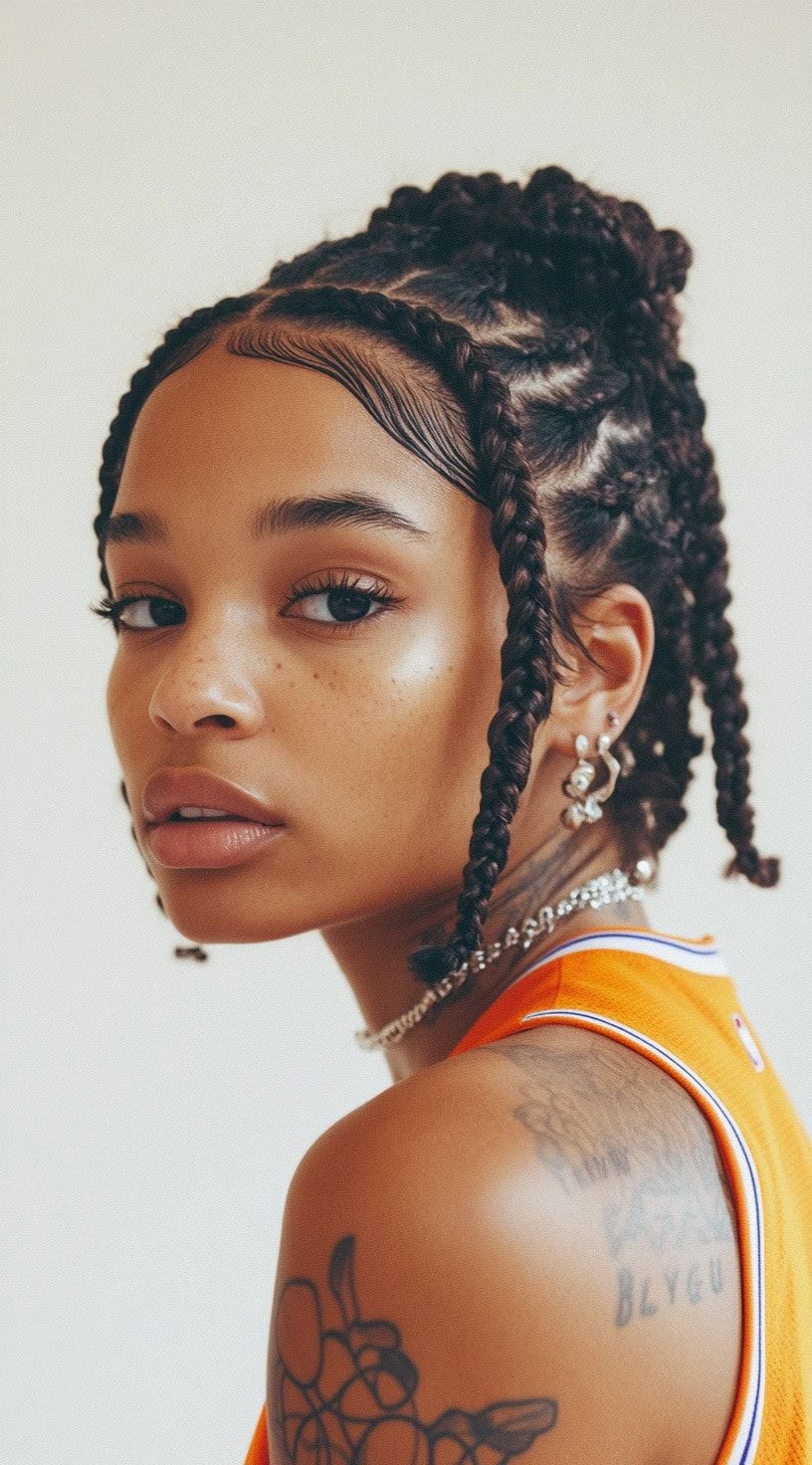
Best grow-out in this roundup. A braided ponytail with color tips is the kind of basketball hairstyle that does the work for you. Box braids keep the hair off your neck and shoulders, no re-doing at halftime. The black base hides new growth for weeks, while the blonde and blue tips add personality without a full head commitment. Mid-back length means the ponytail swings, it does not just sit there. Straight texture holds the braid pattern clean. The colour stays vibrant for about four weeks before fading starts, but the braids themselves last six to eight. This is a salon install, so book the appointment, then enjoy the no-styling mornings.
Curly Space Buns With Face-Framing Tendrils
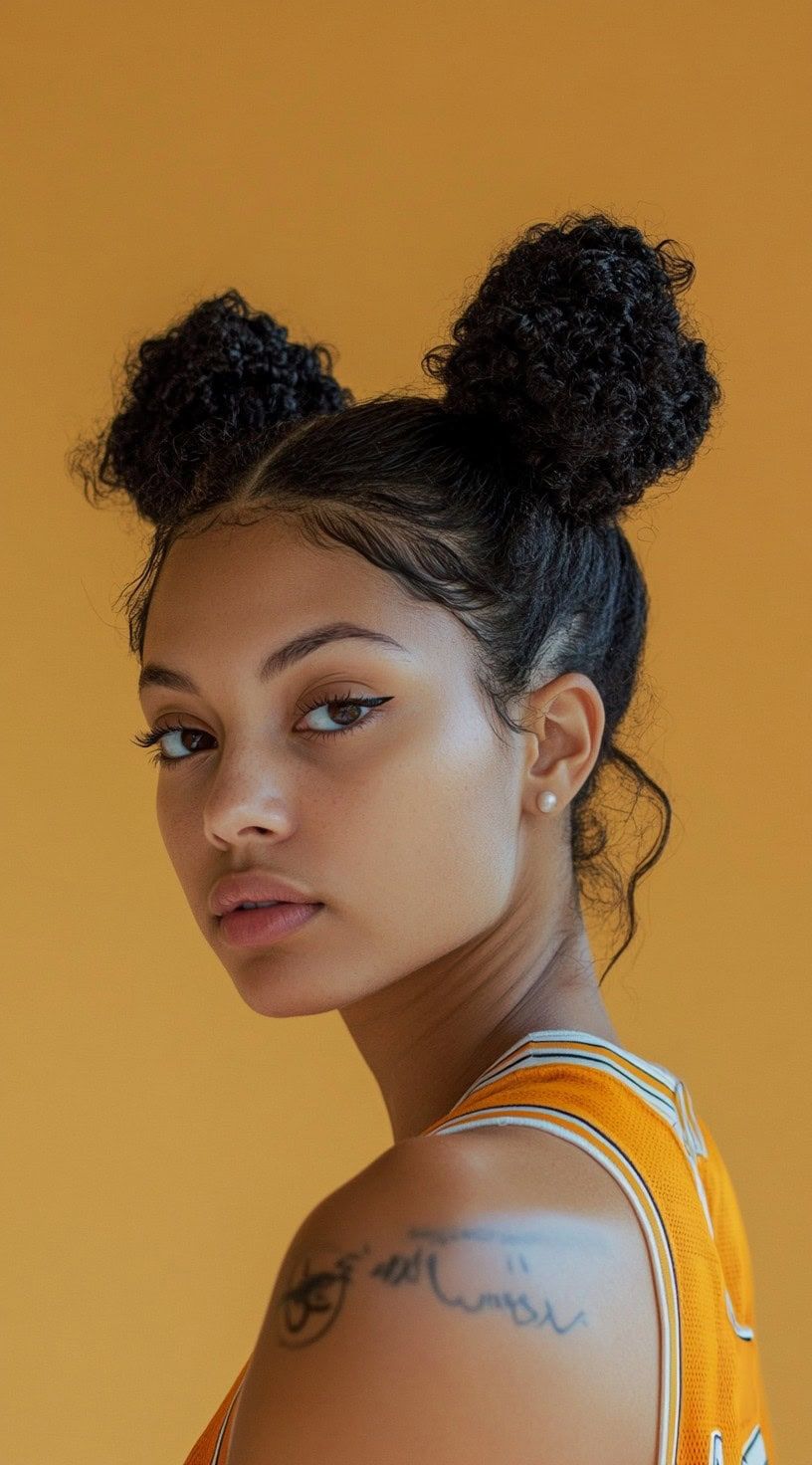
Space buns for curly hair hold better than you think. The two high buns sit above the ears, so nothing touches your face during a sprint. Collarbone length is ideal, long enough to twist into a bun, short enough not to weigh it down. Thick, dark brown curls give the buns volume without teasing. The loose tendrils left out frame the face and soften the look, but they will get sweaty by the third quarter. Middle parting keeps it symmetrical. The hold is solid for about two hours of active play, then the buns start to soften. Re-twist at halftime and you are good.
Sleek High Bun With Clean Lines
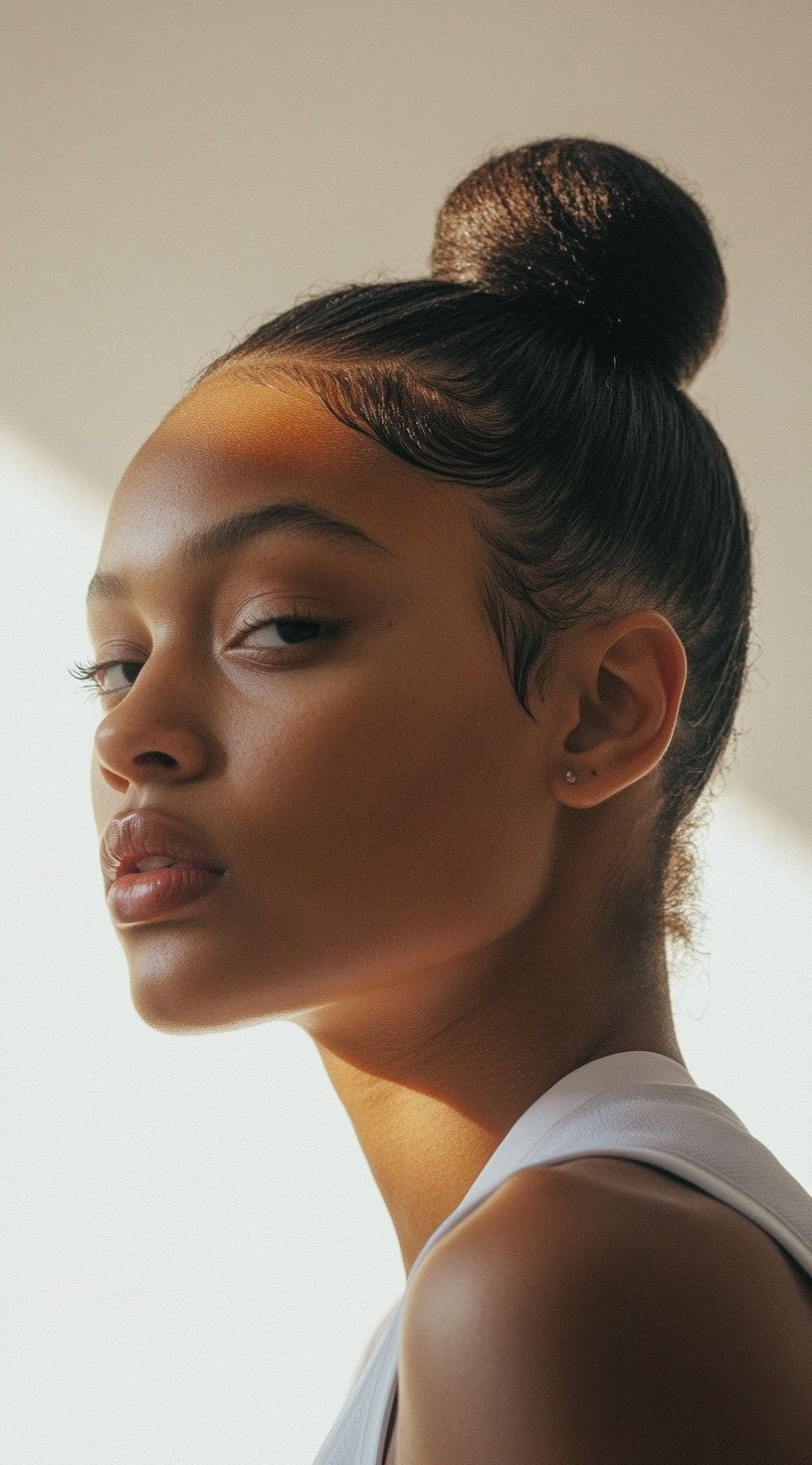
Can a sleek high bun survive a full game? It depends on your prep. The bun sits high on the crown, pulling every strand away from the face and neck. Mid-back length when down wraps into a tight, compact bun that does not wobble. Straight texture is non-negotiable here, any wave fights the clean lines. Dark brown colour shows no root line for weeks, which is the real win. The styling takes about ten minutes with a brush and a strong hold spray. The honest downside: this bun does not forgive flyaways. If your hair is fine or slippery, expect to re-pin by the second quarter.
The technique is about tension. Pull the hair back firmly, twist it into a coil, wrap it around the base, and pin every section. A middle parting keeps the front clean. The hold lasts about two hours before the pins start shifting. Keep extra pins in your bag.
Neat Braid With Subtle Highlights
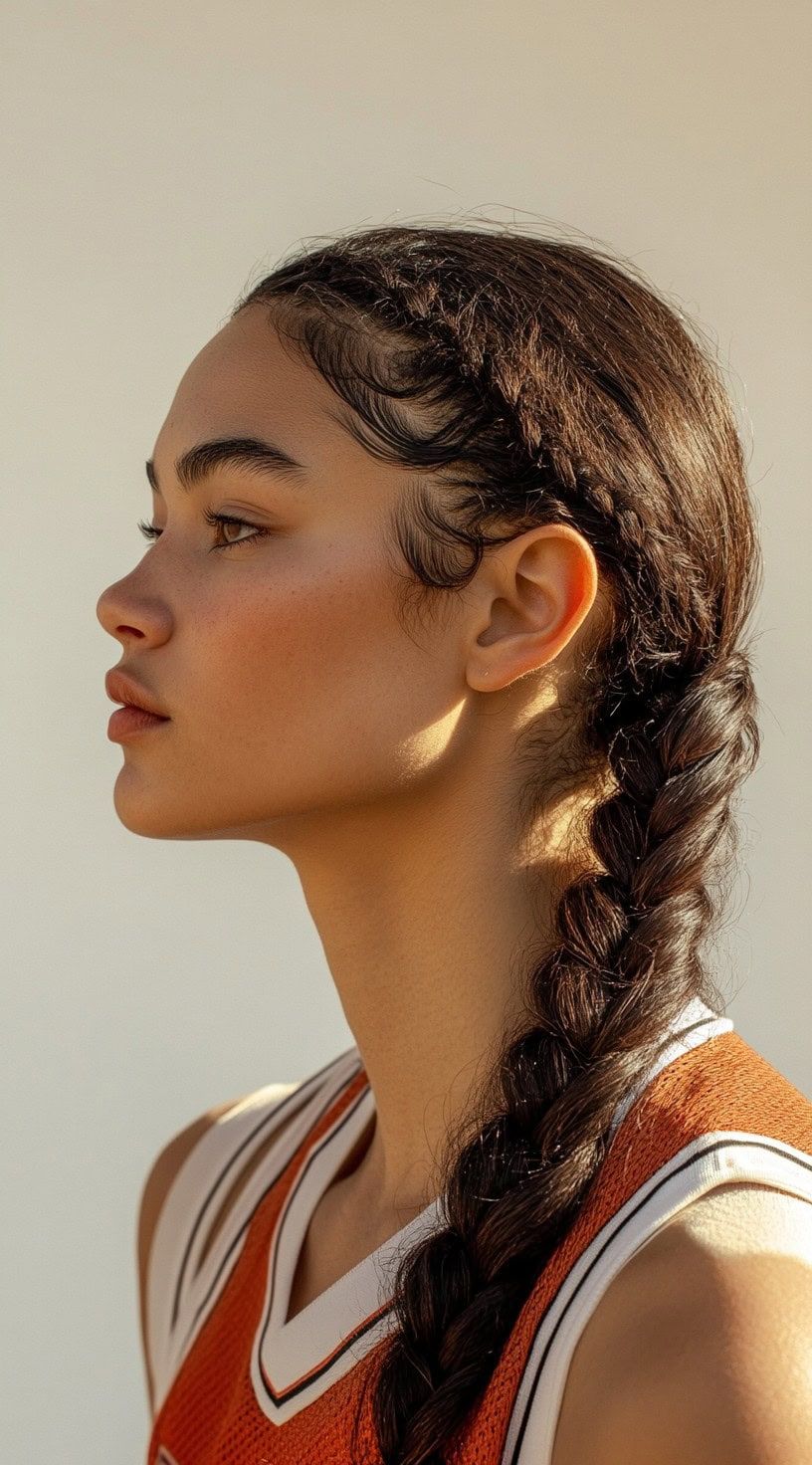
I did not expect to prefer a wavy hair braid over a slicked-back ponytail, but here we are. The braid starts at the nape and runs down the mid-back, keeping every strand contained. Thick, wavy texture gives the braid body, it does not go limp by the fourth quarter. Dark brown with subtle highlights adds dimension without looking like you tried. The layers in the cut help the braid lie flat, no bumps. Compared to a Dutch braid, this is faster and easier to re-do. What to ask the stylist for: long layers that start below the chin, so the braid has movement but the top stays smooth.
Air-Dried Loose Waves With Basketball Prop
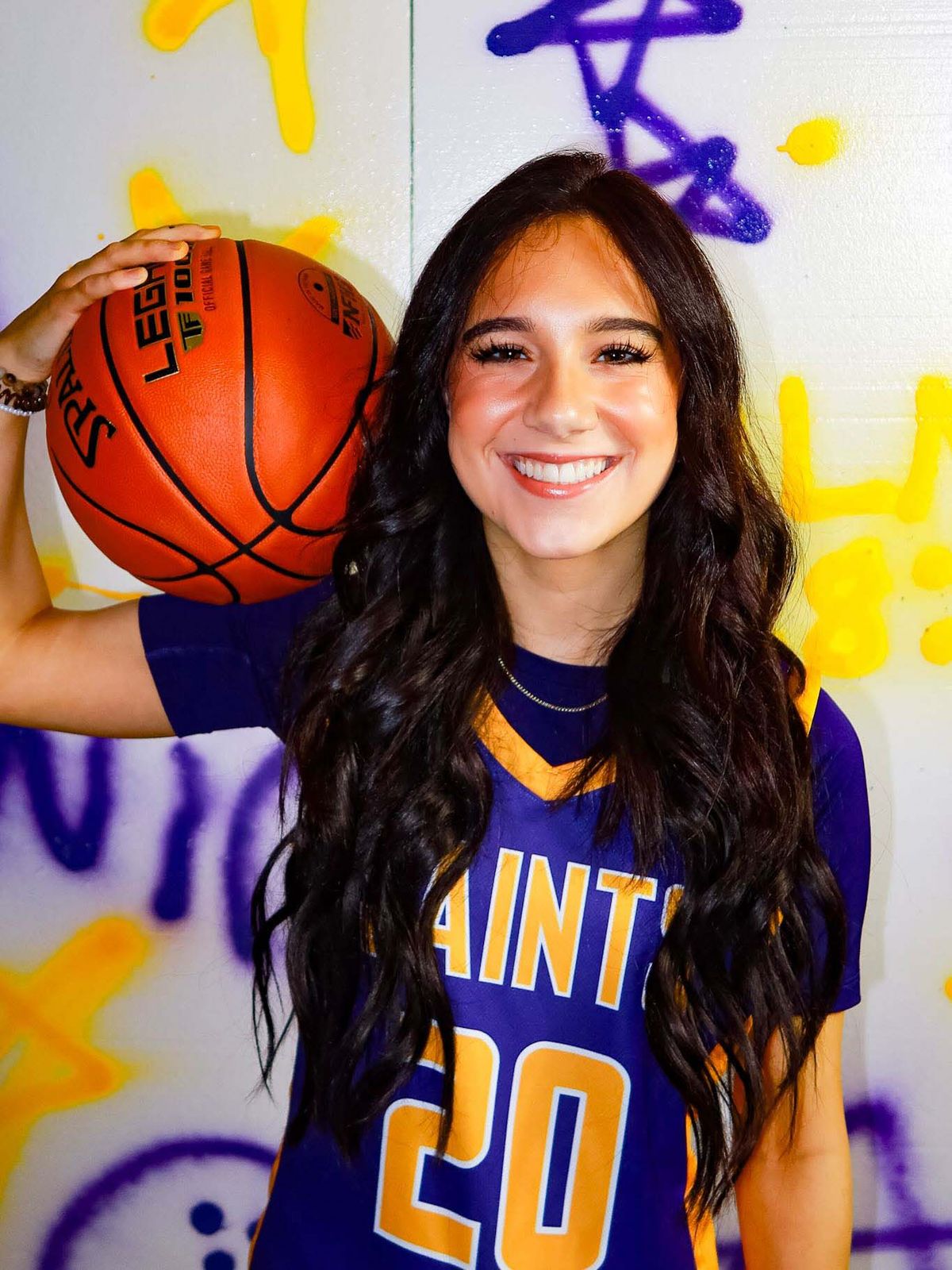
Confession: I tried air dried wavy hair during a pickup game and it worked better than I expected. The loose waves fall past the shoulders, mid-back length that does not get caught under a jersey. Thick, dark brown texture holds the wave pattern without product, just damp hair and a scrunch. The middle parting keeps it off the face. This style suits anyone with natural wave or curl, skip it if your hair is fine and straight, it will go flat by the first timeout.
The upkeep is minimal. No heat, no pins, no re-doing. The waves soften as the game goes on, but they do not disappear. By the fourth quarter, it looks like second-day hair, which is fine. This is not a polished look, it is a practical one. If you have the texture for it, this is the lowest-effort basketball hairstyle in the roundup.
Braided Ponytail With Side Part
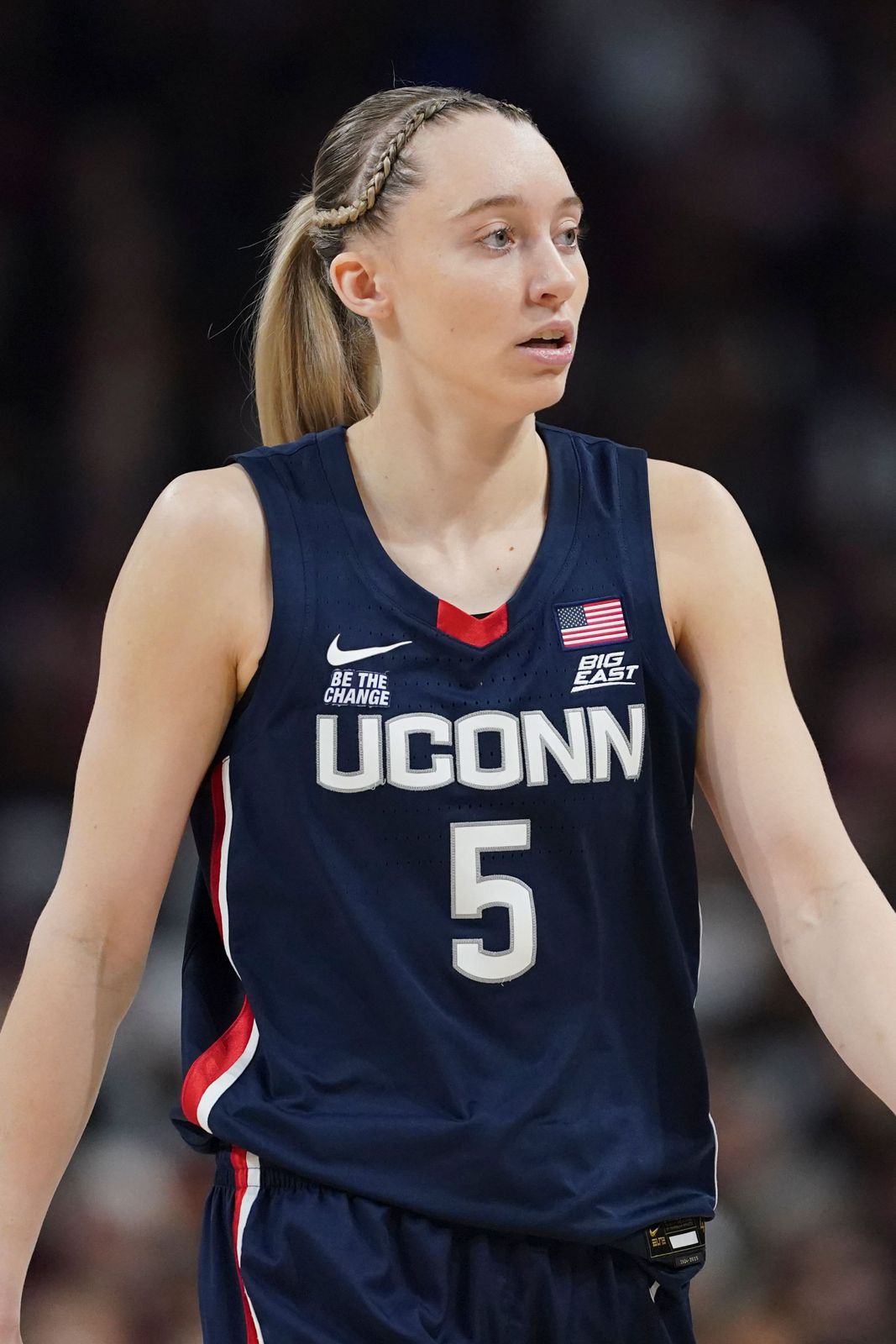
Two small braids along the hairline meet the rest of the hair at a high ponytail, and the side part gives the whole thing direction. On fine, straight blonde hair that goes flat by 4 pm, this is the hold you want: the braids anchor the front, the ponytail elastic does the rest. A smoothing serum tames the flyaways that fine texture loves to throw. It takes maybe 10 minutes and a mirror, but you can do it at home with a comb and two hair ties. No salon visit required, just patience with the parting.
Long Black Dreadlocks Worn Down
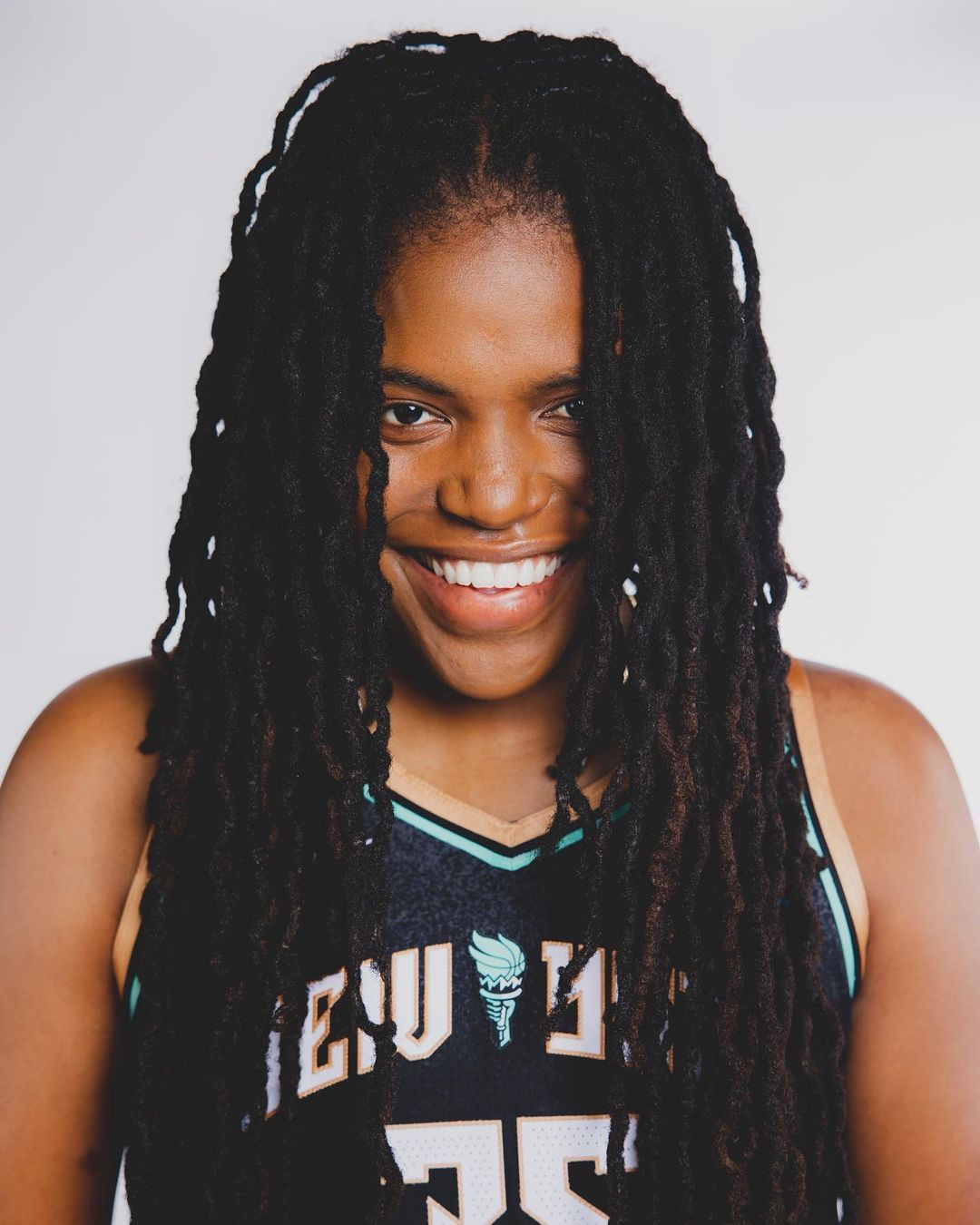
Long dreadlocks worn down look voluminous and bold, but the honest downside is the weight. At mid-back length, thick coily texture pulls on the scalp during running and jumping, and the heat trapped under the mass is real. No daily styling needed, but the upkeep is a retightening appointment every six to eight weeks, plus thorough drying after every wash to avoid mildew. You book a loctician, you do not do this in the bathroom sink. The hold is permanent until you cut them off, which is the point.
High Ponytail With Headband and Scrunchie
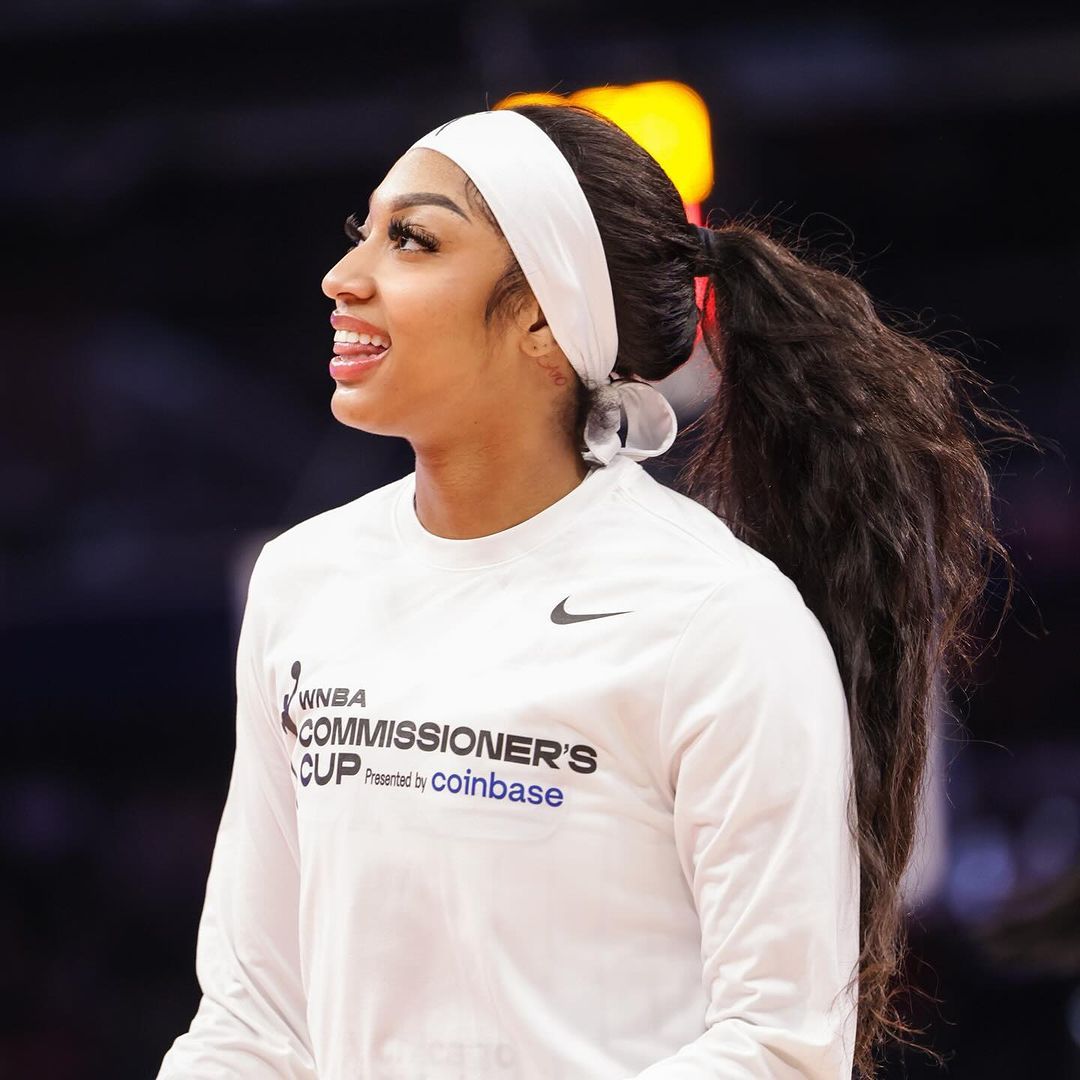
Brush everything upward into a high ponytail, secure with a scrunchie, then slide a headband over the top to pin down the front pieces. That is the whole sequence, about five minutes, and the hold is secure because the headband creates a second tension point. On thick wavy black hair with layers, the ponytail has enough weight to stay put, and the scrunchie adds grip without pulling. The high ponytail with headband sits high enough to stay clear of a jersey collar, and the middle part keeps the front symmetrical.
Dutch Braids Into Buns
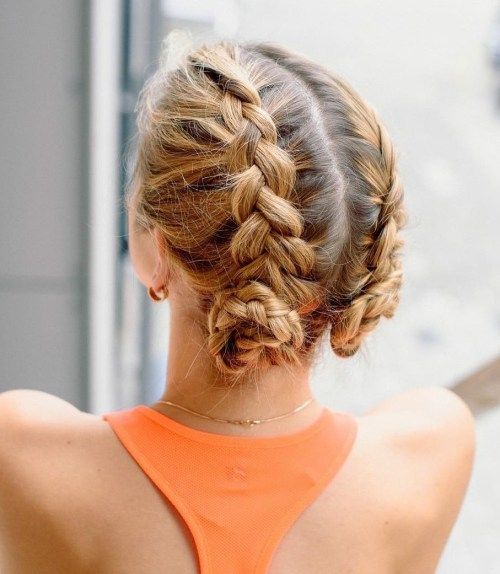
Do you have shoulder-length hair with layers and enough density that two dutch braids will not look like sad little strings? If yes, these braided buns are worth the 15 minutes. The dutch braids sit raised along the scalp, then the ends twist into two small buns pinned at the nape. The back view is the payoff: clean, intricate, no loose ends. Wavy texture helps the braids hold their shape without slipping. Skip it if your hair is fine or shorter than chin length, because the buns will be too small to read as intentional.
Half-Up, Half-Down Curls
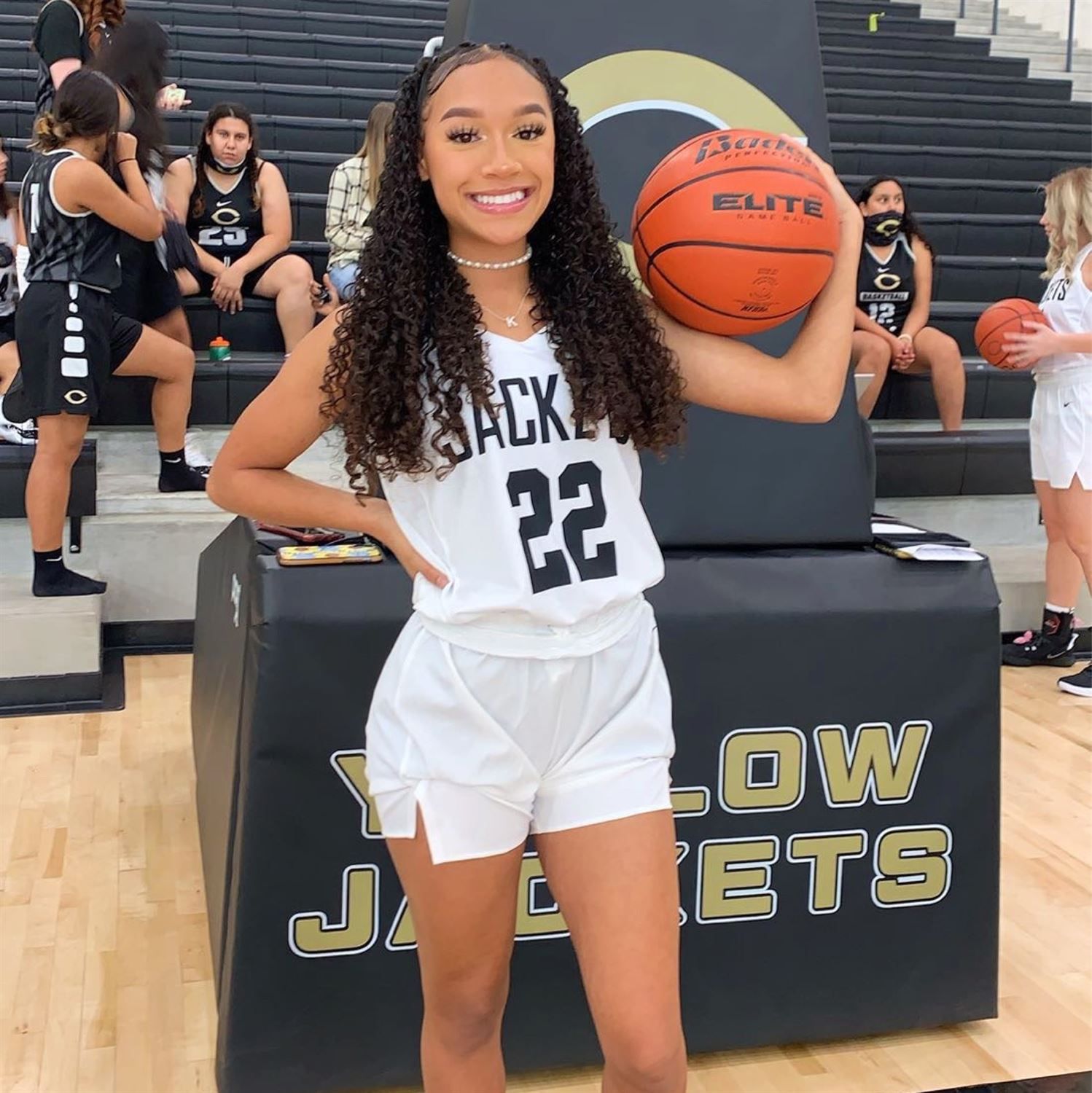
The top half is gathered and pinned, the rest falls in loose curls past the shoulders, and for about 20 minutes of active play, this holds. Then the curls start to drop, the clip shifts, and by halftime you are pulling strands off your lip gloss. On thick curly dark brown hair, the half up half down curls have full volume that looks great in the first quarter but needs a refresh for the fourth. The upkeep is a curl cream before you pin and a re-clip at the break. It is a pre-game photo style, not a full-game one.
Bubble Ponytail With Braided Headband
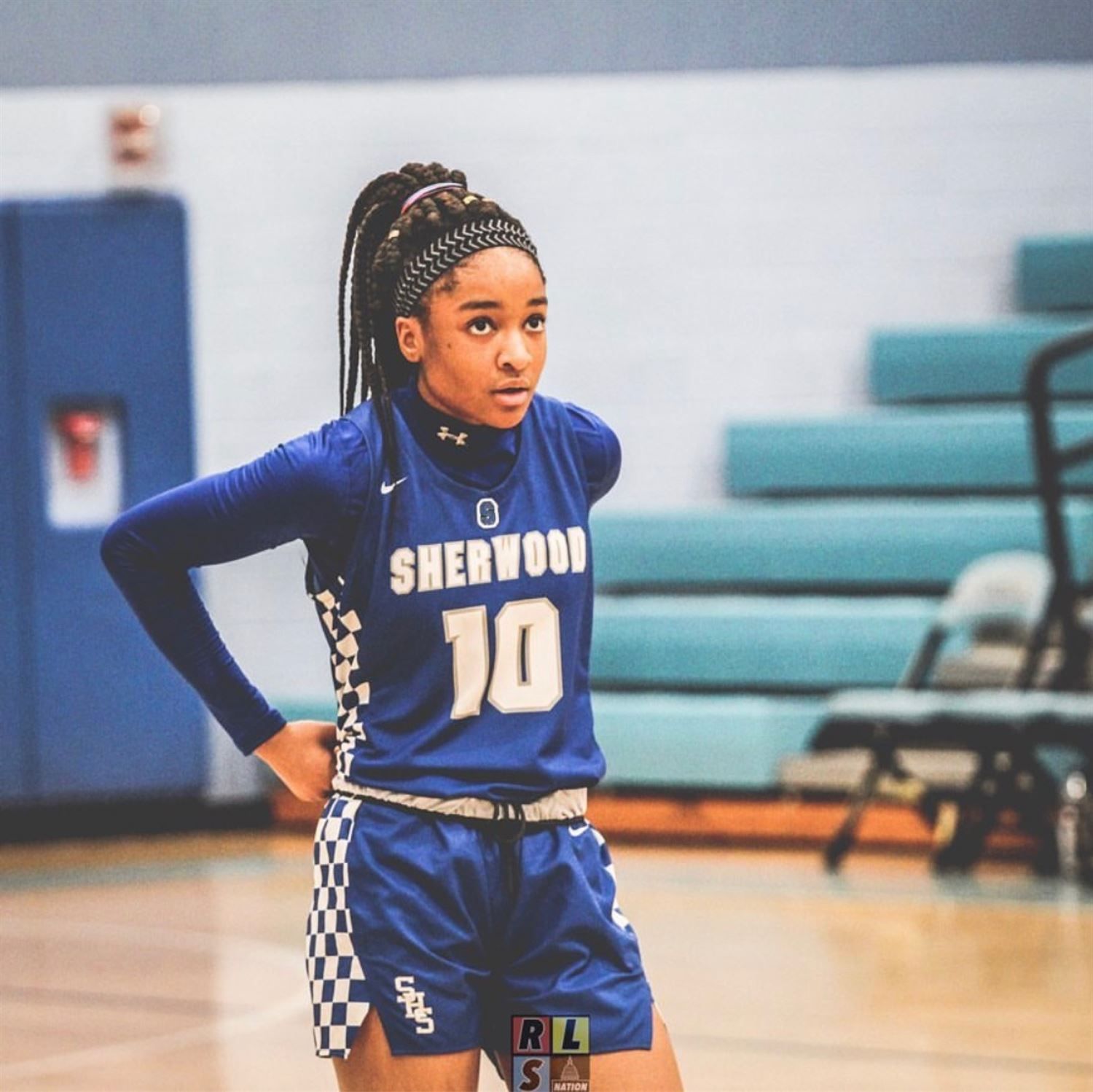
This is the one that stops the game. A bubble ponytail with a braided headband wins on complexity alone — the undercut keeps the top clean, the braid wraps the hairline, and each bubble section needs even tension or it sags by halftime. The black base with subtle highlights adds depth without screaming for attention. Straight, thick texture holds the shape best; fine hair will need a texture spray and smaller sections. This is not a bathroom-mirror job. The braided headband alone takes precision, and the bubble sections demand a steady hand and small elastics at equal spacing. Book the salon visit. Bring a reference photo.
French Braid Into Ponytail
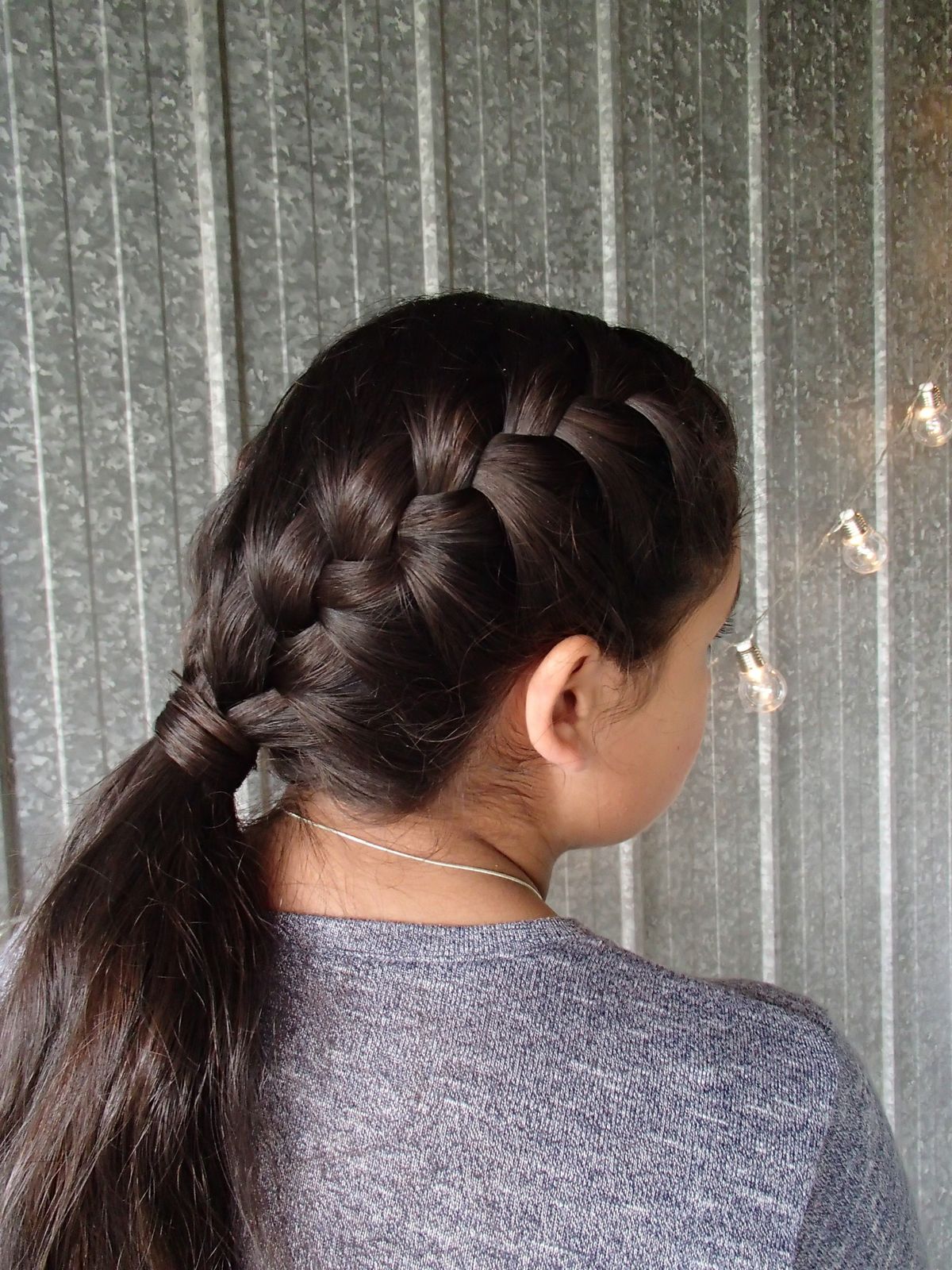
Can a french braid ponytail look neat without looking stiff? Yes, if you keep the braid sections small and consistent. Start at the hairline, pick up equal strips, and let the braid run down the crown before it drops into a ponytail at the nape. The middle part and dark brown base keep it classic; layers add movement so the tail doesn’t sit like a solid block. The honest downside: this takes practice. A loose grip means the braid widens, and a tight grip makes it look pulled. Straight texture helps the sections slide evenly. Give yourself three tries before you wear it out.
Sleek Low Bun At Collarbone Length
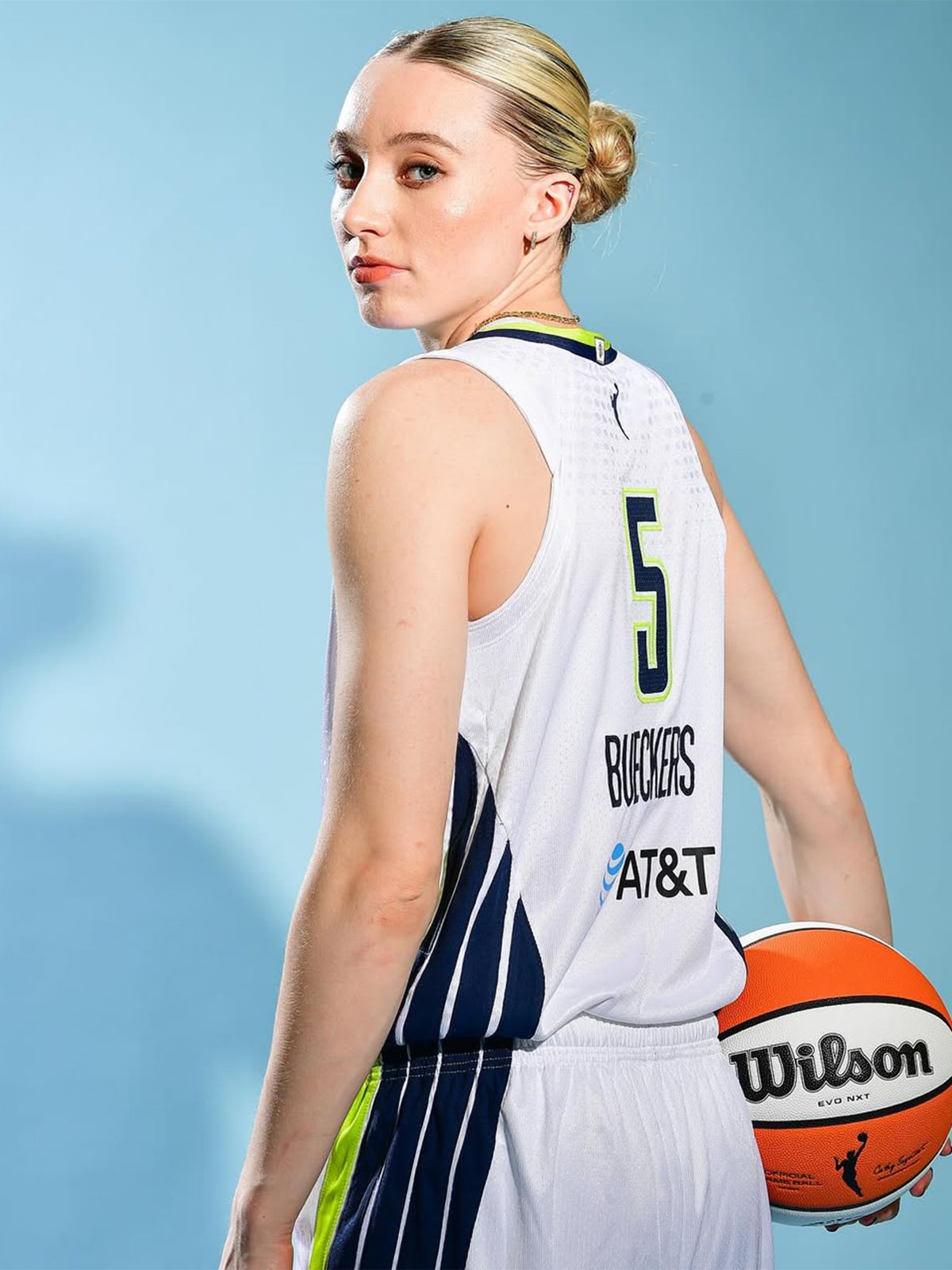
A sleek low bun at collarbone length works best when your hair is thick enough to fill the bun without teasing. The middle part and blonde base read clean, and the layers disappear into the wrap so no ends poke out. This flatters oval and heart-shaped faces because the low placement doesn’t widen the jaw. Skip it if your hair is fine or shoulder-length — the bun will look like a walnut. Straight texture is non-negotiable; waves fight the gel finish. Five minutes with a comb and a strong-hold product, and you are done.
Thick Multi-Toned Braids
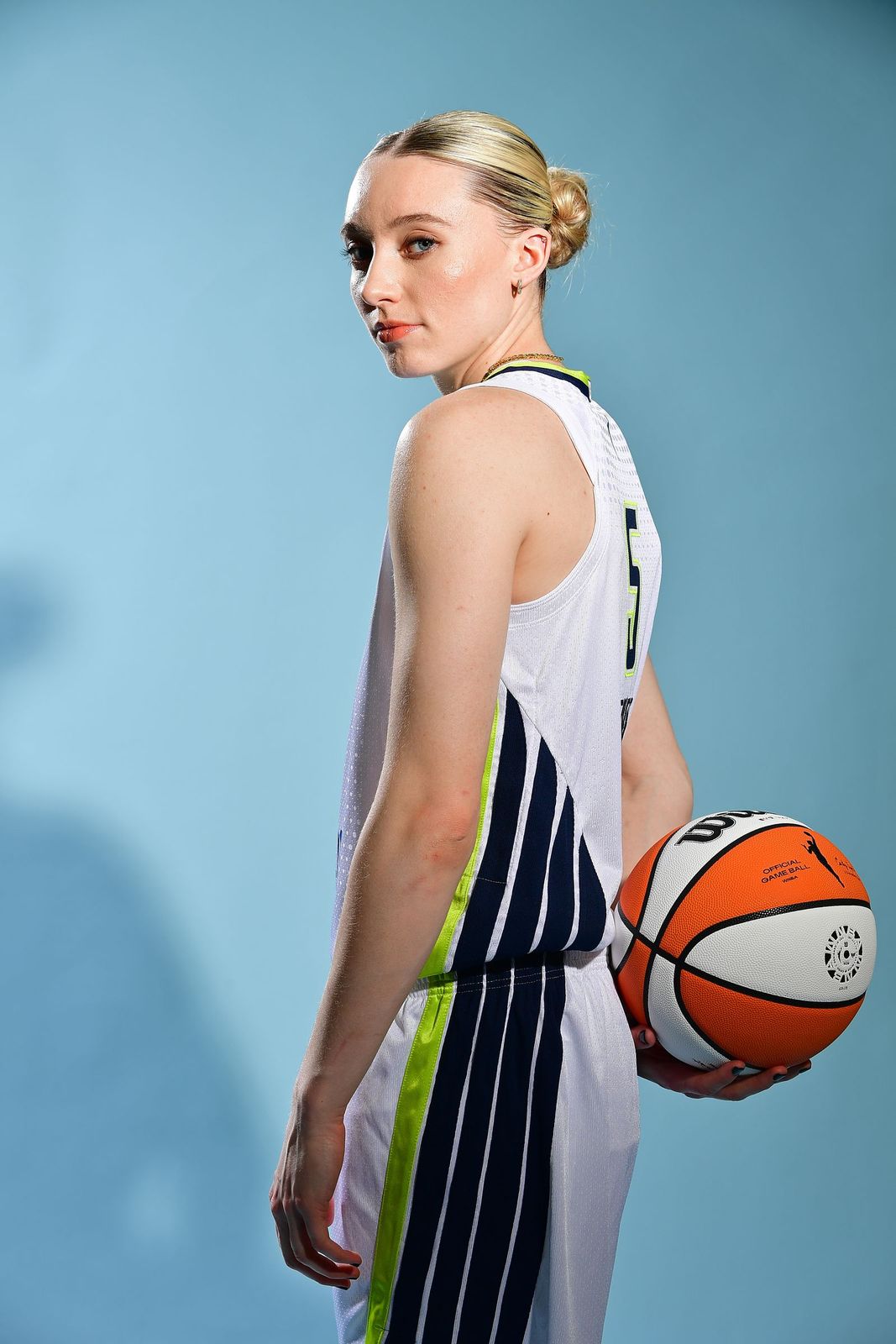
I will admit I was skeptical about multi-toned braids with blonde, brown and grey streaks. The colour mix looked like a gamble from the front, but from the back view, the dimension is real. The blonde catches the light, the brown anchors it, and the grey keeps it from reading too warm. These thick braids hold their shape for about a week before the edges soften. Upkeep means a silk scarf at night and scalp moisture every other day. The mid-back length and straight texture keep the braids heavy enough to stay put. A salon installation, no shortcuts.
Double French Braid Into Messy Bun
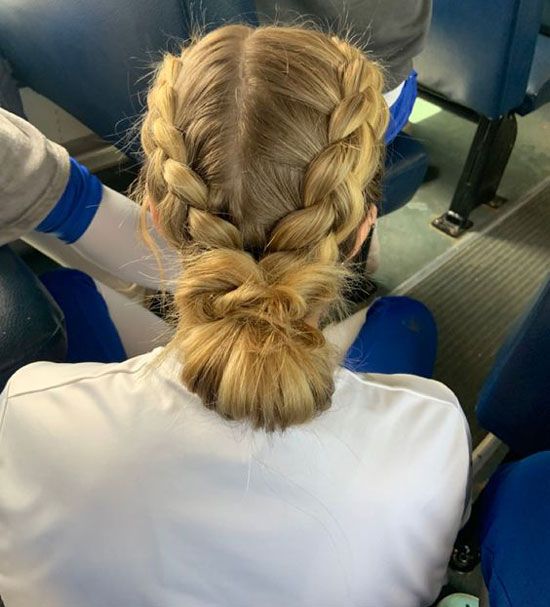
Two braids meet at the back and twist into a bun. Sounds neat. The messy bun part is where it gets honest.
A double french braid bun looks relaxed, but the bun can shift during a sprint. The wavy texture helps the bun stay pillowy instead of tight, and the blonde base keeps the braid lines visible. The honest downside: if the braids are not secured close to the scalp, the bun pulls the whole structure loose. Pull out a few face-framing strands to soften the front. Twelve minutes start to finish. The messier the bun, the better the hold — counterintuitive, but true.
Wavy Bob With Basketball Hair Clip
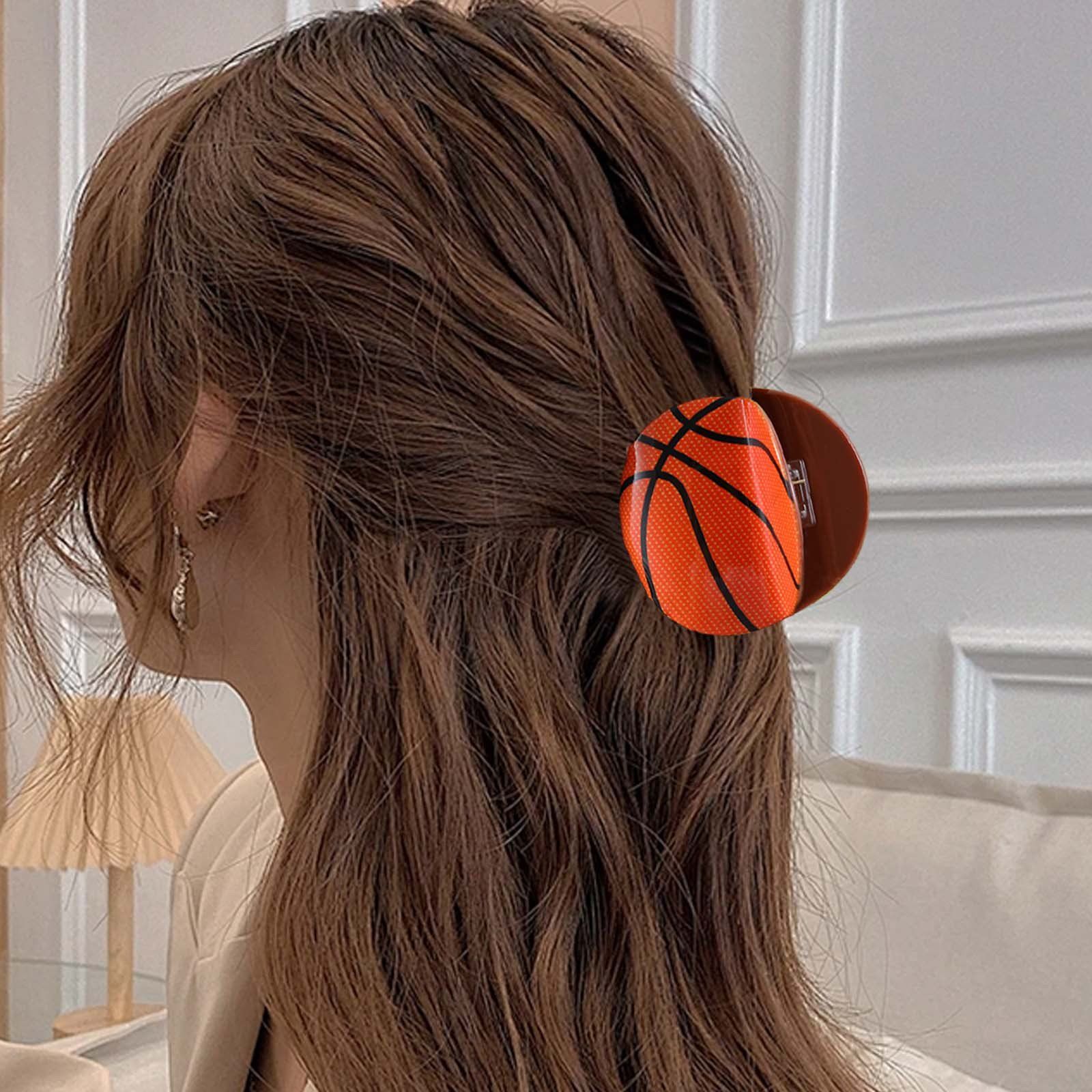
Best shortcut in this roundup. A wavy bob with clip starts with a curling wand and a heat protectant, wrapping sections away from the face for about seven minutes. The long bob lands at collarbone, dark brown, thick enough that each wave holds its shape. Texture spray breaks up the curl so it reads wavy, not ringleted. The basketball hair clip goes in at the temple, pinning the side back. No bangs to separate, no flyaways to chase. It held through a full game and a post-game dinner, which is more than I can say for my usual ponytail.
Shoulder-Length Dreadlocks With Headband
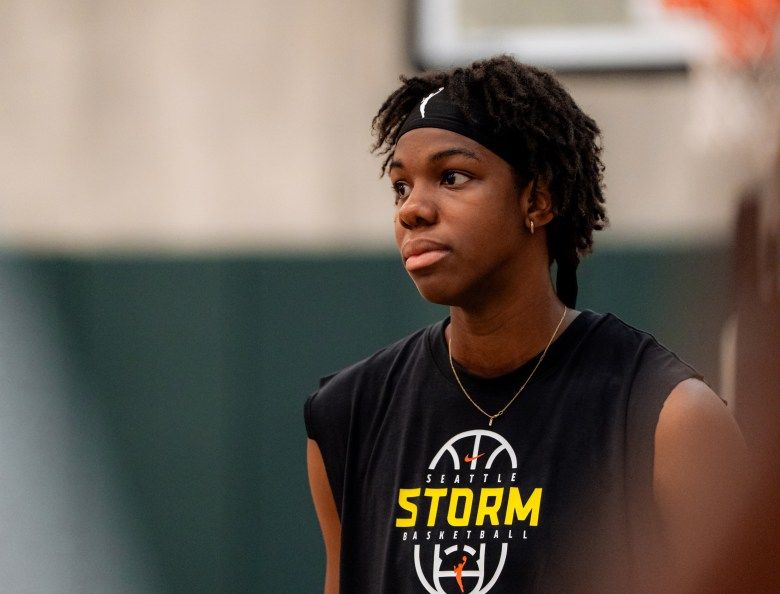
Who actually pulls off dreadlocks with headband on a basketball court? Anyone with curly, dense texture and a middle part that wants to stay put. The shoulder-length dreadlocks sit thick, black, and the headband presses them back from the face so nothing swings into your line of sight. No styling beyond washing and drying, which is the whole point. The headband fits snugly, no slipping mid-dribble. If your texture is fine or your dreadlocks are new and loose, skip it — the headband will slide and you will spend the game pushing it up. For everyone else, this is the lowest-maintenance option in the lineup.
Voluminous Afro With Tapered Sides
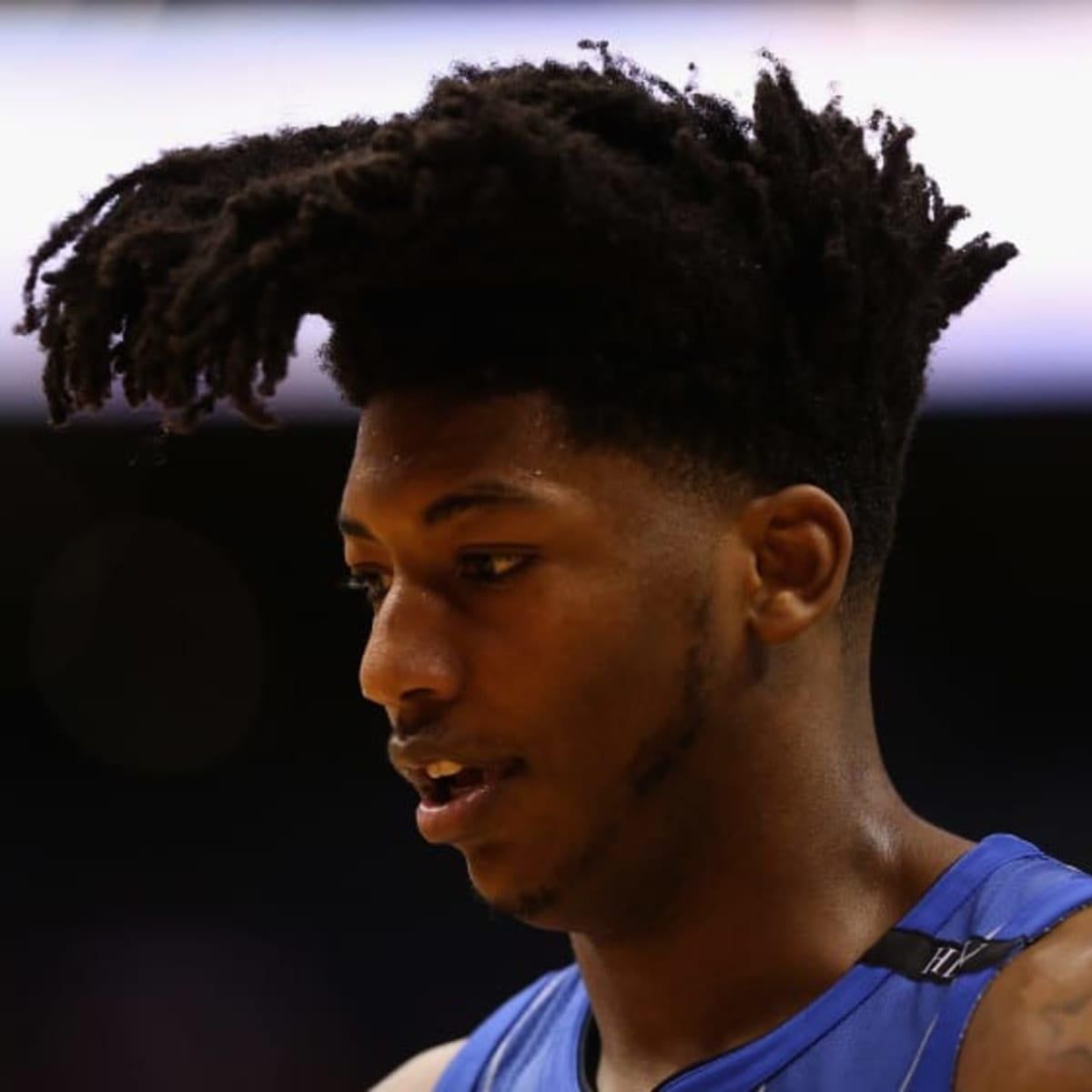
Daily upkeep runs about ten minutes: a water mist, a leave-in, a light pat down. The tapered sides need a stylist every few weeks to keep that sharp edge, otherwise they grow into a rounded shape that reads accidental. It is not a set-it-and-forget-it style. But it is the only one on this list that does not need a single elastic or pin to stay in place.
Sculpted Locs With Side-Swept Bangs
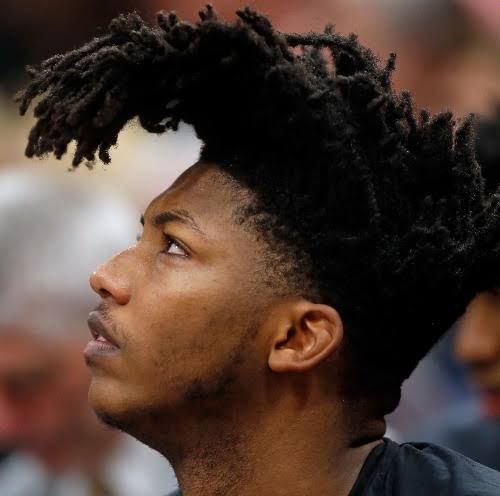
I will confess: I thought sculpted locs were too polished for a sport where you sweat and run. I was wrong. The side-swept bangs frame the face at neck length, black, coily, thick, and the sculpted shape on top keeps every loc in its lane. No loose strands, no re-pinning. The catch is the salon visit. This is not a bathroom-mirror job. A professional shapes the locs and sets the bangs so they sweep left or right and stay there through a full game. Compared to a voluminous afro, which needs daily moisture, or dreadlocks with headband, which need nothing, sculpted locs sit in the middle: a salon commitment up front, then minimal fuss after.
Visual Idea
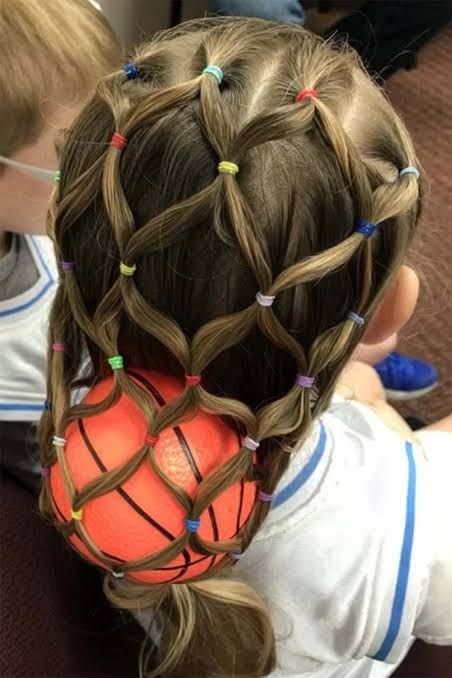
Braided net over a ponytail, and a basketball woven into the center. The hair is dark brown, straight, medium density, mid-back length, and the braid structure wraps around the ball in a basket-like pattern that takes patience and a second pair of hands. The middle part keeps the front clean. The honest downside: this is a photo-op style, not a game-day one. A basketball adds weight and bulk, and the braid net shifts with every head movement. It held for the photo, but I would not run a fast break in it. For a halftime show or a team portrait, it is the most creative basketball hairstyles idea in the lineup.
Ear Visual Idea
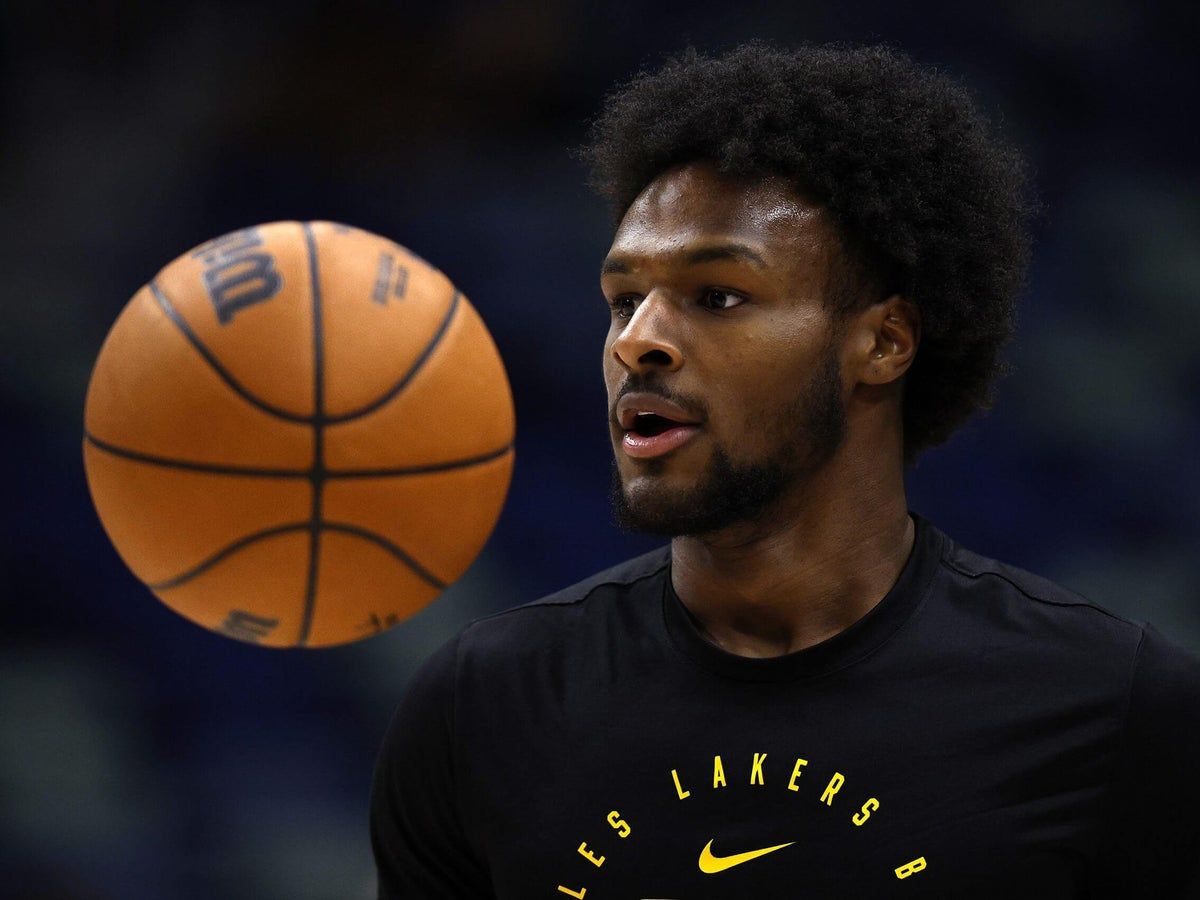
This short afro is the most honest basketball hairstyle in this roundup. Ear-length means it clears the neck completely, no hair touching the shoulders during a jump shot. The coily, thick texture holds its shape without product, and the black colour reads clean against any jersey. A middle part widens a round face, so try a slightly off-center part if you want more length on one side. The styling is pure afro, air-dried and picked out, which means zero heat damage and zero morning panic. It suits high-activity players who do not want to think about their hair mid-game.
Shoulder Visual Idea
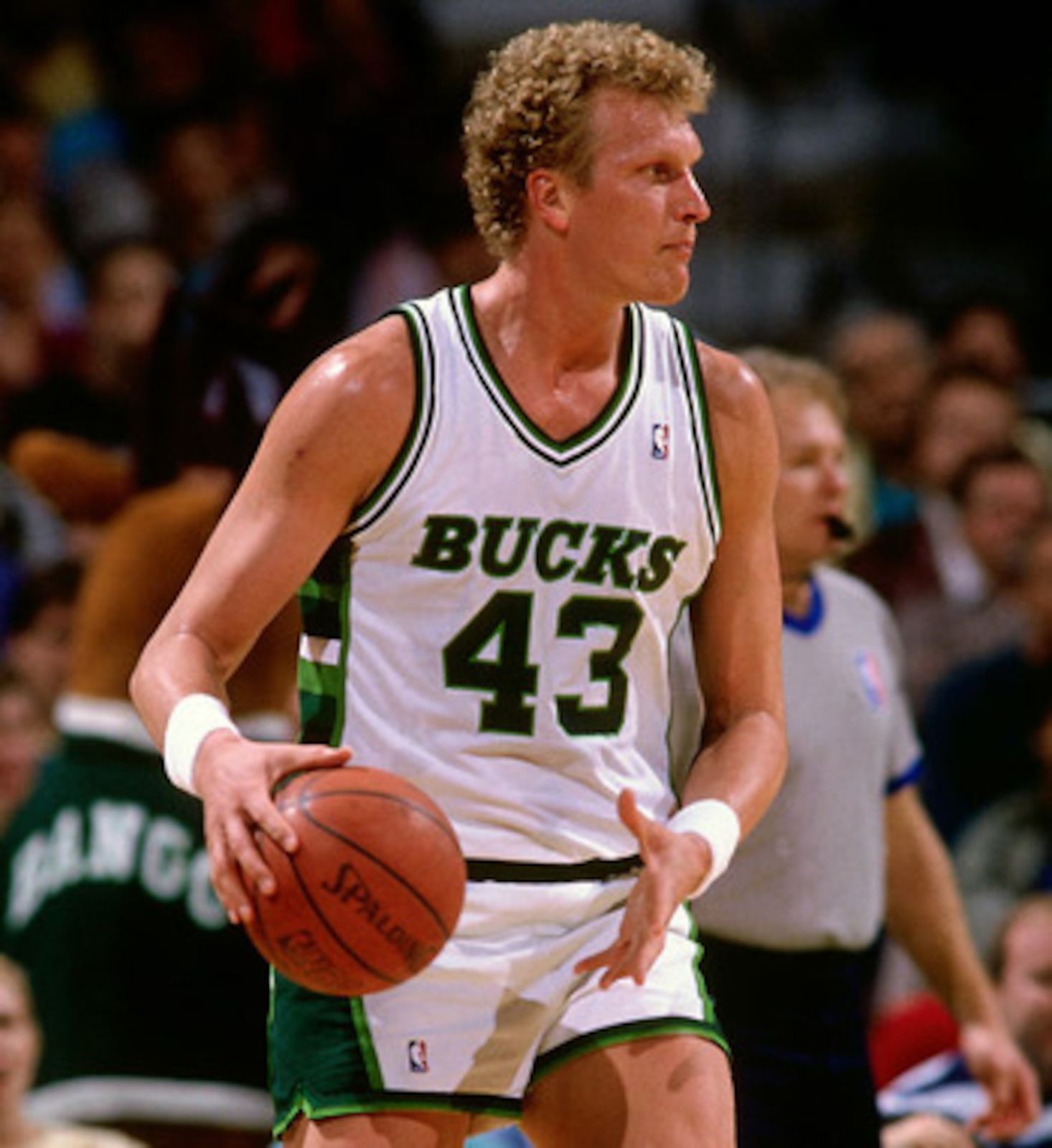
Does air-dried wavy hair survive a full game? Yes, if you start with the right texture. This shoulder-length cut uses thick, wavy hair that air-dries into loose waves, no round brush required. The blonde colour shows every flyaway, so expect a few wispy strands by the fourth quarter. A middle part keeps the weight even, and the layers stop the ends from flipping out. Upkeep is simple: a trim every ten weeks to keep the shape, and a texture spray on damp hair to encourage the wave pattern. It is not a slick, polished look, but it moves well and recovers fast.
Black Visual Idea
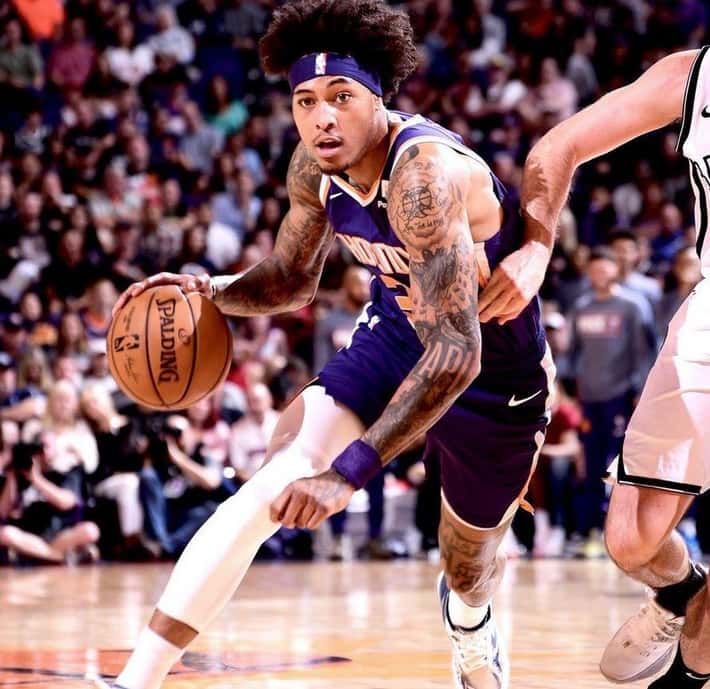
The headband does the heavy lifting here. Black, coily, thick hair is slicked back from a deep side part, then the bandana presses everything flat against the scalp. The ear-length layers stay hidden under the fabric, which means zero hair in the eyes during a fast break. The downside is the tension: a tight slick-back can pull at the hairline after forty minutes of running. A silk scarf underneath the bandana reduces friction, and a light gel keeps the edges smooth without hardening. This is a game-ready look that trades comfort for control, so test the tension before tip-off.
Short Visual Idea
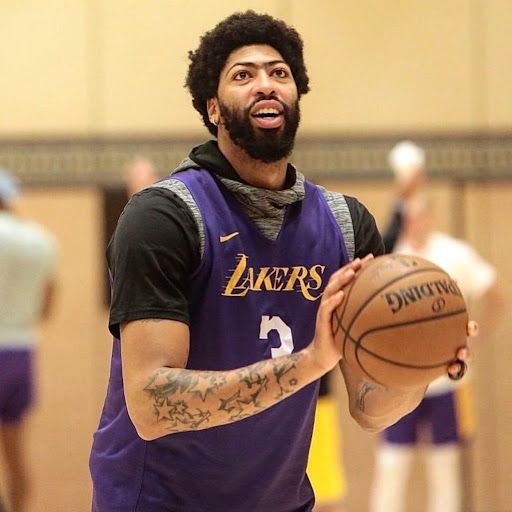
I will admit I was skeptical about an air-dried afro for basketball. Then I watched it work. The short length, no longer than two inches, means it never touches the collar. The thick, curly texture springs back after a sweat, and the black colour hides any dampness. No parting means no part to lose, no styling means no product to melt. It is the lowest-maintenance option in this list, and the one that looks most like itself after a game.
Mid-Back Visual Idea
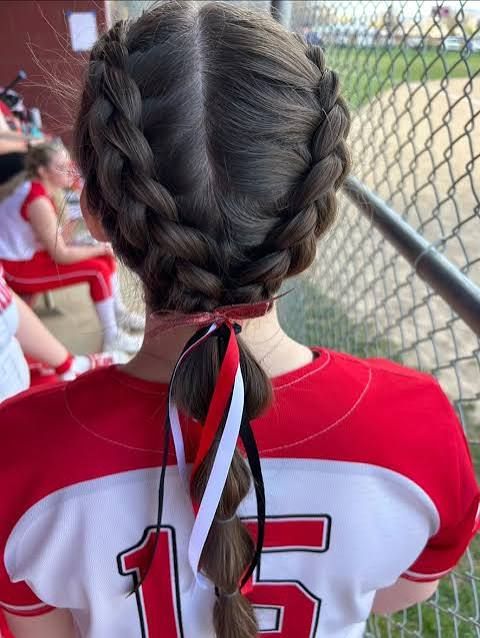
Two low ponytails with ribbons versus one high ponytail with a scrunchie. The ribbons add a visual pop that a plain elastic cannot match, and they tie into the braids so they do not slip. The dark brown base keeps the ribbons from competing, and the wavy, thick texture fills out the ponytails without needing extensions. This is a salon job if you want the ribbons woven in, or a DIY if you braid the pigtails first and tie the ribbon around the base. The ribbons will fray after a few washes, so replace them between games. It is a detail that reads intentional without being fussy.
Dark Brown Visual Idea
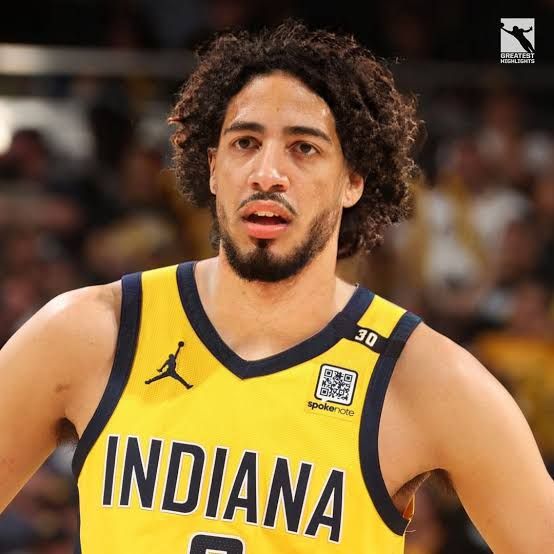
Best suited for someone who wants their hair to do the talking without asking for a trim every three weeks. That side-parted voluminous curly blowout sits at ear length, dark brown all over, no highlights to maintain and no bangs to train. The volume comes from the cut, not from a curling iron, which means it holds its shape through a warm-up and a full game. Skip this if your hair is fine or straight, the lift just will not stay. Medium density and natural curl? This is your style.
Braids Visual Idea
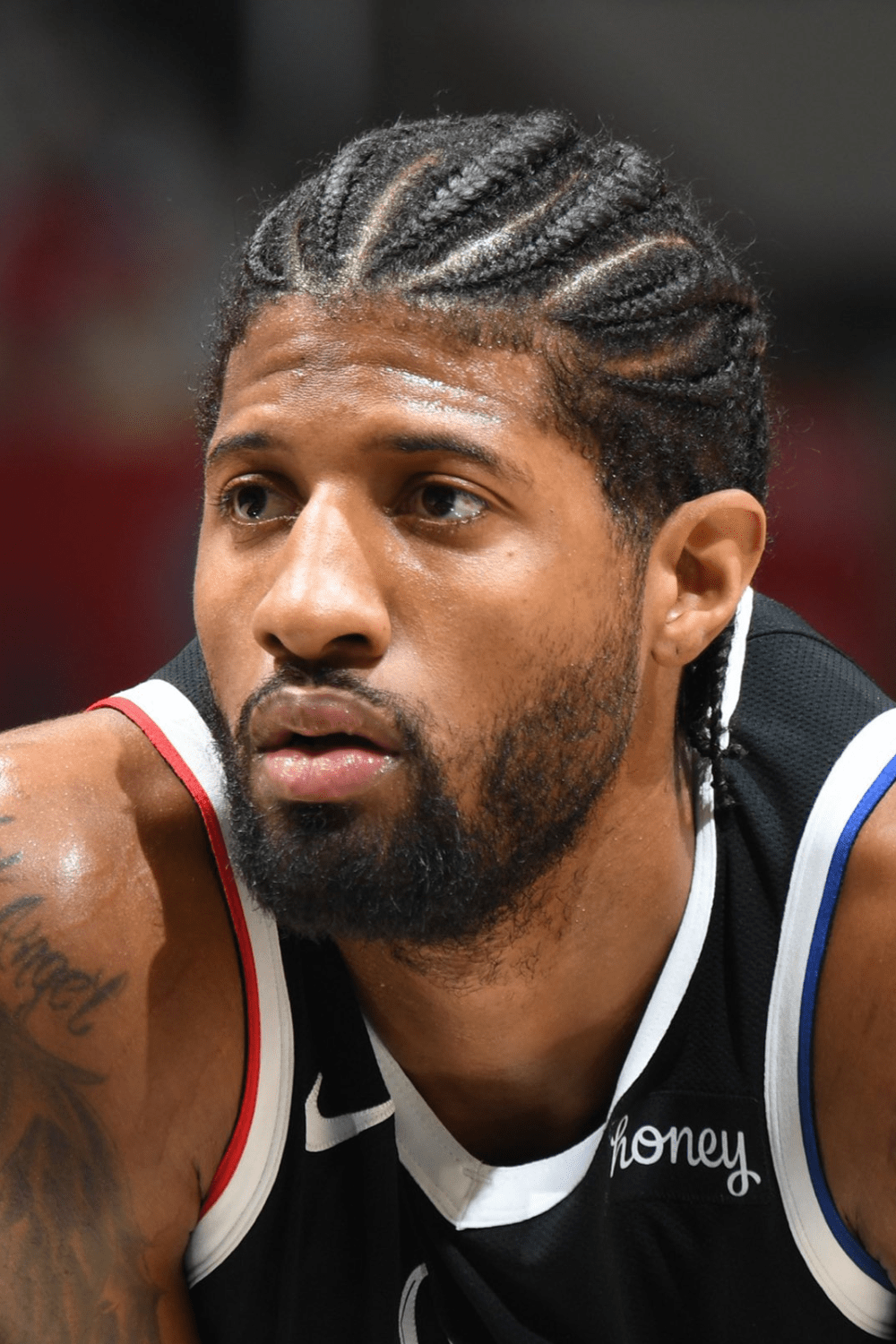
Can a style stay tight through four quarters and a post-game handshake? These intricate cornrow braids, worn down to mid-back in black, answer that one. The middle part keeps the weight even, no tugging at one side, and the cornrows sit flat against the scalp, which means no hair flying into your face on a fast break. They hold for a full week if you wrap them at night, and the coily texture locks the braid in place without slipping. Comfortable against a headband or a hat, too. The only catch is the install time, book a few hours and bring a podcast.
No Bangs Visual Idea
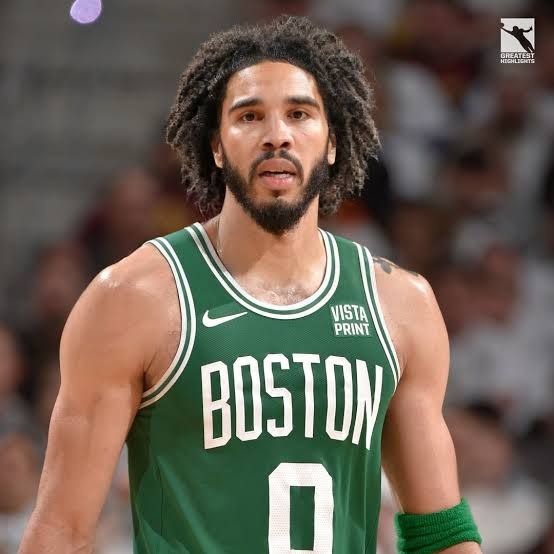
The defined curls here are the whole point, and the honest downside is that sweat turns them fuzzy by halftime. That ear-length cut, dark brown, middle part, no bangs, relies on a blowout and a curl cream to keep each coil separate. Once the moisture hits, the definition blurs and the volume flattens. A good style for a photo, a risky one for a game.
Afro Visual Idea
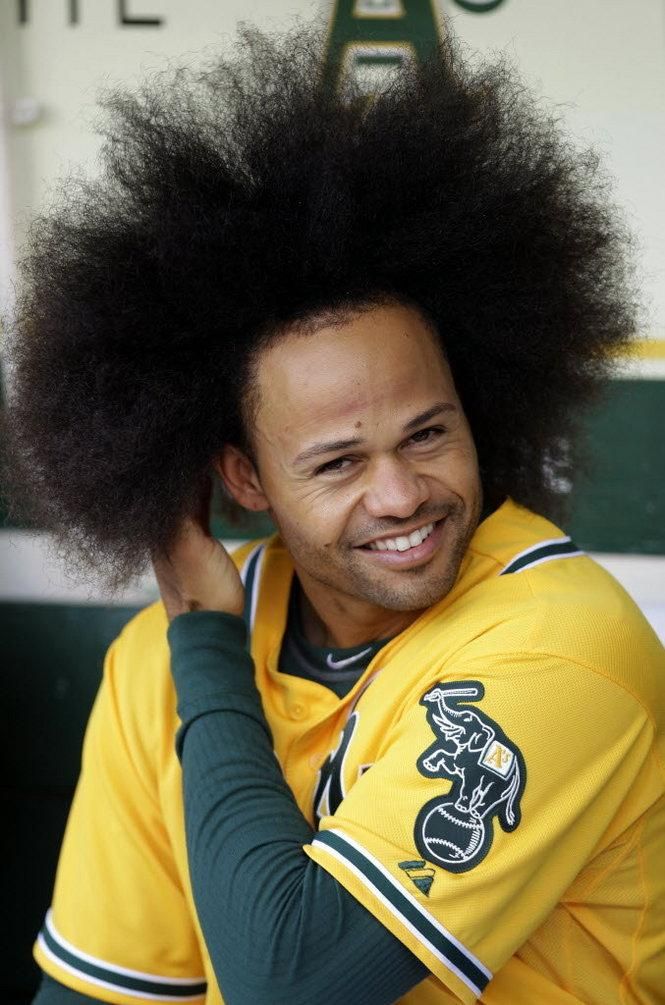
I used to think a large afro and a basketball game did not mix. Then I watched someone pin the sides back with soft clips and keep the middle full, and I changed my mind. The technique is about distribution, not restraint. That shoulder-length shape, black, coily and thick, middle part, needs a wide-tooth comb and a water spritz before the game to reset the curl pattern. The volume stays because the hair is not compressed under a tight band, it breathes. A satin scarf at halftime helps, but the real trick is letting the afro move with you instead of fighting it.
Layers Visual Idea
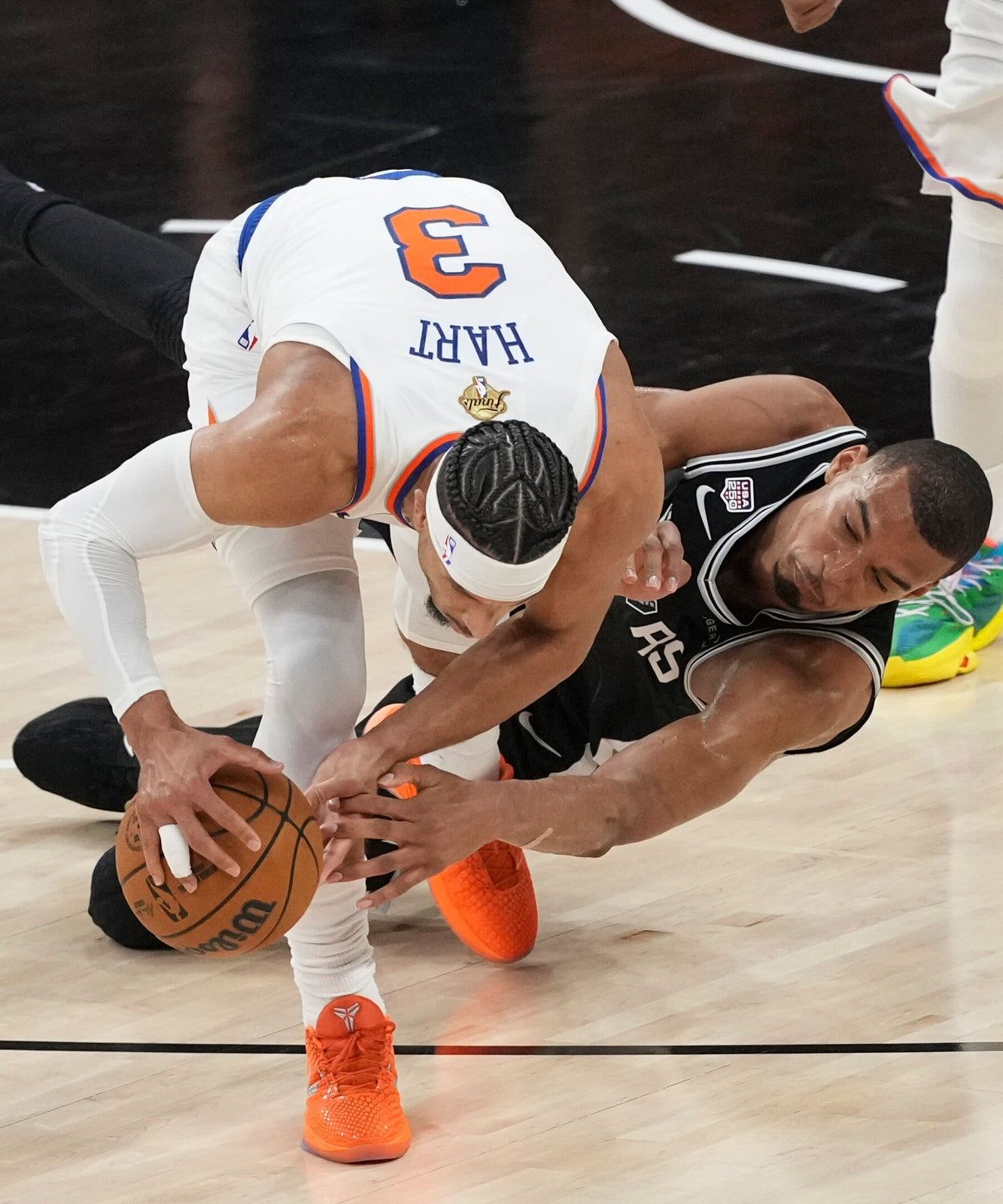
Braids in the huddle, loose by the fourth quarter. That is the trade-off with this shoulder-length layered cut, black, middle part, a single braid falling forward over one shoulder. It is simpler than cornrows or Dutch braids, which means you can do it yourself in ten minutes with a mirror and a hair tie. The layers add grip, so the braid does not slide out, but they also mean shorter pieces escape near the nape. A few bobby pins fix that. Salon not required, patience is.
Front View Visual Idea
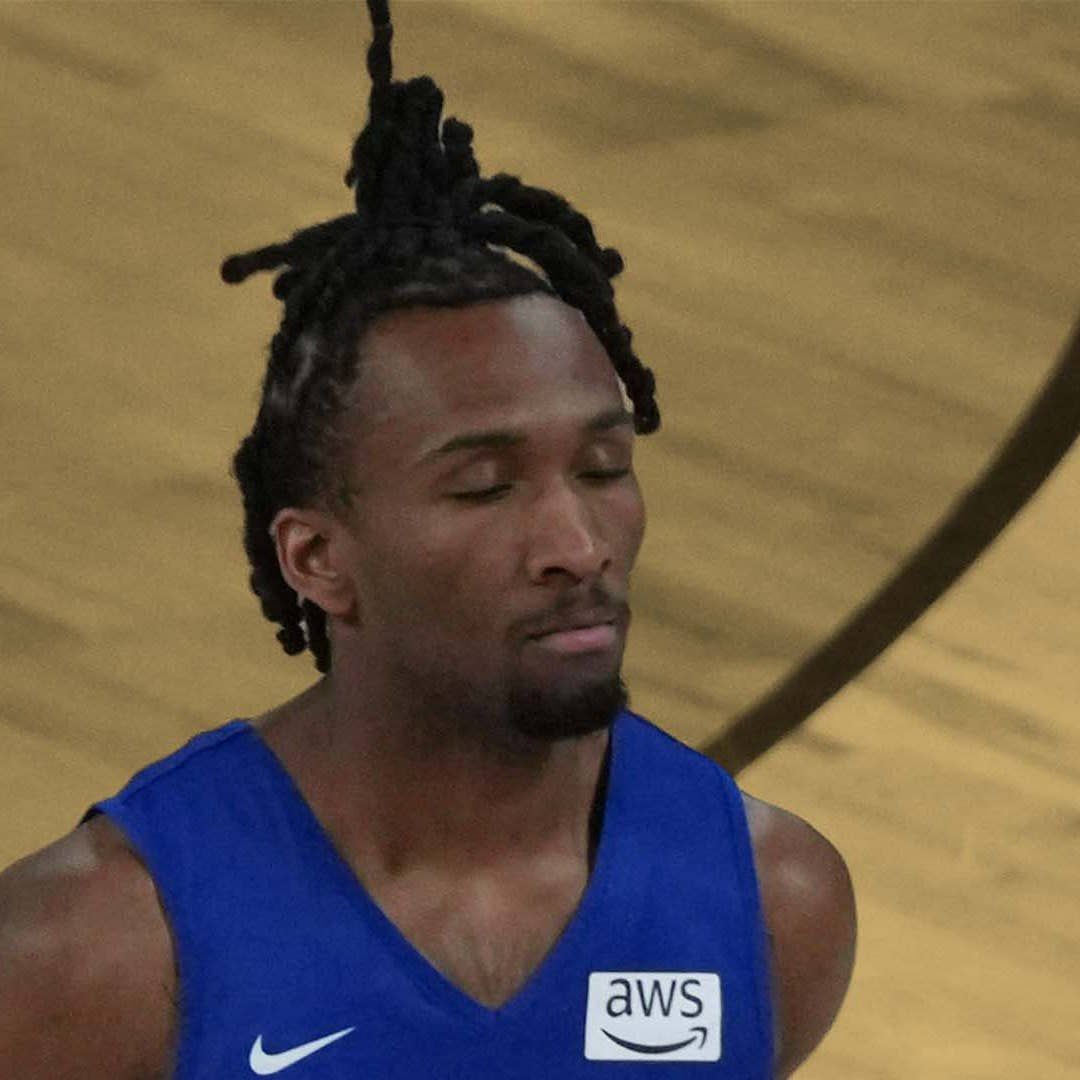
This braided ponytail is the one to book if your hair is straight and your face is oval or heart-shaped. The middle part and clean front view mean it flatters symmetry, and the layers are cut so the braid sits smooth against the scalp. Black colour keeps the braid detail visible, no highlights competing for attention. Mid-back length gives you enough weight to pull the ponytail high without it flipping. Styling is a salon job, the braid needs tension to hold, and with straight texture it stays neat through a full game. No bangs, no fuss, just a clear front line that reads as intentional.
Long Hair Visual Idea
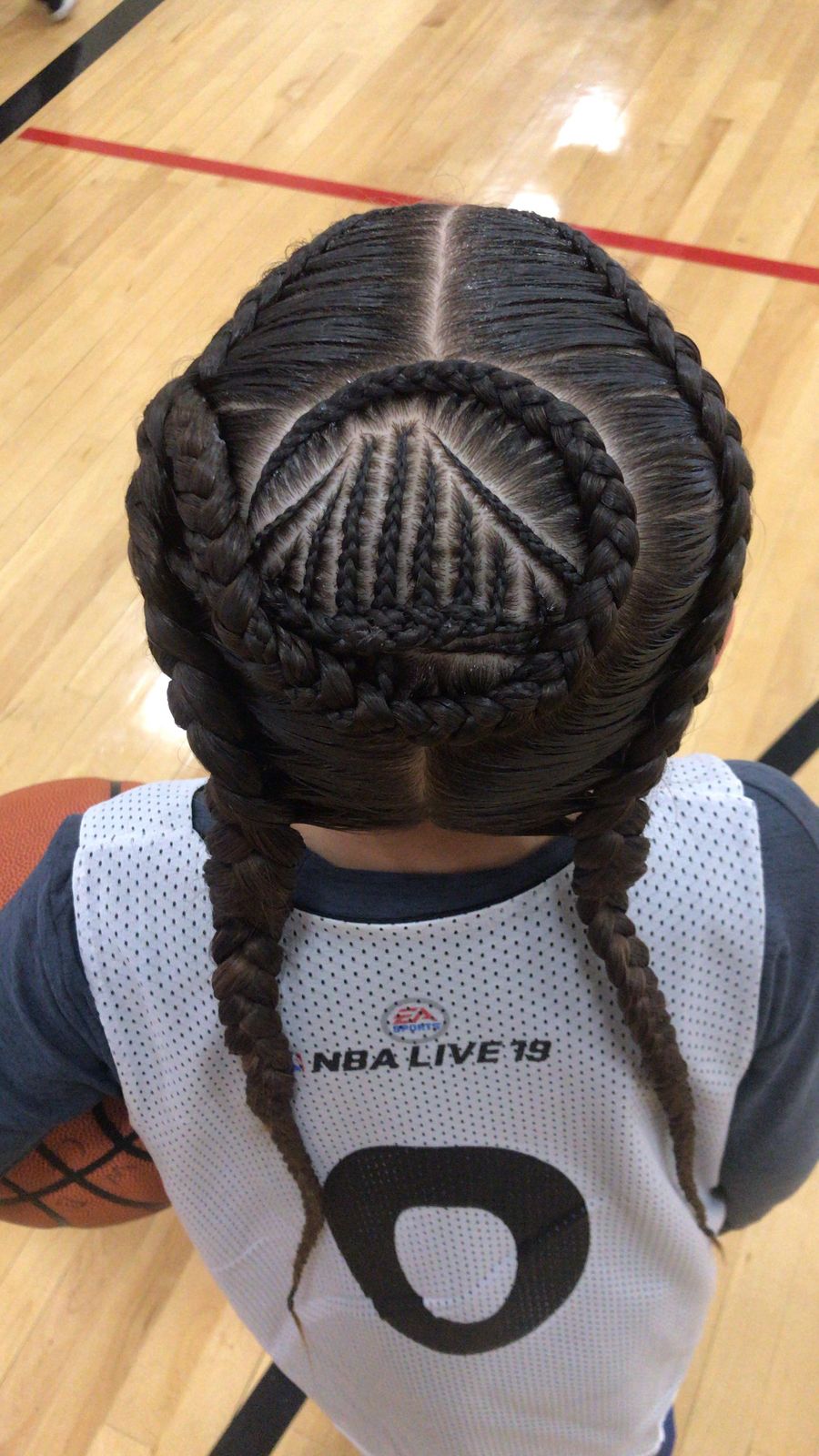
Can intricate scalp braids really last a whole basketball season? Yes, if you treat them right. The pattern here is dense, straight against the scalp, and the thick black hair gives it grip. Mid-back length means the braids swing, they don’t sit heavy. The back view shows the full map of the pattern, and that is the part that matters for longevity. Styling is a salon commitment, a few hours in the chair, but the payoff is weeks of no morning work. Wear them to practice, to games, to sleep with a silk scarf. Upkeep is minimal, just edge control at the hairline and a light oil on the scalp every few days. The braids hold their shape, the pattern stays crisp, and you do not think about your hair until it is time to take them down.
Final Thoughts
After writing all 32 of these, I noticed one thing: the best basketball hair doesn’t fight the game. It works with it. Braids that stay sealed, buns that don’t wobble, waves that air-dry while you run drills.
I am booking the braided ponytail with side part next. It’s the one I kept coming back to. No fight, no fuss, just hair that stays where I put it.