Every time I sit in the salon chair, I see someone else getting their fringe trimmed back to eyebrow length. The grow-out is real, and it takes months. I have been through it three times now, and I have opinions.
Here are 19 Hairstyles for Growing Out Bangs that actually work, from air-dried waves to sleek blowouts. Some need a round brush, some need patience, and a few just need a good braid. I wrote this for anyone with fine hair that goes flat by 4 pm, a visible grow-out line, or a fringe that will not sit still.
Air-Dried Wavy Mid-Back With Curtain Bangs
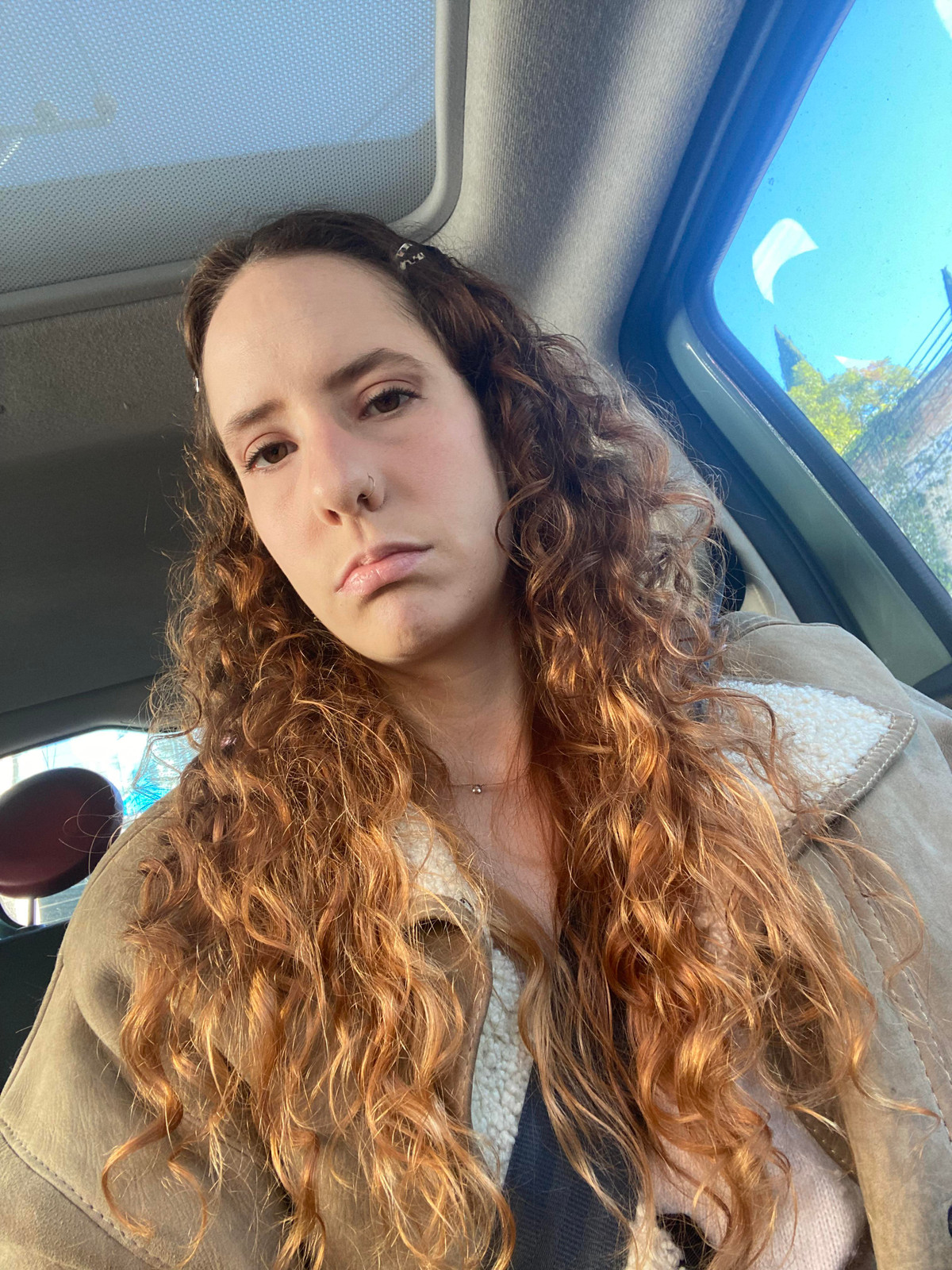
The curtain bangs land just past the cheekbone, which is the sweet spot for a grow-out that does not look like an accident. This is a cut built on long layers that start below the shoulder, so the bangs have somewhere to blend into. The texture is thick and wavy, which gives the bangs enough weight to stay put without constant re-styling. A middle part helps the curtain bangs fall symmetrically, and the dark blonde base with lighter highlights keeps the ends from reading as one solid block. If your hair is fine and straight, the curtain bangs may separate by noon — this one works best when there is some natural wave to disguise the transition.
Collarbone Waves With Soft Curtain Bangs
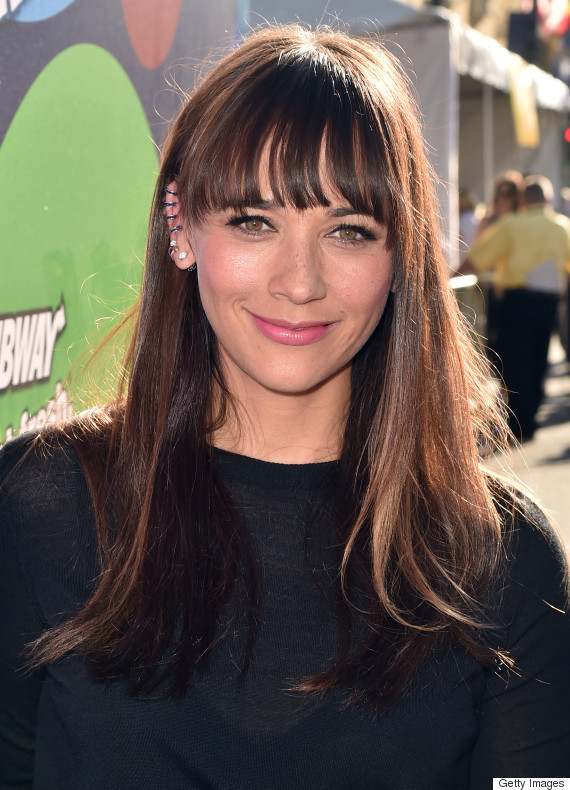
How much daily effort does a collarbone length with curtain bangs actually take? More than the photos suggest, but less than a full fringe. The cut uses layers throughout, so the waves have somewhere to land without looking chopped. The bangs are soft and wispy, which means they air-dry into place about half the time. The other half requires a quick blast with a round brush. A trim every six to eight weeks keeps the bangs from sliding into your eyes. The dark brown colour hides the grow-out line well, and the thick texture holds a wave for most of the day. It is a solid middle-ground option: not zero effort, but not a whole routine.
Honey Blonde Collarbone With Growing Side-Swept Bangs
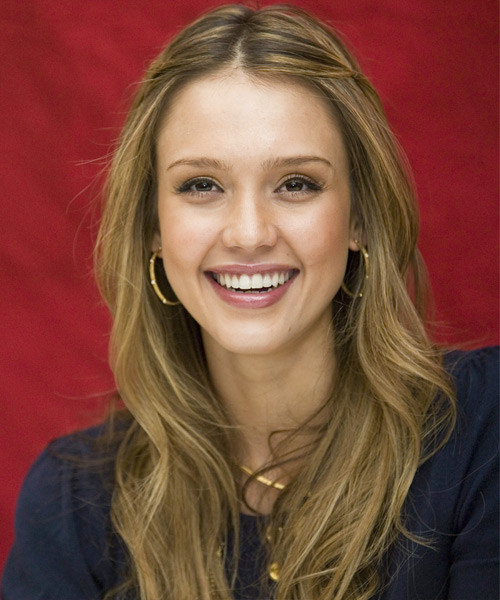
This one earns its keep. The side-swept bangs are cut on a diagonal, so the shortest point hits the brow bone and the longest blends into the collarbone-length layers beneath. That diagonal line is what makes the grow-out graceful — the bangs never hit a blunt wall. The honey blonde base with scattered highlights adds dimension, which helps the transition read as intentional rather than neglected. Ask your stylist for a soft A-line cut on the bangs, with the layers starting at the jaw. The texture is wavy and medium density, so the side-swept shape holds without product. A side part keeps the bangs sweeping cleanly across the forehead.
Shoulder Length Waves With Curtain Bangs

This is the haircut for the stretch between May and September, when the air is humid and your commitment to heat styling drops to near zero. The shoulder length means the waves land just above the collarbone, so they bounce without tangling. The curtain bangs are cut to graze the cheekbone, which is short enough to stay out of your eyes but long enough to tuck behind an ear by week three. The dark brown colour reads low-maintenance, and the thick wavy texture means you can scrunch and walk. A middle part keeps the curtain bangs balanced. The grow-out is forgiving because the layers are soft and the bangs blend into the rest of the cut.
Mid-Back Red Waves With Face-Framing Bangs
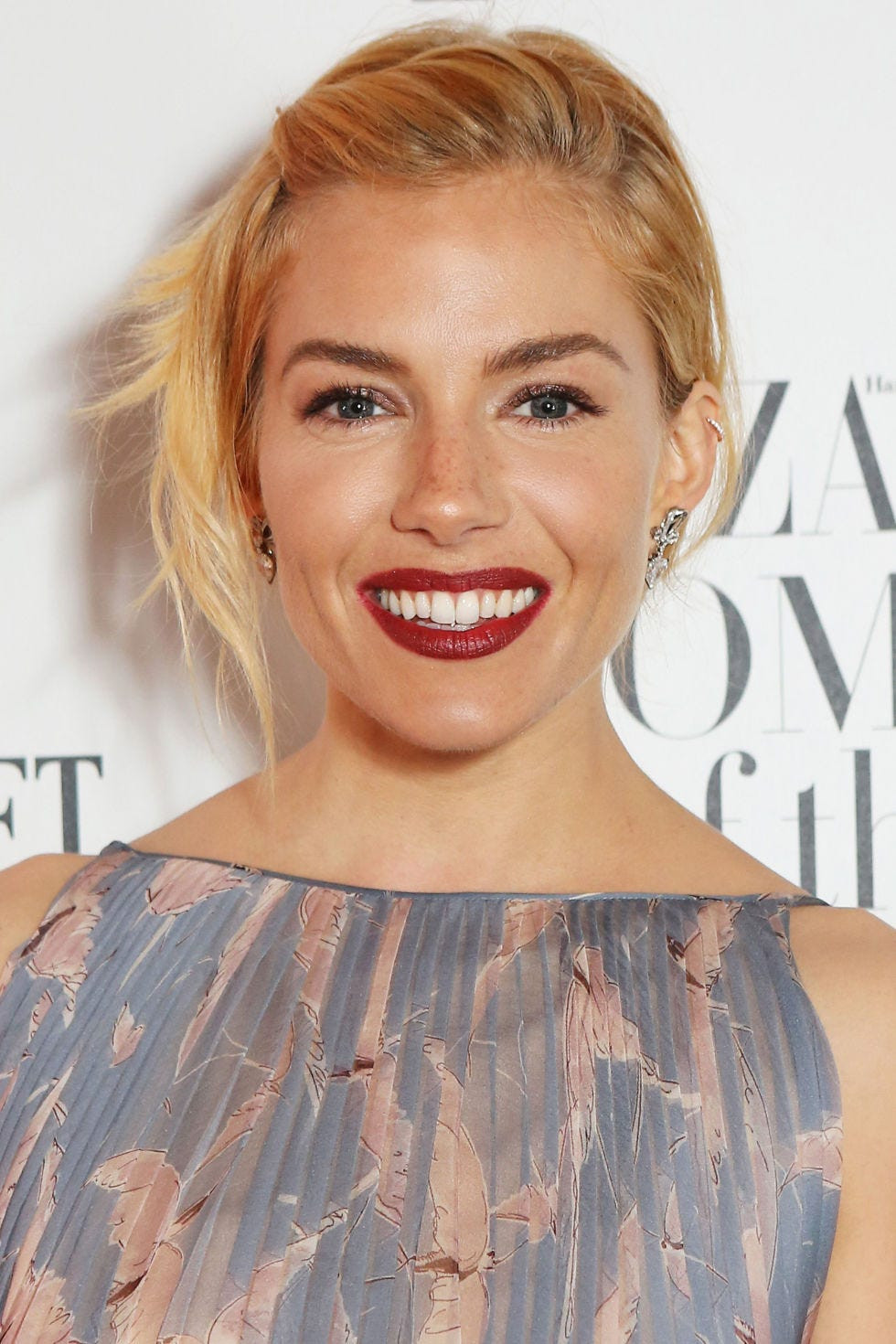
I will admit I was skeptical about red with face-framing bangs. The colour is loud, and the shorter pieces around the face are the first place split ends show up. But here is where it works: the face-framing bangs are cut to hit the jaw and the collarbone, so they do not sit in a blunt line. The layers start at the cheekbone and cascade down to mid-back, which gives the red waves movement rather than a solid curtain of colour. The middle part keeps the face-framing pieces symmetrical.
The honest downside is the upkeep. Red fades fast, and the shorter bangs will need a trim every four weeks to avoid frayed ends. The wavy texture helps disguise the grow-out phase, because the waves break up the line between colour and root. This one suits anyone with thick hair who does not mind a salon visit every month. If your hair is fine or prone to breakage, the shorter pieces may snap before they blend.
Air-Dried Collarbone Curtain Bangs

I’ll admit I was skeptical about a cut that relies on air-drying. But this collarbone length curtain bangs situation actually works. The long layers keep the shape from falling flat, and the middle part lets the curtain bangs fall where they should. Straight, medium density hair like mine holds a slight wave without product. The texture is soft, not crunchy. And here’s the real win: you can do this at home. No round brush, no blow-dryer, no three-hour salon appointment. I twist the bangs away from my face while damp and let gravity do the rest. It holds through a workday. By hour six, the wave relaxes but the curtain shape stays. That’s more than I expected from a no-heat routine.
Sleek Mid-Back With Side-Swept Bangs
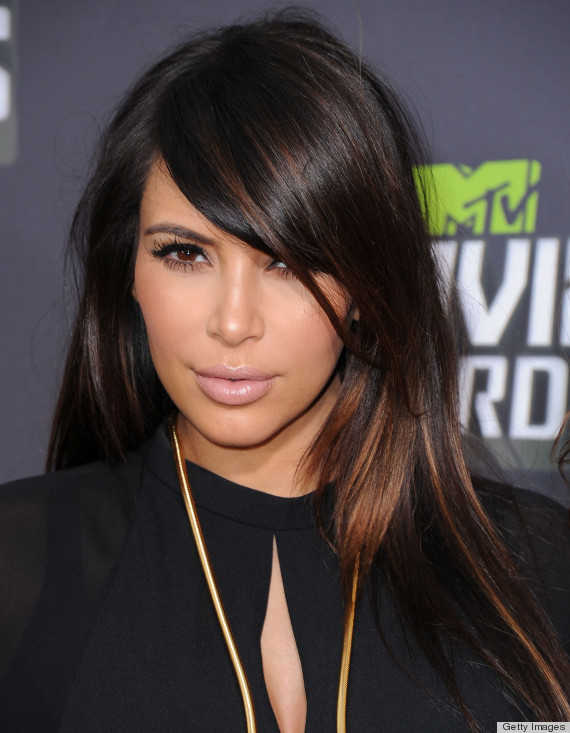
There is a specific kind of polish that only a flat iron can deliver. This sleek hair side swept bangs look lands best in cooler months, when humidity won’t fight the straight finish. The long layers are cut to fall smoothly, no break in the line. Mid-back length gives enough weight to keep the hair from puffing. The side-swept bangs are cut long enough to tuck behind the ear by week three, which is the real grow-out trick.
The daily maintenance is not nothing. I need a flat iron every morning to keep the sleek promise, and a light-hold spray to stop the bangs from migrating. The subtle highlights help break up the dark brown so the straight texture doesn’t read as flat. Trim every six to eight weeks, or the side-swept bangs start grazing the eye. Worth it for the days when you want your hair to look like you meant it.
Mid-Back Textured Waves With Wispy Bangs

I was not prepared for how quickly wispy bangs can look like an accident. This cut, with its long layers and mid-back length, relies on a side part to give the wispy bangs textured waves some direction. The texture is wavy, medium density, which helps the soft pieces blend into the rest. The honest downside: by day two, those wispy bangs start separating into sad little strings. A texturizing spray helps, but only if you re-scrunch. The layers keep the overall shape from collapsing, but the bangs need attention. If you are not willing to refresh them daily, skip this one. It looks great for four hours, then it becomes a negotiation.
Ash Blonde Straight Mid-Back With Sweeping Bangs
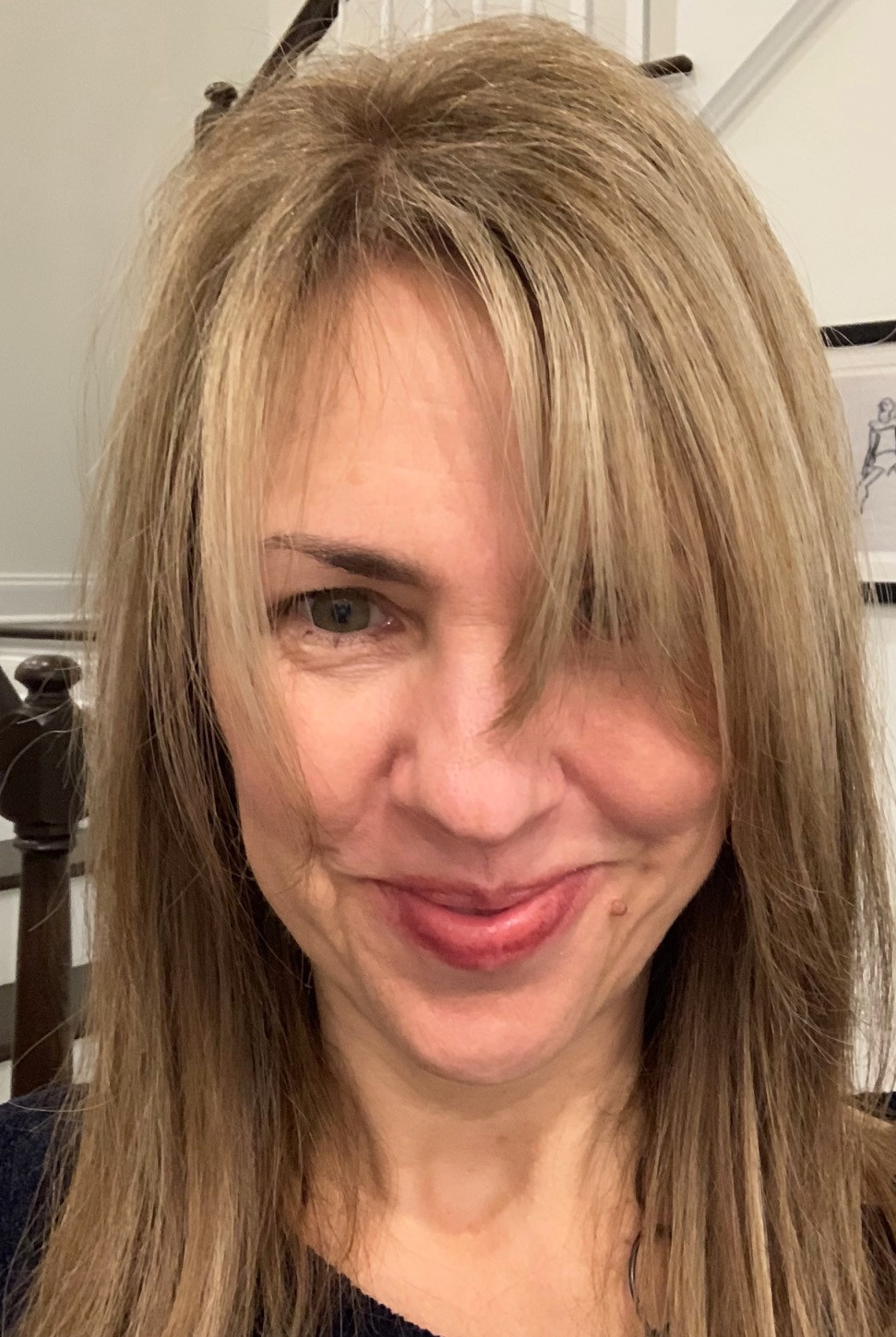
Do you have fine to medium hair and a round face that needs some diagonal length? Then this ash blonde sweeping bangs cut might be your answer. The long layers are subtle, just enough to remove bulk without losing the straight line. Mid-back length anchors the sweep. The side-swept bangs are cut to hit just below the cheekbone, which lengthens a round face and softens a square jaw. The ash blonde tone reads cool next to warm skin, and the straight texture keeps the bangs lying flat where they should.
Who should pass? Anyone with very thick or coily hair. The sweeping bangs will want to lift, and the ash blonde can turn muddy on warm undertones. Fine to medium density, straight or slightly wavy texture, that is the sweet spot. A round brush and hairdryer give the volume, but the shape works air-dried too, as long as you blow the bangs to the side while damp. Trim every six weeks to keep the sweep precise.
Thick Brown Waves With Wispy Bangs

Full blunt bangs on thick hair can feel like a helmet. Wispy bangs are the smarter bet. This cut uses long layers through the mid-back length to keep the thick hair wispy bangs from turning bulky. The texture is wavy and thick, so the wispy pieces need to be cut with texture shears, not just point-cut. The subtle blonde highlights add dimension, which is key because thick brown waves can read as one solid block without it. The middle part lets the wispy bangs frame both sides evenly. Compared to a heavy fringe, this version is lighter, moves more, and grows out without that awkward shelf. I pick wispy over blunt every time for thick hair. The trade-off is a trim every four weeks instead of six, but the softness is worth it.
Voluminous Dark Brown Blowout With Curtain Bangs
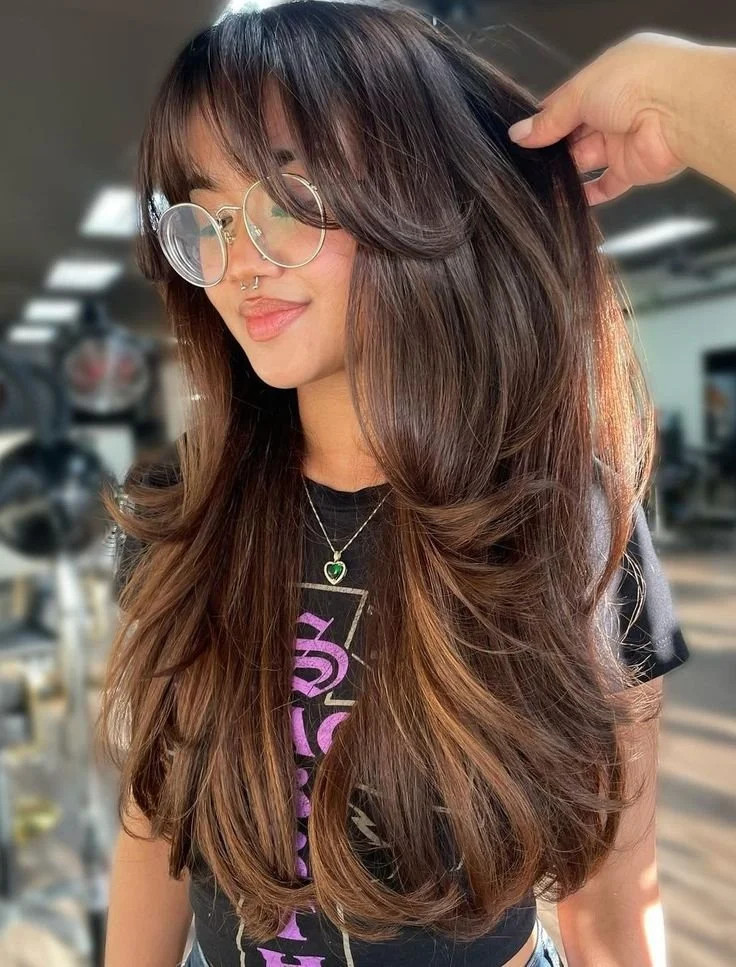
The blowout does the heavy lifting here. A round brush lifts each section at the root, then pulls the mid-lengths forward over the brush to build that soft curl. The curtain bangs get the same treatment: directed outward, not straight down, so they open across the forehead instead of hanging flat. Those dramatic face-framing layers are cut to land at the cheekbone and collarbone, which gives the wave somewhere to stack. The cut itself is long layers throughout, nothing aggressive, just enough to keep the mid-back length from turning into a triangle. Dark brown with warm undertones reads rich under the curl. This is a voluminous blowout curtain bangs situation that needs a full dry, not a ten-minute speed round.
Middle part, front view, slight angle. The volume holds if you let each section cool in the brush before releasing. Thick hair gets the best result here; fine hair will need a volumizing product at the root to keep the lift past lunch.
Shoulder Length Curls With Voluminous Bangs
I want to love this on everyone. I cannot. The voluminous curly bangs are a commitment, not a whim. Shoulder length, dark brown, thick texture, long layers cut to let the curl spring instead of flatten. Middle part, front view. The curly bangs shoulder length combo works if your hair already curls naturally. If you have straight hair and want this, you are signing up for a perm or daily styling with a curling wand and a prayer against humidity. The honest downside: frizz lives here. A curl-defining cream and diffusing help, but a humid day will still test your patience. Skip this if you want a low-effort grow-out. The bangs will need a trim every four to six weeks to stay shaped, and that is not a suggestion.
Collarbone Shag With Textured Curtain Bangs
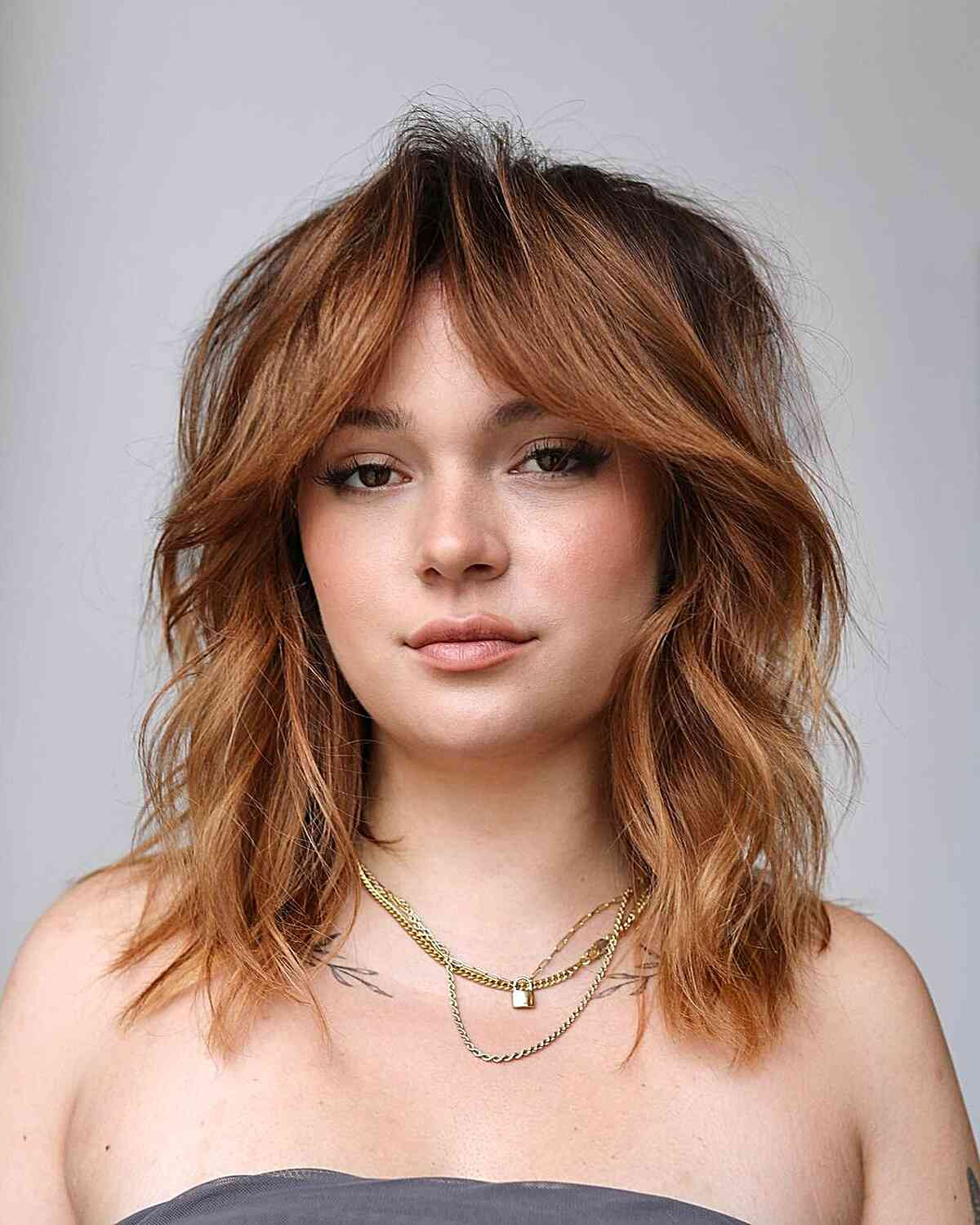
How does a shag hold up on day four? The answer depends on how you slept and whether you own dry shampoo. Collarbone length, medium auburn with lighter copper highlights, wavy texture, medium density. The shag cut curtain bangs structure is built on layers: short layers at the crown for lift, longer ones through the mid-lengths, and the curtain bangs cut to connect to the shortest layer. Middle part, front view. The upkeep is real. Those textured bangs will grow into your eyes by week three, and the shag loses its shape faster than a blunt cut because every layer has an edge that blunts with time. A trim every six to eight weeks keeps the layers from turning into one shapeless mass. Air drying with a texturizing spray works, but a diffuser gives the waves more definition and the bangs more direction.
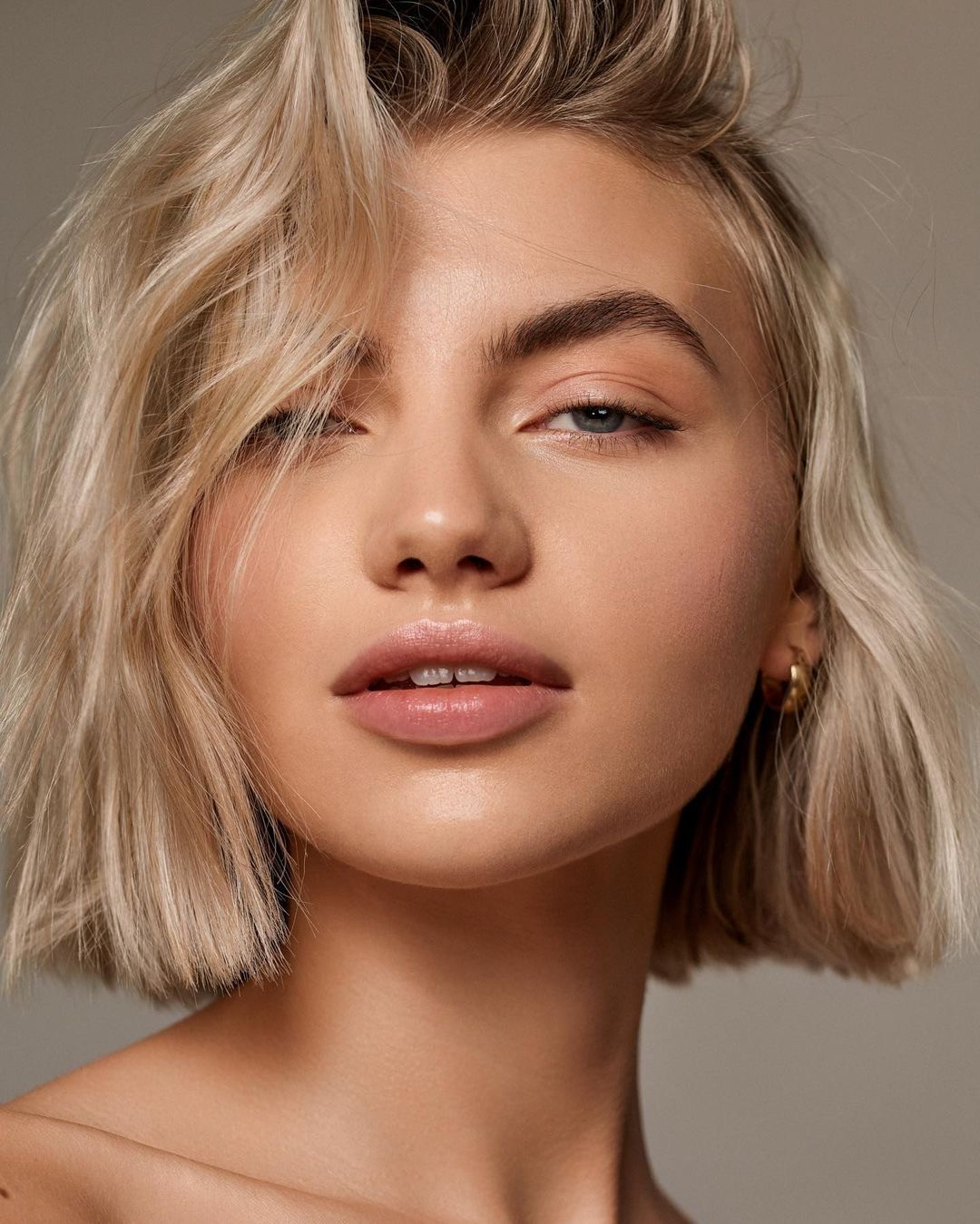
Ash Blonde Long Bob With Voluminous Curtain Bangs

This lands in the cooler months for a reason. Ash blonde reads best in low, soft light, not July sun that pulls every warm undertone out of the toner. Collarbone length, wavy texture, medium to thick density, middle part. The long bob voluminous curtain bangs shape is a blunt baseline with soft waves layered through the ends. The curtain bangs are cut to sweep outward, framing the cheekbones and jaw. The root shadow at the base keeps the grow-out line blurred for eight weeks, which is generous for an ash tone. Front view, soft waves with volume. This is not a summer colour. The ash will fade fast in chlorine or salt water, and a purple shampoo becomes a weekly ritual. If you want a low-maintenance blonde, pick a warmer shade. If you want this specific cool, muted finish, book it for October and enjoy it through March.
Dark Brown Mid-Back Waves With Face-Framing Layers
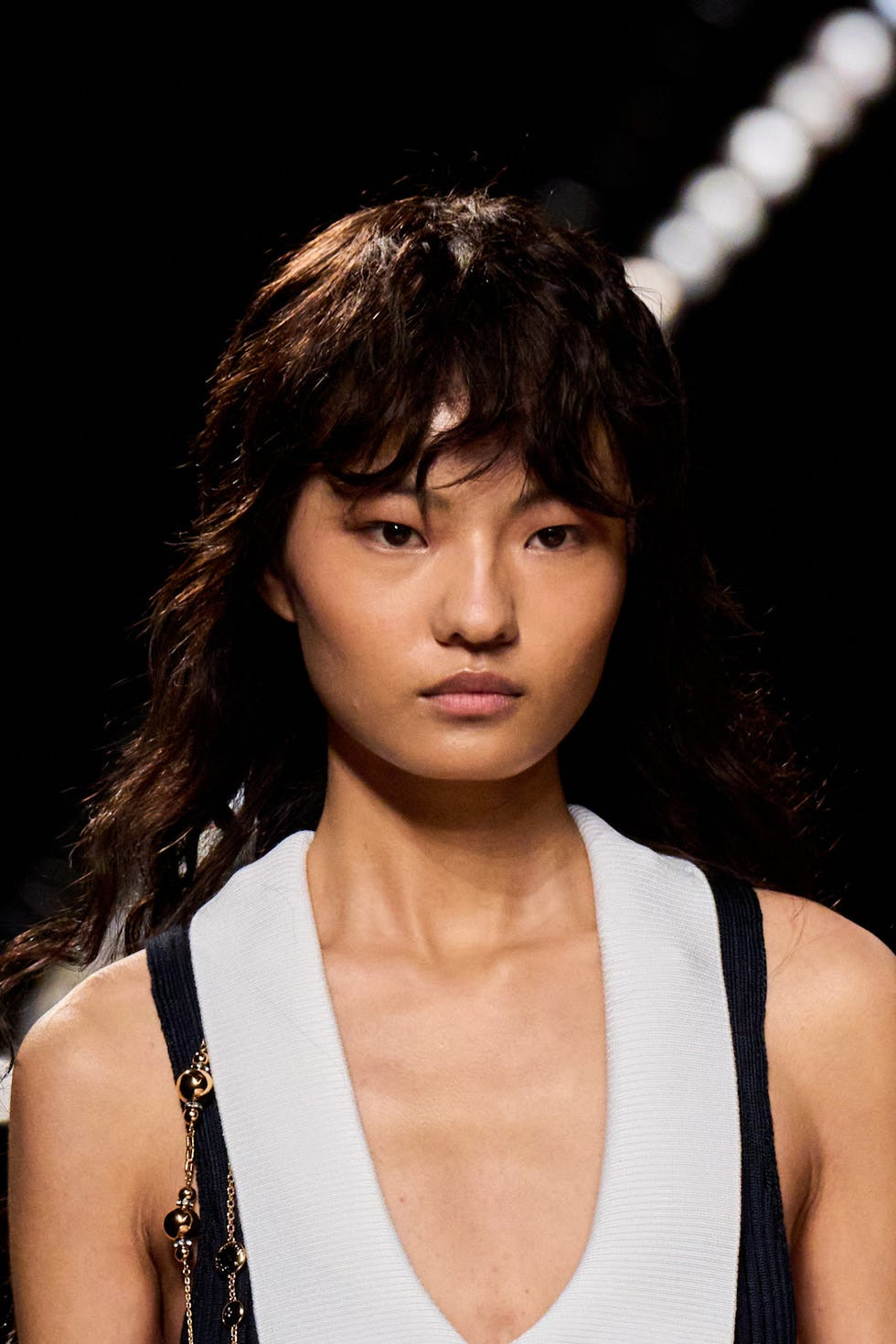
I will take face-framing layers over curtain bangs every time for a low-fuss grow-out. The mid back hair face framing layers approach is a salon technique, not a DIY job. The stylist cuts the shortest layer to land at the cheekbone, then stair-steps down to the collarbone and the mid-back length. The curtain bangs blend into that shortest layer, so as they grow, they just become part of the face-framing shape instead of hanging separate and awkward. Dark brown, wavy, thick texture, middle part, front view. Air dried with a texturizing spray. The difference between this and a standard layered cut is precision. A general layer cut will leave the bangs stranded. A face-framing cut integrates them. That is a salon conversation, not a bathroom-mirror decision. Book the consultation, explain you want the bangs to disappear into the layers over time, and let the scissors do the work.
At home, you scrunch and go. The layers do the blending for you. Trim every eight to ten weeks to keep the shortest piece from hitting your nose before the rest catches up.
Chin Length Bob With Side-Swept Bangs
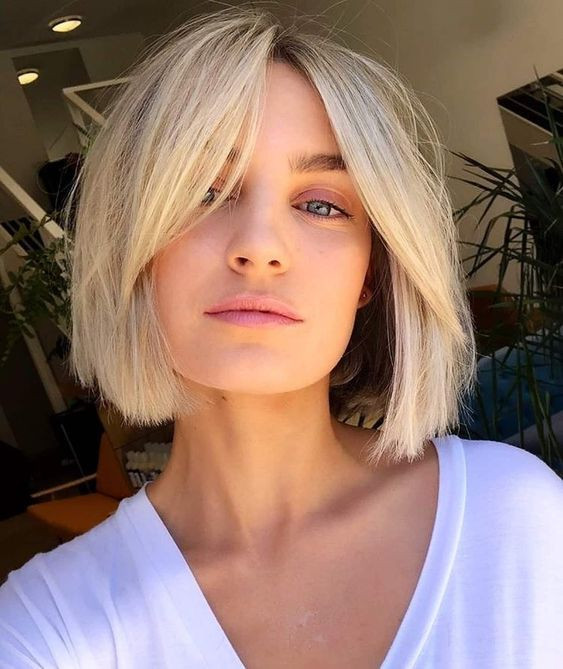
I will admit: I was skeptical a chin length bob could make growing out bangs look intentional rather than apologetic. The side-swept bangs blend into the bob’s straight, fine layers, and the middle part keeps it from reading as a blunt line. The cut lands at chin length, which means the bangs are long enough to tuck behind an ear by week three. Here is the honest downside: fine hair may not hold the bob’s shape or the side-swept placement without a light spray, my own density collapsed by midday. The ash blonde with subtle highlights helps, adding the illusion of texture where there is none.
Shoulder Length Blowout With Full Bangs
Short Wavy Blonde With Braided Accent
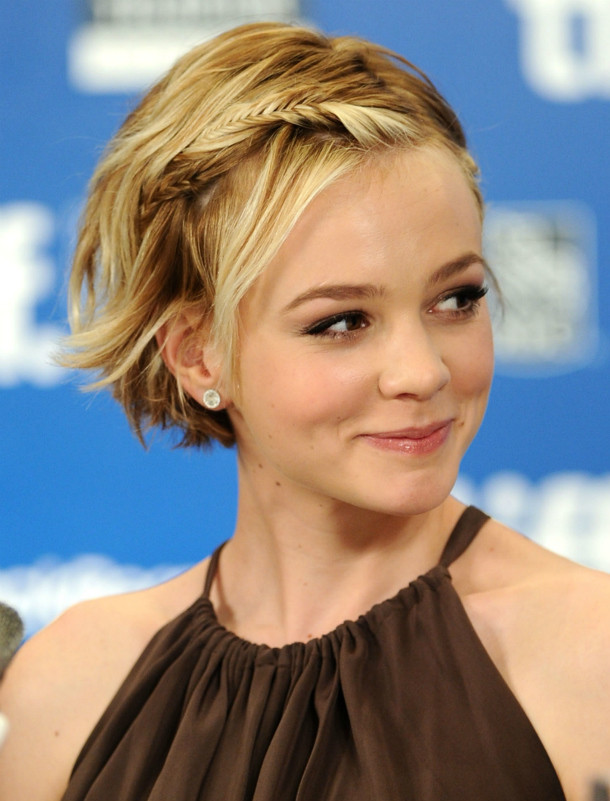
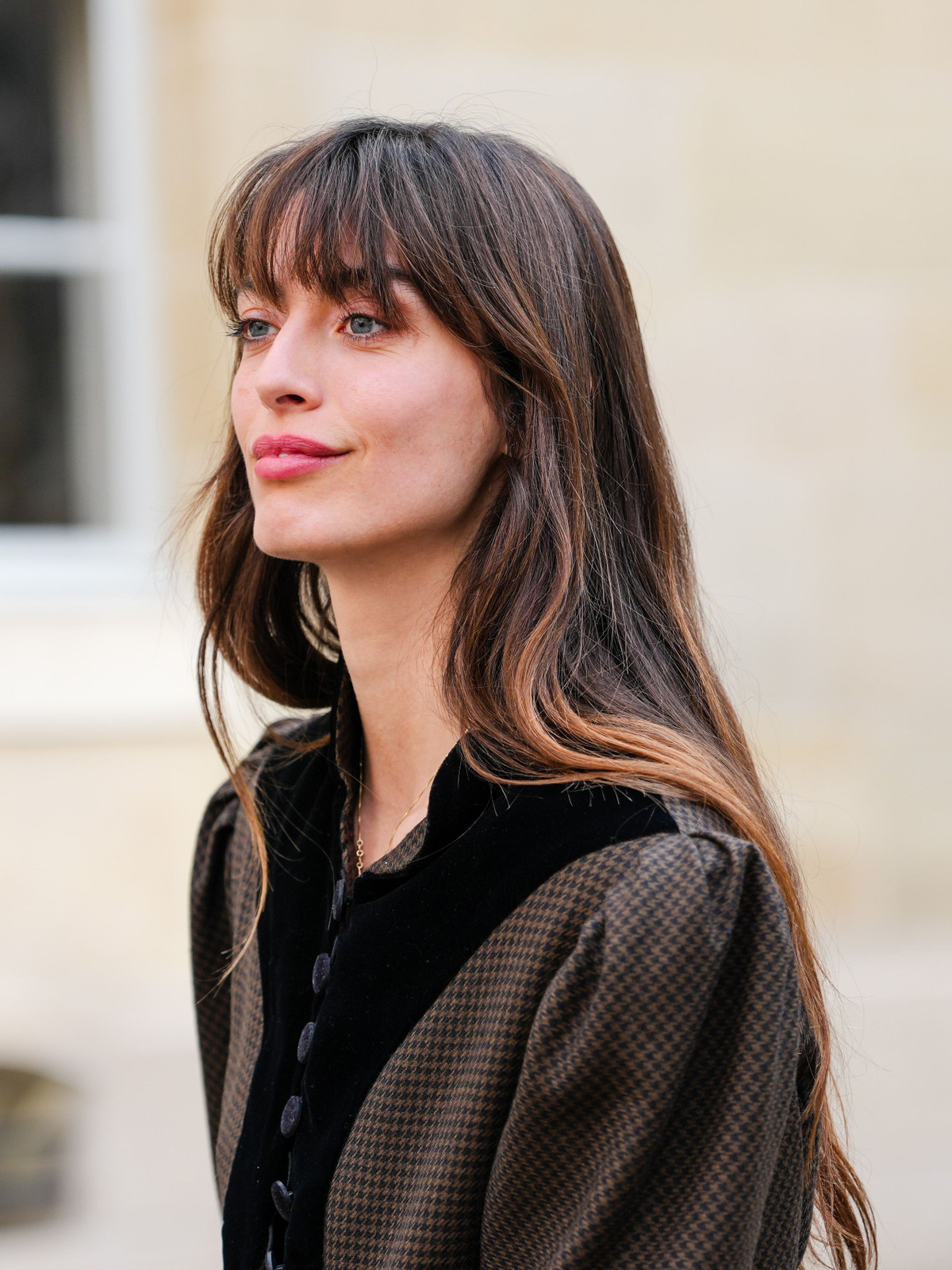
Honestly, I was not expecting a braid to be the answer. The short wavy blonde cut uses layers that stop above the jaw, and the wispy bangs are too short to sweep, too long to ignore. The braided accent takes those bangs and pulls them into a tiny three-strand plait along the hairline, pinned at the temple. It is a simple technique: section the bang area, braid loosely, secure with a bobby pin. The waves stay textured, the bangs are managed, and the whole thing reads as playful rather than desperate. A texturizing spray helps the braid grip.
Long Black Wavy With Braided Accents
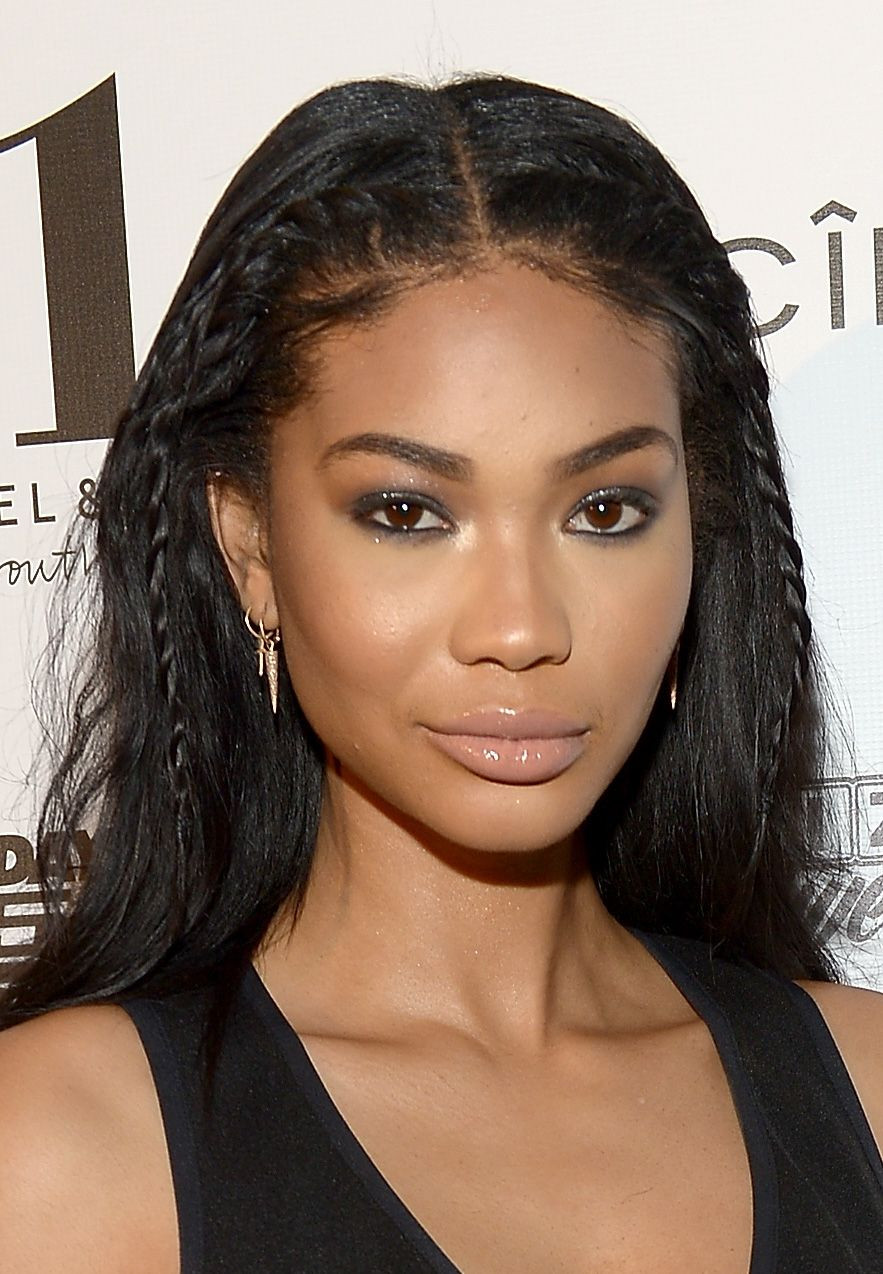
Could braids replace bangs entirely? For this length, yes. The long black wavy hair has no bangs at all, and the thick, wavy texture is managed with small braids along the hairline, pinned back. It is a styling choice, not a cut modification, which means you keep the long layers and the middle part.
Compare this to managing actual bangs at this length: the braids do not grow out, they do not separate by noon, and they require zero trims. The upkeep is purely on the wavy texture itself, a texturizing spray and a ten- to twelve-week trim rhythm. The braids read as bohemian and deliberate, not like a grow-out phase. I would pick this over a fringe any day.
Final Thoughts
I started this list thinking curtain bangs were the only answer. After writing all of them, I am booking the collarbone shag with textured curtain bangs next. It hides the grow-out line and does not need a blow-dryer to look intentional.