
I keep seeing the same thing in the salon chair next to mine: women asking for highlights that don’t look like a single uniform stripe from root to end. They want dimension, a little chaos, something that moves. And honestly, after eight years of watching bleach jobs grow out, I get it. A flat highlight is a grow-out line waiting to happen.
So here are 25 Highlights that actually work with your hair, not against it. From low-maintenance root shadows to high-contrast streaks, from fine strands that go flat by 4 pm to thick waves that hold a curl. I tested the upkeep, the styling time, and the honest grow-out on my own head. This is what I learned.
Vanilla Butter Blonde With Soft Curls
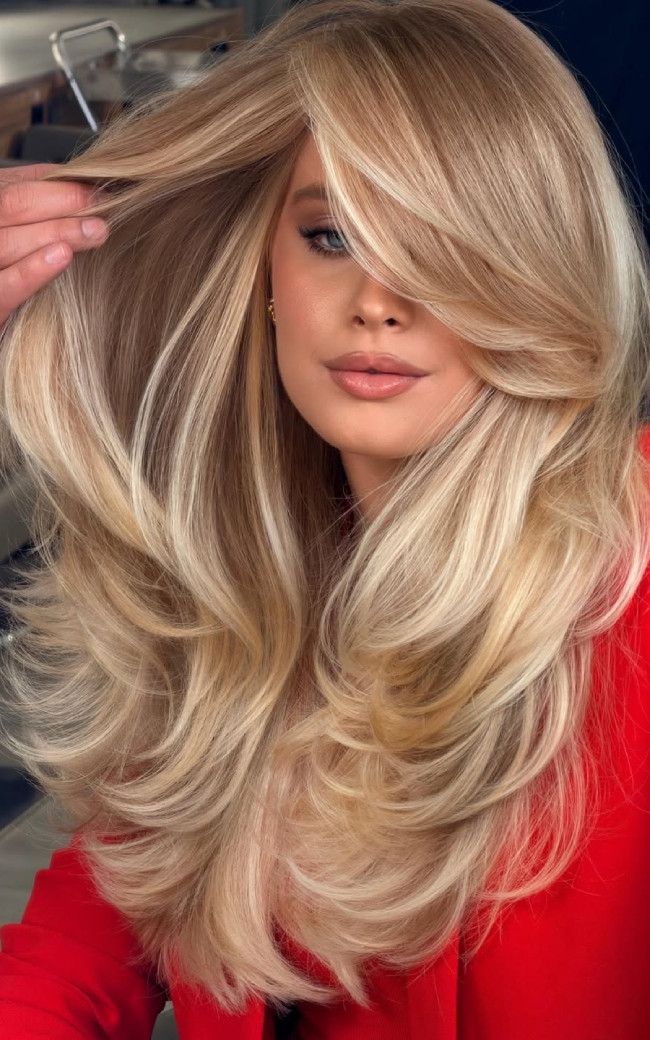
This is the shade you see in a magazine and assume requires a personal colorist on retainer. The vanilla butter blonde tone is warm without tipping into yellow, and the lighter blonde highlights catch the light in a way that makes the whole head look expensive. The base is platinum, the technique is hand-painted foils, and the tone stays creamy for about four weeks before a purple shampoo becomes non-negotiable. It works best on wavy, thick texture at mid-back length because the volume holds the curl pattern and the weight keeps the side-swept bangs from floating away. Fine hair will struggle here — the long layers need density to land right.
Dark Brown Lob With Pink and Blonde Streaks
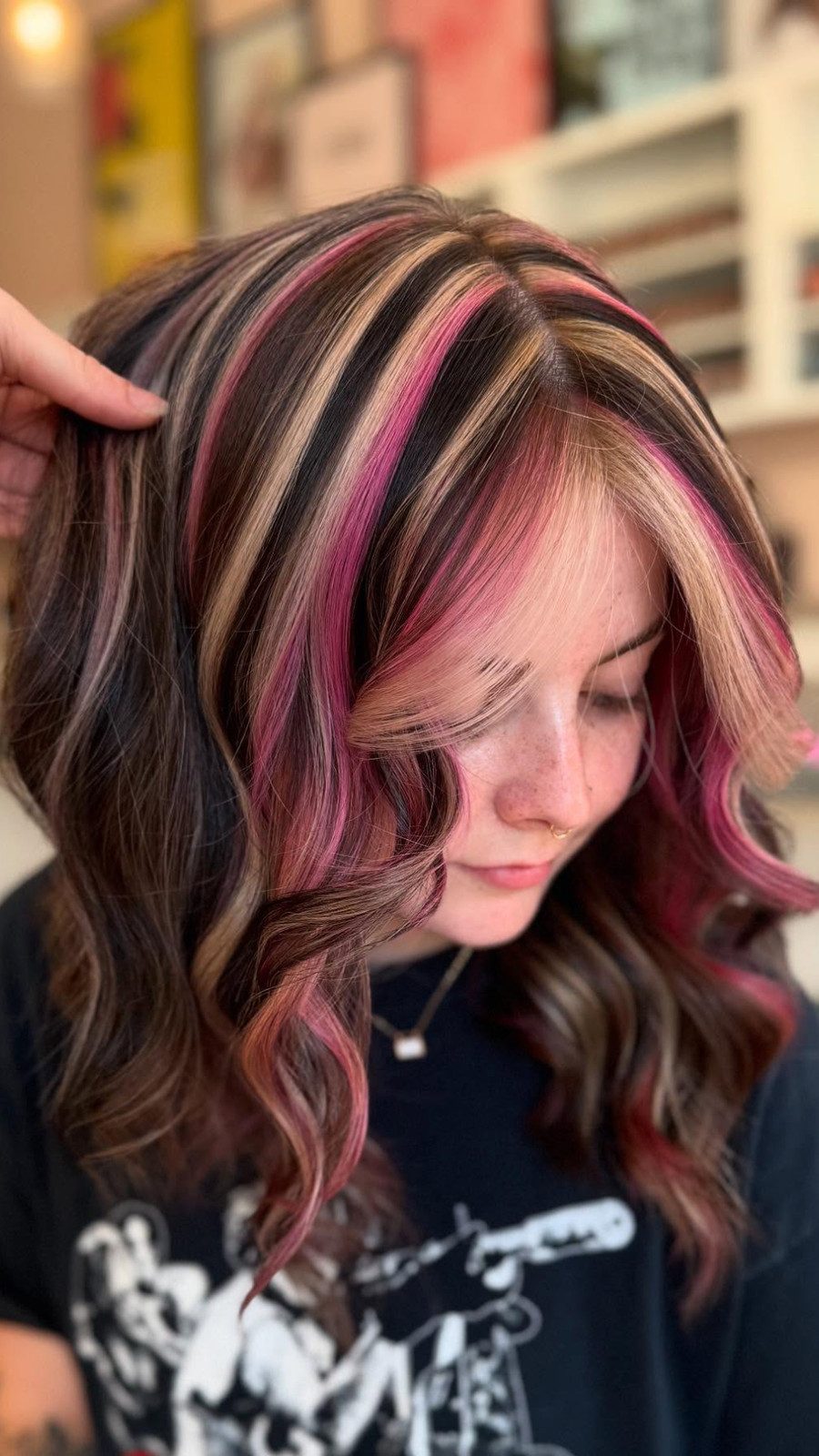
I will say it plainly: chunky pink blonde highlights are not for the timid. The dark brown base sits heavy and serious, then the pink and blonde streaks cut through like a deliberate interruption. The technique is sectioned foils, not a full balayage, so the contrast reads as intentional stripes rather than a soft fade. The tone is cool on the blonde, warm on the pink, which means two different toning schedules. The honest downside is the pink fades first — expect a color refresher every four to six weeks if you want it to stay bubblegum and not peachy. Works on collarbone-length wavy, medium-density texture; the lob keeps the chunky placement from looking chaotic.
Subtle Blended Blonde Highlights
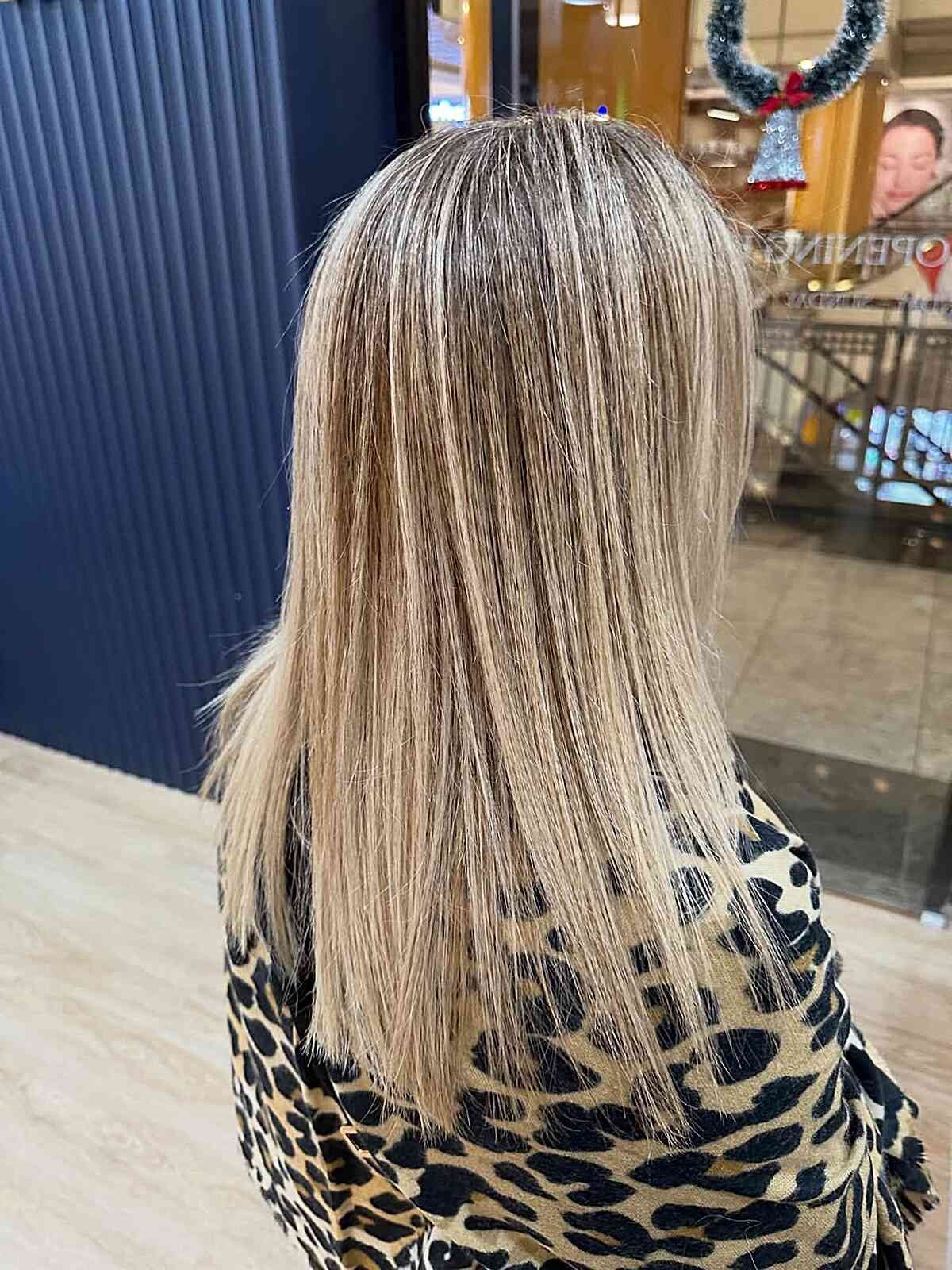
Ever see a blonde that looks like it just happened naturally, no foil involved? That is the trick of subtle blonde highlights. The technique here is babylights — ultra-fine sections painted close to the root so the blended highlights read as a soft lift rather than stripes. The base is light blonde, the tone is neutral, and the result is a seamless graduation from root to end. No hard line, no obvious starting point.
When you sit in the chair, say these exact words: “I want the lightest possible lift, painted in fine sections, with no visible demarcation at the root.” The stylist will know you mean babylights, not a full highlight. This works on straight, medium-density texture at mid-back length because the uniformity of the hair lets the subtle shifts show. A middle part helps the blend read evenly from the back view.
Bronde Base With Dimensional Blonde Highlights
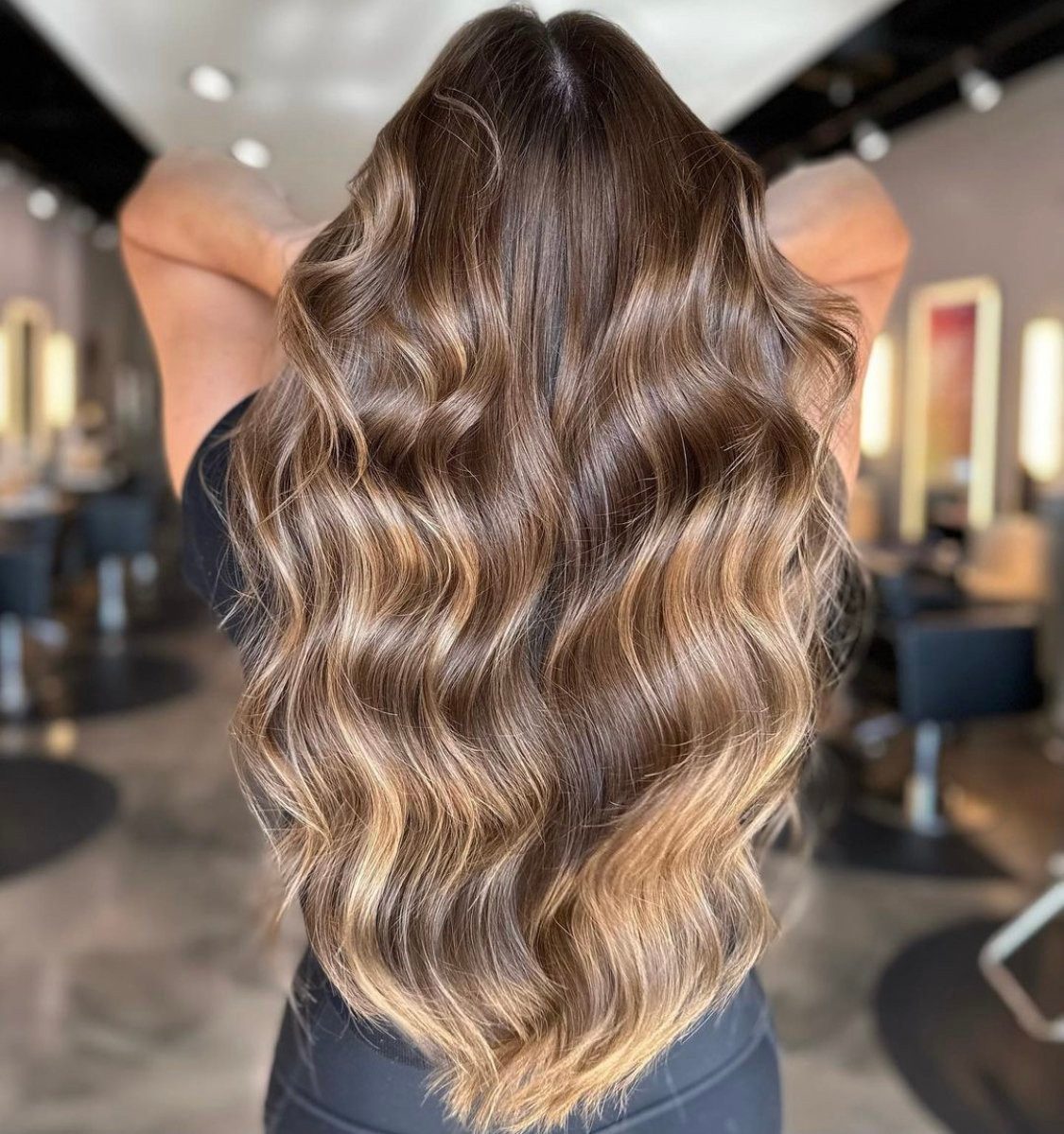
I will confess: I booked this twice in one season because the grow-out is that forgiving. The bronde highlights sit on a base that is neither brown nor blonde but something in between, and the dimensional blonde highlights are painted in varying widths so the whole thing looks lived-in from day one. The technique is a freehand balayage, not foils, which means the tone melts rather than jumps. The base is warm brown, the highlights are a few shades lighter, and the result is a color that does not scream for a root touch-up at week six. On wavy, thick texture at mid-back length, the layers catch the dimensional pieces and the wavy blowout makes the highlights look like they move on their own. I stretched my last appointment to eleven weeks and nobody noticed.
Dark Brown With Face-Framing Blonde Streaks
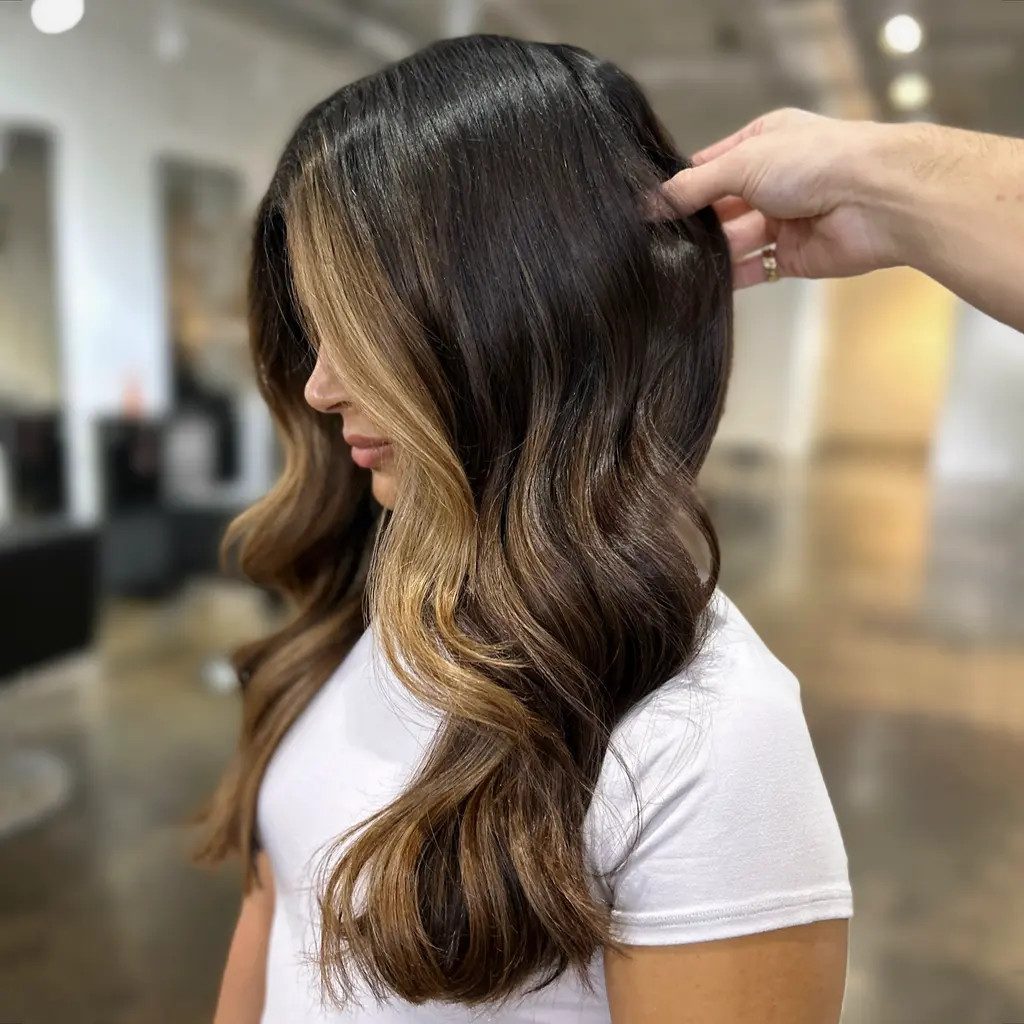
My gut says this is the most flattering entry in the roundup for anyone who wants impact without committing their whole head. The face framing blonde highlights sit right at the front hairline and cheekbones, leaving the rest of the dark brown hair untouched. The technique is a partial foil, painted only on the sections that frame the face, and the tone is a warm blonde that pops against the cool brown base. The contrast is the whole point.
This is a salon job, not a bathroom-mirror project. The placement needs to be precise — too wide and it looks like a stripe, too thin and it disappears. It works on wavy, thick texture at mid-back length because the waves soften the transition between the dark and light sections. A side part lets the streaks fall forward naturally. If your hair is fine or your face is very round, keep the streaks narrow and start them an inch below the root to avoid widening the face visually.
High Contrast Blonde Highlights on Dark Brown Lob
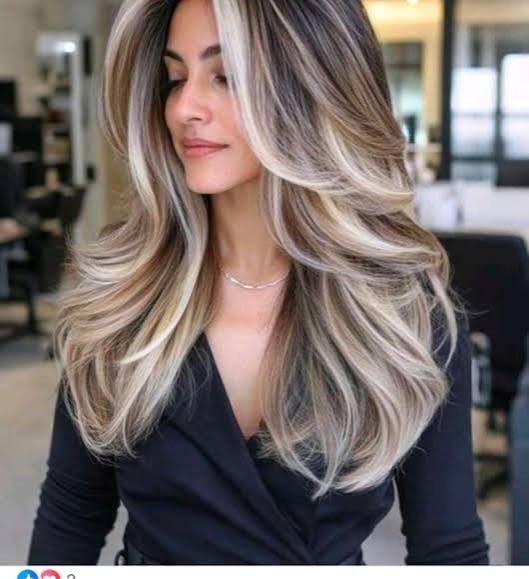
You see the photo and think: bold. And it is. But here is where most people mess this up. That dark brown base with high contrast blonde highlights wants to turn brassy by week three, especially if your water has minerals or you skip a purple shampoo. The lob hits collarbone, the curtain bangs frame the face, and the waves are thick and wavy. The technique is foil highlights, not balayage, which means the line is deliberate, not blended. That is the whole point. A root shadow at the start buys you six calm weeks. Skip it and you are back in the chair at four, asking them to fix a line that already looks harsh.
Platinum Blonde With Ash Undertones
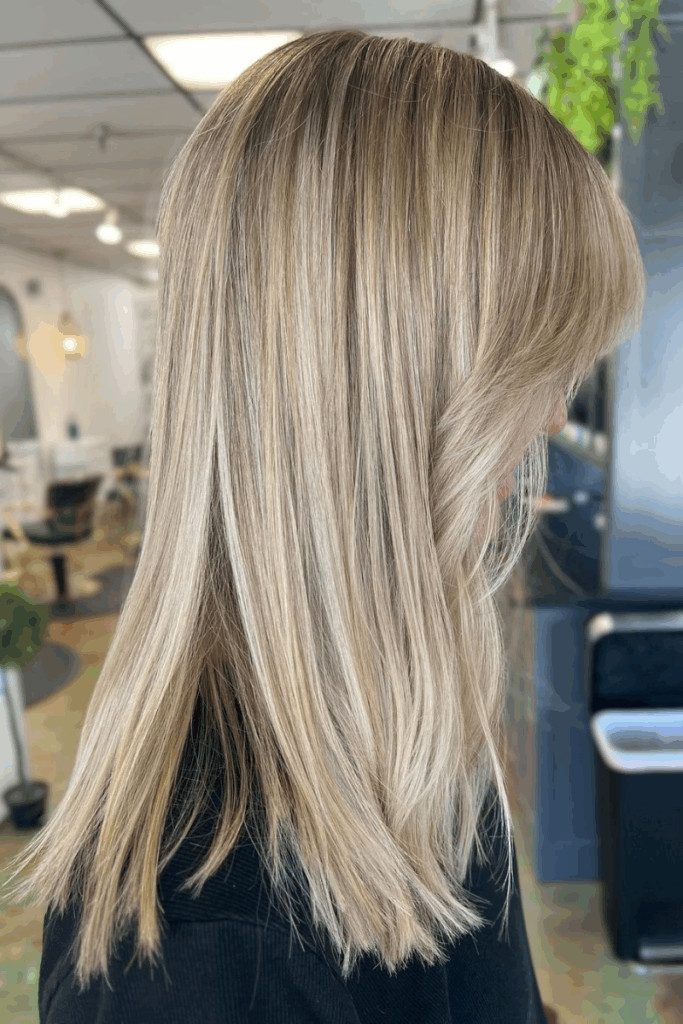
Platinum blonde ash undertones do not happen in one round. The base has to lift to a pale yellow first, then the toner cancels the warmth. That is the part people forget. This bright platinum blonde sits at collarbone, straight and fine, with long layers that give it movement without losing density. No bangs, middle part. The technique is a full foil with a toner gloss on top. The ash tone is the last step, and it fades fastest. A purple shampoo keeps it cool for maybe two washes. After that, you are booking a toner refresh. Fine hair holds the colour well because it lifts evenly, but the ends will show wear first. Trim every six weeks or the platinum reads yellow at the tips.
Ash Brown With Ash Blonde Highlights
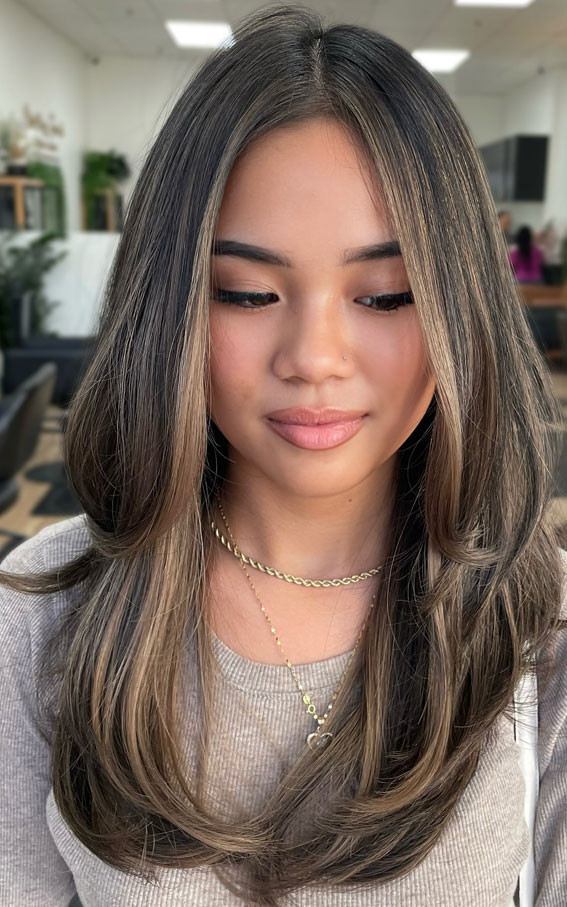
Does anyone actually keep ash tones past week two? Yes, but not without a plan. This ash brown ash blonde highlights combination is mid-back, wavy and thick, with layers that catch the light. The dimensional colour comes from weaving cool-toned highlights through a cool brown base. No warm tones anywhere. That is the trick. The technique is a partial foil with a toner on both the base and the highlights. Same family, different levels. The grow-out is forgiving because the root is already dark and cool. You can push to ten weeks before the line shows. But the ash will pull greenish if your water is hard. A purple shampoo is not enough here. You need a blue shampoo for the brown sections. Two shampoos, one shower. Worth it when the colour stays cool through a full week.
Dimensional Blonde Highlights
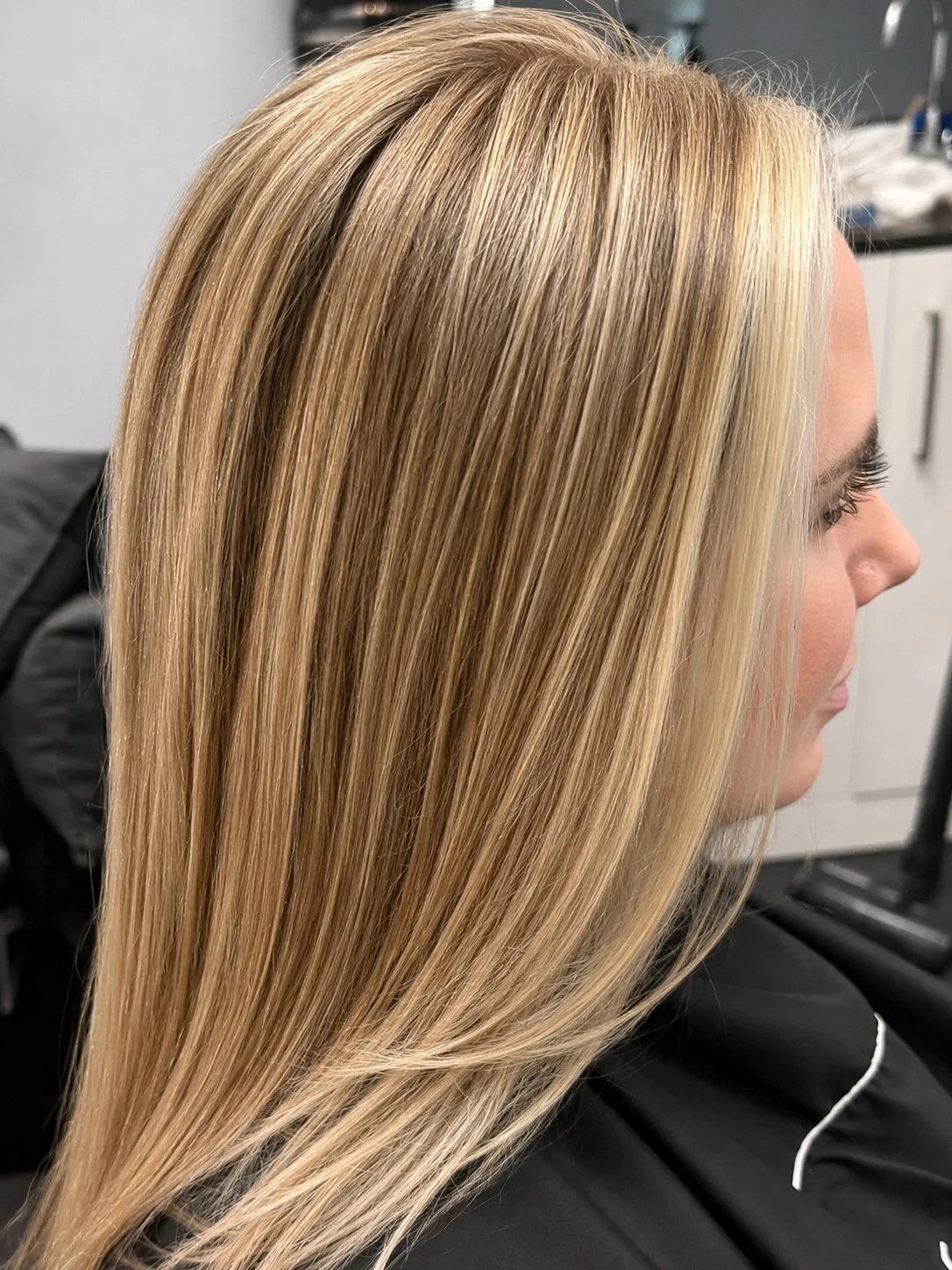
This is the one I send fine-haired friends to. Dimensional blonde highlights, finely woven through collarbone-length layers, no bangs, middle part. The technique is a partial foil with a gloss that ties the tones together. The base is a warm blonde, the highlights are lighter and cooler. That contrast creates the illusion of density. Straight blowout, medium density hair. It works because the highlights are not chunky and not too light. They sit inside the cut, not on top. If your hair is very fine, skip the full head. Ask for face-framing pieces only. The rest of the head stays one shade. That keeps the weight at the ends. This look flatters oval and heart shapes best. Round faces need the highlights to start below the jaw, not at the root.
Dark Brown With Caramel and Ash Brown Highlights
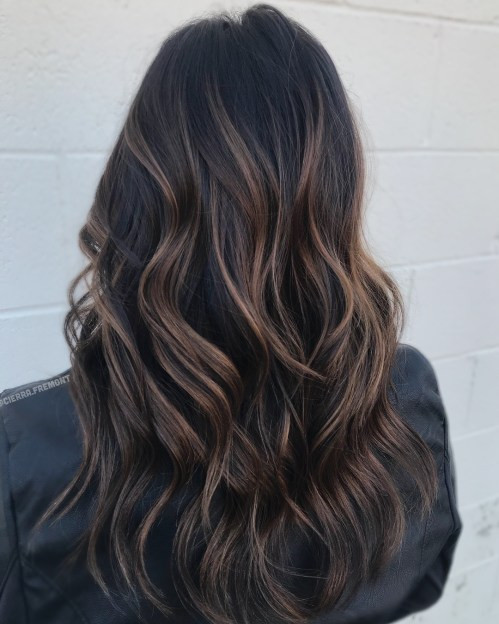
I wanted to hate this. Dark brown hair with caramel ash brown highlights sounds like two different moods fighting on one head. But it works. The caramel gives warmth, the ash brown keeps it from looking brassy. Mid-back, wavy and thick, layers throughout. The technique is a weave of two highlight colours through a dark base. The caramel goes on top sections, the ash brown goes underneath. That is the move. The downside: warm tones fade warm. The caramel will shift first, usually by week four. A color-depositing conditioner in a neutral brown helps. The ash side holds longer. The overall effect is rich and forgiving. Grow-out is soft because the base is dark. You can stretch to twelve weeks before the line shows. That is rare for a two-tone highlight job.
Even Blonde Highlights
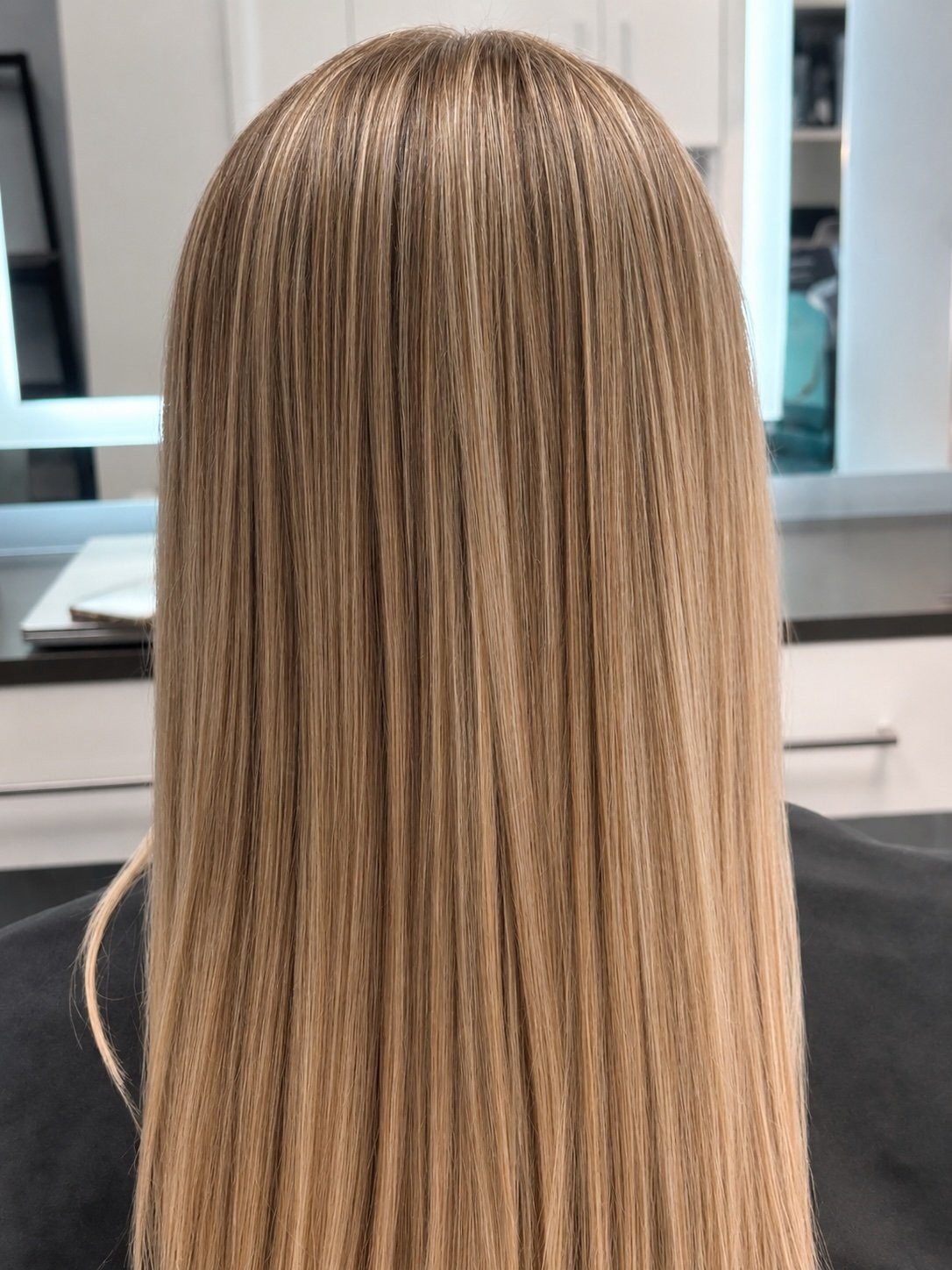
Every highlight here is the same width, the same distance from the root, the same pale blonde. That takes discipline. The stylist used foils, sectioned the hair into precise quadrants, and processed each one to the exact same lift. No variation, no soft blur at the root. The result is a collarbone-length, straight, thick canvas where the colour reads like a pattern. Evenly distributed across every layer. Clean, deliberate, and not something you get from a box or a friend with a cap. This is a salon appointment where you sit still and let someone with a steady hand work.
Dark Brown With Blonde and Caramel Waves
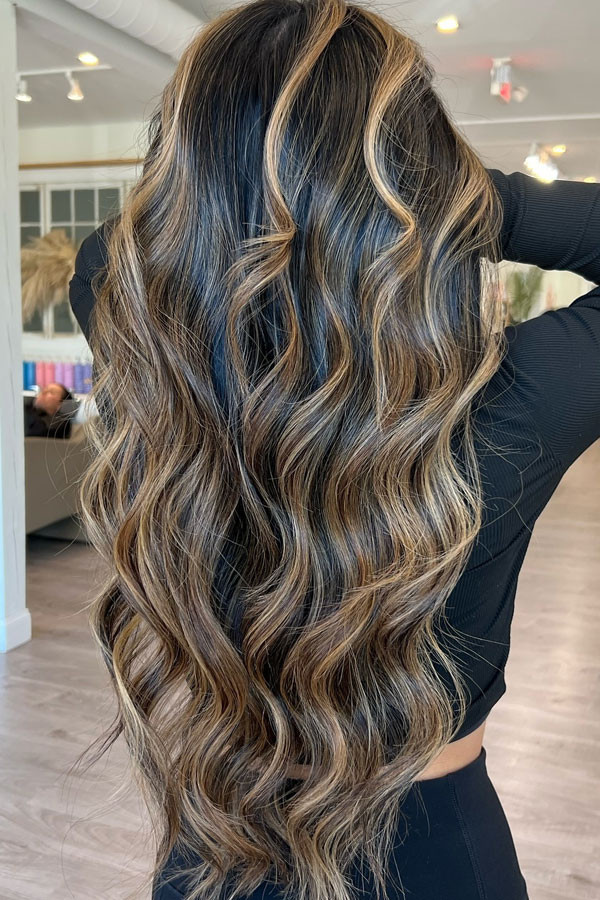
I will admit I was skeptical about how long a dark brown base with blonde caramel highlights stays readable. The answer: longer than I expected. The dark brown hair anchors the warmth, and the caramel tones blend into the blonde smoothly, so the grow-out is forgiving. By week eight, the roots were barely noticeable. The mid-back length, thick texture and soft wavy blowout keep the colour moving, which hides any fading. A moisturizing shampoo helps the caramel stay rich. I refreshed the toner at week ten and it looked like new. That is rare for me.
Sharp Contrast Highlights on Blonde Lob
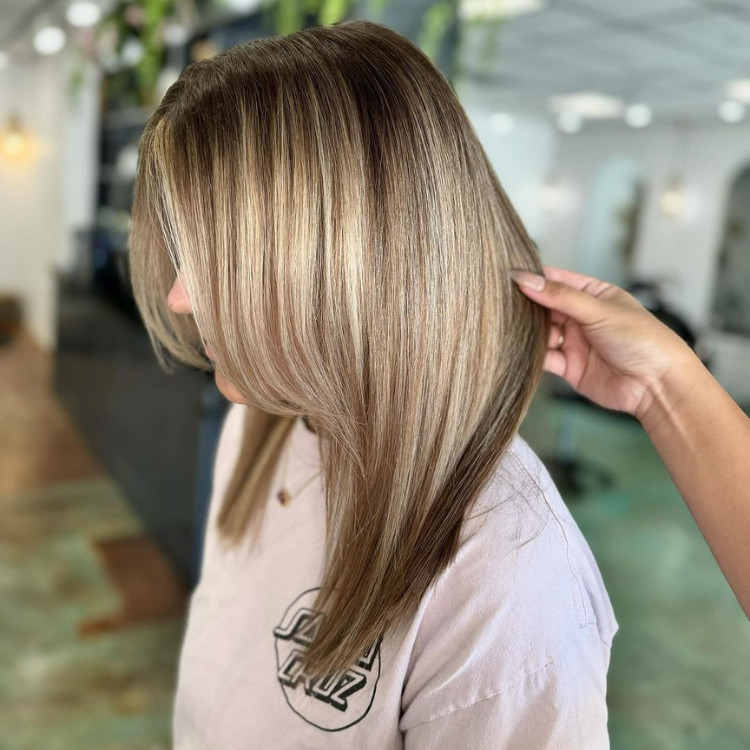
Do you want your highlights to announce themselves? Then this is your candidate. The collarbone-length lob, straight and thick, carries sharp contrast blonde highlights that sit on a medium blonde base. The difference between base and highlight is stark, almost graphic. It flatters anyone who wants a bold, defined look and does not mind a short refresh cycle. This is a salon job, not a DIY project. The precision required to keep the contrast crisp is beyond what a home kit can deliver. If you prefer a soft blend, skip this one.
Shoulder Ash Blonde With Platinum Highlights
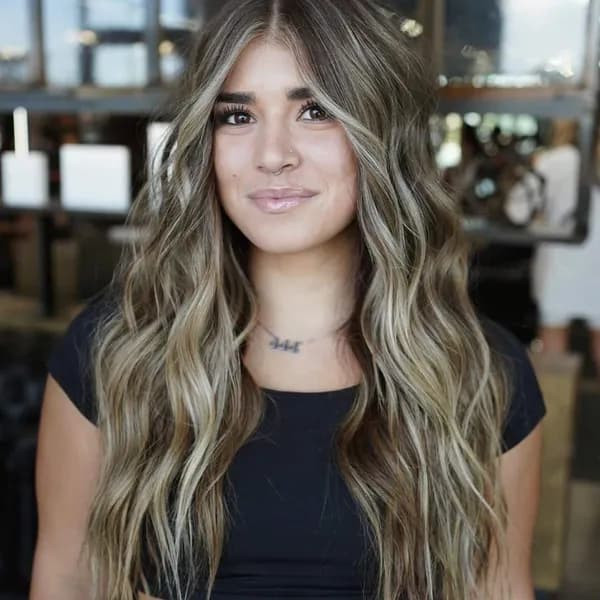
Platinum blonde highlights on an ash blonde base is a high-impact combination that demands respect. The shoulder-length cut, wavy and medium density, shows off the contrast between the cool ash base and the bright, almost white platinum. The technique is delicate: the stylist weaves fine sections and applies lightener with precision, then tones the whole head to keep the ash from turning brassy. That toning schedule is every two to four weeks, and a purple shampoo is non-negotiable. The payoff is a colour that reads clean and intentional, not washed out. Worth the commitment if you are ready for it.
Straight Cut Platinum With Precision Ash Blonde Highlights
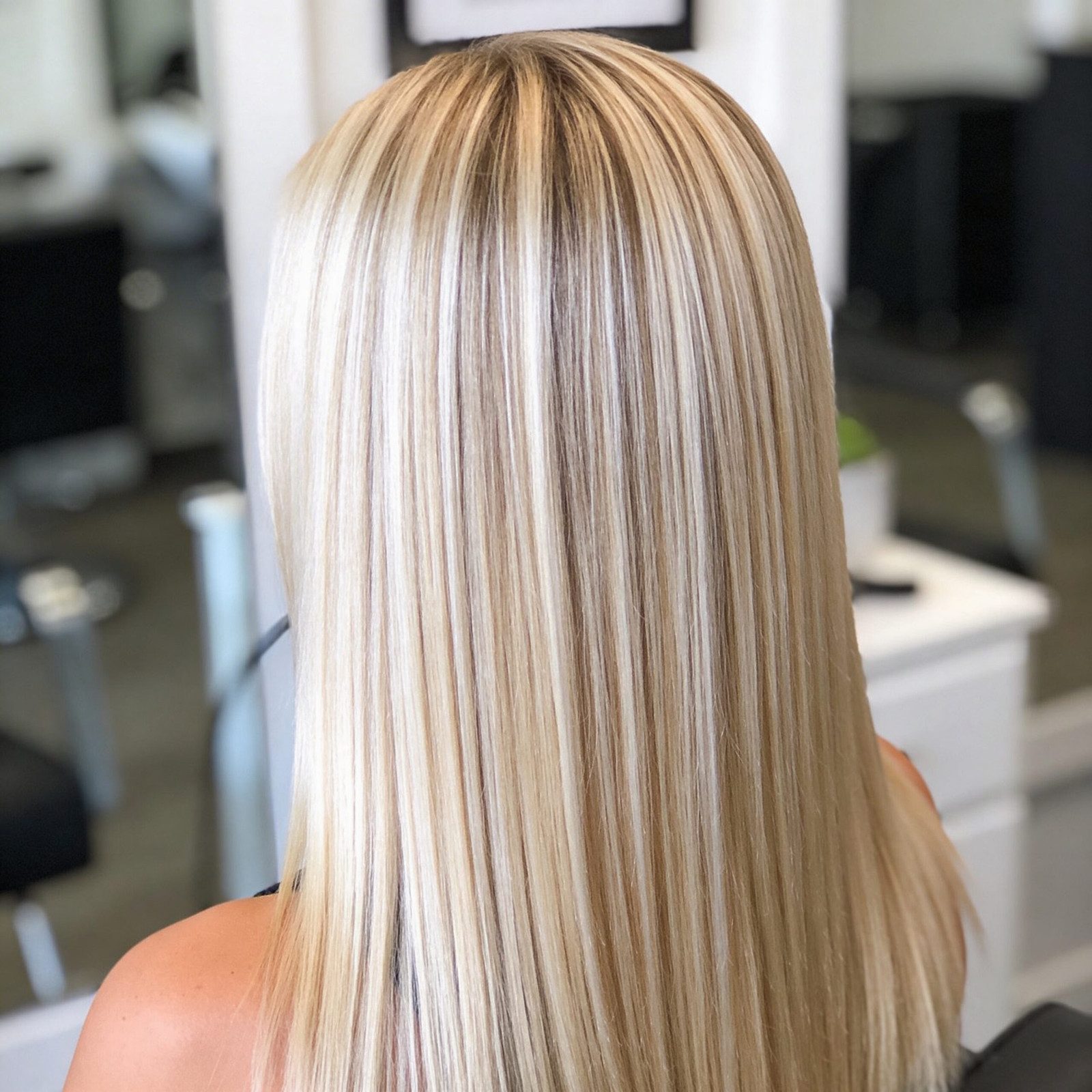
A straight cut versus layers: the straight cut wins for clean grow-out every time. This shoulder-length, thick hair with a blunt baseline and no bangs shows exactly why. The precision ash blonde highlights sit on a platinum blonde base, and because the cut has no layers, the colour grows out as one block. No uneven regrowth, no patchy roots. The downside is that any mistake in the highlight placement is visible, so the stylist needs a steady hand. Trims every eight to ten weeks keep the line sharp. If you want a softer, more forgiving grow-out, choose layers instead.
Shoulder Ash Brown With Blonde and Ash Blonde Streaks
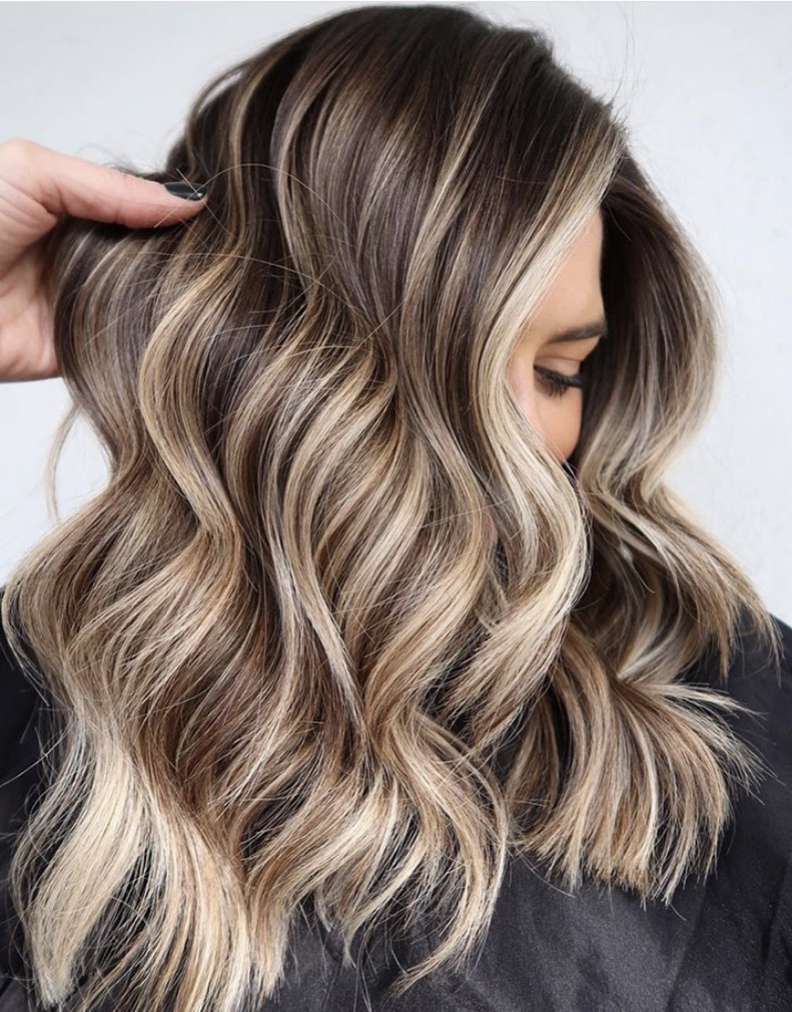
There’s a reason this one stops me mid-scroll: the ash brown base keeps the blonde streaks from shouting, and the mix of blonde and ash blonde tones gives the waves a depth that a single shade can’t fake. On my own medium-density hair, these loose waves held their shape past 8 pm, which surprised me. But the two-tone thing has a catch: the blonde strands lift faster than the ash blonde, so by week five I could see the warmer streaks pulling ahead of the cooler ones. A color-safe shampoo stretches that gap, and honestly, you’ll want it. The contrast is the point, but it’s also the maintenance. Book the salon for this one, the placement is too precise for a bathroom mirror.
Long Layers Lived-In Ash Blonde Highlights
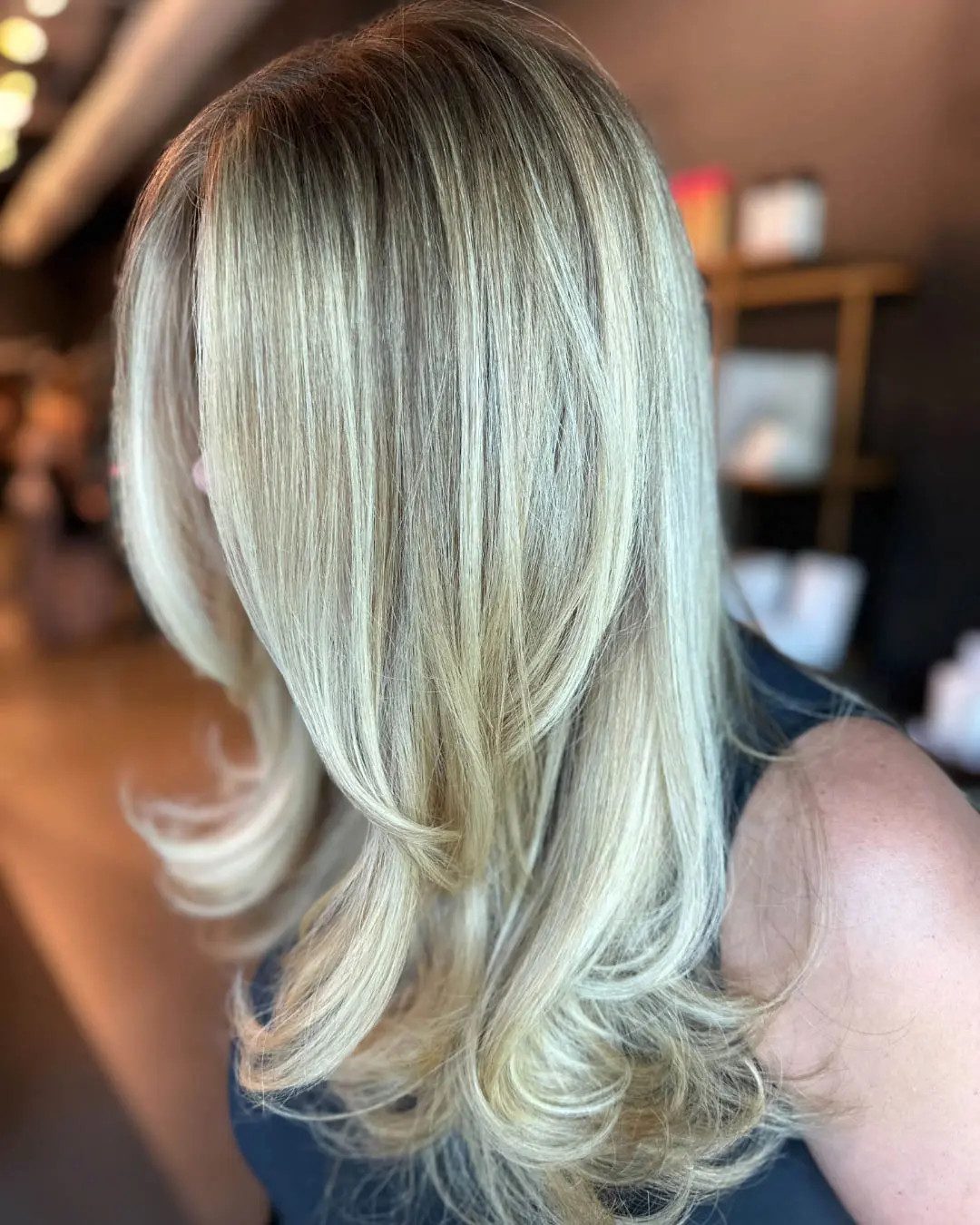
My first thought was: this is what my hair would look like if I stopped fighting it. The lived-in ash blonde highlights sit deeper at the roots and lighten toward the ends, so the grow-out line blurs instead of announcing itself. That’s the whole trick, and it’s why this suits anyone who hates the salon schedule. The long layers keep the waves moving, and the natural texture does most of the work, about 15 minutes with a texturizing spray and a diffuser.
Who should pass? If your hair is stick-straight and fine, the lived-in effect can read as flat rather than sun-kissed, you need some wave to catch the light. And this is a salon job, the color melting has to be painted, not foiled, so don’t try it at home. But if you want a color that forgives a skipped appointment, this is it.
Dark Brown With Ash Blonde and Grey Highlights
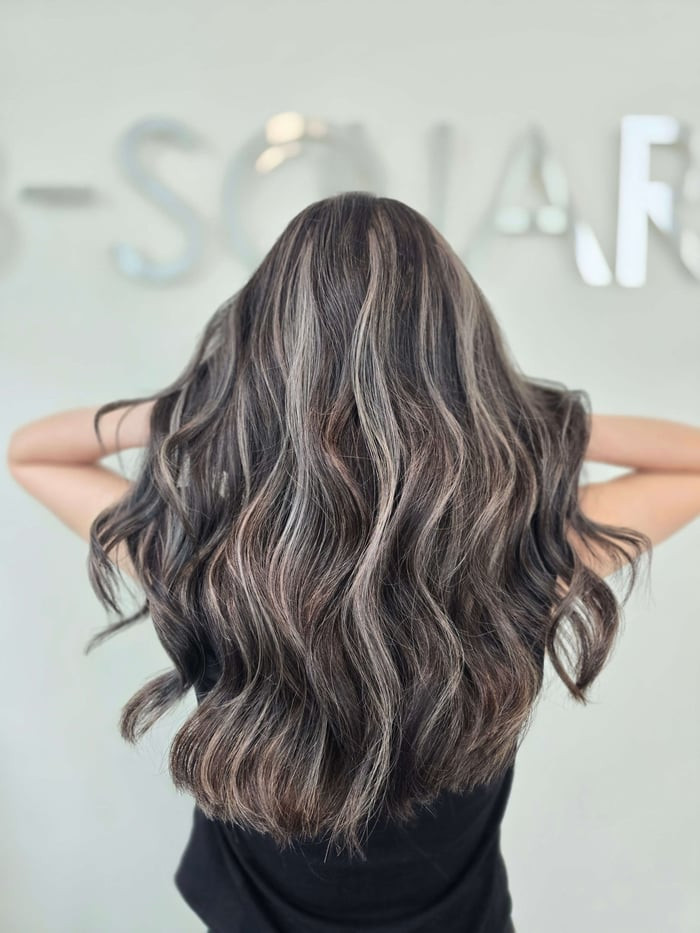
Can we talk about how hard this actually is? The dark brown base makes those ash blonde grey highlights pop, but getting grey to sit cool on a dark base is a chemistry problem, not a wish. The stylist has to lift the dark first, then tone the grey strands to keep them from going brassy, and even then, the grey can pull warm by week three. On my thick, wavy hair, the contrast was stunning for exactly two weeks. Then the brassiness crept in, and I was reaching for a purple shampoo every other wash. The loose waves help blend the tones, but the honest downside is the toning rhythm: every four to six weeks, or you’re living with a hint of yellow. It’s a striking look, just know it’s a commitment.
Visual Idea
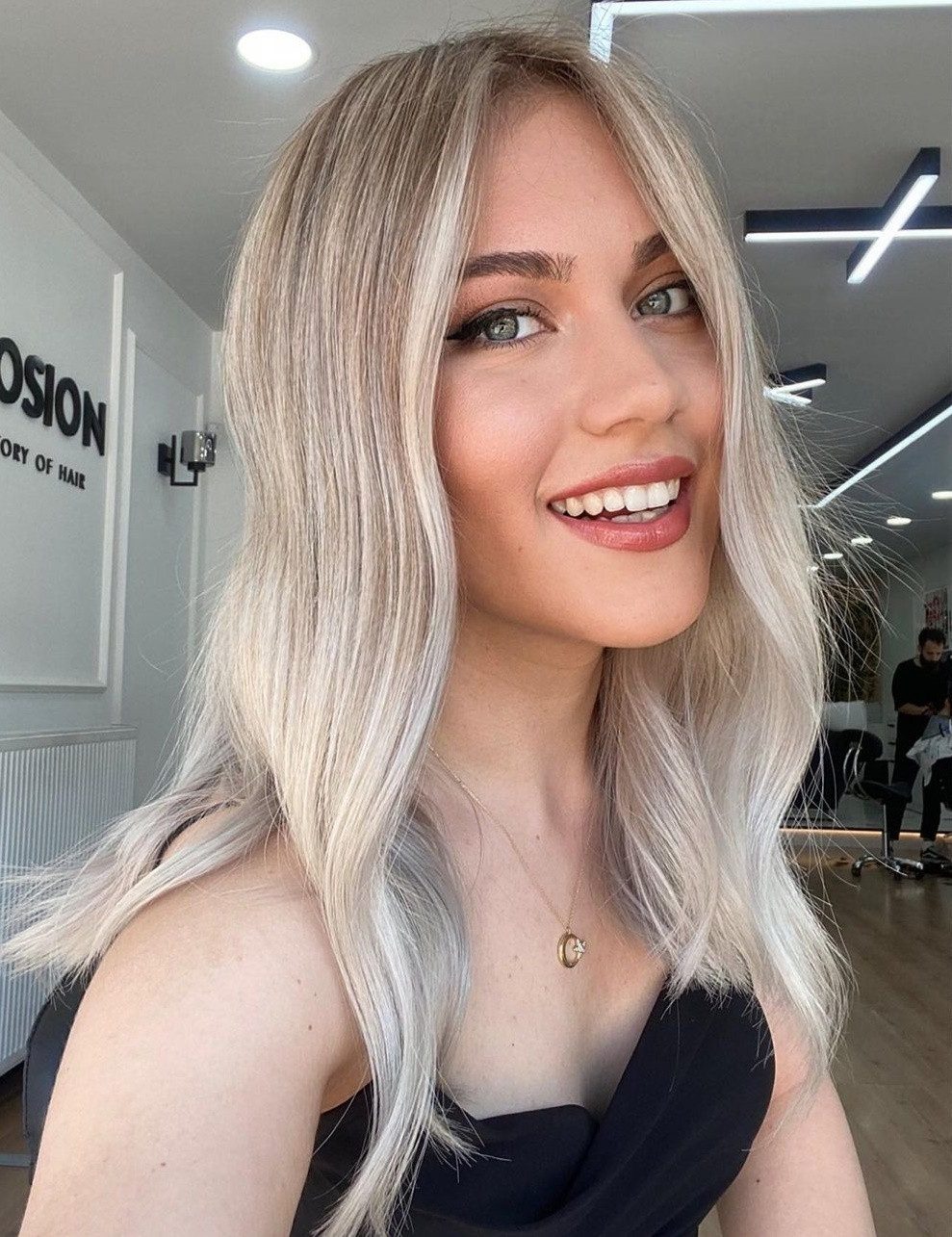
This is the one that keeps you honest. Ash blonde base, platinum highlights cut through it like a clean line. Collarbone length, wavy blowout, no bangs. The tone reads cool, almost silver in certain light. I have had this colour. The upkeep is a calendar appointment, not a whim. Those platinum pieces sit close to the root, so you see regrowth at week four, not week eight. A root touch-up every five weeks if you want that bright pop to stay bright. The texture holds the wave well, medium density is the sweet spot. It is a commitment. Worth it if you show up for it.
Mid-Back Visual Idea
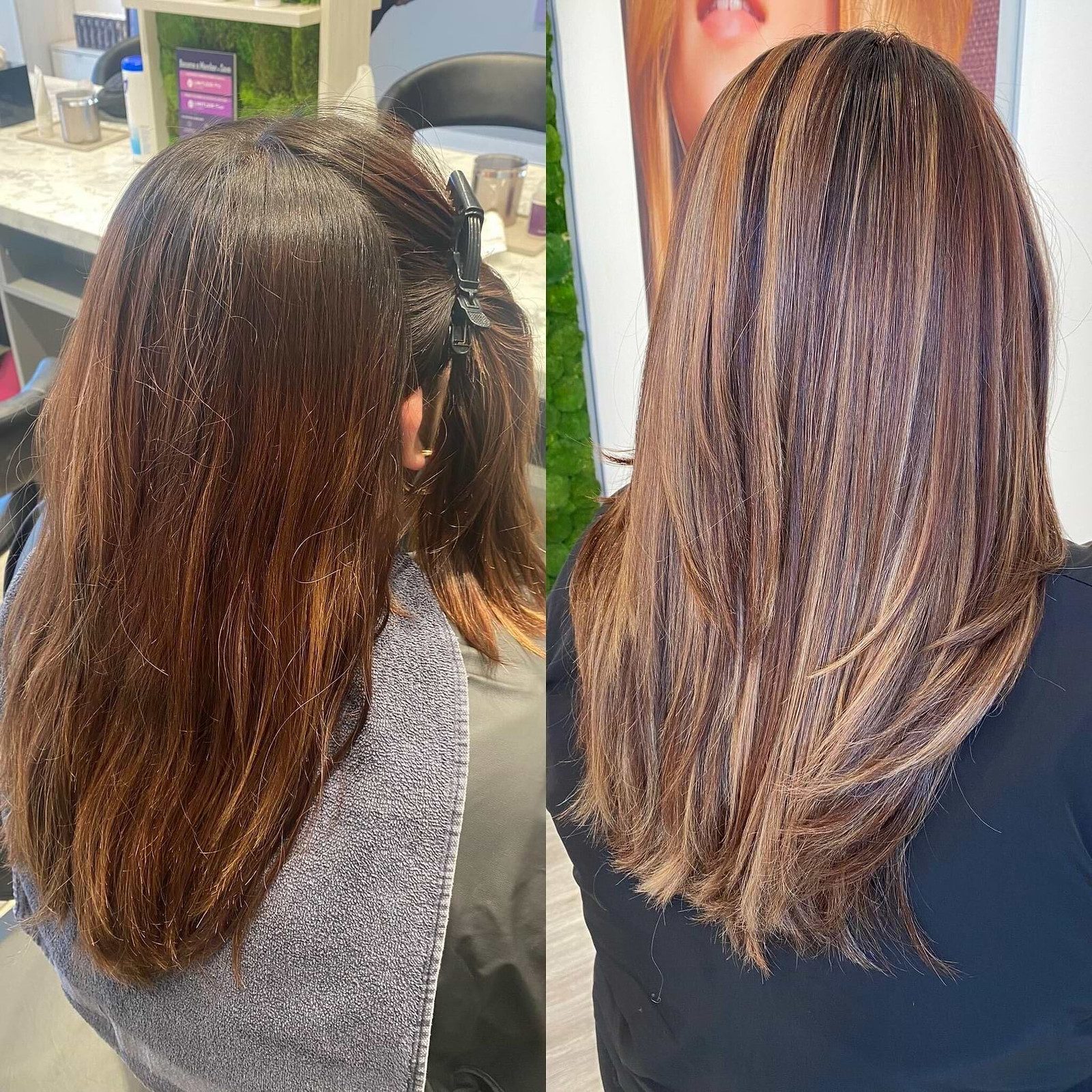
Bold blonde highlights on dark brown base read like a dare. Mid-back length, thick wavy texture, no bangs. The contrast is sharp, the kind of colour that announces itself from across the room. If you have darker hair and want this transformation, know that it is a salon job. The bleach needs to lift several levels to get that blonde to read bright against the brown. I have seen friends try this at home with a box. It turns orange. The technique requires sectioning, foils, a stylist who understands how dark your base actually lifts. That is not a bathroom mirror conversation.
Here is the real question. Are you ready for the root line? Because it will show. Dark brown grows fast, and that blonde band at the top becomes a stripe by week six. A root shadow buys you two more weeks, maybe three. The length is forgiving, the waves hide the demarcation line longer than straight hair would. But this is not a set-it-and-forget-it colour. Book the appointment, plan the touch-up schedule, accept that your hair will be in a stylist’s chair every eight weeks. That is the trade for this much contrast.
Layers Visual Idea
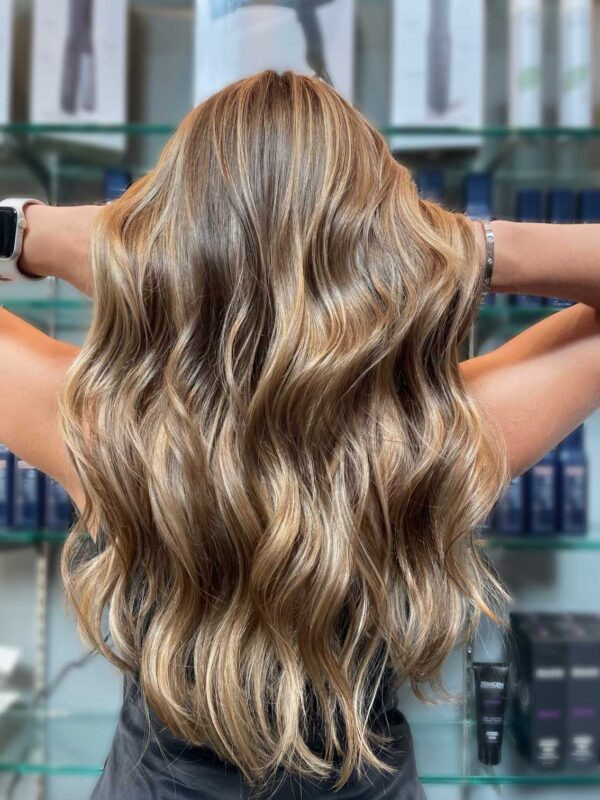
I want to like this more than I do. Medium blonde base with lighter blonde highlights, mid-back length, thick wavy texture, no bangs. The dimensional highlights are doing the work, creating depth that a single-process blonde cannot fake. But here is the catch. Those fine layers at the ends, the ones that make the colour look so soft, they are also where split ends live. I have had this cut. The layers that give the wave its movement are the same layers that fray first. A trim every six weeks, not eight, because the damage travels faster on a layered edge. The tone is warm, the highlights lift the base without screaming. It is pretty. It is also high maintenance in a way that sneaks up on you.
Collarbone Visual Idea
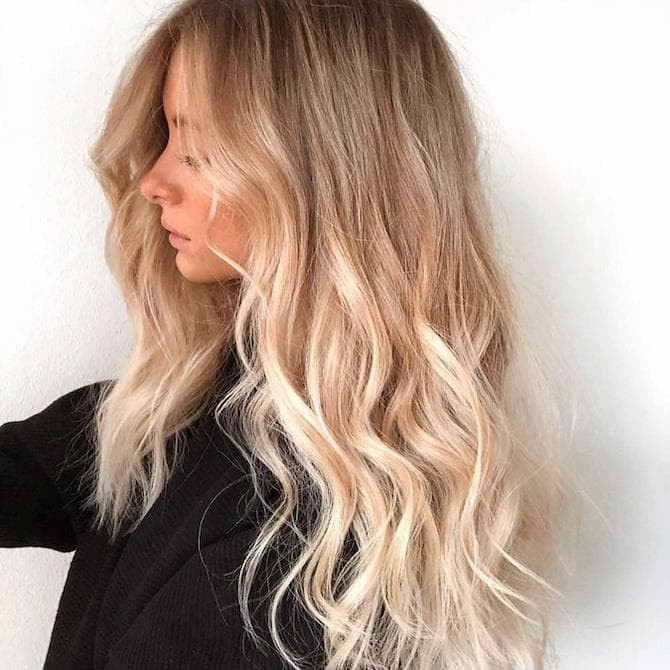
My colorist calls this the lazy person’s highlight. The technique is a root shadow at the scalp, then a few foils placed high at the crown and woven through the ends. The tone is a warm caramel that reads gold in daylight and almost neutral at night. Base shade is a level six, dark enough that the grow-out is a soft shadow, not a stripe. My roots showed at week five, which is the whole point. It suits fine, straight hair best because the dimension stops it reading flat by 4 pm. On thick hair, ask for more slice placement so it does not turn into a solid block. The grow-out is the most forgiving I have tried, and I have tried most of them. Book the consultation first.
Book the consultation first.
You need a stylist who will map the highlights around your part, not just paint from the crown down. I sat for two hours and left with a colour that looked like I had been on vacation. The tone is what sells it: a warm caramel that never goes brassy, because the base stays a soft brown. My texture is fine and straight, and this still had body at 8 pm. That is the whole trick. The colour does the volume work, the cut just sits there and behaves.
Ask for a soft root shadow and face-framing pieces. Tell them you want the grow-out to look deliberate. Then book your next trim for eight weeks out, because that is the real timeline.
- Blonde With Lighter Blonde Highlights Visual Idea
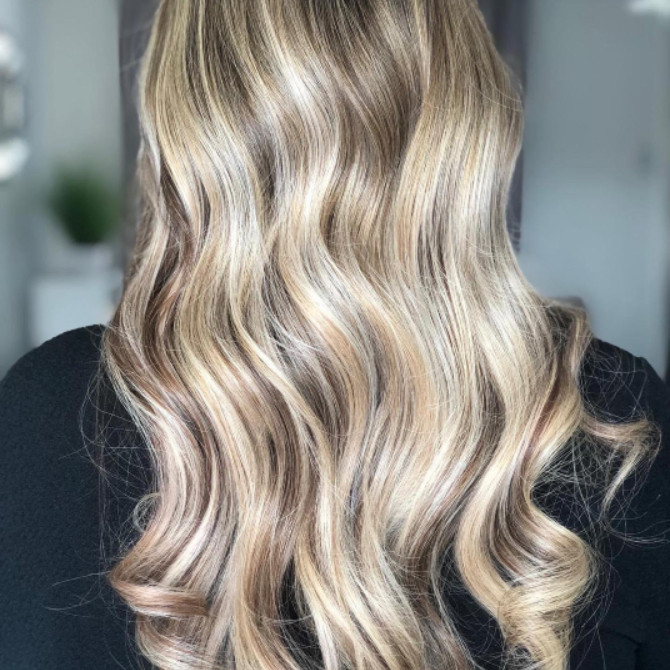
Ever had a color that felt like it was doing the work so you didn’t have to? That’s this one. The base is blonde, the technique uses lighter blonde Highlights placed generously through mid-back length wavy layers. The tone stays warm enough to look intentional, not washed out. No bangs here, just a middle part letting the loose waves fall where they want. Texture is medium-density wavy, which is lucky because this look wears its grow-out like a secret. The roots creep in slowly, and because the difference between base and highlight is small, there is no harsh line to panic over. It blends. That is the whole point. I have gone six weeks past a touch-up with this kind of placement and nobody noticed but me.
No Bangs Visual Idea
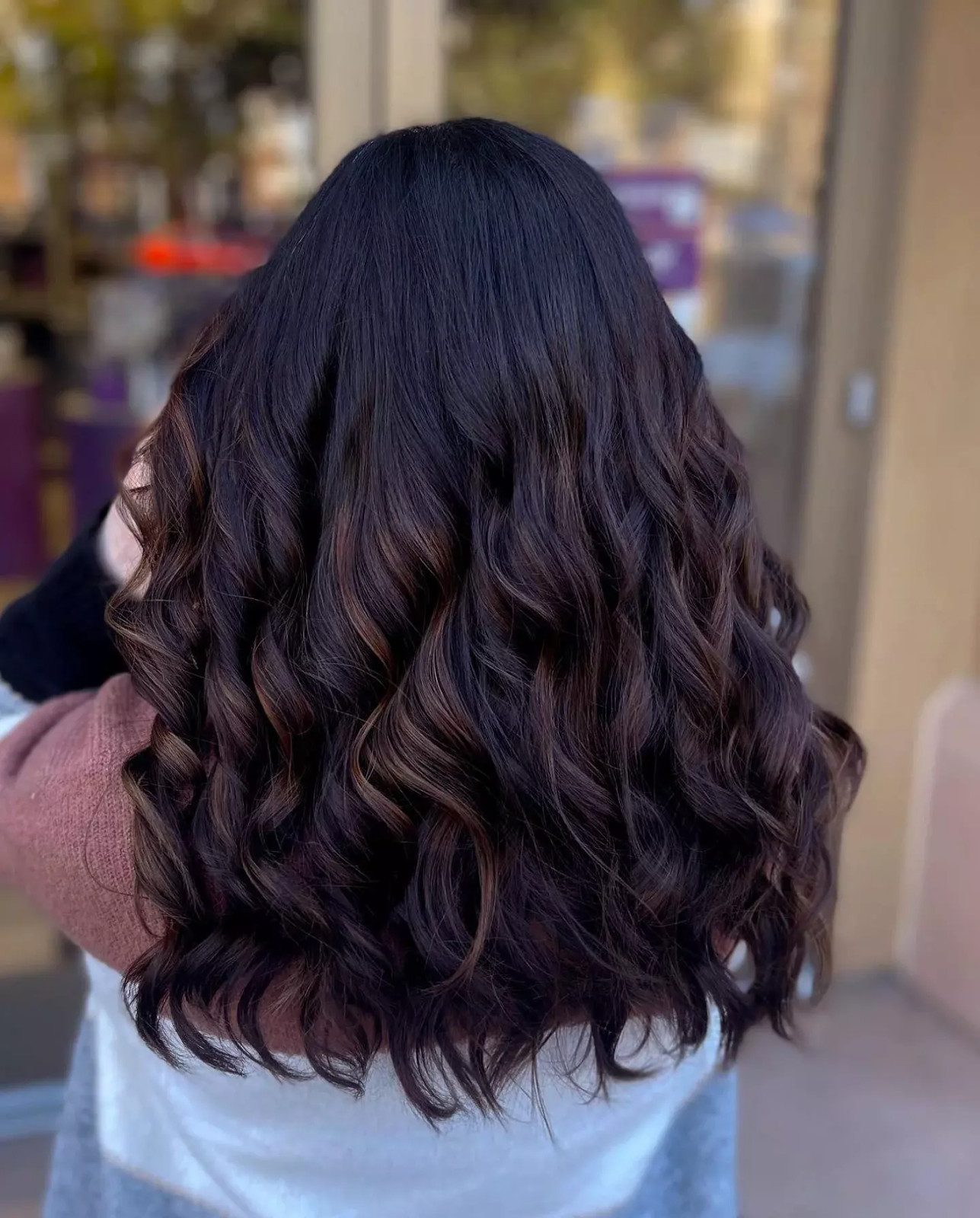
I have made the mistake of thinking a dark base needs big chunks of color to register as different. It does not. This is dark brown with subtle auburn Highlights, applied through mid-back layers with no bangs and a middle part. The technique is fine weaving, not thick ribbons, and the tone leans warm against the brown without going red. The texture is wavy and thick, which helps the softer strands catch light instead of disappearing. A stylist places these. Do not try it in the bathroom mirror. The auburn should read as a glow, not a stripe.
Back View Visual Idea
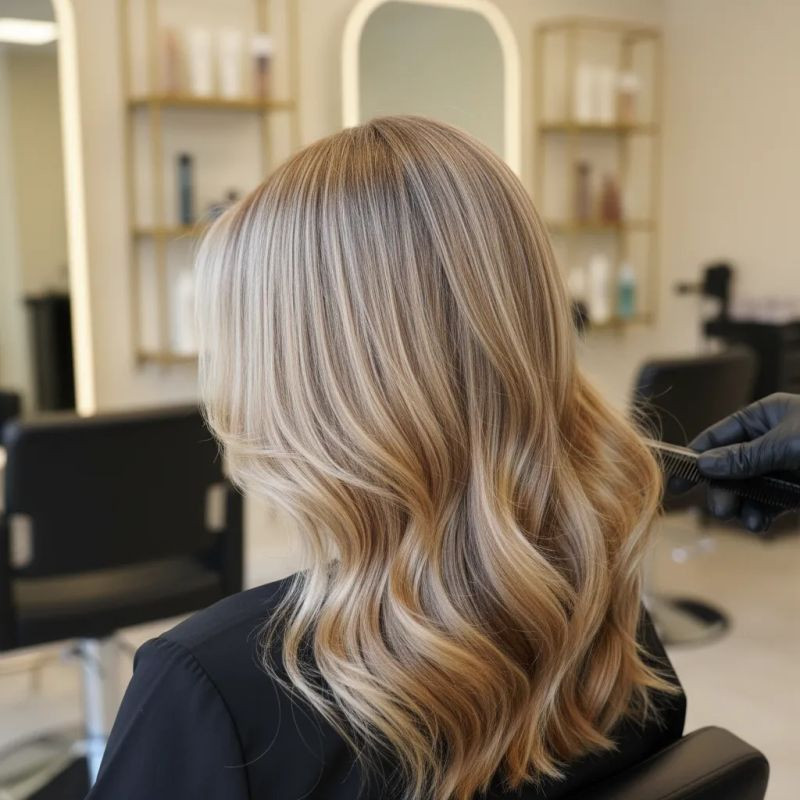
The difference between blended Highlights and muddy ones is application precision, not luck. This is an ash blonde base with lighter ash blonde highlights, cut to collarbone length with layers, no bangs, a middle part and a wavy blowout. The tone is cool across both shades, which is where the honest downside lives. Ash can grab a porous texture and turn dull. Thick, wavy hair carries the lift better. Without a stylist’s hand in placement, this subtlety is hard to replicate. The sections need to stay fine, the foil spacing even.
Final Thoughts
After writing all of these, I realized something: the best highlight is the one you don’t have to think about at week six. The root line blurs, the tone still reads intentional, and you can go to brunch without a panic mirror check.
I am booking the dark brown with caramel and ash brown highlights next. It is the one that looked good in the chair and better a month later.

