
I keep seeing the same thing in the chair next to mine: brown bases getting lifted, not to platinum, but to warm caramel and honey. It’s not the all-over bleach of my twenties. It’s quieter, and it suits more faces.
This roundup has 20 takes on Highlights on Black Women, from low-maintenance caramel streaks to a platinum pixie with dark roots. Some need a salon booking, some you could attempt at home. There’s a grow-out line for every texture, a shade for every skin tone. I’ve tested enough of these to know which ones fade by week five and which ones hold.
Golden Brown Highlights on Mid-Back Waves
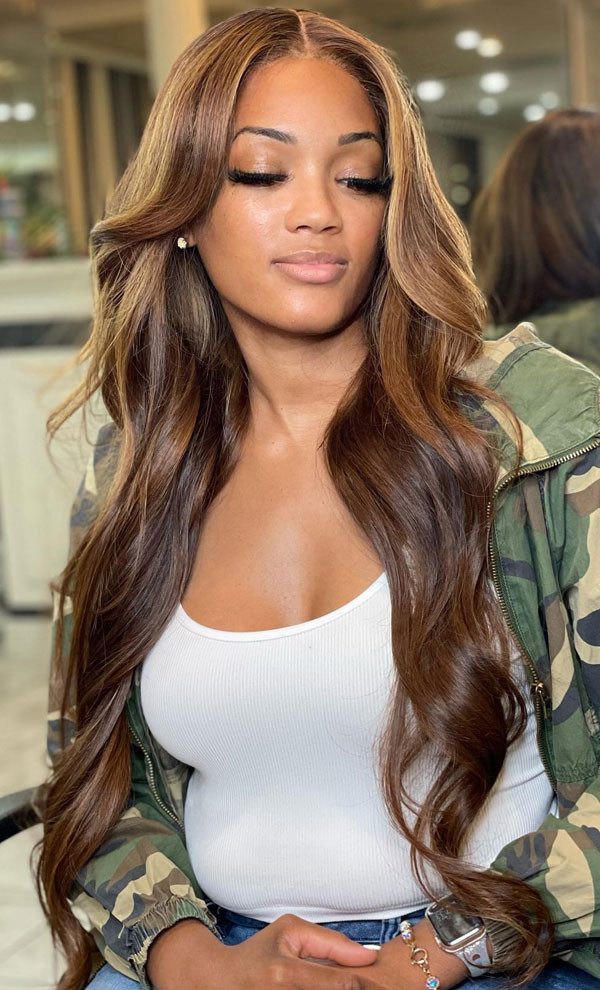
Golden brown highlights on a dark brown base do something specific on deeper skin tones: they add warmth without tipping into brass. The technique here is balayage, painted freehand so the color lands heavier through the mid-lengths and ends, not the roots. That middle part and those loose waves let the golden tones catch light in strips, not all at once. The texture is thick and wavy, which helps the highlights read as dimension rather than stripes. At mid-back length, the grow-out is forgiving because the balayage line is soft. A gloss every 10 weeks keeps the gold from turning orange.
Caramel Highlights for Subtle Warmth
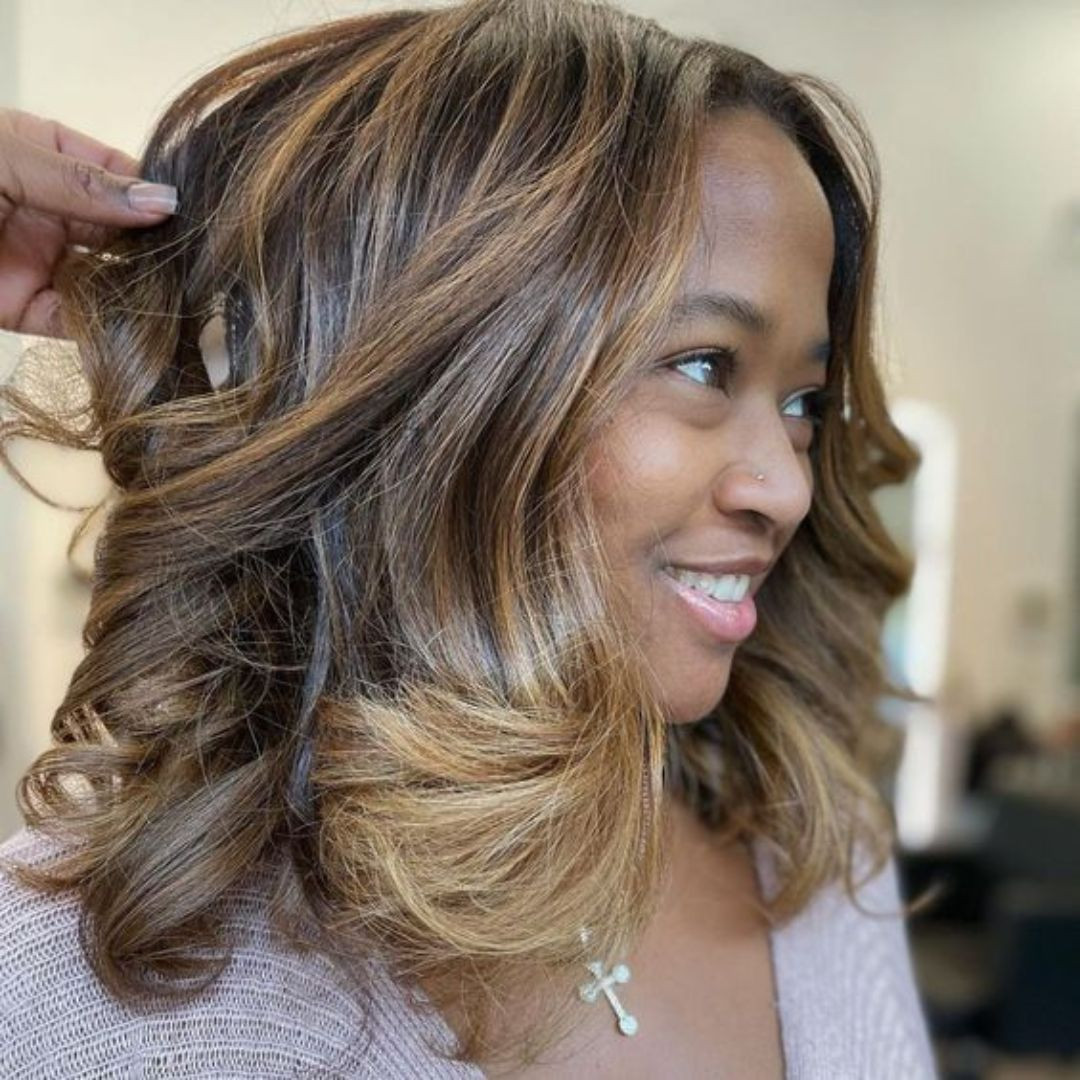
What if you want warmth but not the full commitment of gold? Caramel highlights on a dark brown base are the quieter cousin. The technique is a babylight: very fine sections, painted close to the root, so the color reads as a natural sun lift rather than a deliberate stripe. The tone is warm but muted, more brown than yellow. On collarbone-length wavy hair with medium density, these highlights add movement without weight. A side part helps the caramel fall forward around the face. Upkeep is a gloss every 8 weeks, and the fine placement means grow-out is soft, not stark.
Blonde Highlights on Dark Brown Hair
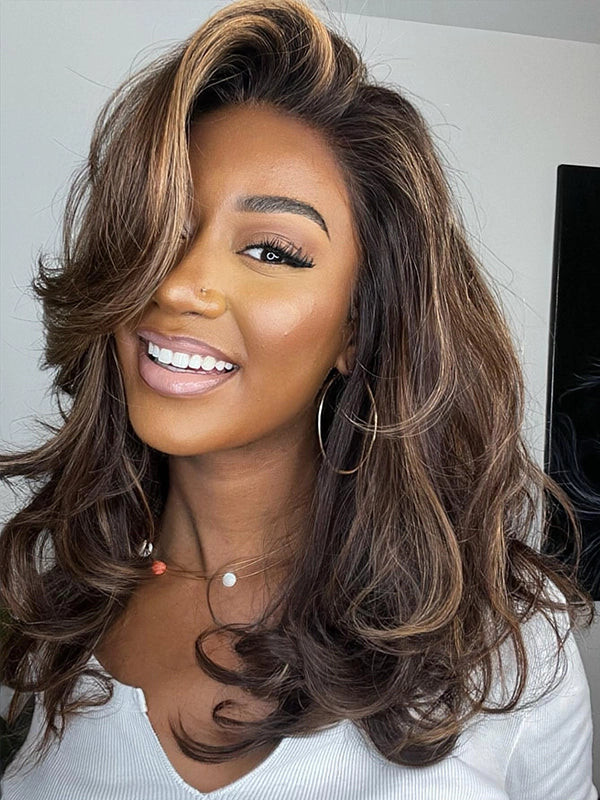
Blonde highlights on dark brown hair are not for the faint of commitment. Compared to caramel or honey, this is the high-contrast option, and the contrast is the point. The technique is foil highlights, which lifts lighter than balayage and creates a sharper line. The tone here is a cool blonde, which reads bright against dark brown. On collarbone-length thick wavy hair with a middle part, the face-framing pieces pull the light upward. Ask your stylist for a root smudge at the bowl, otherwise the line grows out hard by week four. This is a salon-only job.
Dimensional Blonde Highlights
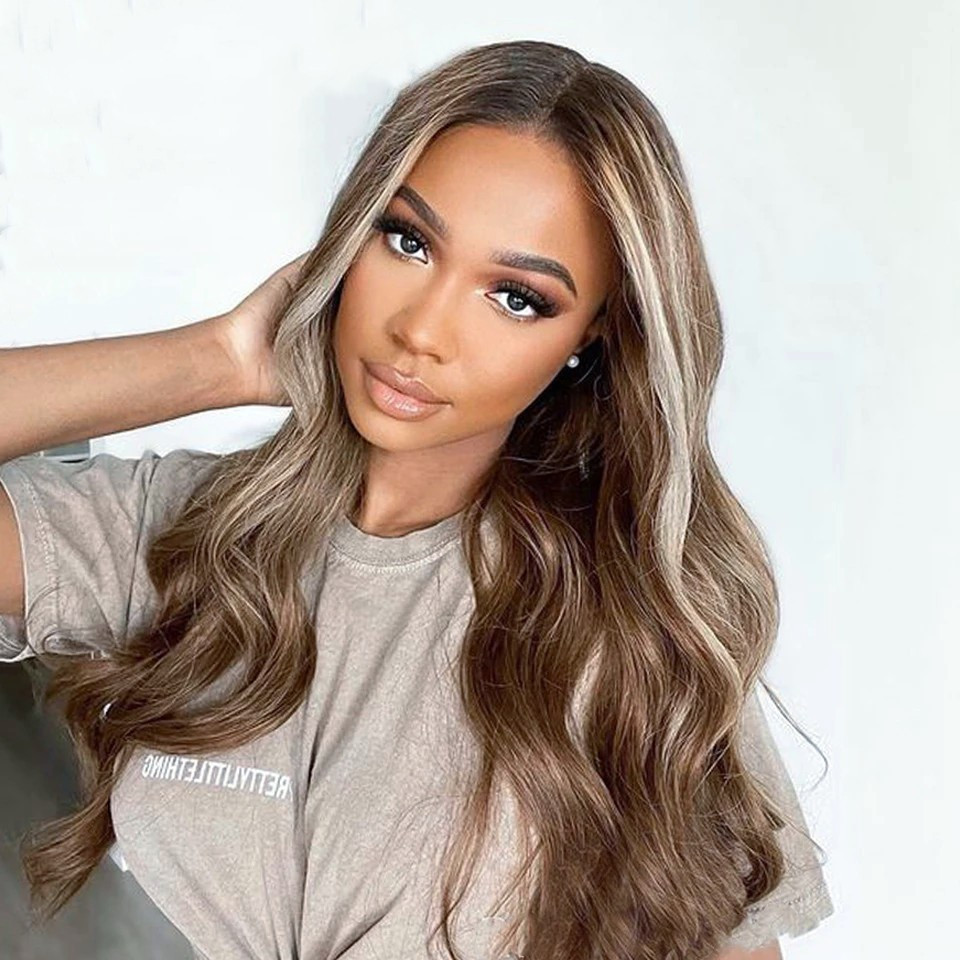
Monday morning, day three hair, and the dimensional blonde highlights still catch light. That is the point of this technique: multiple blonde tones layered over a dark brown base, so no two sections reflect the same way. The color is built with a mix of foil highlights and balayage, which gives both lift and softness. The tone is a neutral blonde, not too warm, not too ash.
The honest downside: this takes maintenance. The blonde needs toning every 6 to 8 weeks, and on thick wavy hair at mid-back length, that is a three-hour salon visit. The loose waves help disguise new growth, but by week seven, the root line is visible. Worth it if you want your hair to look different in every light.
Soft Blonde Highlights
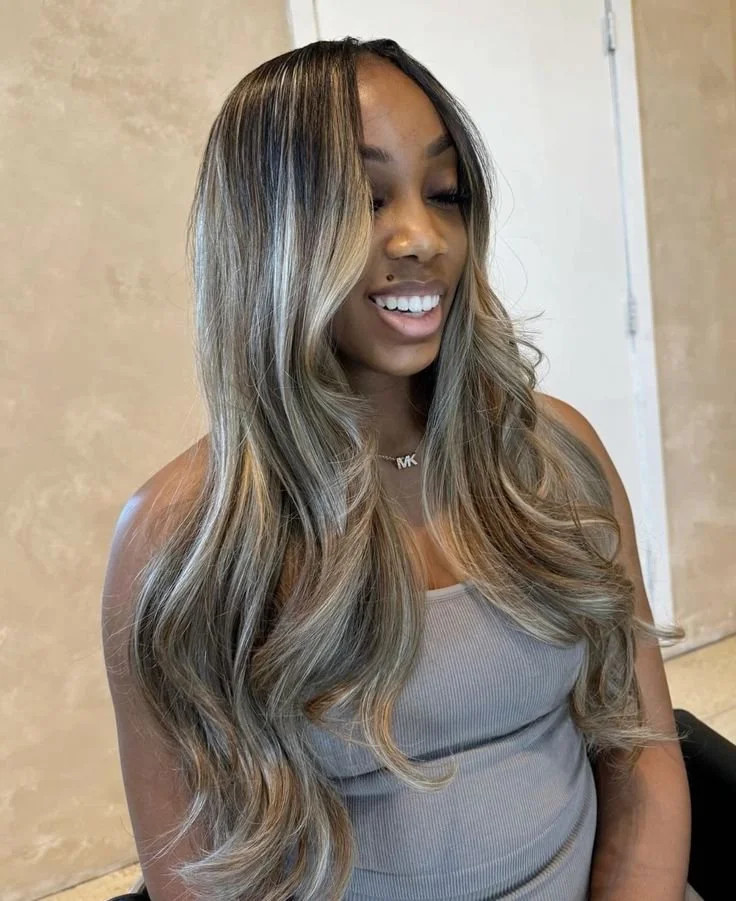
Soft blonde highlights on dark brown hair are the seasonal negotiator: bright enough for summer, muted enough to carry into fall. The technique is a painted balayage with a low-volume developer, so the lift is subtle rather than stark. The tone is a warm blonde, but kept soft by a gloss that knocks back the yellow. On thick wavy hair at mid-back length, the highlights read as a sheen, not a stripe. A middle part and loose waves spread the color evenly. Gloss every 10 weeks, and you skip the harsh grow-out phase entirely.
Ash Blonde Highlights on Dark Curls
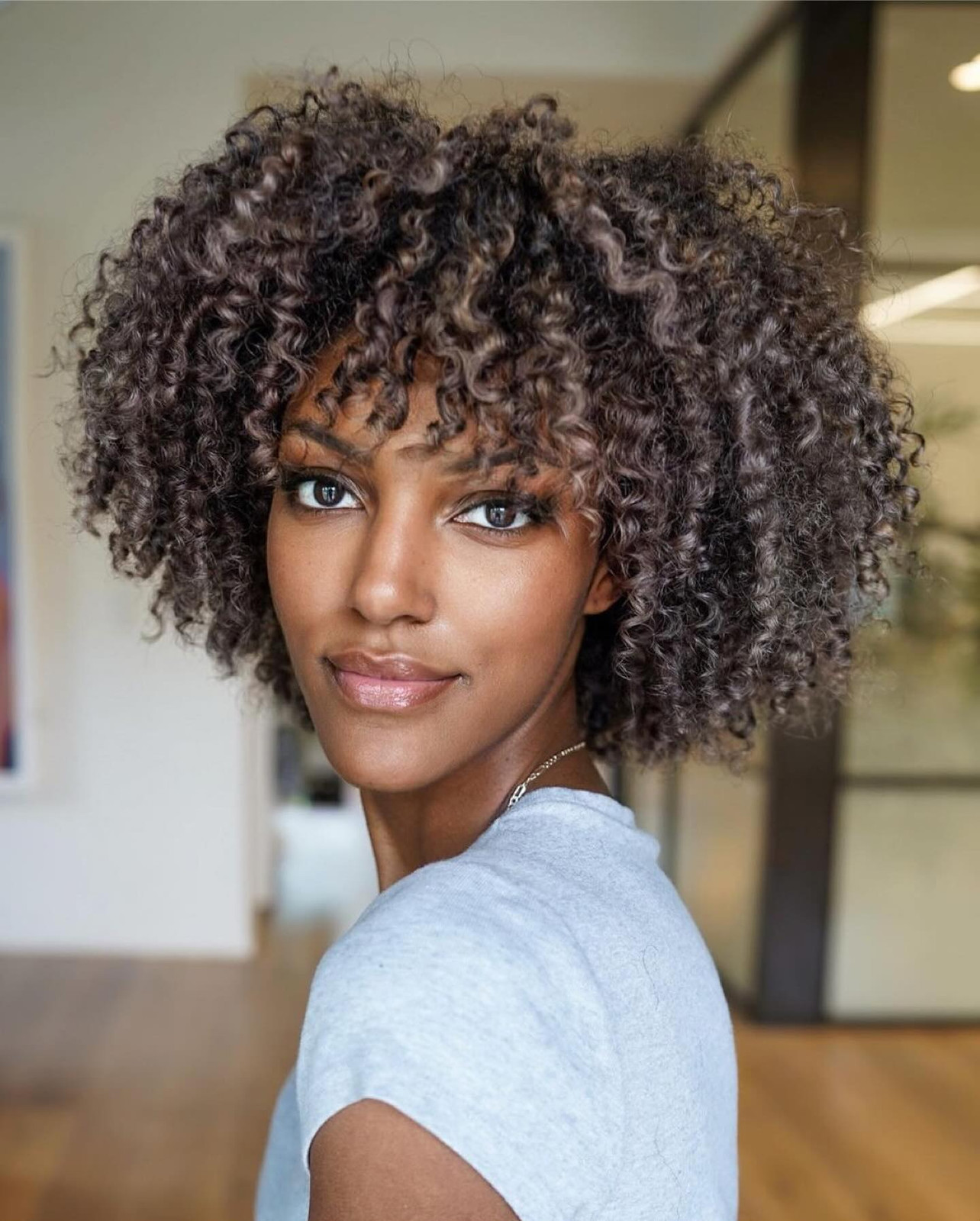
I had to sit with this one a minute. Ash blonde highlights on a dark brown base, shoulder length, thick wavy hair with a middle part and no bangs — it reads cool, almost silver in certain light. The technique is what makes it work: the stylist lifts the dark base in sections, then tones the highlights with a violet-based formula to cancel the warmth. That tone is the whole trick. Ash wants a clean canvas, and dark curly hair needs a careful hand to avoid uneven lift. A blowout keeps the curls defined and the ash reads even. The grow-out is noticeable but it lands like a deliberate shadow, not a mistake.
Blonde Highlights on Thick Curls
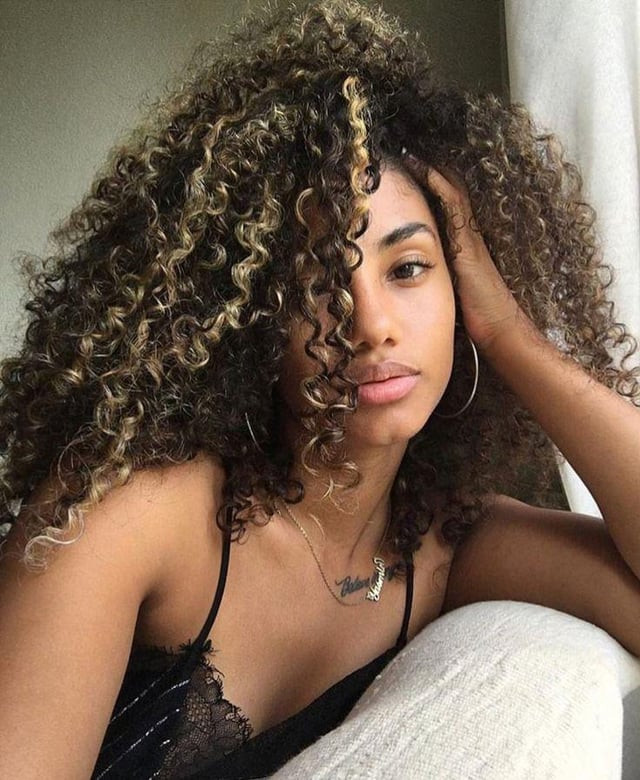
Do thick curls and blonde highlights actually get along? Yes, when the placement respects the curl pattern. This is a shoulder-length layered cut, dark brown base with blonde highlights, middle part, no bangs, styled into loose curls. The texture is curly and thick, which means the highlights sit on the surface of each curl instead of disappearing into the density. That is the trick: the stylist places the blonde on the outer curve of each curl, so when the hair dries, the colour catches the light from every angle. The tone is warm, not brassy, because the stylist lifted carefully and toned before the final rinse. For thick curls, the volume becomes an asset — the highlights have room to breathe.
Honey Blonde Highlights on Collarbone Curls
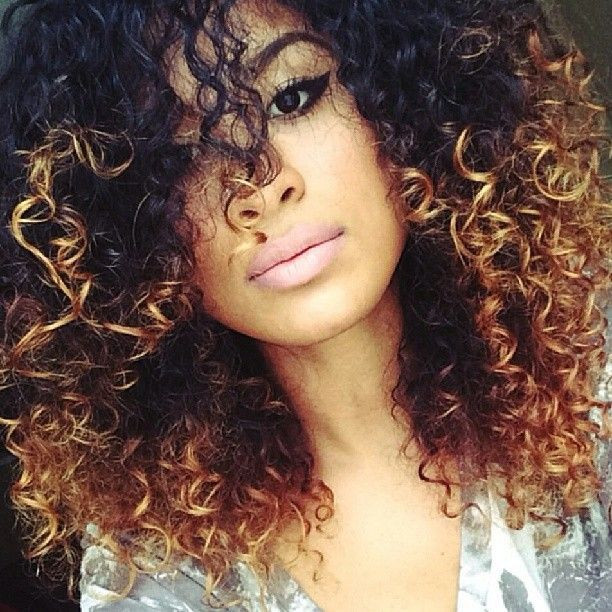
I will admit I was skeptical about air-dried curls and highlights. Then I saw this: collarbone length, dark brown base with honey blonde highlights, thick curly texture, middle part, no bangs, air dried into defined curls. The honey tone is warm without being yellow, and it lands softly against the dark base. The honest downside is that air-drying lets the curls dry in their own pattern, which means the highlights sit exactly where the stylist placed them — no blowout to fake the shape. That is the trade-off. You get less volume at the crown but the colour reads truer. A gloss every eight to ten weeks keeps the honey from fading into a flat beige.
Caramel Highlights with Curtain Bangs
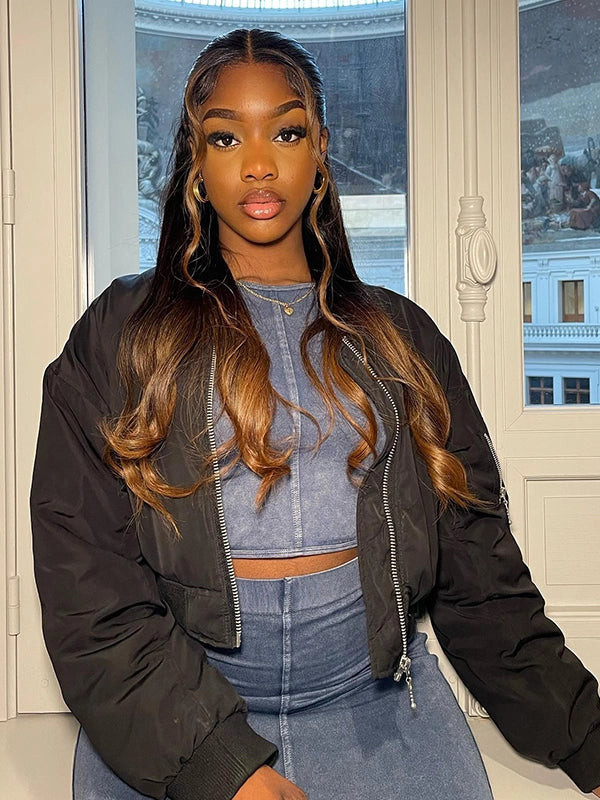
Best grow-out in this roundup. Caramel highlights on a dark brown base, mid-back length, thick wavy texture, curtain bangs, middle part, styled into loose waves. The caramel sits warm and dimensional against the base, and the curtain bangs pull the colour forward so it frames the face without a hard line. This is not a bathroom-mirror job.
Book the salon for the cut and the colour together. The stylist needs to see how the bangs fall before placing the highlights, because the caramel should hit the same spots on the bang pieces as it does on the rest of the length. A gloss refresh every eight weeks keeps the caramel from turning brassy. The curtain bangs need a trim every six weeks — they grow fast and lose their shape first.
Blonde and Caramel Highlights
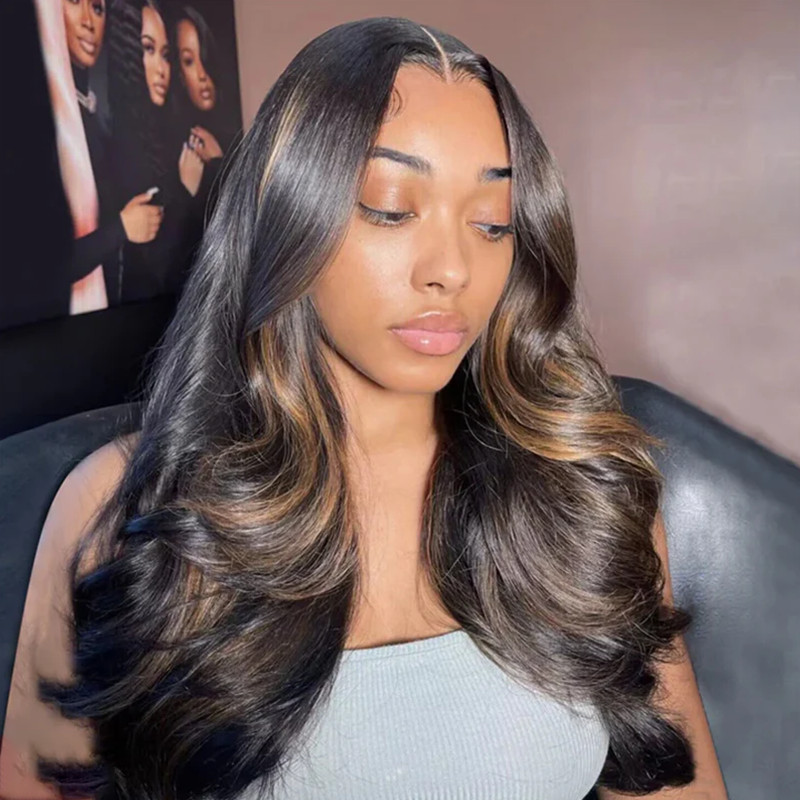
When the light shifts in late September, this is the colour that catches it. Dark brown base with blonde and caramel highlights, mid-back length, thick wavy texture, middle part, no bangs, styled into voluminous waves. The blonde reads bright against the caramel, and the caramel reads warm against the blonde — two tones that do not compete because the stylist placed them in alternating sections. That is the seasonal trick. The blonde catches the cooler autumn light, the caramel holds the warmth from summer. The grow-out is soft because neither tone sits at the root. A toning session every six to eight weeks keeps the blonde from turning yellow and the caramel from fading flat.
Shoulder Caramel Highlights with Side Bangs
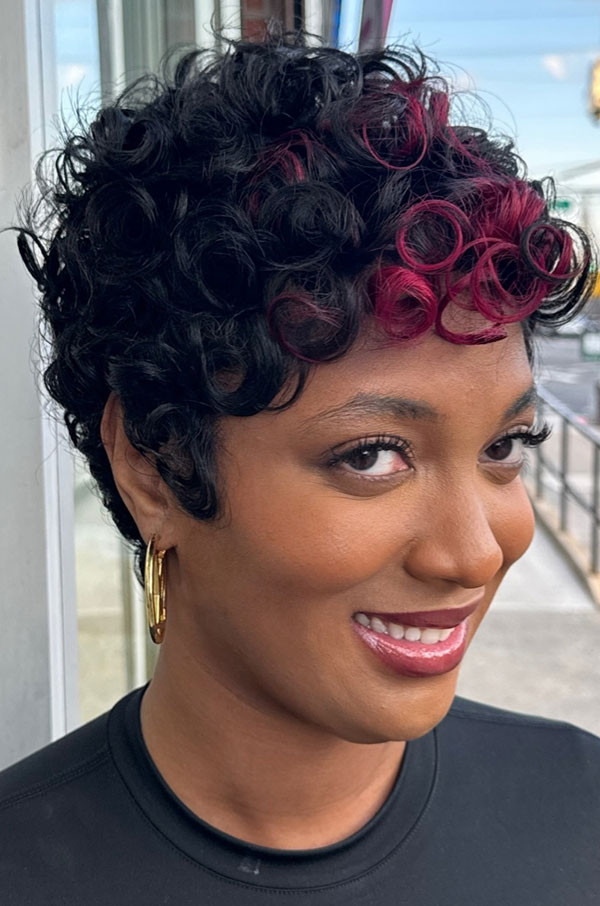
Have you ever looked at caramel highlights on dark wavy hair and wondered if they beat honey or golden tones? They do. The dark brown base keeps it grounded, the caramel lifts it without shouting. Side-swept bangs and shoulder-length waves give the colour room to move, and on thick texture, those warm ribbons catch light from every angle. It is not subtle. That is the point.
Medium Brown with Caramel Highlights
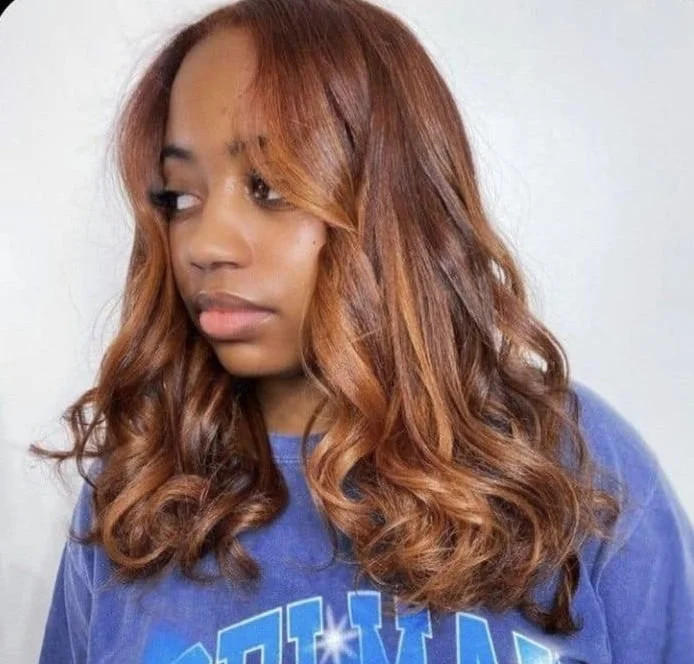
This is the colour I book when I want to look like I spent a week somewhere warm. Medium brown with caramel highlights, side bangs, collarbone layers.
The technique is what sells it. The stylist paints the caramel in vertical sections through the mid-lengths and ends, leaving the root zone in the medium brown base. That gradient means the grow-out line is soft, not sharp. The tone stays warm, never brassy, and on wavy, medium-density hair, the highlights land exactly where they need to. A blowout and gloss every eight weeks keeps the caramel from dulling. The bangs need a trim every three weeks. That is the trade.
Rich Caramel Highlights on Shoulder Curls
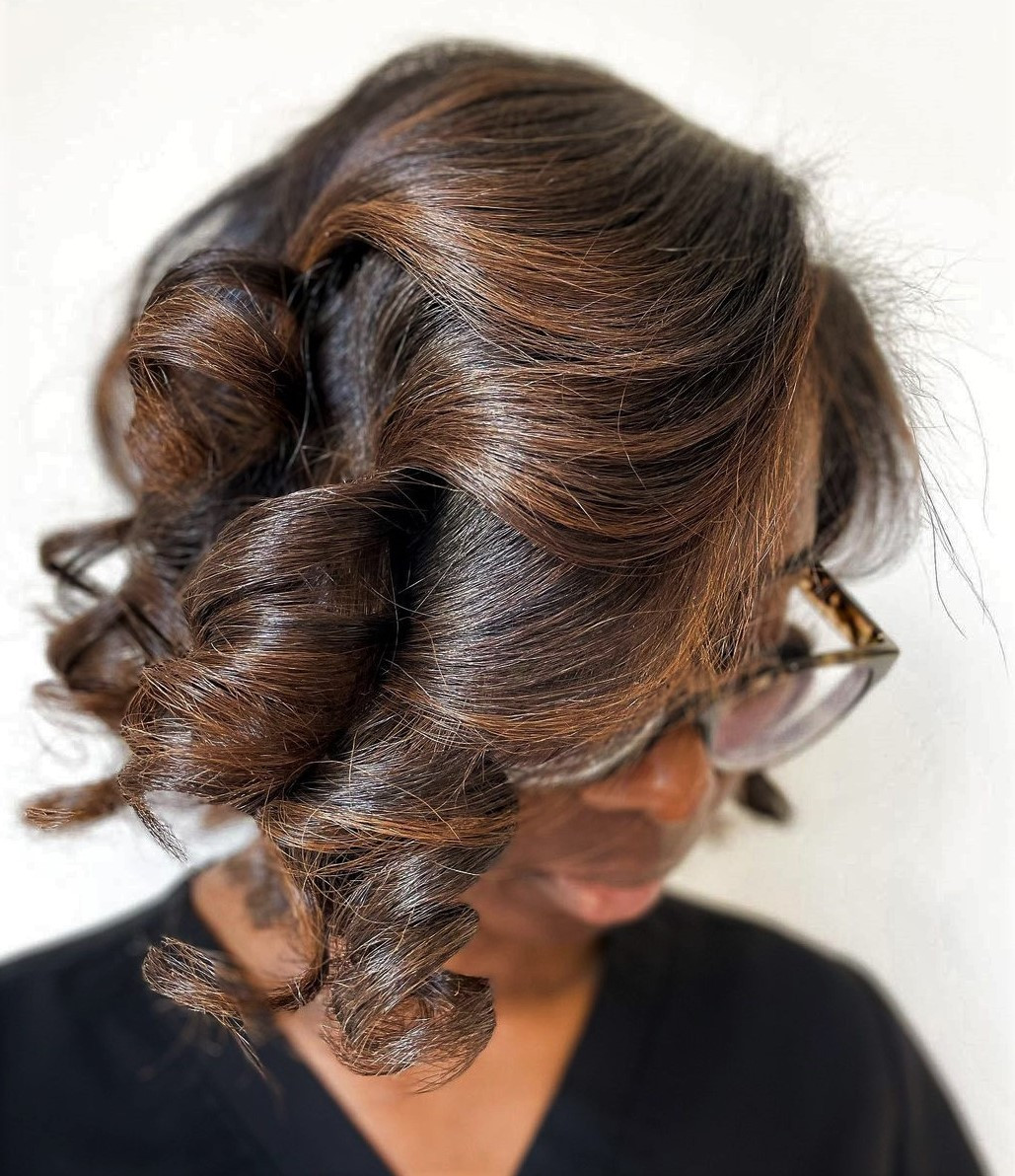
If you have warm undertones and thick, wavy texture, this is your colour. The dark brown base and rich caramel highlights read expensive together, not costume. Shoulder-length layers let the curls stack the caramel in unpredictable stripes, which is better than any uniform placement. The side view in the photo shows how the highlights wrap around the curve of each wave. Middle part, no bangs, full volume. I would skip this if your undertones run cool the caramel can pull orange against pink or blue skin. But for warm skin and thick hair, it is the easiest grow-out you will get.
Multi-Tonal Highlights in a Ponytail
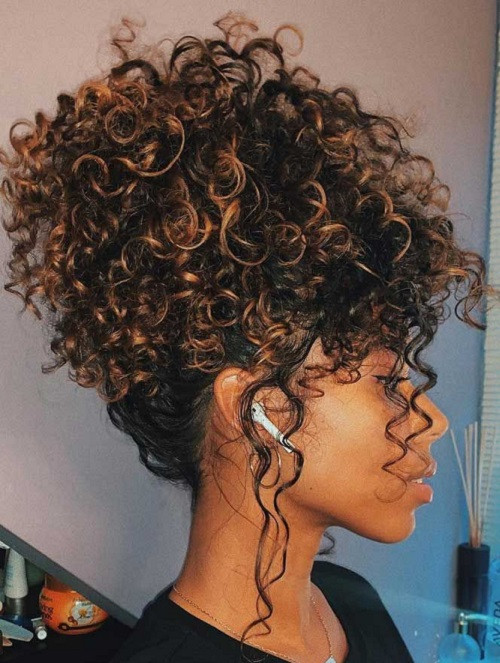
Monday morning, you pull it into a high ponytail and walk out the door. By Wednesday, the blonde and auburn highlights have settled into something that looks intentional, not faded.
The honest downside of multi-tonal highlights is the upkeep. The blonde needs toning every six to eight weeks, the auburn fades faster than the brown base, and the contrast between the three tones can blur if you skip the gloss. The ponytail hides the root line, which buys you two extra weeks. Curly, thick texture keeps the highlights from blending into one flat stripe, which is the main risk. The salon-leaning technique means this is not a box-dye project. Book it, then plan the toning schedule.
Blonde Highlights on a Layered Bob
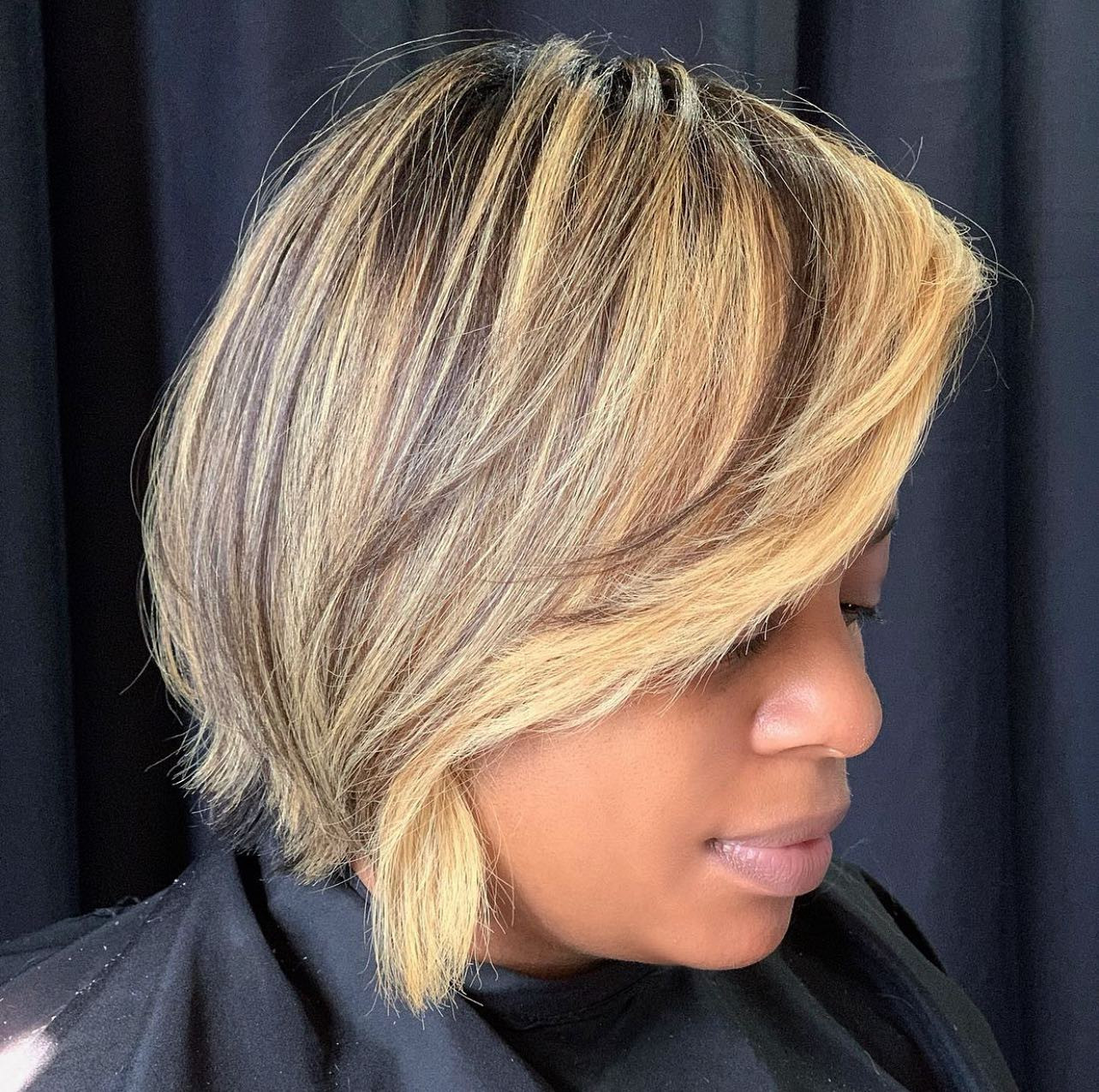
Would you trust yourself to cut a chin-length bob with side-swept bangs and place blonde highlights through the layers? Do not. The bob is a precision shape, and the blonde highlights on a dark brown base need a stylist who can map the foil placement to the cut. One wrong section and the highlight lands at the wrong angle, breaking the line. The thick, straight texture in the photo holds the flipped ends clean, which is exactly what a blunt bob needs. This is a salon-only colour. The grow-out at the root is visible at week four, but the layered shape hides it better than a solid bob would.
Chin Subtle Blonde Highlights on Bob
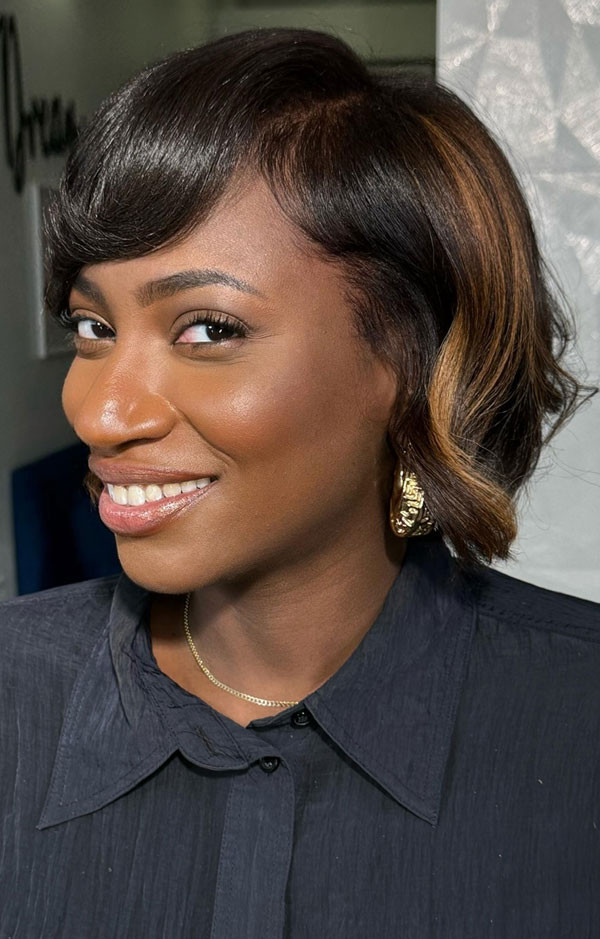
This bob lands right at chin, the side-swept bangs brushing one brow. Dark brown base with subtle blonde highlights, the tone warm, not brassy. The wavy, curled ends catch spring light without shouting. Straight to wavy, medium density hair holds the wave about five hours, then softens. That is the point, really. Subtle blonde highlights on a bob like this need less frequent toning, maybe every eight to ten weeks. Grow-out is very forgiving, the root line blurs into the dark base. A fifteen-minute wave with a curling wand and you are out the door. It is spring in a cut.
Vibrant Red Highlights on Pixie Cut
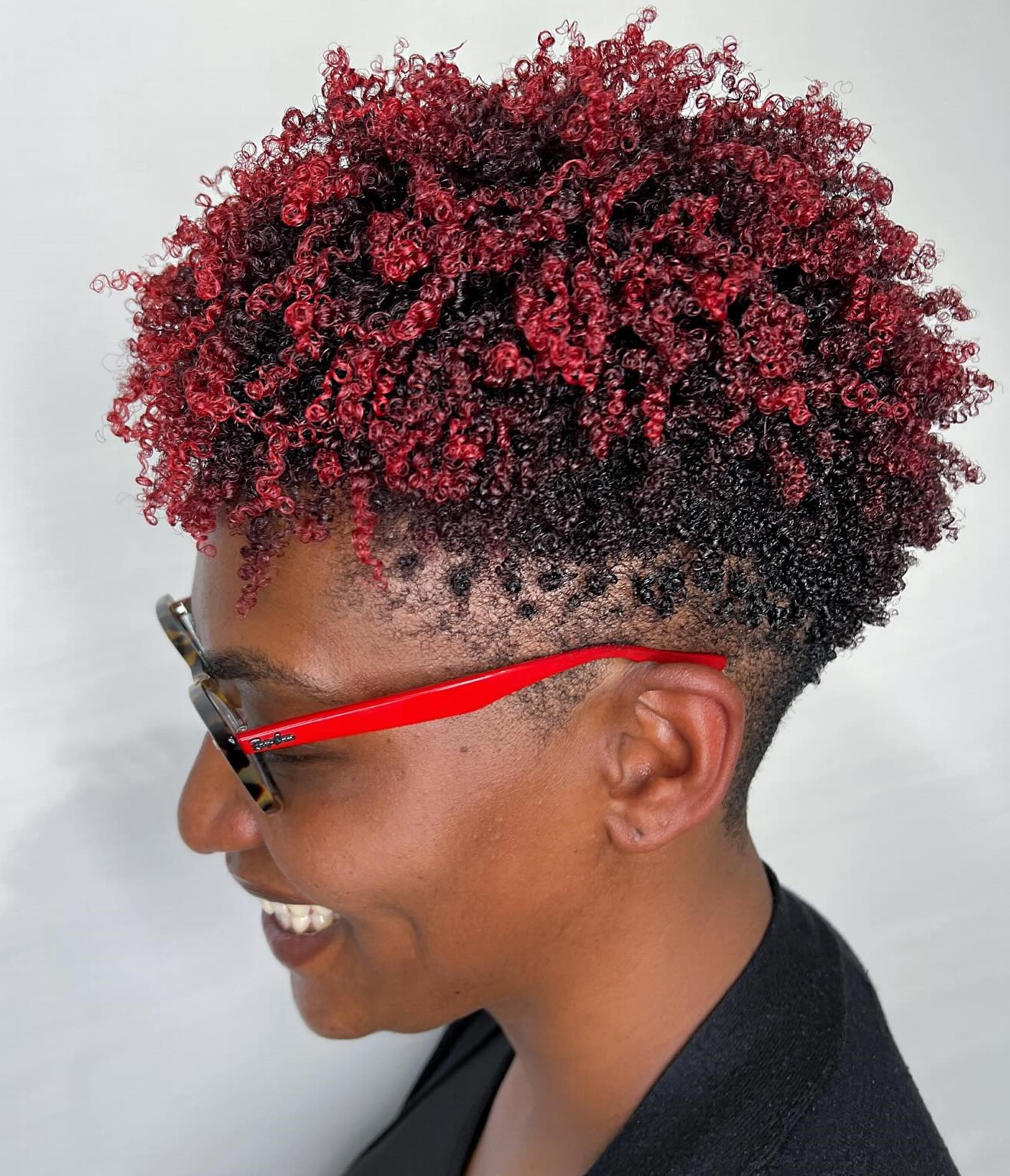
Vibrant red highlights on a pixie beat purple or blue for staying power on dark curly hair. The black base grounds the red, the tone is true, not pinkish. Ear-length, thick curls, no bangs. The middle part lets the red peek through at the temples. Red tones fade fastest, so expect to refresh every three to four weeks. Grow-out is very visible, the black root against the red. But that is the look, really. A bold colour on short, curly hair reads intentional, not accidental. Purple fades to grey. Blue stains. Red just goes.
Textured Pixie with Blonde Highlights
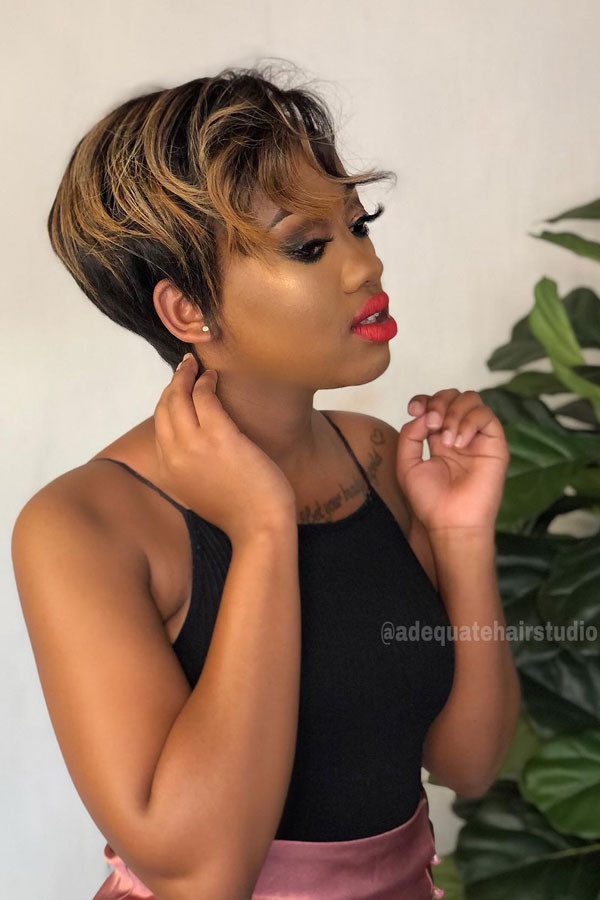
Can a pixie with blonde highlights still look weightless on fine, straight hair? Yes, if the stylist keeps the highlights fine and the base dark. Ear-length, side-swept bangs, the texture is tousled, not spiky. Dark brown base with blonde highlights, the tone is cool, not yellow. The technique matters here: the stylist paints thin slices, not thick foils. Blonde highlights on pixie cut fine hair can look heavy if the placement is too wide. The honest downside is the toning schedule, every six to eight weeks. Grow-out is noticeable but blends into the pixie shape. Five minutes of fingers through the hair and it looks done.
Platinum Blonde Pixie with Dark Roots
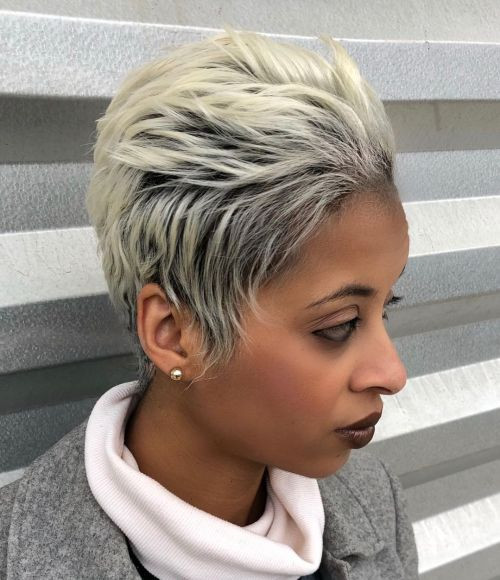
I will confess: I booked this once and spent the next year apologising to my hair. Platinum blonde with dark roots on a wavy, fine pixie is a commitment. The colour is platinum, the tone is ashy, not warm. The dark roots are intentional, not neglected. The pixie is short, textured, spiky. The grow-out is visible by week three, the root line sharp against the platinum. Toning every two to three weeks, root touch-ups every four to six weeks. High maintenance is an understatement. But the contrast is the point, the dark root against the pale blonde. It is a look that says I knew exactly what I was doing.
Vibrant Blue Highlights on Black Hair
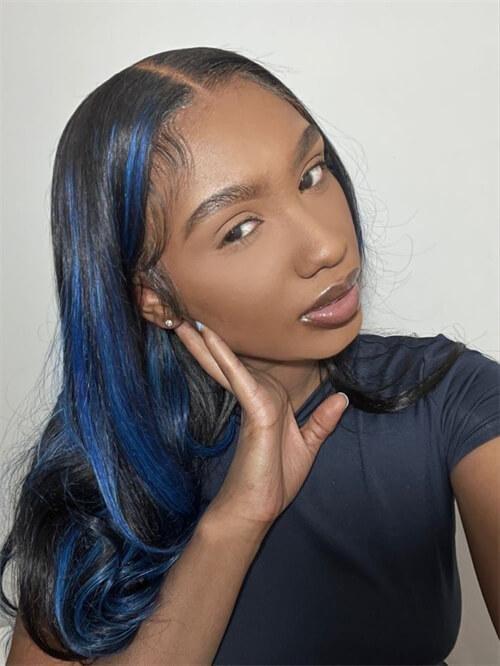
Vibrant blue highlights on black hair is a gut reaction colour. You either want it or you do not. Mid-back length, long layers, no bangs, middle part. The black base is the anchor, the vibrant blue highlights are the accent. The tone is true blue, not teal or turquoise. Straight, fine hair, the wavy ends catch the blue. This flatters anyone who wants a bold colour without bleaching the whole head. The grow-out is very noticeable, the blue against the black. Blue fades fast, every three to four weeks needs a refresh. Ask your stylist for a balayage placement, the blue woven through the mid-lengths and ends, not the roots. That way the grow-out reads as a shadow, not a mistake.
Final Thoughts
After writing all of these, I’m booking the caramel with curtain bangs. It’s the one that works with my fine hair and my flat-by-4pm reality. The root shadow buys me six calm weeks, and the grow-out doesn’t look like a mistake.
- Trim the baseline every eight weeks.
- Tone at week six, not week ten.
- Use a heat protectant before styling.
- Deep condition once a week.
- Book the consultation first.

