The chair next to mine has been booked solid since May with the same request: wand curls, wrapped section by section, then raked out with fingers. What used to be wedding hair now turns up on a Thursday, on collarbone hair and mid-back hair alike. My opinion has not moved: it is the most reliable finished-hair trick going.
In 15 ideas, this runs from collarbone to mid-back, fine hair to thick, air-dried to fully hot-tool set, plus one section on the technique itself. Wand Curls flatter most face shapes once the parting is sorted. I have fine hair that quits by 4 pm, so I marked which versions hold through a commute and which need a round brush.
Large Loose Wand Curls With Dimension
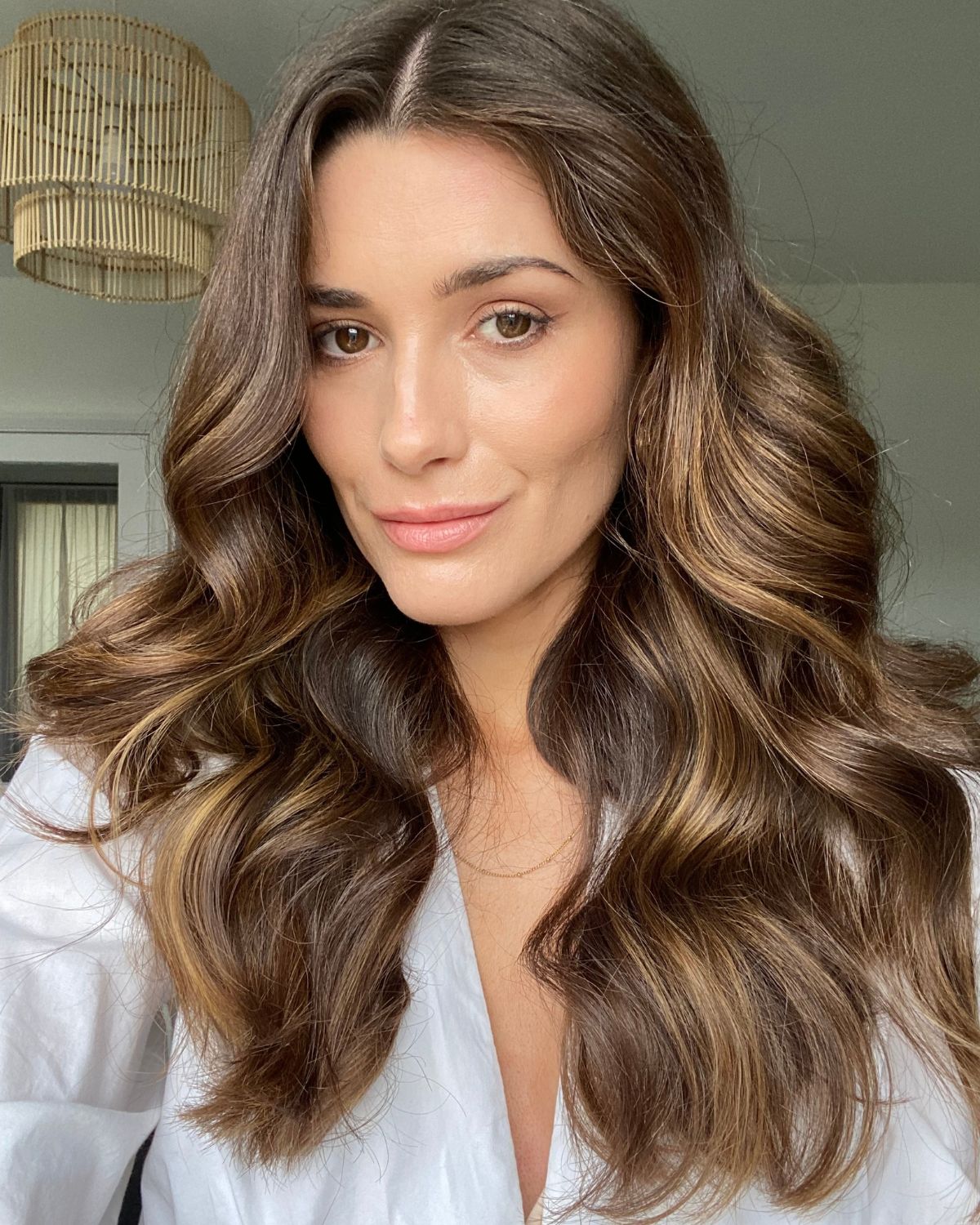
A middle part plus mid-back length does more for loose curls than any wand technique I have tried. That is the quiet work behind wand curls with highlights: light bounces off the blonde highlights, the eye reads dimension, and the bend can stay large and half-formed. Thick, wavy hair is the best case here. Density supplies the volume, the natural wave gives the barrel something to grip, and layers stop the mid-back length from widening into a triangle. Hold comes from the shape, not from a can of spray. The bend stays soft on purpose. Fine strands should pass. A large barrel leaves almost nothing behind on hair that slides flat by 4 pm.
Glossy Mid-Back Wand Curls For Occasions
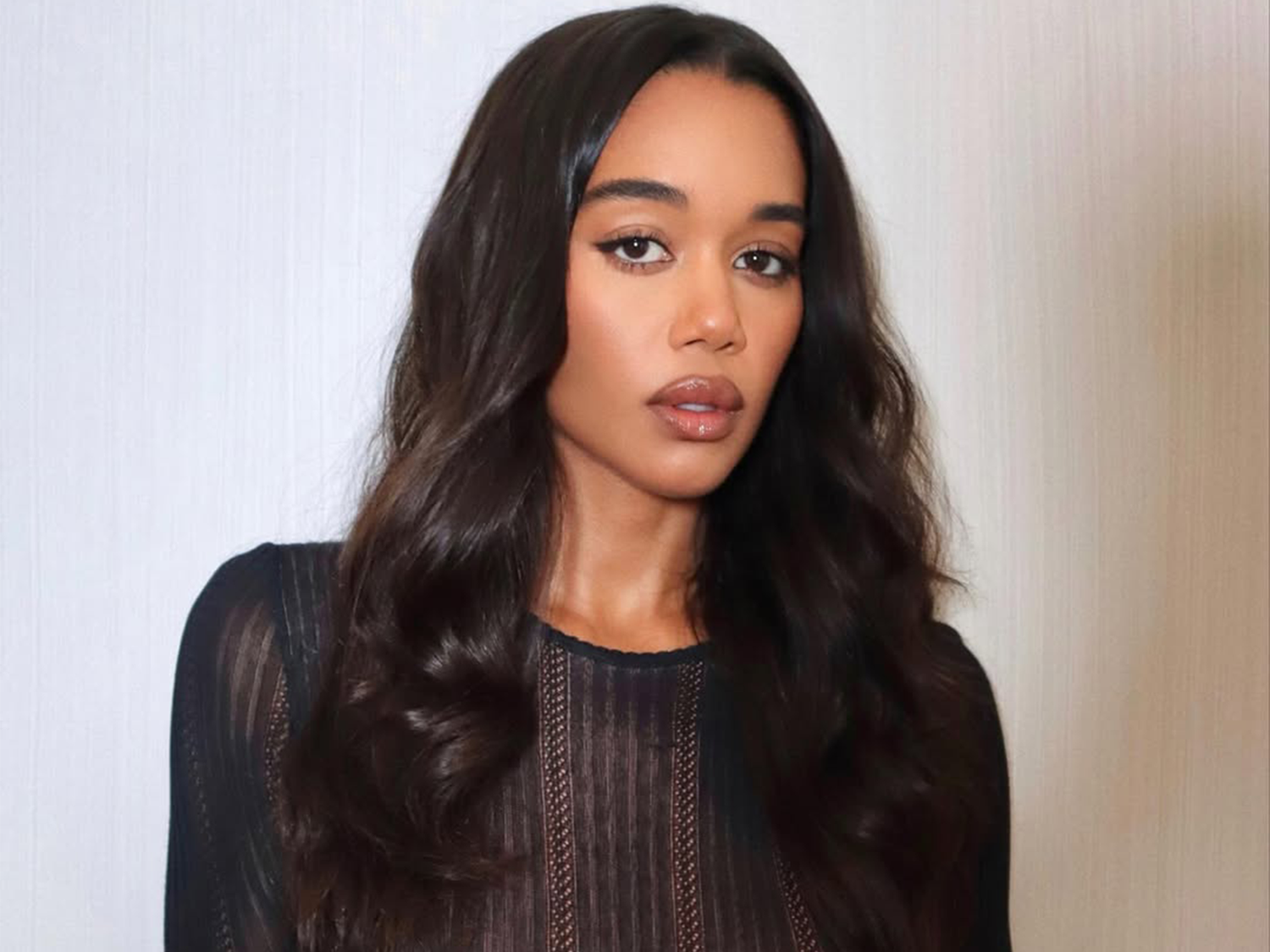
Why does the same curl look so different when the finish is glossy? Because shine flattens nothing and hides plenty. Large glossy wand curls on mid-back length belong to the season of parties and long dinners, where candlelight and camera flashes reward a smooth surface over a complicated shape. The fun here is the contradiction: dark brown with subtle auburn highlights underneath, a deep side parting up top, and a bend loose enough to move when you turn your head. Wavy, thick hair carries the weight of the curl without the layers collapsing.
Wear it down for the event, then treat it carefully afterwards. Upkeep is mostly shine maintenance: a heat protectant before the wand, a shine serum on the ends after, and a silk pillowcase so the mid-back length does not rough up overnight. Skip the brush entirely. Every pass pulls the gloss off the surface, turns a large curl fuzzy, and takes the hold with it.
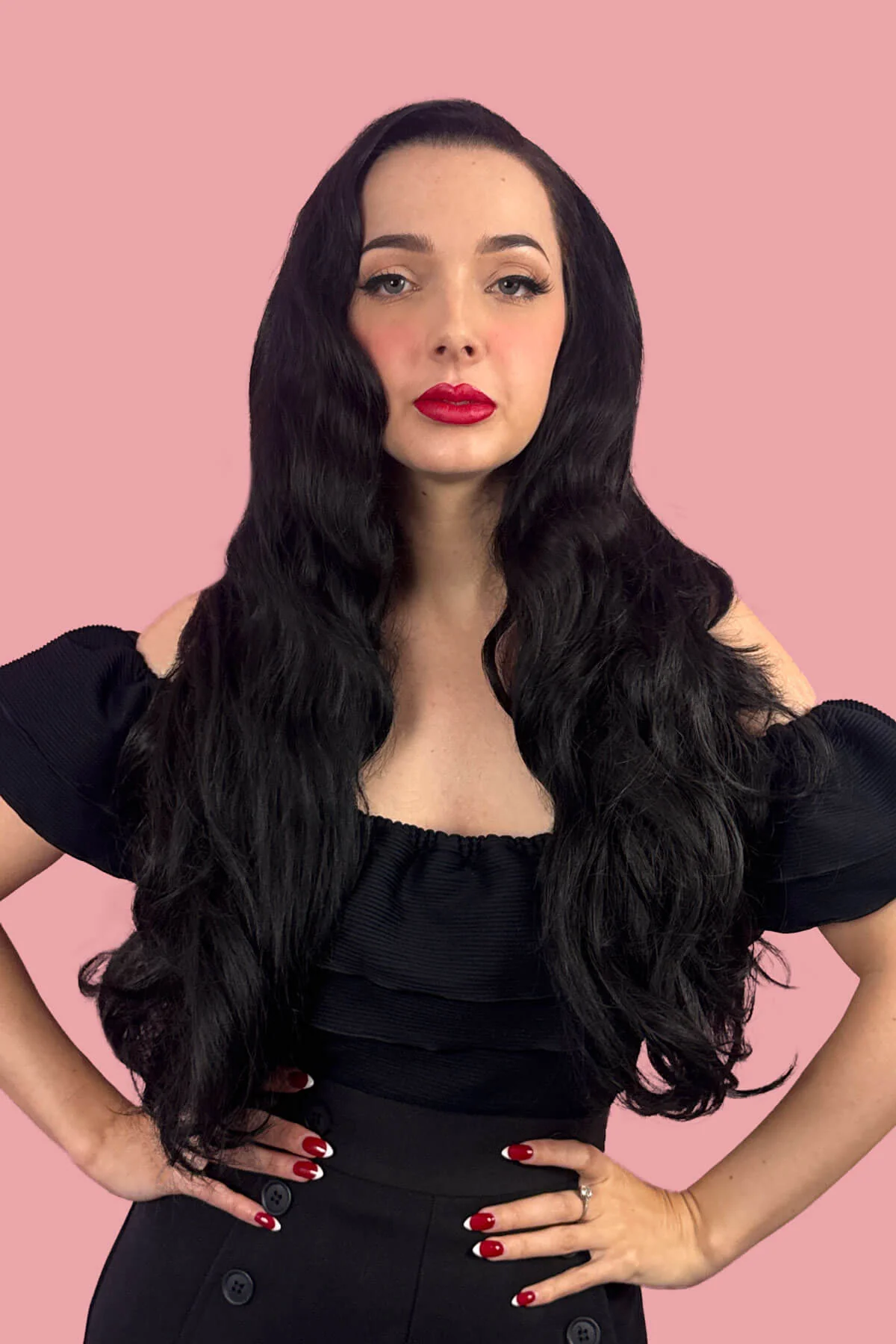
Dramatic Voluminous Black Wand Curls
A side part shows the moment the roots give up, so this bob with waves earns its volume from the cut first. Collarbone length keeps dark brown reading dense, and the waves stay loose instead of shrinking up. Slightly tousled texture is a blowout job: round brush at the root, cool shot, then a wand through the mid-lengths only. Fifteen to twenty minutes, and the part holds past dinner. Salon-leaning. The back is the section no brush at home can honestly reach.
Loose Collarbone Waves With Side Part
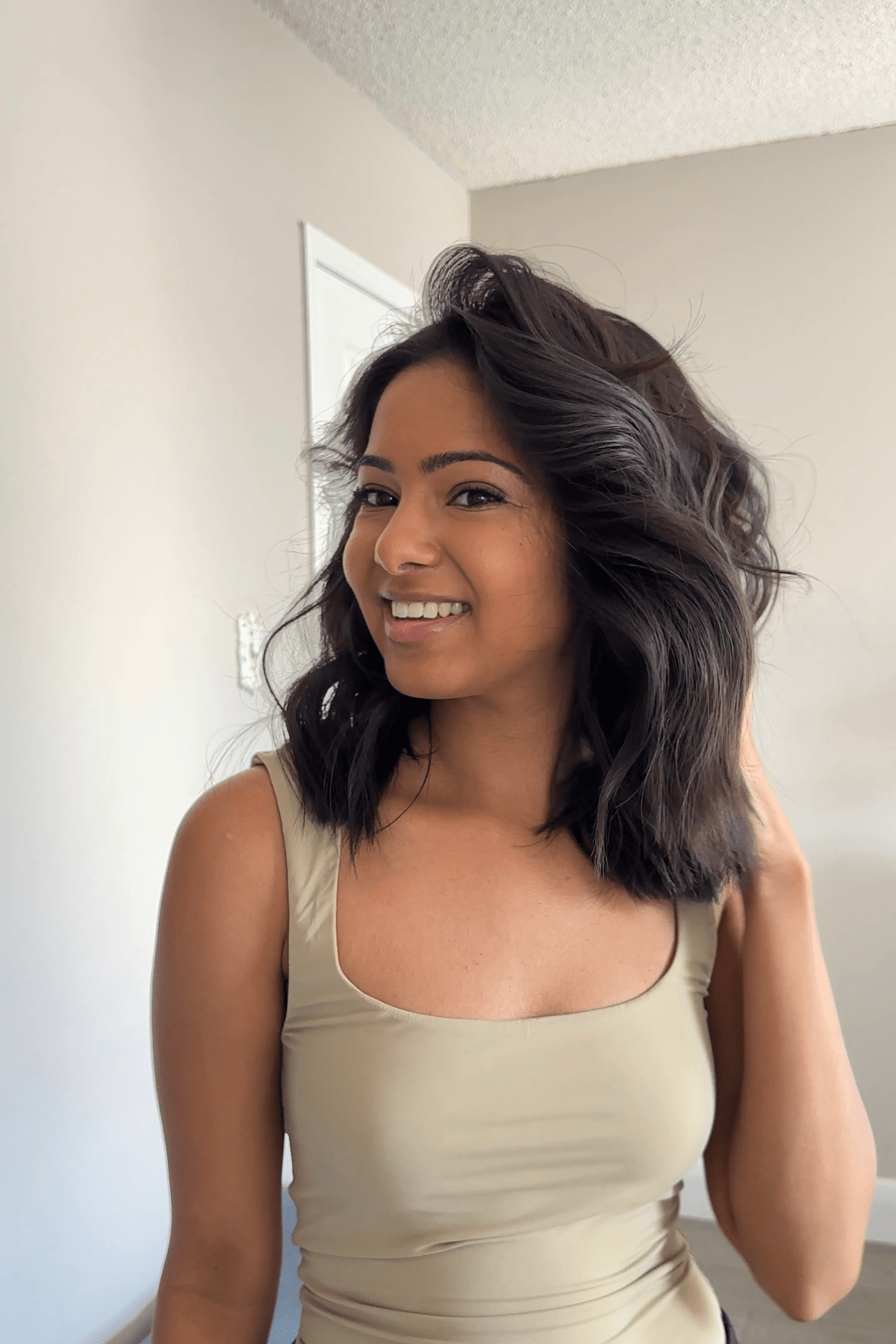
The cut is a collarbone bob, dark brown, no bangs, parted to one side. Blowout styling turns it into a bob with waves rather than a smooth helmet, and the trick is direction: dry the roots up and away from the head, wrap the mid-lengths around a round brush, then let them cool in the curve. Cooling is the hold. The slightly tousled texture comes from brush work, not product. Fifteen to twenty minutes at home, and only if you can work a round brush; the cut itself is the part worth booking.
Tousled Bob Waves With Side Part
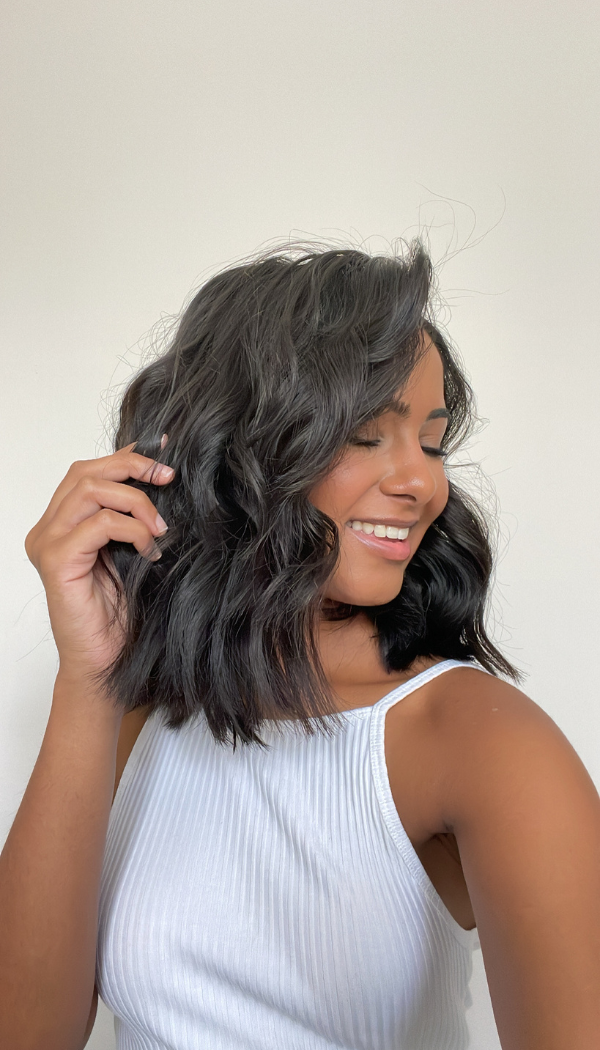
My worst wand mistake was never the heat setting. It was the size of the section. Thick, wavy-to-curly hair like this mid-back length wants a small barrel and a thin wrap, roughly an inch of hair at a time, wound tight and held for a few seconds. Wrap too much and you get one limp ringlet with a kink at the root. The other half of the curling wand technique is release: pull the wand straight down and let the coil fall, then leave it alone. Brush it and you are back to a blowout.
Where do these go wrong? Release too late and the coil sets with a crease. Tight winding holds the root as much as the end, so spiral wand curls keep their spring well past lunch, and day two is softer rather than straighter. The honest downside is the ends: this much heat on dark blonde with lighter highlights leaves them rough by week six. Trim every eight weeks and keep the wand off the last inch.
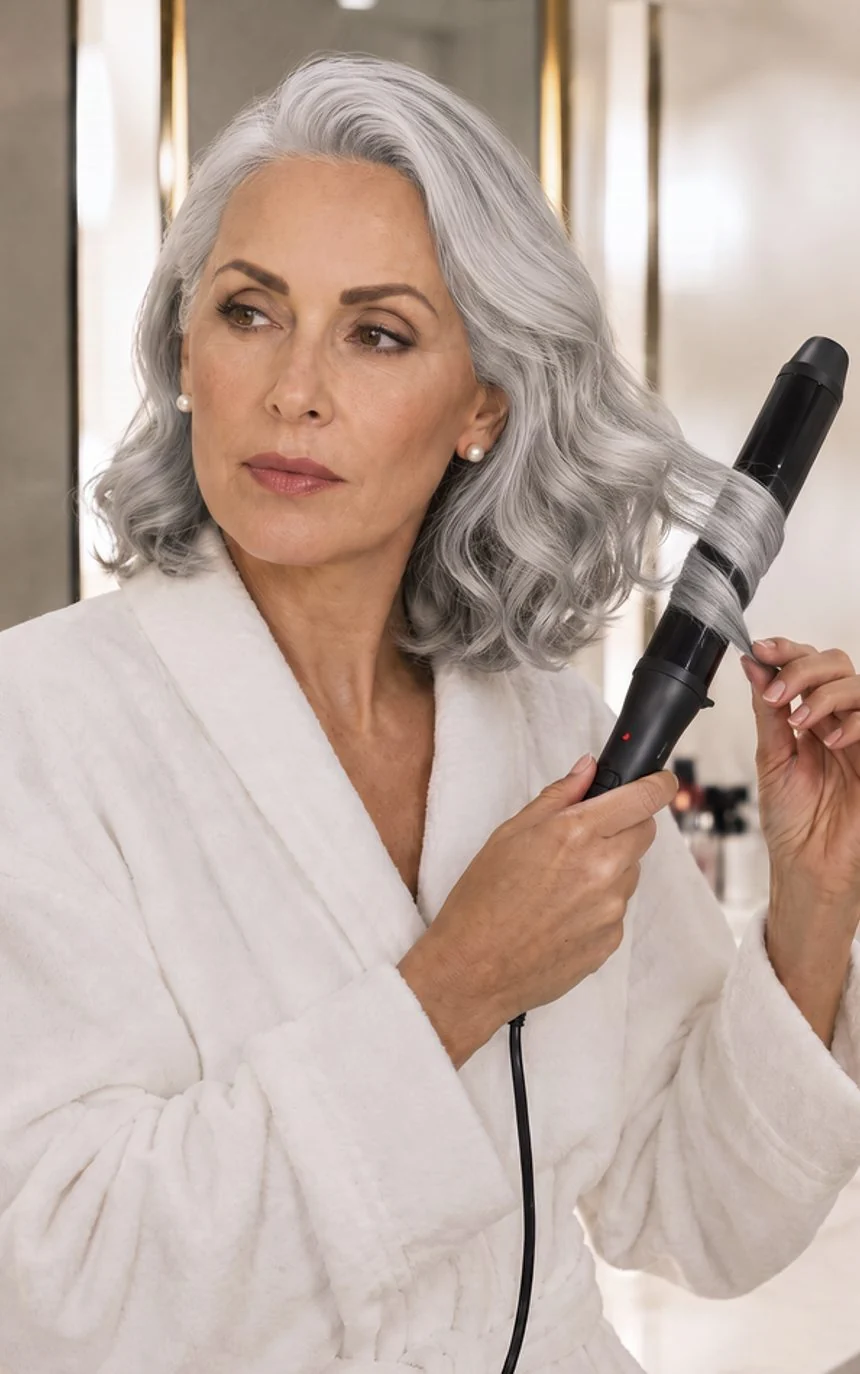
Sophisticated Grey Wand Curls
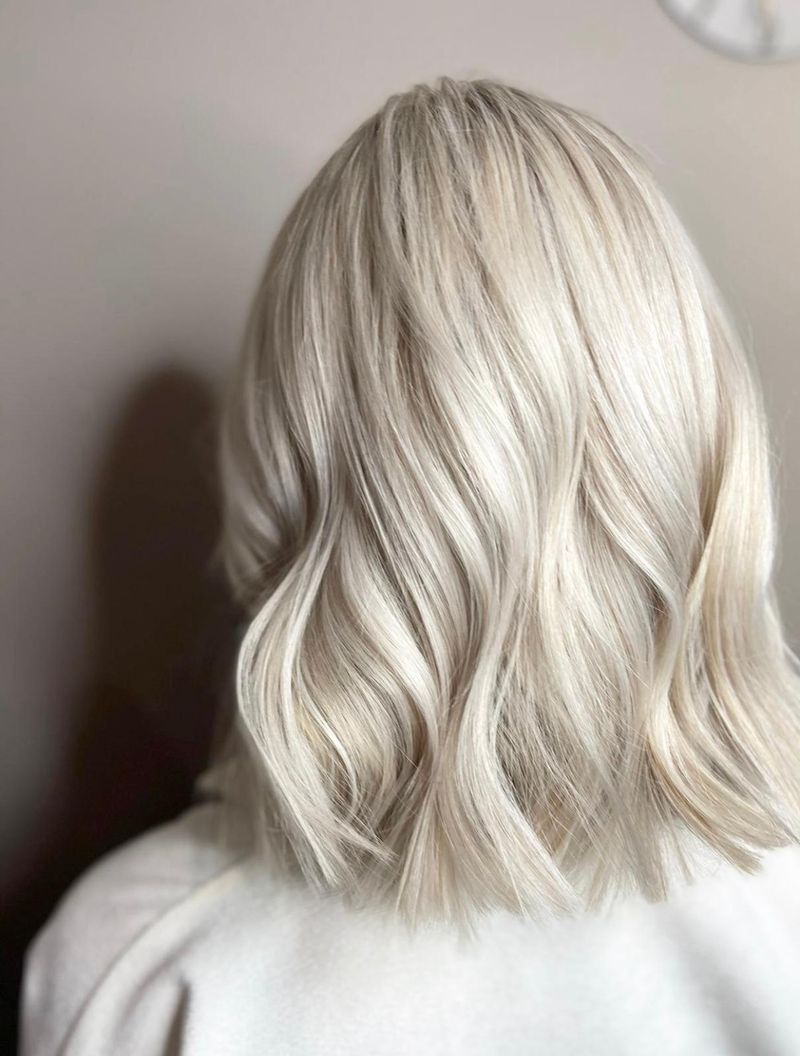
Who actually gets away with a platinum blonde bob? Medium density hair with a little natural bend, mostly. On that texture the loose waves sit soft at collarbone length and hold through a long day instead of collapsing into a kink. Fine hair, less so. This much lift reads stringy by noon. Platinum with ash undertones drifts yellow around week three, and because the base is so pale, the root line shows almost as soon as it arrives. A middle part widens a round face, which is worth knowing before you commit.
Platinum Blonde Bob With Loose Waves
I blamed my curl pattern for years. It was the shape. Curly hair with curtain bangs only works when the layers underneath are cut to support the coil above them, and collarbone is the length where that finally shows: short enough that the curls spring back instead of hanging, long enough that the curtain pieces can sweep. Mine are defined springy curls on a good day and a collapsed cloud on a bad one. Styling is not a five-minute job. You wet it, work cream through in sections, diffuse on low, then wrap front pieces on a wand and finish the bangs with a small round brush so they sit away from the forehead. Forty minutes, and black hair forgives nothing. The hold is real, though: this one lasts to the next wash day.
Collarbone Curly Hair With Curtain Bangs
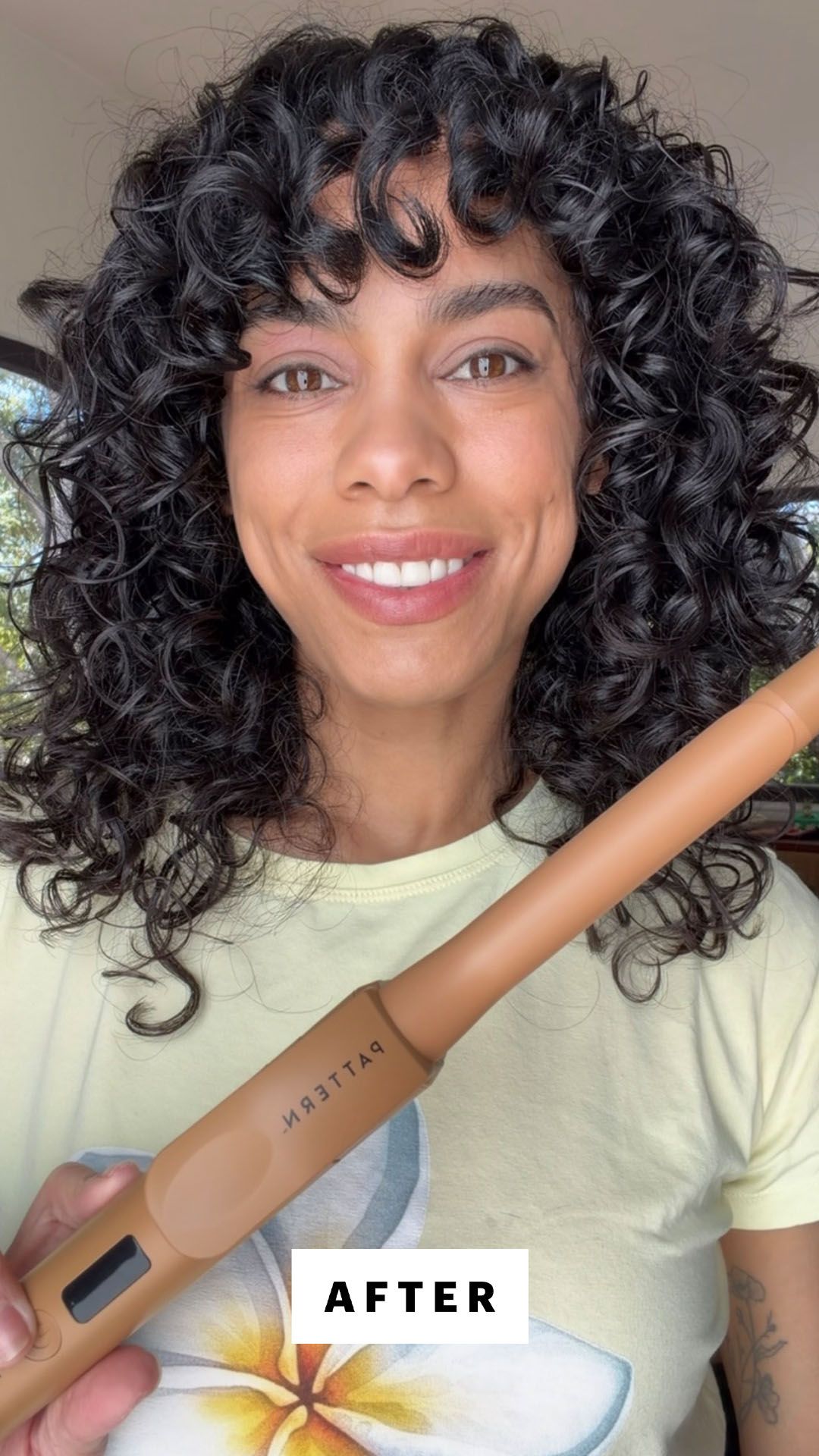
I spent a year trying to fake defined springy curls at home and lost every round. My curtain bangs went flat while the rest bounced, a cursed combination no amount of scrunching fixed. Curly hair with curtain bangs is really two jobs in one head, and the front one is harder. Black hair at collarbone length does not hide a sloppy wand curl either, because shine shows every place you paused too long. Sectioning matters more than the barrel: small, even sections wrapped away from the face, then left to cool before you touch them. Cooled curl holds till you wash it. Rushed curl drops by six. Book the first one, watch where the sections start, and take that knowledge home.
Defined Bouncy Curls With Air-Dried Texture
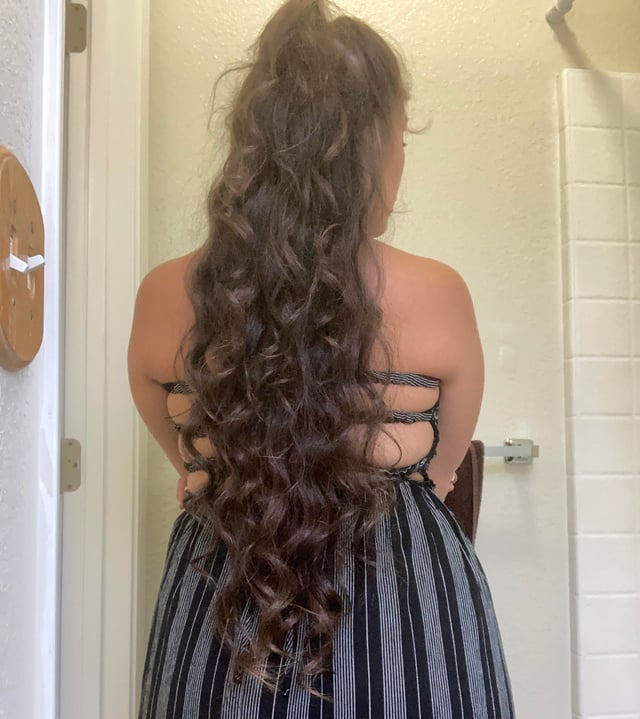
Air dried curls are mostly a drying job. Long layers through mid-back dark brown hair will coil on their own if you leave them alone, and every extra minute with a brush costs you a ringlet. Cream into soaking wet hair. Twist or braid in sections. Then hands off for four hours. Natural texture does the rest, so the hard part is the wait. Fine hair may fall flat; thick hair wins here. Ten minutes of work, and the definition holds without a wand anywhere near it.
Voluminous Air-Dried Wand Curls

Voluminous wand curls peak on day two, so plan accordingly. Air-dried texture first, then a large barrel wand through the mid-lengths and ends only, roots left soft, so the bend starts somewhere around the jaw. Thick, wavy, dark brown hair at mid-back keeps that shape for about three days without a touch-up. Day one looks a bit formal. By day three the front pieces have straightened out and the back is still doing its thing.
Upkeep asks for something back. Layers at mid-back length fray at the ends around week eight, and once they do the curl line goes fuzzy and the whole thing reads smaller. A trim every eight weeks, then maybe two minutes with a wand on the two front pieces on the days you leave the house. A middle part keeps the volume even on both sides; a hard side part drops weight on one and flattens it by lunch. Fine hair and this shape have never been friends.
Medium Brown Wand Curls With Auburn Tones
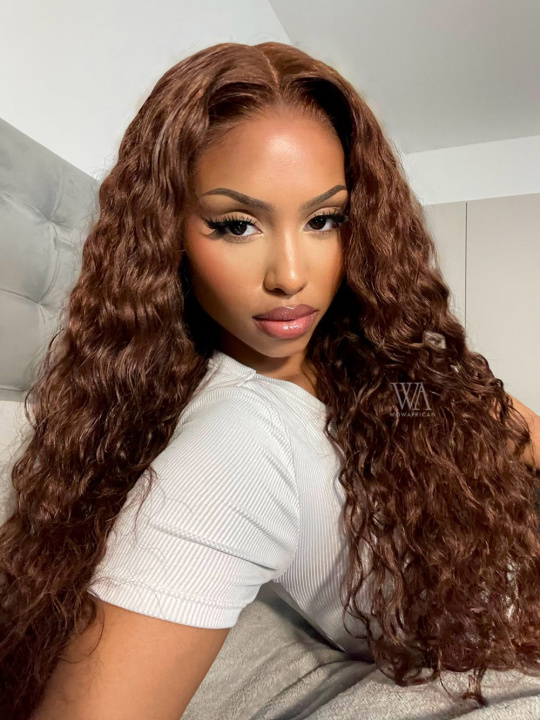
Ever wondered why some brown hair catches light like it has a pilot light inside? That is auburn undertones doing quiet work, and they are the whole reason these medium brown wand curls read warm instead of flat. This is a salon-leaning job: a base lift through the mid-lengths and ends, then a glaze, because auburn applied over the whole head goes copper fast. At home you get an orange band creeping up from the roots by week three, no question. Beyond the color, it is a large barrel, sections wrapped loose and away from the face, 35 to 45 minutes of styling from wet to done. Collarbone length with layers and a side part, thick wavy texture holding the bend through a long day.
Defined Uniform Curls On Black Hair
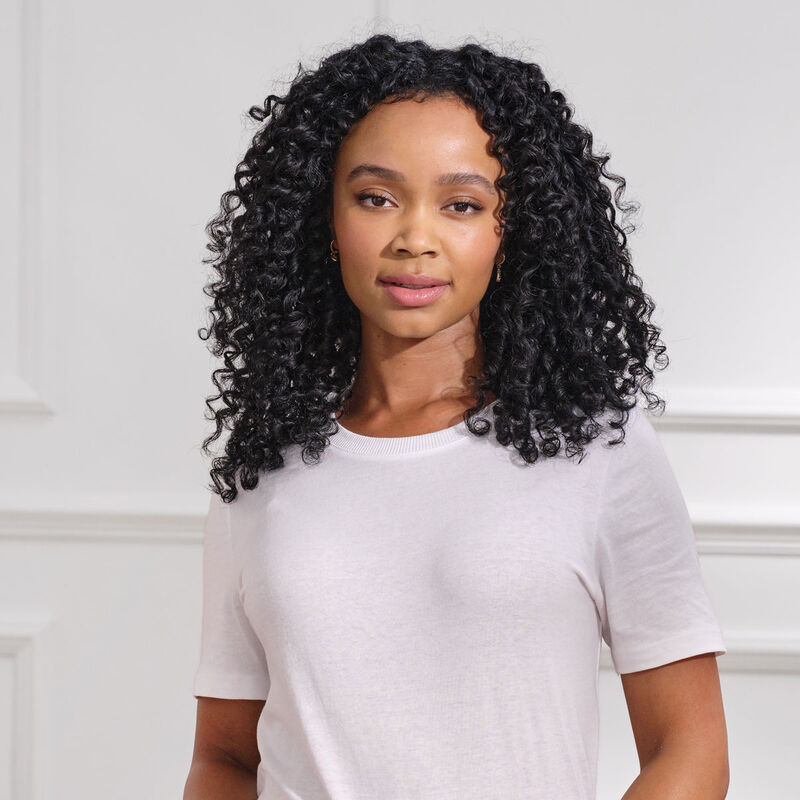
Not one curl in this set breaks rank, and that is the whole appeal of defined black curls. The uniform curl pattern on this shoulder-length black hair is the point: same barrel, same tension, same direction, so the eye reads one shape. Medium density curly hair is the sweet spot. Each section has enough weight to spring back, and enough hold to keep the repetition crisp for hours. Fine, low density hair exposes every gap and the sameness turns severe; high density swallows the pattern into one mass. A middle part suits oval and long faces. On a round face it widens what you were trying to narrow.
Half-Up Half-Down Collarbone Curls
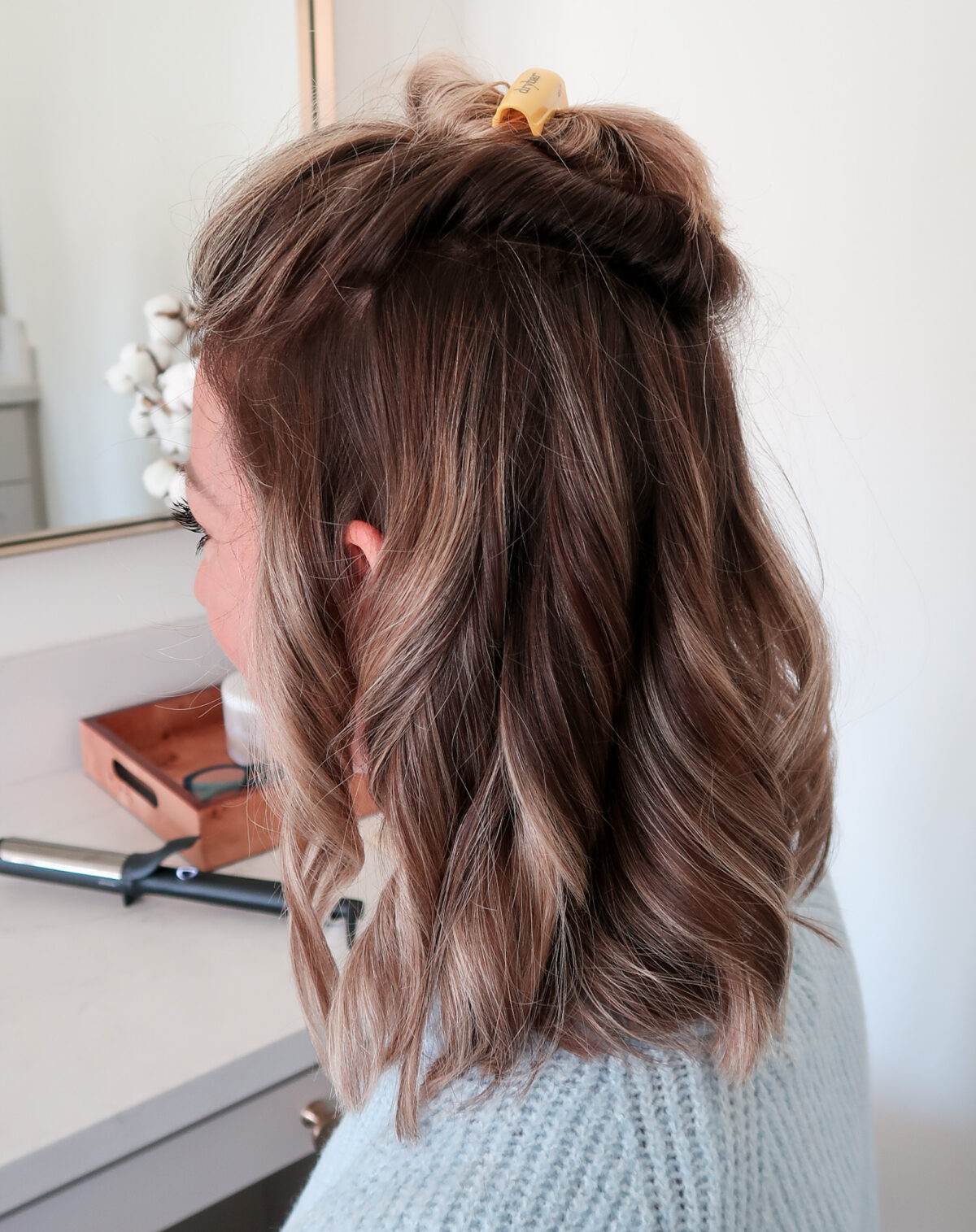
Oh, this is the one I would wear to a wedding. Half up half down curls do a specific job: they keep the volume where people look and let the rest of the hair move, which is why they work from a late-summer wedding straight through to a December party. On collarbone length with thick, wavy texture and layers, the pulled-back section stays where you pin it instead of sliding. Curl the lengths first, then take the top section back, about 20 to 30 minutes with pins or a clip. The dark brown base with blonde highlights is what makes it read as loose voluminous wand curls rather than a fresh set: the lift catches light and the deeper base underneath keeps it grown-up. A middle part holds this shape best.
Spiral Wand Curls With Rose Gold Wand
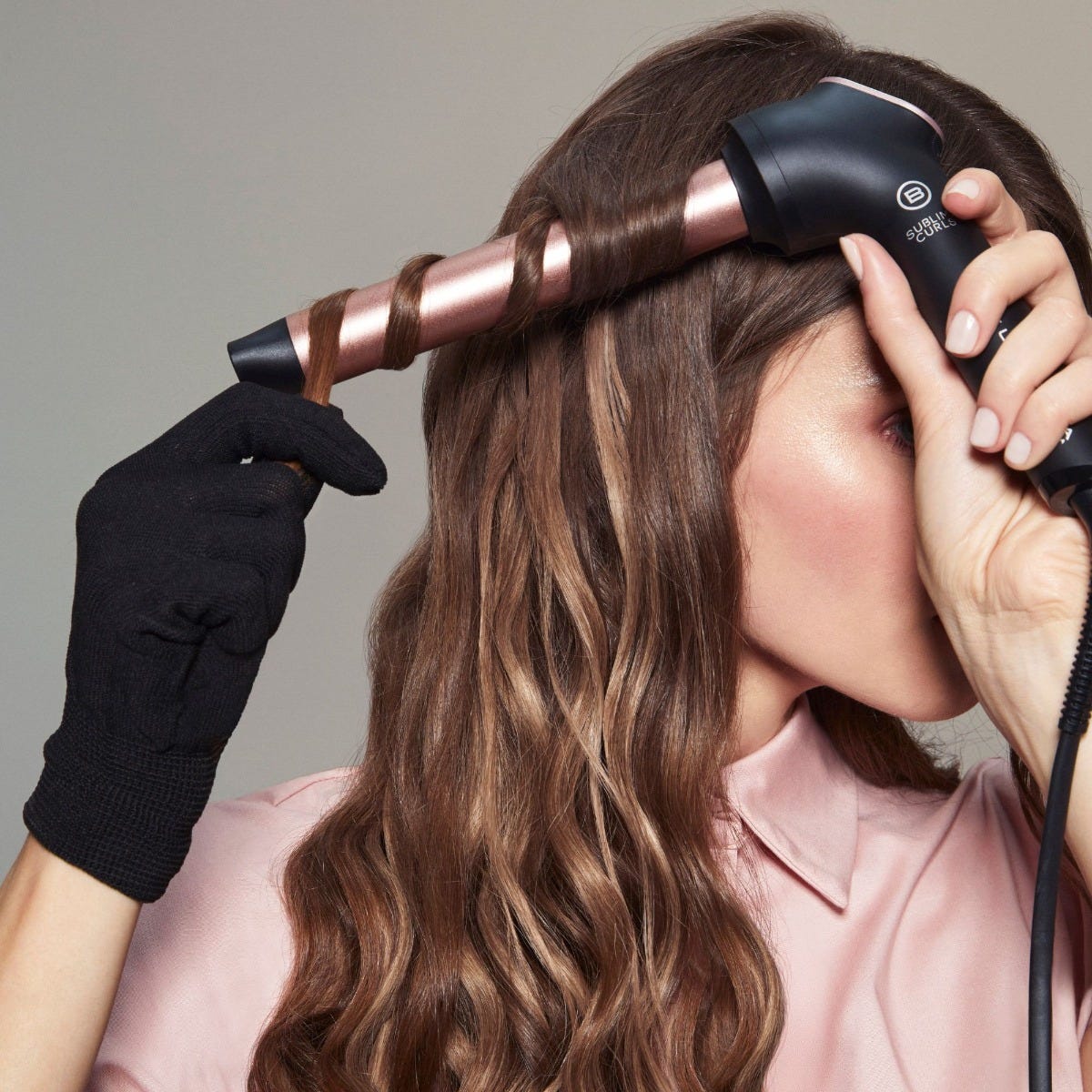
I made the same mistake for a full year: winding sections too wide, then brushing the finished curls. Both are fast ways to turn a spring into a shrug. Spiral wand curls want thin sections, a narrow barrel, and no hands on them once they are off the wand. Brush them, and the shape goes soft by 4 pm. Leave them alone. On this mid-back length the curl holds until you sleep on it, which is more than most styles manage.
Thick, wavy hair with layers is what makes this one play: the layers stop a mid-back length from dragging the crown flat, and the natural texture gives the spiral something to grip. Dark blonde with lighter highlights suits it because every turn catches light and shade in sequence. Not a ten minute job. Budget 40 to 50 minutes, and more patience than you think. Fine hair will drop by evening no matter how well you wrap. Trim every eight weeks, since frayed ends fluff out of the spiral and stop reading as curl.
The Wand Curl Technique Up Close
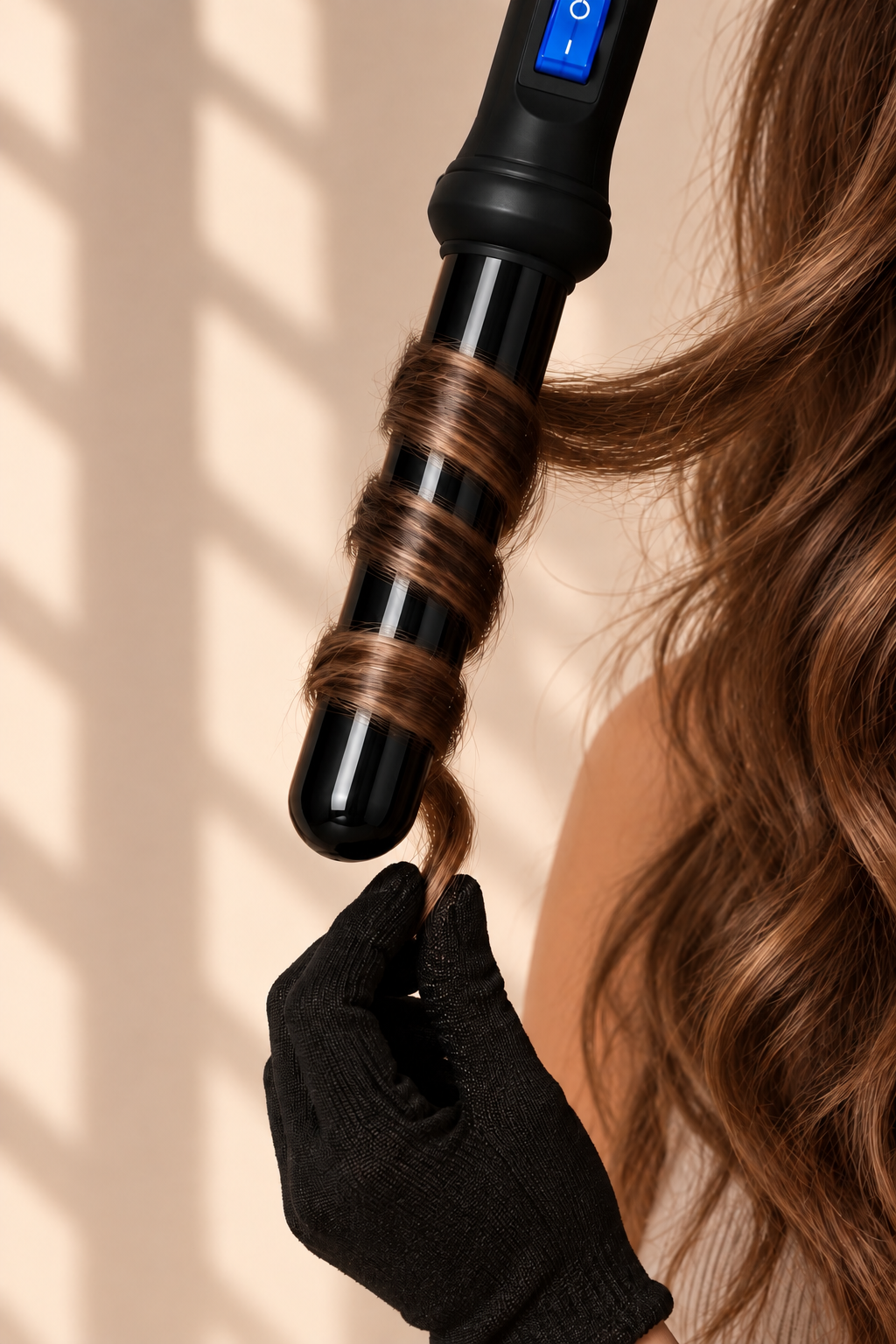
Point the wand down, not sideways, and the whole curling wand technique changes. Wrap away from your face, hold the barrel vertical, clamp at the root or mid-length, then wind the strand down around it. Ten to fifteen seconds. Any longer and the bend goes sharper than a collarbone length wants. Let each curl cool completely before you touch it, because warm hair drops the second your fingers get involved. Grey, layered, medium density: the wrap lands the same on medium brown hair. Thirty to sixty minutes, sometimes more.
Final Thoughts
Writing these up changed one thing for me: the air-dried versions are the ones I would actually repeat, not the hot-tool sets. The grey and the auburn sections both made me want a tonal shift I have been putting off for a year. I am booking the collarbone wave with a side part next, because my own hair holds that shape past dinner. My wand stays on the shelf until then.